18 Creative Ways to Repurpose Old Clothing in the Home and Garden
The average person throws away dozens of pounds of clothing every single year. Mountains of discarded garments pile up in landfills while perfectly good material goes to waste. Giving old clothes a second life prevents this waste while providing useful materials for household projects.
Repurposing textiles allows you to stretch your budget and create items perfectly suited to your specific needs. Worn-out jeans, torn shirts, and stained dresses still hold value hidden within their threads. Transforming these garments requires minimal supplies and makes for an enjoyable afternoon activity.
Below are eighteen practical methods for reusing old clothing in your house and yard. The ideas range from simple no-sew crafts to helpful garden additions. Prepare to see your donation pile in a completely new light.
1. Shred Natural Fabrics for Compost
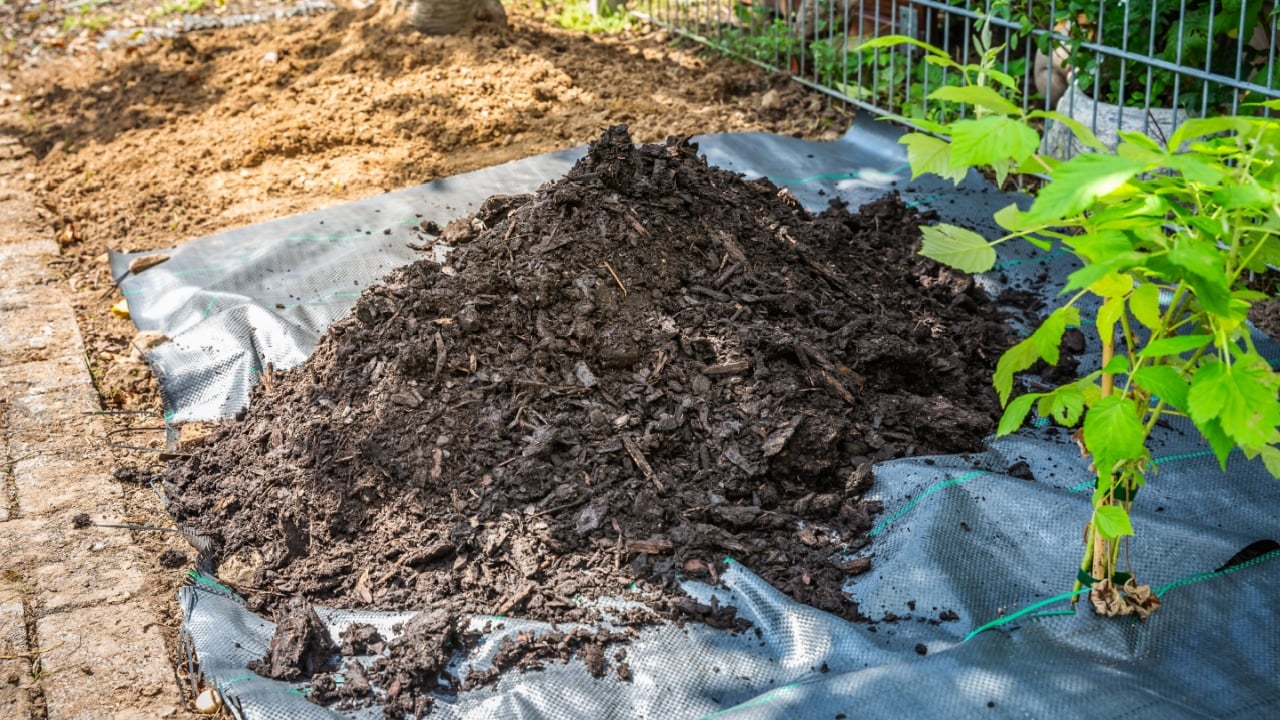
Old cotton, linen, and wool garments break down naturally in the soil. You must remove all plastic buttons, metal zippers, and synthetic tags before adding the material to your bin. Cutting the fabric into very small squares significantly speeds up the decomposition process. Mix these natural fibers with green matter like grass clippings to create a balanced environment for microorganisms.
These natural materials add valuable carbon to your compost pile as the months pass. Avoid using synthetic blends like polyester or spandex because they release microplastics into your garden beds. Dig the fabric scraps deep into the center of the pile to help them heat up and decompose faster. You eventually get rich organic matter to feed your vegetable plants and flowers.
2. Cut Soft Strips for Plant Ties

Stretchy T-shirts provide the perfect material for supporting tall plants or climbing plants. Cutting the shirts into thin strips yields gentle ties that will not cut into delicate stems. Tomatoes, beans, and climbing vines need support as they grow upward toward the sun. Traditional wire or plastic ties frequently damage the plant bark during windy days.
To make these ties, simply snip the shirt horizontally starting from the bottom hem. Pulling the ends of each strip causes the edges to roll inward and create a soft tube. Tie your plants loosely to stakes or trellises to allow room for stem growth. You can easily remove and compost these cotton ties at the end of the growing season.
3. Braid Denim into Dog Toys

Heavy denim withstands aggressive chewing better than most materials found at pet stores. You can cut the legs off an old pair of jeans and slice them into three long strips. Knotting the top and tightly braiding the pieces creates a durable rope toy for your dog. Tying a large knot at both ends keeps the braid securely intact during tug-of-war sessions.
Making your own pet toys saves money and keeps worn-out jeans out of the trash. You can customize the length and thickness based on the size of your dog. Soaking the denim rope in water and freezing it provides relief for teething puppies. Always monitor your dog during playtime and discard the toy if it begins to fray heavily.
4. Frame Bold Fabric as Wall Art
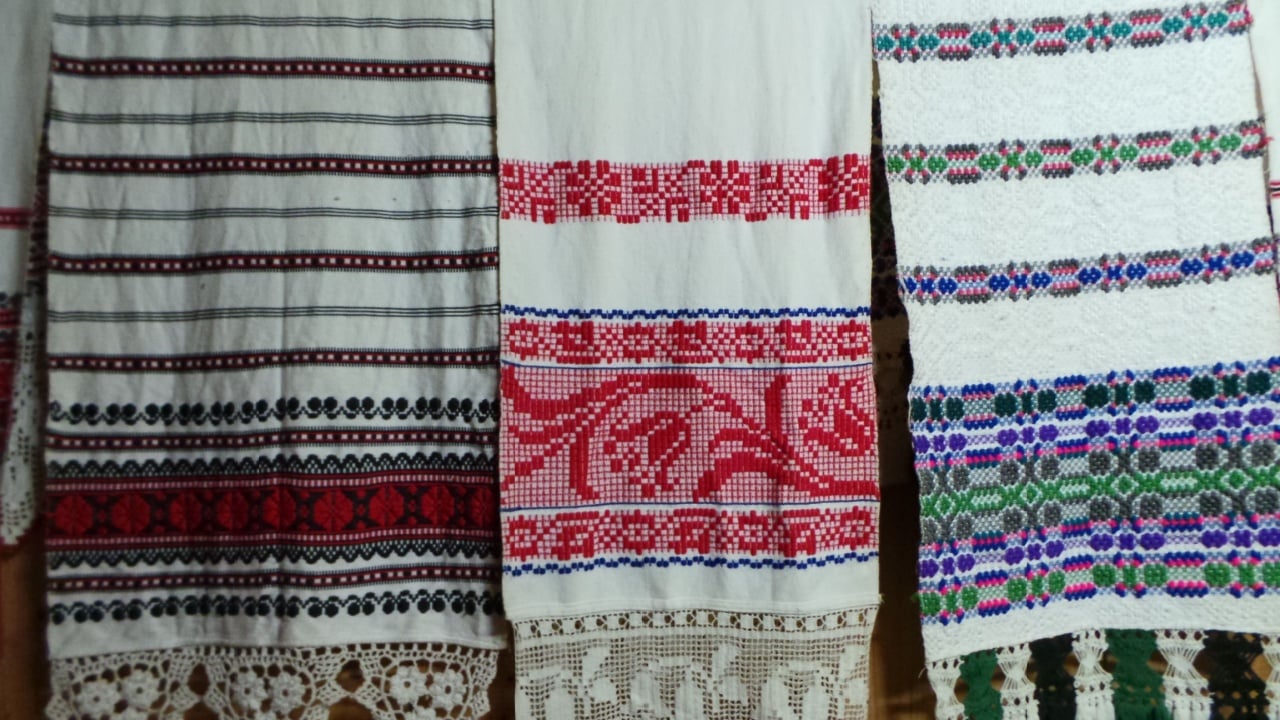
Beautifully patterned shirts or vintage scarves serve as stunning visual elements for bare walls. Stretching a colorful piece of fabric over a blank canvas provides instant fabric wall decor. You can use a staple gun to pull the material tight across the wooden frame. Selecting distinct patterns from sentimental clothing adds a deeply personal touch to your room.
Displaying textiles this way costs significantly less than purchasing traditional artwork. You can group several different fabric pieces in matching frames to create a gallery wall effect. Choose colors that complement your existing furniture to tie the whole room together beautifully. Changing the fabric takes only minutes when you want a different look later on.
5. Build Storage Buckets from Pant Legs

The cylindrical shape of jean legs makes an ideal foundation for sturdy storage containers. Cutting a section of the leg and sewing the bottom shut creates a deep pouch. You can fold the top edge down twice to form a neat cuff that holds its shape. Adding a cardboard circle to the bottom helps the bucket stand upright on flat surfaces.
These denim buckets work perfectly for organizing small items on shelves or desks. You can use them to hold craft supplies, rolled washcloths, or small toys. Decorating the outside with paint or fabric markers allows you to customize the look for specific rooms. The thick material stands up to heavy daily use without tearing or wearing thin.
6. Decoupage Planters with Colorful Scraps
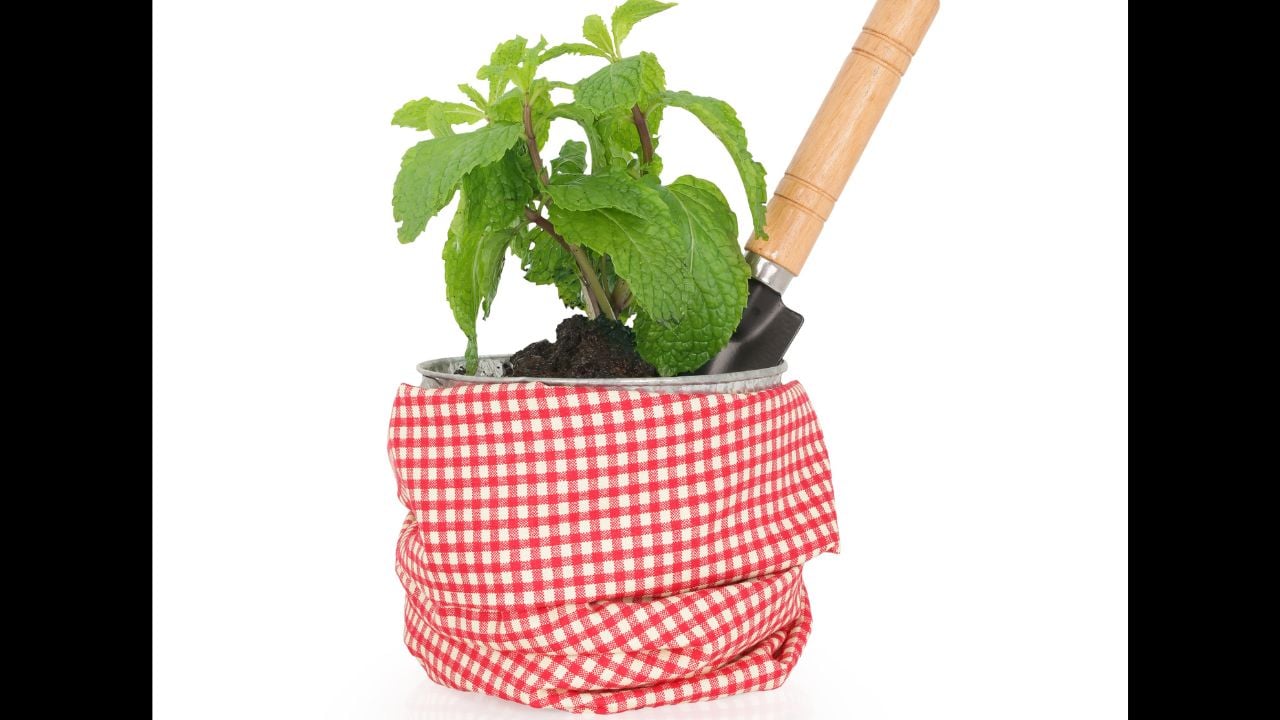
Thin fabrics like cotton or silk can transform plain plastic or terracotta pots into beautiful displays. Brushing a layer of decoupage medium onto the pot’s surface helps the fabric adhere smoothly. Press the material down firmly to remove any trapped air bubbles beneath the surface. Coat the outside with two more layers of the medium to seal the fabric against moisture.
Upcycling your pots saves money while elevating your indoor or outdoor garden spaces. The fabric covering hides cracks or stains on older containers perfectly. Selecting bright floral patterns or geometric shapes brings visual interest to green foliage plants. You should keep these decorated pots under a covered patio or indoors to protect them from heavy rain.
7. Sew a Sentimental Memory Quilt
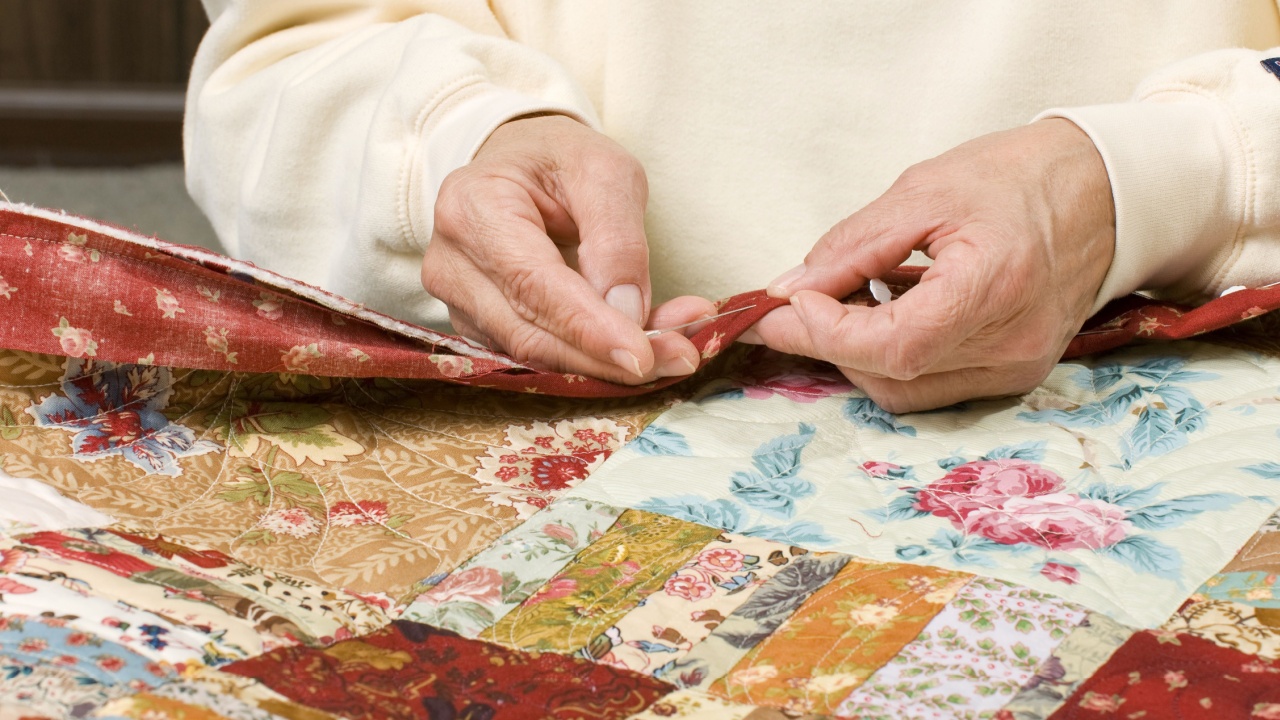
Baby clothes, concert tees, and old school uniforms hold precious memories that are hard to part with. Cutting these garments into uniform squares allows you to combine them into a single functional memory quilt. Arranging the pieces in a thoughtful layout highlights the most important graphics and patterns. Sewing them together with a soft backing material creates a warm blanket for cold nights.
A memory quilt preserves the past while providing a useful item for your home. You pass down family history through the specific garments chosen for the project. Beginners can practice basic sewing skills on a small lap quilt before attempting a larger bed cover. The finished blanket serves as a wonderful conversation piece for house guests.
8. Turn Sweater Sleeves into Mug Warmers
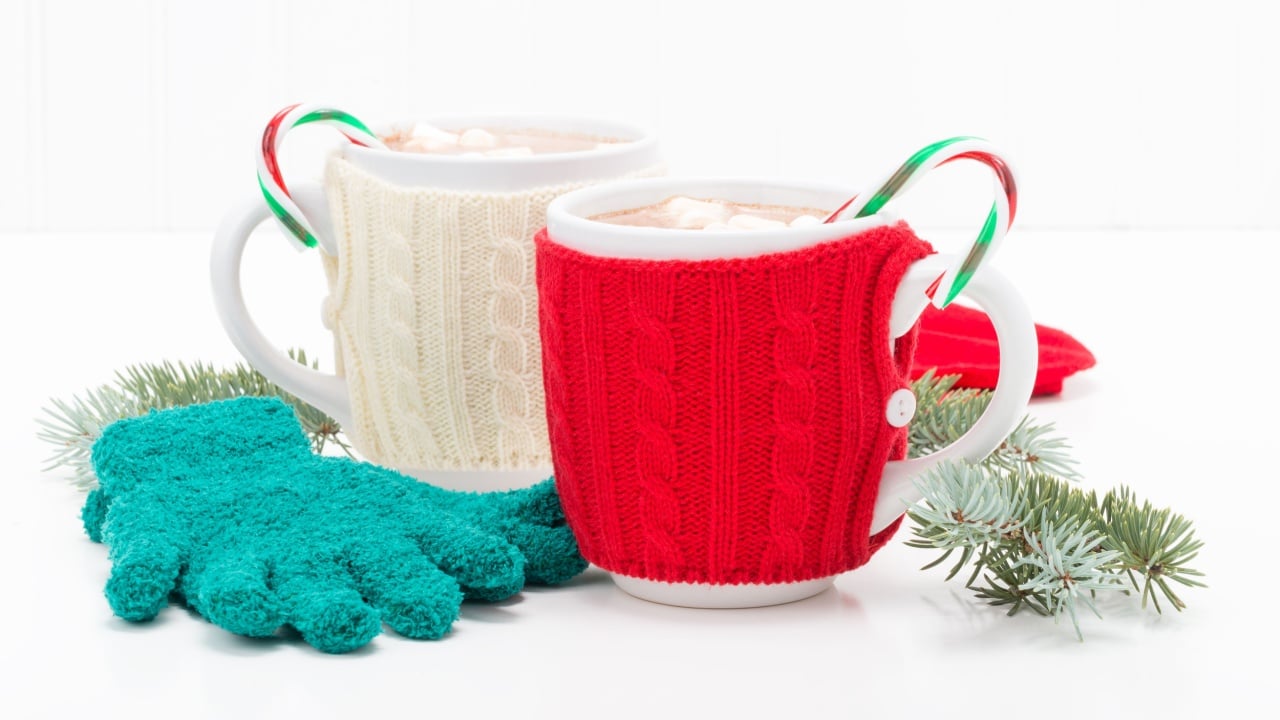
Wool and thick cotton sweaters provide great insulation for hot beverages. Snapping off the sleeve of an old sweater gives you a ready-made tube of warm material. Cutting a section to fit the height of your favorite coffee mug requires only a sharp pair of fabric scissors. Hemming the cut edges prevents the yarn from unraveling during regular use.
These simple sleeves keep your morning coffee or tea hot for much longer. They also protect your hands from burning when holding a steaming cup fresh from the microwave. Slipping a sweater sleeve over a mason jar creates a rustic vase for dried flowers. You can easily slip them off and toss them in the washing machine when they get dirty.
9. Craft No-Sew T-Shirt Tote Bags
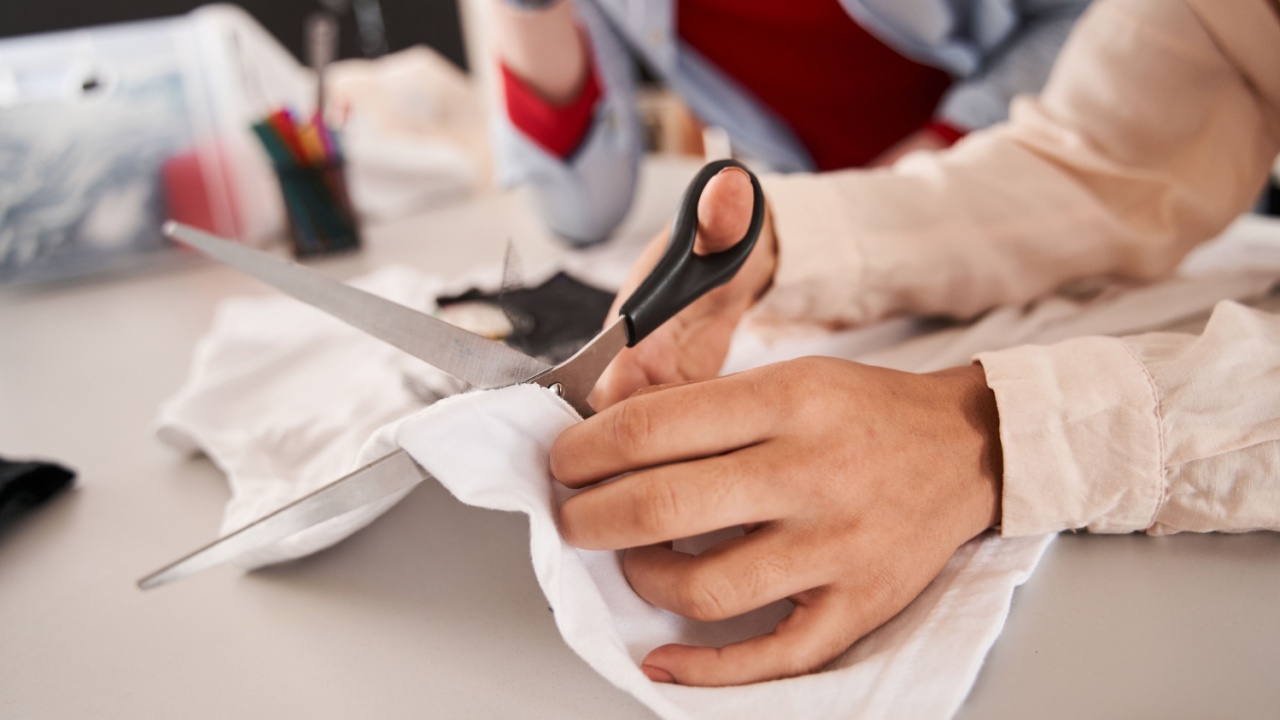
Thick cotton T-shirts convert easily into reusable shopping bags without requiring any sewing skills. Cutting off the sleeves and the neckline creates the basic handles and opening for your bag. Slicing the bottom hem into vertical strips gives you pieces to tie together. Knotting the front and back strips tightly seals the bottom of the bag securely.
These homemade totes replace single-use plastic bags at the grocery store or farmers’ market. The cotton material stretches to accommodate odd-shaped items like produce or large boxes. You can fold several of these flat and keep them in your car trunk for impromptu shopping trips. Washing them regularly keeps them clean and ready for your next grocery run.
10. Cut Absorbent Cleaning Rags

Stained or torn clothing provides an endless supply of free cleaning cloths for your household. Flannel shirts and terry cloth bathrobes soak up liquid spills better than paper towels. Slicing the garments into uniform squares makes them easy to stack and store under the sink. Removing any hard zippers or buttons prevents scratches on your glass or wooden surfaces.
Using cloth rags significantly reduces your reliance on expensive disposable paper products. You can assign specific colors to different cleaning tasks to maintain hygiene standards. Dark colored fabrics work wonderfully for messy outdoor jobs like checking engine oil or wiping down patio furniture. Tossing them all in the washing machine with hot water sanitizes them for repeated use.
11. Tie Fabric Squares into Pillow Covers
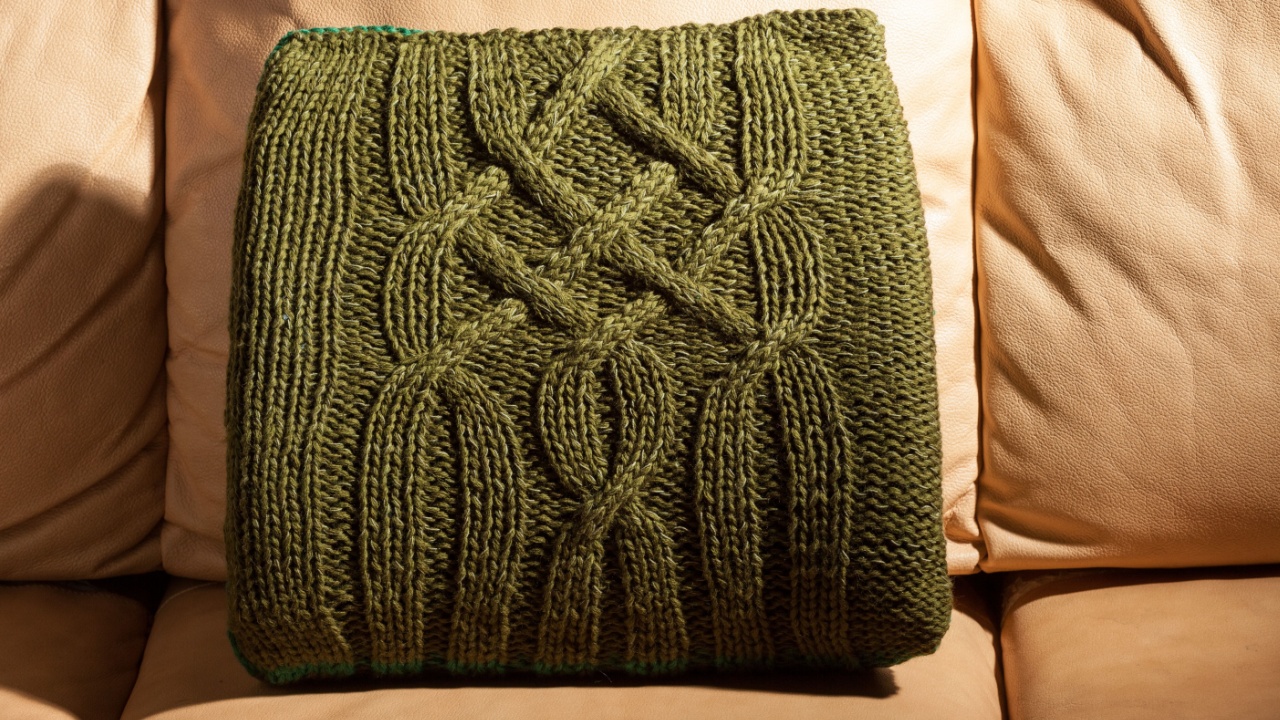
Large shirts, jackets, or dresses provide enough fabric to fully cover a standard throw pillow. Lying two identical squares of fabric flat and placing the pillow inside starts the process. Cutting the edges into fringes and tying the top and bottom pieces together traps the pillow securely inside. This no-sew method requires only scissors and a bit of patience to complete.
Changing your pillow covers refreshes the look of your living room without buying new decorations. You can swap out the covers seasonally by using different colors or patterns from your old wardrobe. The tied fringe edge adds a fun, textured border to your couches or armchairs. Untying one side allows you to remove the pillow form whenever the cover needs washing.
12. Wrap Gifts in Fabric Scraps
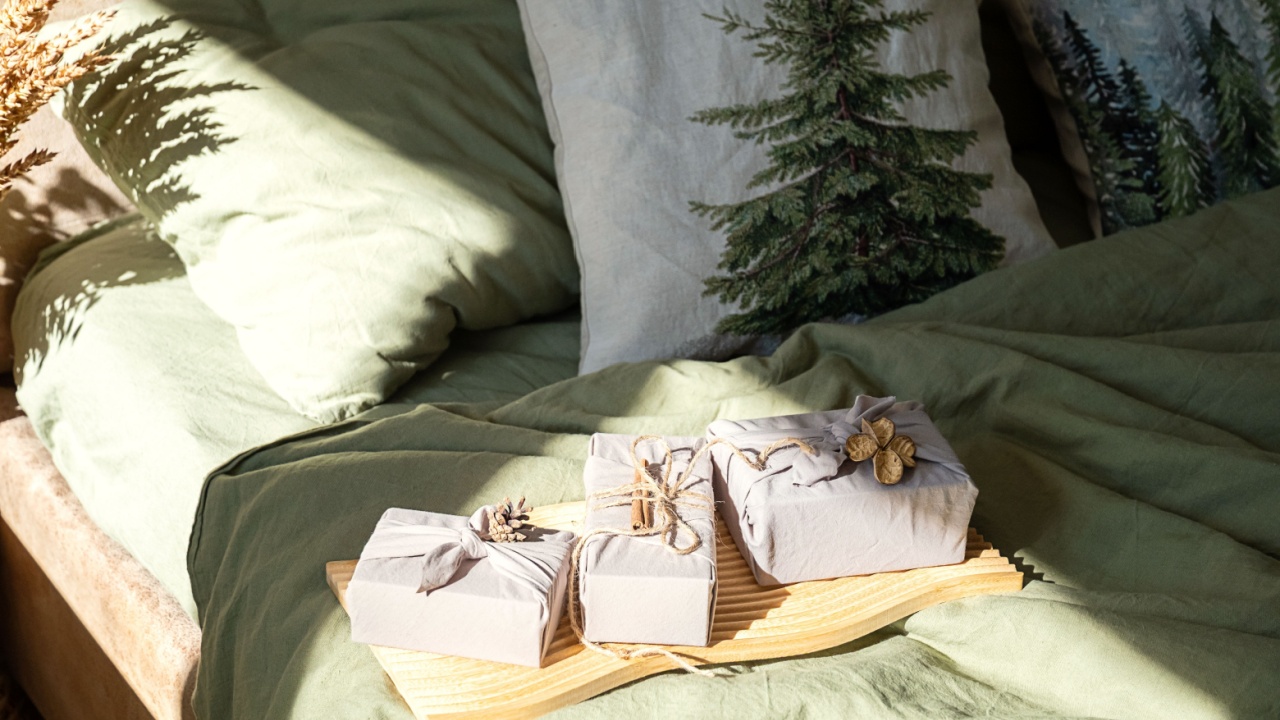
The Japanese art of Furoshiki uses beautiful cloth to wrap presents instead of wasteful paper. Hemming the edges of a square piece of clothing creates a reusable wrapping material. Folding the fabric diagonally over the box and tying the opposing corners forms a neat package. This technique accommodates gifts of many different shapes and sizes effortlessly.
Presenting a gift wrapped in fabric gives the recipient two presents in one. They can reuse the cloth to wrap a future gift or use it as a decorative scarf. This method eliminates the bags of torn paper that usually end up in the trash after a birthday. A colorful piece of silk or printed cotton makes any present look incredibly elegant.
13. Crochet Yarn from Old T-Shirts
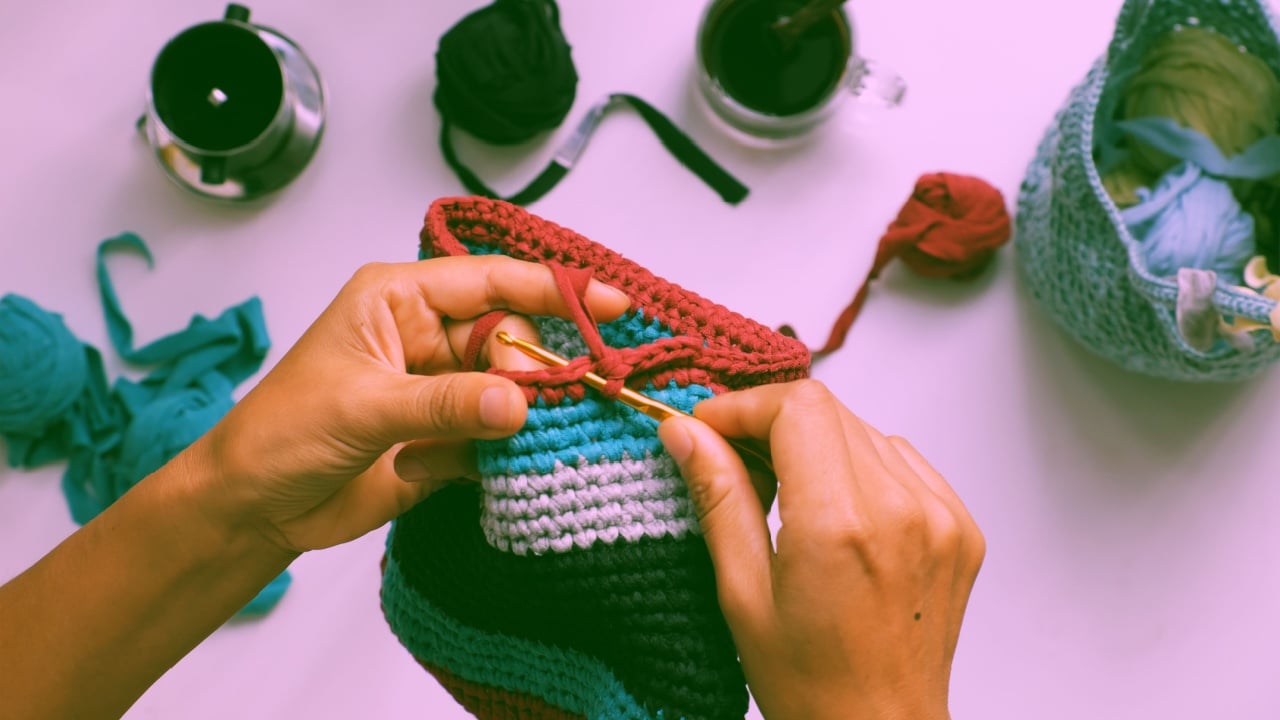
Cutting a cotton T-shirt into a single continuous strip yields a bulky yarn, perfect for heavy crafts. Stretching the cut strip causes the raw edges to curl inward into a neat tube. Rolling this continuous strip into a large ball keeps it untangled until you are ready to craft. Using a large crochet hook makes working with this thick material quite simple.
T-shirt yarn creates sturdy baskets, thick potholders, and durable covers for plant pots. The material’s thickness means projects work up very quickly compared to standard wool yarn. You can mix different colored shirts to create a striped pattern in your finished piece. These crocheted items have a wonderful weight and withstand daily wear and tear well.
14. Shred Scraps for Pillow Stuffing
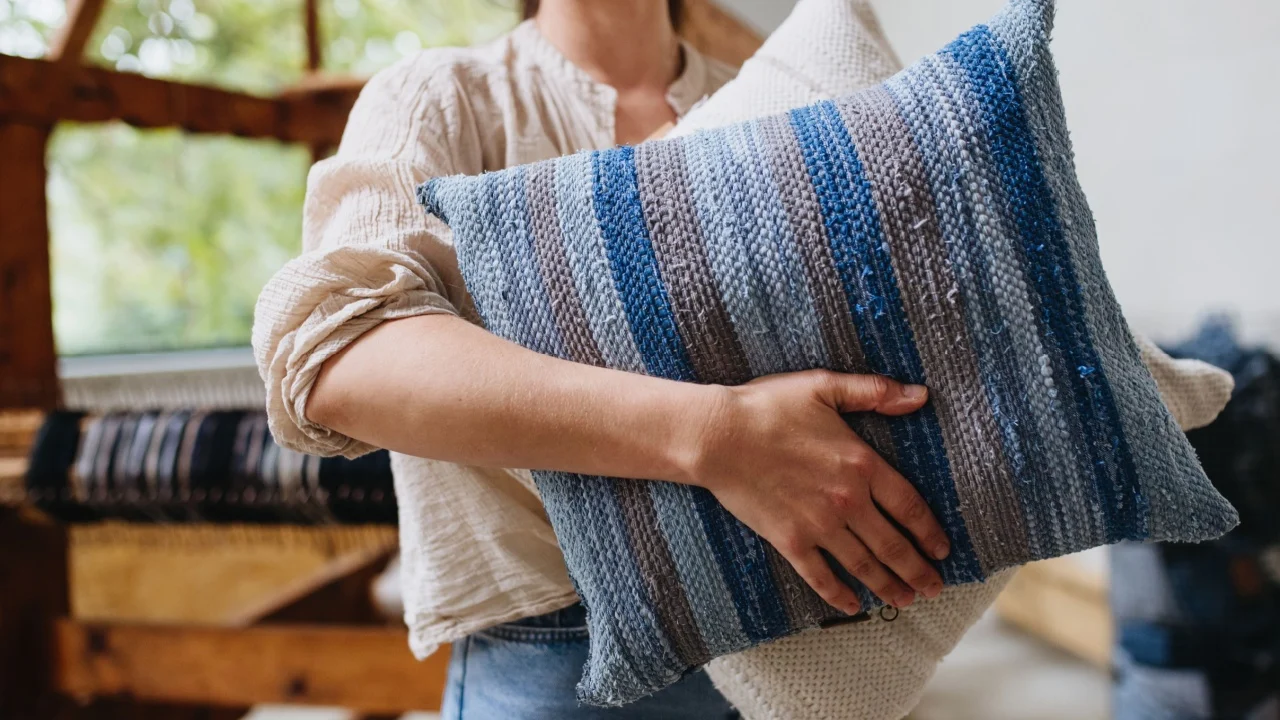
Tiny scraps of fabric leftover from other projects serve perfectly as filling for cushions or toys. Cutting the unwearable pieces into very small ribbons prevents the stuffing from clumping in one spot. Mixing the shredded fabric with a little bit of polyester fiberfill helps maintain a softer texture. Packing the material tightly into a sewn casing creates a firm and supportive cushion.
Creating your own stuffing saves you from purchasing expensive foam or poly-fill from the craft store. This technique utilizes the irregular hems, collars, and seams that cannot be used in other projects. Firmly stuffed items like draft dodgers or decorative doorstops benefit greatly from the heavyweight of fabric scraps. You eliminate waste by finding a purpose for the smallest remaining threads.
15. Reupholster Small Furniture Pieces

Heavy coats, denim jeans, and thick skirts provide durable materials for covering worn-out furniture. Removing the old fabric from a dining chair seat reveals the wooden base and foam padding underneath. Stretching your heavy garment fabric tightly over the cushion and stapling it to the bottom secures it in place. Trimming the excess material leaves a clean finish on the underside of the chair.
Recovering small furniture items drastically extends their lifespan and updates your interior design. Denim or corduroy offers incredible durability for seats that see heavy daily use in kitchens or offices. You can piece together different-colored fabrics to create a patchwork design on a footstool or bench. This DIY project requires minimal tools and yields highly visible results.
16. Weave Colorful Rag Rugs
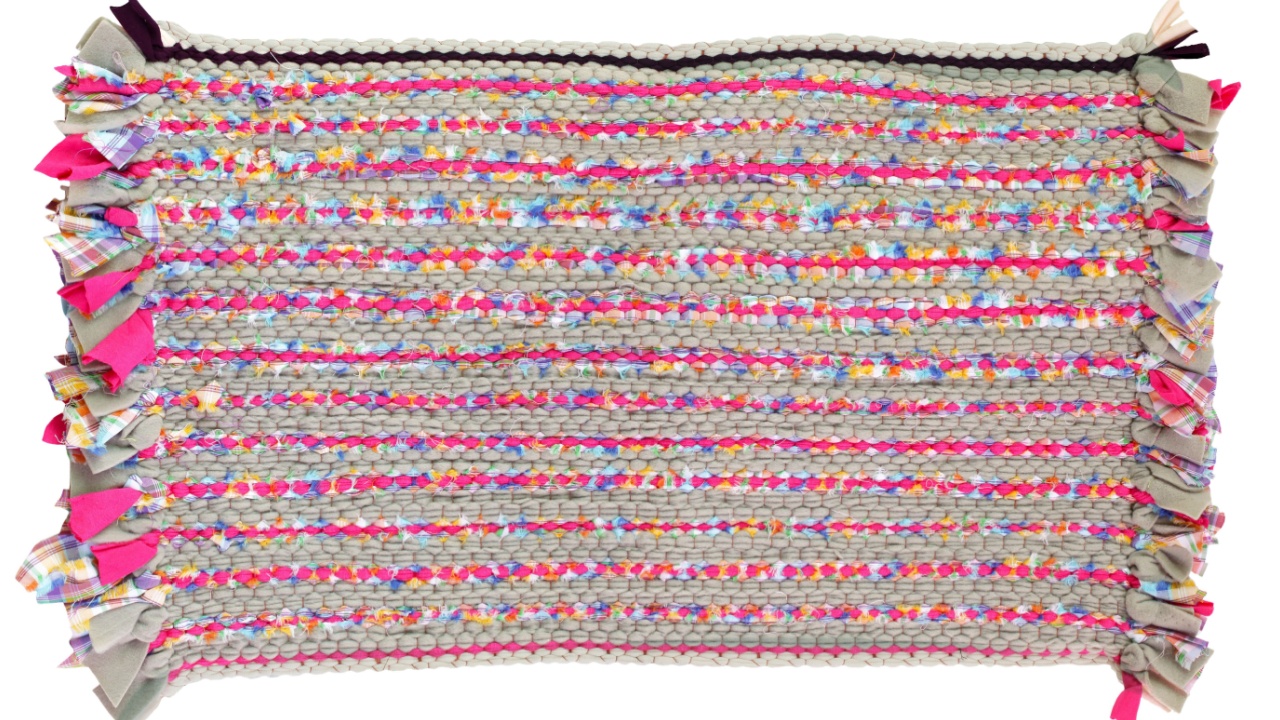
Long strips of old clothing can be woven together to create beautiful and functional floor coverings. Building a simple cardboard loom lets you weave fabric strips back and forth in a tight pattern. Alternating colors creates striking geometric designs or simple stripes, depending on your preference. Tying off the ends securely prevents the woven structure from unraveling when walked upon.
Rag rugs add warmth and color to bare floors in kitchens, bathrooms, or entryways. The thick, woven fabric absorbs water well and feels incredibly soft under bare feet. Since you use materials you already own, these rugs cost almost zero dollars to produce. You can easily shake the dirt out of them or wash them on a gentle cycle to keep them clean.
17. Sew Denim Coasters with Batting
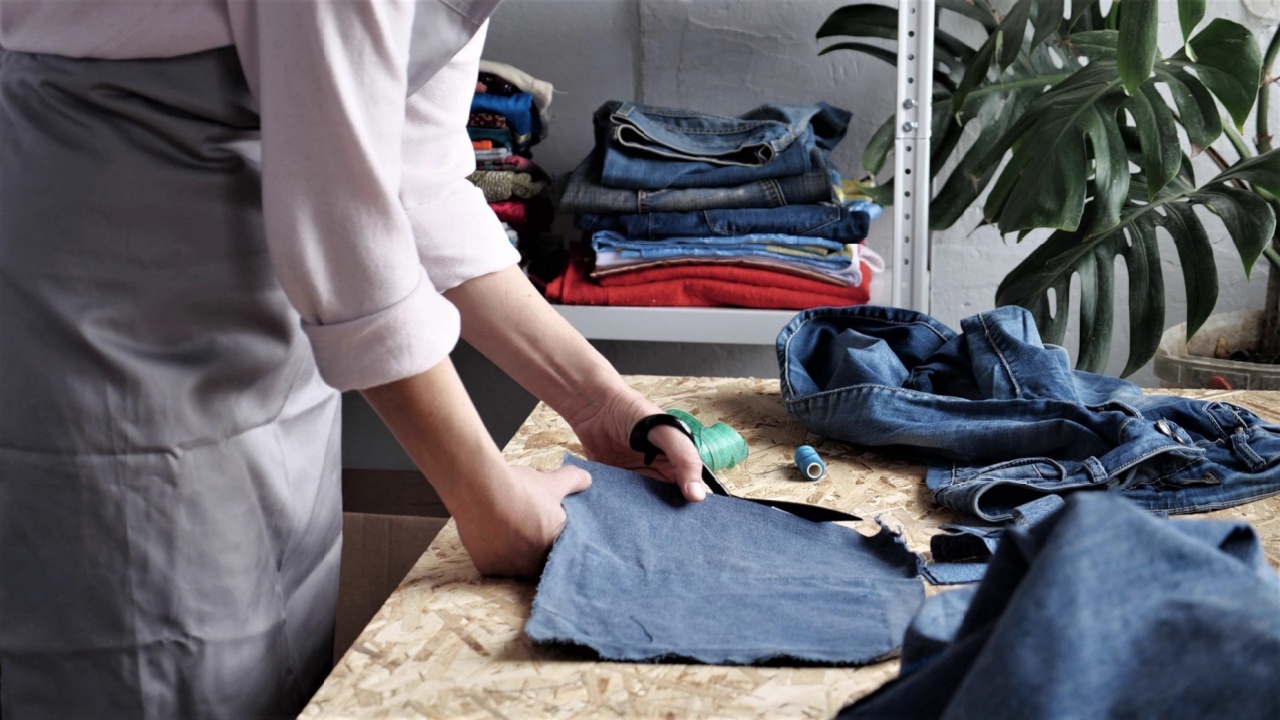
Small circles or squares of old jeans make fantastic protective mats for your wooden tables. Placing a layer of cotton batting between two pieces of denim provides absorption for condensation. Stitching around the perimeter holds the layers together firmly while leaving a small raw edge. Running the coasters through the washing machine encourages the edges to fray into a decorative border.
Denim coasters protect your expensive furniture from water rings and heat damage. The dark blue fabric hides coffee stains or water spots incredibly well. You can leave the jean pockets intact on larger pieces to hold a spoon or a tea bag. These small accessories make great housewarming gifts when tied together with a piece of twine.
18. Repurpose Pockets into Hanging Organizers
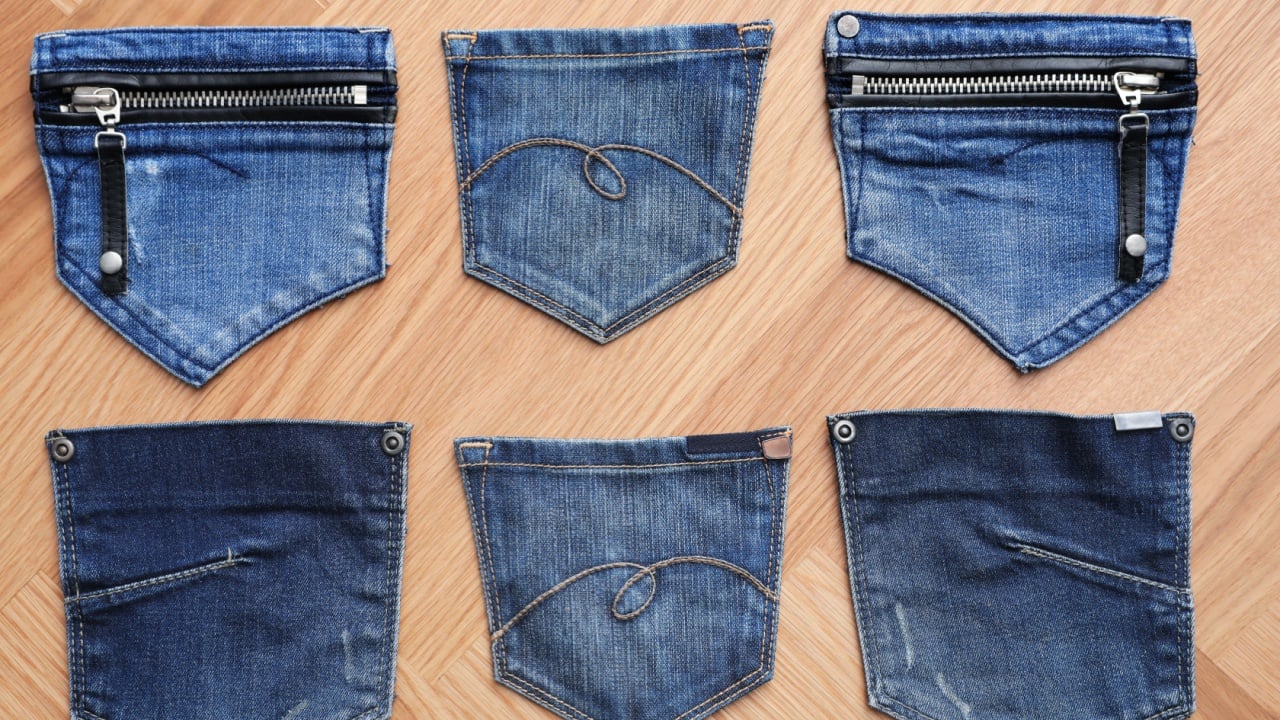
The pockets from discarded jeans and jackets offer ready-made storage compartments for small items. Cutting carefully around the pocket leaves the original stitching intact and attached to a fabric backing. Pinning several different pockets onto a large rectangular piece of cloth creates a customized storage panel. Adding a wooden dowel at the top allows you to hang the organizer on any wall or door.
A hanging pocket organizer holds office supplies, craft tools, or small gardening implements perfectly. You can hang one near the front door to catch keys, sunglasses, and outgoing mail. The sturdy denim pockets safely hold small pruning shears or seed packets in your garden shed. This organization method keeps countertops clear and important items exactly where you need them.
Everyday Benefits of Repurposed Clothing
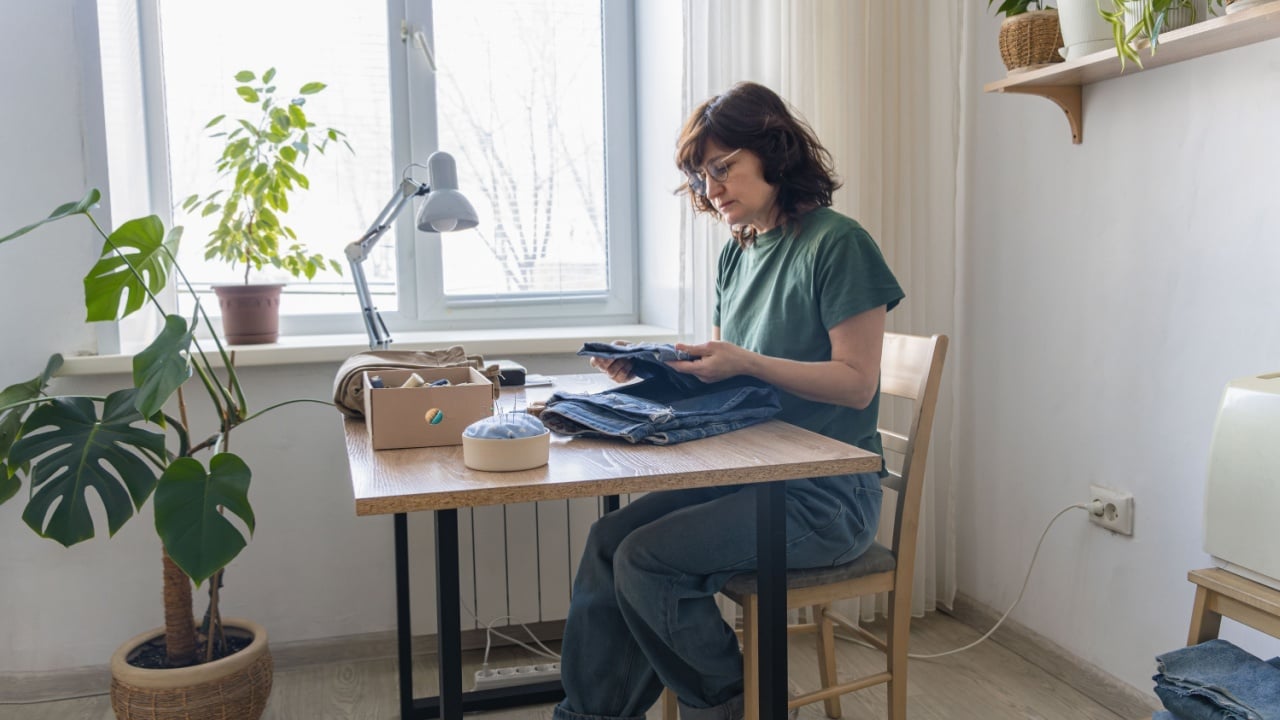
Giving discarded garments a new purpose drastically reduces household waste and sparks creativity. Applying these eighteen ideas allows you to craft functional items that serve practical needs indoors and outside.
Every repurposed shirt or pair of jeans represents money saved and materials diverted from the local landfill. Grab a pair of scissors and transform your unworn wardrobe into items you will actually use daily.
Read More:
3 Ways to Use Repurposed Items to Declutter a Kitchen
Don’t Toss That Fuzz! 11 Genius Ways to Repurpose Dryer Lint