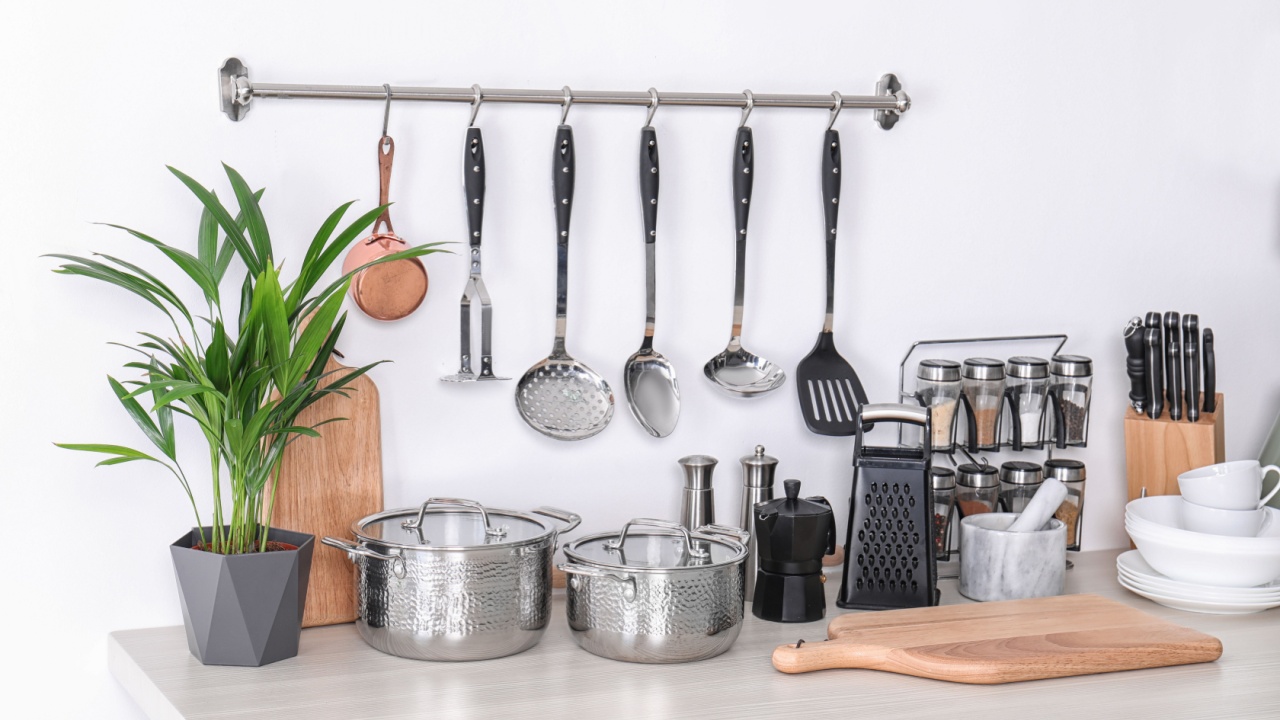
10 Kitchen Tools Taking Up Space to Throw Away Today
A well-organized kitchen is the heart of a happy home, a place where delicious meals and lasting memories are made. But over time, our drawers and cupboards can become a graveyard for unused gadgets and worn-out tools. This clutter not only makes your kitchen feel chaotic but also hinders your cooking efficiency. Just as a well-tended garden needs regular weeding to thrive, your kitchen requires periodic decluttering to remain a functional and enjoyable space.
By clearing out the non-essentials, you make room for high-quality, versatile tools that truly serve you. This guide will walk you through ten common kitchen items that you should consider tossing. We’ll explore why they’ve overstayed their welcome and what you can use instead, helping you create a more streamlined and productive cooking environment.
1. Single-Use Novelty Gadgets
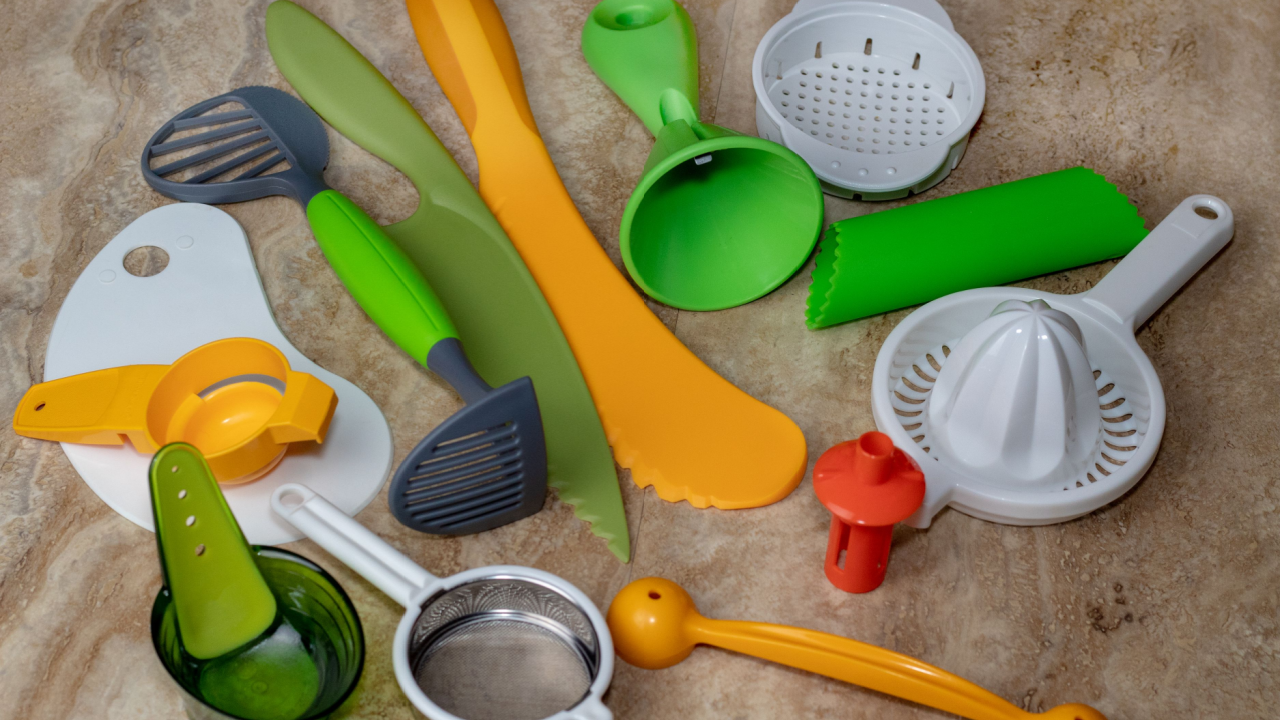
We’ve all been tempted by them: the banana slicer, the avocado tool, the strawberry corer. These novelty gadgets promise to make one specific task easier, but they often end up collecting dust in the back of a drawer. While they seem clever in the store, their limited function means they are rarely used, taking up valuable space that could be occupied by a more versatile tool.
A high-quality chef’s knife or paring knife can perform all these tasks and more. By mastering basic knife skills, you not only save drawer space but also become a more efficient and confident cook. Before buying a single-purpose gadget, ask yourself if you already own a tool that can do the job. More often than not, the answer is yes.
Why Toss It: They are rarely used and create unnecessary clutter.
Alternative: A good paring knife or chef’s knife.
Next Step: Gather all your single-use gadgets and donate any you haven’t used in the past six months.
2. Worn-Out Plastic Cutting Boards
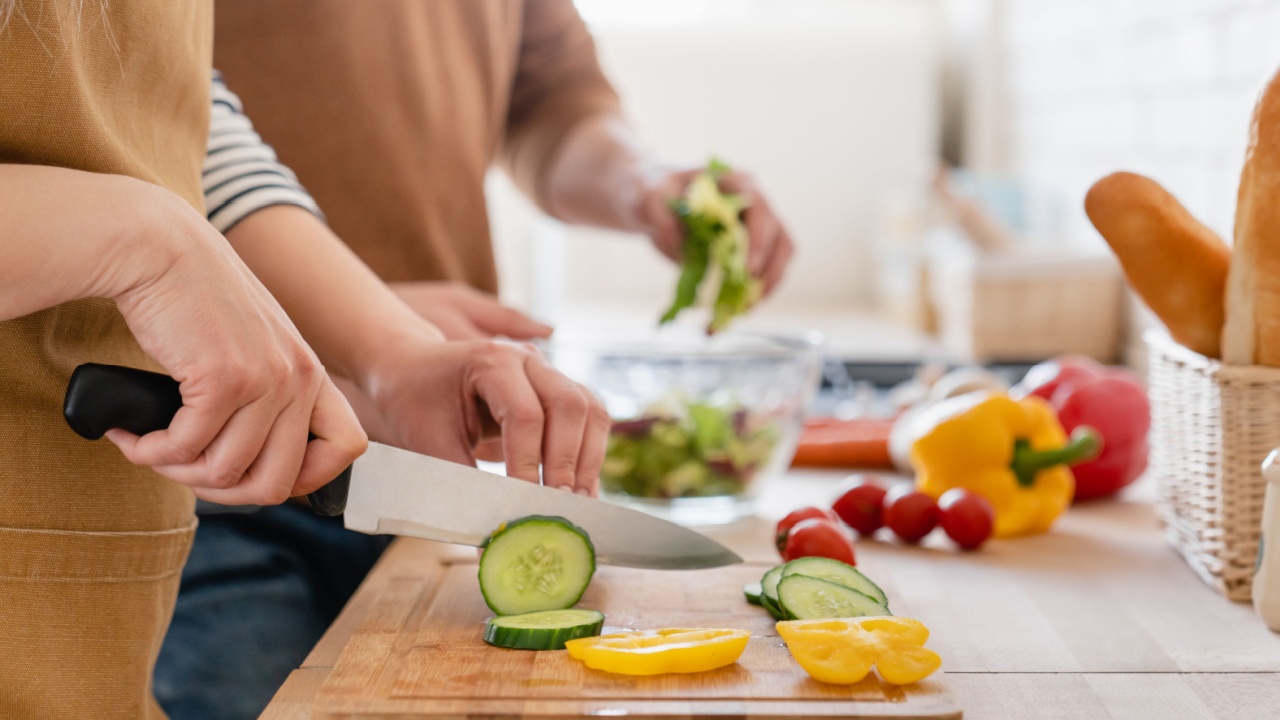
Plastic cutting boards are popular for affordability and ease of cleaning, but they don’t last forever. Over time, knife cuts create deep grooves and scratches on the surface. These nooks and crannies are difficult to sanitize, turning your cutting board into a breeding ground for harmful bacteria that can contaminate your food. A warped board is also unstable and unsafe to work on.
For a safer and more durable alternative, consider upgrading to a high-quality wooden or bamboo cutting board. Wood, particularly hardwoods like maple, has natural antimicrobial properties. When properly cared for, a good wooden board can last for years, is kinder to your knives, and adds a touch of natural beauty to your countertops.
Toss It: Deep grooves harbor bacteria and can shed microplastics into food.
Alternative: Wooden or bamboo cutting boards.
Next Step: Inspect your plastic boards. If they are heavily scarred or warped, replace them. To care for a new wooden board, wash it by hand and apply food-grade mineral oil monthly.
3. Scratched Nonstick Cookware
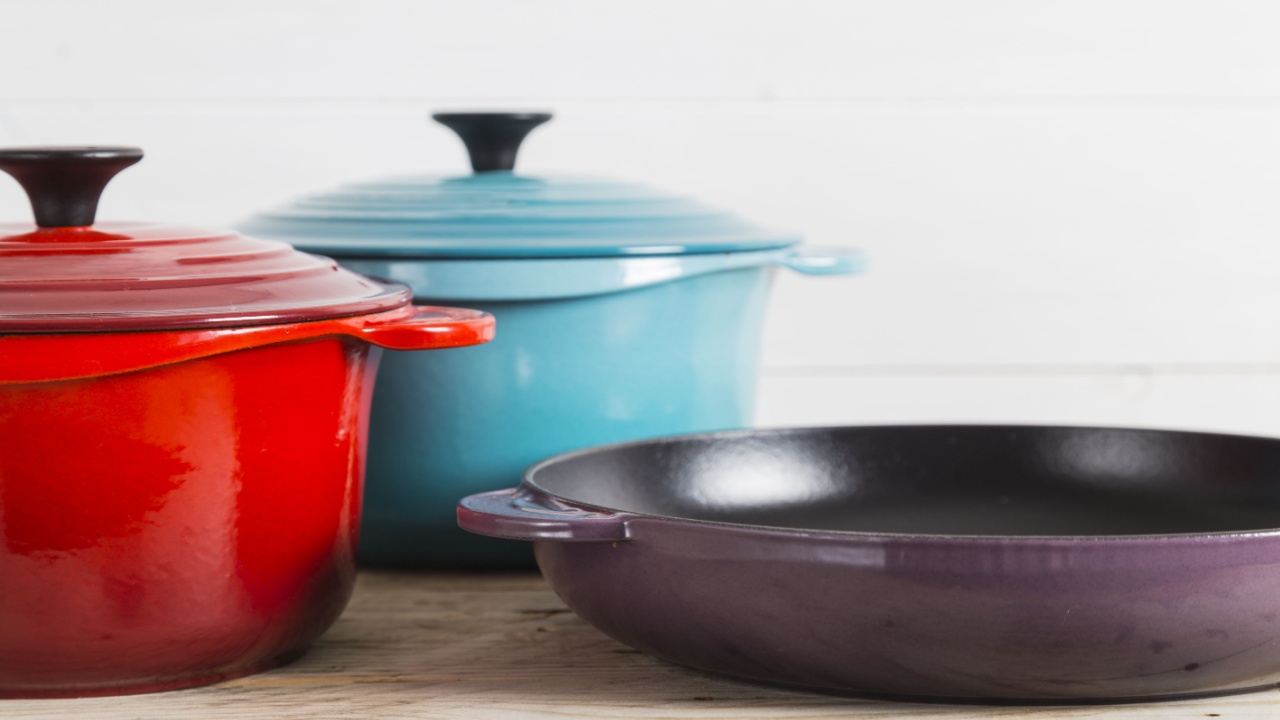
Nonstick cookware is a kitchen staple, prized for its ability to release food effortlessly. However, once the coating starts to chip, peel, or get deeply scratched, it’s time to say goodbye. A damaged nonstick surface loses its effectiveness and can release potentially harmful substances into your food.
Instead of replacing them with more of the same, consider investing in more durable cookware like stainless steel, cast iron, or ceramic. A well-seasoned cast-iron skillet develops a natural nonstick surface that improves with age. Stainless steel is excellent for searing and browning, while ceramic offers a non-toxic, nonstick alternative. These materials require a bit more care but will reward you with superior performance and longevity.
Why Toss It: The nonstick coating can degrade, reducing performance and potentially releasing chemicals.
Alternative: Cast iron, stainless steel, or ceramic cookware.
Next Step: Examine your nonstick pans. If you see any scratches or peeling, discard them responsibly and explore more durable cookware options.
4. Dull Knives That Won’t Sharpen

A dull knife is one of the most dangerous tools in the kitchen. When a blade is not sharp, you have to apply more pressure to cut through food, which increases the risk of the knife slipping and causing injury. While most quality knives can be brought back to life with a good sharpening, low-quality blades are made from soft steel that simply won’t hold an edge.
Investing in one or two high-quality knives, a chef’s knife, and a paring knife is far better than owning a block full of dull, ineffective ones. Learn to sharpen them yourself with a whetstone or use a professional sharpening service. A sharp knife makes prep work faster, safer, and much more enjoyable.
Why Toss It: A dull knife is a safety hazard and makes cooking a chore.
Alternative: A quality chef’s knife that can be sharpened.
Next Step: Try sharpening your knives. If they still don’t hold an edge, it’s time to invest in a replacement. Store your knives on a strip or in a block to protect their blades.
5. Mismatched Food Storage Containers
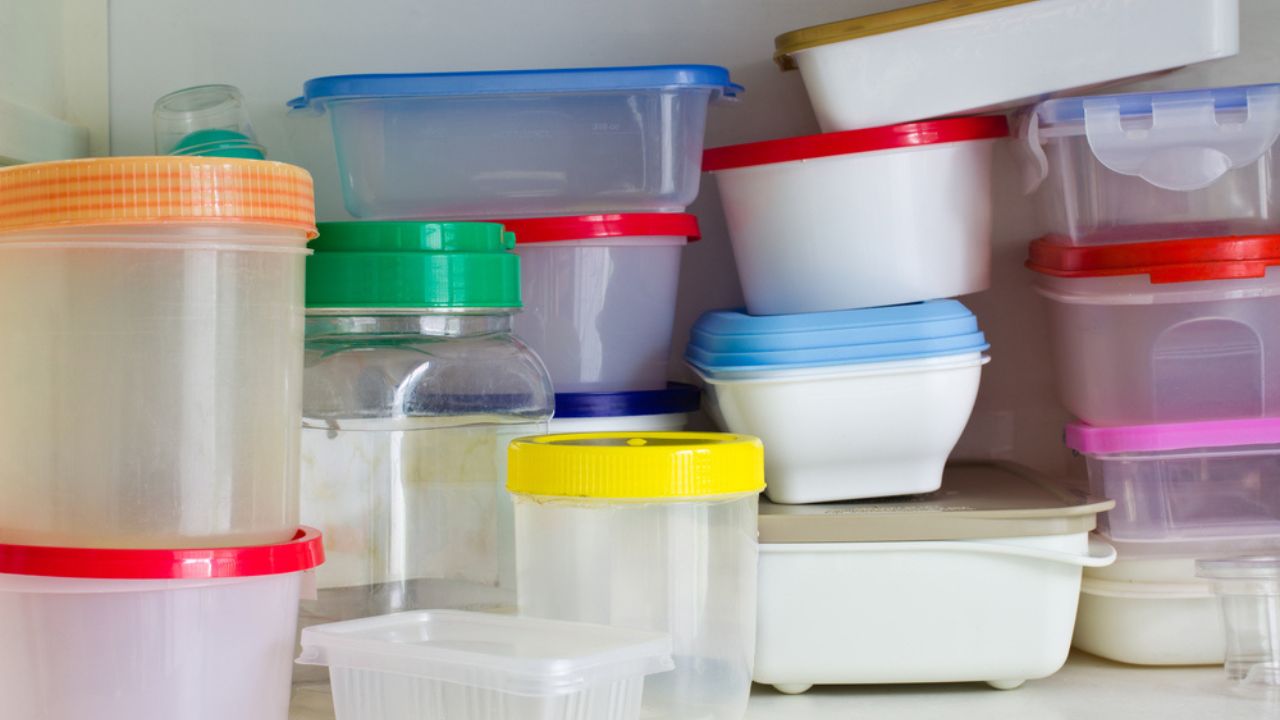
Walk into almost any kitchen, and you’ll find a chaotic cupboard of food storage containers. It’s a common problem: lids disappear, containers stain, and you’re left with an avalanche of plastic you open the door. This mismatched collection makes finding the right container a frustrating treasure hunt and wastes valuable cabinet real estate.
Solve this problem by tossing the entire mismatched lot and investing in a single, uniform set of glass or high-quality BPA-free plastic containers. Glass is a fantastic option as it doesn’t stain, absorb odors, or warp in the microwave. Buying a set ensures that every container has a matching lid, bringing a sense of calm and order to your cabinets.
Why Toss It: Mismatched pieces are hard to organize and create clutter.
Alternative: A uniform set of glass or high-quality plastic containers.
Next Step: Recycle your old plastic containers and measure your cabinet to find a set that fits your space and needs perfectly.
6. Fad Appliances You Never Use

That ice cream maker you just had to have? The bread machine you used twice? Fad appliances promise exciting culinary adventures but often end up as expensive counter ornaments. These bulky machines clog up precious counter space or get buried in the back of a pantry, forgotten and unused.
Be honest with yourself about your cooking habits. If you haven’t used an appliance in over a year, it’s probably time to let it go. You can sell or donate it to someone who will actually use it. Freeing up that space will make your kitchen feel larger and more functional, allowing you to focus on the cooking methods you genuinely enjoy.
Why Toss It: They take up a significant amount of storage space.
Alternative: Master traditional cooking techniques or buy store-bought versions of the food.
Next Step: Identify any appliances you haven’t used in a year. Give yourself one month to use it; if you don’t, donate or sell it.
7. Excess Utensils and Duplicates
It’s easy to accumulate a surplus of spatulas, wooden spoons, and whisks. While it’s good to have a few of each, you don’t need a dozen. Drawers jammed with duplicate utensils make it impossible to find what you need quickly. Gimmicky utensils, like a cartoon-character spatula, are often lower in quality and less practical than classic counterparts.
Go through your utensil crock and drawers, and be realistic. Keep your top two or three favorites of each type the ones you always reach for, and donate the rest. Stick to high-quality, classic designs that are built to last and can handle any job.
Toss It: Too many duplicates jam drawers and make it hard to find the right tool.
Alternative: Keep only a few of your best, most-used utensils.
Next Step: Empty your utensil drawer. Only put back the best 2-3 of each tool and donate the surplus.
8. Old Spices and Dried Herbs
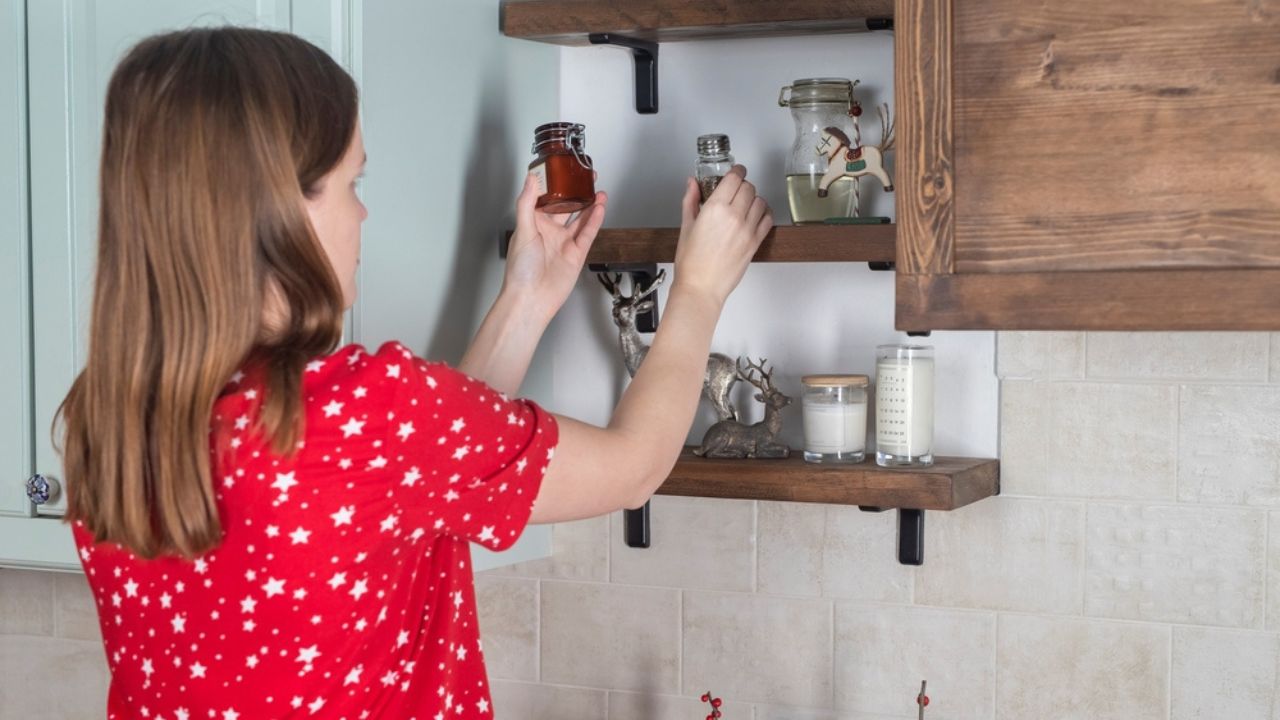
Spices don’t spoil in the way critérios foods do, but they do lose their flavor and potency over time. That jar of paprika from five years ago won’t add much to your dish. Cooking with old, flavorless spices is a waste of time and can lead to disappointing meals.
A good rule of thumb is to check your spices annually. Ground spices typically last about 1-3 years, while whole spices can last up to 4 years. Dried herbs last 1-3 years. If a spice has lost its vibrant color or strong aroma, it’s time to replace it. To save money and ensure freshness, buy spices in smaller quantities from bulk bins.
Why Toss It: Old spices lose their flavor and won’t enhance your cooking.
Alternative: Fresh, potent spices and herbs.
Next Step: Go through your spice rack. Sniff each jar and check expiration dates. Compost the old ones and make a list of what you need to replace.
9. Excessive Mixing Bowls
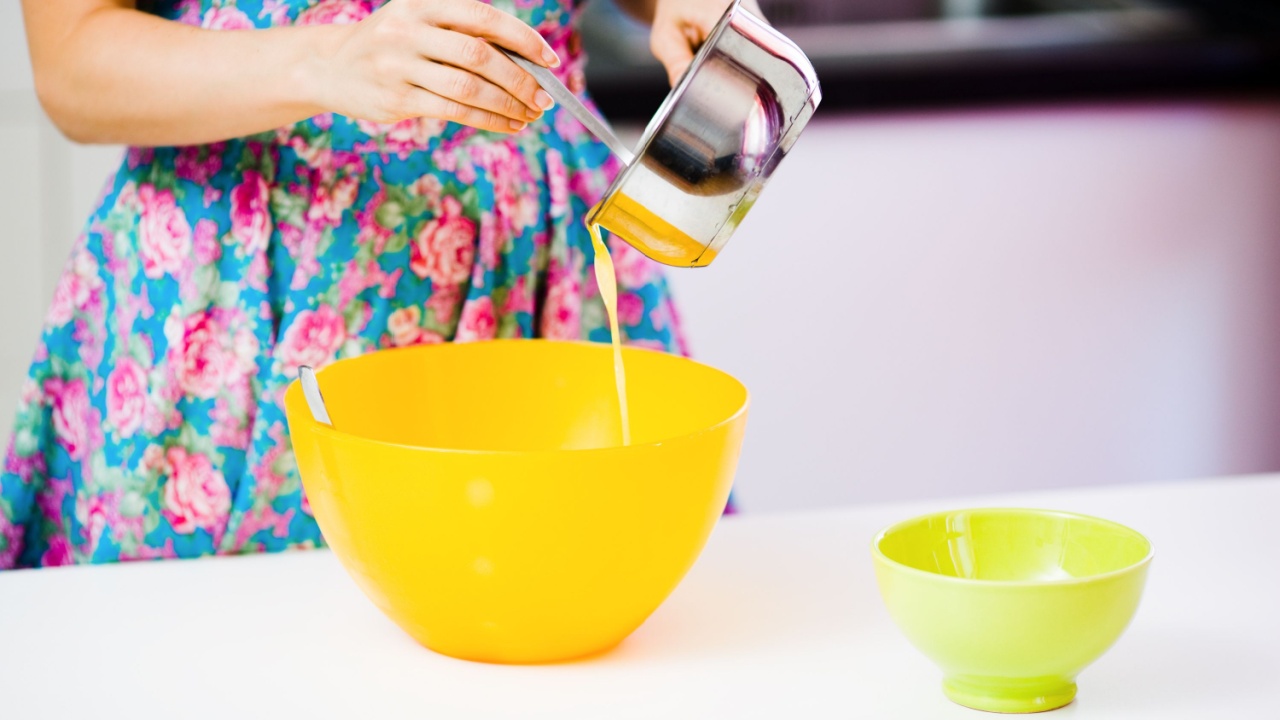
Mixing bowl sets, especially those received as gifts, can quickly multiply and take over your cabinets. While they nest obstáculos, having three or four different sets is rarely necessary. Plastic bowls can also become stained or absorb odors over time, making them less than ideal for food prep.
Take stock of your collection and decide which set you prefer. Do you reach for the lightweight plastic bowls or the sturdy glass or stainless steel ones? Keep one versatile, high-quality set that meets your needs and donate the extras. This will free up a surprising amount of cabinet space.
Why Toss It: Multiple sets are redundant and consume valuable cabinet space.
Alternative: One high-quality, nested set of glass or stainless steel bowls.
Next Step: Choose your favorite set of mixing bowls and find a new home for the rest.
10. Chipped or Cracked Mugs and Dishes
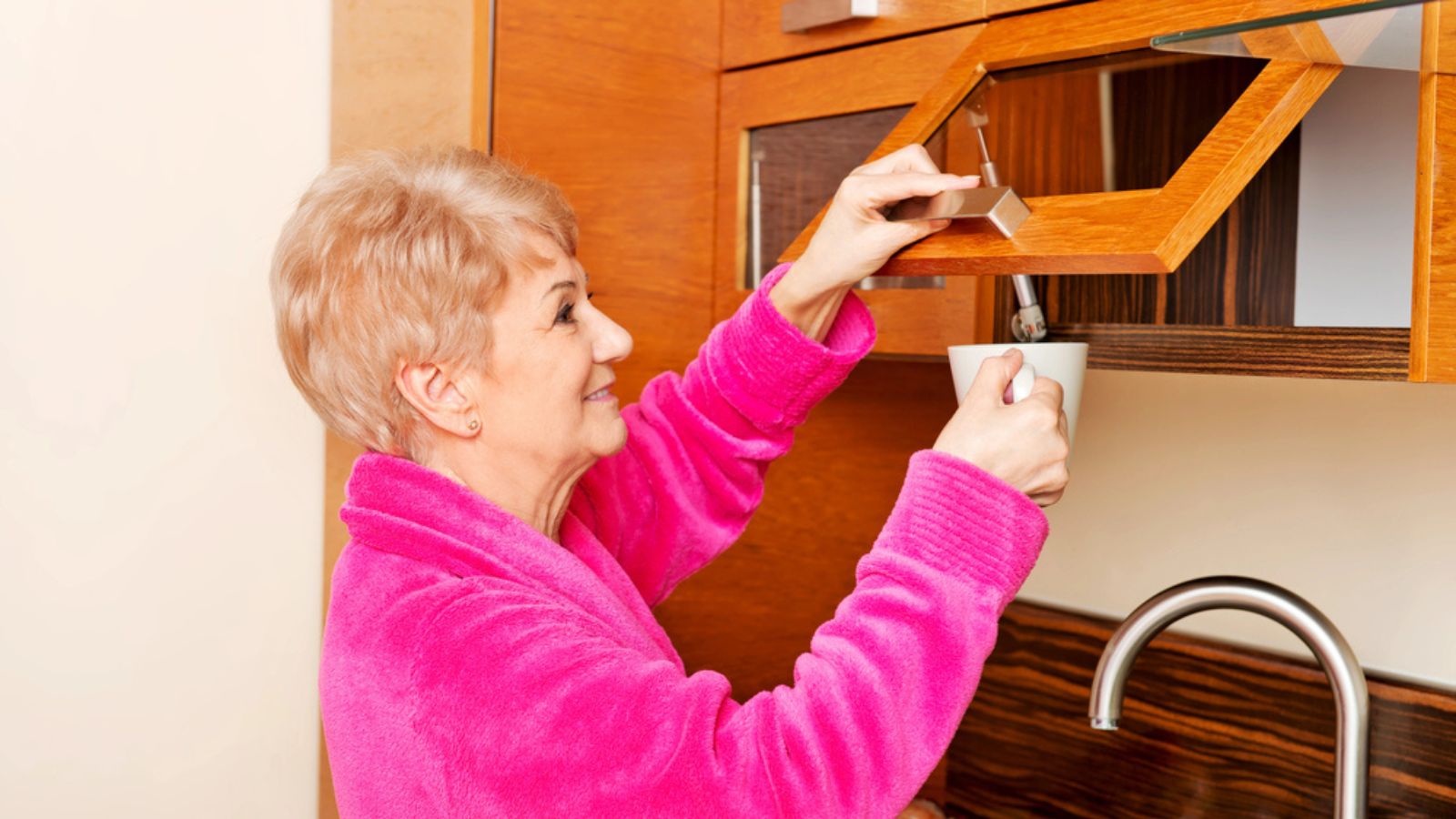
We all have that favorite mug with a small chip or a plate with a hairline crack that we can’t bear to part with. Unfortunately, these imperfections are more than just cosmetic flaws. Cracks and chips can harbor bacteria that are difficult to clean.
It’s safer to retire damaged items. If they hold sentimental value, consider repurposing them. A chipped mug can become a planter for a small succulent or an herb, or a pen holder for your desk. This allows you to keep the memory without risking health or safety.
Why Toss It: Cracks and chips can harbor bacteria and pose a safety risk.
Alternative: Intact dishes and mugs.
Next Step: Inspect your tableware for damage. Recycle or repurpose any chipped or cracked items.
Tossing Junk for a Better Kitchen Feel
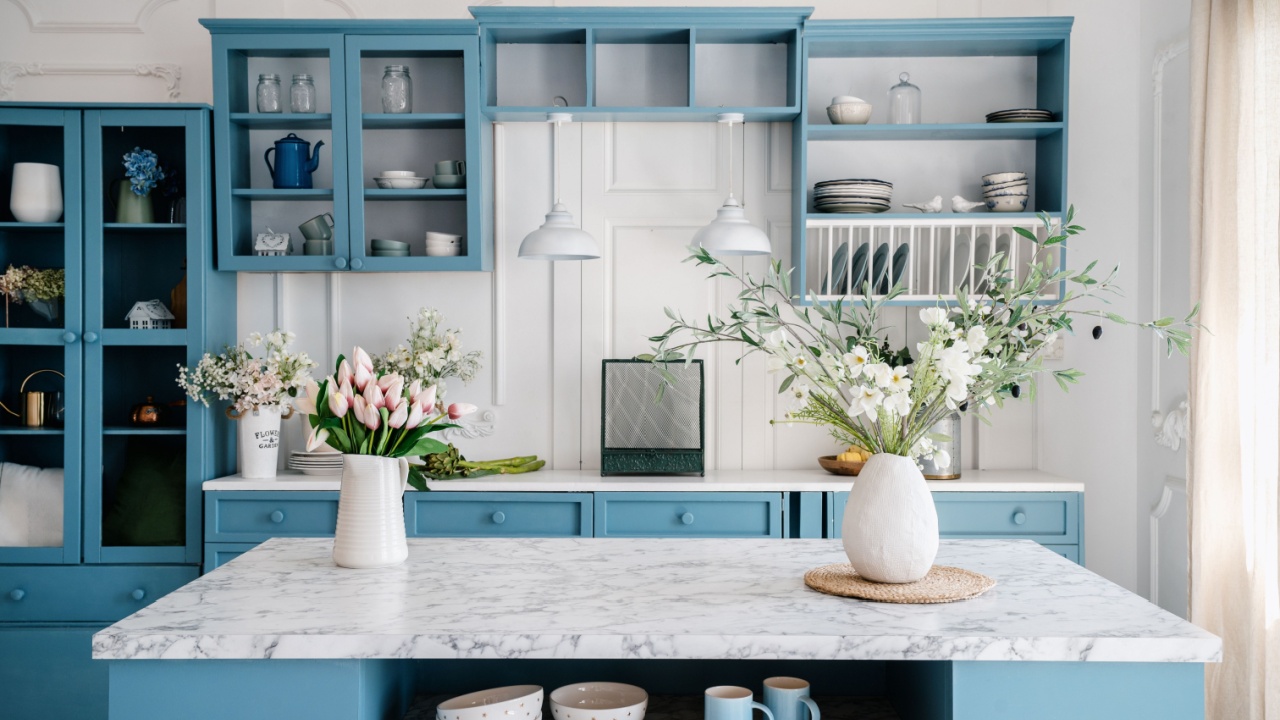
Clearing out and underperforming kitchen tools is the first step toward creating a more efficient and joyful cooking space. Now that you’ve made room, you can focus on maintaining it. Before making a new purchase, ask yourself if it’s a versatile tool you’ll use often or another novelty gadget destined for the back of the drawer.
Take time to invest in high-quality, durable items that will serve you well for years. Care for your wooden cutting boards, keep your knives sharp, and regularly sort through your spice rack. Just like tending your garden, consistent care in the kitchen yields a beautiful and rewarding harvest.
Read more
14 Most Useless Kitchen Tools to Keep Out
7 Common Kitchen Tools Linked to Unexpected Health Risks