Don’t Toss That Fuzz! 11 Genius Ways to Repurpose Dryer Lint
When the dryer buzzes, most of us peel the soft gray fluff from the lint screen and toss it without a second thought. It seems like a tiny, harmless habit that helps prevent a dryer fire, but all that fluff adds up. The average household runs hundreds of loads a year, quietly producing bags of lint that head straight to the garbage can.
This isn’t just dust, it’s a mix of tiny fabric scraps. And when you consider that U.S. households generate millions of tons of dryer lint every year, you realize it’s part of a much bigger textile waste problem. Globally, the fashion industry produces a staggering 92 million tons of textile waste annually.
The good news? Your dryer lint doesn’t have to be trash. It can be repurposed in surprisingly practical ways. Here are 11 creative and useful options to make the most of what you’d normally throw away.
1. Fire Starters for Camping or Fireplaces
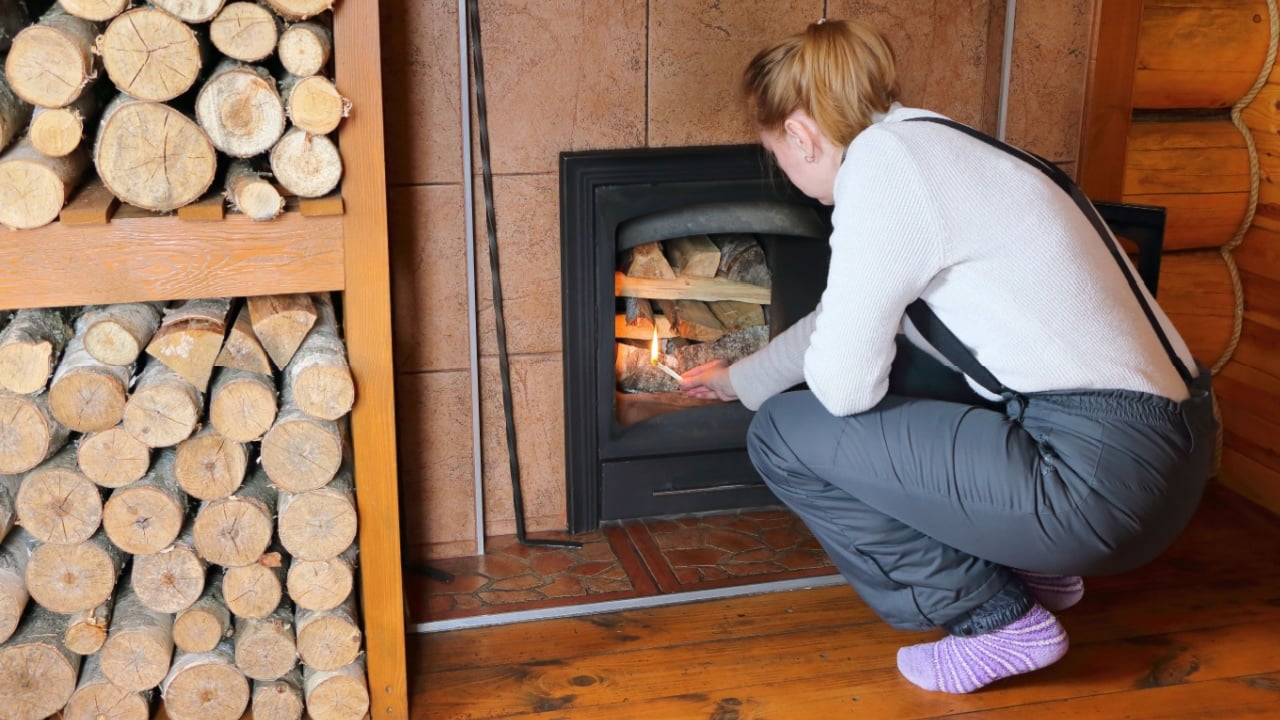
Dryer lint is highly flammable because it consists of fine, airy fibers that catch sparks quickly. The National Fire Protection Association reports that lint buildup is a leading cause of dryer fires due to its ability to ignite easily. That same property makes it effective as controlled fire-starting material for fireplaces, fire pits, and camping trips.
To create simple fire starters, pack lint into empty cardboard tubes or egg cartons and pour melted wax over the top. Once hardened, store them in a dry container. Only use lint from natural fibers like cotton when burning, since synthetic materials such as polyester can release harmful fumes. Keep away from children and open flames until ready for safe outdoor use.
2. Compost Booster
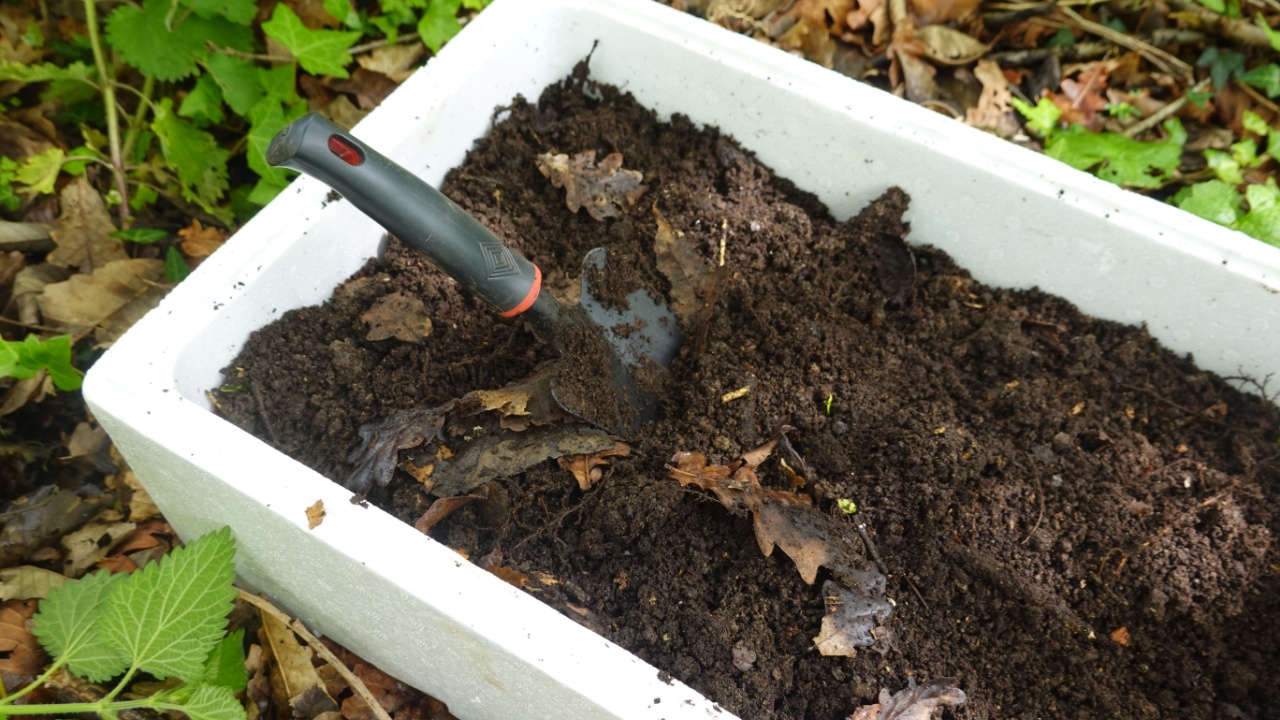
Lint made from natural fibers like cotton, linen, or wool can break down in compost over time. The plant-based fibers in lint decompose into organic matter that improves soil structure. Cotton, for example, is a cellulose-rich plant fiber that contributes carbon, an essential element for balancing nitrogen-heavy food scraps.
That said, not all lint is compost-friendly. Synthetic fibers such as polyester or nylon resist decomposition and can release microplastics into the soil, which may disrupt soil ecosystems and even enter the food chain. Mix small amounts of lint with food scraps and yard waste to prevent clumping and ensure proper airflow within the compost pile.
3. Pet Bedding for Small Animals
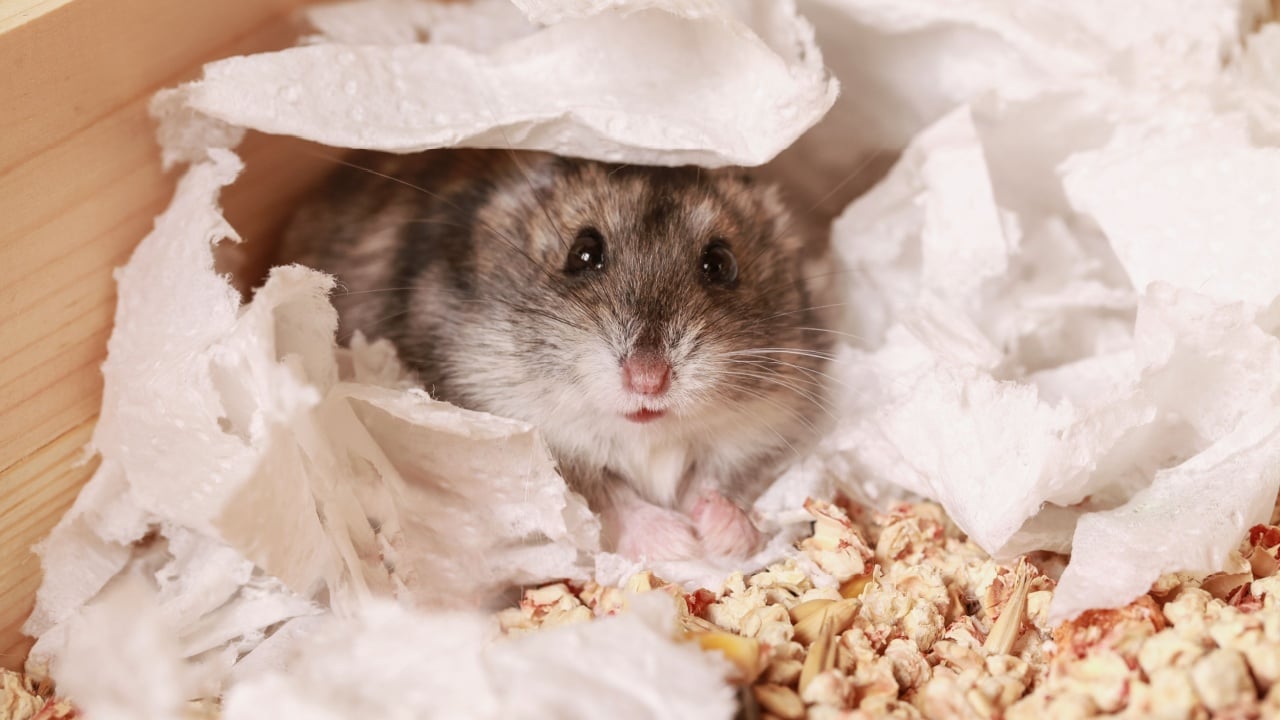
Soft, clean lint can double as bedding for small pets like hamsters, gerbils, or mice. The American Veterinary Medical Association (AVMA) emphasizes that bedding materials must be clean, dry, and free of harmful chemicals to protect animal health. Cotton-based lint provides warmth and insulation, creating a comfortable nesting material when handled properly.
However, safety is key. Lint from laundry treated with heavy detergents, fabric softeners, or fragrances may irritate sensitive respiratory systems or skin, and overly compact bedding can restrict airflow, leading to dampness or mold. Mixing lint with paper bedding or hay helps maintain ventilation and reduces the risk of clumping.
4. Oil Spill Absorber
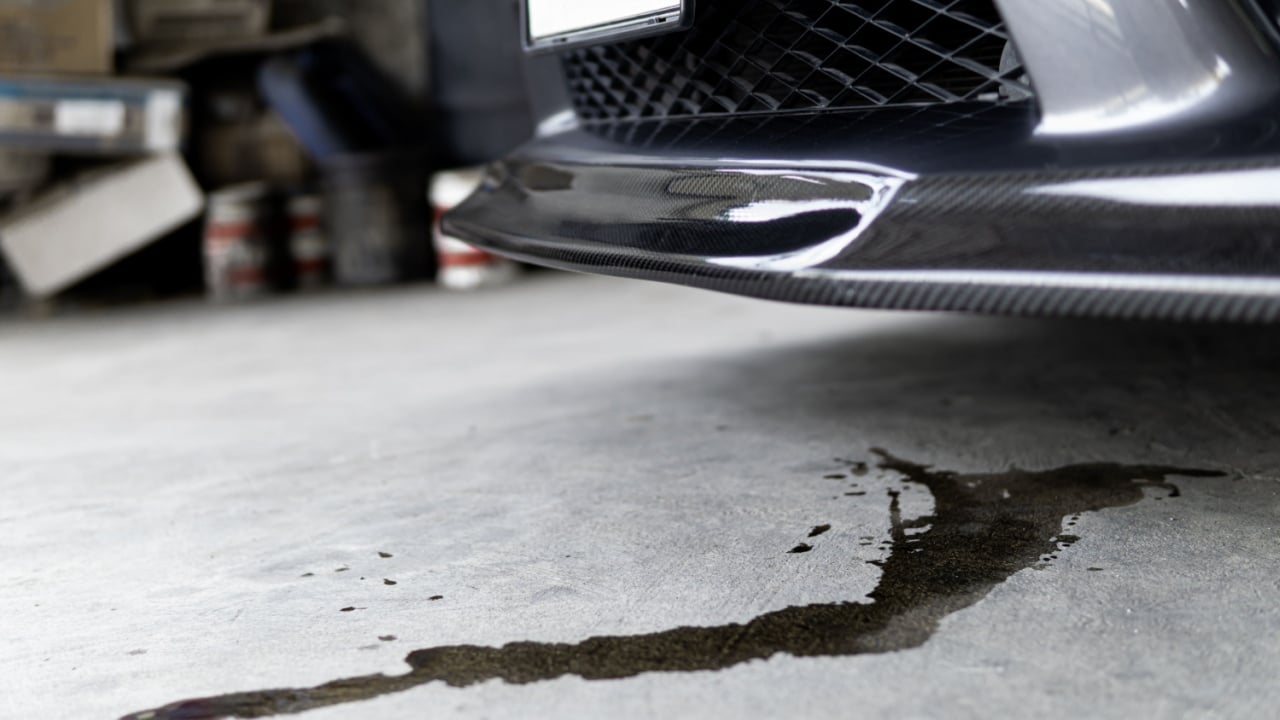
Cotton fibers are naturally absorbent, which allows lint to soak up small amounts of oil or grease. Research has shown that cotton can retain significant amounts of liquid relative to its weight, making it effective for minor spills. That means the fluff you usually toss can serve as a quick, eco-friendly cleanup tool in garages, workshops, or craft spaces.
Keep a sealed container of lint in a garage or workshop for quick cleanup of small drips. Press the lint gently onto the spill and dispose of it properly afterward. Avoid rinsing oil-soaked lint down drains, and never reuse it after absorbing hazardous liquids.
5. Paper-Making Projects

Lint can be blended into recycled paper pulp for arts and crafts. Cotton fibers have long been used in specialty papers because they add texture and durability. Cotton textile waste can be blended into kraft pulp, showing that recycled cotton fibers improve paper strength and sustainability compared to conventional pulp alone.
Blend lint with shredded scrap paper and water, then strain and press into thin sheets. Allow several days to dry fully. Use clean, light-colored lint for best results, and experiment with small batches to test texture and strength.
6. Insulation for Outdoor Plants
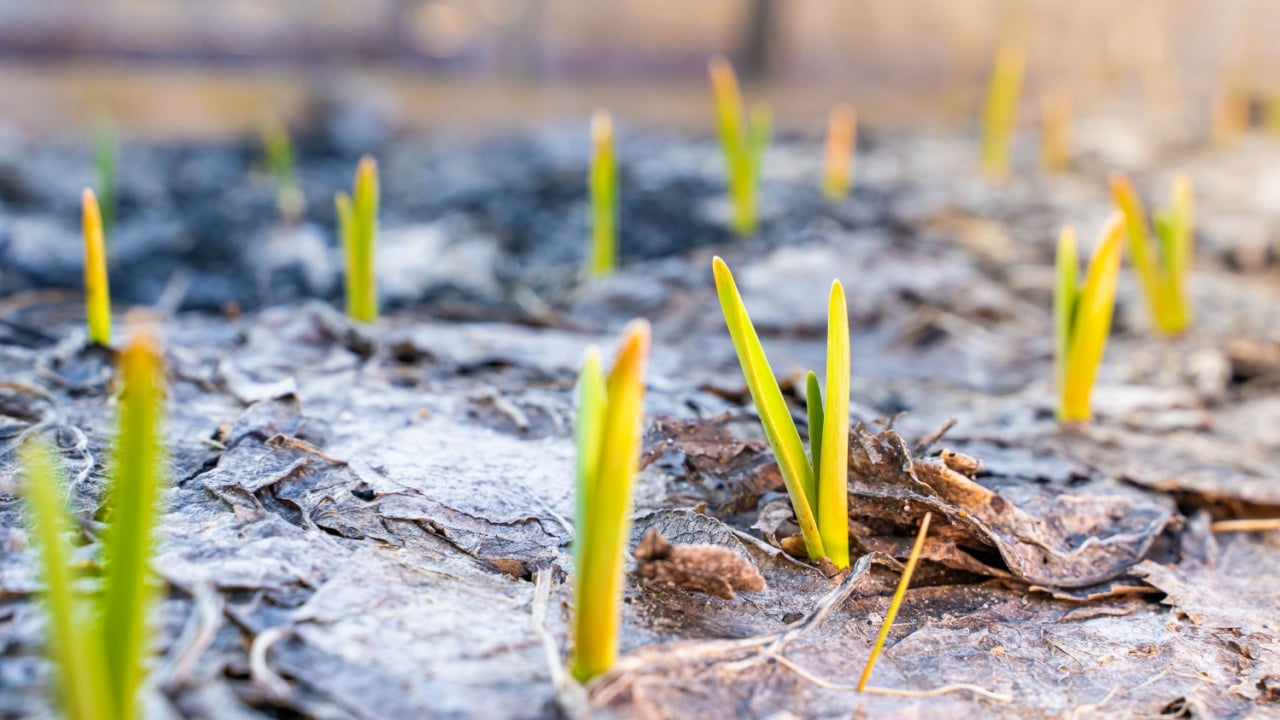
Insulating plant roots is a time-tested way to reduce frost damage during winter. Agricultural experts emphasize that insulation materials such as mulch, straw, or fabric wraps help stabilize soil temperatures and shield roots from sudden cold snaps.
Lint’s airy fibers mimic this effect. Much like leaf litter or straw, lint traps pockets of air, creating a buffer against freezing temperatures. Natural insulation methods like mulching, leaf litter, and breathable wraps are among the most effective ways to safeguard crops and perennials.
7. Stuff Small Crafts
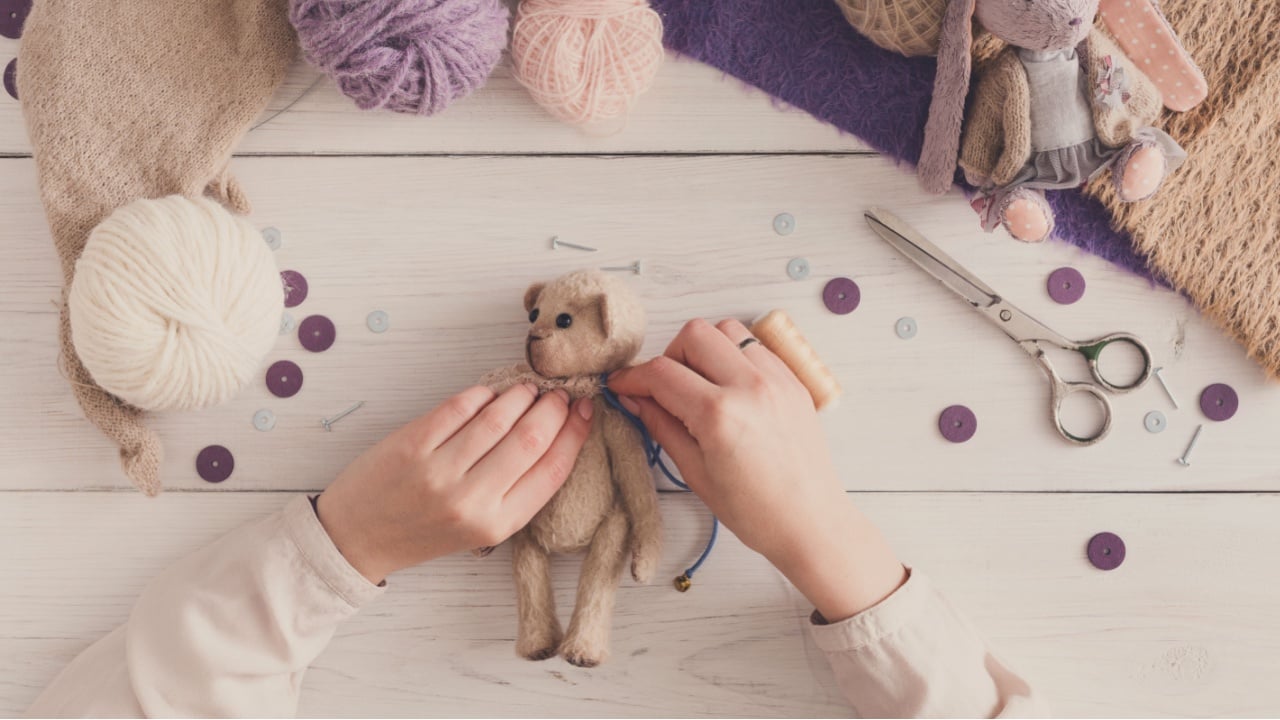
Dryer lint works surprisingly well as stuffing for small handmade crafts. Because lint is made up of soft, lightweight fibers, it creates gentle padding similar to basic polyester filling. Cotton fibers, in particular, have natural softness and breathability, which is why cotton has long been used in textile padding and quilting.
To use lint safely, collect it in a sealed container and make sure it is completely dry and free of debris. It works best for small projects like stuffed hearts, holiday ornaments, mini pillows, or fabric toys meant for decoration rather than heavy use. For extra durability, place the lint inside a thin muslin or cotton pouch before inserting it into the craft.
8. Use as Packing Material

Dryer lint can act as a lightweight cushioning material for small, non-fragile items during storage or short-distance moves. Its fluffy, fibrous texture helps absorb minor shocks by creating tiny air pockets around an object. While lint is not a replacement for heavy-duty packing foam, it can provide gentle padding for lightweight décor pieces, craft supplies, or keepsakes.
For best results, place lint inside paper bags, cloth pouches, or small boxes before wrapping it around items. This keeps loose fibers from sticking to surfaces and makes cleanup easier. Only use clean, dry lint, and avoid direct contact with electronics to prevent static buildup. For fragile glass or expensive items, combine lint with sturdier protective layers like cardboard dividers.
9. Emergency Tinder Kit
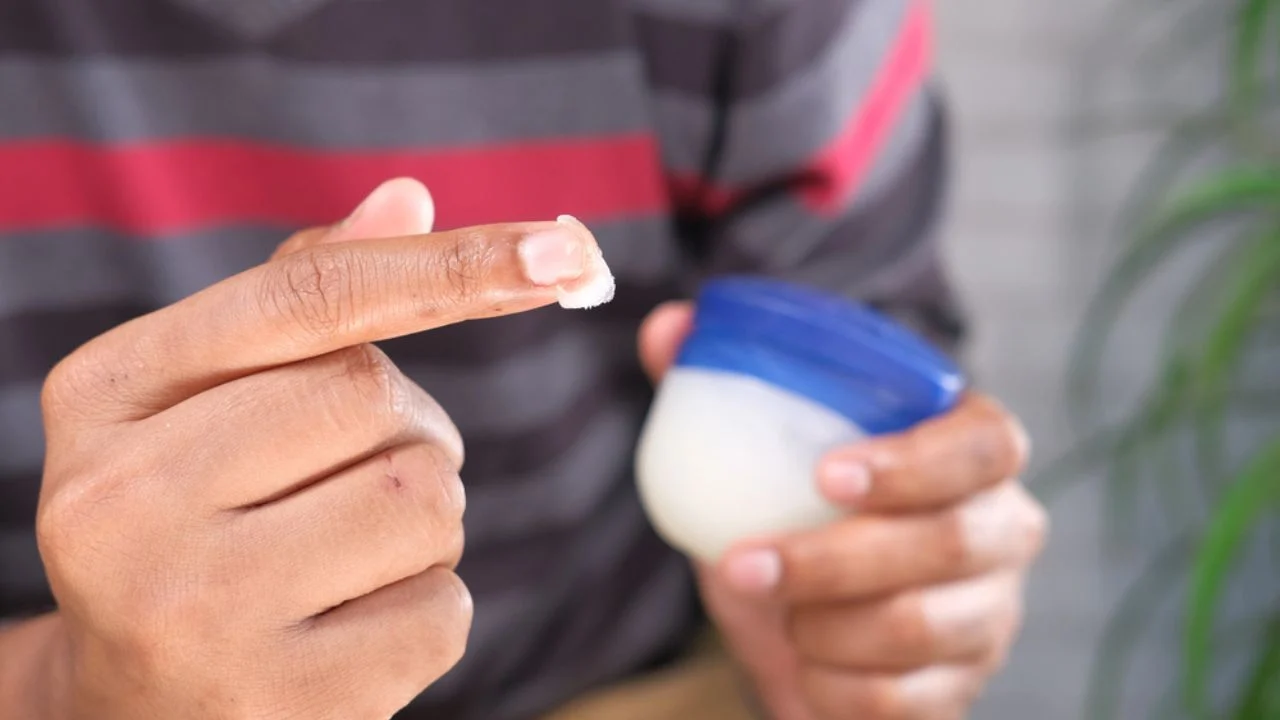
Dryer lint is one of the quickest-burning materials found in most homes, which makes it ideal for an emergency tinder kit. Because lint is made of tiny fibers with lots of trapped air, it ignites easily with a small spark. Keeping reliable fire-starting materials in emergency preparedness kits, especially for power outages or outdoor survival situations, is extremely important. Fast-igniting tinder can make a major difference when conditions are cold or damp.
To prepare a simple kit, store dry lint in a waterproof container or sealed plastic bag. For better performance, combine lint with a bit of petroleum jelly or melted wax to extend burn time. Only use lint from natural fibers when possible, since synthetic materials may produce harmful fumes
10. Halloween or Costume Decorations
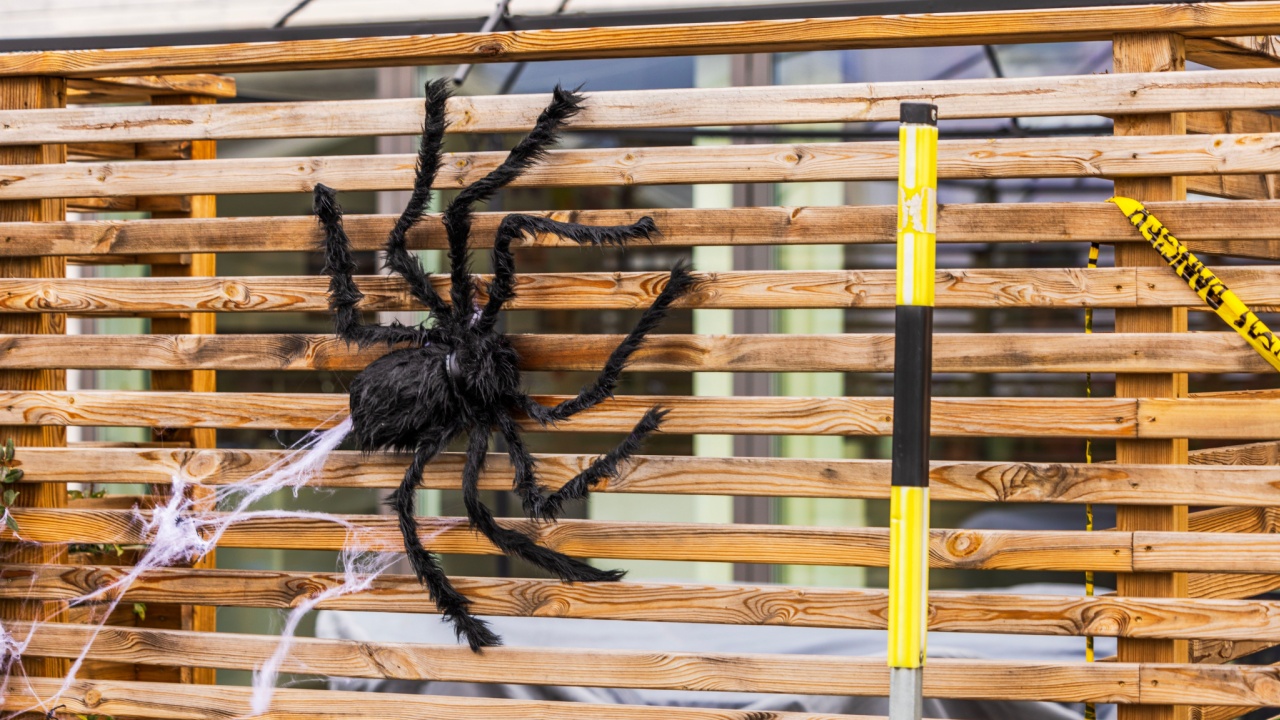
The soft, wispy fibers naturally resemble the thin strands of real spider webs, which makes lint perfect for Halloween displays or spooky party décor. Decorative designers often rely on lightweight fibrous materials to imitate webs because they can stretch easily while keeping an airy appearance.
To use lint as décor, gently stretch small clumps between fingers and drape them across corners, furniture edges, picture frames, or lampshades. The fibers spread thinly and create a realistic cobweb effect without needing store-bought decorations. Always keep lint decorations away from candles, fireplaces, or any heat sources because lint is highly flammable.
11. Texture Additive for Clay Projects

Fibers can help strengthen clay by reducing cracking as it dries. When clay dries, moisture evaporates, and the material shrinks, which can sometimes lead to small fractures. Adding fibers distributes tension throughout the clay, helping it hold together.
Dryer lint, especially from cotton fabrics, can serve a similar purpose in small craft projects. Mixing a small pinch of lint into air-dry clay adds texture and flexibility while helping the clay maintain its shape as it dries. The fibers act like tiny support threads inside the material.
From Trash to Tiny Treasure

Dryer lint isn’t glamorous, but it’s free, plentiful, and more useful than most people realize. Start saving it after your next load and experiment with a few of these ideas. The simplest place to begin? A batch of fire starters, they take about five minutes to make and work better than most store-bought alternatives. From there, it’s just a matter of matching the right use to what you have on hand.
Read More: