
12 Home Ownership Myths That Waste Money in the Long Run
Many people enter the housing market believing that buying a property guarantees instant financial success and complete freedom. They often sign the final paperwork with grand visions of knocking down walls and completely customizing their space without a single roadblock in sight. Reality often sets in quickly when unexpected repair bills arrive or when local zoning laws block an exciting renovation project.
A lot of misinformation gets passed down through generations or amplified by popular television shows that make major renovations look incredibly fast and inexpensive. When buyers trust these widespread rumors, they often underestimate the true costs of properly maintaining a property. Believing these misconceptions often leads to severe budget shortfalls and unnecessary stress for new buyers who just wanted a comfortable place to live.
This guide breaks down exactly which popular beliefs routinely drain bank accounts and cause major headaches for buyers. You can use this information to protect your budget, avoid costly surprises, and make smarter decisions for your future. The following list details the most common misconceptions you need to leave behind before signing another mortgage document.
1. Remodeling Projects Happen Quickly and Easily

Popular television shows routinely show massive renovations happening in a single weekend with zero complications. The truth is a much slower process, filled with contractor delays, material shortages, and unexpected issues hidden inside the walls. When you open up an old wall, you frequently find plumbing or electrical problems that demand immediate attention and extra money. These surprises quickly multiply your original budget and extend your timeline by several months.
Planning requires a much larger financial cushion than most people anticipate. You should always set aside an extra 20% of your total budget to cover unexpected expenses that inevitably pop up during construction. Choosing a reliable contractor early and preparing for inevitable delays will save your budget and protect your peace of mind.
2. You Can Make Any Changes You Want to Your Property

Buyers often assume that owning a property means they hold total control over every single detail of the building and the land. In reality, local zoning laws, city codes, and homeowner associations heavily restrict the modifications you can make to your structure. You might buy a property intending to build a large fence or add a massive deck, only to discover that local regulations prohibit those specific additions. Ignoring these rules usually results in heavy fines and mandatory orders to undo your expensive work.
Always review the local regulations and any homeowner association rules before you purchase a property or start a major project. Getting the proper permits approved beforehand guarantees your project stays legal and prevents future conflicts with your neighbors or city officials. Taking time to understand your local building codes ultimately protects your investment and prevents costly legal battles down the road.
3. Brand New Builds Require Zero Maintenance
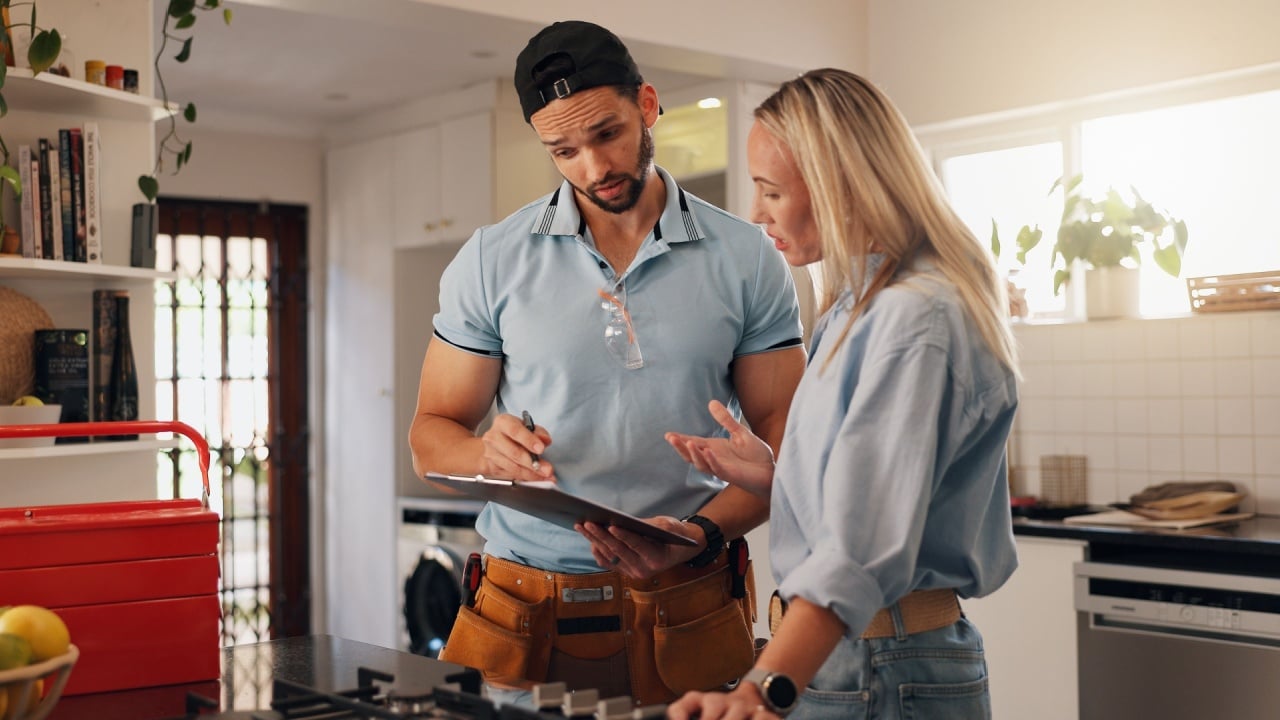
Purchasing a newly constructed structure often gives buyers a false sense of security regarding future repair bills. Even newly constructed buildings require regular upkeep to prevent early deterioration of materials and systems. Houses settle into their foundations during the first few years, which frequently causes minor drywall cracks and occasional plumbing adjustments. Assuming your new place needs zero attention often allows small, easily fixable issues to turn into massive structural problems later on.
Setting up a regular inspection schedule helps you catch minor defects while your builder’s warranty remains active. You must actively maintain your heating systems, clear the gutters, and seal your exterior surfaces just like you would with an older property. Staying proactive with routine upkeep preserves the condition of your new property and saves you from paying massive repair bills down the line.
4. Buying Always Beats Renting

Society frequently pushes the idea that paying rent simply wastes money while buying guarantees financial success. This belief completely ignores the massive hidden costs of buying, such as property taxes, expensive insurance policies, and inevitable repairs. If you only plan to stay in one location for a few years, the closing costs and agent fees will easily erase any potential profit from a sale. Renting often provides crucial flexibility and shields you from the sudden financial shock of a broken furnace or a leaking roof.
Evaluate your current financial stability and your long-term career plans before you commit to a thirty-year mortgage. If your job requires frequent relocation or your savings account balance is low, renting offers a much safer financial path. Carefully calculate all the hidden expenses of ownership to determine which living situation actually makes the most financial sense for your unique lifestyle.
5. Every Fixer-Upper is Worth Saving
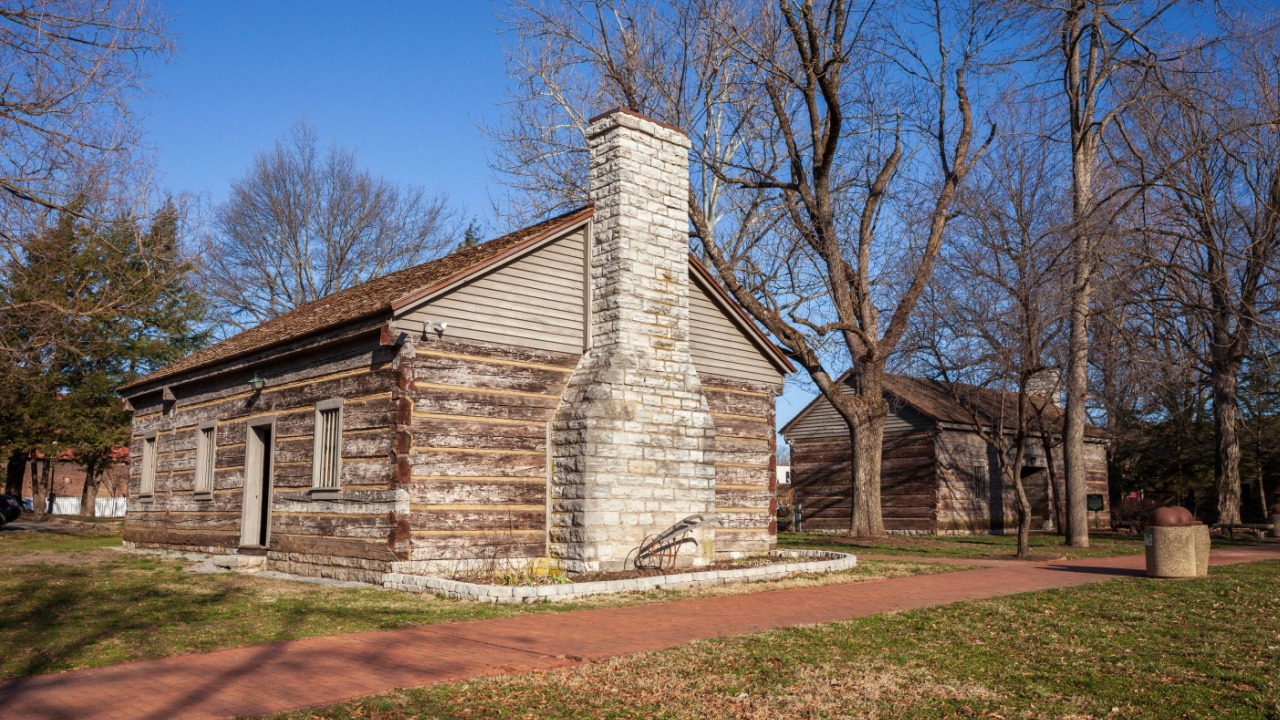
People frequently look at dilapidated properties and see massive potential for a profitable flip or a dream residence. Some buildings suffer from severe foundation damage, extensive termite destruction, or toxic mold infestations that cost far more to fix than the property is actually worth. You can easily pour your entire life savings into a damaged property and never recover those funds when you finally try to sell. Sometimes, walking away from a heavily damaged building remains the smartest financial decision you can make.
Never fall in love with a damaged property before a qualified structural engineer has evaluated the foundation and main supports. Request multiple detailed estimates from licensed professionals for the most severe issues before you finalize the purchase agreement. Calculating the worst-case scenario gives you a realistic view of the true costs and prevents you from purchasing a massive financial burden.
6. Inspectors Catch Every Single Flaw
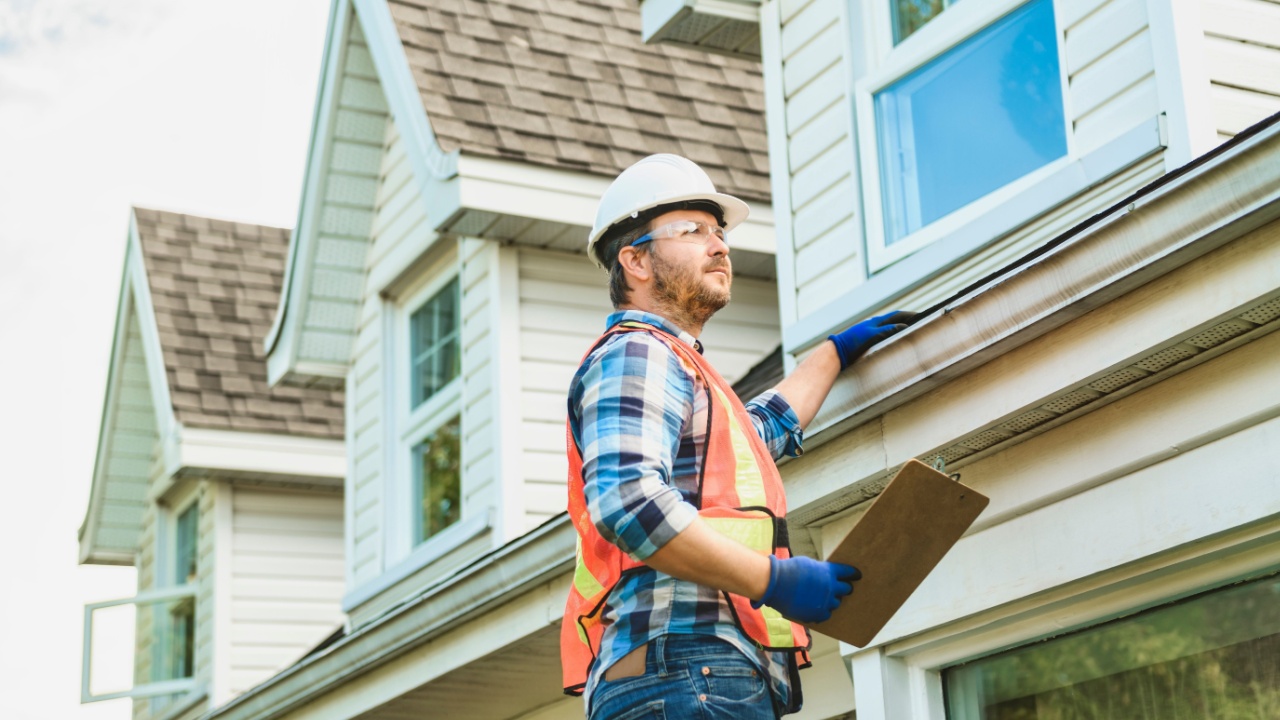
A professional inspection provides valuable insight into a property’s condition, but it definitely does not guarantee a flawless building. Inspectors perform visual assessments and cannot see inside closed walls, underneath the foundation, or deep within the underground sewer lines. They might miss a slow pipe leak inside the ceiling or a damaged wire hidden far behind the electrical panel. Relying solely on a basic inspection report leaves you vulnerable to hidden issues that may surface weeks after you move in.
Hire specialized experts to examine the specific systems that regular inspectors often miss during their visual walk-throughs. Plumbers can run cameras down the main sewer lines, while electricians can test the specific load capacity of an older panel. Spending a little extra cash on specialized inspections upfront easily prevents thousands of dollars in surprise repairs immediately after closing.
7. You Must Complete All Labor Yourself

Many buyers believe they must personally handle all the mowing, painting, and plumbing repairs to justify their investment. Attempting complex electrical work or dangerous roof repairs without proper training usually leads to severe injuries or much worse property damage. Hiring a licensed professional to do the job correctly the first time actually costs far less than paying someone to fix your botched DIY attempt.
Build a reliable network of local professionals, handymen, and lawn care services that you trust to handle the difficult tasks. Budgeting for regular professional help removes a massive amount of stress from your life and keeps your property looking immaculate. Knowing when to call an expert ultimately protects your property’s structural integrity and gives you back your weekends.
8. Small Repairs Can Always Wait Until Later

Ignoring a tiny roof leak or a slowly dripping faucet seems harmless when your schedule feels overwhelming, and your budget looks tight. Water damage spreads incredibly fast, turning a minor drip into a massive mold problem that ruins drywall and destroys flooring. Procrastinating on routine maintenance forces the mechanical systems in your building to work much harder, leading to premature failures and expensive replacements. What begins as a ten-dollar fix rapidly escalates into a massive emergency bill when left ignored for several months.
Avoid costly repairs by dedicating a specific weekend every single month to walking around your property and identifying minor issues that need immediate attention. Keep a basic tool kit handy and tackle the small fixes immediately before they have a chance to multiply. Fixing problems rapidly keeps your repair budget extremely low and prevents massive headaches during the harsh winter months.
9. Older Buildings Need to Have Drafts
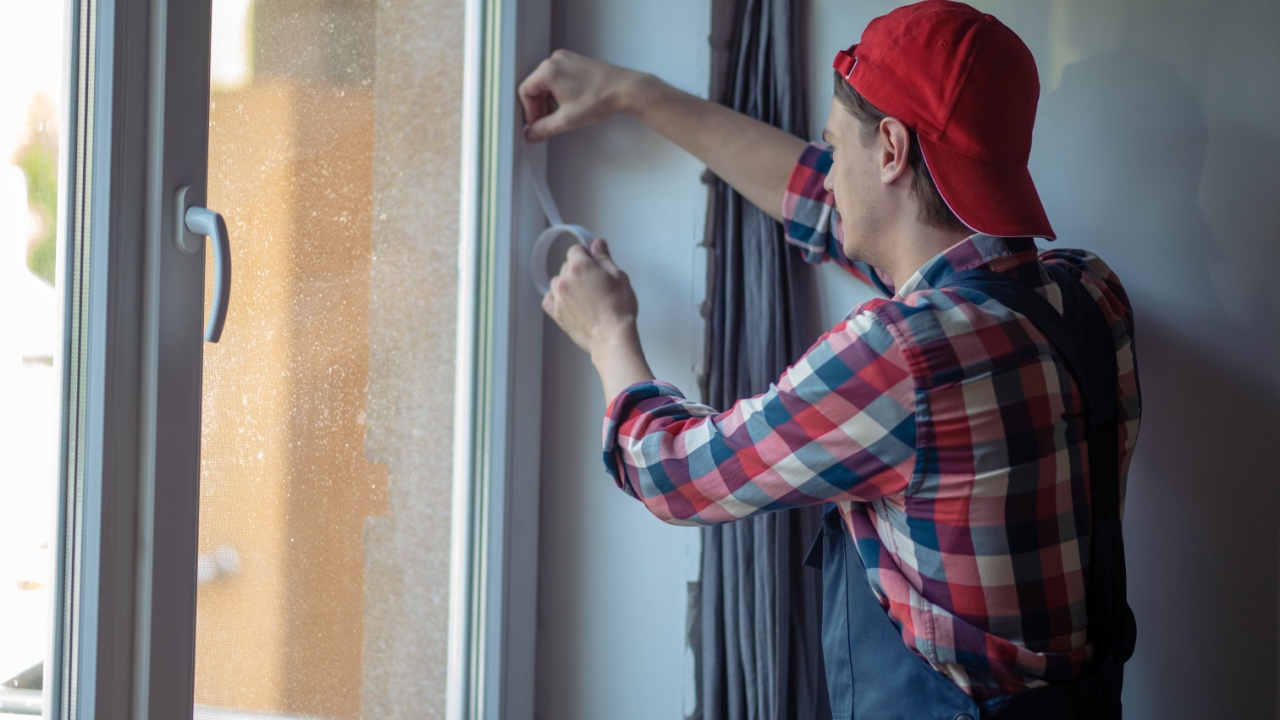
A persistent rumor suggests that older buildings require drafty windows and unsealed doors to prevent moisture buildup and mold growth. While proper ventilation remains incredibly important, random drafts pulling air through cracks only cause your heating and cooling bills to skyrocket. Uncontrolled air leaks force your HVAC system to run continuously, wasting energy and prematurely wearing out expensive mechanical parts.
Focus on creating a tight seal by installing high-quality weatherstripping and modern caulking around all your exterior openings. Once you eliminate the uncontrolled drafts, you can install mechanical ventilation systems that properly regulate the humidity and airflow. Controlling exactly how the air moves through your property maximizes your energy efficiency and slashes your monthly utility bills.
10. Every Upgrade Increases the Resale Value
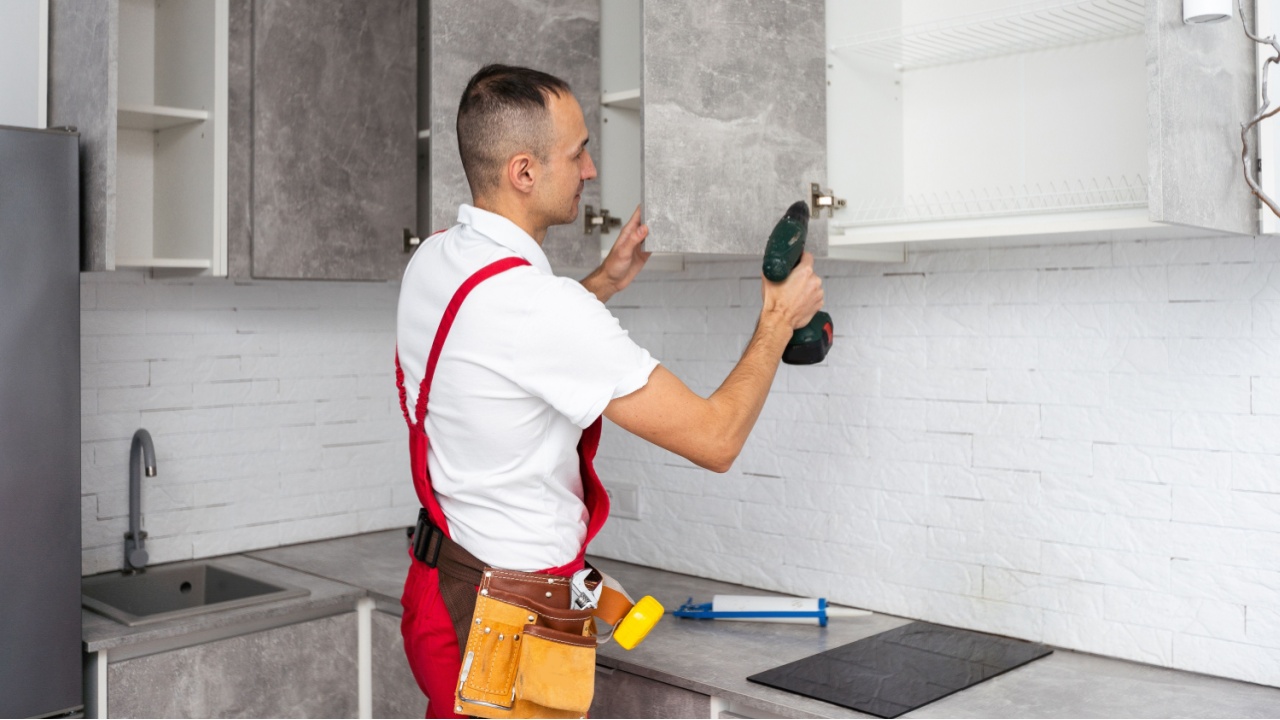
People often assume that spending $50,000 on a luxury kitchen automatically adds $50,000 to the eventual sale price. In reality, highly customized renovations or expensive swimming pools rarely offer a full return on your initial investment. Some buyers actively avoid properties with pools because of the high maintenance costs, so your expensive upgrade could actually deter potential buyers. Upgrading far beyond the average standard for your specific neighborhood generally results in a loss of money when you eventually decide to sell.
Focus your renovation budget on practical updates that appeal to the widest possible range of future buyers in your area. Modernizing the bathrooms, updating the flooring, and maintaining a solid roof usually provide the best financial returns. Consult a local market expert before you begin a massive project to confirm that your planned upgrade actually aligns with local buyer expectations.
11. You Need Twenty Percent Down to Buy

Countless potential buyers delay purchasing for decades because they believe they must save a massive down payment before applying for a loan. This widespread misconception forces people to drain their savings accounts completely just to hit an arbitrary percentage goal. Emptying your cash reserves leaves you entirely unprepared for the inevitable emergency repairs and moving expenses that immediately follow a purchase. Many excellent loan programs allow down payments as low as three to five percent for qualified buyers with solid credit histories.
Speak with multiple lenders to explore the different loan products and down payment assistance programs available in your specific region. Retaining a solid emergency fund often provides much better financial security than putting every single penny into a massive down payment. Keeping cash on hand allows you to comfortably furnish your new place and handle any surprises with complete confidence.
12. Property Taxes Will Always Remain Stable

Buyers frequently calculate their monthly payment based on the current tax assessment and assume that exact number will never change. Local governments regularly reassess property values, especially after a neighborhood experiences a surge in popularity or major infrastructure improvements. When your property value rises, your yearly tax bill usually increases right alongside it, directly impacting your required monthly payments. Failing to budget for these inevitable tax hikes places extreme pressure on your monthly finances and leads to severe budget shortfalls.
Research the historical tax trends in your desired neighborhood to anticipate how much your bill might increase over the next decade. Always leave a comfortable margin in your monthly budget to absorb rising property taxes and increasing insurance premiums. Preparing for these escalating costs guarantees that you can comfortably afford your monthly payments for the entire duration of your loan.
Moving Forward with Confidence

Breaking away from these common misconceptions stands as the most effective way to protect your hard-earned money and secure your financial future. Making informed decisions requires a willingness to question popular advice and look closely at the actual numbers involved in maintaining a property. Staying proactive with your maintenance and thoroughly researching your local market conditions keeps your investment secure and profitable.
Taking on a mortgage remains a massive commitment, but going in with clear eyes and accurate information makes the entire journey highly rewarding. You now possess the knowledge required to navigate the market carefully and keep your monthly expenses firmly under control. Keep learning, trust your research, and enjoy building a wonderful life in your carefully chosen space.
Read More: