18 Childhood Experiences That Weren’t as Normal as People Thought
Growing up often feels like living in a bubble where everything inside your four walls seems perfectly standard. You assume everyone eats dinner at the same time, follows the same rules, and deals with the same family dynamics. It isn’t until you step out into the wider world that the illusion shatters. Suddenly, you look back at moments you brushed off as routine and realize they were anything but typical.
These realizations can be jarring, sometimes hilarious, and occasionally a bit heavy. Childhood is the baseline for how we view reality, so when that baseline is skewed, it takes time to adjust the lens as adults. Recognizing these differences helps process the past and understand why certain habits or anxieties exist today. It validates feelings that might have been ignored for years because “that’s just how it was.”
This article looks at eighteen specific experiences that many people assumed were universal during their youth, only to find out later they were unique to their situation. From bizarre house rules to emotional dynamics that flew under the radar, we will unpack why these moments stick with us and how they shape the adults we become.
1. Intervening in Parents’ Physical Fights

Witnessing parents argue is common, but feeling the need to physically step in to stop violence is a heavy burden for a kid. Many children in volatile homes learn to act as referees or shields, believing this is a standard part of family life. They develop a hyper-awareness of moods and tones, constantly scanning for danger before it escalates.
This level of responsibility forces a child to grow up too fast. Instead of focusing on school or play, energy goes toward managing adult emotions and safety. Realizing later that friends never had to physically separate their parents can be a shock, highlighting just how much stress was carried during those formative years.
2. Bizarre and Unpredictable Punishments
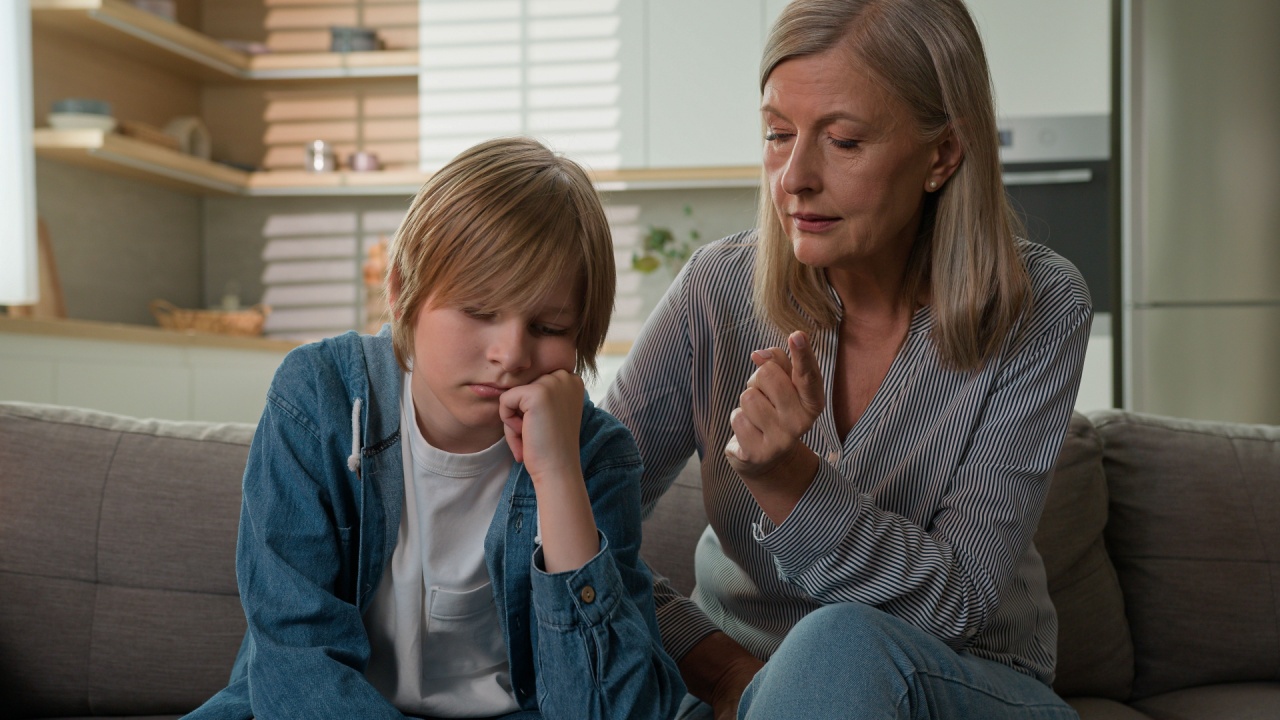
Discipline usually follows a logic: break a rule, face a consequence. However, some households operated on a system of random or extreme punishments that didn’t fit the “crime.” A child might have been grounded for months over a minor spill or forced to perform strange physical tasks as penance. At the time, it just seemed like the way the world worked.
The impact here is often a lingering sense of anxiety about making mistakes. When consequences are unpredictable, it becomes hard to gauge risk or trust authority figures later in life. Understanding that punishment should be fair and consistent is often a major learning curve in adulthood.
3. Locks on the Outside of Bedroom Doors
Privacy is a developing concept for kids, but safety is usually the priority. Finding out your bedroom door had a lock on the outside, effectively trapping you in, is a terrifying realization for many adults. For some, this was explained away as a method to keep them from wandering at night, making it seem like a rational parental decision.
In reality, this removes a child’s agency and creates a serious safety hazard. It signals a lack of trust and control that goes beyond normal parenting boundaries. Recognizing this wasn’t normal often brings up feelings of claustrophobia or a strong need for control over one’s own space as an adult.
4. The “Ghost” Parent at Dinner
Sharing a meal as a family is often depicted as a time for connection, but for some, one parent was consistently absent by choice. Dad might have eaten in the garage, or Mom might have taken her plate to the bedroom every single night. To the kids, this separation was just the nightly routine, not a sign of marital strife or emotional distance.
This dynamic normalizes emotional detachment. It teaches children that isolation is a standard way to handle family life or stress. Recognizing that other families actually sit together and talk can highlight the emotional gaps that existed in one’s own upbringing.
5. Dreading Summer Vacation
For most kids, summer break is the highlight of the year, signaling freedom, sun, and no homework. But for those in difficult home environments, school was the sanctuary, and home was the source of stress. The end of the school year meant losing a safe structure and being stuck in a volatile or neglectful environment for months.
This reversal of norms can be isolating. While peers shared excitement about camps and trips, these children felt a pit in their stomach because home was not a safe space for them. As adults, this can manifest as a discomfort with downtime or an inability to relax during holidays, as free time is associated with chaos rather than rest.
7. Parents with No Adult Friends

Ideally, parents have a social circle that provides support and an outlet separate from their kids. Some children grew up observing parents who had absolutely no friends and relied entirely on the family unit for social interaction. This often led to an insular life where the family was “us against the world.”
This intense focus can create codependency. Children might feel responsible for their parents’ happiness or social fulfillment. Seeing other parents with hobbies, friends, and separate lives helps adults realize that healthy boundaries involve having connections outside the immediate family unit.
8. Coaching Kids to Lie to Authorities

“If anyone asks, say this.” Being given a script to recite to teachers, doctors, or social workers is a massive red flag that a child often interprets as a secret game or a way to protect the family. This could range from lying about bruises to hiding financial troubles or substance use.
The damage here is twofold: it erodes trust in helpful authority figures and burdens the child with adult secrets. It creates a mindset where honesty is dangerous, and deception is a survival skill. Unlearning this reflexive need to cover up the truth is a significant part of healing.
9. Freezing Houses in Winter
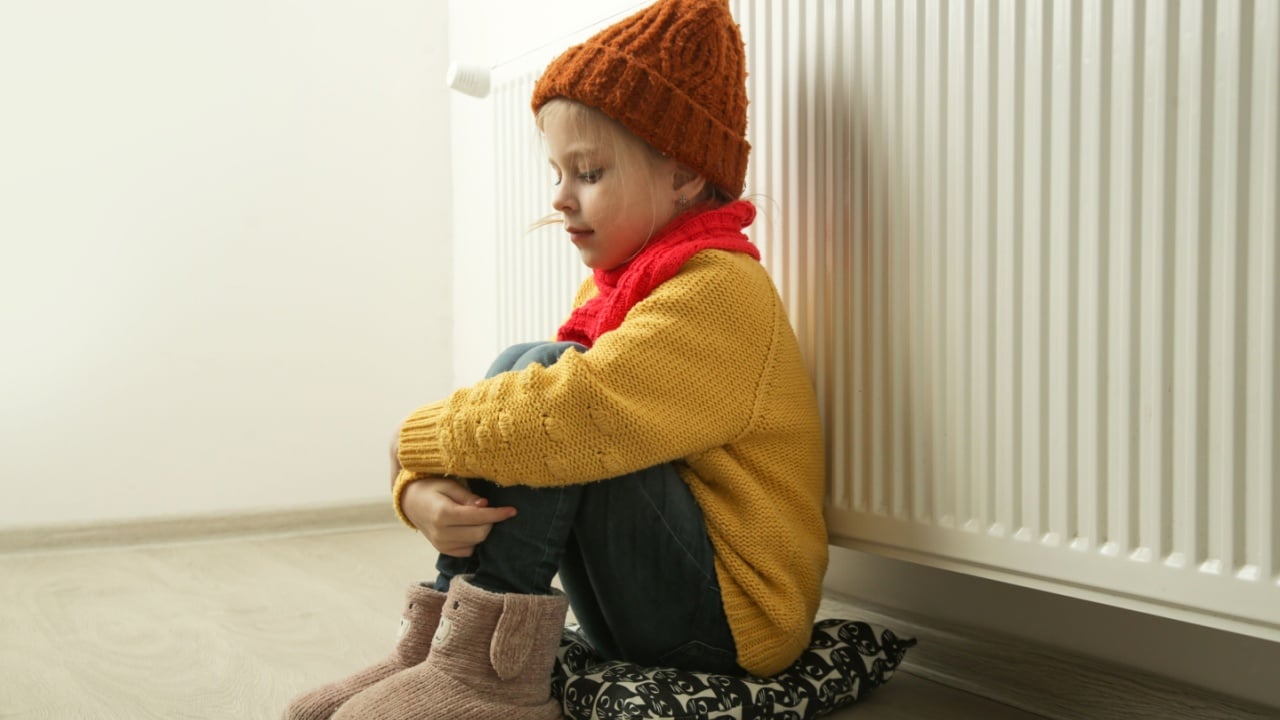
Frugality is one thing, but refusing to turn up the heat during freezing winters is another. Some families lived in houses so cold that seeing your breath indoors was standard. Friends visiting would be shocked, while the family just put on another three layers of sweaters.
This environment often points to either extreme financial stress or neglect. It conditions a person to endure discomfort without complaint. Realizing that physical comfort and warmth are basic necessities, not optional luxuries, can be a revelation when moving into one’s own home.
10. A Fridge Full of… Nothing

Opening a fridge to find condiments, a withered carrot, and maybe some beer is a reality for some, but not the norm. Kids in these homes often learned to scrounge or cook odd combinations of food to get by. They assumed everyone’s pantry was just as bare.
This scarcity mindset around food can persist long after the fridge is full. Adults might hoard food, overeat, or feel anxiety when supplies get low. It stems from the early lesson that sustenance wasn’t guaranteed or prioritized by the adults in charge.
11. Normalized Substance Abuse

When beer cans are as common as furniture, or drug paraphernalia is left on the coffee table, a child doesn’t see it as illegal or dangerous. It’s just “Dad’s stuff.” They might even help fetch drinks or clean up the aftermath, thinking this is how all adults relax.
This exposure desensitizes children to addiction. It blurs the lines of safe behavior and can lead to a higher risk of substance issues later. Recognizing that heavy substance use isn’t a standard household feature is often the first step in breaking a generational cycle.
12. Emotional Neglect Disguised as Independence
“Latchkey kids” are common, but some children were left entirely to their own devices for days or weekends at a young age. They cooked, cleaned, and got themselves to school without parental input. They often wore this “independence” as a badge of honor, not realizing it was neglect.
While these kids grow up to be highly self-sufficient adults, they often struggle to ask for help. They learned early on that they were on their own. Understanding that children need guidance and presence, not just unsupervised freedom, helps reframe that early isolation.
13. Working to Buy Basic Groceries

The US Department of Labor set 14 years of age as the minimum age for children to start working. Teen jobs are great for buying video games or clothes, but some kids work specifically to put milk and bread on the table. Handing over a paycheck to parents to keep the lights on shifts the provider role onto the child.
At the time, it felt like pitching in; in hindsight, it was parentification. This creates a heavy sense of financial anxiety. These adults often have a hard time spending money on themselves or relaxing, feeling that financial ruin is always one missed paycheck away. It validates the fact that providing the basics should have been the parents’ job.
14. Walking on Eggshells Constantly

Every home has moods, but living in one where the emotional climate can shift instantly is exhausting. This is eggshell parenting; children in these environments become experts at reading micro-expressions and footsteps to gauge safety. They assume everyone lives in a state of constant, low-level vigilance.
This hyper-vigilance is hard to turn off. It can make relaxing in a safe relationship difficult because the brain is still scanning for the threat. Realizing that stability is possible and that not everyone is a ticking time bomb is a massive relief.
15. Medical Issues Being Ignored

A broken bone that “healed on its own” or a persistent toothache treated with clove oil for years are signs of medical neglect. Kids assume doctors are only for dying people because their ailments were minimized or ignored due to cost or apathy.
This leads to adults who ignore their own health until it becomes an emergency. They learned to disconnect from pain and minimize their physical needs. Learning to make a doctor’s appointment for a minor issue can feel incredibly self-indulgent when it is actually just responsible self-care.
16. Possessions Being Sold or Destroyed
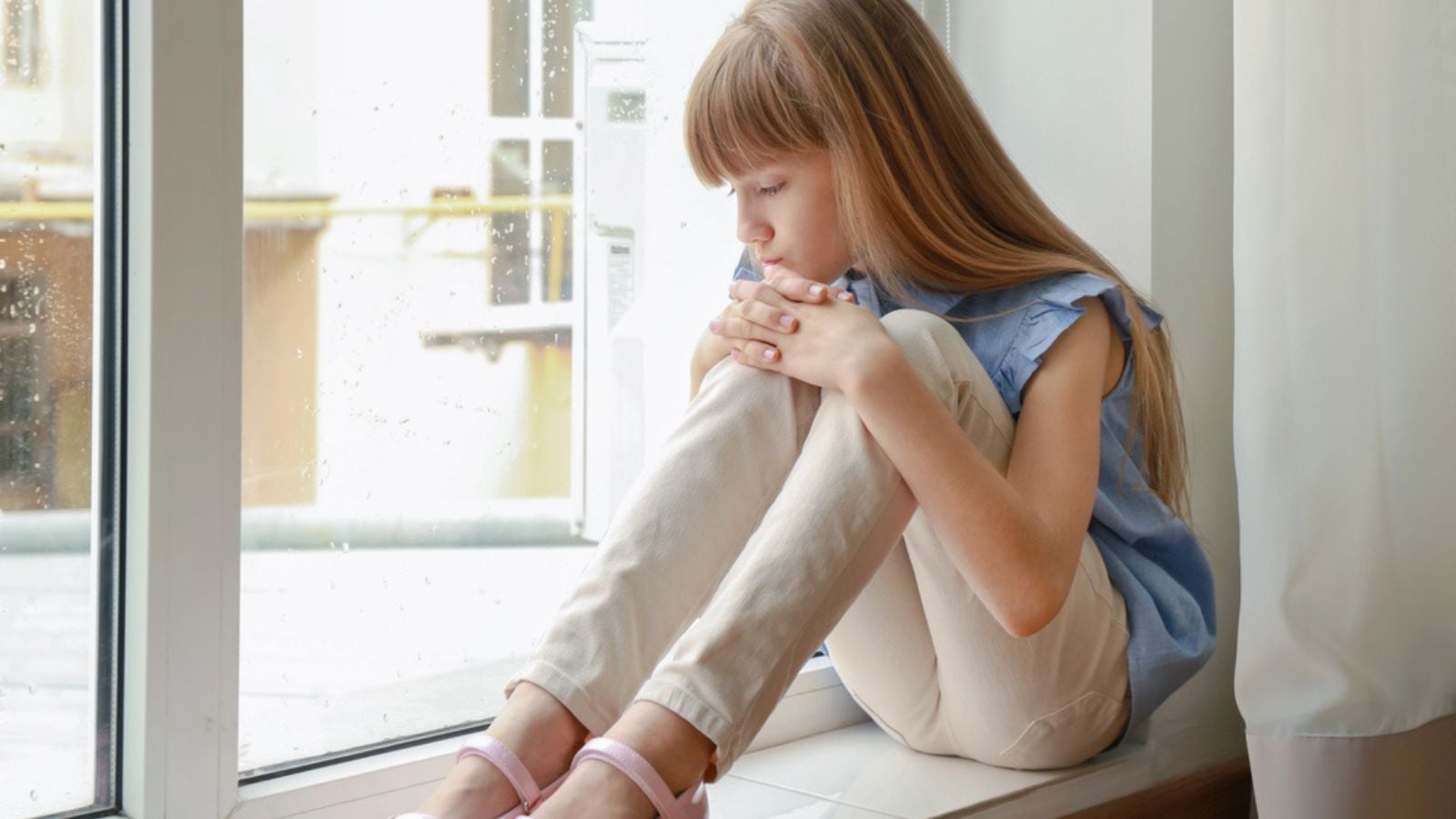
Coming home to find your toys, clothes, or collections missing because a parent sold them or threw them out in a rage is traumatic. Kids in these situations learn not to get attached to material things because ownership is temporary and conditional.
This instability breeds insecurity. As adults, they might become fiercely possessive of their belongings or, conversely, live minimally to avoid the pain of loss. It highlights a lack of respect for the child’s autonomy and property that wasn’t normal.
17. Extreme Religious or Ideological Isolation

Some children grow up in strict bubbles where music, movies, or books from the “outside world” are banned. They believe everyone lives by these rigid codes. Discovering pop culture references or scientific facts later in life can make one feel like an alien landing on a new planet.
This isolation is a form of faith abuse. It creates a “fish out of water” feeling in adulthood. There is often a steep learning curve to catch up on cultural touchstones. It can also lead to resentment for the experiences and knowledge that were withheld during developmental years.
18. Conditional Love

In a healthy environment, love is a given. In some homes, affection was a currency earned by good grades, compliance, or chores. If you messed up, the love was withdrawn completely. Kids internalized the idea that they were only lovable when they were useful or perfect.
This sets up a pattern of people-pleasing. Adults who grew up this way often exhaust themselves trying to earn affection in relationships. Understanding that love should be a steady baseline, not a prize for performance, changes the entire approach to relationships.
Moving Forward With a New Perspective
Unpacking childhood memories is like cleaning out an old attic; you find things you forgot existed, and some of it belongs in the trash. Realizing that your “normal” was actually neglectful, chaotic, or bizarre is a significant step toward understanding yourself. It allows you to separate who you are from what happened to you.
It is never too late to redefine what normal looks like for your own life. You can choose to buy the heat, lock the bathroom door for privacy, and create a home where peace is the standard. Seeing these past experiences for what they were validates your resilience and empowers you to build a future that looks exactly the way you want it to.
Read More: