
5 Quiet Signs of Financial Stress Inside a Home
Walking into someone’s home sometimes involves checking out their decor or seeing if they finally bought that air fryer everyone talks about. But sometimes, you notice things that tell a deeper, harder story. We all try to put on a brave face when money gets tight, but homes have a funny habit of telling the truth even when we don’t want them to.
It’s easy to miss the signals if you aren’t looking, or to misunderstand them entirely. This article explores five specific signs that might indicate a household is navigating rough financial waters. Understanding these indicators isn’t about being nosy, but recognizing when friends or family might be struggling silently so you can offer compassion or support.
1. Utilities Shut-off Notices or Alternative Heating Methods

Seeing a stack of mail is normal. We all get lazy with the recycling bin. However, specific types of mail or unusual makeshift solutions around the house often point to a cash flow crisis. When you spot bright pink or red envelopes from the electric or water company sitting on the counter, it usually means bills are significantly overdue. These companies don’t send the scary-colored letters until things are serious.
Beyond the mail pile, look at how the home functions. If you visit in the winter and the central heat is off, but the family is huddled around a space heater or the kitchen stove, that is a red flag. Heating a whole house is expensive. When funds run dry, the thermostat gets turned down or off completely to keep the bill manageable or to avoid a disconnect.
2. Empty Pantry or Sparse Food Supplies
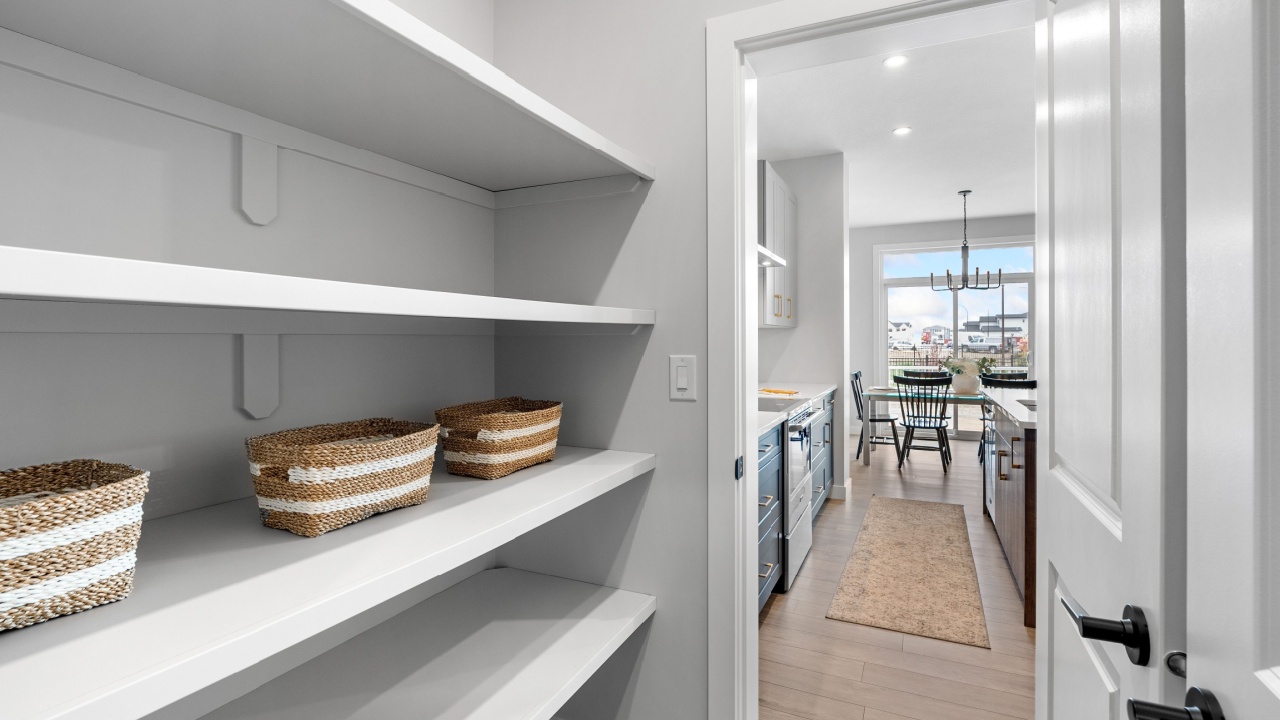
Some food items have gotten ridiculously expensive recently. Most of us have had days when the fridge contains nothing but a jar of pickles and some almost-expired mustard. Sometimes it’s just poor planning; financial hardship looks different. It looks like a pantry that stays consistently bare over weeks or months. It looks like a reliance on cheap, non-perishable fillers like instant noodles or white rice because fresh produce and proteins are too pricey.
Pay attention to mealtime behaviors. Are portions getting smaller? Is the host skipping meals, claiming they “ate earlier” or “aren’t hungry,” while the kids or guests eat? This is a classic, heartbreaking maneuver parents pull to stretch resources. Another subtle clue involves the variety of food. When money is tight, brand loyalty vanishes. Food is the first place people cut back because it’s a variable expense.
3. Broken Appliances and Neglected Furniture

Houses wear out. Stuff breaks. In a financially stable home, a broken washing machine gets fixed or replaced. In a home under financial strain, it just sits there. You might notice laundry piling up because the washer died three months ago, and the laundromat is the only option now. Or maybe the dishwasher has become a glorified drying rack because the motor burned out, and calling a repair technician costs money that simply isn’t there.
Furniture tells a similar tale. A sofa held together with duct tape or a dining chair with a wobbly leg that never gets tightened aren’t just aesthetic choices. They represent deferred maintenance. When you are deciding between paying the mortgage or fixing the fridge, the fridge loses every time. This sign is particularly heavy because it affects the functionality of a home. It turns daily chores into harder, longer tasks.
4. Visible Stress Items (Alcohol Bottles, Cigarette Packs)

Financial stress is a beast. It keeps you up at night and gnaws at your stomach. To cope, people often turn to vices. An increase in empty alcohol bottles, beer cans, or overflowing ashtrays can be a symptom of the immense pressure money problems create. If a casual drinker suddenly has a recycling bin full of wine bottles every week, or a non-smoker picks the habit back up, something triggered that shift. Money troubles are a massive trigger. These items offer a temporary escape from the anxiety of debt collectors and looming deadlines.
Unfortunately, this creates a vicious cycle. Alcohol and cigarettes are expensive. Spending money on them depletes the already limited budget, leading to more stress, which leads to more use. It’s a difficult spiral to witness. The presence of these items in excess doesn’t just suggest a party lifestyle; in the context of other signs, it often screams that the residents are trying to numb the panic of their reality.
5. Outdated or Unsafe Vehicles in the Driveway

Cars are often essential for getting to work to make the money needed to solve the problems. But cars are also money pits. When finances crash, vehicle maintenance is one of the first things to go. You might notice bald tires, cracked windshields that never get fixed, or a “check engine” light that has been glowing for so long it’s basically a dashboard decoration.
Sometimes, the car disappears entirely, repossessed because the payments fell behind. Last year, it was estimated that about 3 million cars would be repossessed. That is not a one-person problem. Or perhaps the newer, reliable family SUV is traded in for a much older, beat-up sedan to cash out some equity or lower monthly payments. Spotting a decline in the quality or safety of a friend’s vehicle is a strong indicator that they are cutting corners on safety to keep their head above water.
Lending a Hand When Times Get Tough

Spotting financial struggles in a home isn’t a reason to make assumptions or jump to conclusions; it’s a chance to offer understanding and a bit of warmth. Maybe you see these signs where you live, or in someone else’s space. Everyone faces rough patches; what matters most is how to move forward.
If things are tight at home, start by opening your mail and reaching out to utility companies for options on your bills. Many places have assistance programs, and food pantries exist for situations just like this. If someone you care about seems to be struggling, offering a simple meal, an extra hand with chores, or just genuine kindness can ease their burden more than you realize. Even small gestures remind people they aren’t alone. Hard times pass faster with support, community, and a bit of hope. No one needs to weather it alone.