15 Plants That Are Illegal to Have in the U.S.
When it comes to bringing plants into the United States, regulations are strict and for good reason. The USDA and other regulatory bodies work to protect native ecosystems, agriculture, and public health from invasive species, pests, and diseases. While many plants are perfectly safe, others pose serious risks and are banned from entering the country. But don’t despair! For each prohibited plant, we’ve suggested a safer alternative that’s both beautiful and practical.
Here’s a look at 15 plants you can’t legally bring into the U.S. (due to permit needs or outright ban) and some great alternatives to consider instead.
How We Chose This List

This list was compiled using official U.S. Department of Agriculture (USDA) Animal and Plant Health Inspection Service (APHIS) regulations, federal noxious weed lists, and state invasive species databases. We also reviewed Federal Orders that restrict the import of plant material from regions affected by pests and diseases.
Only plants with documented federal or state prohibitions or significant legal restrictions were included. This list isn’t exhaustive, but it gives insight into some of the most prevalent invasive, regulated, or unsafe plants in the United States.
1. Bamboo Species
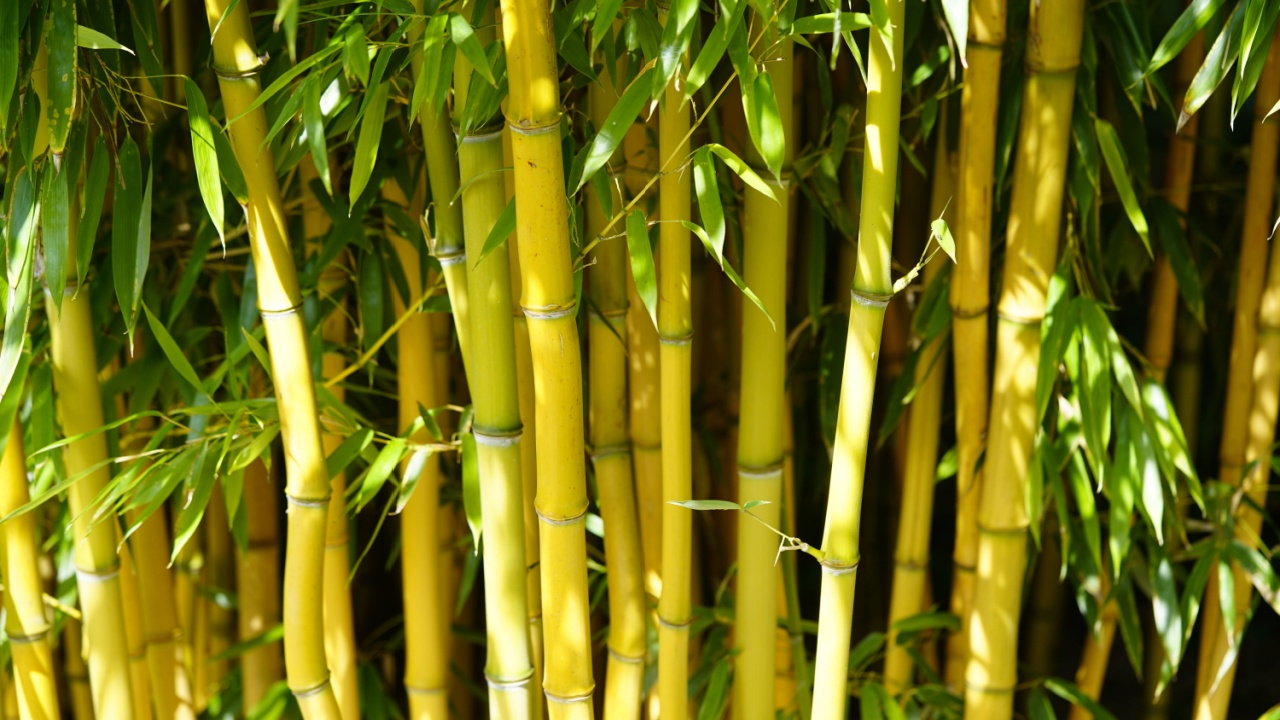
Bamboo might conjure images of tranquil gardens, but it’s prohibited if it hasn’t been thoroughly dried. The problem? It can carry pests, viruses, and diseases that threaten crops like sugarcane and corn.
What to Grow Instead: Lucky bamboo (Dracaena sanderiana) isn’t technically a true bamboo species but looks similar and is safe to grow indoors. It’s easy to care for and doesn’t pose a threat to local ecosystems.
2. Banana Plants

Certain banana plants and parts, especially those from countries like India and Colombia, are banned due to Fusarium Tropical Race 4, a fungal pathogen that causes banana wilt.
What to Grow Instead: Consider dwarf banana varieties like the hardy Musa ‘Basjoo,’ which can even survive in cooler climates and won’t risk local agriculture.
3. Japanese Knotweed
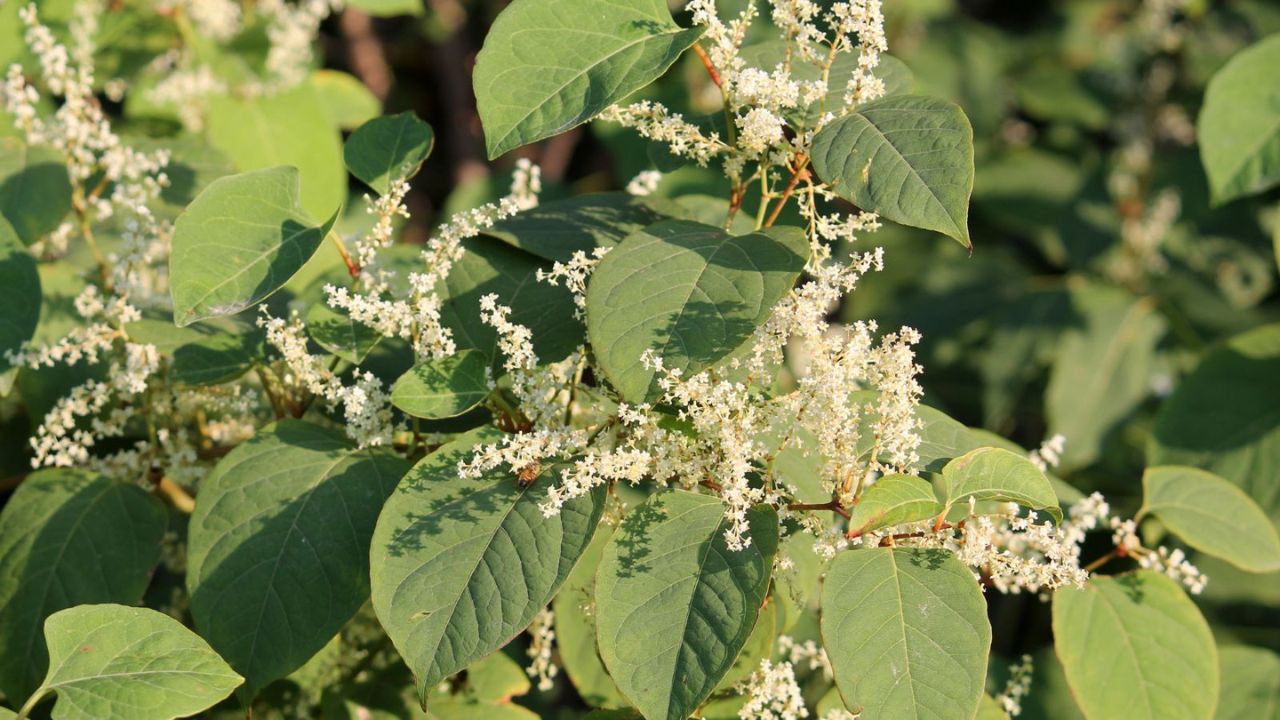
Although not outright banned nationwide, Japanese knotweed is heavily restricted or banned in many jurisdictions because of its invasive behavior. Japanese knotweed is notorious for its aggressive growth and ability to outcompete native plants. It can cause widespread ecological damage and is extremely hard to remove once established.
What to Grow Instead: Opt for native alternatives like red osier dogwood, which provides vibrant foliage and stabilizes soil without taking over the ecosystem.
4. Giant Hogweed
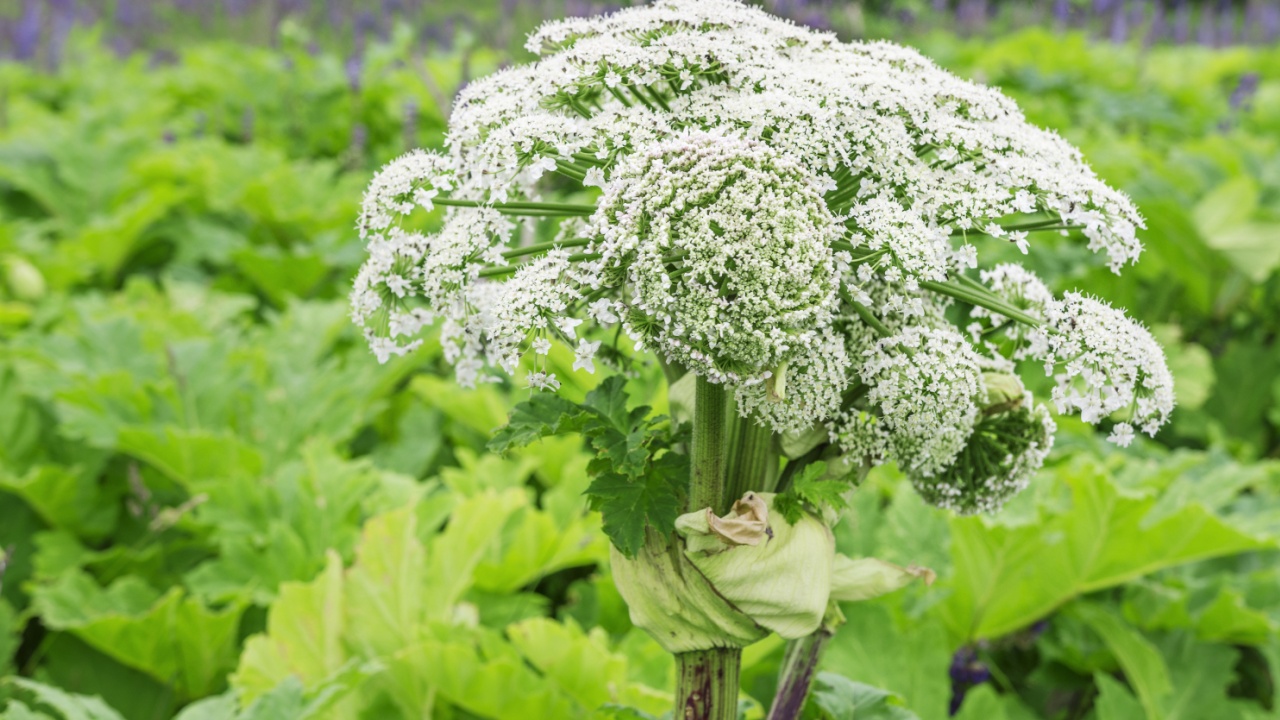
This towering plant has toxic sap that can cause severe burns when exposed to sunlight. Its ability to spread rapidly also makes it a threat to local ecosystems.
What to Grow Instead: Try cow parsnip (Heracleum maximum), which is a non-invasive alternative with similar white umbrella-shaped flowers but no harmful sap.
5. Coca Plant
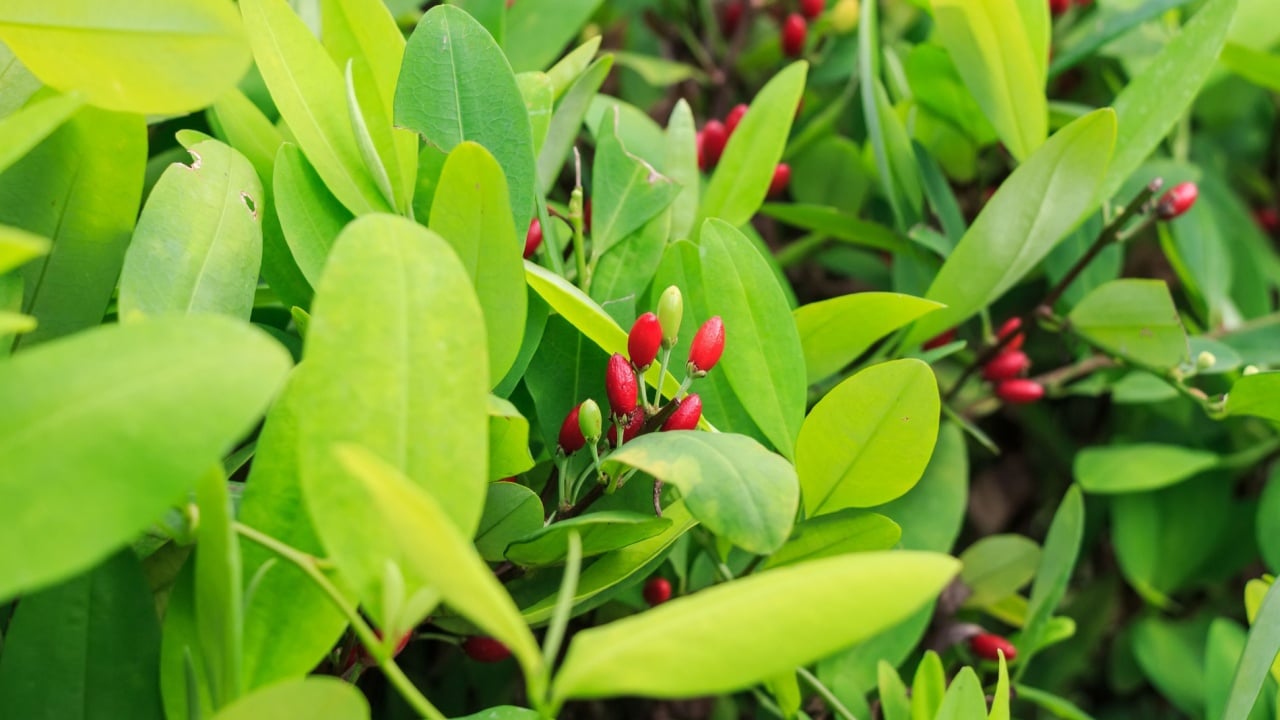
Widely known for its role in cocaine production, the coca plant is strictly banned in the U.S. for both legal and public health reasons.
What to Grow Instead: If you’re drawn to the coca plant for its cultural significance, grow yerba mate (Ilex paraguariensis) instead. This caffeine-rich plant offers a similar South American heritage and is legal in the U.S.
6. Kudzu
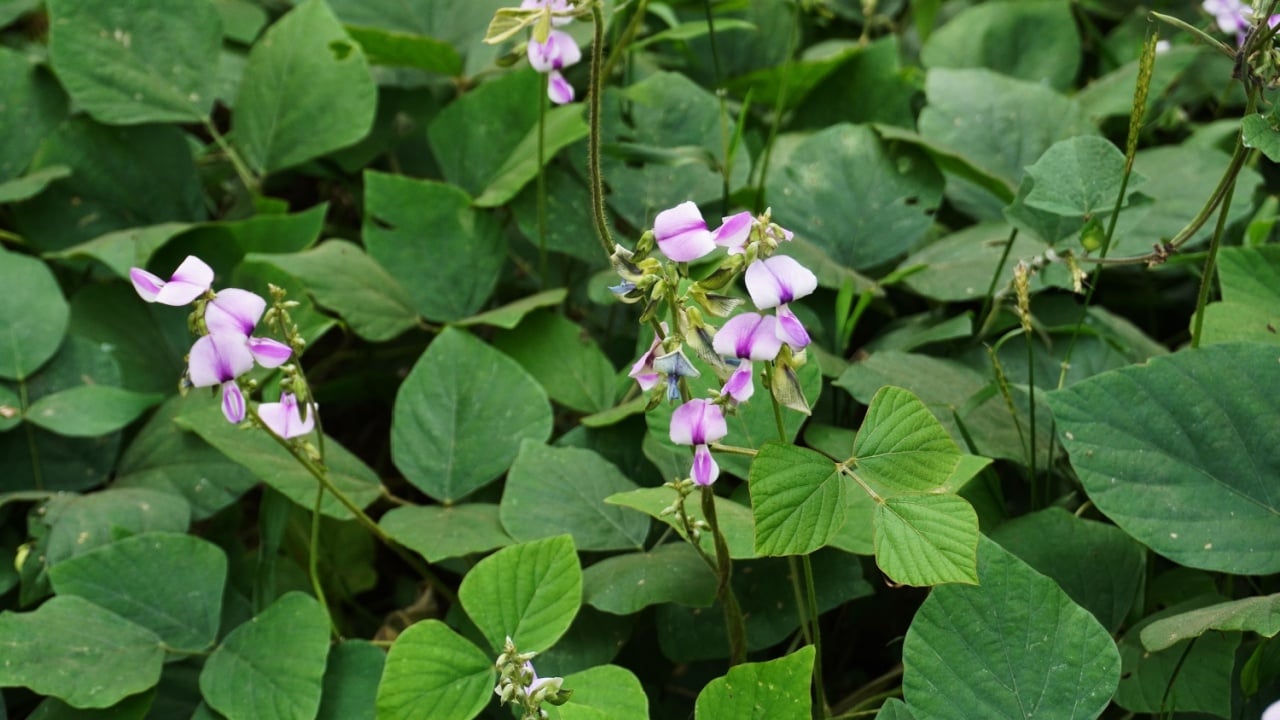
This plant isn’t federally banned, but it is not allowed in many states. Referred to as “the vine that ate the South,” kudzu smothers native plants and trees, damaging ecosystems and agriculture.
What to Grow Instead: Grow wisteria (Wisteria frutescens), a stunning flowering vine that shares similar aesthetics but behaves far less invasively. Native wisteria is perfect for trellises and pergolas.
7. Purple Loosestrife
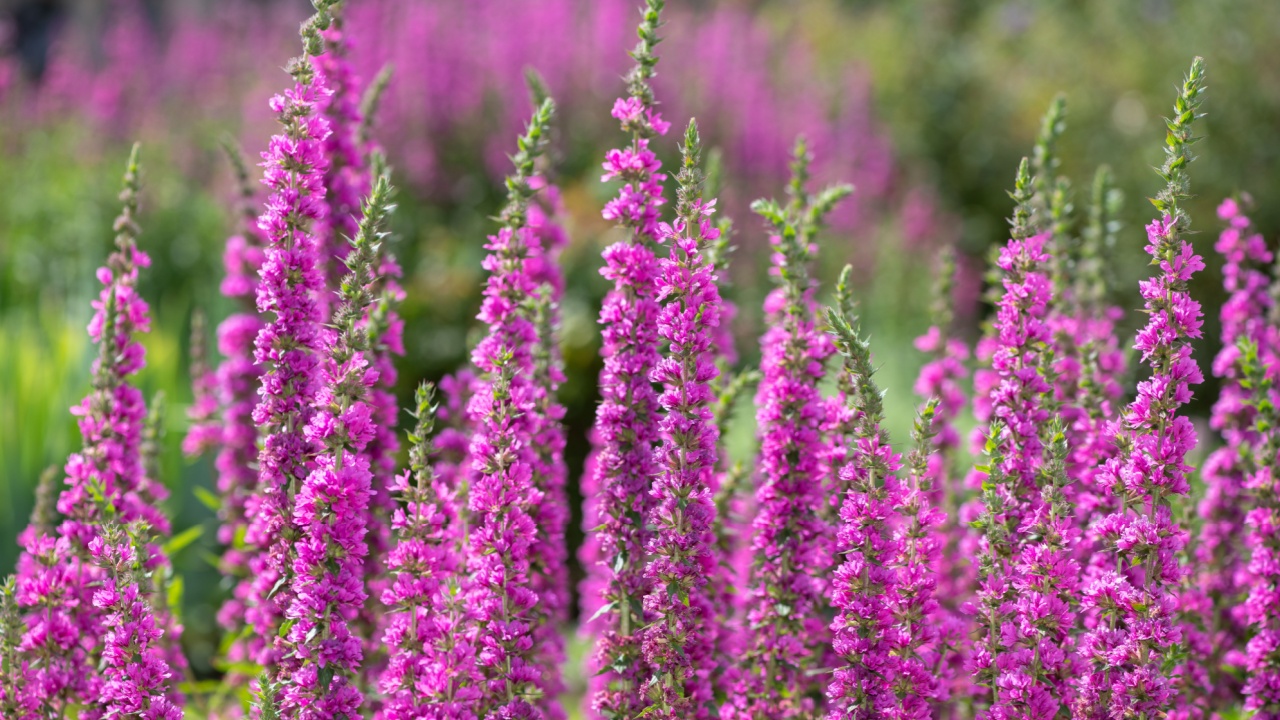
This fast-spreading wetland invader disrupts habitats, outcompetes native vegetation, and reduces biodiversity.
What to Grow Instead: Grow blazing star (Liatris spp.) instead. Its tall, spiky purple blooms attract pollinators and thrive in similar conditions without damaging ecosystems.
8. Khat
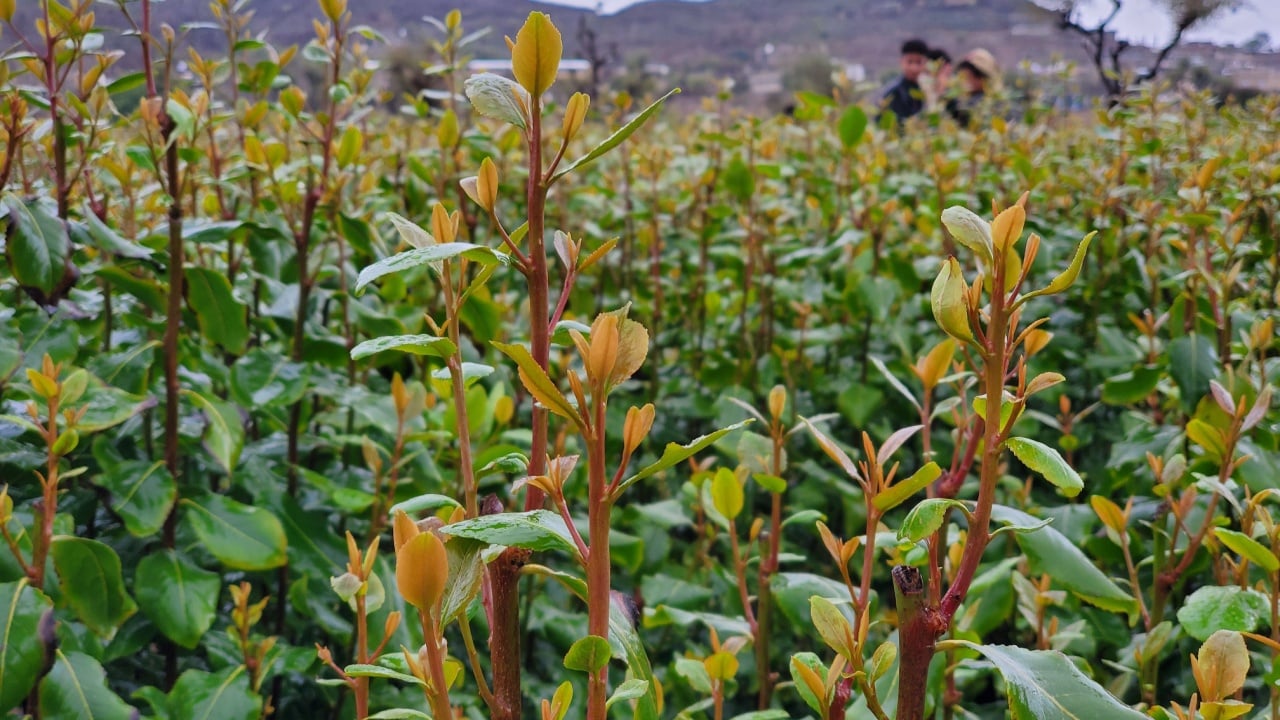
Khat’s leaves contain stimulant compounds that are illegal in the U.S., making this plant completely off-limits.
What to Grow Instead: Substitute khat with tea plants (Camellia sinensis), which offer soothing and stimulating properties and are legal to grow in the U.S.
9. Poppy Plants
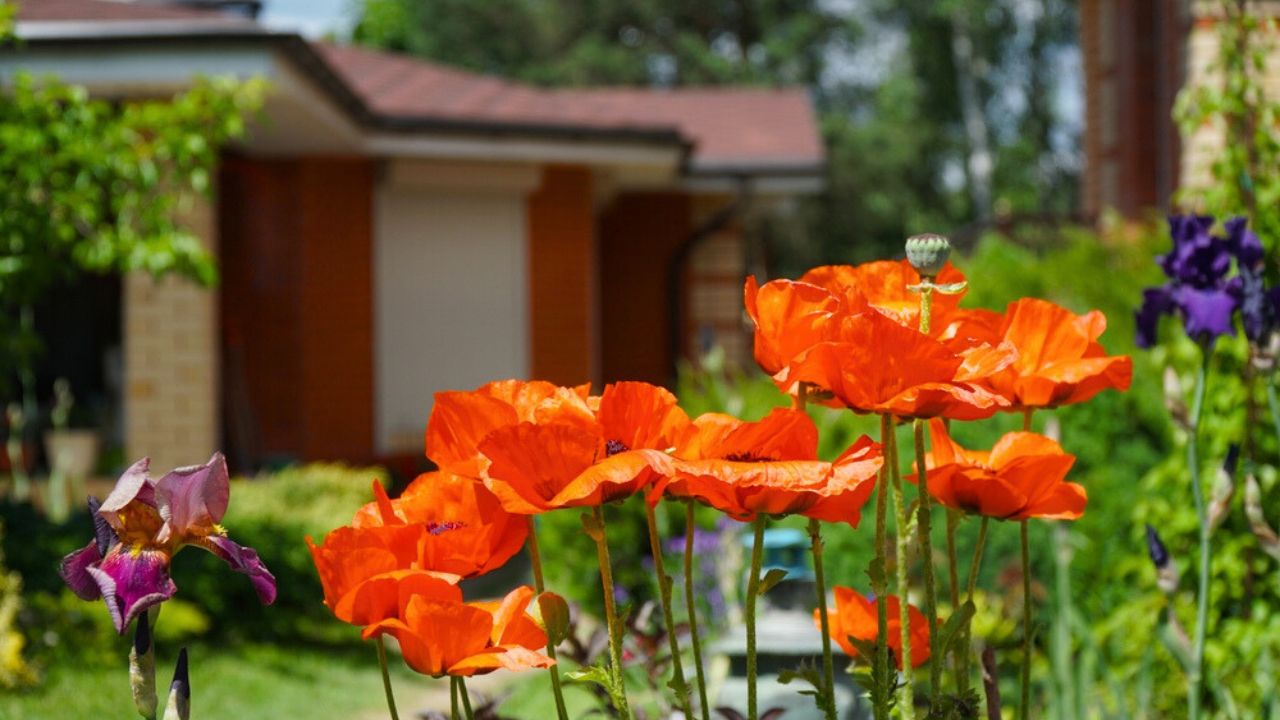
While poppies themselves may seem innocent, opium production has led to the strict regulation and banning of poppy imports for personal use. Clarification: growing opium poppies for narcotic production is illegal; importing seeds or plants may be allowed depending on purpose and state.
What to Grow Instead: Opt for California poppy (Eschscholzia californica), a vibrant, drought-tolerant flower that adds a pop of color to any garden without legal complications.
10. Autumn Olive
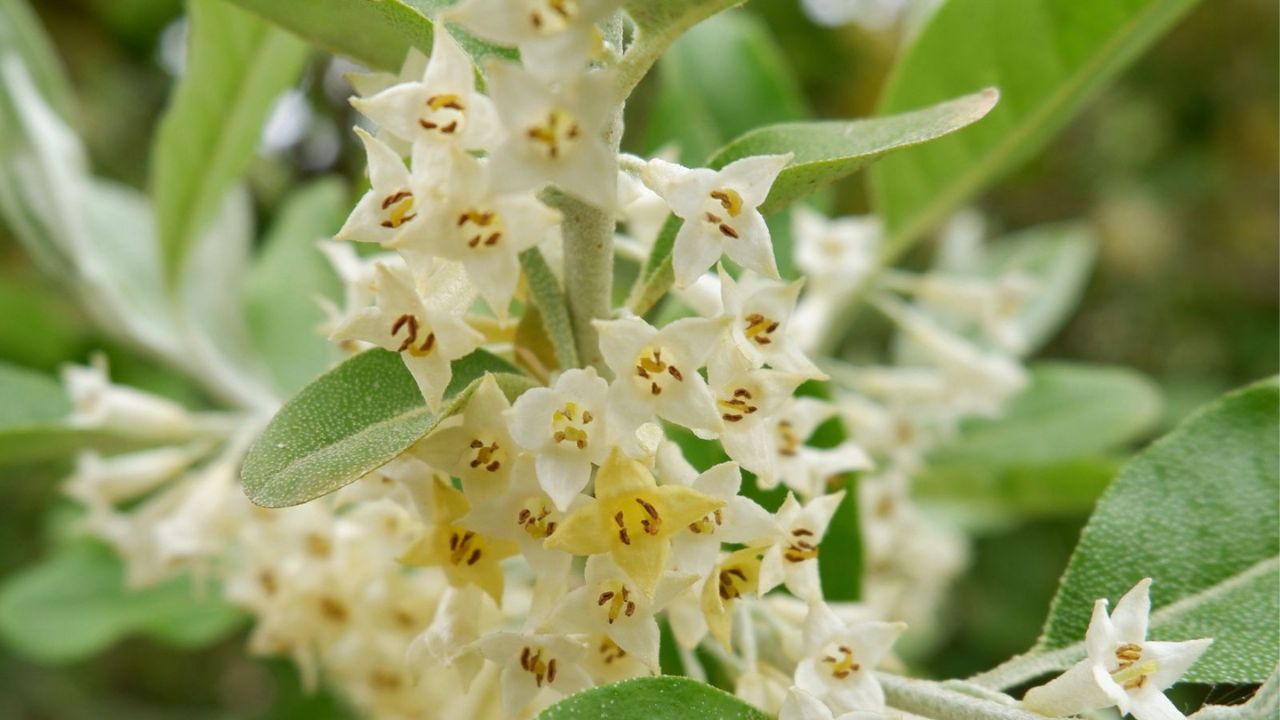
With state-level regulations, this invasive shrub spreads rapidly, outcompeting native plants and altering soil chemistry to the detriment of local plant species.
What to Grow Instead: Plant serviceberry (Amelanchier spp.), which provides similar edible berries while supporting biodiversity and wildlife.
11. Brazilian Pepper Tree
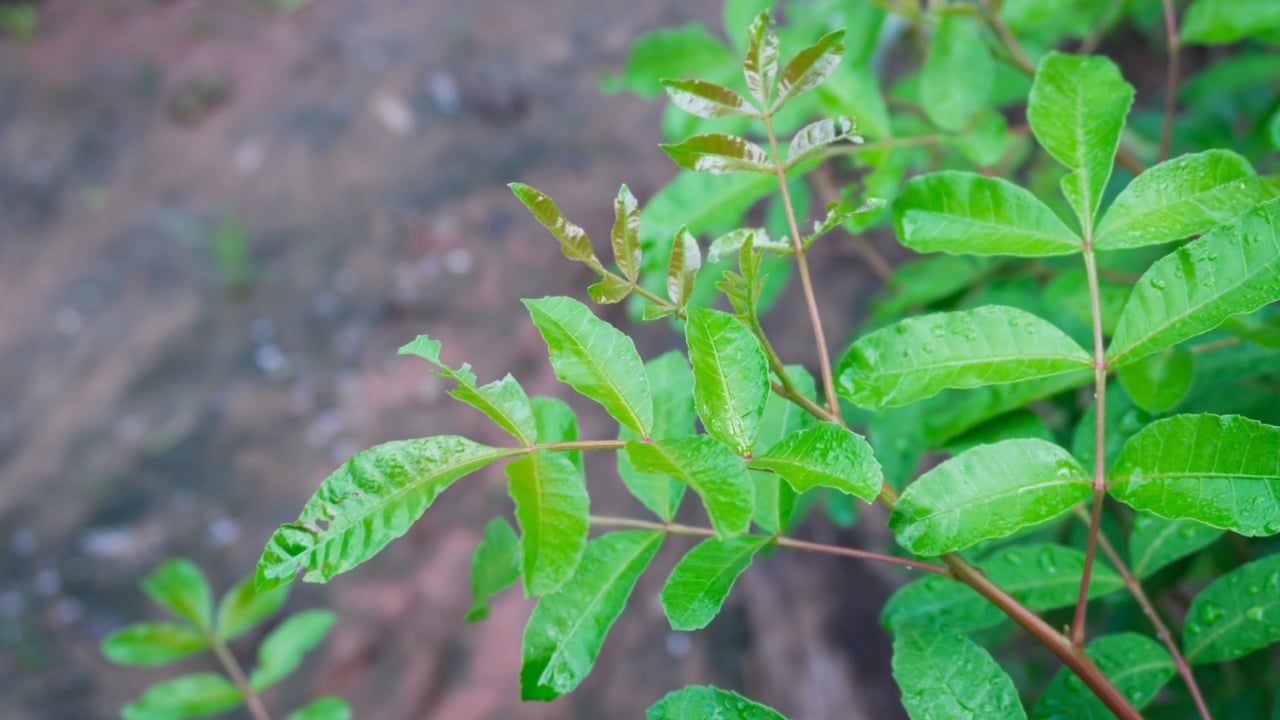
Known for its highly invasive tendencies, the Brazilian pepper tree also produces irritating sap that can cause skin reactions.
What to Grow Instead: Grow native holly bushes like inkberry (Ilex glabra), which have a similar berry-like appearance but won’t harm the local environment.
12. Citrus Plants
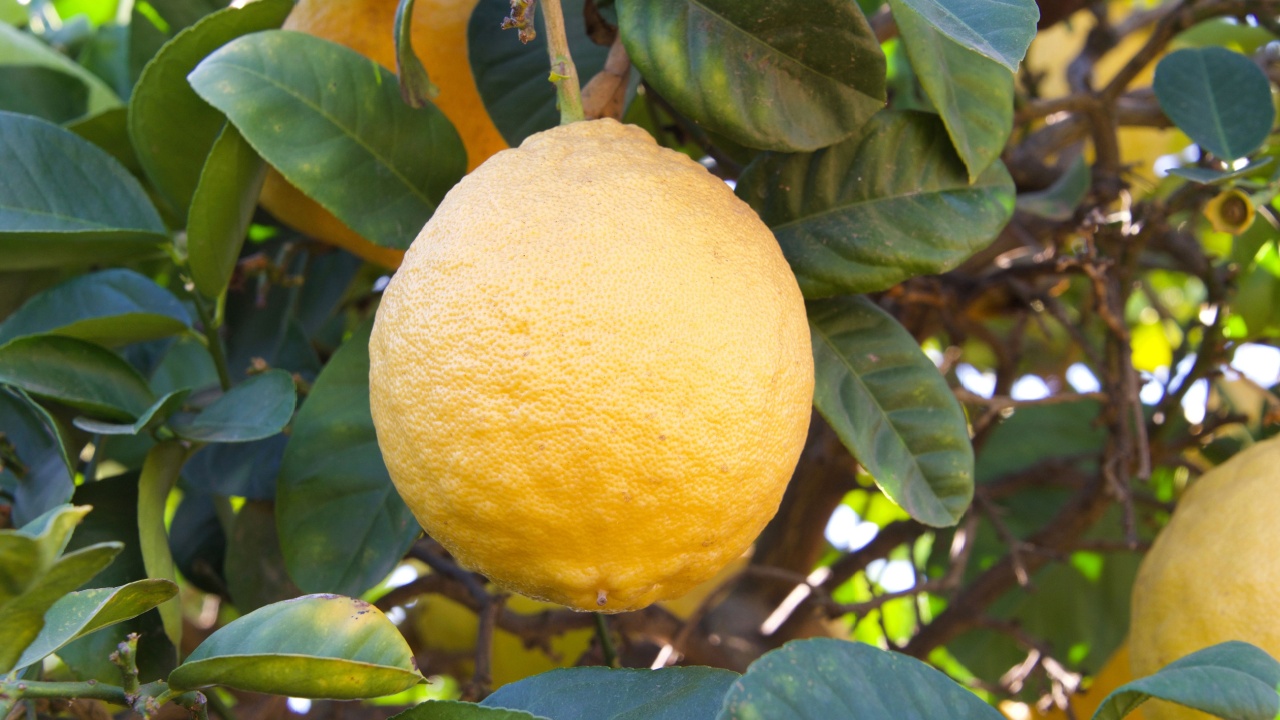
Many citrus plants are banned from import to prevent the spread of citrus greening disease, a devastating condition for orange crops worldwide. This ban is disease-based, not plant-based.
What to Grow Instead: Grow calamondin orange (Citrus × microcarpa), a hardy dwarf variety that you can often plant in containers and manage locally without risk.
13. Soil-Bearing Plants
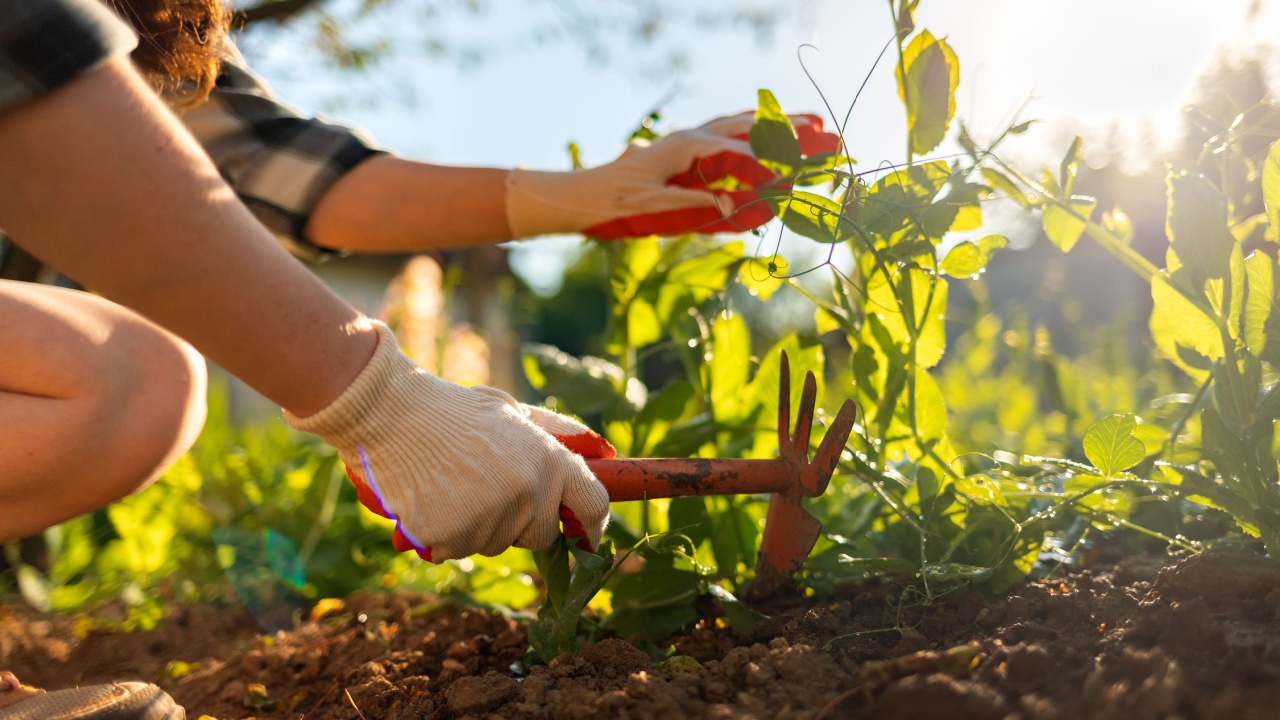
This can apply to any plant trying to make its way across the border (via car, airplane, etc.). Plants with soil on their roots are restricted because they can introduce pests and diseases into American soil.
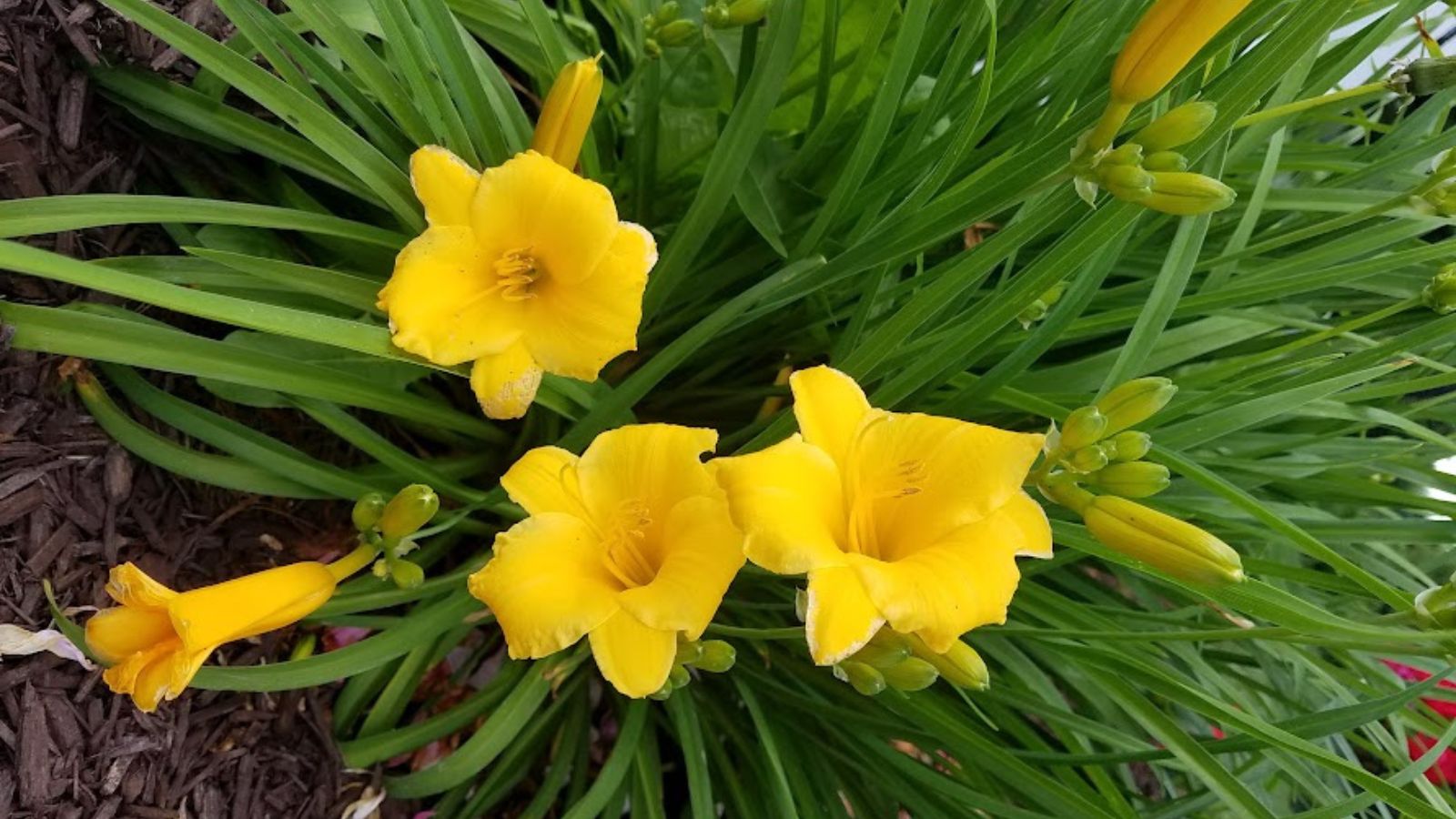
What to Grow Instead: Instead of transporting plants, grow bare-root perennials like daylilies, which ship easily and adapt well to new environments when planted without soil.
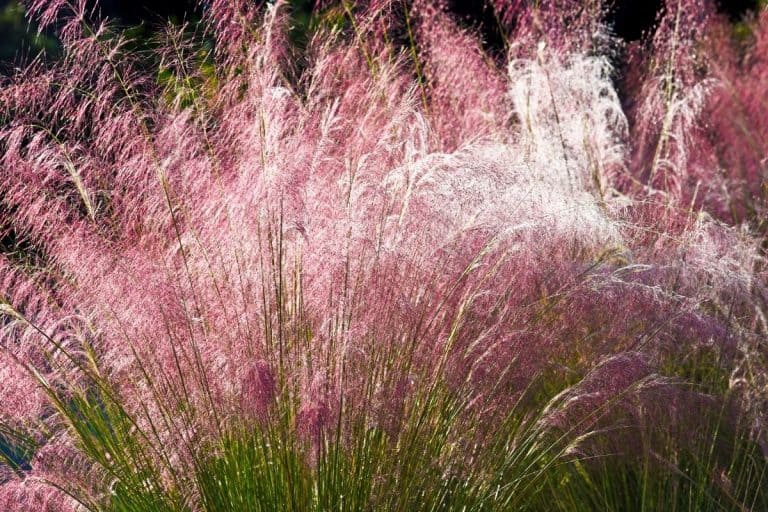
14. Mexican Feather Grass
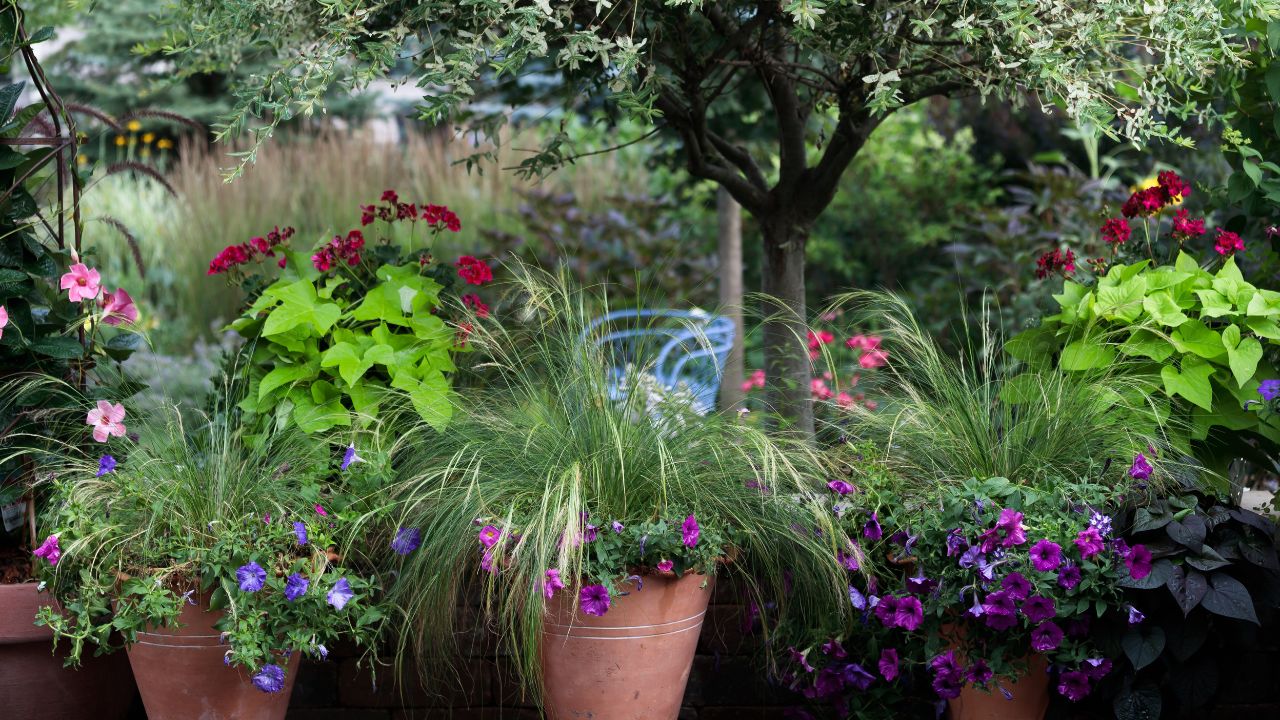
This ornamental grass is banned in some areas due to its tendency to become invasive, spreading through seeds and overtaking native landscapes.
What to Grow Instead: Choose purple fountain grass (Pennisetum setaceum), a non-invasive decorative option with beautiful feathery blooms that deliver a similar aesthetic.
15. Water Hyacinth
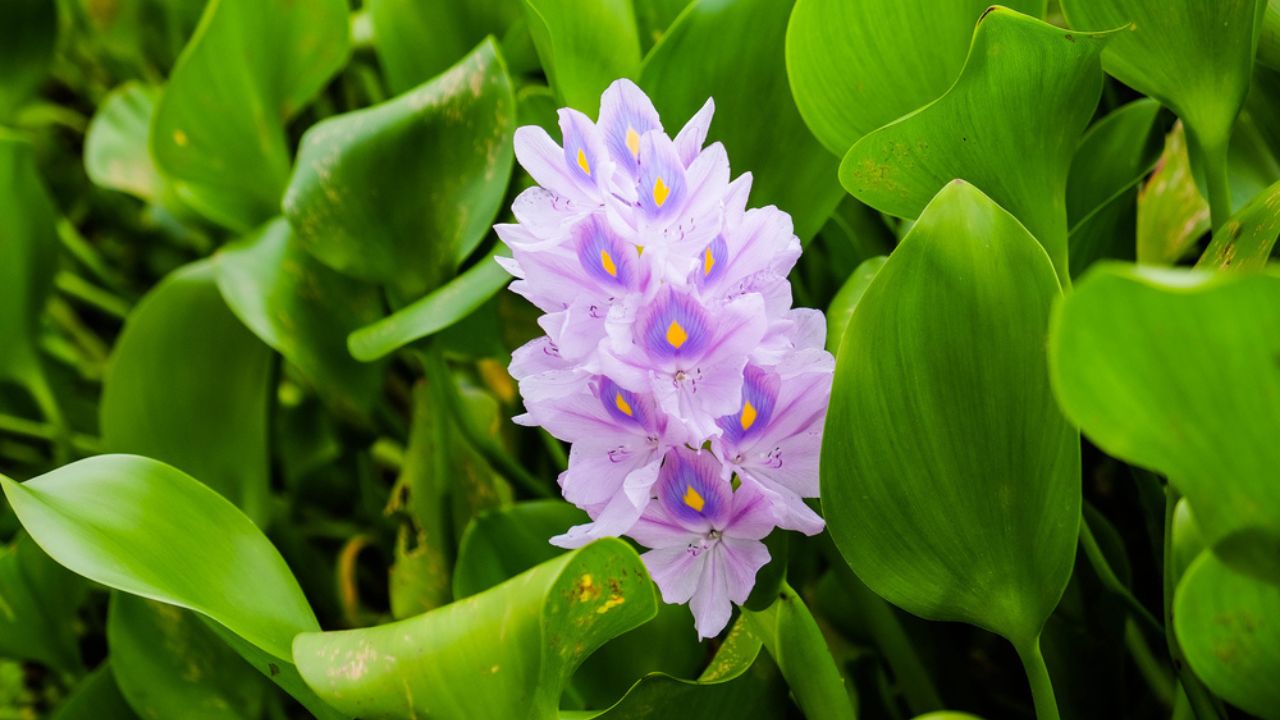
This fast-growing aquatic plant clogs waterways, obstructs irrigation, and harms aquatic ecosystems. It’s so invasive that it’s banned in several U.S. states.
What to Grow Instead: Grow pickerelweed (Pontederia cordata), a non-invasive aquatic plant with showy purple flowers that feed pollinators without disrupting water systems.
Not Worth the Environmental Risk
The U.S. has strict regulations on plant imports to protect its ecosystems, agriculture, and public health. While some bans might seem excessive at first glance, they’re in place to prevent irreparable damage.
Thankfully, there are plenty of safe alternatives to banned plants that bring beauty, purpose, and sustainability to your yard without breaking the law. Start with these alternatives and enjoy a vibrant, eco-friendly garden!