17 Home Repairs That DIYers Aren’t Legally Allowed to Do
Faulty wiring causes nearly 51,000 house fires every year in the US. Not botched wiring. Not poorly planned wiring. Faulty wiring, the kind that often traces back to unlicensed work done by well-meaning homeowners who didn’t know where to stop. It’s one of the more sobering reminders that grabbing a toolbox and going for it isn’t always the right call.
The list of repairs that require a licensed professional is longer than most people expect, and the consequences of skipping that step go well beyond a slap on the wrist. Unpermitted work can void homeowner’s insurance, tank a home’s resale value, and in some cases, result in fines or mandatory teardowns. The data here comes directly from building codes, licensing laws, and safety regulations that vary by state but share a common thread: certain work is simply off-limits for DIYers.
Here’s a breakdown of 15 home repairs that legally require a professional, and why handing over the reins is the smarter move.
1. Electrical Wiring
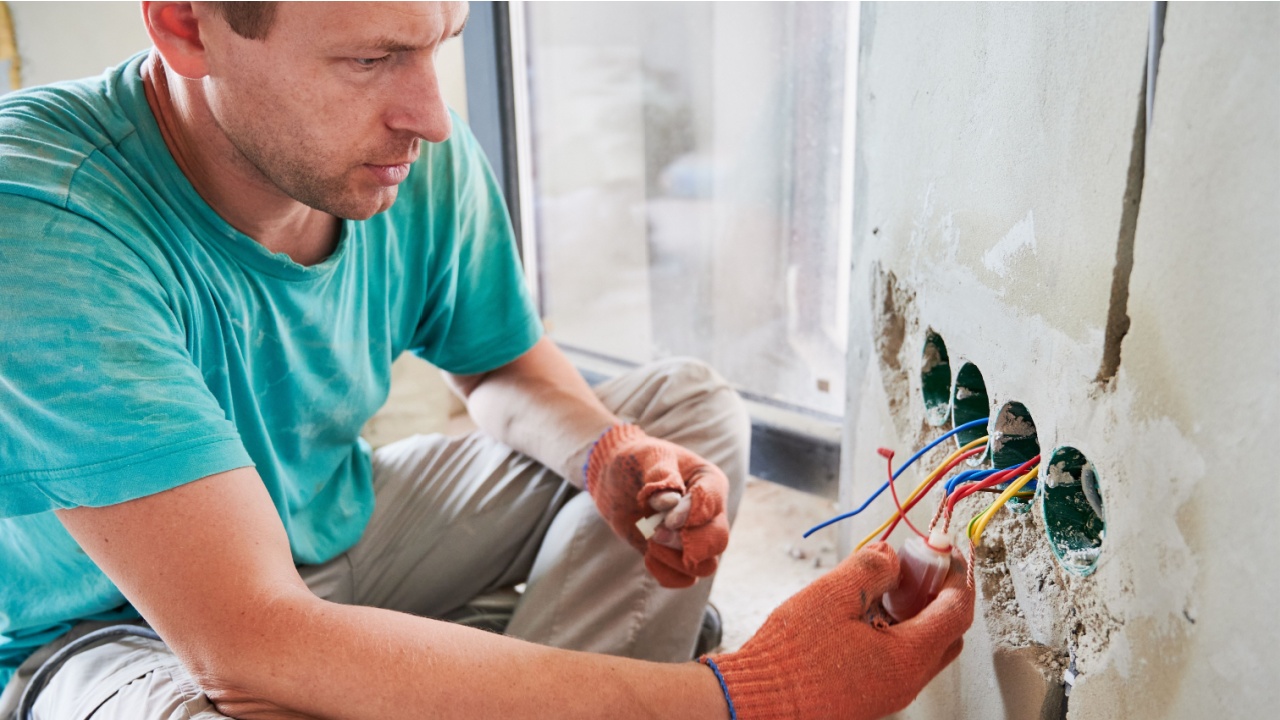
Rewiring outlets, adding circuits, or touching the breaker panel without a licensed electrician is illegal in most US states. Electrical permits exist for a reason, and inspections are required to confirm the work meets the National Electrical Code (NEC). That process doesn’t happen when homeowners do it themselves and skip the permit.
Beyond the legal issue, the risk is real. Incorrect wiring doesn’t always show up immediately; it can sit inside walls for months before causing a fire or electrocution. A licensed electrician doesn’t just know how to connect wires; they know how to do it in a way that passes inspection and holds up over time.
2. Gas Line Repairs
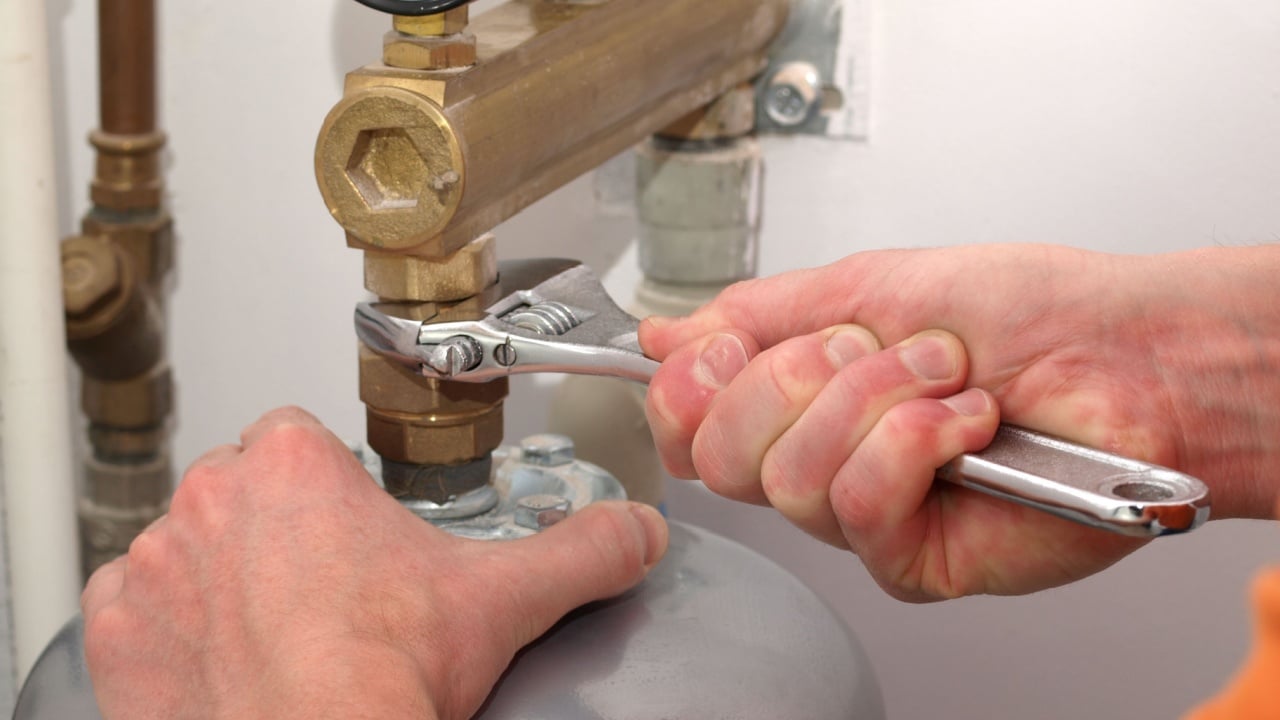
Gas line work is tightly regulated across the country, and for obvious reasons. A small mistake can cause carbon monoxide poisoning, explosions, or slow leaks that go undetected until it’s far too late. Most states require a licensed plumber or gas fitter to handle any repairs, modifications, or new installations involving gas lines.
Permits and pressure tests are standard parts of the process for professionals. DIY gas work rarely includes those steps, which means a homeowner can end up with a repair that looks fine and functions dangerously. If there’s a smell of gas or a suspected issue, the right call is to leave the house and call a professional, full stop.
3. Major Plumbing Work
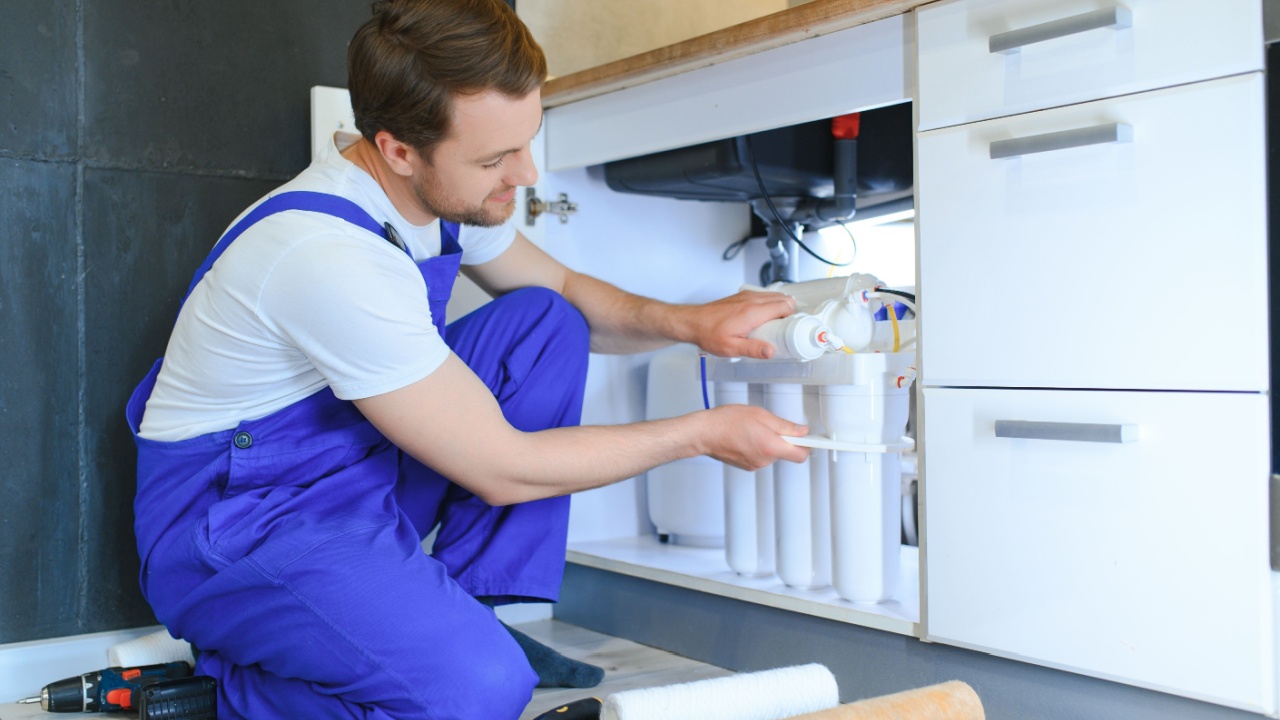
Replacing a faucet or showerhead is usually a straightforward DIY project. However, larger jobs, such as relocating drain lines, rerouting pipes, or replacing a sewer line, are significantly more complex. These often need permits and inspections from the local building department.
Unlicensed plumbing work is a common problem during home sales. Inspectors frequently spot it, leading to costly fixes like retroactive permits, code repairs, and renegotiated sale prices. Hiring a licensed plumber from the start can save you money and avoid headaches later.
4. Structural Changes
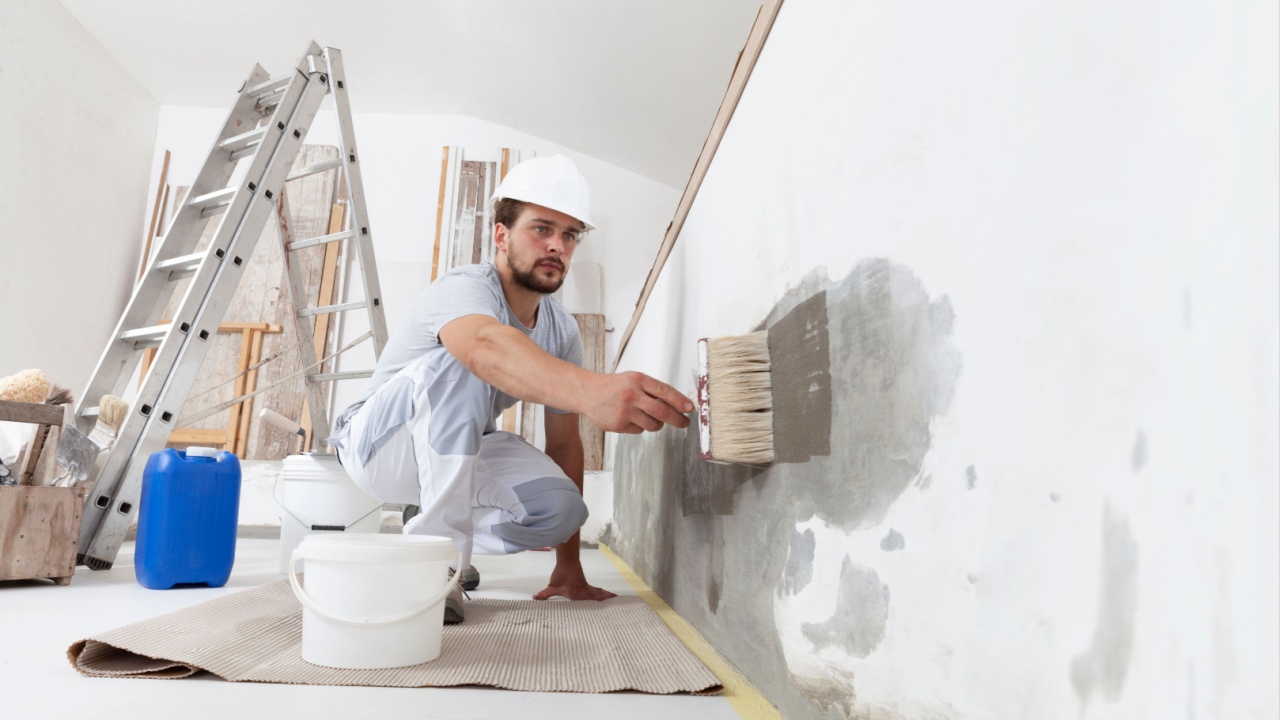
One of the most hazardous DIY projects is removing or altering a load-bearing wall without first having it inspected. These walls are critical; they support the weight of your roof and upper floors. If you take one out the wrong way, your house could partially or completely collapse.
Any structural changes need a building permit and often require plans from an engineer. A structural engineer must figure out which walls are load-bearing before starting any work. If you skip this, you’re not just risking your own safety; you’re putting everyone who enters the house in danger.
5. Roof Replacement
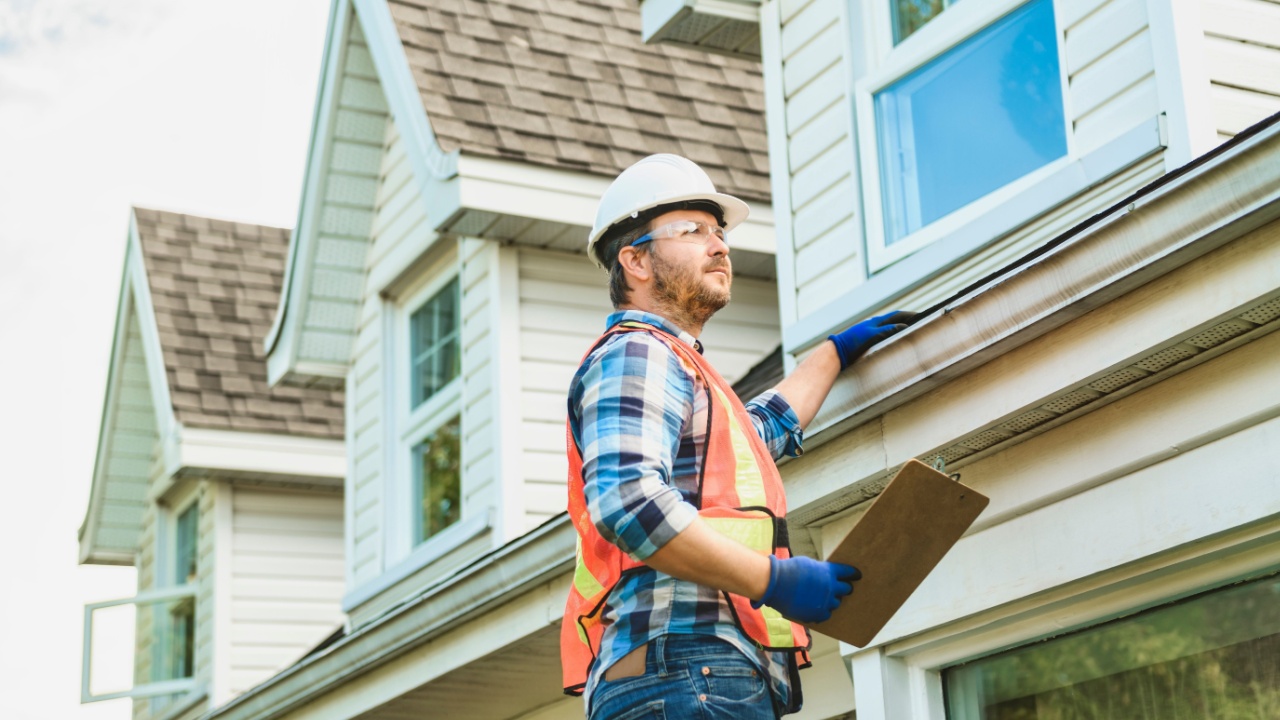
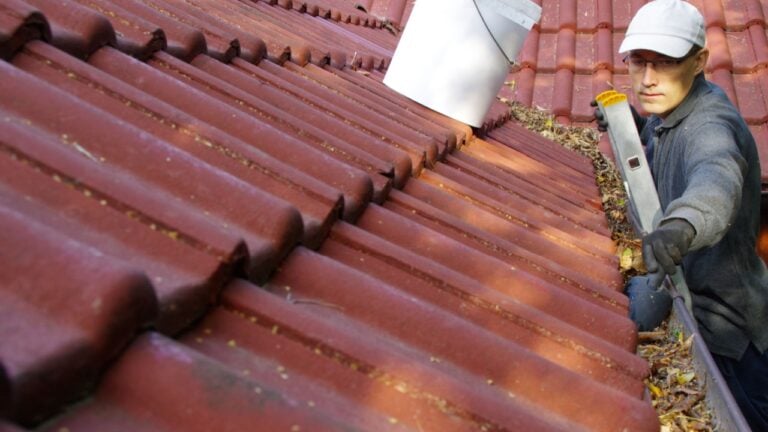
Replacing a roof isn’t something you can knock out over the weekend. It involves removing old materials, checking the decking, installing underlayment, and putting down new shingles or roofing material. All of this has to follow local building codes, and in most places, you’ll need permits and an inspection.
If a roof isn’t done properly, it can lead to water damage, structural rot, and insulation problems that might not show up for months. Licensed roofing contractors have liability insurance, which is a big deal if something goes wrong. If a DIY roof starts leaking, you’re on your own.
6. Asbestos Removal
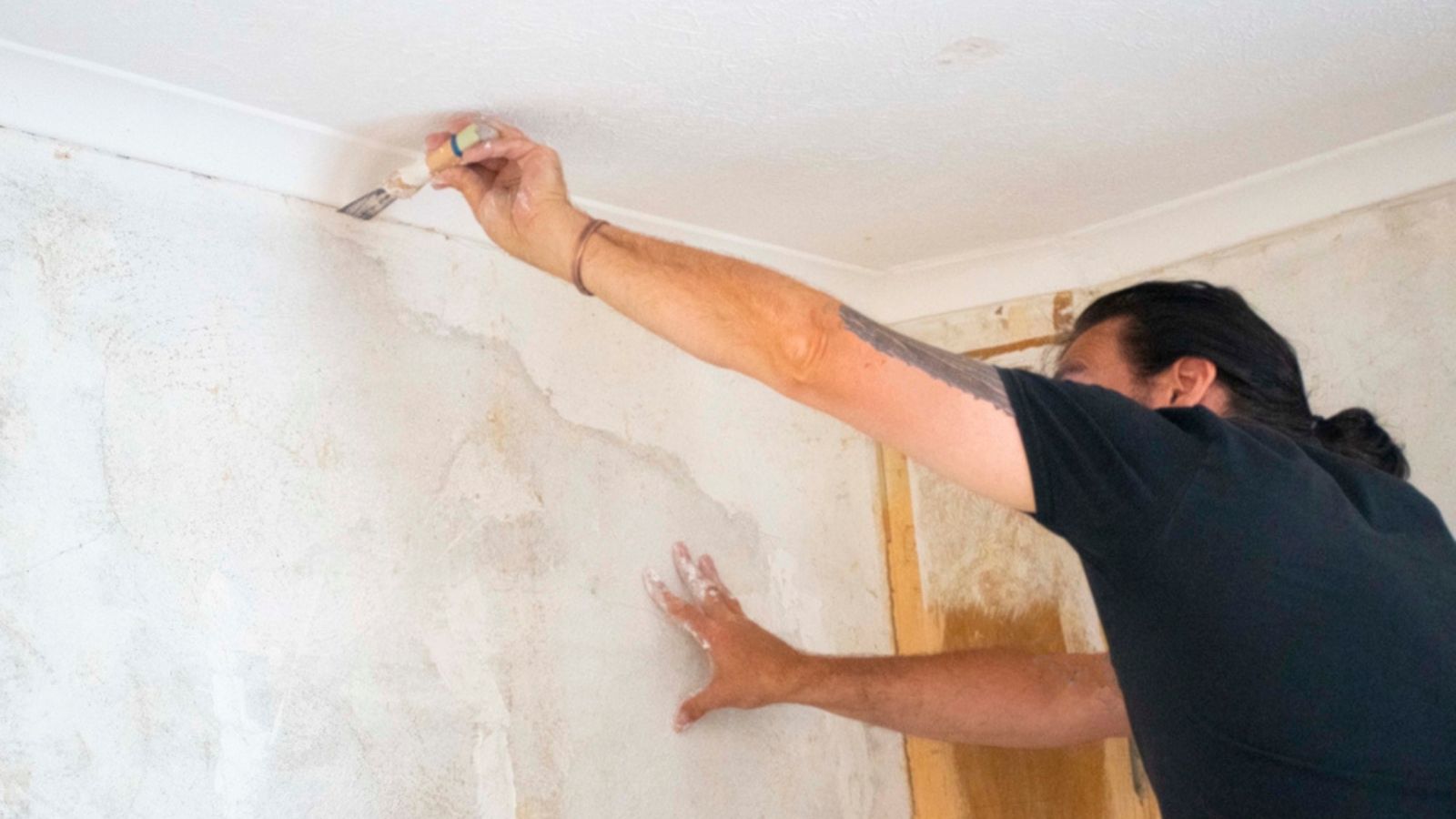
Asbestos was a go-to building material used in insulation, floor tiles, ceiling tiles, and siding until the late 1970s. If your house was built before 1980, there’s a chance it could still have some. The problem? Disturbing asbestos without the right precautions can release fibers that cause serious health issues, like mesothelioma and other lung diseases.
That’s why asbestos removal is strictly regulated by the EPA and most state agencies. Certified professionals have to follow strict rules for containing, removing, and disposing of it, and for good reason. Trying to handle asbestos on your own isn’t just illegal but also dangerous for everyone around.
7. HVAC System Repairs
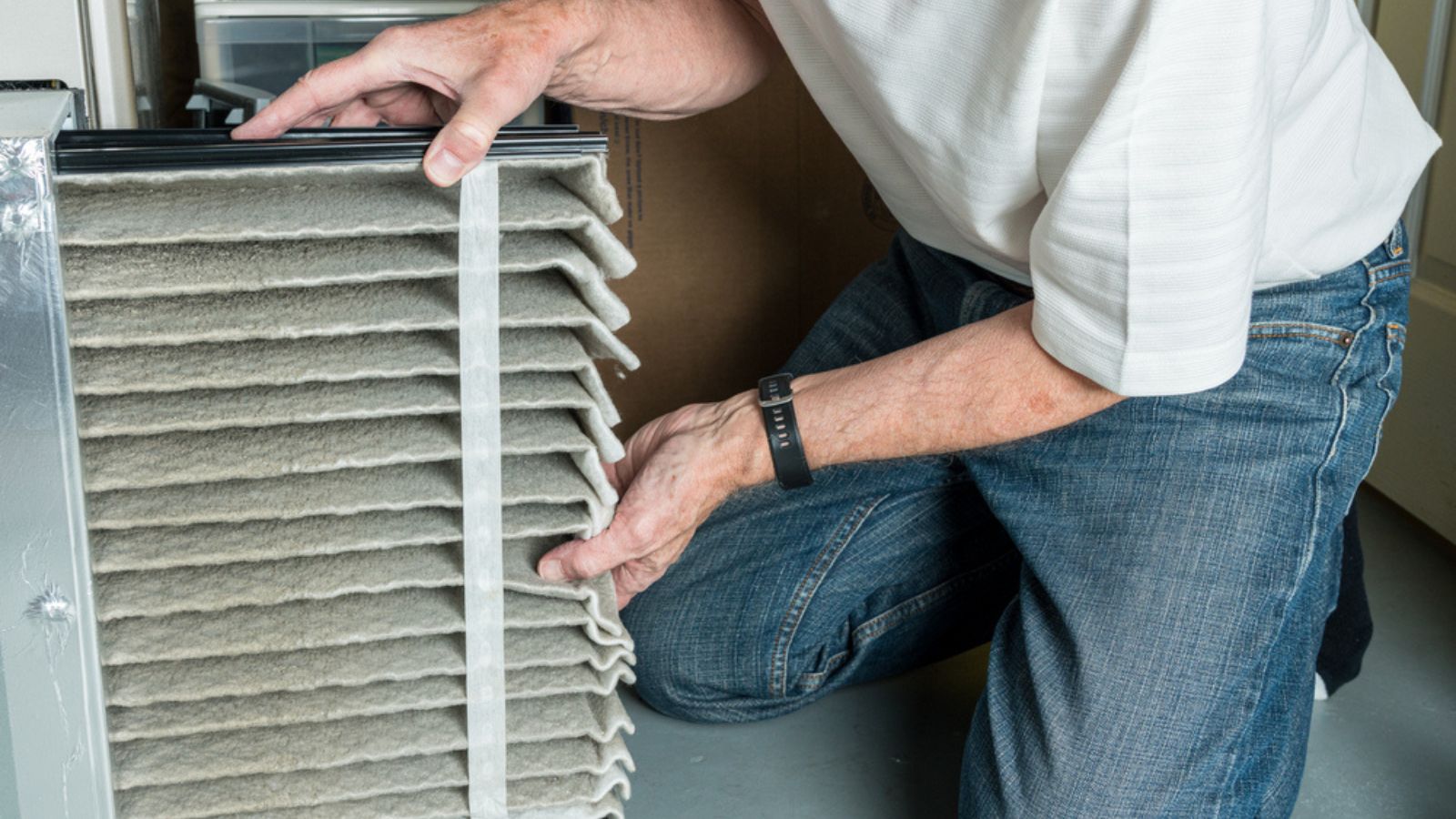
To handle refrigerants, you need EPA Section 608 certification since it’s a federal requirement. On top of that, most states require HVAC contractors to have a license for major repairs or installations. This includes things like replacing compressors, installing new systems, or making changes to ductwork that affect how the system runs.
When an HVAC system is repaired incorrectly, it doesn’t just waste energy. It can create serious risks like carbon monoxide leaks, electrical fires, or a total breakdown when you need it most. Licensed technicians have the certifications and tools to fix problems the right way, and their work comes with warranties that you just don’t get with DIY repairs.
8. Window Installation

Replacing a window might sound simple, but it’s more than just putting glass in a frame. Installing new windows often requires permits, especially if you’re changing the rough opening. You also have to consider energy codes, egress rules, and weatherproofing standards, and sometimes inspections are needed.
If a window isn’t properly flashed and sealed, it can let water into the wall cavity. This can lead to mold, rot, and structural damage that might go unnoticed until it becomes a big problem. Professional installers know how to make windows work with the building’s structure, which is the difference between a window that lasts and one that causes headaches down the road.
9. Foundation Repairs
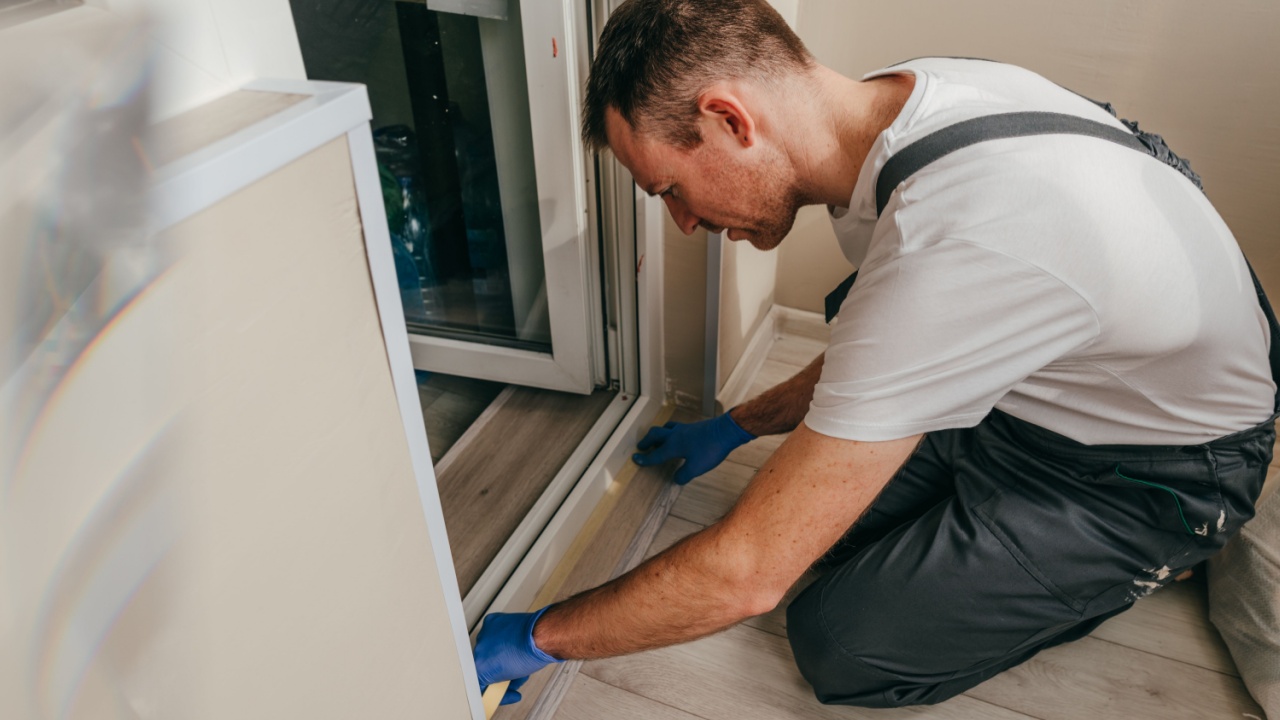
Foundation issues are some of the most serious problems a home can have. Cracks, settling, and water leaks need to be properly assessed before repairs start. Fixing the symptom without addressing the root cause usually leads to more damage.
Licensed foundation contractors use engineered solutions like piering systems, carbon fiber straps, and waterproofing membranes, all backed by warranties. Most foundation repairs also need permits. DIY fixes, like patching visible cracks, don’t solve what’s really happening underneath.
10. Mold Remediation
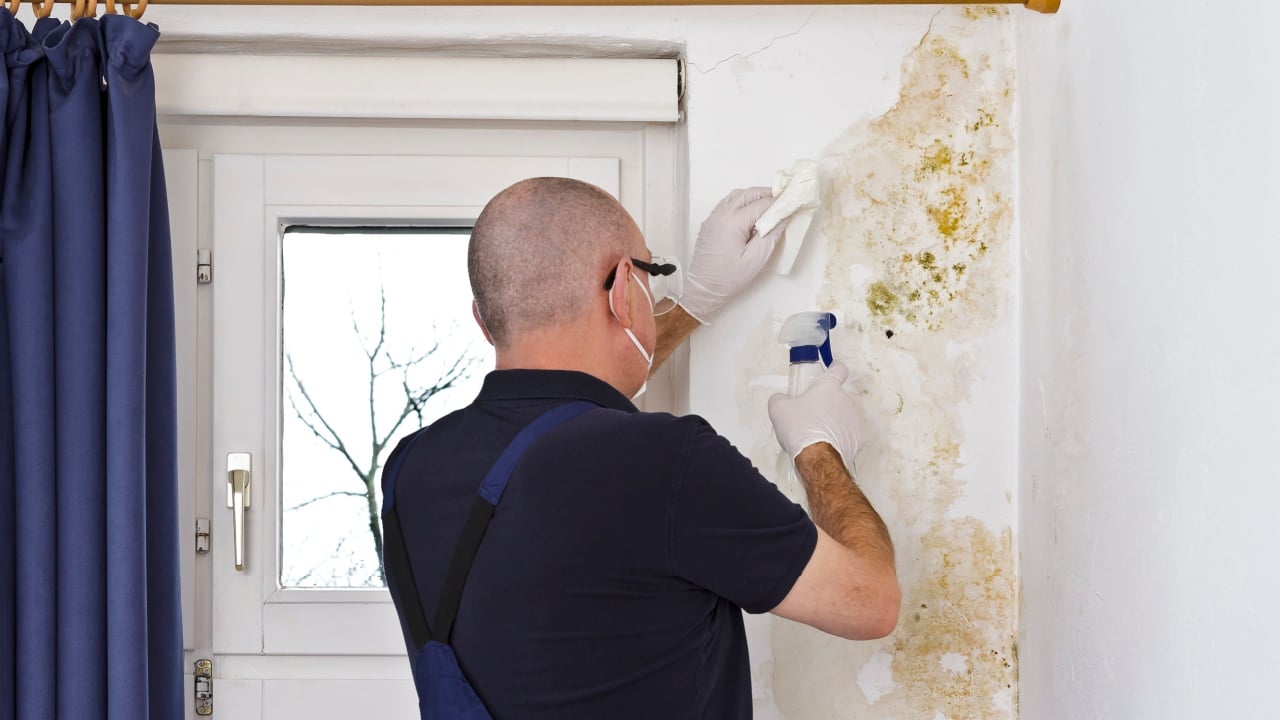
Small surface mold, like mildew on bathroom caulk, can be cleaned easily. But when mold spreads into walls, floors, or HVAC systems, it’s a much bigger problem. Large-scale mold remediation is regulated in many states and requires containment procedures to stop spores from spreading.
Certified professionals use tools like HEPA filters and follow strict disposal protocols. They also tackle the moisture source, because without fixing that, the mold will just come back.
11. Pest Control
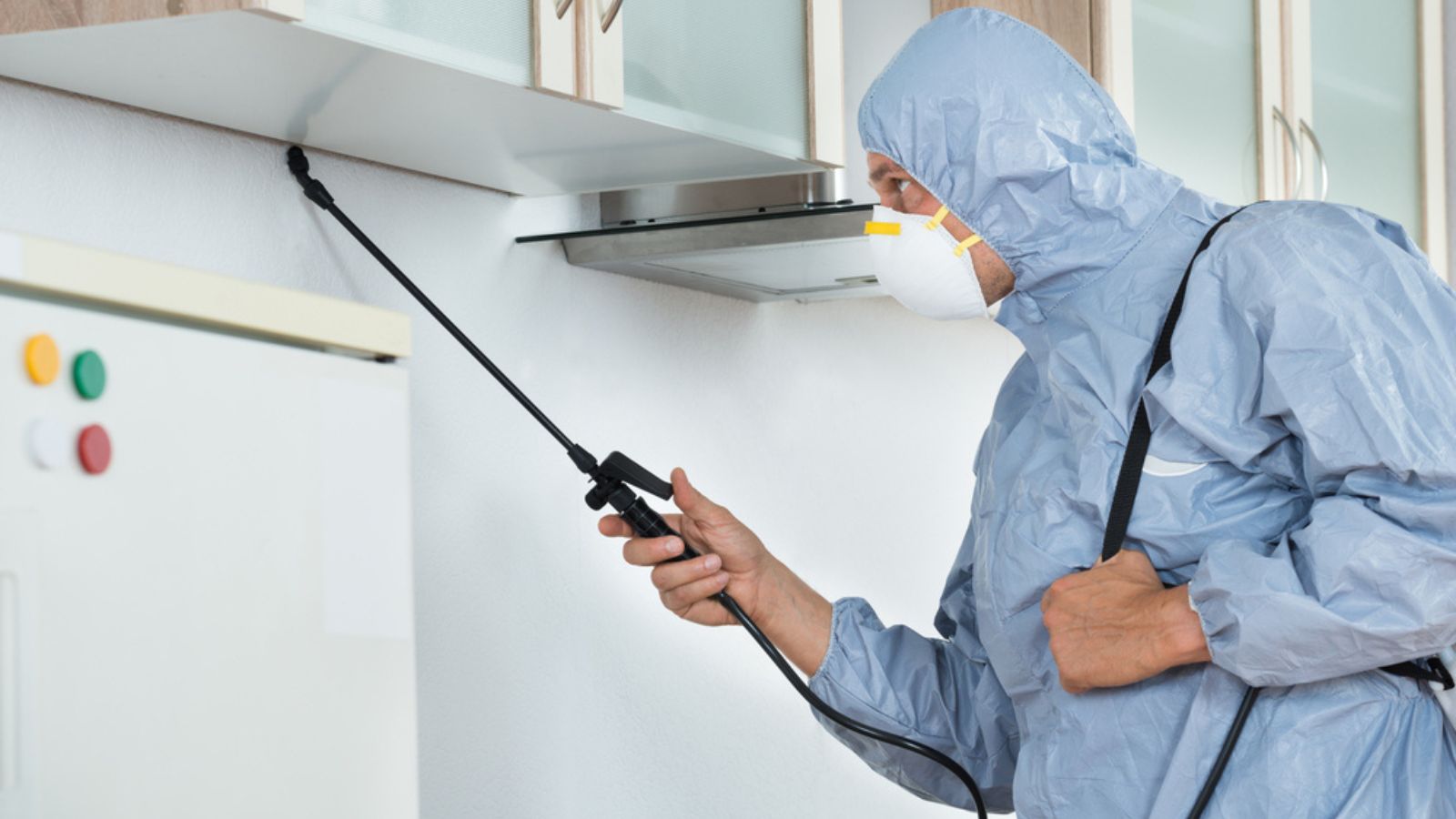
A quick spray from the hardware store might handle minor pest issues, but serious infestations like termites, carpenter ants, bed bugs, or rodents need professional help.
Many states limit certain pesticides to licensed applicators, and pros have access to treatments regular consumers can’t buy. Professional pest control includes inspection, treatment, and monitoring, making it the only reliable option for major pest problems.
12. Deck Construction
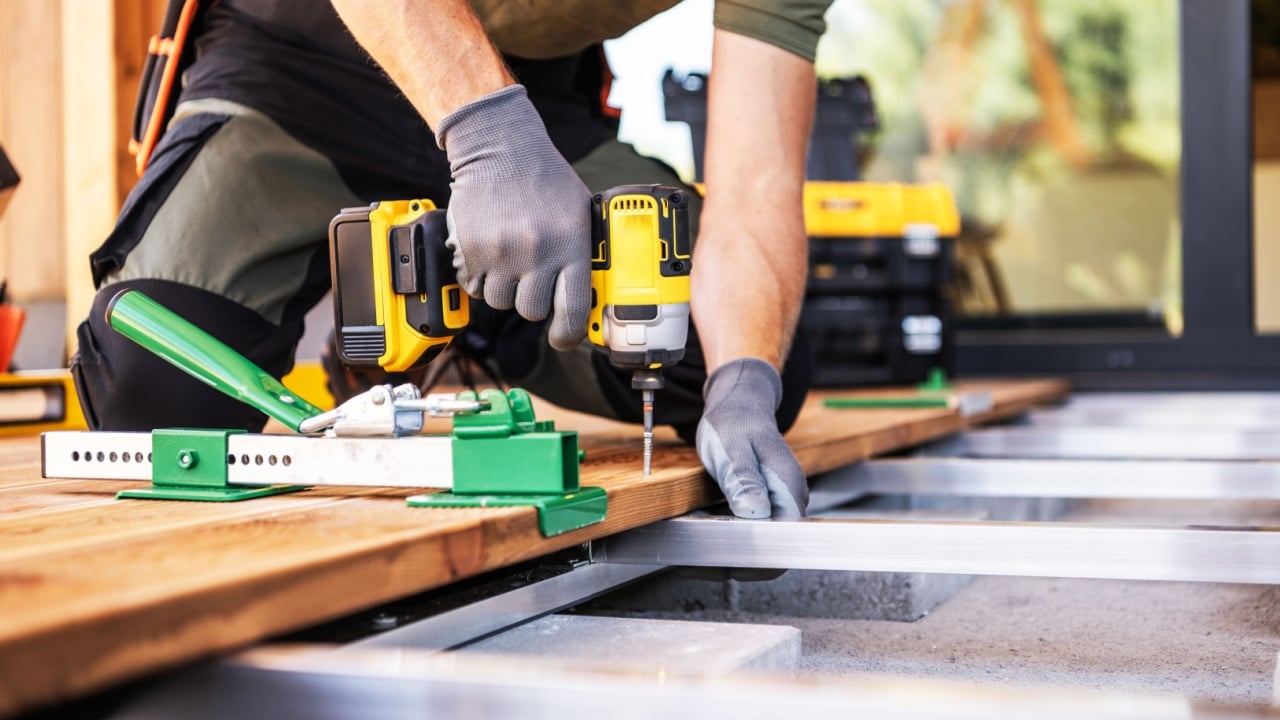
Building a deck is more than just nailing boards together. It requires permits almost everywhere in the US. Decks must meet structural standards for load requirements, railings, and proper attachment to the house. Inspections are required during the process, including before pouring footings and after construction.
Building a deck without a permit can create big problems when selling your home. It might need retroactive permits or even demolition, and it can affect insurance coverage if injuries occur. Hiring a licensed contractor ensures all requirements are met from the start.
13. Insulation Installation
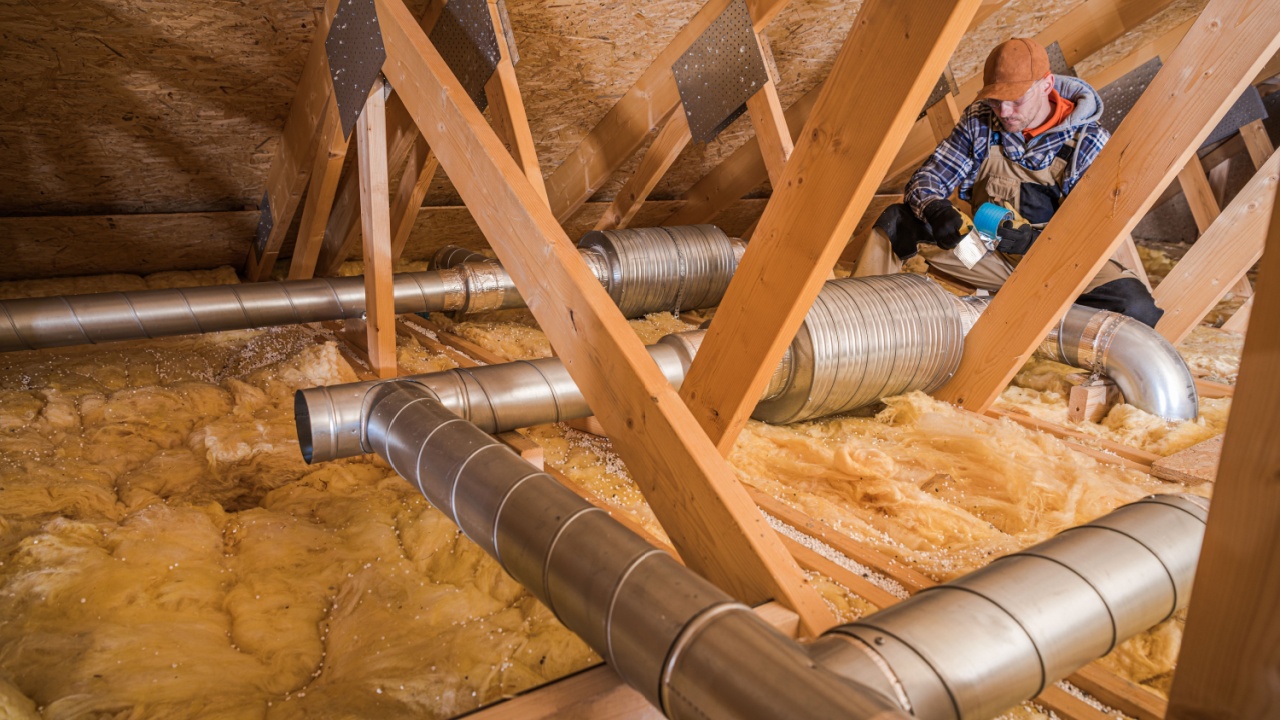
Adding attic insulation might seem like a simple DIY project, but it’s more complex than it appears. Certain types of insulation, such as spray foam or blown-in cellulose, often require a permit, particularly if they affect your home’s energy efficiency rating.
Spray foam insulation, for example, involves chemicals that require professional handling and safety equipment. If insulation is installed incorrectly, it can block ventilation, trap moisture, and cause mold growth.
A home’s insulation is part of a larger system that includes vapor barriers, air sealing, and ventilation. It’s crucial to understand how these components work together. A professional installer has the expertise to ensure the job is done safely and correctly.
14. Septic System Repairs
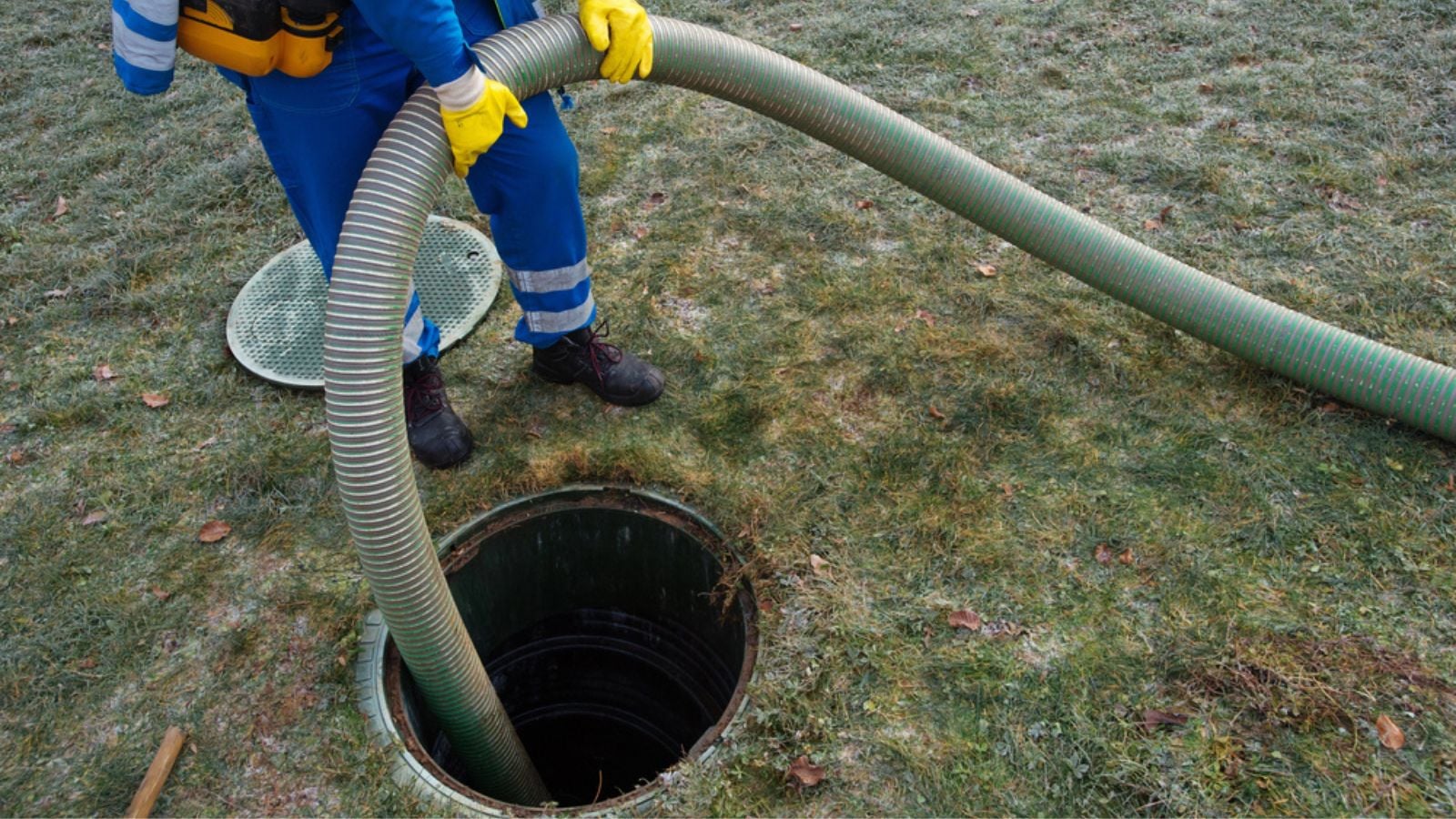
Septic systems are tightly regulated because improper repairs can contaminate groundwater and nearby properties. Anything beyond basic maintenance, like pumping, usually requires a licensed contractor and permits. This includes work on the tank, drain field, or distribution box.
Failing septic systems aren’t just inconvenient. They’re serious public health risks. Licensed contractors follow strict standards to protect both the homeowner and the environment. DIY septic repairs that lead to contamination can result in fines and costly cleanup.
15. Swimming Pool Installation
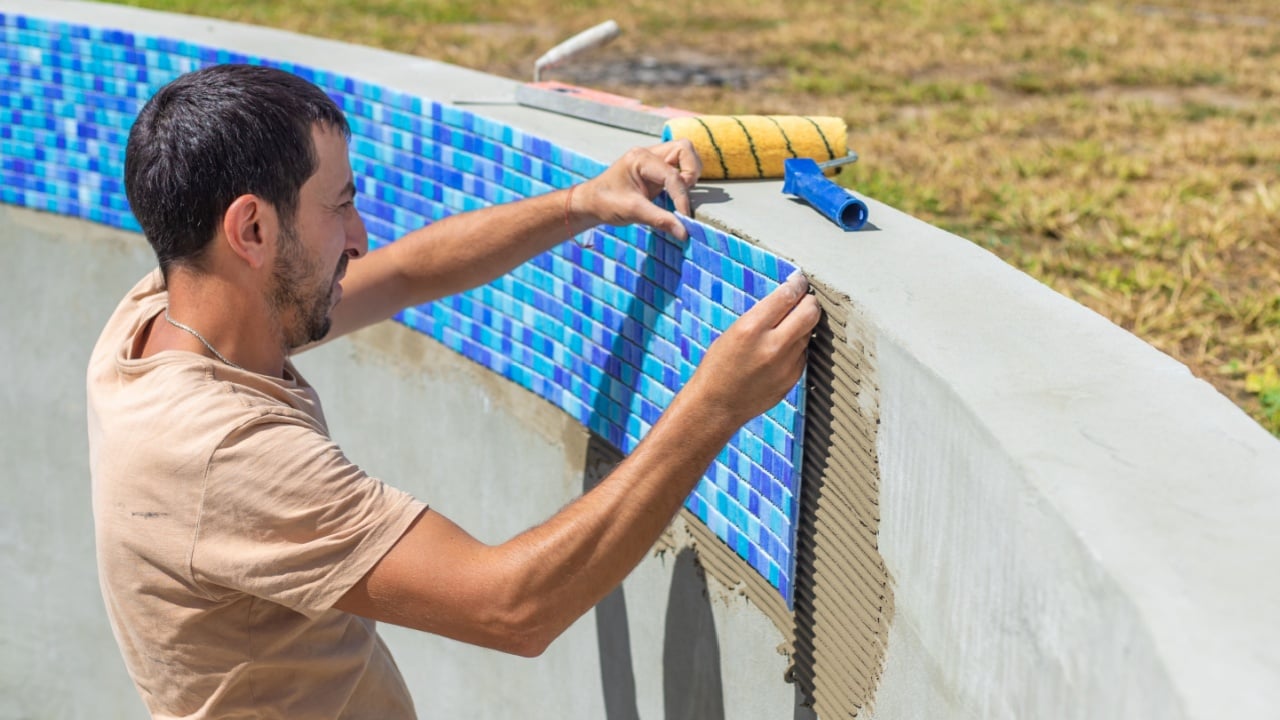
Installing an in-ground pool involves a lot of moving parts, like excavation, plumbing, electrical work, and fencing. Each step is regulated, and permits are required almost everywhere. Inspections ensure everything is done safely, including electrical connections and required safety barriers.
Unpermitted pools can cause problems during real estate transactions and increase liability risks. For example, if a neighbor’s child gets into an unfenced pool, the homeowner could face serious consequences. Licensed contractors manage permits, inspections, and liability to keep the project on track.
16. Solar Panel Installation

Installing solar panels requires electrical permits in every state, and sometimes additional permits for roof loading or utility hookups. The process involves connecting to the home’s electrical panel and coordinating with the utility company, which unlicensed installers can’t do.
Improper installation can create fire hazards, void electrical warranties, and disqualify homeowners from tax incentives that require certified work. Most solar incentives, like the federal tax credit, need proof of professional installation to qualify.
17. Water Heater Replacement

Replacing a water heater isn’t as simple as swapping out the old one. It involves electrical or gas connections, venting, and pressure relief valves, all of which are regulated. Permits are required in most areas, and inspections are standard.
A poorly vented water heater can cause carbon monoxide poisoning, and one without a proper pressure relief valve can even explode in extreme cases. Licensed plumbers handle this work regularly, and the permit process adds an extra layer of safety for your home.
Don’t Turn a DIY into a Disaster
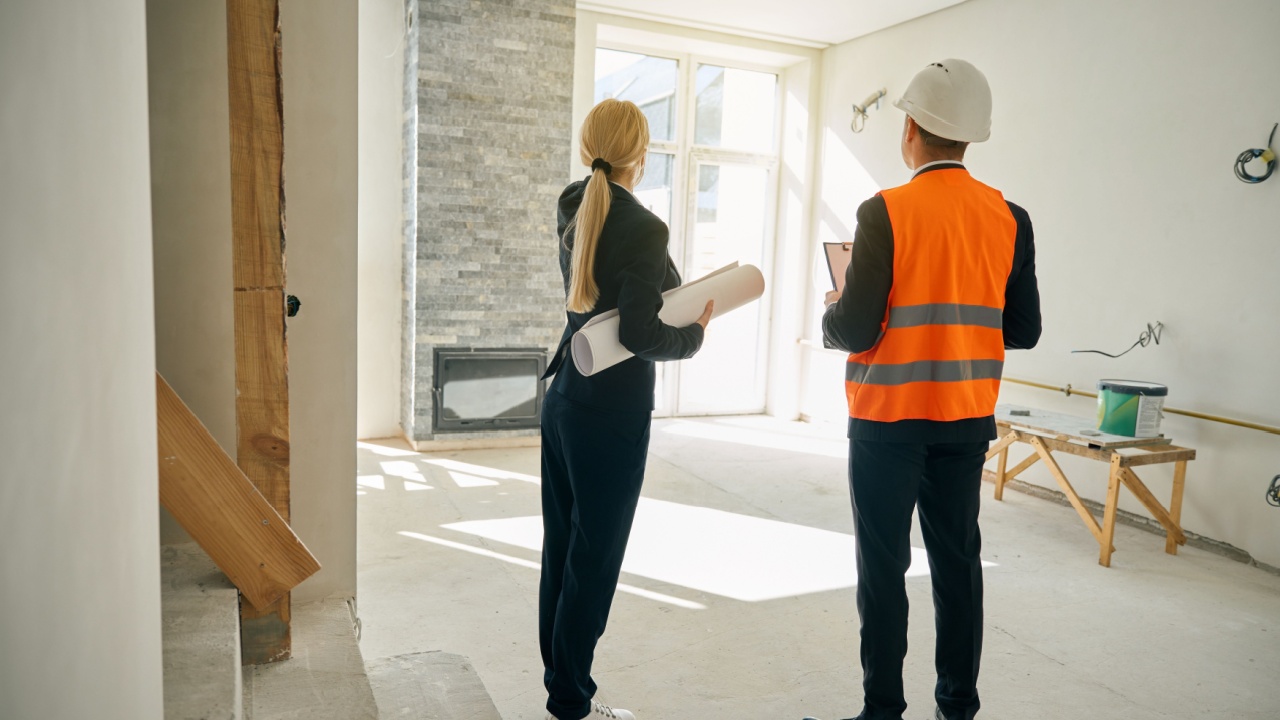
The common thread across all 17 of these repairs is that the regulations exist because people got hurt before they were in place. Permits, inspections, and licensing requirements aren’t bureaucratic obstacles; they’re the record that work was done correctly by someone qualified to do it.
Before starting any home repair project, a quick call to the local building department to ask whether a permit is required takes about five minutes. That conversation is a lot easier than the one that happens after something goes wrong.
Read More: