16 Things Smart Shoppers Never Buy New Anymore
Buying new household goods feels automatic, but it usually means paying more for items that lose value the moment they leave the store. Many everyday home essentials carry a heavy retail markup, even though similar or better versions often sit in thrift stores for a fraction of the price. Shifting toward a secondhand-first approach can ease pressure on your budget without lowering the overall quality of your home.
This guide draws on common shopping patterns and resale trends to highlight the categories where buying used makes the most sense. The focus is on well-made, durable items that hold up over time, and in many cases, outperform newer, mass-produced options.
You will find a breakdown of sixteen items that are often smarter to buy secondhand. Each one comes with simple guidance on why it is worth considering and what to look for before bringing it home.
1. Solid Wood Furniture
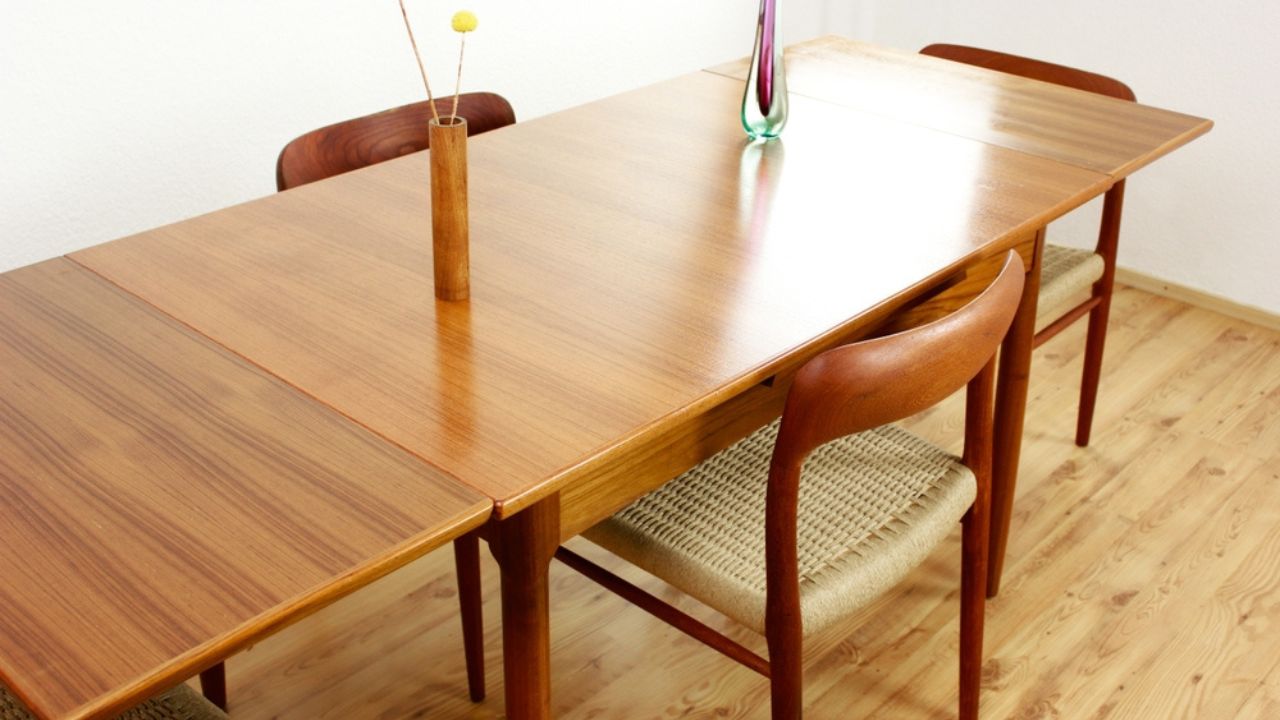
Modern furniture often relies on particle board and thin veneers that struggle with everyday use, especially during moves or rearranging. Older pieces, typically made from hardwoods such as oak, maple, or cherry, were crafted with durability in mind. They tend to have more weight, better balance, and a presence that newer items often lack. For the same price as a basic flat-pack piece, you can often find something with genuine character and lasting value.
When shopping, open the drawers and look for dovetail joints, which are a strong sign of quality craftsmanship. Check the underside or back panels to confirm it is solid wood rather than compressed material. Avoid pieces with deep structural cracks or severe wobbling, but do not worry too much about surface wear. Light sanding, staining, or painting can completely update the look in a single afternoon.
2. Cast Iron Skillets
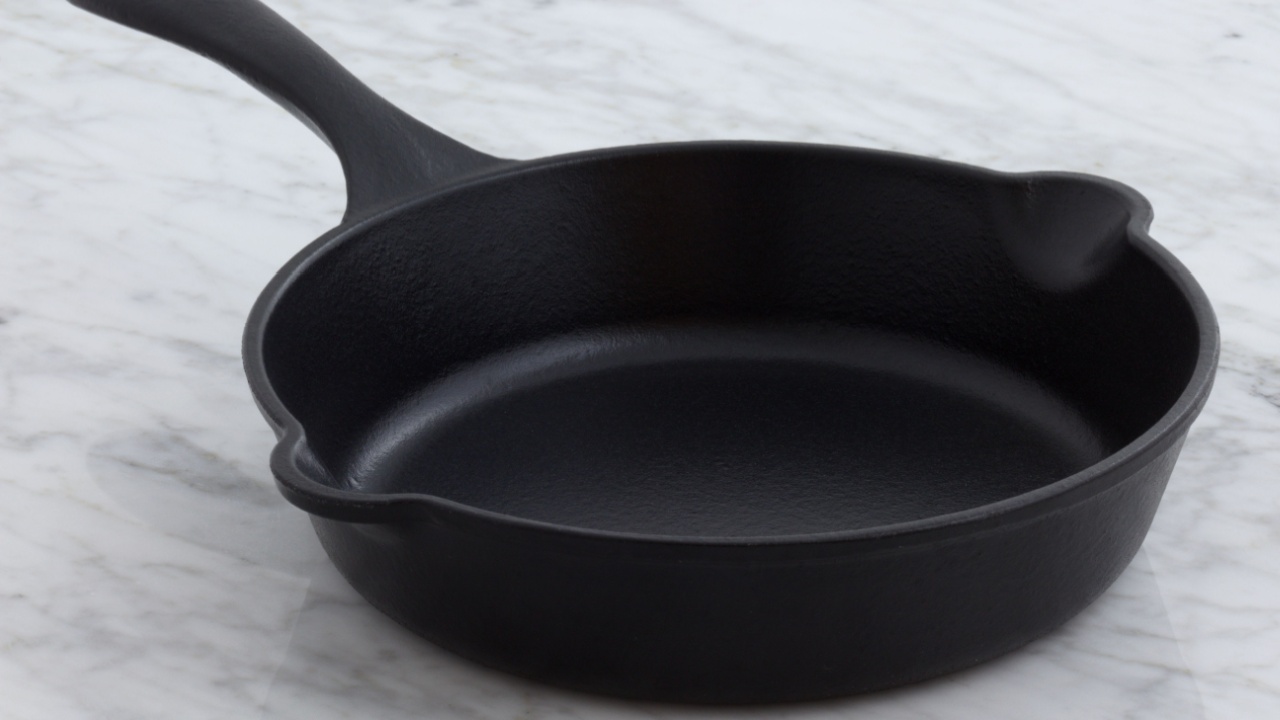
Cast iron is one of those rare kitchen items that improves with age, which makes buying it secondhand a smart choice. New pans can be expensive and often come with a rough surface that takes time to smooth out. Finding an old Lodge or Griswold at a thrift shop is a major win because the older manufacturing processes resulted in a much smoother cooking surface.
Do not be put off by surface rust, as it can be removed with a bit of effort. A thorough scrub followed by proper seasoning with oil will restore the pan. Before buying, place it on a flat surface to ensure it does not wobble, since uneven bases can cause issues during cooking.
3. Glassware and Stemware
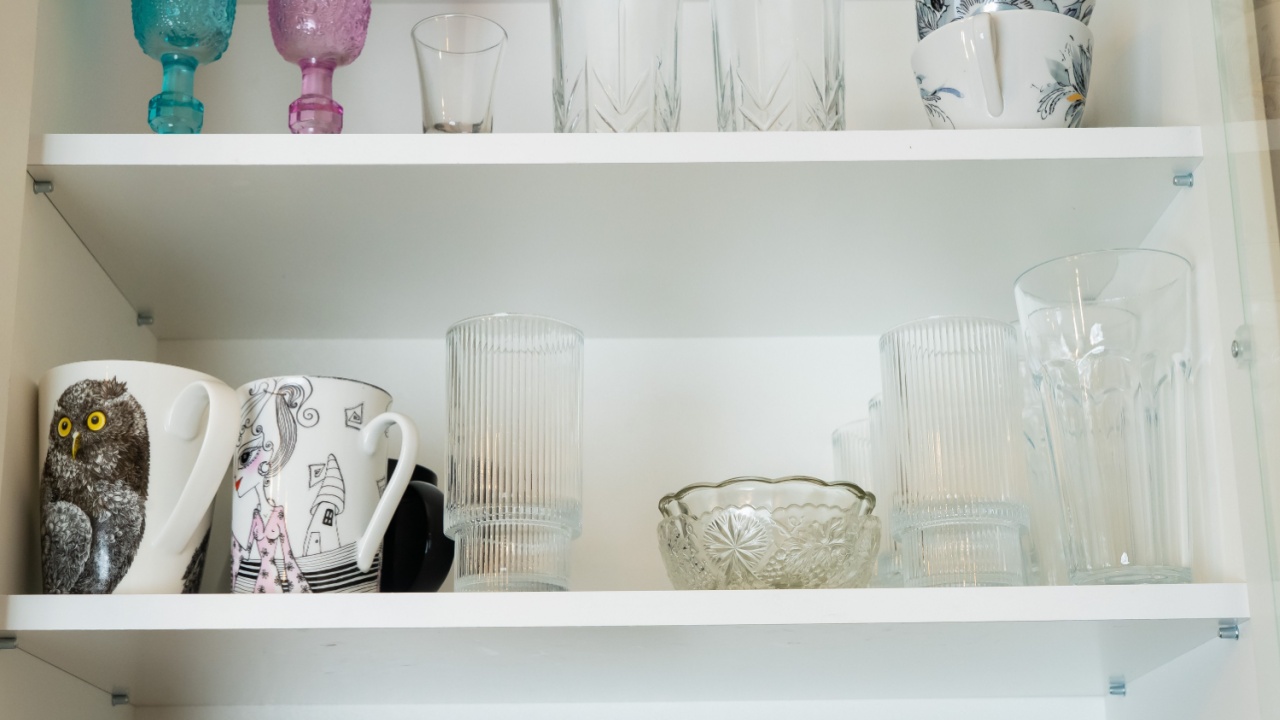
Paying full retail for wine glasses is a gamble since they’re basically born to break. Thrift stores are overflowing with mismatched sets, elegant champagne coupes, and sturdy tumblers for pennies. Mixing and matching different styles creates a curated, “collected” aesthetic that feels way more intentional than a generic set from a department store.
Run your finger along the rim to feel for tiny chips. If the glass is cloudy from hard water damage, it might be permanent, so stick to the clear, bright stuff. A high-heat dishwasher cycle is all you need to make them table-ready
4. Picture Frames
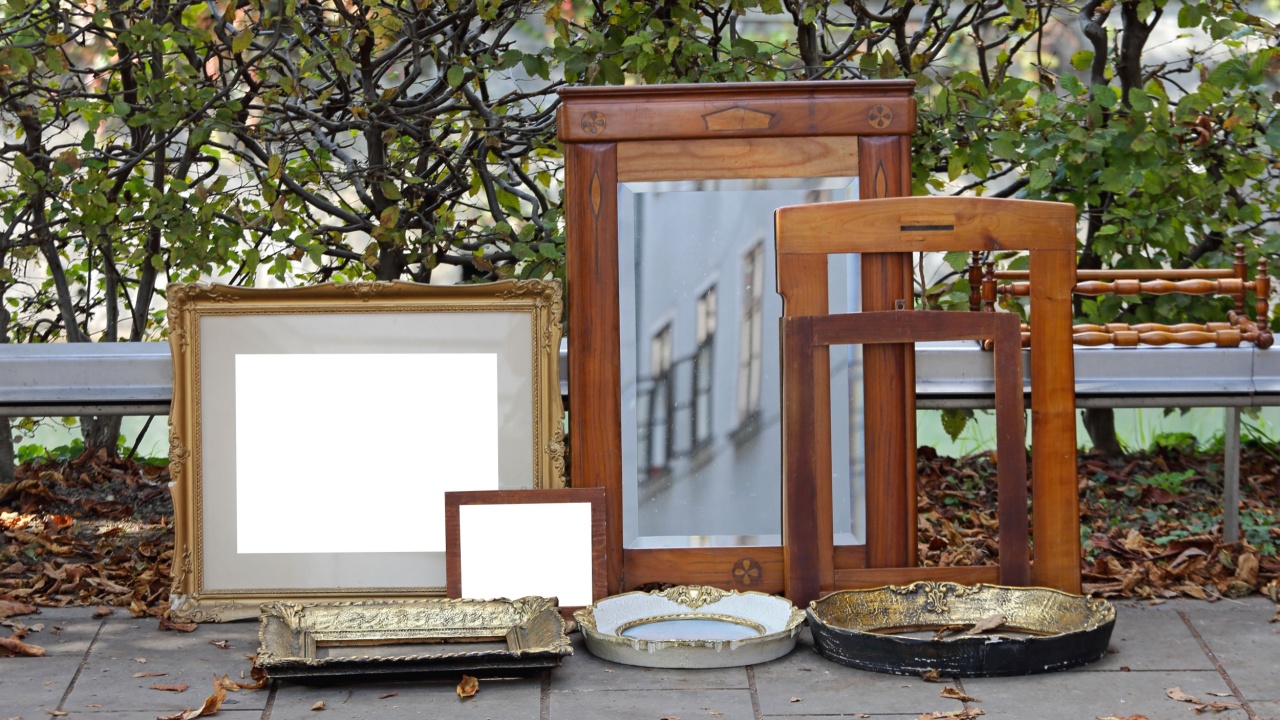
Frames are often priced surprisingly high in stores, especially anything with solid construction or decorative detail. Secondhand shops tend to have large selections, ranging from simple wood frames to more ornate designs. Buying them used allows you to focus on the structure rather than the artwork inside.
Check that the glass is intact and that the backing is secure. Even if the color or finish does not suit your taste, it is easy to change it with paint. Keeping a few standard-sized measurements in mind can also make it easier to match frames with prints or photos later.
5. Books and Media
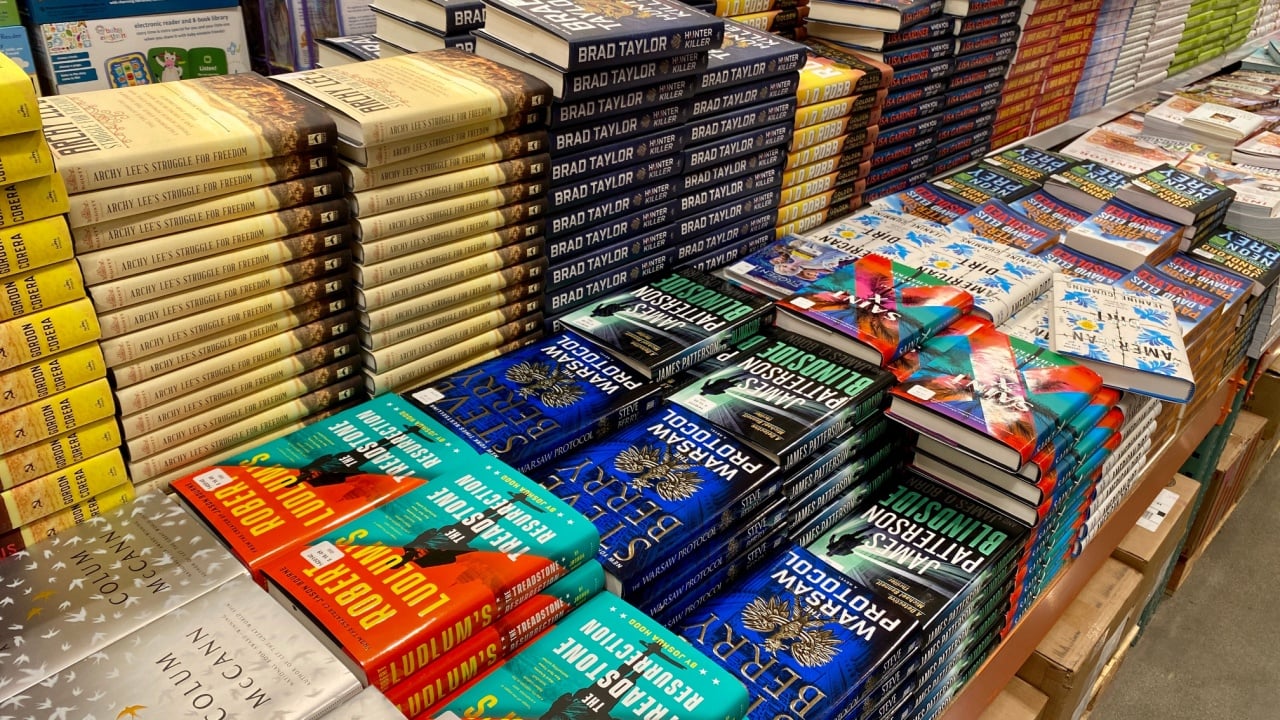
Hardcover books and coffee table volumes are some of the most overpriced items in retail. Used bookstores and charity shops offer these for a dollar or two, allowing you to build a massive library without the massive investment. Plus, vintage covers look killer on a shelf.
Check the spines and flip through the pages for water damage or mildew. For those who still like physical media, DVDs and CDs are usually dirt cheap, great for building a collection that works even when the Wi-Fi goes down.
6. Pyrex and Glass Bakeware
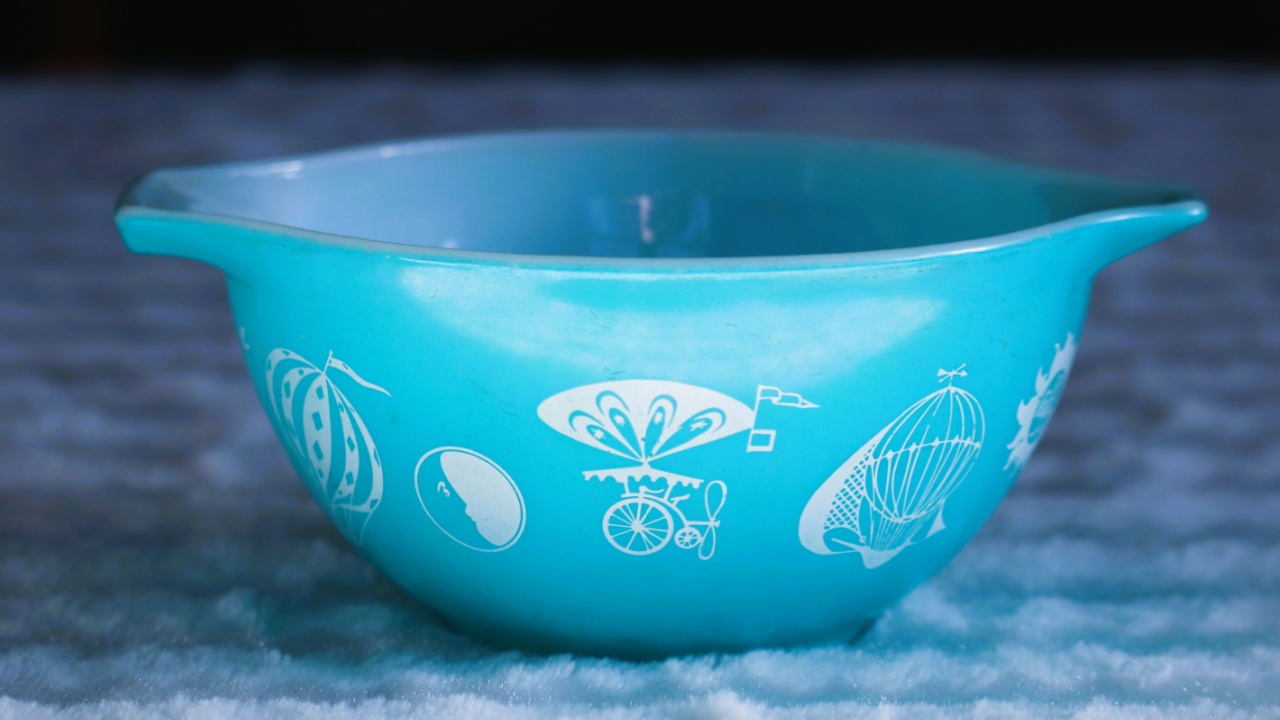
Vintage Pyrex is legendary. It was designed to handle extreme temperature changes better than many modern versions. The older pieces made with borosilicate glass are incredibly durable and come in iconic patterns that add a pop of color to your kitchen.
Look for the PYREX logo in all capital letters to identify the older, more heat-resistant glass. Avoid pieces with “dishwasher flash” (a dull, scratched finish on the paint), as that can’t be fixed. These are perfect for potlucks where a lost dish isn’t a financial tragedy.
7. Baby and Toddler Clothes
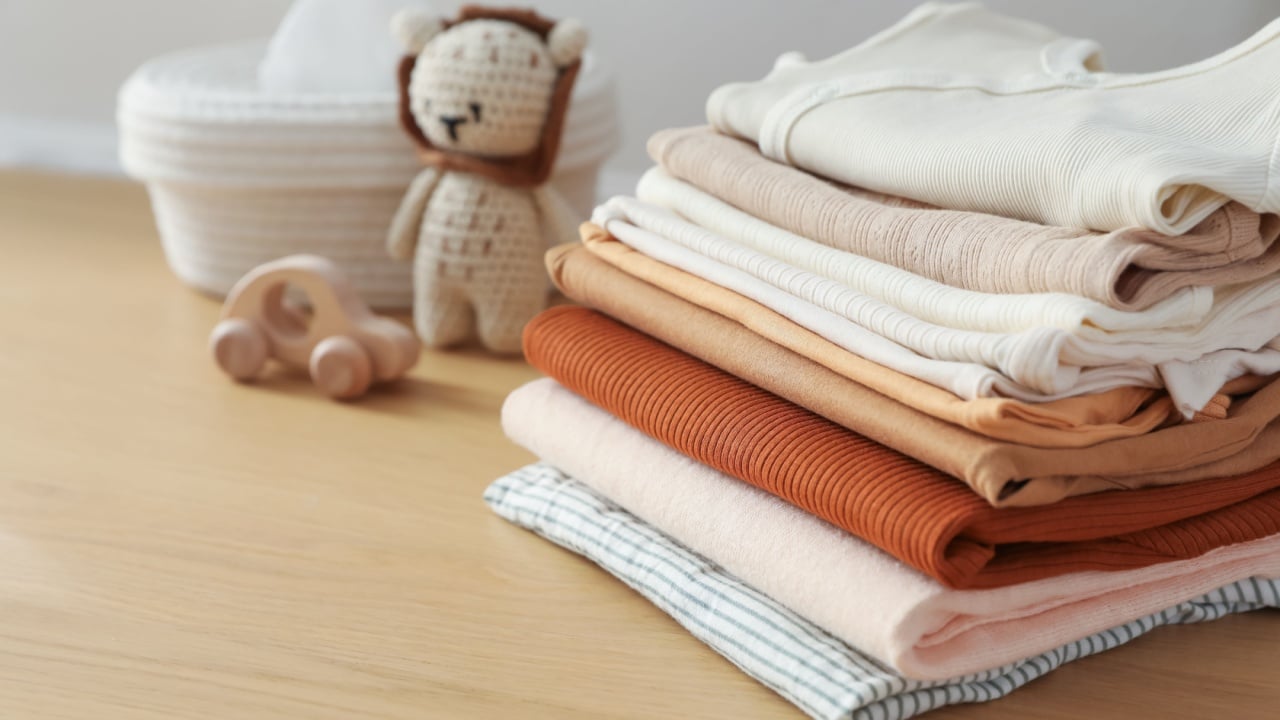
Children outgrow clothes quickly, which makes buying new clothes feel wasteful after a while. Secondhand options are often barely worn and come at a much lower cost. It is common to find items that were only used a handful of times before being passed on.
Check for stains around the collar and cuffs, and make sure all zippers and buttons work properly. Once home, washing them in a gentle detergent is usually enough to prepare them for use. Picking up items in the next size ahead of time can also make life easier during growth spurts.
8. Silverware and Kitchen Utensils
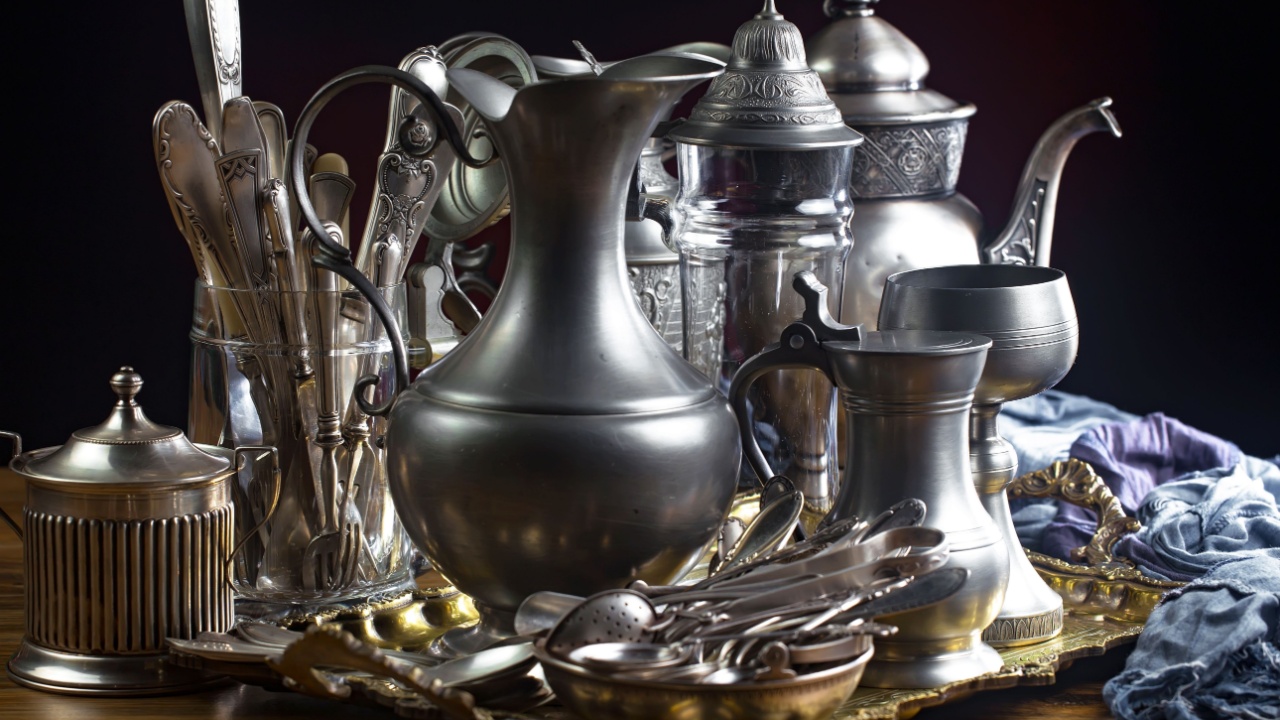
Loose forks and spoons are staples of the thrift bin, perfect for replacing lost pieces or stocking a first apartment. Heavy-duty stainless steel is common and far more durable than the flimsy sets sold in plastic tubes. Mechanical tools like whisks and tongs are also available for pocket change.
Stick to stainless steel to avoid rust and look for pieces with a good weight. Avoid plastic utensils with melted edges where bacteria can hide. A quick soak and a run through the dishwasher, and you’re good to go.
9. Board Games and Puzzles
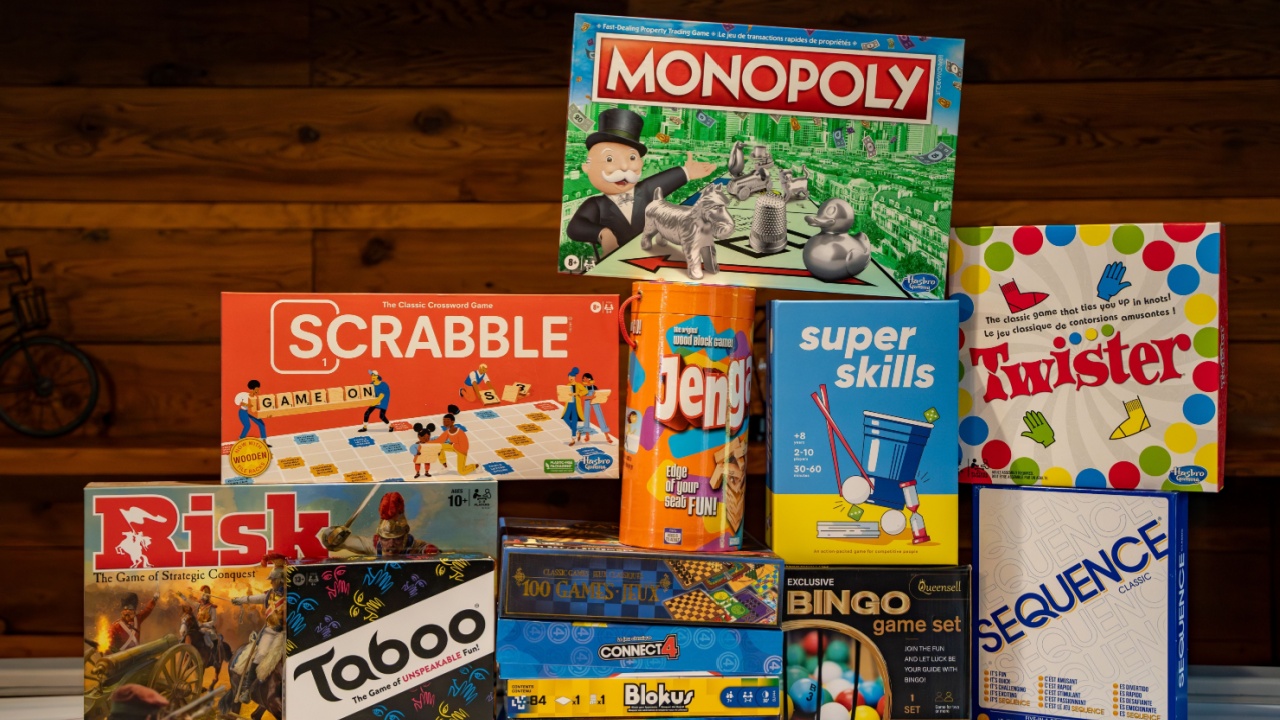
Entertainment is expensive, but thrift stores are a goldmine for the classics. People often donate these after playing them once or twice. It’s a low-risk way to try a new game without dropping $40 on something that might be a total dud for your group.
Take a quick peek inside to make sure the instructions and major pieces are there. For puzzles, it’s a bit of a gamble, but at a one-dollar price point, a missing piece is just a funny story rather than a disaster.
10. Terra Cotta and Flower Pots
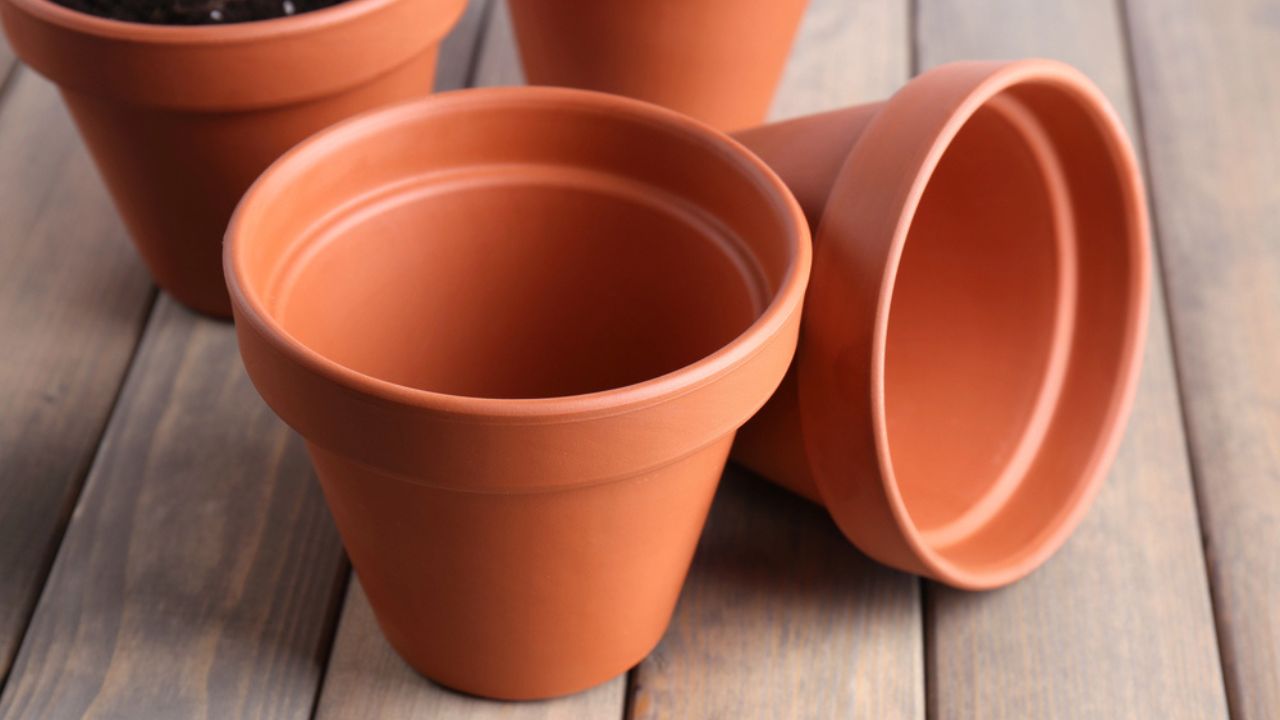
Gardening gear has gotten weirdly expensive lately. These items sit in the “outdoor” section of thrift stores for very little money. Since they’re meant to be filled with dirt and left outside, a little bit of existing patina or a “weathered” look actually adds to the charm.
Inspect the pots for large cracks that could split when the soil expands. Small chips are fine, just turn them toward the wall. Scrubbing them with a bit of vinegar helps kill any lingering fungus or pests from the previous owner.
11. Hand Tools and Hardware
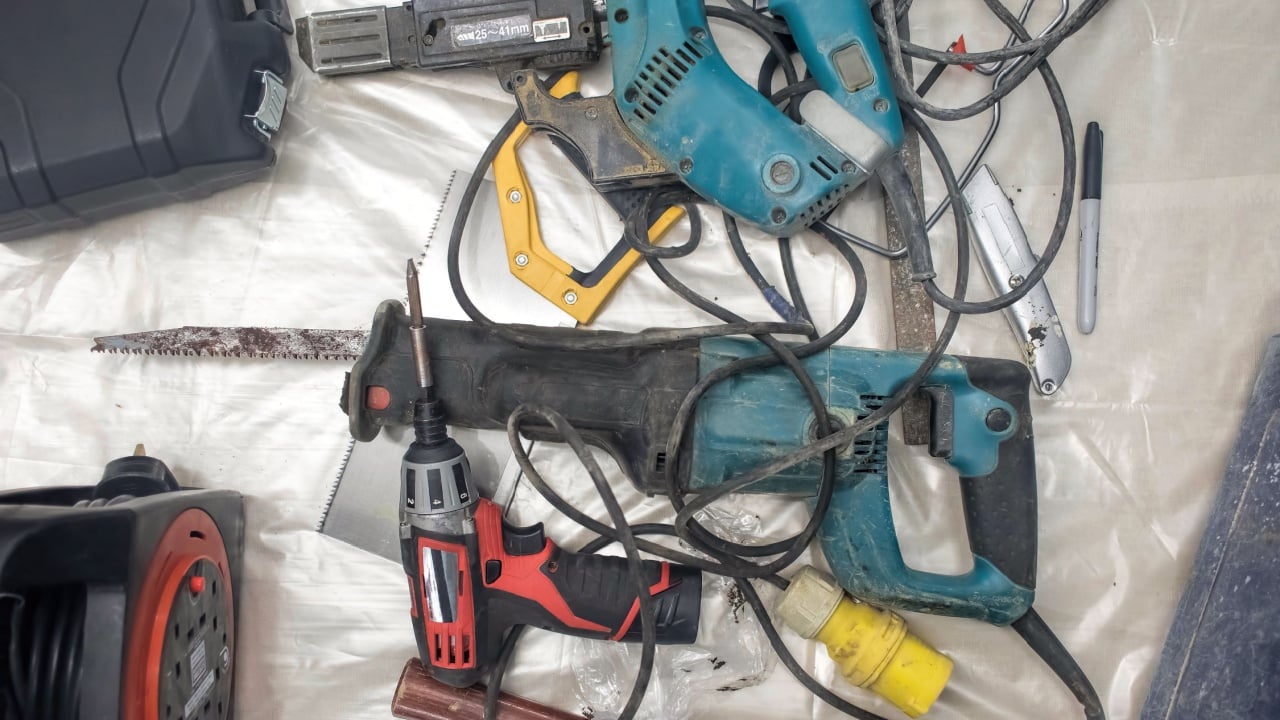
High-quality hammers and wrenches don’t really wear out, yet they cost a fortune at hardware stores. Thrift shops and estate sales often have bins of tools built to last decades. Buying used steel tools is the smartest way to build a home repair kit on a budget.
Look for reputable brand names stamped into the metal and avoid excessive rust on moving parts. A little oil on the pliers’ joints will usually return them to smooth operation in no time.
12. Mirrors
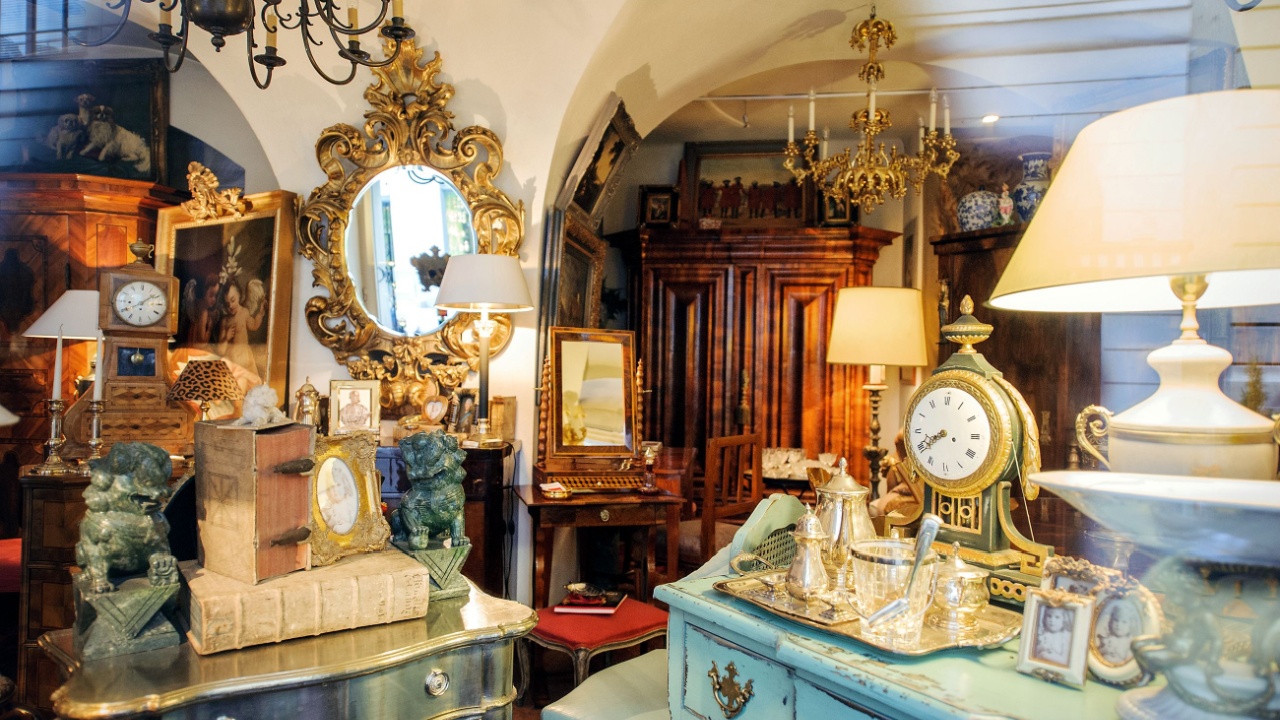
Large wall mirrors are notoriously overpriced in boutiques. But a mirror is just a piece of silvered glass, and the thrift store is full of them. Even if the frame is hideous, the glass itself is valuable and can be popped into a different frame or leaned against a wall for a modern vibe.
Check the silvering on the back for dark spots or “clouds.” A little bit adds vintage character, but too much is distracting. A quick wipe with rubbing alcohol will reveal any scratches hidden by dust.
13. Lamps and Lighting
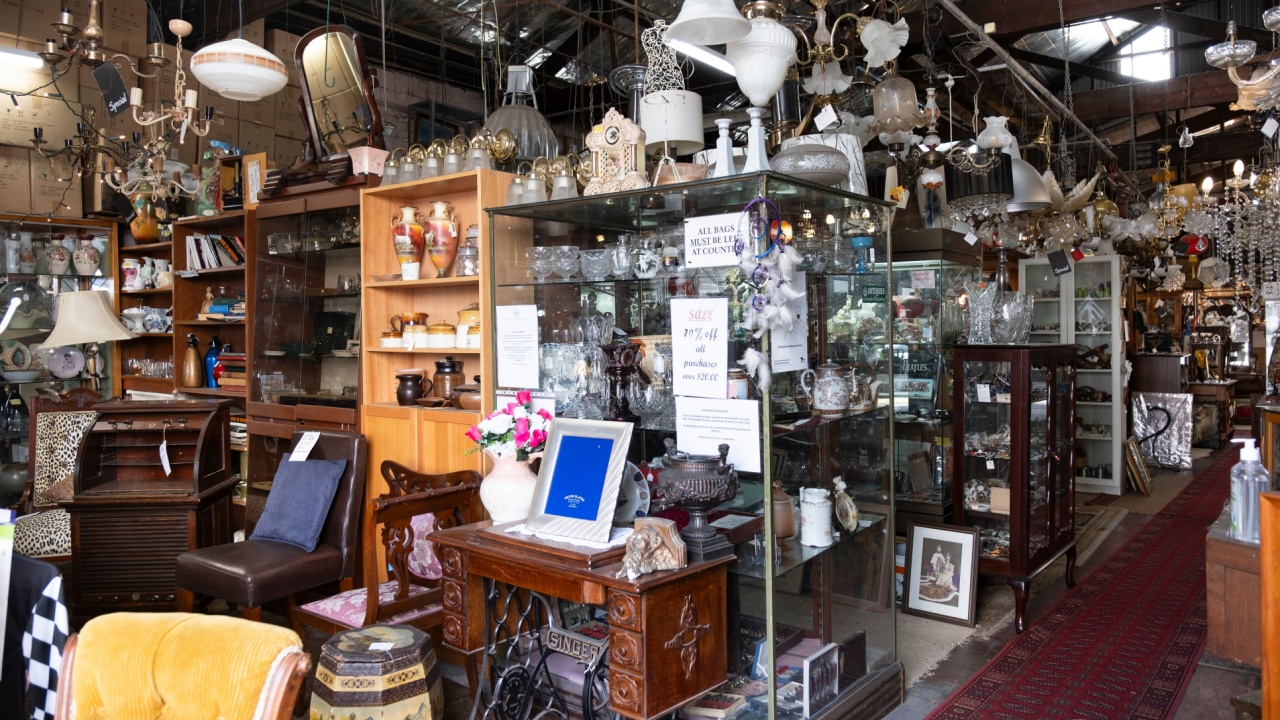
Lighting fixtures are essentially just a frame, a socket, and a cord. Thrift stores are full of unique lamp bases (brass, ceramic, or wood) that have way more personality than modern plastic options. You can easily update them with a new shade or a simple rewiring kit.
Always ask to plug the lamp in at the store. If the cord feels brittle or has exposed wires, it needs to be replaced before use. A new, modern lampshade can instantly take a vintage base from “grandma’s attic” to “mid-century chic.”
14. Baskets and Storage
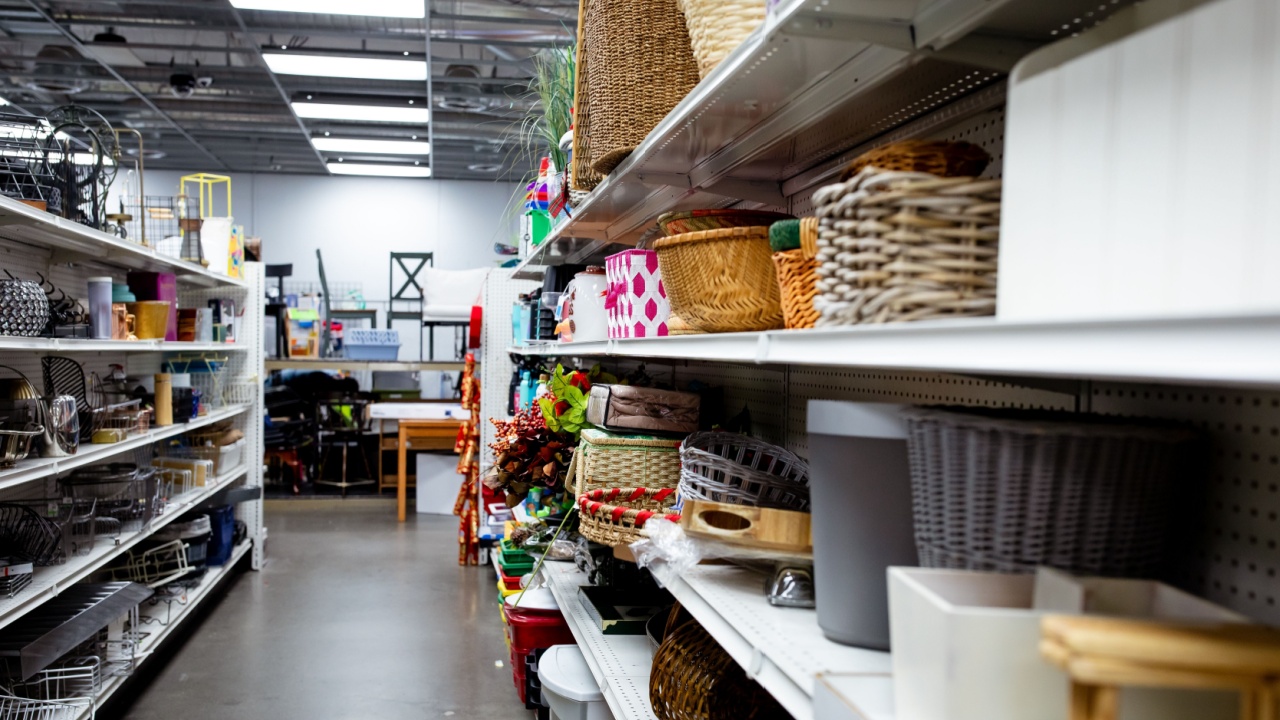
Woven baskets are perfect for organizing closets or acting as gift basins, but they are surprisingly pricey at retail. Thrift stores always have a dedicated section for these. They’re easy to clean and provide a natural, textured look for your home.
Vacuum out any dust and check for broken wicker that could snag your clothes. A quick spray with a garden hose and some time in the sun will refresh most natural fibers perfectly.
15. Area Rugs
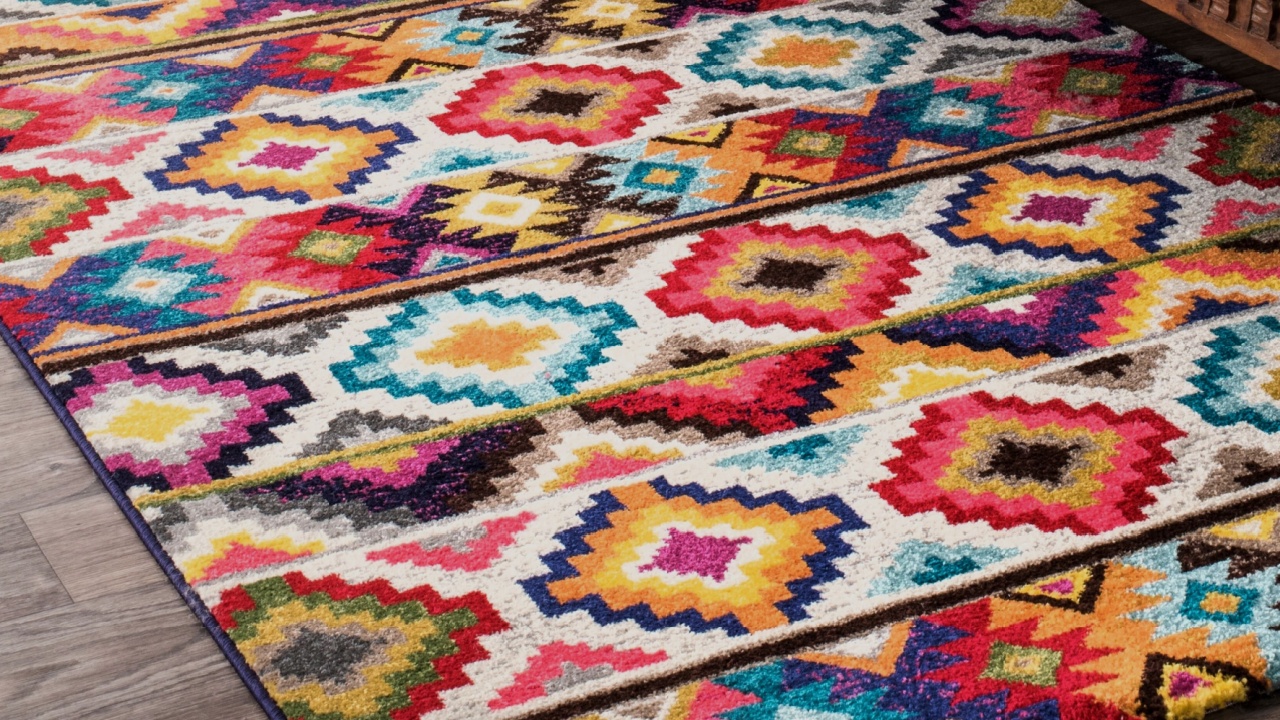
High-quality wool or Persian rugs can cost thousands new, but they are designed to last a century. It’s not uncommon to find these heirloom pieces at secondhand shops for a tiny fraction of their value. Because they are durable, a professional cleaning can make them look brand new.
Stick to natural fibers like wool or silk rather than synthetics, which trap odors. Check the underside for moth damage or dry rot (which feels brittle). Even with the cost of a professional steam clean, you’re still saving a ton.
16. Musical Instruments

Beginner instruments like keyboards, guitars, or violins are frequent thrift finds. Many people start a hobby and give it up, donating the instrument shortly after. This is the ideal way for a beginner to start learning without the massive entry cost.
Check for straight necks on stringed instruments and ensure all keys move freely. If you aren’t sure what you’re looking at, bring a friend who plays. Even if a small tune-up is needed, the savings are usually massive.
Smarter Secondhand Starts Here

Shifting your shopping habits toward these items is just a smart move. It prioritizes durable, high-quality goods while bypassing the inflated costs of modern retail. Start small, maybe a few picture frames or a new skillet, and build your confidence. Just keep a measuring tape in your car, and you’re ready to hunt!
Read More: