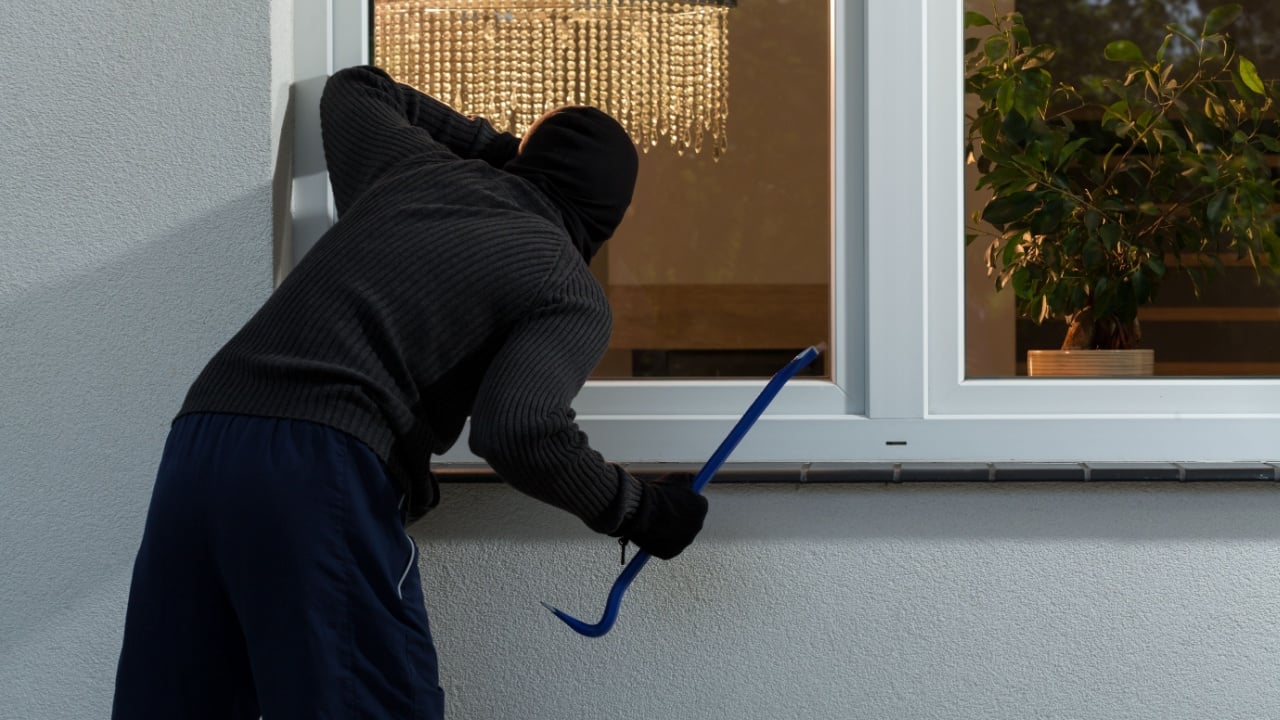
12 Nighttime Habits Putting You in Danger (or Worse)
Many people walk to their front door after dark, completely unaware of the risks lurking in the shadows. We often move on autopilot after a long day, rushing inside to rest. This lack of attention creates dangerous opportunities for individuals looking for an easy target.
Nighttime safety requires constant awareness because darkness hides threats that are easily visible during the daytime. Criminals rely on lowered visibility and your exhaustion to commit thefts or home invasions. A few small changes to your evening routine drastically reduce your risk of becoming a victim.
Below, we detail twelve common mistakes you might be making right now after the sun goes down. Read through this list to spot the habits compromising your personal security. You will learn practical adjustments to protect yourself and your home tonight.
1. Leaving Car Doors Unlocked
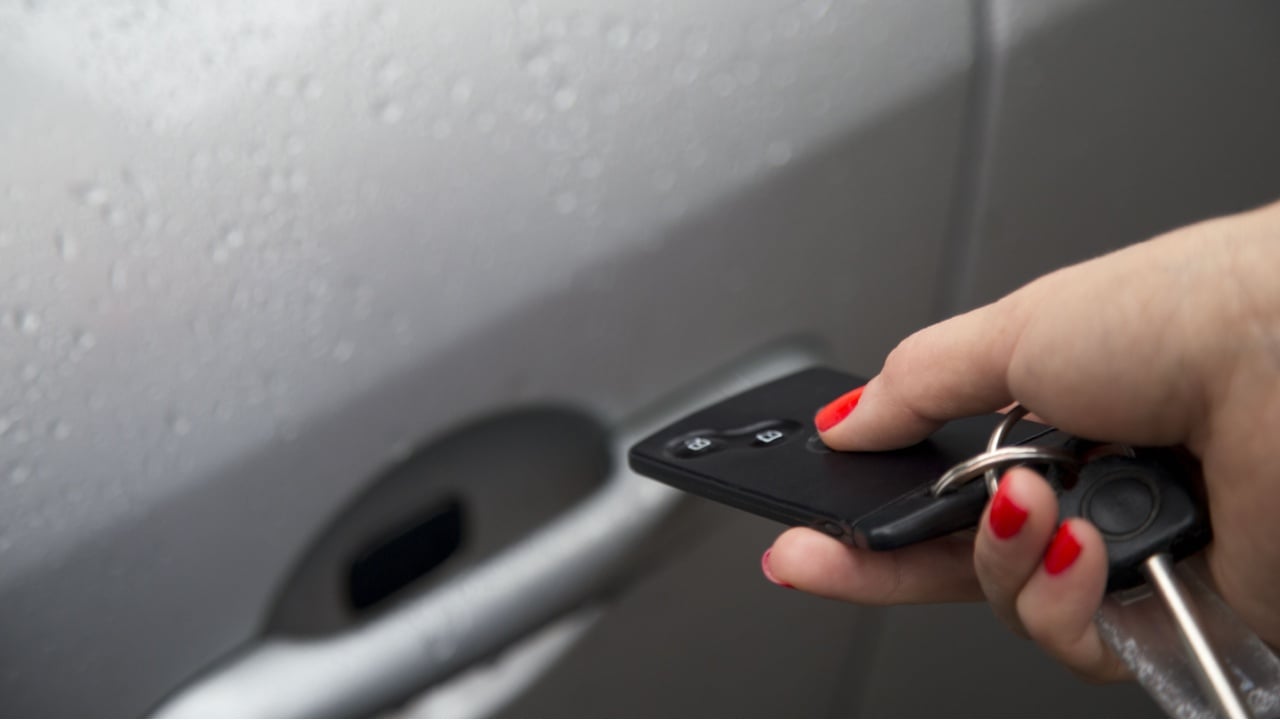
An unlocked vehicle parked in your driveway acts as an open invitation for thieves. Many people forget to press the lock button while rushing inside with groceries or children. Attackers sometimes slip into the backseat and wait in the shadows for your return. This transforms your car into a dangerous trap right outside your home.
Always double-check your vehicle locks before walking away from the driveway. Keep your locking remote in your hand and manually verify the doors are secure. Installing motion-sensor lights near your driveway deters criminals from approaching your car in the first place. You must form a strict habit of locking up every single time you arrive home.
2. Announcing Night Plans Online

Posting real-time updates from a restaurant or concert publicly announces your house is completely empty. Security experts say that burglars use social media platforms to target homes. Broadcasting your location gives criminals a clear window of time to break into your property undisturbed. Your followers do not need to know exactly where you are at all times.
Keep your evening activities private until you return safely to your living room. Share photos and updates the following morning to protect your physical safety. Review your privacy settings frequently to restrict strangers from viewing your profile. Protect your location data by disabling automatic check-ins on your social accounts.
3. Failing to Inspect the Backseat

Rushing to get inside your vehicle at a dark parking lot leaves you vulnerable to hidden threats. Criminals can compromise even locked cars if a window is left slightly cracked. Getting into the driver’s seat without a quick visual sweep puts you in immediate proximity to a potential attacker. Security personnel advise that taking a few seconds to look through the glass provides critical peace of mind.
Use your phone flashlight to illuminate the rear seats before unlocking the doors. Approach your vehicle cautiously and scan the surrounding area for suspicious individuals. Keep your hand ready to unlock the door quickly after you confirm the interior is clear. A quick visual inspection acts as a primary defense against unexpected ambushes.
4. Walking While Staring at a Phone

Distracted walking compromises both your safety and your cognitive awareness. Scrolling through messages while walking down the street creates a massive vulnerability. With your head tilted down and your attention absorbed by a glowing screen, you lose all situational awareness. Robbers specifically look for distracted pedestrians who cannot see an approach coming. A glowing phone screen also completely destroys your natural night vision.
Keep your device securely stored in your pocket or bag while navigating dark areas. If you must send an urgent message, step inside a brightly lit store or stop with your back against a solid wall. Keep your chin up and scan your surroundings constantly as you move. Projecting confidence and alertness discourages criminals from targeting you.
5. Sleeping with Headphones On

There are many dangers of falling asleep while wearing headphones (particularly earbuds), and one is that they block vital auditory cues necessary for survival. You might miss the sound of glass breaking, a blaring smoke alarm, or an intruder opening your front door. Masking the noise of your environment removes your earliest warning system against danger. Your hearing acts as a crucial defense mechanism when your eyes are closed.
Switch to a small bedside speaker if you prefer listening to music or podcasts to fall asleep. Keep the volume low enough to hear external noises clearly from the hallway. Many audio applications feature sleep timers that automatically shut off the sound after a few minutes. Prioritizing your environmental awareness during sleep keeps you safe from emergencies.
6. Ignoring Unusual Outdoor Noises

Dismissing a strange thump or persistent dog barking compromises your security entirely. Intruders frequently test windows and doors to check for alarms or easy entry points. Assuming every noise is just the wind allows a burglar to operate freely on your property. Small auditory clues often serve as the only warning before a home invasion begins.
Investigate unusual sounds cautiously without turning on interior lights. Look through your windows from a concealed angle to spot any movement in the yard. Call local authorities immediately if you observe someone trespassing or hear continuous attempts to open a door. Trusting your instincts when hearing strange noises prevents dangerous confrontations.
7. Maintaining a Predictable Routine

Following the exact same schedule every evening creates a dangerous pattern for anyone watching your movements. Criminals observe target neighborhoods to learn when residents leave, arrive, or turn off their lights. Walking the dog at the exact same minute down the exact same path makes planning an ambush incredibly easy. Predictability removes the element of surprise from your daily life.
Break time and place predictability. Vary your travel routes and the times you perform evening chores. Take a different path through your neighborhood when exercising after dark. Use smart timers to alternate when your interior lights turn on and off. Keeping potential stalkers guessing provides a strong layer of protection against targeted attacks.
8. Taking Shortcuts Through Dark Areas
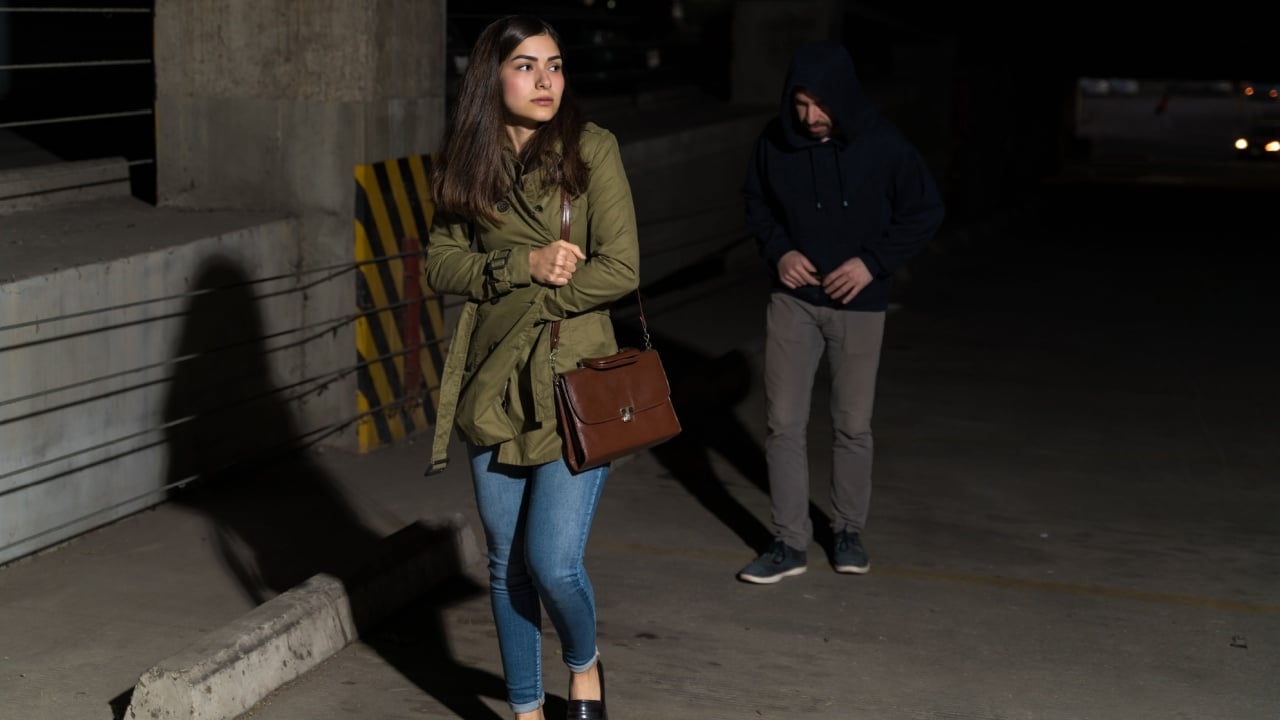
Cutting through an unlit alleyway or an isolated park significantly increases your risk of a mugging. These dark spots lack visibility and foot traffic, creating the perfect environment for criminals to hide. The time saved by taking a shortcut never outweighs the threat to your physical safety. Attackers prefer isolated areas because witnesses are unlikely to intervene or call for help.
Stick to well-lit main streets with continuous vehicle traffic and visible storefronts. Walk with a companion whenever possible to deter potential threats. If you must travel alone through a dark area, walk purposefully and stay near the streetlamps. Your safety depends on staying visible and avoiding areas with limited escape routes.
9. Leaving Ground-Floor Windows Open
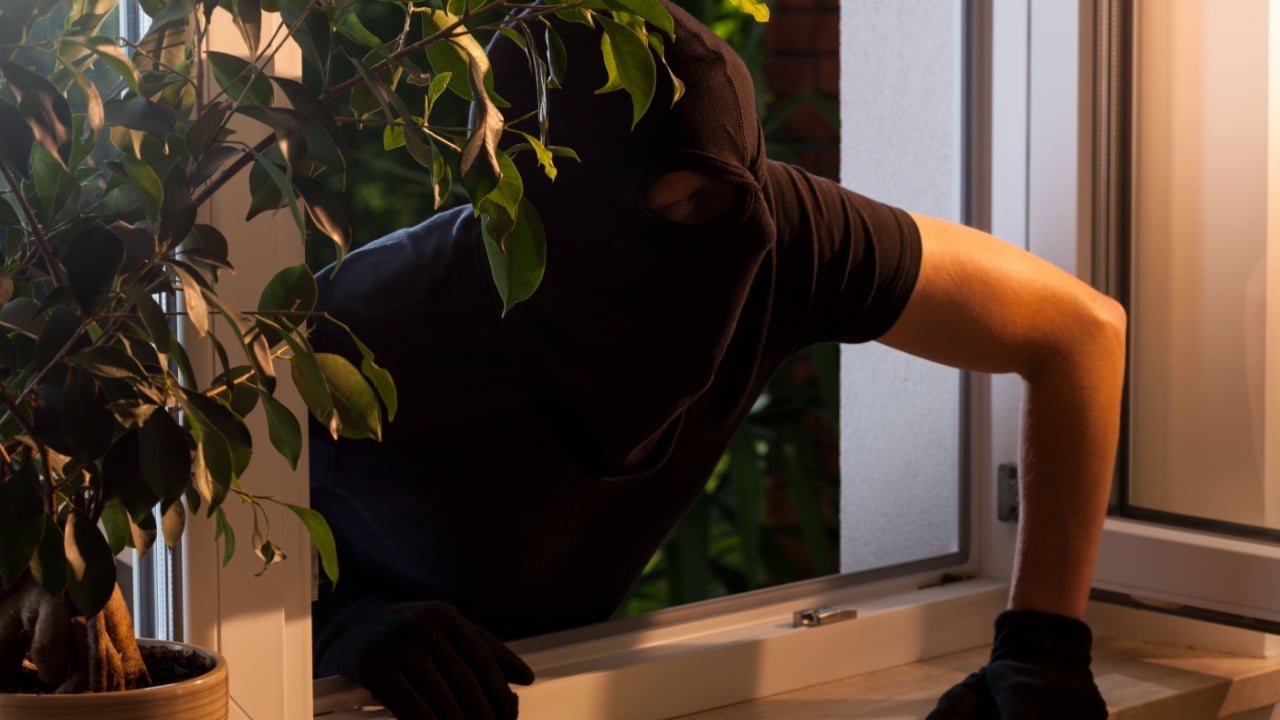
A cracked window on the first floor provides the easiest possible entry point for a burglar. Many homeowners leave windows open to let in a breeze, totally forgetting to close them before bed. Determined intruders can easily force a partially open window wider to slip inside your house. Screens offer absolutely no resistance against someone with malicious intent.
Walk through your home every night to physically verify all windows are shut and securely locked. Install window pins or secondary locks to prevent the sash from sliding up from the outside. If you want fresh air, crack a window on the second floor instead. Securing your perimeter requires daily diligence to keep unwanted visitors away.
10. Using ATMs in Deserted Locations

Withdrawing cash at a standalone ATM in a poorly lit parking lot makes you incredibly vulnerable. Criminals frequently wait in the shadows near isolated cash machines to rob distracted individuals. Your attention is fully focused on the screen and your wallet, leaving your back entirely exposed to danger. The glow of the machine also illuminates your face while blinding you to your surroundings.
Choose ATMs located inside grocery stores or busy gas stations with bright overhead lighting. Visit the bank during daylight hours whenever possible to avoid nighttime withdrawals entirely. Bring a friend to stand watch while you complete your transaction if you must get cash after dark. Always secure your money out of sight before walking back to your vehicle.
11. Hiding a Spare Door Key Outside

Hiding keys under a doormat or inside a fake rock creates a massive security risk. Burglars know every single common hiding spot and will search your porch thoroughly before trying to break a window. Leaving a metal entry tool outside gives criminals direct and silent access to your living space. This practice completely defeats the purpose of having expensive deadbolts on your doors.
Give an extra house copy to a trusted neighbor or a family member who lives nearby. Upgrade to a smart lock with a keypad code so you never have to fear getting locked out again. If you must keep a spare on the property, use a heavy-duty lockbox secured to an immovable object. Controlling access to your door locks stops intruders from walking right through your front door.
12. Leaving Valuables Visible in Cars

Keeping a laptop bag or a purse on the passenger seat invites a smash-and-grab robbery. Thieves use flashlights to look into parked vehicles and spot expensive items left behind by careless owners. A broken window takes only seconds, and the criminal disappears before anyone hears the noise. Leaving valuables out in the open makes your vehicle an irresistible target.
Remove all belongings from your car every time you park for the night. Lock important items securely in the trunk before you arrive at your destination if you cannot carry them inside. Keep your interior clean so thieves see absolutely nothing worth stealing. A completely empty vehicle gives criminals zero motivation to damage your property.
Staying Safe Every Evening

Protecting yourself after dark requires constant vigilance and a willingness to adjust your daily routines. Criminals rely on your distraction and exhaustion to create opportunities for theft or harm. Taking control of your personal security starts with identifying the weak points in your evening habits. Implementing the practical advice detailed above significantly reduces your risk of encountering danger. Stay alert, secure your property, and prioritize your safety every single night.
Read More: