14 Household Staples Costing You More Than They’re Worth
Buying household essentials often turns into a quiet habit of spending on things that disappear almost as quickly as they are used. A lot of modern products were built for convenience first, not longevity, which is why so many homes end up filled with single-use plastics and chemical-heavy items that need constant replacing. Stepping away from that pattern does not mean overhauling your entire lifestyle or giving up comfort. It just means being a little more selective about what actually earns a place in your home.
This guide looks at everyday items through a practical lens, focusing on cost, waste, and long-term value. When you slow down and examine what you repeatedly buy, a pattern becomes obvious. Many of these products offer very little return for the money spent. They are used once, maybe a few times, and then tossed out. By swapping them for longer-lasting alternatives, you cut down on waste and make daily routines feel more streamlined rather than repetitive.
Below are common household items that tend to drain both money and resources, along with smarter replacements that work just as well, if not better.
1. Plastic Water Bottles
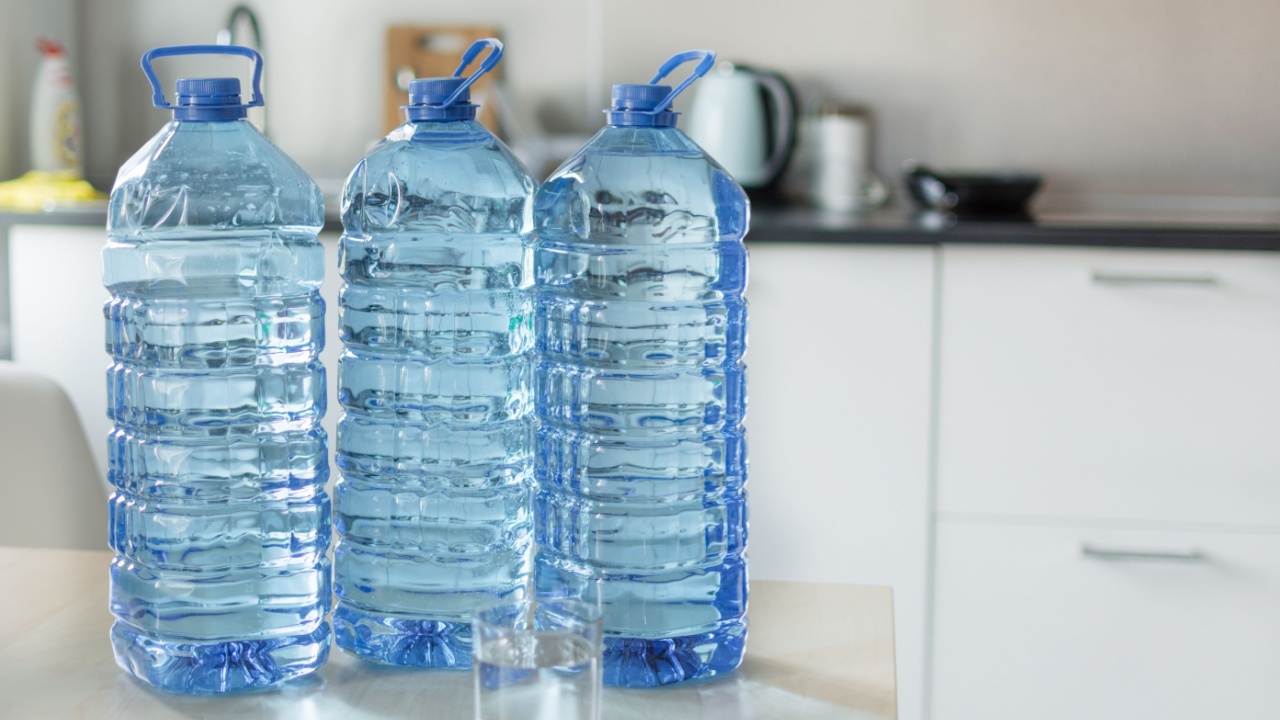
Disposable water bottles are one of the easiest habits to rethink. They add up quickly in cost and create a steady stream of plastic waste. In most areas, tap water is tested more strictly than bottled options, yet people still pay extra for packaging and convenience. A sturdy reusable bottle made of stainless steel or glass takes that ongoing expense out of the equation.
If taste or water quality is a concern, a simple filter attached to the tap or a filtered jug in the fridge usually solves the issue. Once that is in place, there is no need to haul heavy packs from the store or deal with piles of empty bottles. It becomes a small daily habit that quietly saves both effort and money.
2. Paper Towels

It’s a bit wild how we’ve been conditioned to grab a piece of a tree every time a small spill happens. Paper towels are often made from virgin wood pulp and wrapped in even more plastic, contributing to a massive waste footprint. A far more durable (and free) solution is to cut up old t-shirts or towels into cleaning rags. These handle heavy-duty scrubbing much better than paper ever could.
If you miss the convenience of a roll, Swedish dishcloths are a fantastic hybrid; they are incredibly absorbent, air-dry fast to stay hygienic, and can be tossed in the dishwasher or laundry. Keeping a small basket for dirty rags makes the transition seamless. Just wash them with your towels and you’re good to go.
3. Plastic Storage Bags
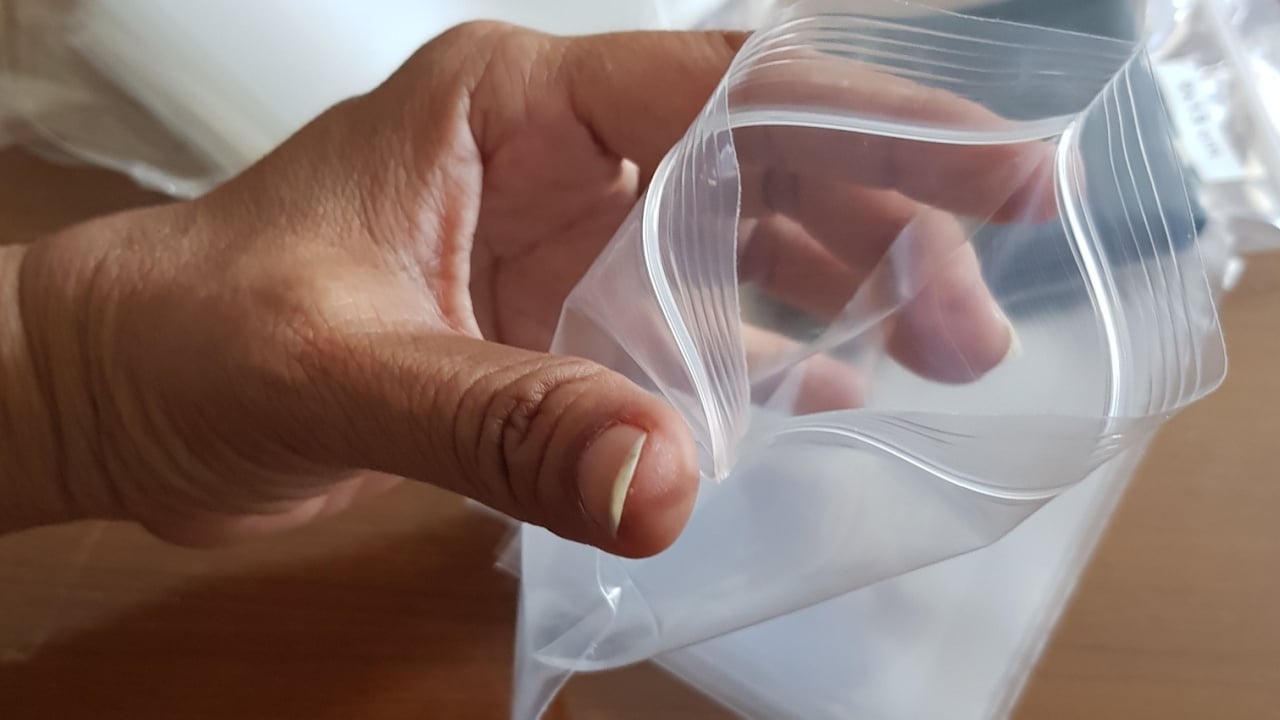
Single-use zip-top bags are designed to be thrown away after a few hours of holding a sandwich or a handful of grapes. This creates a constant demand for more plastic and keeps a recurring expense on the shopping list. Silicone storage bags serve as a superior alternative because they are leak-proof, freezer-safe, and capable of being washed in the dishwasher hundreds of times.
Glass containers with locking lids offer another layer of utility for leftovers and meal prep. Unlike plastic, glass does not leach chemicals into food or retain stubborn odors and stains from tomato sauce. Transitioning to these options means the pantry stays organized and the need to buy boxes of thin plastic disappears entirely.
4. Dryer Sheets
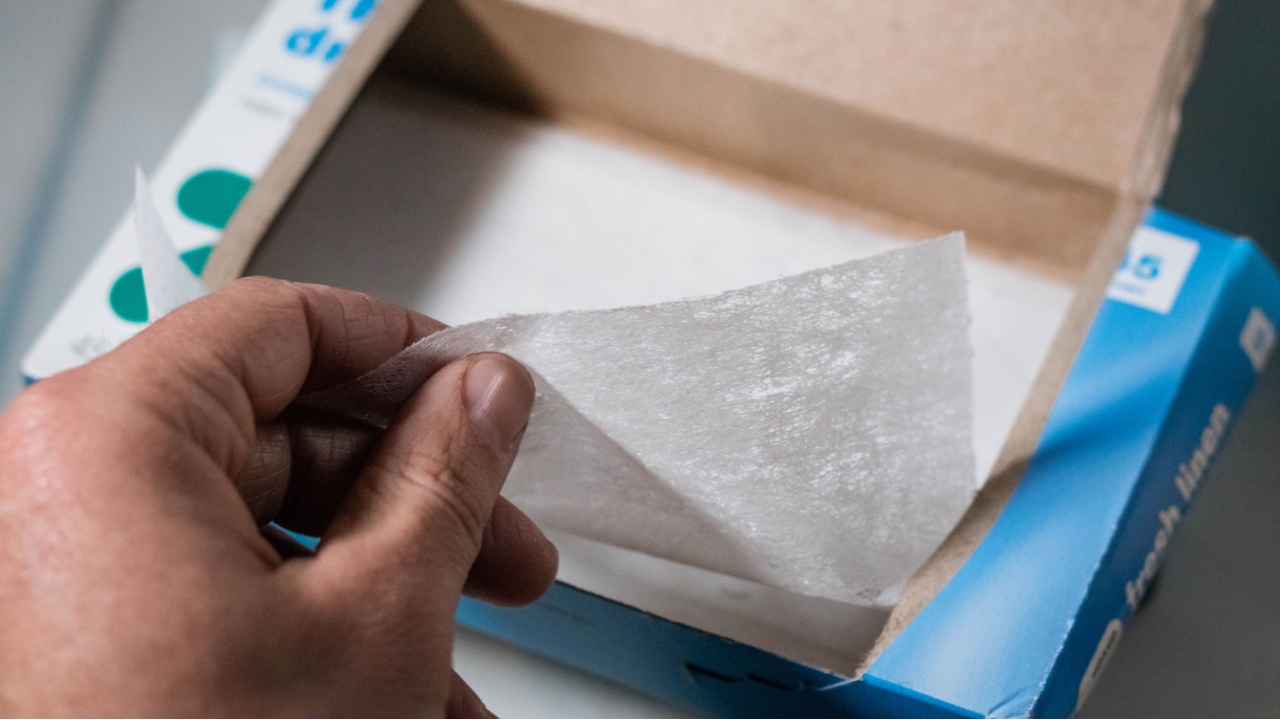
Dryer sheets are marketed as a simple way to soften clothes, but they leave behind a coating that can affect fabric performance. Towels lose absorbency, and certain fabrics feel less breathable after repeated use. Since they are designed for single use, they also add to ongoing household waste.
Wool dryer balls offer a straightforward alternative that works just as well without the residue. They help clothes dry faster by improving airflow and can last for years without needing replacement. A small addition like a drop of essential oil can provide fragrance without relying on synthetic chemicals.
5. Plastic Wrap
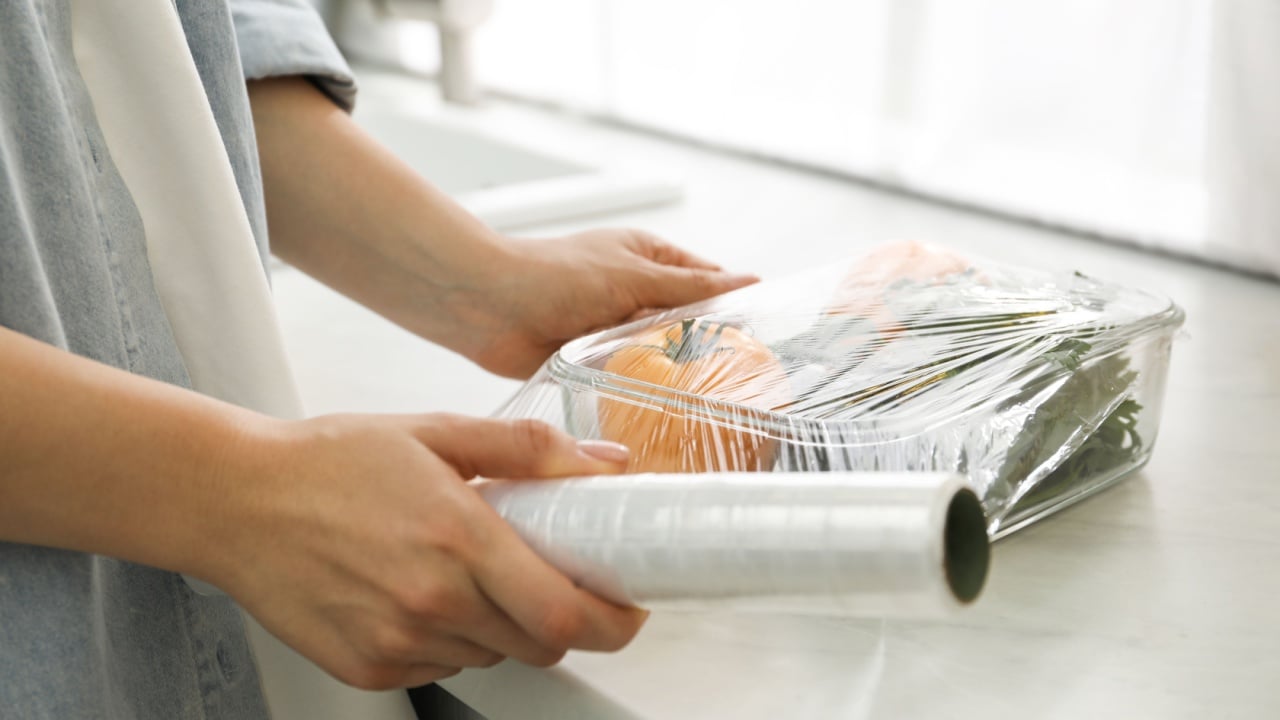
Plastic wrap is often frustrating to use and rarely performs as well as expected. It tears unevenly, sticks to itself, and cannot be recycled after coming into contact with food. Despite its popularity, it tends to be more trouble than it is worth in daily use.
Beeswax wraps and silicone lids provide a more practical solution that can be reused many times. They create a better seal and are easier to handle without the constant waste. Once introduced into the kitchen, they quickly replace the need for disposable wrap altogether.
6. Bottled Laundry Detergent
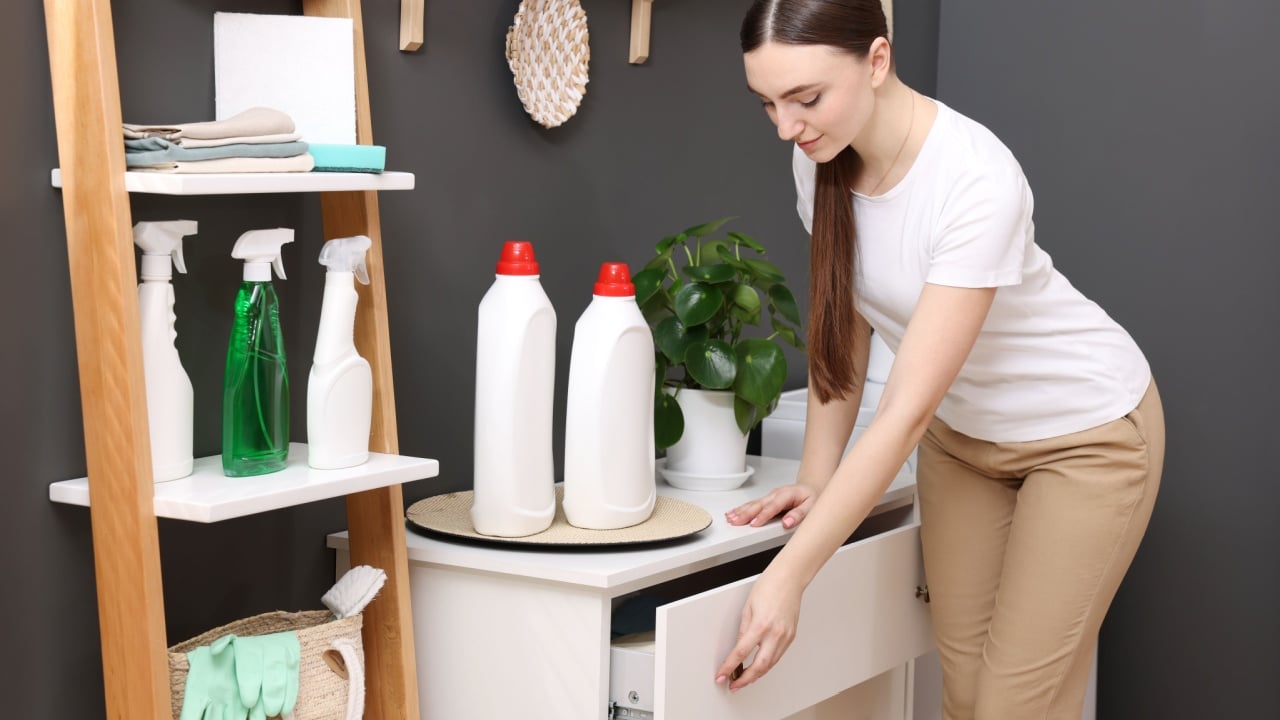
Liquid laundry detergent often comes in large plastic containers filled mostly with water. These bottles are heavy, take up space, and usually end up in landfills despite recycling efforts. The design makes them inconvenient to store and messy to handle over time.
Detergent sheets or powders simplify the process without sacrificing cleaning power. They come in compact packaging, are easy to measure, and reduce storage issues significantly. This change not only cuts down on plastic but also makes laundry routines feel more manageable.
7. Makeup Wipes
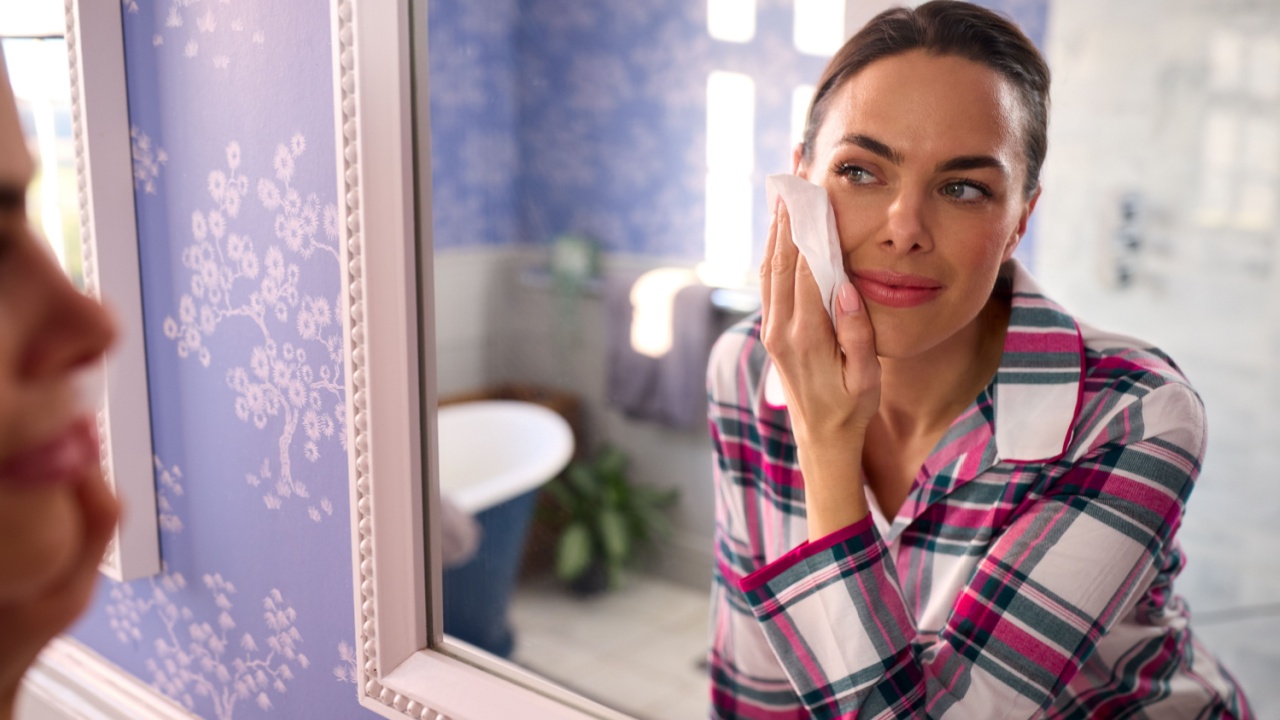
Makeup wipes are convenient but rarely remove products as effectively as expected. They can also be harsh on the skin due to added chemicals and preservatives. Since they are disposable, they contribute to waste while offering only short-term use.
Reusable cloths provide a gentler and more reliable way to remove makeup. With just water or a mild cleanser, they clean more thoroughly and can be washed and reused for years. This makes them a better choice for both skin health and long-term savings.
8. Disposable Razors
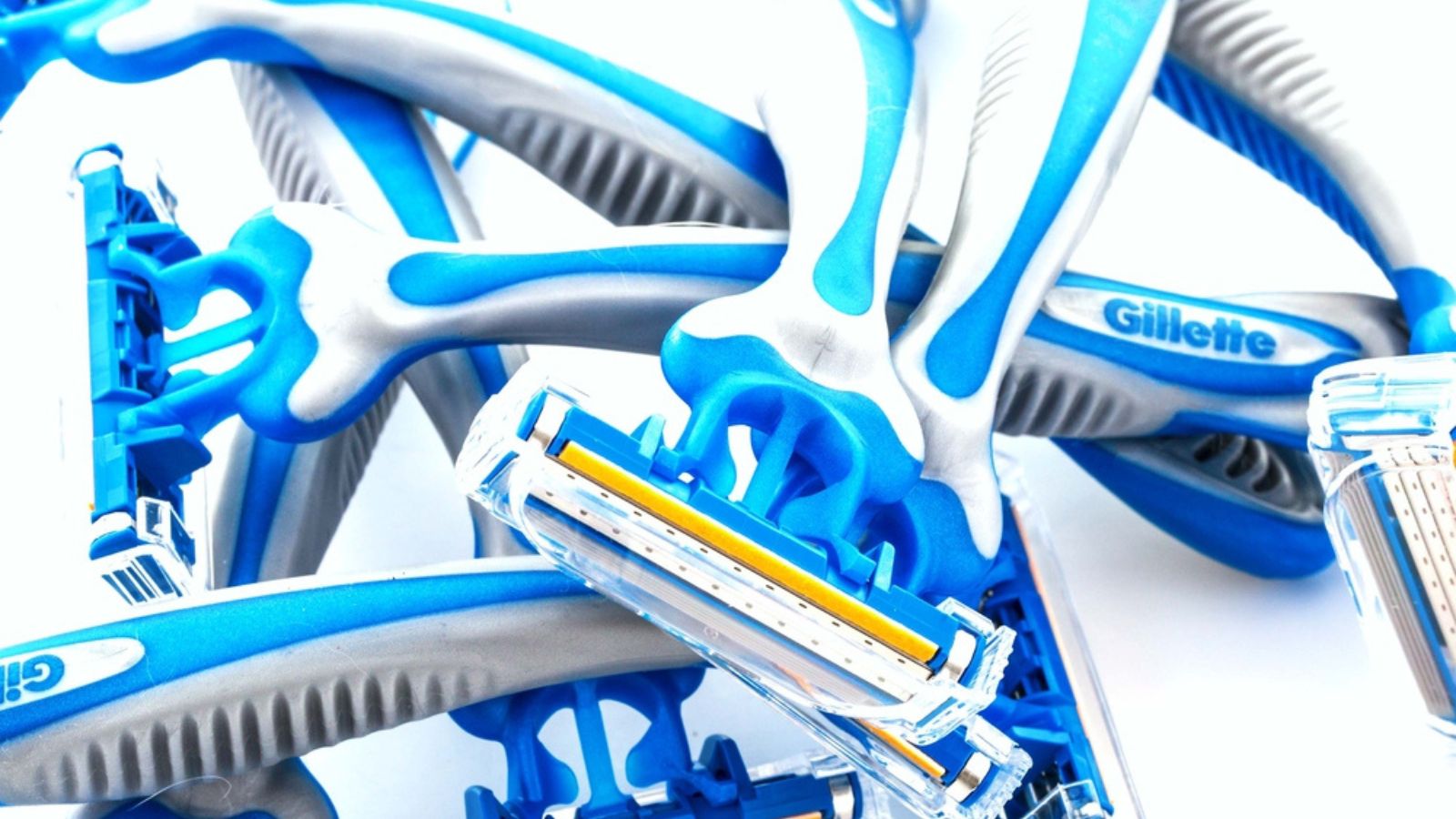
Cheap plastic razors are designed for a handful of uses before the blades dull and the entire unit is discarded. This cycle is expensive and generates a massive amount of plastic waste that cannot be recycled due to the embedded metal. A metal safety razor is a classic tool that provides a closer shave and lasts a lifetime with proper care.
Replacement blades for safety razors cost pennies compared to the high price of plastic cartridges. While there is a slight learning curve to using a weighted handle, the results are typically smoother with less irritation. Keeping the razor dry between uses prevents rust and ensures the handle remains a permanent fixture in the bathroom.
9. Cleaning Sprays in Plastic Bottles
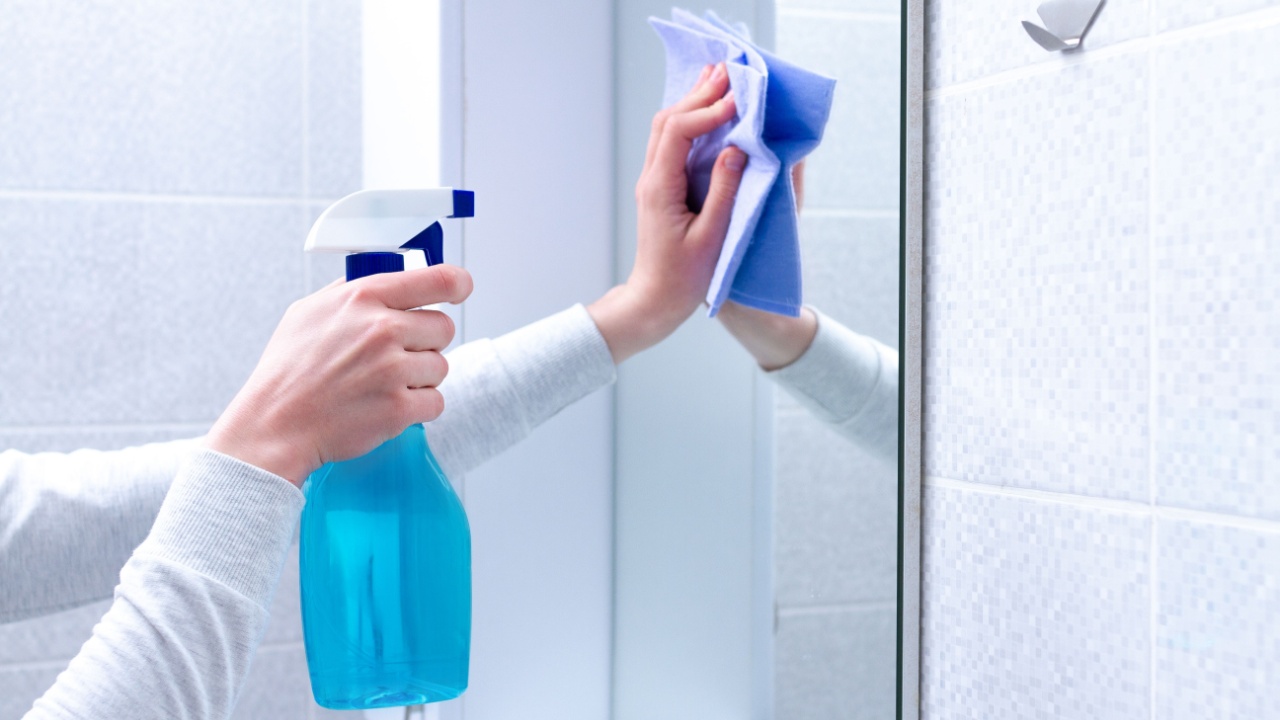
Buying a new plastic bottle every time the bathroom cleaner runs out is an outdated way to maintain a home. Most of what is being purchased is water mixed with a small amount of active cleaning agent. Refillable glass spray bottles paired with cleaning concentrates or DIY solutions like vinegar and water are much more efficient.
Using a concentrate reduces the amount of plastic packaging by up to 90 percent and lowers the cost per ounce significantly. A simple mixture of water, white vinegar, and a drop of dish soap can handle most household surfaces with ease.
10. Plastic Loofahs
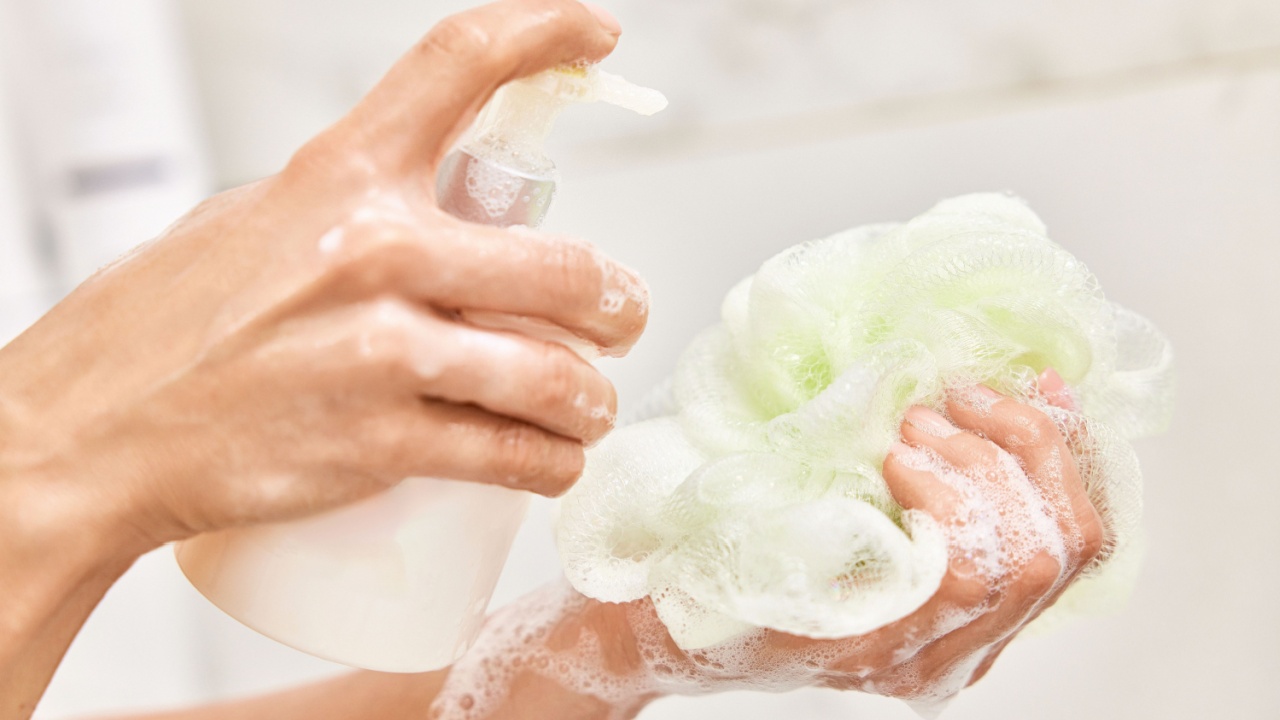
Synthetic mesh poufs are breeding grounds for bacteria and mold because they stay damp in the shower. They are made of plastic netting that eventually frays and sheds bits into the water system before being replaced every few weeks. A natural loofah, which is actually a dried gourd, provides better exfoliation and is completely compostable at the end of its life.
For those who prefer a softer texture, a cotton washcloth or a silicone body scrubber offers a much more hygienic experience. Silicone is non-porous and dries quickly, preventing the buildup of grime that plagues traditional sponges. These alternatives are easier to keep clean and do not require frequent trips to the store for replacements.
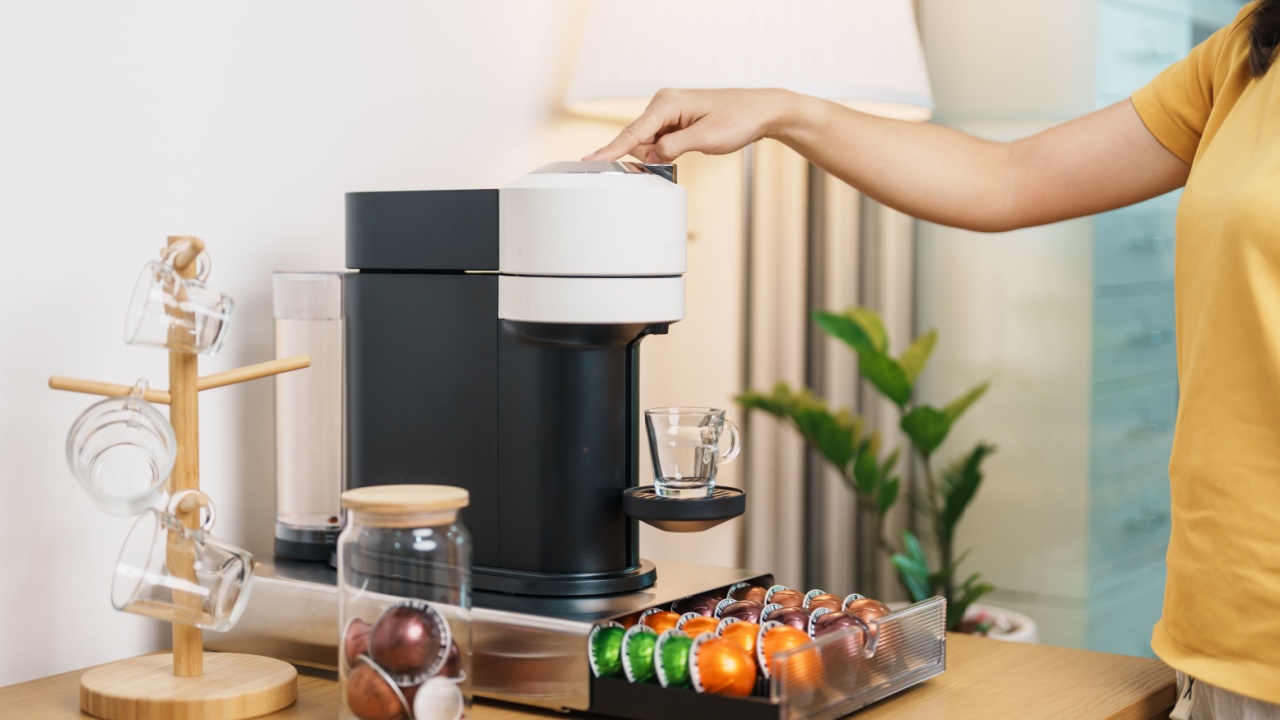
11. Coffee Pods

Coffee pods simplify brewing but create a large amount of waste that is difficult to manage. Even recyclable versions are not always processed properly, which limits their effectiveness. The cost per cup is also noticeably higher compared to other methods.
Reusable filters or refillable pods provide the same convenience without the waste. Brewing methods like a French press or pour-over setup also improve flavor while using simple, durable equipment. This makes the daily routine more efficient and less wasteful.
12. Air Freshener Sprays
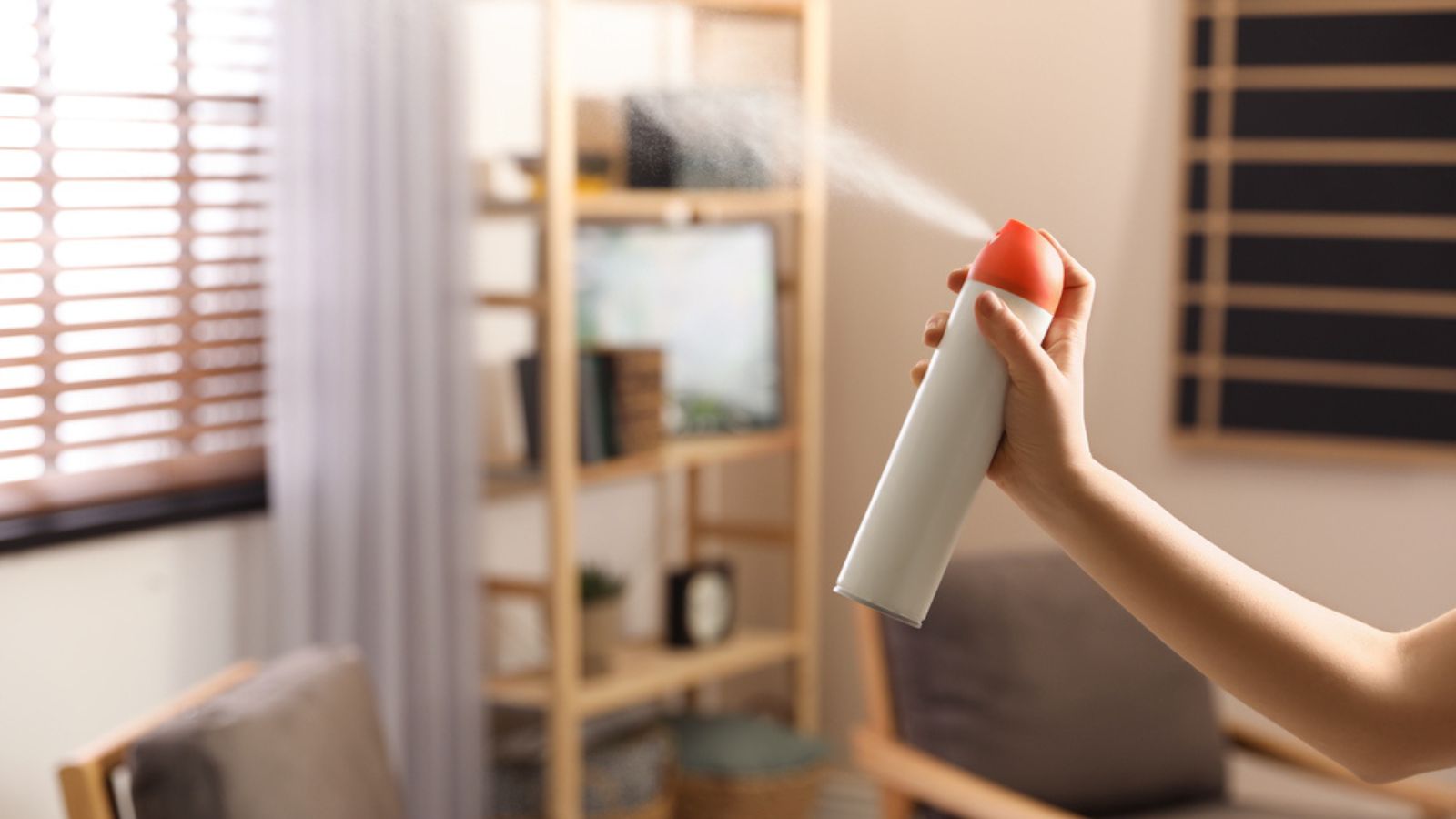
Plug-in air fresheners mask odors with synthetic chemicals rather than eliminating them. These products can trigger respiratory issues and contribute to poor indoor air quality. Opening a window for a few minutes or using a bowl of baking soda is a more effective way to neutralize smells at the source.
Stovetop potpourri made with citrus peels, cinnamon sticks, and herbs provides a natural scent without the pressurized cans. For a more permanent solution, charcoal bags can be tucked into closets or near trash cans to absorb moisture and odors silently. These methods are safer for pets and humans alike while removing a recurring chemical expense.
13. Tea Bags with Plastic
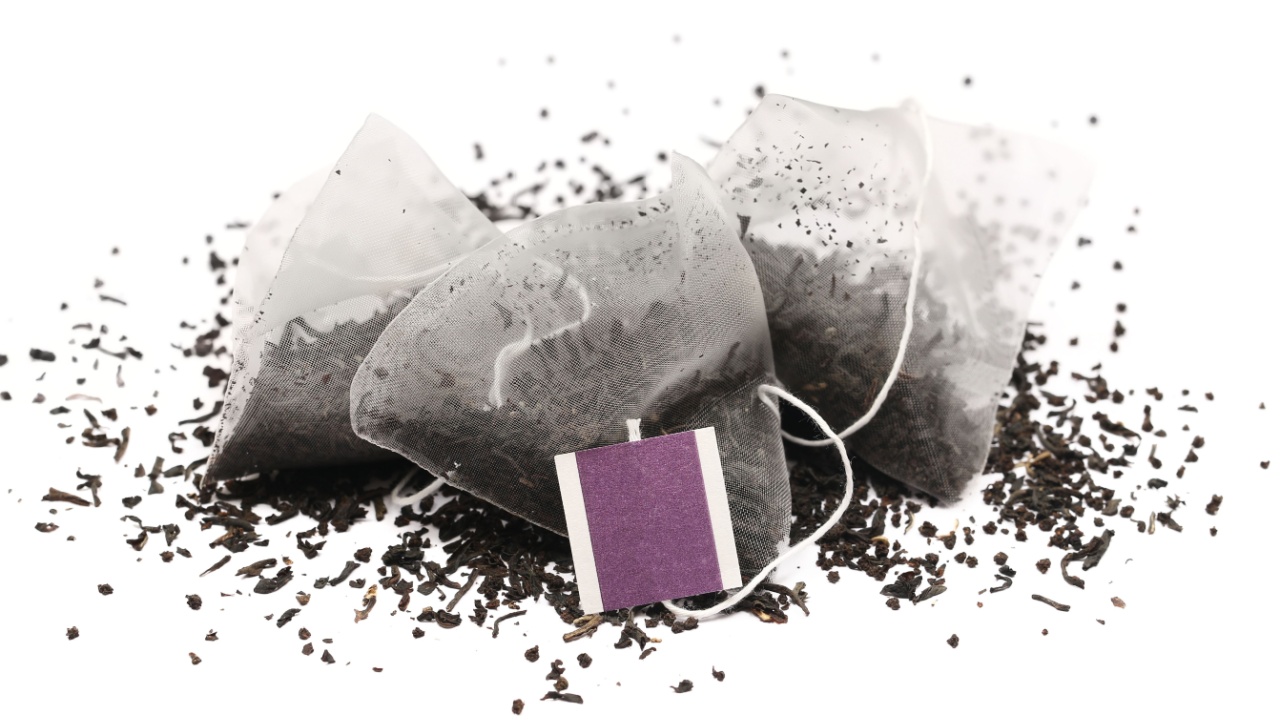
Many high-end and standard tea bags contain polypropylene to help the bags hold their shape in boiling water. This means every cup of tea could be releasing billions of microplastic particles into the drink. Loose-leaf tea is generally of higher quality and comes with far less packaging than individual boxes of bags.
Using a stainless steel tea infuser or a glass teapot with a built-in strainer makes brewing loose tea just as simple as using a bag. The spent tea leaves can go straight into a compost bin or garden bed, providing nutrients to the soil. Buying tea in bulk tins or paper bags is also more cost-effective for those who enjoy multiple cups a day.
14. Disposable Dusting Cloths

Single-use dusting pads rely on a static charge to grab hair and dust, but they are expensive and contribute to the landfill with every cleaning session. They are thin and often require multiple sheets to finish a single room. A damp microfiber cloth or a high-quality ostrich feather duster can be used indefinitely to achieve a better result.
Microfiber traps dust within its fibers rather than pushing it around, and it can be shaken out or washed when dirty. For hard-to-reach places, a reusable duster with a washable head provides the same reach as disposable versions without the waste.
Small Swaps, Lasting Change
Transitioning to a more sustainable home is really just a process of replacing mindless habits with durable solutions. Every item you remove from your shopping list is one less piece of trash entering your home and more money staying in your pocket.
You don’t have to change everything at once, just pick two or three swaps this month and see how much lighter your “trash day” feels.
Read More: