4 Cookware Brands Always Worth Snagging at the Thrift Store
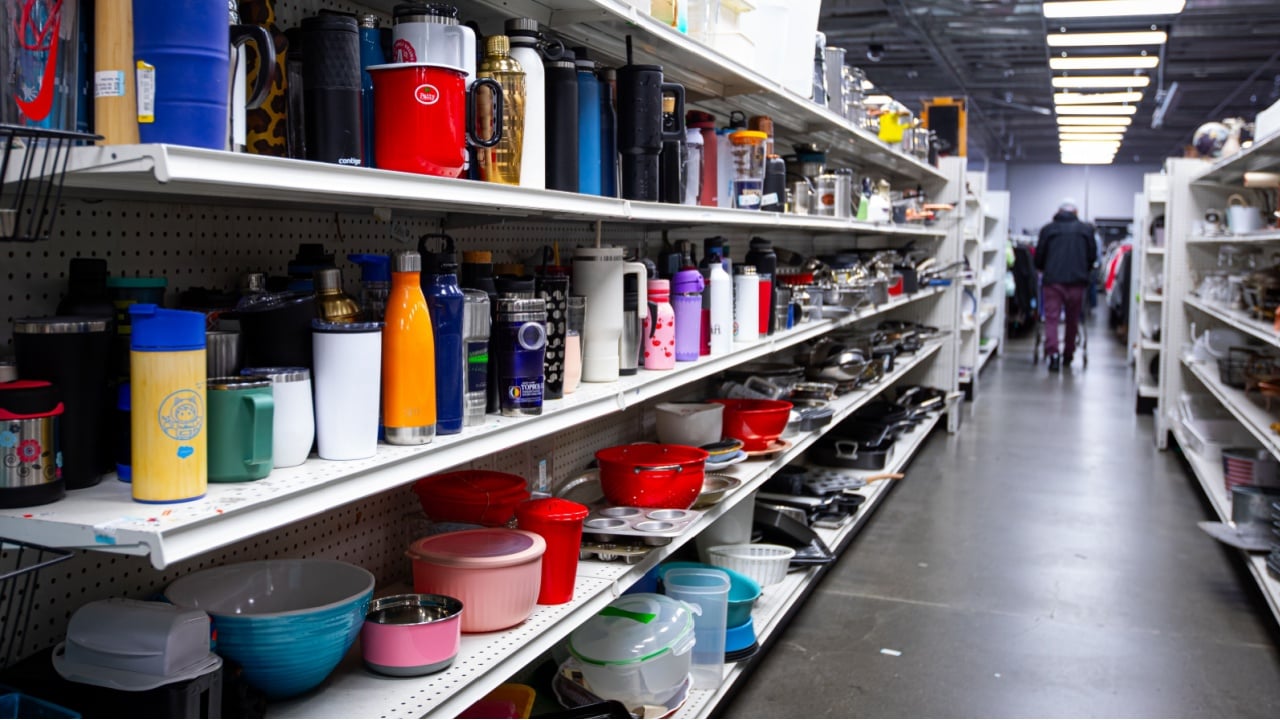
Browsing the kitchenware aisle at a secondhand shop can feel like digging through a pile of scratched pans and warped baking sheets. But hidden among the plastic containers and quirky mugs, you can often find high-quality cookware waiting for a second chance. Upgrading your kitchen doesn’t have to mean spending a fortune at a fancy store. In fact, some of the best tools come from decades ago, donated by people who didn’t realize their value.
The key is knowing what to look for. While modern cookware focuses on convenience and low cost, older brands built their reputation on lasting quality and performance. Spotting the right logo or material could mean finding a pan that lasts not just months, but decades. Here are four cookware brands to keep an eye out for on your next thrift store visit.
1. All-Clad

All-Clad is a big name in professional kitchens. The brand was founded in 1971 by metallurgist John Ulam, who changed the game by bonding different metals together. While most pans are made of a single metal, All-Clad uses a layer of aluminum between layers of stainless steel. This design evenly distributes heat, preventing hot spots that can burn your food.
A new All-Clad pan can cost over $140, so finding one for a few dollars is a huge win. Look for the logo on the handle and the bottom to make sure it’s authentic. You might also see “D3” (3 ply) or “D5” (5 ply), which tells you how many layers of metal it has. These pans are made in the US with high-quality steel, so even if one looks a bit dull, you can polish it back to a shine.
2. Le Creuset
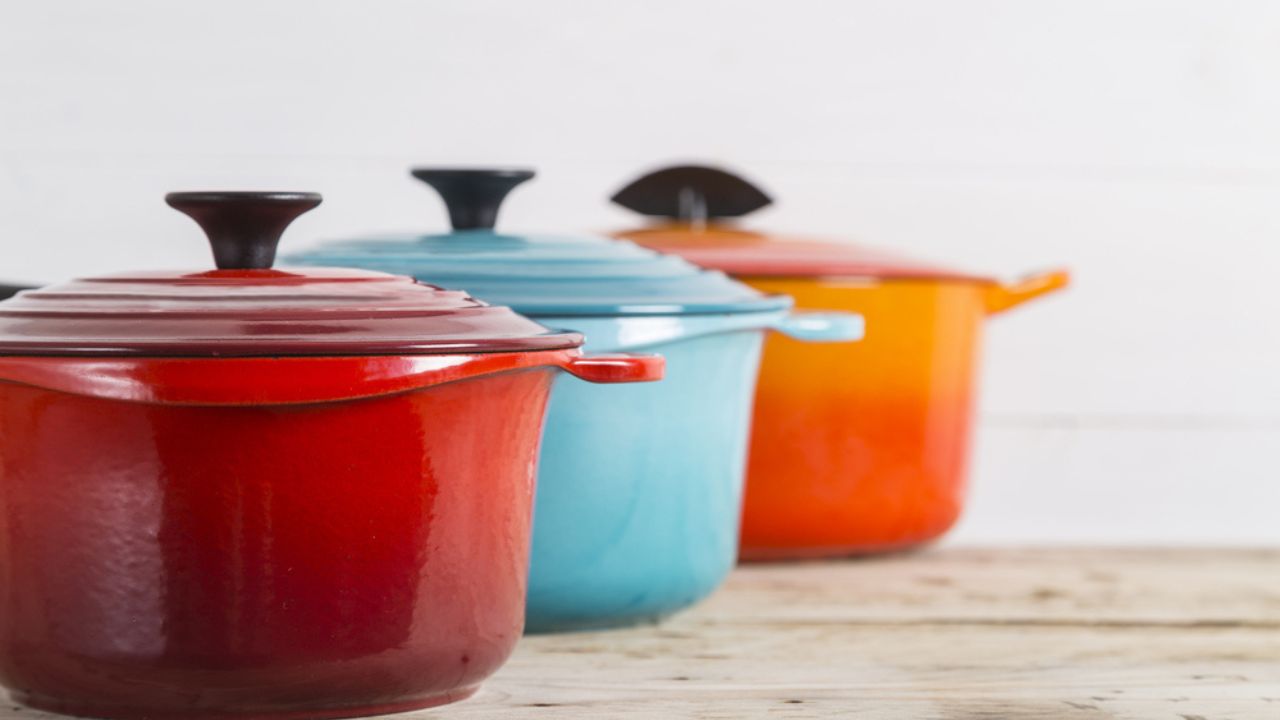
The vibrant orange, blue, and red enamel of Le Creuset is iconic for a reason. Since 1925, this French brand has made enameled cast iron that holds heat perfectly and looks great in any kitchen. A new Dutch oven can cost over $300, but you can often find them at thrift stores because they are quite heavy to carry.
When you’re shopping, look for the heavy lids and bright, fading colors. The most important thing is the inside: if the cream-colored interior is smooth and not chipped, grab it! Even if the outside has some stains, it will still work perfectly for baking bread or cooking stews. These pots are so tough that they can last for decades.
3. Vintage Revere Ware
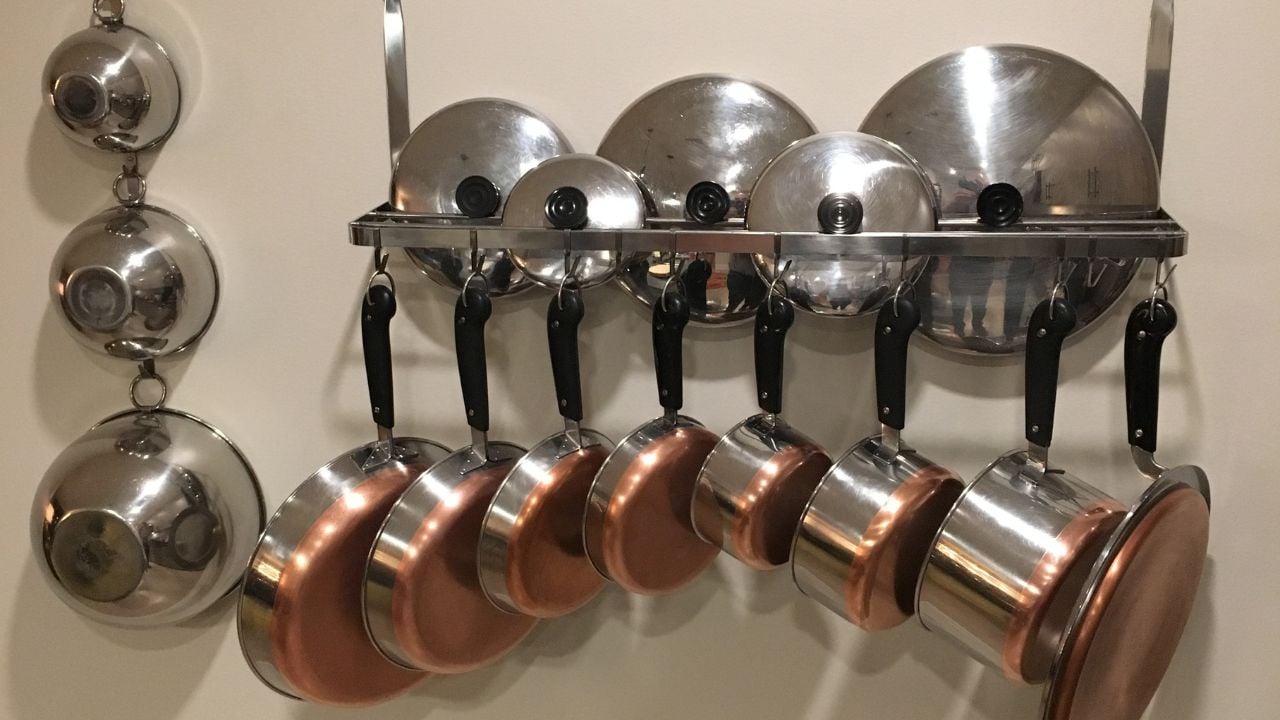
Before modern professional cookware, Revere Ware was a staple in American kitchens. Made from the 1940s to the 1990s, these stainless steel pots and pans are known for their shiny copper bottoms and black Bakelite handles. The copper isn’t just for looks; it conducts heat efficiently, helping boil water faster and preventing sauces from burning.
The most valuable pieces were made before 1968 in places like Clinton, Illinois, or Riverside, California. Look for the logo on the bottom; if it includes a “Process Patent” number, it’s likely an older, higher-quality piece with thicker copper. Lightweight but sturdy, these pots are perfect for everyday cooking, like boiling pasta or warming soup.
4. Pyrex (Vintage Borosilicate)
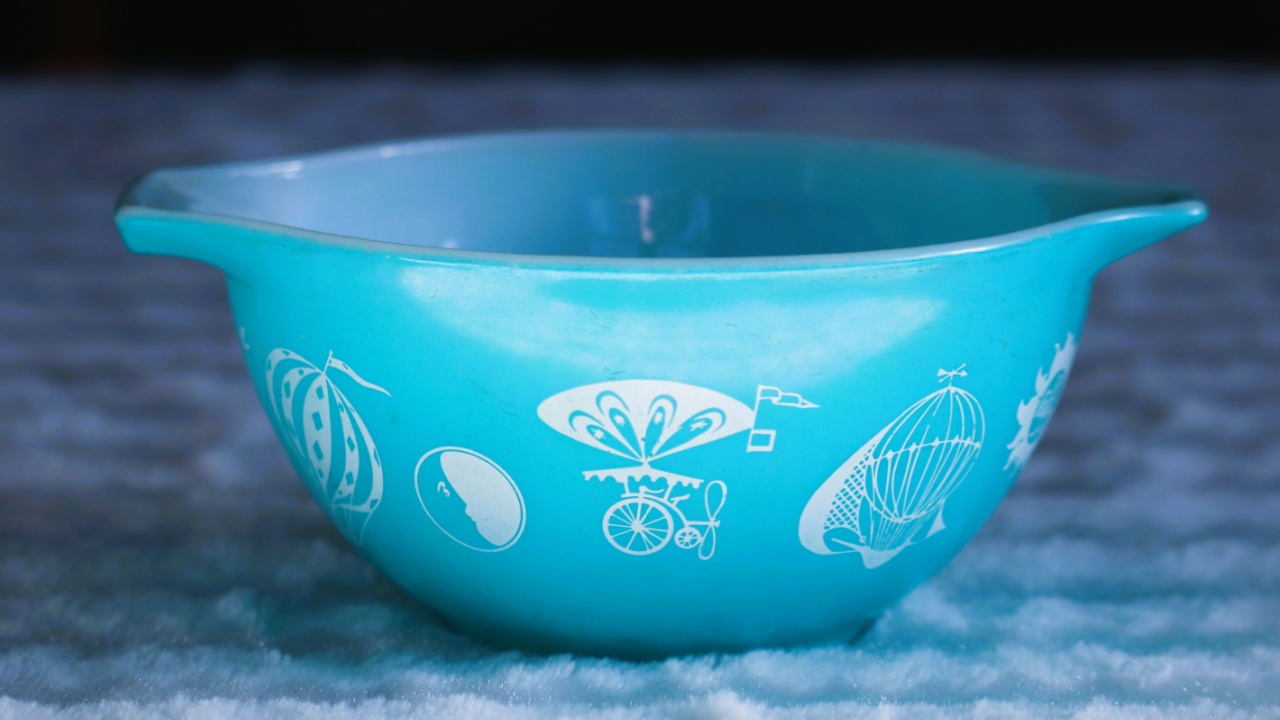
Glassware fans know that not all Pyrex is the same. The older pieces, made before 1998, were made from borosilicate glass. This type of glass is strong and won’t shatter if it moves from a hot oven to a cool counter. Newer Pyrex is usually made of soda-lime glass, which is less resistant to quick temperature changes.
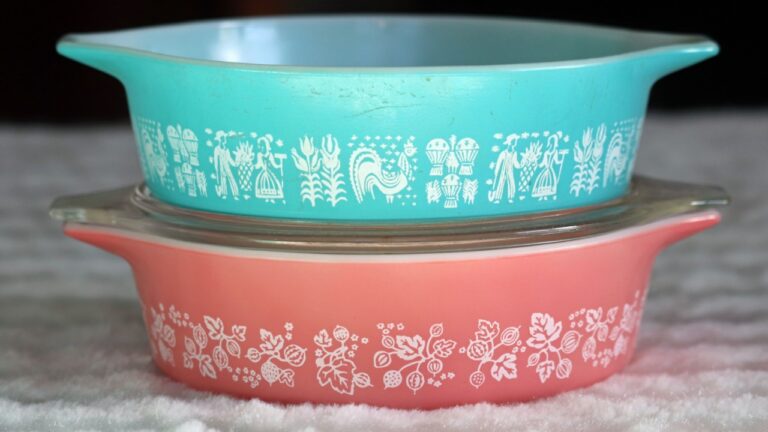
When you’re thrift shopping, look for PYREX in all capital letters. This usually means it’s the older, better borosilicate glass. The colorful vintage patterns, like the pink “Gooseberry” or turquoise “Butterprint,” are also very popular and can be worth a lot. Finding one of these old pieces for a few dollars is a great deal, giving you a high-quality dish and a cool retro look for your kitchen.
Start Your Hunt
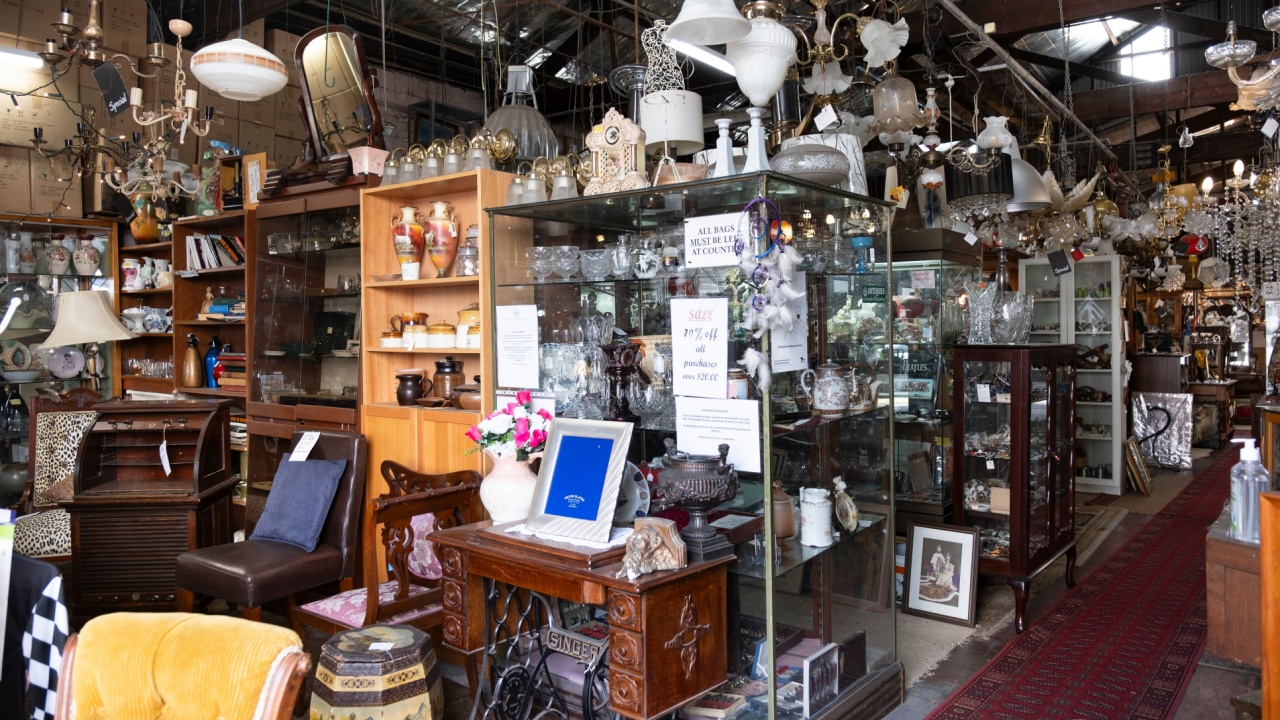
The next time you pass a thrift shop, take ten minutes to scan the kitchen section. You might just spot the copper glint of Revere Ware or the heavy handle of an All-Clad skillet hiding behind a stack of disposable pie tins. With a keen eye and a little knowledge, you can build a professional-grade kitchen for a fraction of the retail cost. Happy hunting!