6 Pantry Staples That’ll Boost Your Heart Health
What if your pantry could protect your heart while you cook? Stocking a kitchen for cardiovascular wellness avoids the need for radical lifestyle shifts. By focusing on shelf-stable items that actively manage cholesterol and blood pressure, you can transform your kitchen into a functional tool for longevity.
The following items represent the most effective foundations for a heart-protective diet.
1. Canned or Dried Beans and Lentils
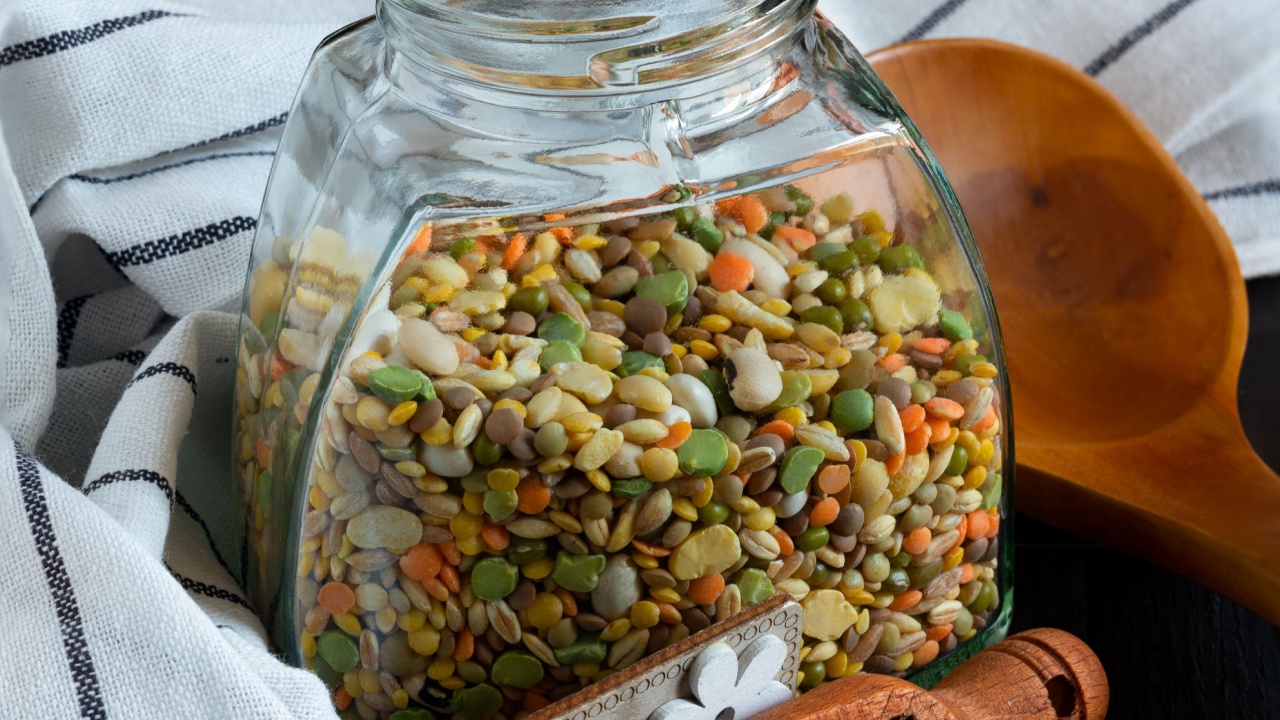
Legumes serve as a primary source of soluble fiber, which binds to cholesterol in the digestive tract and removes it from the body. These staples provide a plant-based protein source that contains zero saturated fat, unlike animal proteins.
Regular consumption helps stabilize blood sugar levels and reduces systemic inflammation. Rinse canned varieties to remove excess sodium or opt for “no salt added” versions. Use lentils as a base for hearty soups or toss chickpeas into salads for added texture and fiber.
2. Extra Virgin Olive Oil
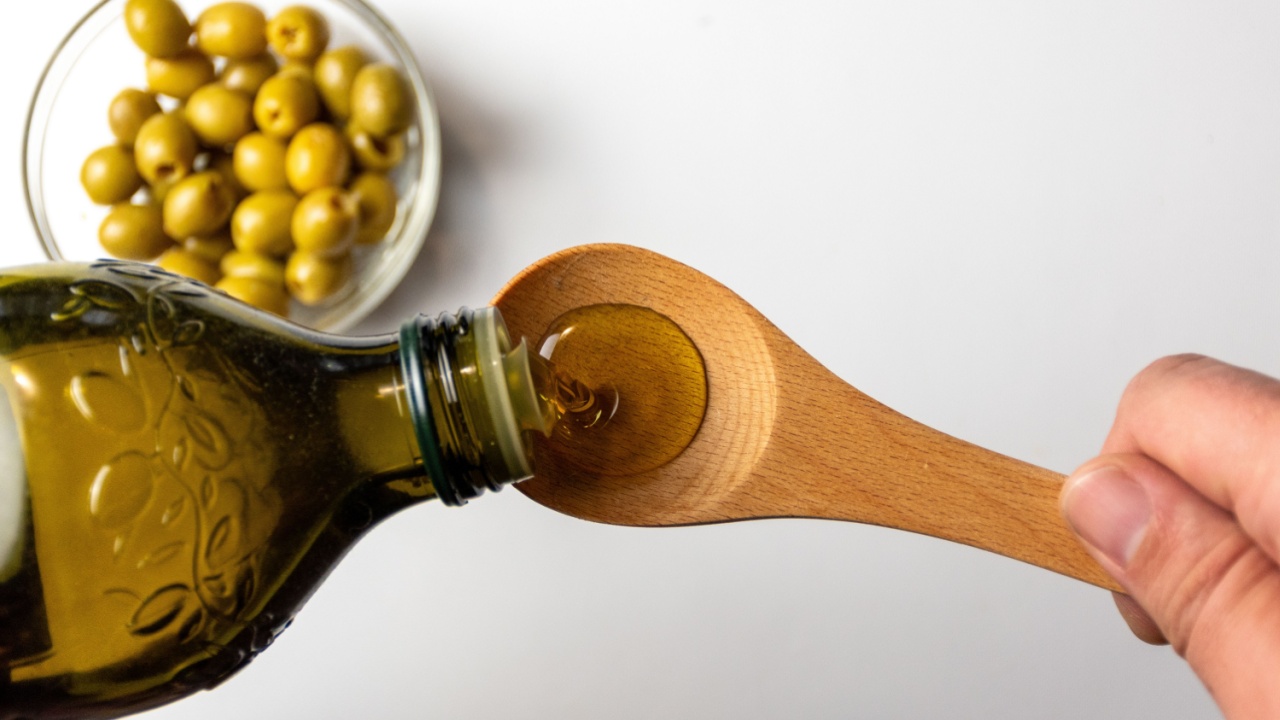
This fat is rich in monounsaturated fatty acids and polyphenols, which are antioxidants that protect blood vessels from oxidative stress. It helps maintain healthy HDL cholesterol levels while keeping LDL cholesterol in check.
Unlike refined oils, extra virgin olive oil undergoes minimal processing, preserving its cardioprotective compounds. Store this oil in a cool, dark cupboard rather than on the counter near the stove, as heat and light degrade its beneficial properties. Use it for low-heat sautéing or as a base for salad dressings.
3. Canned Sardines or Salmon
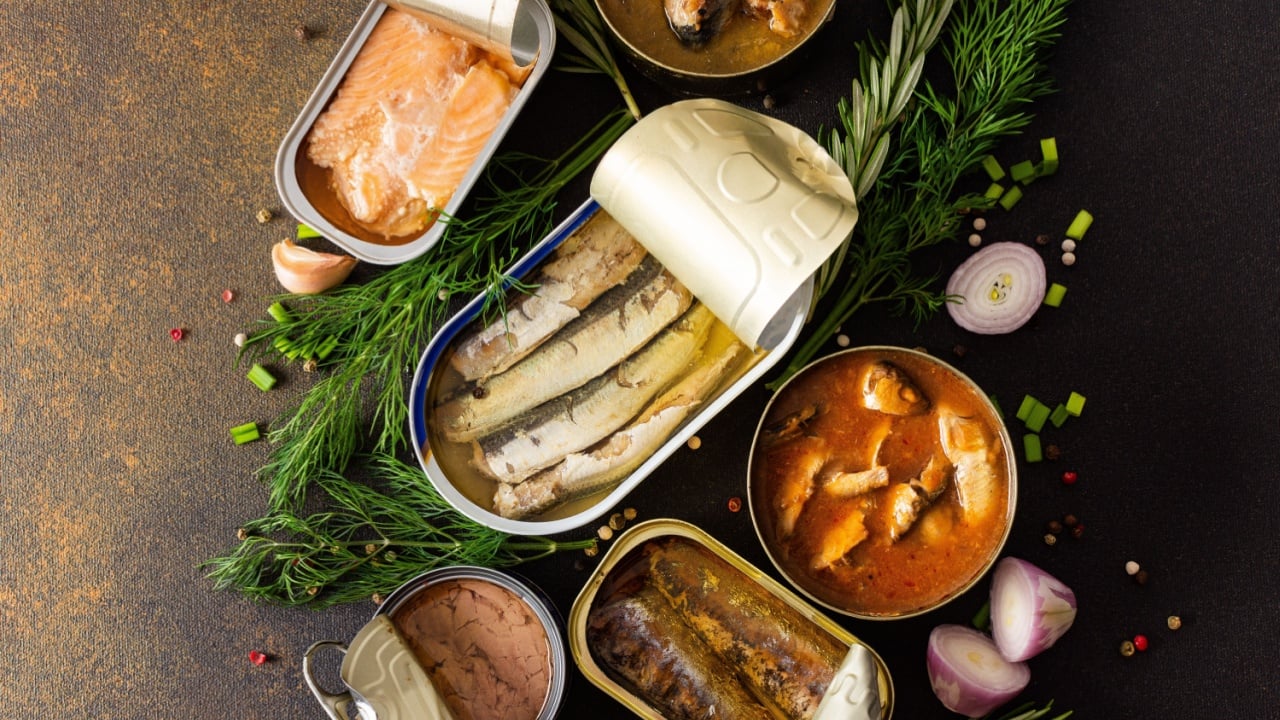
Fatty fish provide omega-3 fatty acids, specifically EPA and DHA, which are essential for reducing triglycerides and preventing arterial plaque buildup. Canned options are often more affordable than fresh fillets and remain shelf-stable for years.
Sardines are particularly beneficial because they are low on the food chain, meaning they contain fewer heavy metals like mercury. Look for fish packed in water or olive oil. These can be mashed onto whole-grain toast or added to pasta dishes for a quick, heart-healthy meal.
4. Rolled or Steel-Cut Oats

Oats contain a specific type of fiber called beta-glucan. This substance forms a gel-like consistency in the gut, which interferes with the absorption of dietary cholesterol.
While instant oats are convenient, rolled or steel-cut varieties are less processed and have a lower glycemic index, preventing the insulin spikes that can damage arteries. Beyond breakfast, oats can be ground into flour for baking or used as a binder in turkey meatballs.
5. Walnuts and Almonds
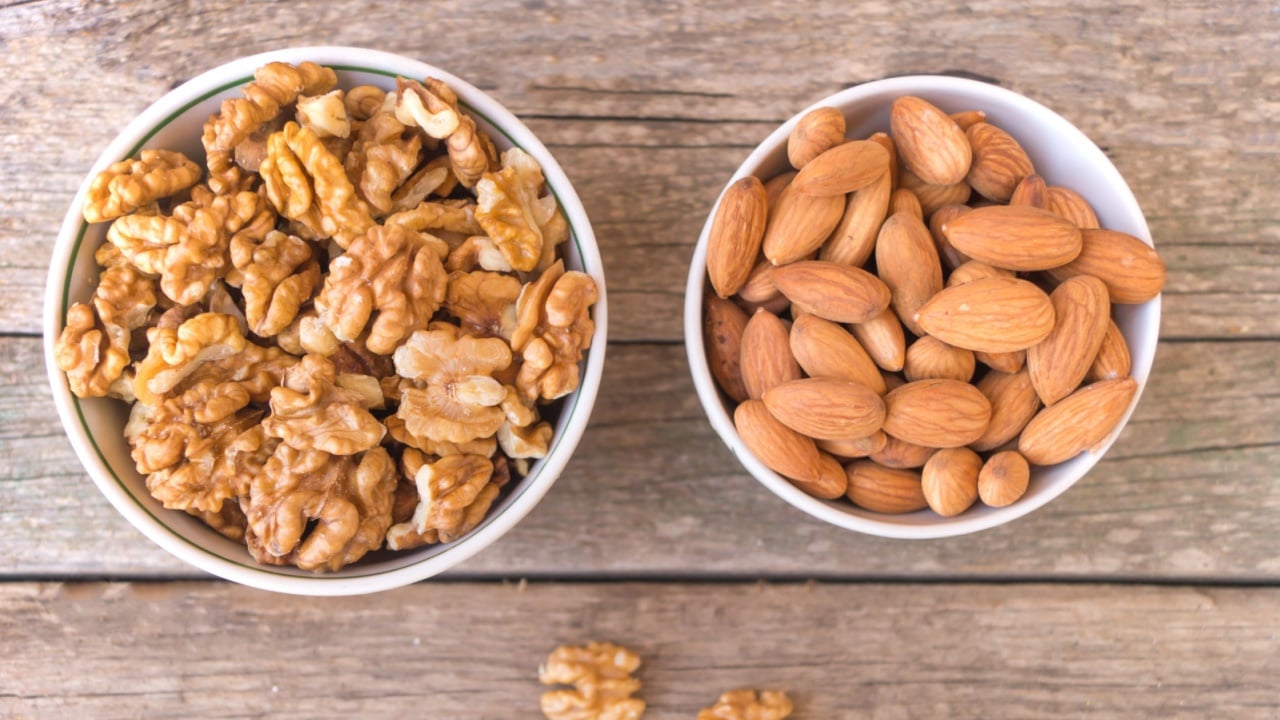
Nuts are concentrated sources of unsaturated fats, fiber, and plant sterols. Walnuts are unique because they provide high amounts of alpha-linolenic acid, a plant-based omega-3. Almonds are rich in Vitamin E, an antioxidant that prevents the oxidation of cholesterol, a process that leads to clogged arteries.
A small daily serving replaces the need for processed snacks. To keep them fresh, store nuts in the refrigerator or freezer if they will not be consumed within a month, as their healthy fats can go rancid.
6. Ground Flaxseeds or Chia Seeds
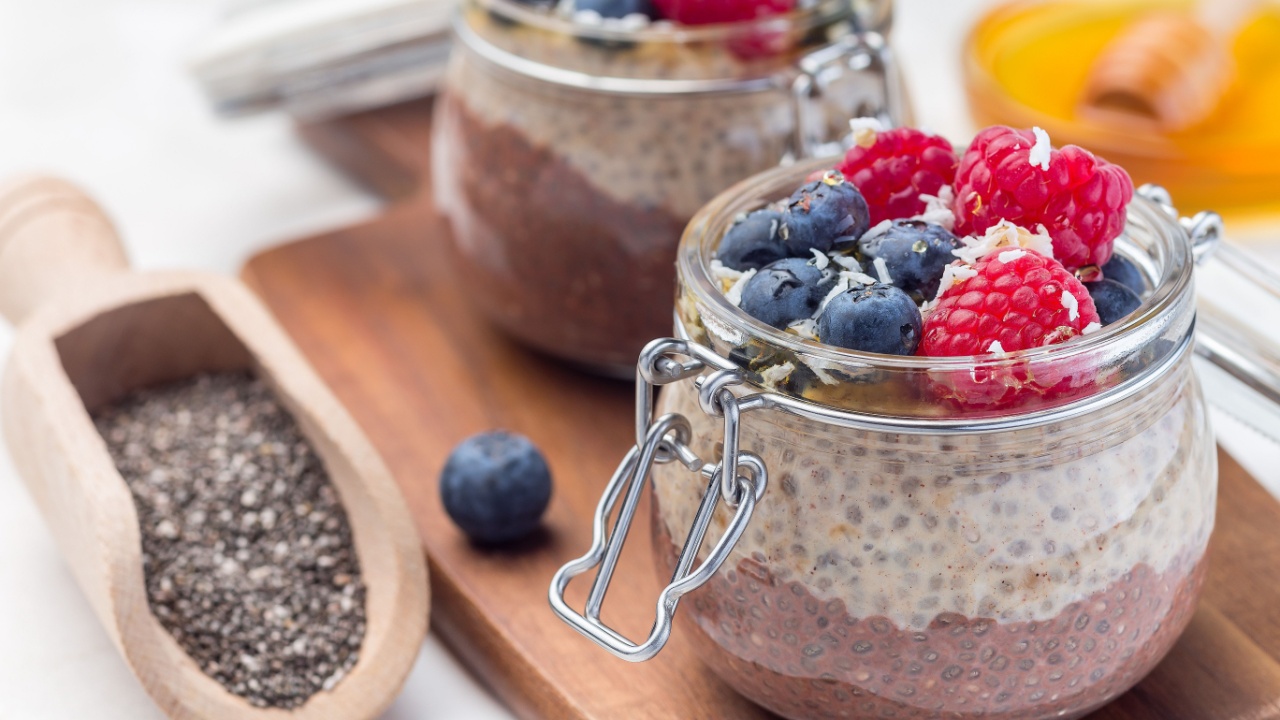
These small seeds are powerhouses of fiber and omega-3s. Flaxseeds contain lignans, which have antioxidant properties that may reduce the risk of cardiovascular disease. It is necessary to use ground flaxseeds because the whole seeds often pass through the body undigested, preventing the absorption of nutrients.
Chia seeds can absorb many times their weight in water, helping with hydration and satiety. Stir these into yogurt or blend them into morning smoothies to increase the nutrient density of a meal.
Kitchen-Side Cardio: The Shelf-Stable Solution

Building a heart-healthy pantry provides a reliable defense against cardiovascular issues. Audit the current pantry and replace refined grains or high-sodium snacks with these six options.
Consistency in using these ingredients leads to measurable improvements in lipid panels and blood pressure readings. Schedule a blood work appointment to establish a baseline and track how these dietary adjustments influence health markers over the coming months.