
14 HOA Rules That Can Trigger Fines Without Warning
A homeowners’ association acts as a quiet guardian of your home’s value. By enforcing a shared set of rules called Covenants, Conditions, and Restrictions (CC&Rs), they ensure the community remains attractive and organized. Most people assume they’ll get a friendly heads-up before being penalized, but many associations are legally allowed to issue fines the moment a violation is spotted.
Boards often skip the “grace period” for issues they consider urgent or repetitive. They view immediate fines as a necessary tool to stop small problems from becoming permanent eyesores or safety risks. For the homeowner, this means a simple mistake, like leaving a trash bin out too long or forgetting a lawn treatment, could turn into an unexpected bill overnight.
Understanding which rules trigger these instant penalties is the best way to protect your wallet. Whether it’s a safety hazard or a repeat offense, knowing the “fine print” of your bylaws helps you stay in the board’s good graces. The following breakdown explores common violations that often bypass the warning stage and how you can stay compliant
Note: Obviously, what will ultimately result in a fine depends on the region, neighborhood, and individual HOA. If you don’t like having to follow pre-approved rules, it might be worth finding a neighborhood or land that doesn’t have one; they do exist!
1. Unapproved Exterior Paint Colors
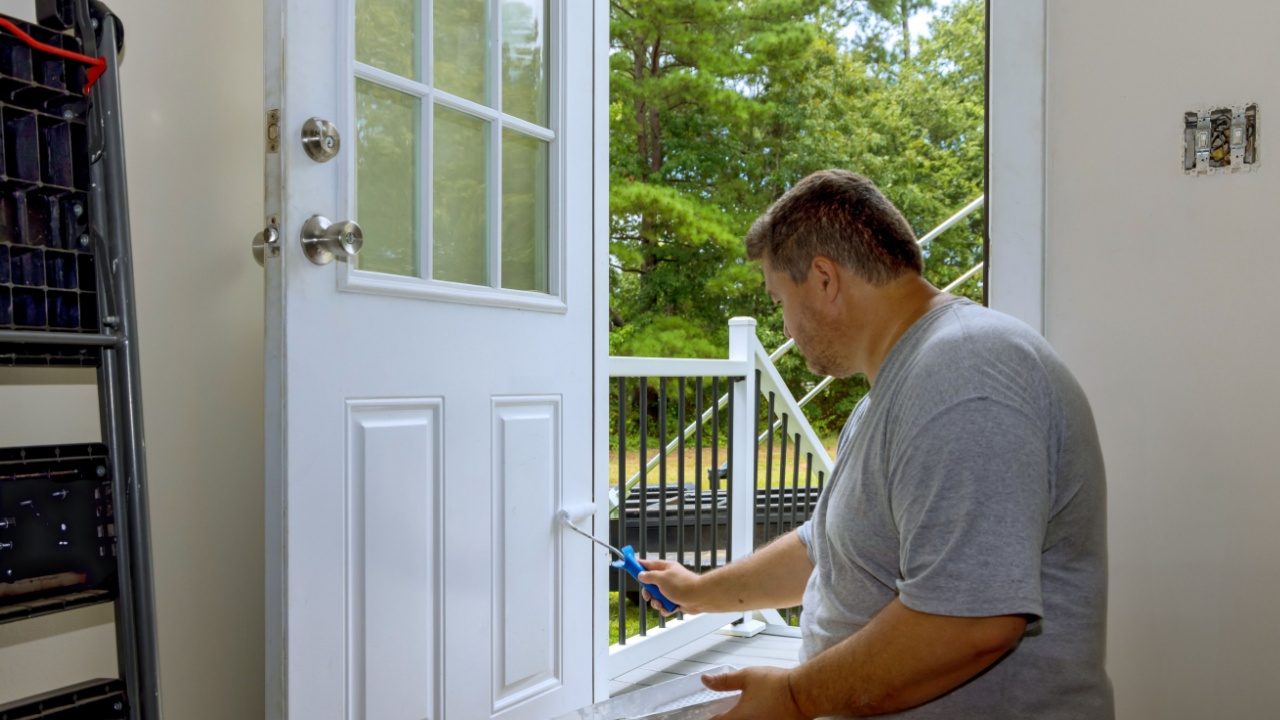
Many boards view the community as a curated gallery, and an unapproved paint color is seen as a costly mistake. Changing the siding, trim, or front door color without a green light from the Architectural Review Committee is a major red flag. Because a “loud” or mismatched color can instantly change the character of a street, many associations will skip the pleasantries and move straight to a fine and a demand to repaint.
Check the master palette kept by your management office before heading to the hardware store. Even if a color looks identical on a small swatch, the way it reflects light on a large surface can trigger a violation. Getting written approval before the first brushstroke is the only way to shield against a mandate to strip the new color and start over on your own dime.
2. Neglected Lawn Maintenance

Overgrown turf and a forest of weeds are more than just a personal choice; a board sees them as a contagion that can spread to the rest of the neighborhood. Most HOAs have a specific height limit for grass, often around 2-4 inches. If the yard crosses that line, the association may use its right to hire a 3rd-party crew to mow the property, billing the homeowner for the service plus a potential fine.
Setting a consistent schedule with a local landscaping service is the easiest way to stay compliant. If doing the work personally, keep a close eye on the rain cycles that cause rapid growth spurts in the spring. Keeping the edges sharp and the flower beds clear of invasive plants shows the board that the property is being cared for, which usually keeps the inspectors moving past your house.
3. Improper Trash Can Storage

Leaving heavy plastic bins on the curb long after the truck has left is a common trigger for an automated fine. Bylaws usually require that trash and recycling containers be moved out of sight by a specific time, often sunset on collection day. This rule keeps the streets looking tidy and prevents the bins from becoming a dinner bell for local wildlife or an obstacle for drivers.
Designate a hidden spot in the garage or build a small, board-approved screen on the side of the house for storage. Setting a recurring alarm on your phone for the evening of trash day ensures the bins are tucked away before the morning patrol rolls through. This tiny habit is one of the simplest ways to avoid throwing money away on avoidable penalties.
4. Unauthorized Signage
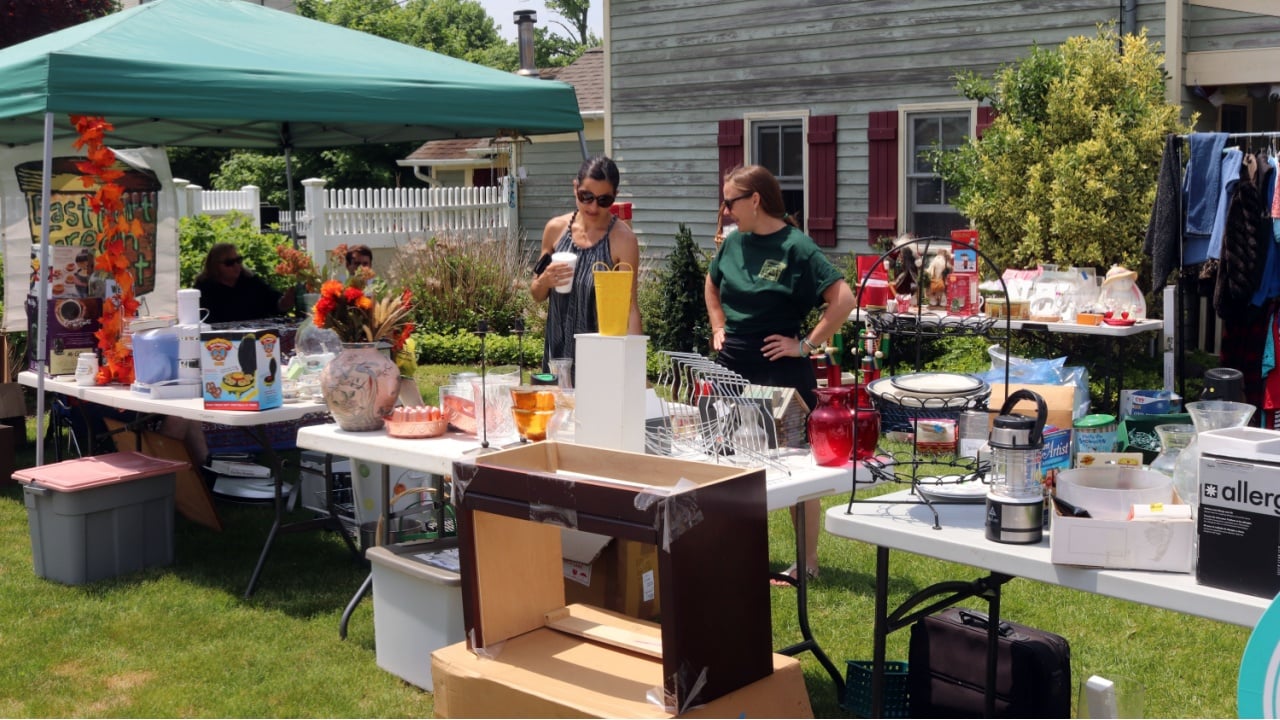
While showing support for a cause or advertising a garage sale seems harmless, an HOA board often has strict rules about the size and placement of signs. Even if state law protects certain types of displays, the association can still limit how many signs are present or where they sit on the lawn. Popping up an unapproved banner often leads to an immediate removal order and a fine for cluttering the community’s visual landscape.
Read the specific signage section of the bylaws before sticking anything in the dirt. If a contractor wants to leave a “work by” sign after a roof repair, make sure they know it has to come down within the HOA’s allowed timeframe. Keeping the lawn clear of extra visual noise keeps the neighbors happy and the fine collectors at a distance.
5. Persistent Barking and Pet Waste

Animal issues move to the front of the line for fines because they involve both noise and hygiene. A dog that barks incessantly disrupts the peaceful environment that owners paid for, while pet waste left in common areas is a legitimate health hazard. Boards rarely offer warnings for waste violations because the expectation of “scooping” is considered a universal rule of community living.
Keep a supply of waste bags attached to every leash and dispose of them in the proper receptacles immediately. If a pet struggles with outdoor anxiety or barking, look into training options or supervised yard time to keep the volume down. Being a responsible pet owner is the best defense against a neighborhood dispute that ends in a financial penalty.
6. Prohibited Vehicle Parking

Parking a commercial van with logos, a large boat, or a camper in the driveway is a fast way to get a notice in many neighborhoods. Most associations want the driveways to look uniform and residential, so they ban any vehicle that looks like it belongs on a construction site or a campsite. Parking on the street during overnight hours also tends to be a “fine-on-sight” offense to ensure emergency vehicles have a clear path.
Secure a spot at a local storage facility for any recreational gear or oversized work vehicles. If a guest is visiting with a large trailer, call the management office ahead of time to ask for a temporary parking permit. Taking that one extra step can save hundreds of dollars in towing fees and fines.
7. Holiday Decoration Duration

Festive displays are great for spirit, but they have an expiration date in the eyes of the board. Most rules give homeowners a thirty-day window after a holiday to take everything down. Leaving a string of lights up until Valentine’s Day or a graveyard scene on the lawn in mid-December suggests a lack of property oversight and usually results in an instant fine.
Mark the “take-down” date on the calendar at the same time the decorations go up. Using automated timers for lights helps the home blend in with the neighborhood during the transition period while waiting for a dry weekend to pack everything away. Staying on top of the seasons shows that you are an active and attentive neighbor.
8. Unscreened Mechanical Equipment
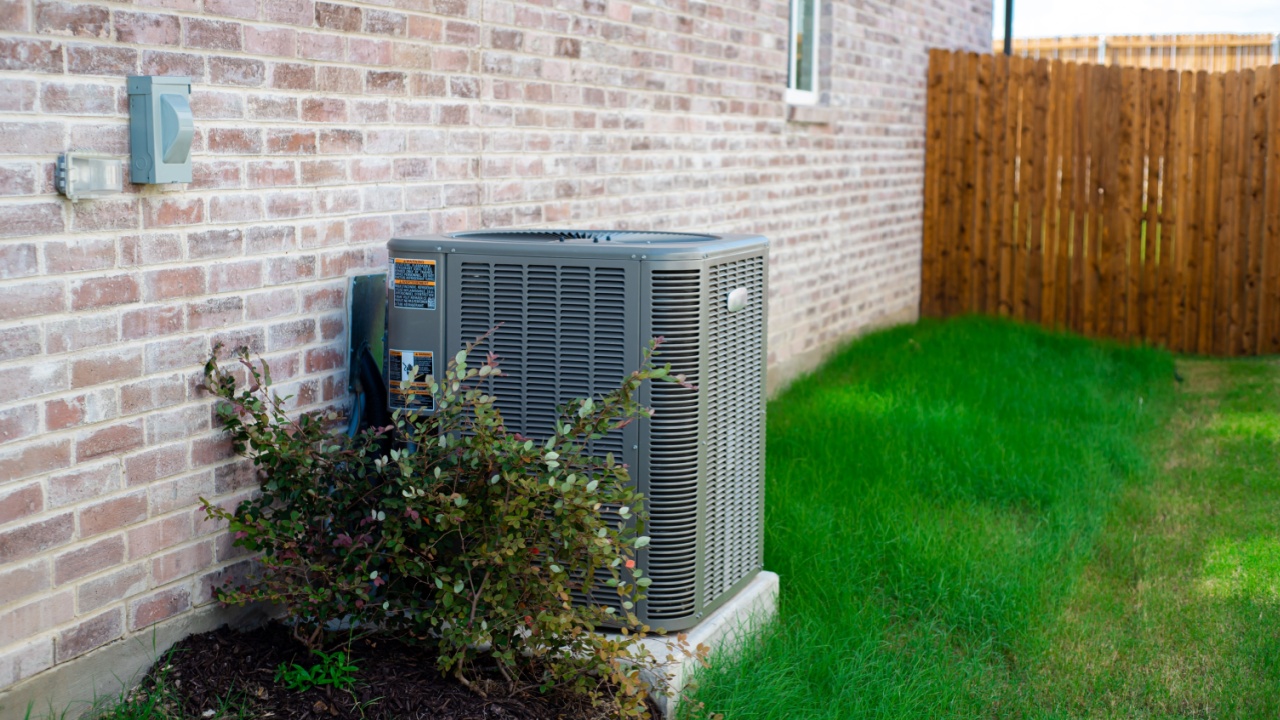
Visible air conditioning units, pool heaters, and generators are considered industrial eyesores by many boards. These items must usually be hidden behind a fence or specific landscaping that matches the rest of the community. If a homeowner installs a new unit and fails to hide it, the board can issue a fine for the architectural violation without waiting for a request to fix it.
Plan for screening at the same time you schedule an equipment installation. Using evergreen shrubs or lattice panels provides a year-round shield that keeps the mechanical bits out of view. Checking the approved materials list first ensures that the screen itself doesn’t become a second violation.
9. Visible Laundry Drying

The sight of laundry hanging on a balcony or a clothesline in the front yard is a strictly forbidden aesthetic in most HOAs. Boards argue that visible laundry gives the neighborhood a cluttered, unrefined look. Even if you live in a state with “Right to Dry” laws (in 19 states meant to support “green” drying), the association can still dictate where those lines are placed to keep them out of public view.
Invest in an indoor drying rack or use a traditional dryer to keep the domestic work behind closed doors. If air-drying is a priority, find a spot in the backyard that is completely shielded by a privacy fence. Keeping the laundry hidden helps maintain the polished image that the association is tasked with protecting.
10. Improper Window Coverings
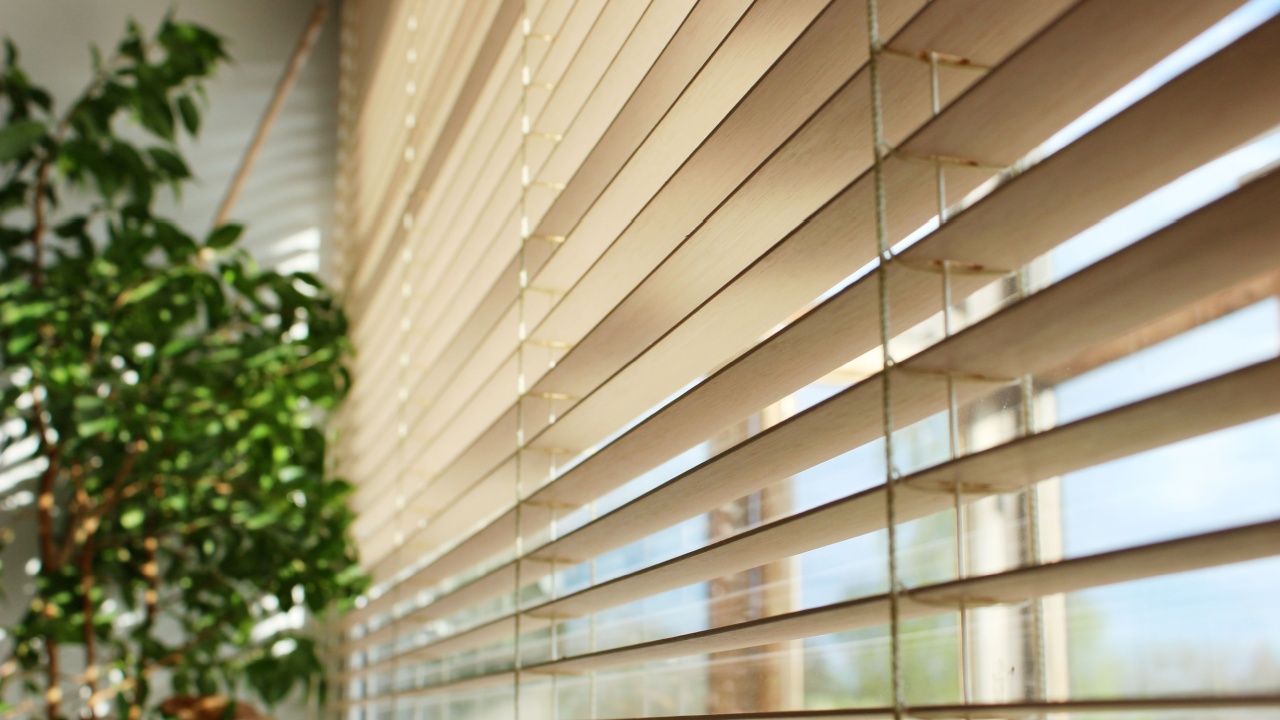
The board monitors the “outward-facing” appearance of your windows to ensure a uniform look from the street. Using temporary solutions like bedsheets, cardboard, or foil as curtains is a classic violation that often bypasses the warning stage. These makeshift treatments are seen as a sign of a neglected or unfinished property.
Stick to blinds or drapes that have a white or neutral backing facing the street. This setup allows for any style or color on the inside of the room while keeping the exterior consistent with the neighbors. Replacing old or broken blinds before moving in prevents the board from flagging the house as a maintenance concern.
11. Storing Junk and Debris
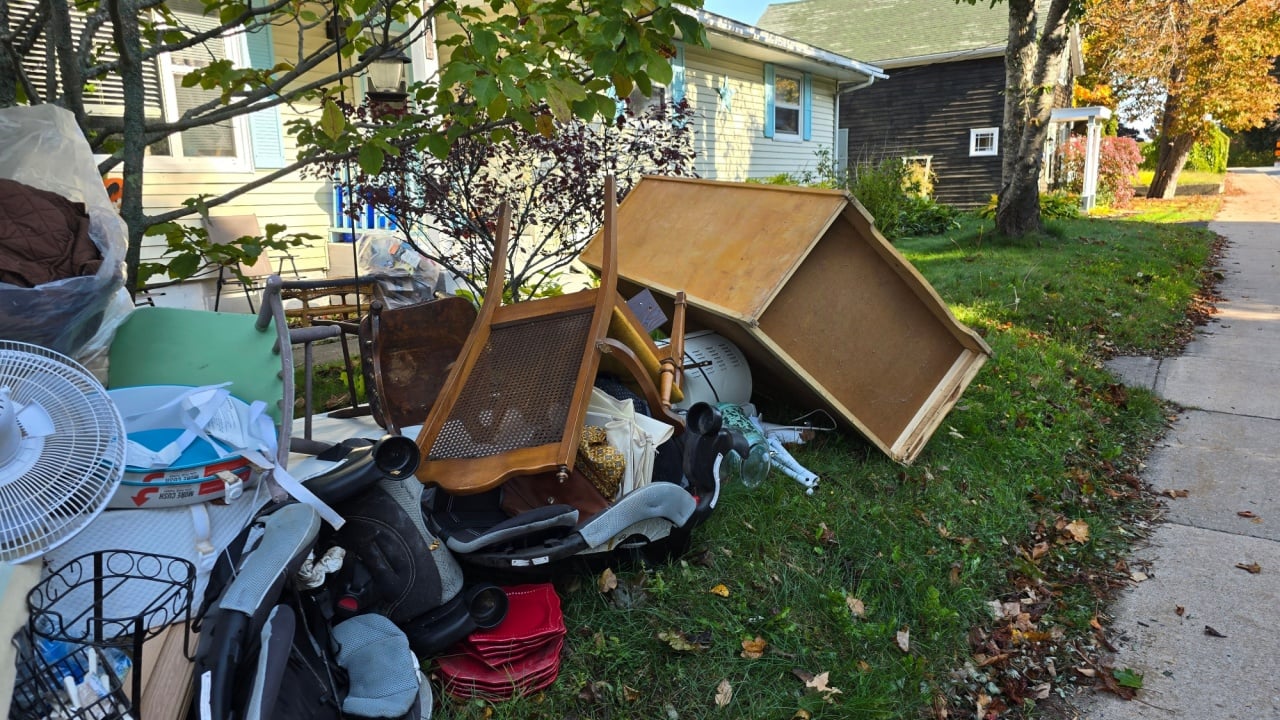
Piles of old lumber, broken furniture, or discarded car parts in a driveway or side yard are magnets for fines. This type of clutter is viewed as a safety hazard and a breeding ground for pests. Because junk accumulation can quickly get out of hand, boards often move immediately to fine the owner and demand a cleanup to protect the street’s appeal.
Rent a small dumpster or hire a junk removal service as soon as a project is finished. If you are waiting for a specific bulk trash pickup day, keep the items inside the garage or out of view until the night before. A clear driveway and a tidy yard send a message that the property is being managed with care.
12. Short-Term Rental Violations

With the rise of vacation rental apps, many HOAs have hard bans on short-term stays. If the board finds a listing for your home on a rental site, they may issue a daily fine for every day the ad is live. This is often handled strictly because transient guests can cause security concerns and noise issues for the permanent residents.
Read the fine print on leasing and rentals in the bylaws before considering a side hustle as a host. If the association does allow rentals, they usually require a formal registration process and a minimum stay of thirty days. Following the proper channels prevents a potential legal battle with the association.
13. Dead or Dying Landscaping
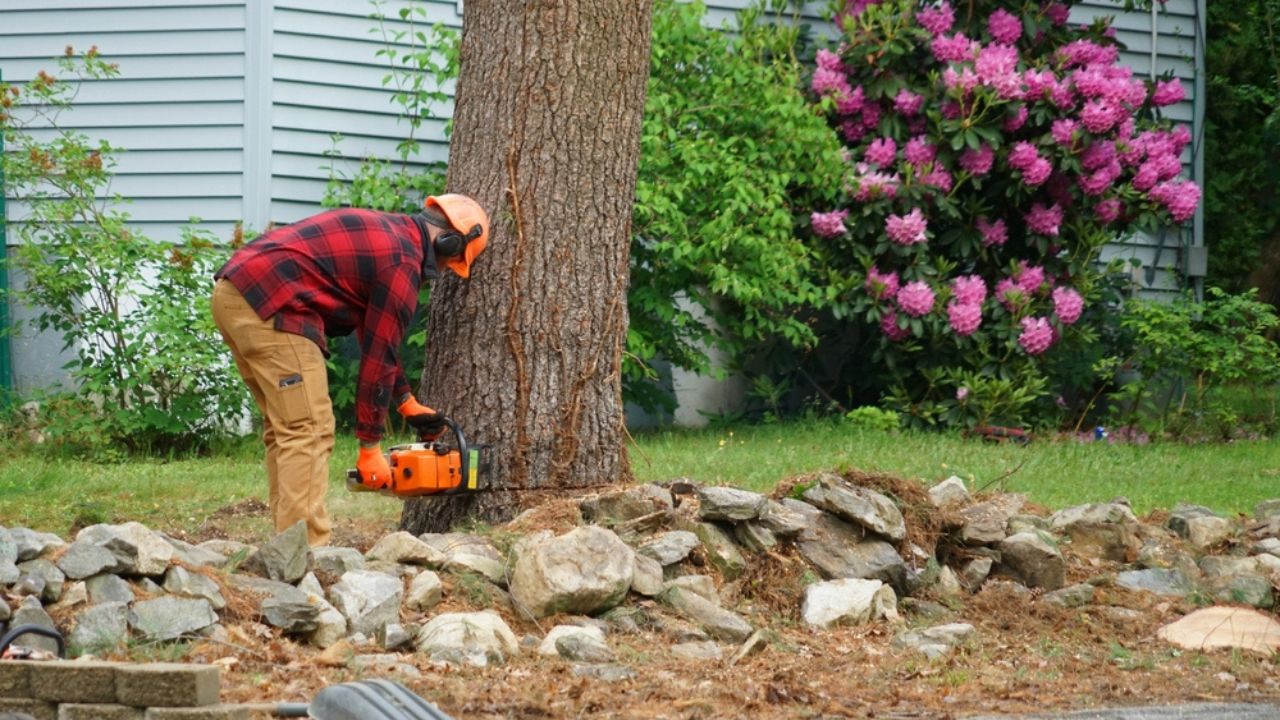
While a brown lawn might just need a little water, a completely dead tree or a row of withered hedges is a violation of the community’s landscape standard. Dead plants are viewed as a fire risk and a major blow to property values. Boards expect these to be removed and replaced with healthy, similar species as soon as they become an eyesore.
Keep a close eye on the health of your larger trees, especially during extreme weather or droughts. Removing a dying tree before it becomes a hazard shows the board you are being proactive. Replacing a dead shrub before an inspection occurs keeps the home’s exterior looking fresh and compliant.
14. Unauthorized Satellite Dishes
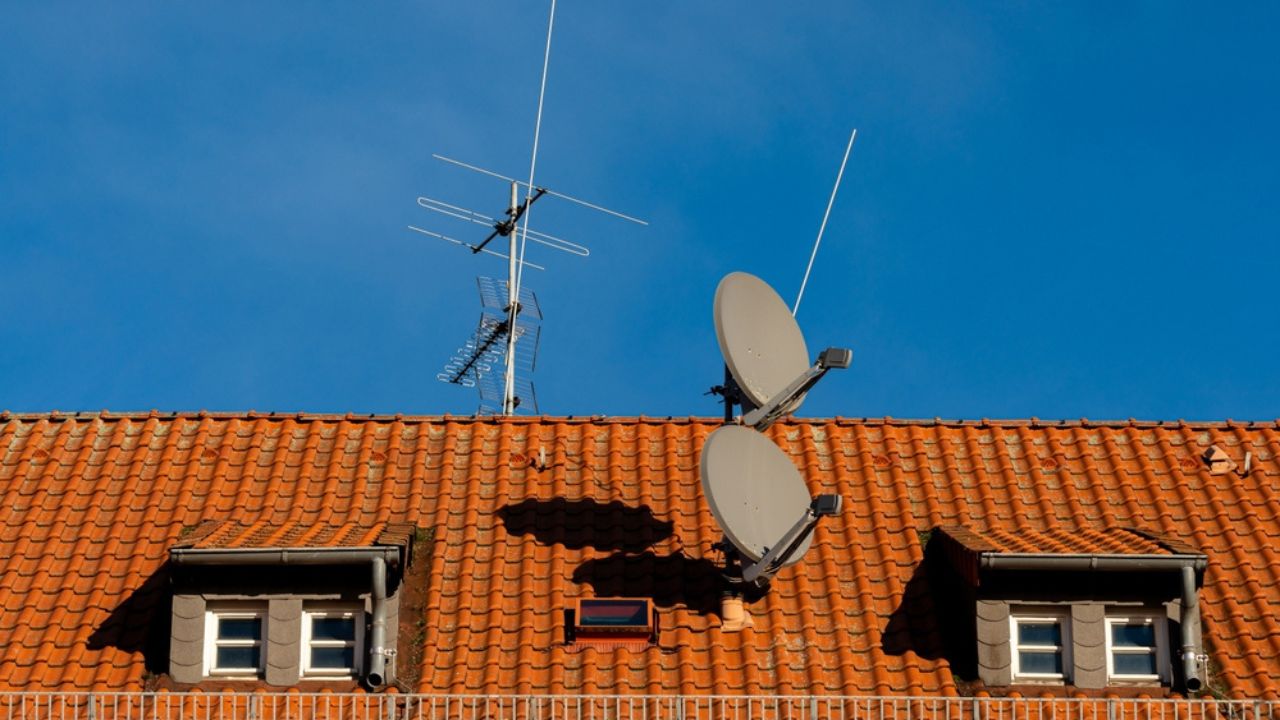
The law allows you to have a satellite dish, but the HOA can still tell you where it can go. Mounting a dish on the front of the house or in a spot that is highly visible from the street is often a fineable offense if a more discreet location is available. The goal is to balance your right to technology with the community’s desire for a clean roofline.
Ask the installer to find a spot on the back of the roof or behind a chimney where the dish is less noticeable. Providing a quick sketch of the proposed location to the board before the technician arrives can head off any future disputes. This simple bit of coordination ensures you get your signal without getting a bill from the association.
Staying Ahead of HOA Fines Without the Guesswork
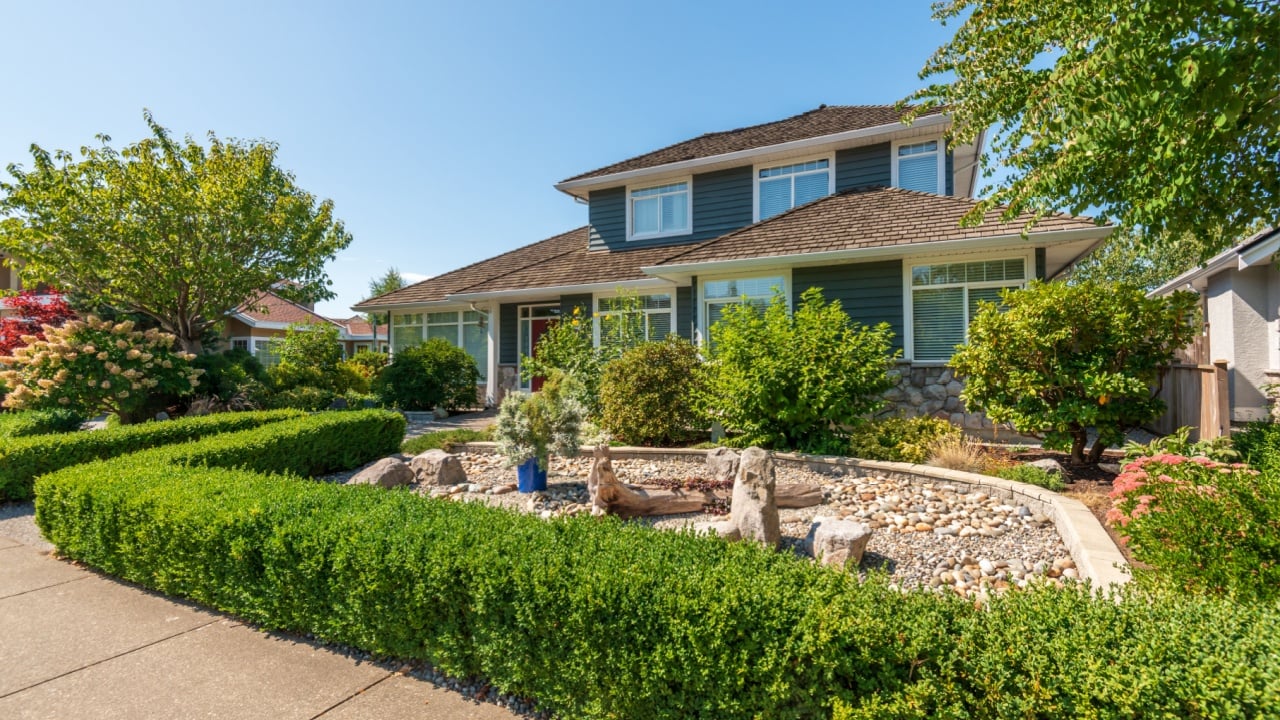
Neighborhood rules feel far less restrictive once they are easy to find and understand. A practical step is to download a digital copy of the bylaws and search terms like “fine,” “prohibited,” and “approval.” This brings the most important sections forward without digging through pages of legal language.
If a violation notice arrives, act quickly. Fix the issue and contact the board to request a waiver or reduction. Many associations respond better when they see prompt action and clear communication. Keeping up with updates and staying involved in community notices helps avoid repeat issues and keeps things running smoothly.
Read More:
10 Ways Homeowners Are Breaking Codes and Racking Up Fines
Accident or Intentional? 10 Building Code Violations Homeowners Commit