
These 12 Everyday Expenses Are Now a Financial Red Flag
In a cost-of-living landscape where inflation has reshaped everything from groceries to utility bills, these “background expenses” are becoming harder to ignore. Often, overheads that used to be manageable are now edging into dangerous territory. It hits hard for middle-income households trying to maintain the same standard of living they had just a few years ago.
The shift is subtle, but significant: what used to be conveniences are fast becoming a liability. Here’s where it gets uncomfortable — because chances are, you’re paying for at least a few of these without a second thought.
According to the experts, that’s the real red flag. It isn’t one single bad decision doing damage, but a pattern that slowly moves your finances in the wrong direction.
None of these expenses is unusual on its own; it’s what makes them so easy to overlook. Taken together, they point to a broader shift — one where everyday spending habits are becoming harder to sustain.
1. Subscription Services You Rarely Use

It starts small — a streaming service here, a premium app there. But over time, these charges have a way of multiplying. What’s worse is that too many are impossible to track, hiding. This dynamic is fittingly known as “subscription creep.”
“As the number of subscriptions increases, it becomes challenging to fully utilise each service,” warns the Emma financial app blog. “Some subscriptions may end up being underutilised or even forgotten, resulting in wasted money.”
That’s the problem. Subscriptions are designed to fade into the background, making them easy to forget and even easier to justify. But when you total them up, what feels like a few minor expenses can quietly turn into a high annual cost.
2. Food Delivery and Takeout

Convenience has never been easier — or more expensive. What looks like a simple meal often comes layered with fees, tips, and markups. Yet, because it feels routine, it rarely triggers the same hesitation as a large purchase.
Over time, this kind of spending becomes part of your baseline — not an occasional treat, but a default habit. Alarmingly, reports of customers now utilizing buy-now-pay-later apps to pay for food deliveries are in circulation. Susan Ferrechio published a piece for the Washington Times on this subject. Using Klarna on DoorDash is now a thing.
3. Buy Now, Pay Later Purchases

While we’re on the subject, splitting payments over too many items is a surefire way to drain your monthly earnings. This process can make almost anything feel manageable, which is exactly the risk.
One purchase isn’t the real danger — it’s several at once. What feels affordable in isolation can quickly become a fixed monthly burden that limits your financial flexibility.
The Forbes angle is clear. “BNPL gives shoppers an instant-gratification thrill, while spreading the pain of payments over time,” reads a recent report. “That encourages consumers to make purchases they otherwise might have passed on.”
4. High Car Payments

“Americans are shelling out record car payments,” writes Ariel Zilber of the New York Post. “And now some are signing up for loans stretching nearly a decade to get a new set of wheels,”
Car payments have stretched longer and climbed higher, and many drivers are simply adjusting to the new normal.
But that “normal” comes at a cost. When a large portion of your income is tied up in a vehicle, it reduces your ability to save, invest, or absorb unexpected expenses. Over time, that pressure builds — even if the monthly number feels manageable at first.
5. Premium Coffee and Daily Treats

It’s not about the coffee. It’s about the pattern. That venti latte each day after the gym may feel like a justified reward, but it can be punishing.
Small, repeat purchases rarely feel significant in the moment, but that rush of dopamine often leads to more overspending. Some sources, like industry watchdog Receiptix, believe that a daily large oat milk latte might hit $2,000 per year over 50 weeks.
Collectively, the daily cup of Joe can become one of the most consistent drains on a monthly budget. Maybe investing in a coffee maker would work best after all.
6. Unused Gym Memberships

Signing up feels like progress. Not going? That’s where the cost kicks in. If you actually divide your monthly gym membership by the number of times you go, your cost per visit should indicate how much money you waste.
Because the charge is automatic, it rarely gets revisited, even when the value is no longer there. “Ask yourself whether getting to the gym at least two or three times a week is realistic for you,” says Laura Bogart of MoneyLion. “If it is — and you know you’ll be inspired by the energy of other people working out — a gym membership could be worth the cost.”
7. Rising Insurance Premiums

Insurance is essential, but it’s one of the most overlooked areas of overspending. Many people stick with the same policy year after year, even as premiums rise. Without regular comparison or adjustment, this “necessary” expense can quietly become inflated, eating into your budget without offering additional value.
“Before the time of renewal, you must get premium quotes from various insurance companies so that you get an idea of the best premium service,” states a PolicyBazaar feature.
It sometimes makes sense not to stick with the same insurer. Sometimes, your loyalty goes against your treatment as a customer. Ironically, the incentive to keep you eager may lower with each passing year.
8. Convenience Groceries and Pre-Packaged Foods
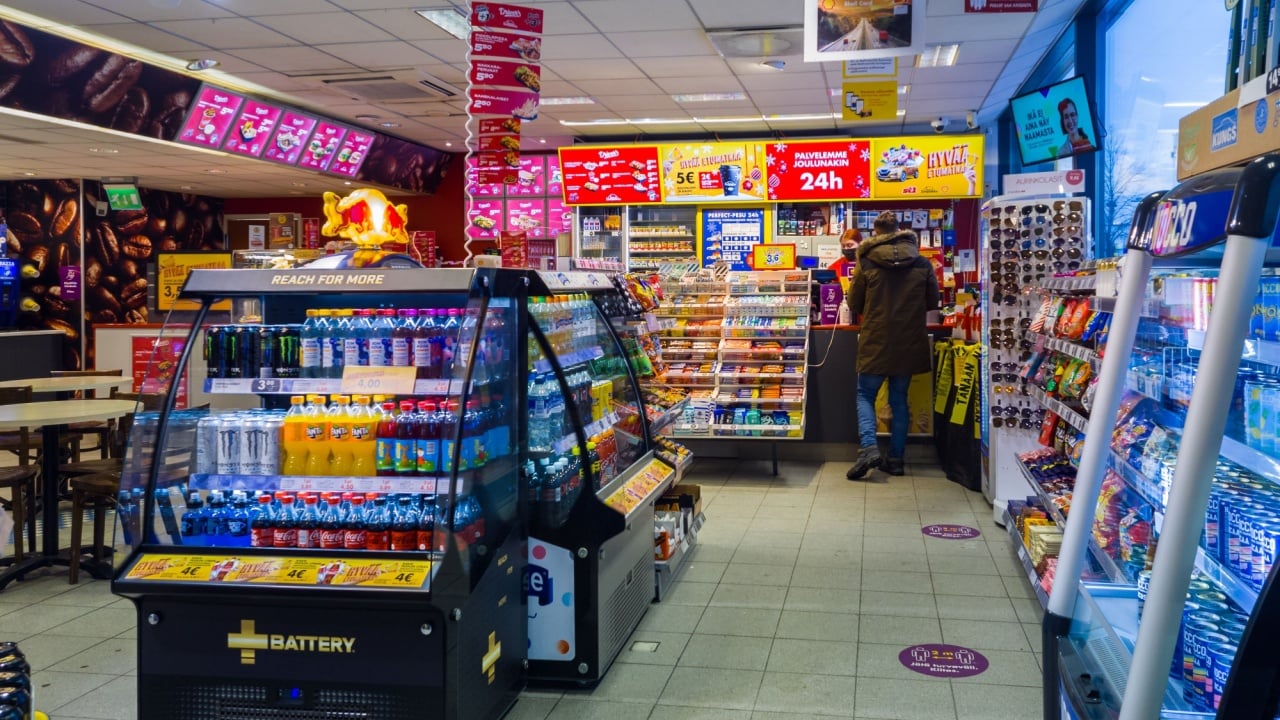
Time-saving comes at a price. While the occasional TV dinner or pre-roasted bag of chicken is totally innocent, making a habit of it adds up. Pre-cut, pre-cooked, and pre-packaged foods often carry a markup that’s easy to overlook in the heat of the moment.
Yet, over time, that convenience becomes a habit, and the cost difference starts to show up in your overall grocery spend. “Stay clear away from pre-cut vegetables, shredded cheese, and frozen meals,” writes Brett Holzhauer of WorkMoney. “Opt to cook from scratch and take on the effort to save more money.”
9. Credit Card Interest

Plastic money is where life becomes expensive. When purchases are made on credit, the cost doesn’t end at checkout. Shark Tank’s Kevin O’Leary put his twist on it in an X post, calling it “the real silent killer in America.”
That disconnect makes it easier to carry a balance — and once interest kicks in, even small amounts can grow faster than expected.
10. Home Energy Waste

Higher energy prices have turned small inefficiencies into bigger problems. What’s more, prices always go up, no matter what happens. Therefore, for most families, every discarded light switch, plugged-in phone charger, and unwatched television soon adds up.
Leaving devices on standby, running outdated appliances, and even failing to insulate properly might seem minor. In the long run, they can add up to a noticeable increase in monthly bills. What used to be negligible is now worth paying attention to. Of course, there are countless ways to save at home: guides, like this one from NerdWallet, can show you how.
11. Impulse Online Shopping

Online shopping has removed the pause that used to come with spending. The act of holding the item is, in itself, a good deterrent to impulse buying. The option of leaving that unnecessary buy for later is now diminished.
With saved payment details and one-click checkout, buying something takes seconds — and that speed matters. It’s not just what you buy — it’s how easily you buy it. A study from the Journal of Marketing & Social Research argues that e-commerce has “given the impulse buying phenomenon new dimensions in the digital age.”
12. Keeping Up Appearances

Keeping up the veneer of wealth is an expense that doesn’t show up on paper but drives many of the others. Upgrading tech, dining out more often, or maintaining a certain lifestyle because of social pressure plays a bigger role than most people realize. It’s subtle, persistent — and one of the hardest financial habits to break, resulting in lifestyle creep.
“A change in circumstances often causes this phenomenon: the loss of a job, business downturn or a relationship breakdown,” states an Informed Investor article. “The money just isn’t there, but you don’t want to let those in your social circle know that you’re not as flush as you once were.”