14 Things Never Worth Buying at a Gas Station
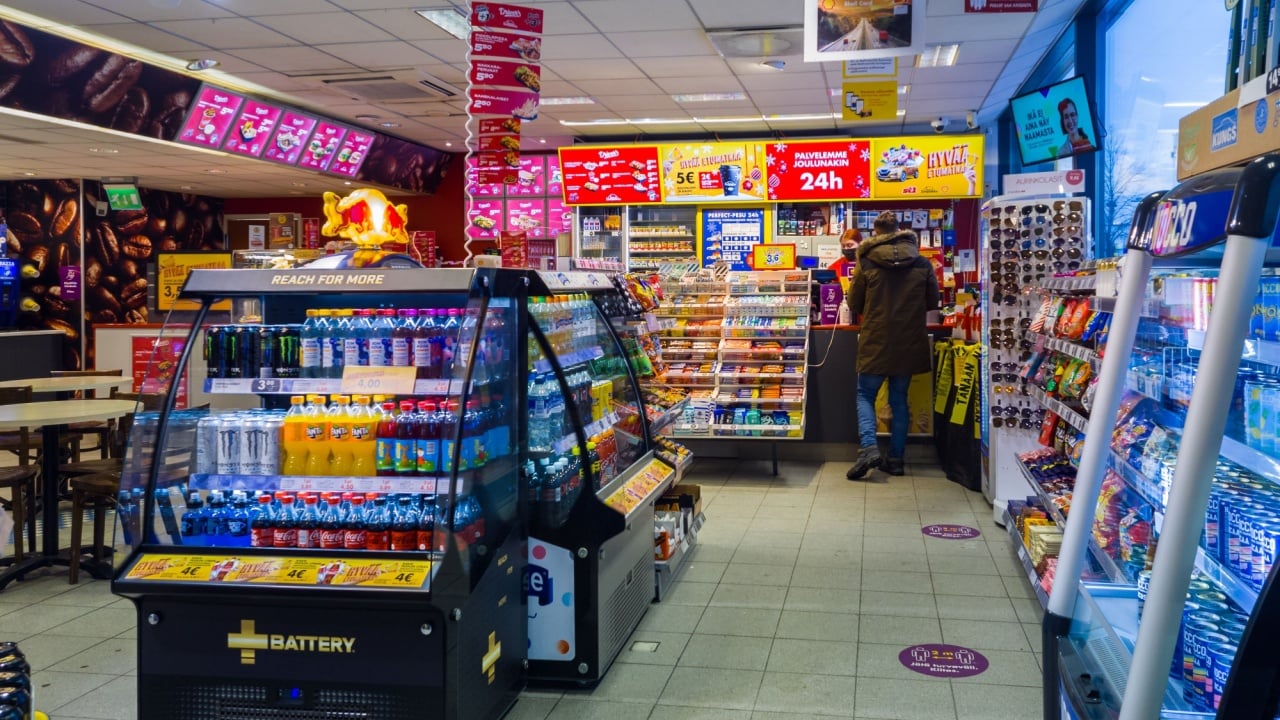
Gas stations are a masterclass in impulse marketing. You step in with a simple goal, fuel for the car, and suddenly you’re surrounded by glowing coolers, salty snacks, and quirky little items you didn’t even know existed. The layout is intentional: essentials like fuel and payment are quick, but the aisles are designed to catch you when you’re vulnerable, hungry, tired, or rushing. That’s when the “grab-and-go” psychology kicks in, nudging you toward small purchases that add up over time.
Convenience strongly influences spending behavior. A study found that people are more likely to make impulse purchases when products are placed within easy reach and require little effort to buy. Convenience store prices are usually higher than supermarket prices for the same items, which means you often end up paying extra just because it’s quicker.
In this article, we’ll break down 14 things that are seldom worth buying at a gas station. For each one, you’ll see why it’s worthless to buy, what research says about it, and smarter next steps so you can save money and make better choices.
1. Bottled Water

Long drives and busy mornings often lead to quick stops where grabbing a cold bottle of water feels like the easiest option. That chilled bottle in the refrigerator case may seem harmless, but gas stations often charge 21% more for bottled water than grocery stores. In most cases, the extra cost reflects convenience rather than higher quality.
Instead, carrying a reusable water bottle and filling it before leaving home is a simple and practical solution. This small habit can save a noticeable amount of money while also reducing plastic waste. It is an easy step that supports both personal savings and environmental responsibility.
2. Over-the-Counter Medicine
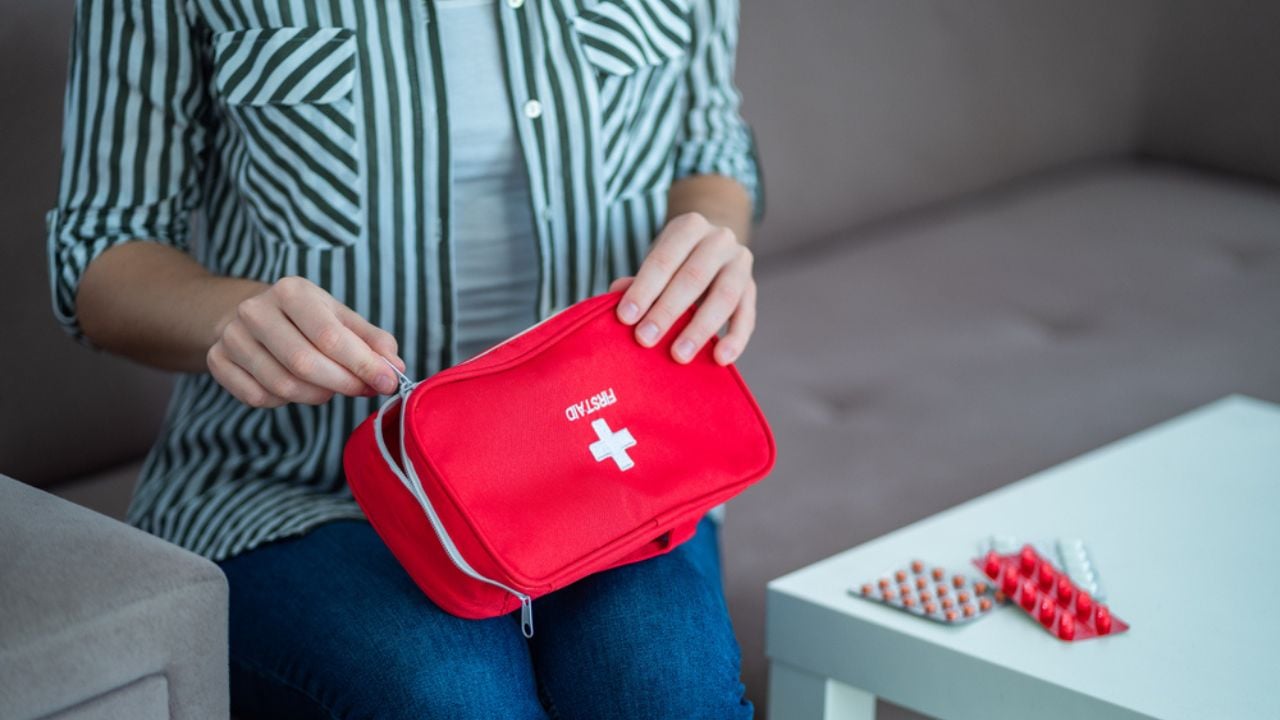
Headaches always seem to show up at the worst possible time, such as right before a long drive or in the middle of a packed day. In that rushed moment, grabbing pain relievers, allergy pills, or cold medicine from a gas station feels like the fastest fix, but medications may not be stored in optimal conditions.
Planning makes a big difference. Keeping a small medicine kit in a car, backpack, or travel bag can prevent last-minute overspending. Buying generic brands at a pharmacy can save nearly 80% compared to name brands, according to the FDA. Generics contain the same active ingredients and must meet the same safety standards. A little preparation can protect both health and budget when minor emergencies pop up.
3. Phone Chargers

A dying phone battery during a road trip can create instant stress, especially when directions, music, and emergency calls all depend on that little device. In that rushed moment, the $20 charger hanging near the register may seem like a lifesaver. However, these chargers are often low quality and overpriced. Experts warn that off-brand chargers may not meet proper safety standards, which can increase the risk of overheating or even fire.
Choosing certified chargers from trusted retailers is a much safer move. Looking for safety certifications, such as a UL listing, helps ensure the product has been tested for electrical safety. Spending a few extra dollars at a reliable electronics store usually means better durability, longer lifespan, and far less risk of damaging an expensive phone.
4. Fresh Produce
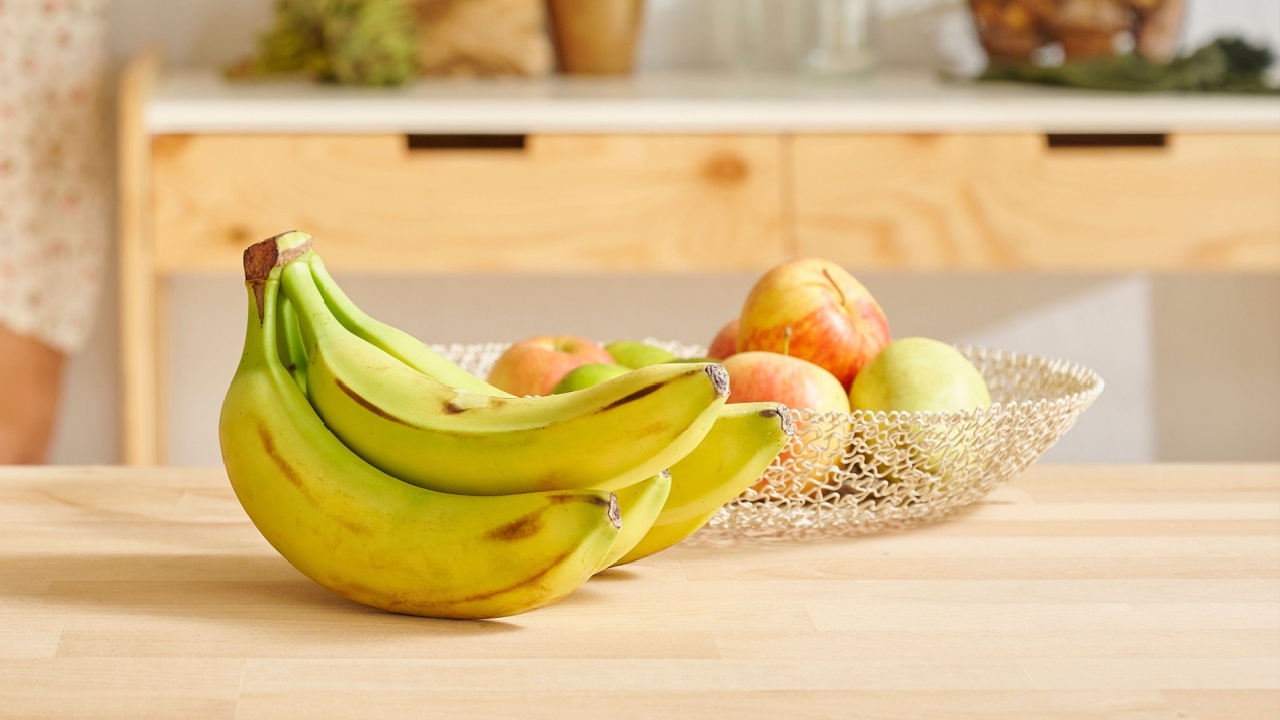
Bright apples and bananas near the checkout counter can give the impression of a healthy option on the go. While it may look convenient, gas stations rarely specialize in fresh fruits or vegetables, which usually means lower inventory turnover and a higher chance of spoilage. The USDA emphasizes that proper storage temperatures and regular rotation are essential for food safety and freshness. When produce sits too long or isn’t stored correctly, both quality and safety can decline.
For better taste and nutrition, buying fruits and vegetables from grocery stores with higher freshness standards is the smarter choice. Supermarkets typically restock more frequently and follow stricter storage practices. Keeping simple snacks like apples or bananas in the car before heading out can prevent last-minute unhealthy purchases.
5. Sunglasses

A bright sunny day and a long stretch of highway can make a quick pair of sunglasses feel like a must-have purchase. Those cheap sunglasses priced at $15–$25 may seem like a bargain, but many lack verified UV protection. The American Academy of Ophthalmology explains that proper UV-blocking lenses are essential to protect eyes from harmful ultraviolet rays, which can contribute to cataracts and other long-term damage. Dark lenses without UV protection can actually make things worse by causing pupils to widen and let in more harmful rays.
Choosing sunglasses labeled “100% UV protection” from reputable retailers is a safer option. Quality eyewear does not always mean expensive designer brands, but it should clearly state that it blocks both UVA and UVB rays. Protecting vision is one area where cutting corners simply is not worth the risk.
6. Energy Drinks

Late-night drives and early morning commutes often make brightly colored energy drink cans look incredibly appealing. While they promise instant focus and stamina, energy drinks at gas stations are usually expensive and loaded with high amounts of sugar and caffeine. The Centers for Disease Control and Prevention (CDC) reports that excessive caffeine intake can lead to heart palpitations, anxiety, and sleep problems, especially when consumed regularly.
Brewing coffee at home or choosing lower-sugar options can be a much smarter alternative. Simple habits like staying hydrated with water and getting enough sleep offer more stable, long-term energy without the sudden spikes and crashes
7. Pre-Made Sandwiches

Hunger tends to hit hardest in the middle of a long drive, and those neatly wrapped sandwiches in the cooler can seem like a quick solution. While they may look fresh, pre-packaged sandwiches can sit for hours under refrigeration, and consistent temperature control is critical for safety. Sandwiches and salads need to be stored at precise temperatures, and convenience stores often aren’t as mindful of these standards, which increases the risk of bacterial growth. The U.S. Food and Drug Administration (FDA) highlights strict guidelines for storing ready-to-eat foods to prevent contamination from harmful microbes like Listeria.
Because of this, it’s usually smarter to wait for the next Subway or another trusted restaurant along the route rather than risk a bad stomach on a long joyride. Preparing your own sandwich ahead of time or packing healthy snacks ensures freshness, safety, and peace of mind. Checking expiration dates and choosing items stored properly can reduce risk, but a little planning makes the ride much smoother and worry-free.
8. Ice
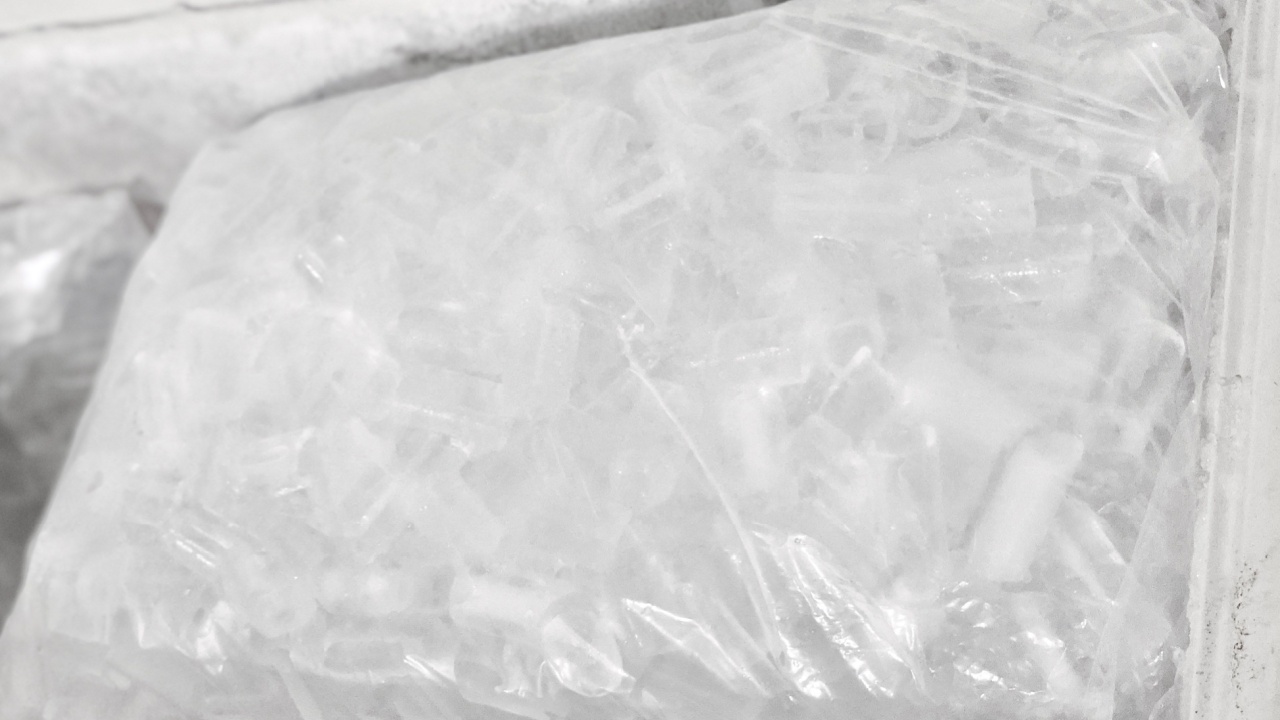
Long summer days and sudden road trips often create a sudden need for ice, whether for coolers or drinks at a picnic. Bagged ice at gas stations may seem convenient at the moment, but it usually costs far more than what grocery stores charge. Per-pound rates at convenience stores are significantly higher than at regional supermarkets, reflecting the premium placed on instant availability.
A smarter approach is to buy ice in advance from grocery stores or invest in reusable ice packs for coolers. Planning ensures cold drinks and fresh food without the extra cost. For longer trips, freezing your own ice at home is also more eco-friendly and reduces reliance on last-minute convenience purchases.
9. Prepared Foods
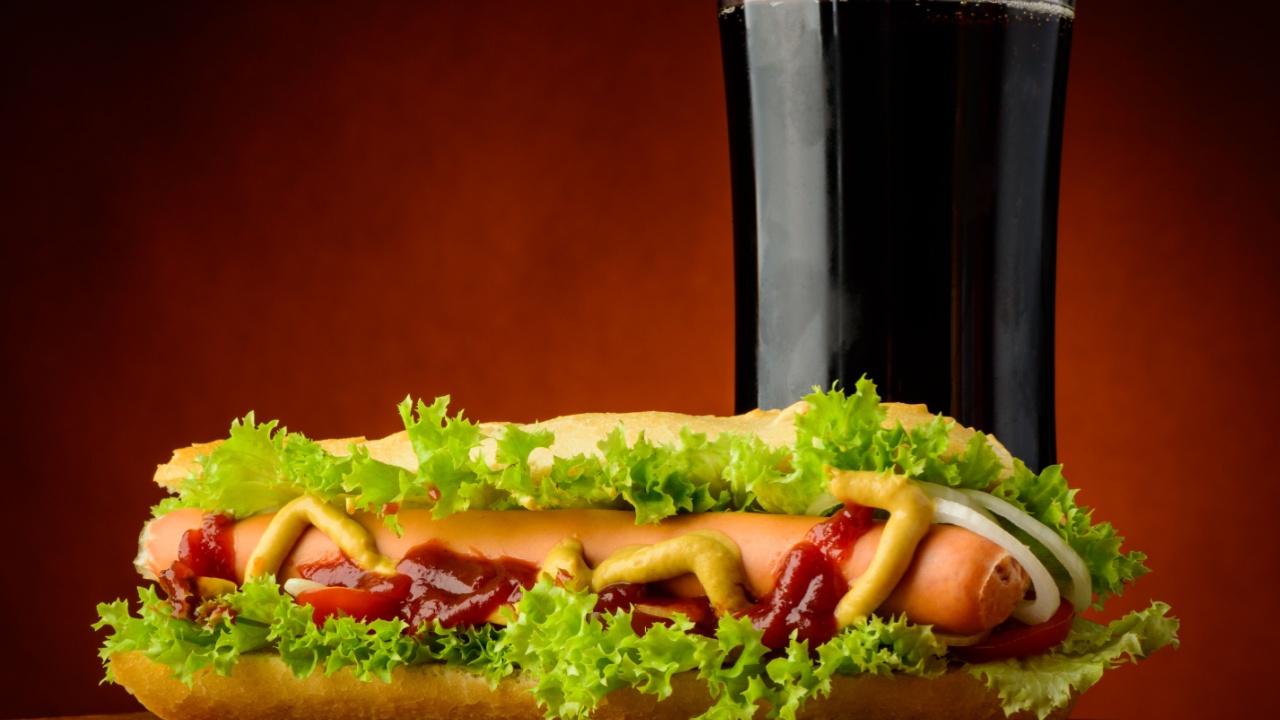
Long drives and quick snack cravings make the hot dogs, nachos, and roller grill items at gas stations look incredibly tempting. While they offer immediate satisfaction, gas stations are not equipped to maintain strict food safety standards for hot items. Temperature control may be inconsistent, and these foods can sit under heat lamps for hours, which increases the risk of bacterial growth. Many of these snacks are designed for speed and convenience, not nutritional value or freshness, making them a risky choice if consumed regularly.
Treat these foods as occasional indulgences rather than everyday snacks, and avoid buying them from gas stations whenever possible. Carrying homemade sandwiches, fruit, or nuts can satisfy hunger while avoiding excess sodium, unhealthy fats, and the food safety risks associated with convenience store hot foods.
10. Deli Meats and Cheeses

While pre-sliced meats and cheeses can seem ready-to-eat, they are often stored for longer periods than in grocery stores and may sit under inconsistent temperature conditions. Gas stations are generally not designed for frequent product rotation or precise temperature control, increasing the risk of spoilage.
For safer and fresher options, it’s better to buy deli meats and cheeses from supermarkets or prepare sandwiches at home. Packing items in insulated coolers or using refrigerated bags during travel can help maintain freshness. When stopping on the road, choosing trusted restaurants or grocery stores with proper storage practices is a much safer alternative than relying on convenience store deli products.
11. Dairy Products

Coolers stocked with milk, yogurt, and cheese at gas stations may seem convenient, but these dairy products are often more expensive and less fresh than those at supermarkets. Milk and other perishable dairy items require strict measures to remain safe, and even small fluctuations can promote bacterial growth. Gas stations, with their primary focus on fuel and convenience items, may not always maintain these optimal conditions, making dairy purchases risky in terms of both quality and safety.
A smarter approach is to purchase dairy products from grocery stores with higher turnover and consistent refrigeration. For trips, consider packing small portions of yogurt or cheese in insulated bags with ice packs to maintain freshness. This strategy also reduces the likelihood of foodborne illness while keeping snacks and meals enjoyable during travel.
12. Premium Coffee Drinks
On long drives, those colorful bottles of premium coffee drinks can look like the perfect quick fix when fatigue sets in. But gas stations often mark them up, sometimes charging two to three times more than brewing coffee at home or grabbing a cup from a local café (we’re talking a no-frills diner coffee, not a bougie coffee shop). And while they promise indulgence, many of these ready-to-drink options end up tasting overly sweet or artificial, leaving you less satisfied than a freshly brewed cup.
A smarter approach is to make your own coffee and carry it in a thermos or travel mug. If convenience matters, choosing simpler, less sweetened options helps avoid that cloying taste. Not only will this save money, but it also gives you a smoother, more enjoyable coffee experience.
13. Baked Goods

The pastries, muffins, and cookies stacked near the counter at gas stations may look tempting, but they often come with trade-offs. Unlike fresh bakery items, convenience store baked goods are usually mass-produced, packaged well in advance, and stored for extended periods. This can leave them tasting stale, overly sweet, or dry compared to what you’d find at a local bakery or supermarket.
Gas stations also tend to rotate these items less frequently, meaning you’re not always getting something fresh. The glossy packaging may promise indulgence, but the reality is often disappointing and more preservative than flavorful.
14. USB Drives and Memory Cards
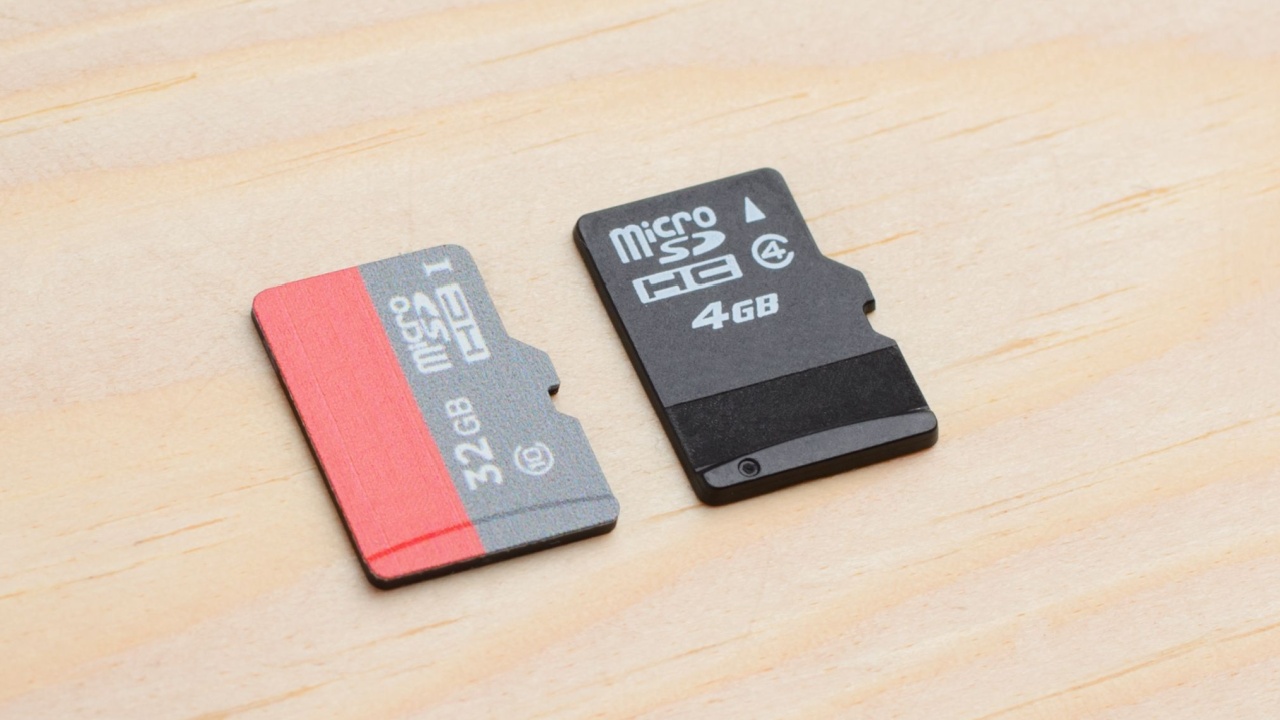
The rack of USB drives and memory cards at gas stations may look like a convenient solution when you’re on the road and need extra storage. But buying them from convenience stores often comes with hidden downsides. Many of these products are generic, low-quality versions that may not meet the speed or capacity advertised. Inconsistent sourcing also raises the risk of counterfeit or refurbished items being sold as new.
For safer and more dependable options, it’s better to purchase USB drives and memory cards from trusted electronics stores or reputable online sellers. Keeping a spare, high-quality drive in your travel bag ensures you’re prepared without relying on questionable convenience store stock.
The Hidden Cost of “Convenience”
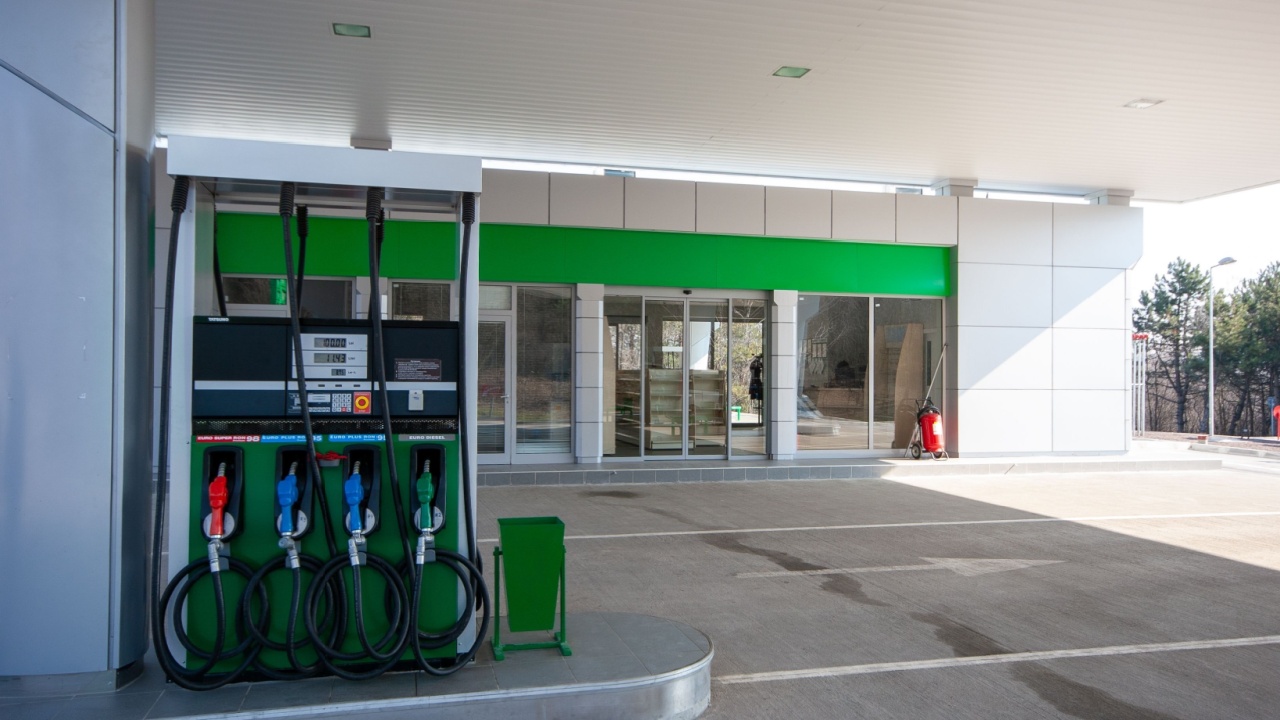
Gas stations thrive on impulse buys, but what feels like a quick fix often comes with stale flavors, inflated prices, or products that simply don’t deliver. From overpriced bottled water to questionable baked goods and unreliable electronics, the common thread is clear: convenience almost always costs more than it’s worth.
Whether it’s packing snacks, brewing coffee at home, or keeping a spare charger, planning saves money and also helps avoid the disappointment of low-quality purchases. The next time you’re tempted by those glowing coolers or shiny racks by the register, remember, true convenience is being prepared, not paying extra for something that leaves you unsatisfied.
Read More: