12 Things to Never Do at a Grocery Store
Grocery stores act as a strange testing ground for human patience and social awareness. Everyone needs food, but placing hundreds of strangers in a confined space with metal carts often results in chaos rather than efficiency. Most people want to grab their milk and eggs without incident, yet specific behaviors turn a routine errand into a frustrating obstacle course.
Understanding proper etiquette improves the experience for everyone involved. Recognizing these common pitfalls helps maintain a polite atmosphere and keeps the checkout lines moving swiftly. Yet, it’s not just about good manners. There are other habits that jeopardize our healthy eating goals, bank accounts, and beyond.
This guide outlines twelve specific behaviors to avoid during your next trip to the supermarket to save your sanity, hard-earned cash, and physique.
1. Blocking the Entire Aisle

Nothing stops the flow of traffic quite like a shopping cart parked diagonally across the center of an aisle. Shoppers often get distracted by a new product or a detailed label, leaving their cart to drift into the middle of the walkway. This creates a blockade that forces other customers to stop, wait, or awkwardly maneuver their own carts to squeeze past the obstruction.
To avoid blocking the aisles, keep the cart pulled to one side, preferably close to the shelves you are browsing. Treating the aisle like a two-lane road allows traffic to move in both directions without conflict. Being aware of the space your cart occupies shows respect for the time and movement of everyone else in the store.
2. Shopping on an Empty Stomach

Research shows that entering a supermarket with a growling stomach guarantees a cart full of impulse purchases. For instance, pre-made foods look far more appealing than the ingredients planned for actual meals. Shoppers who arrive starving often spend more money than intended and bring home items that do not contribute to a balanced diet or a coherent meal plan.
Eat a small snack or a full meal before heading to the store. A satisfied appetite makes it easier to stick to a budget and resist the siren call of the bakery section. Making decisions based on logic rather than hunger pangs leads to a healthier pantry and a happier wallet.
3. Abandoning the Cart in the Parking Lot

Leaving a shopping cart in an empty parking space creates a hazard for drivers and a headache for store employees. Loose carts can roll into parked cars, causing dents and scratches that ruin someone’s day. It also blocks parking spots, forcing incoming shoppers to circle the lot unnecessarily while looking for a place to park.
Behaviorists argue that people are more likely to leave a shopping cart when they see more shopping carts scattered. Break the cycle, take the extra minute to return the cart to the designated corral. If the corral is too far, returning it to the store entrance is a polite alternative. This small act of courtesy prevents damage to vehicles and helps the store staff maintain order in the lot.
4. Wandering Without a List

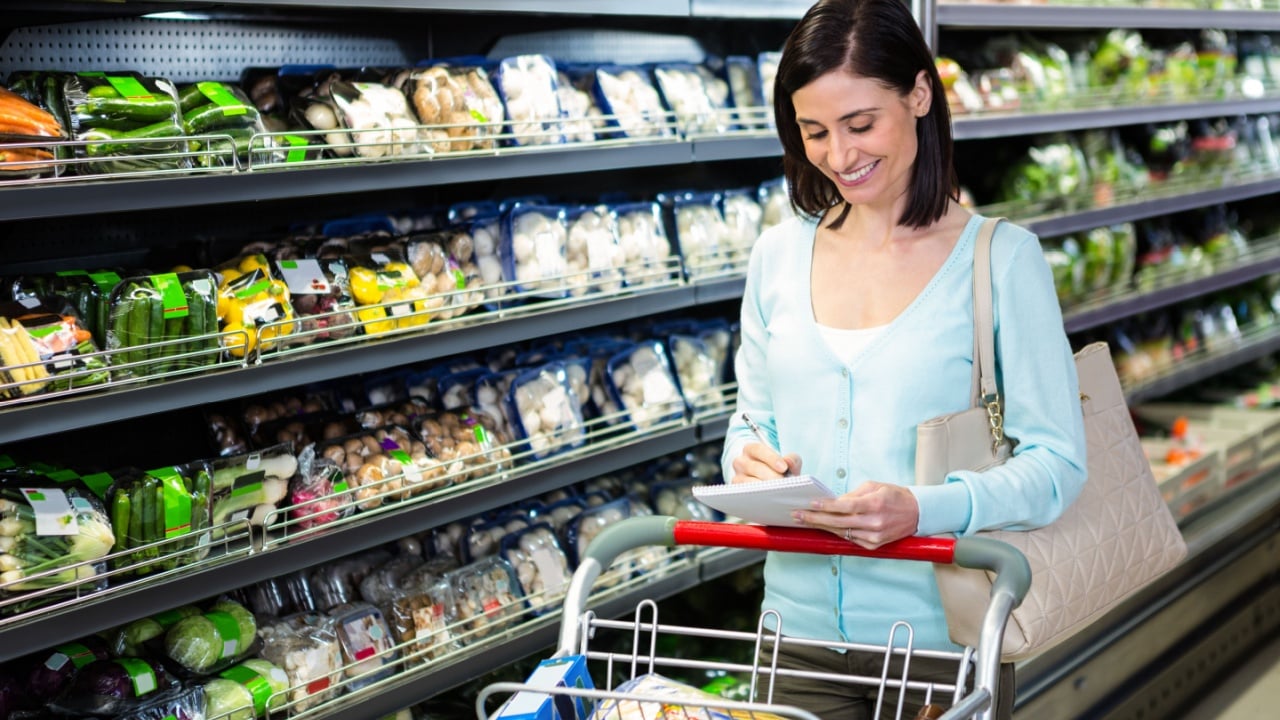
Psychologists agree that shopping without a list usually leads to aimless wandering and forgotten essentials. Without a plan, you might circle the same aisles multiple times, wasting precious minutes and increasing the likelihood of forgetting the one ingredient needed for dinner. This lack of direction also leaves you vulnerable to marketing tricks designed to encourage unnecessary spending.
Prepare a list before leaving the house. Organizing items by category or aisle number streamlines the entire process. Sticking to a written plan keeps the trip focused and prevents that frustrating moment of realizing you forgot the butter just as you pull into your driveway.
5. Overlooking Frozen and Canned Options

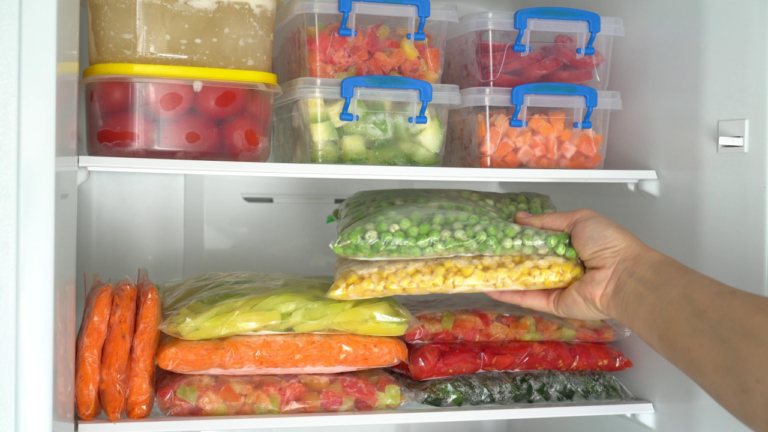
Many shoppers bypass the frozen and canned food aisles, assuming fresh produce is always superior. While fresh is wonderful, its shelf life is also shorter. Ignoring preserved options means missing out on convenience and nutrition. Frozen fruits and vegetables are picked at peak ripeness and flash-frozen, often retaining more vitamins than fresh items that sat on a truck for days.
Incorporate a mix of fresh, frozen, and canned goods into the shopping routine. Canned beans and tomatoes are pantry staples that make meal prep faster and easier. Keeping a bag of frozen broccoli or berries on hand guarantees access to nutrients even when fresh supplies run low.
6. Overloading the Express Lane
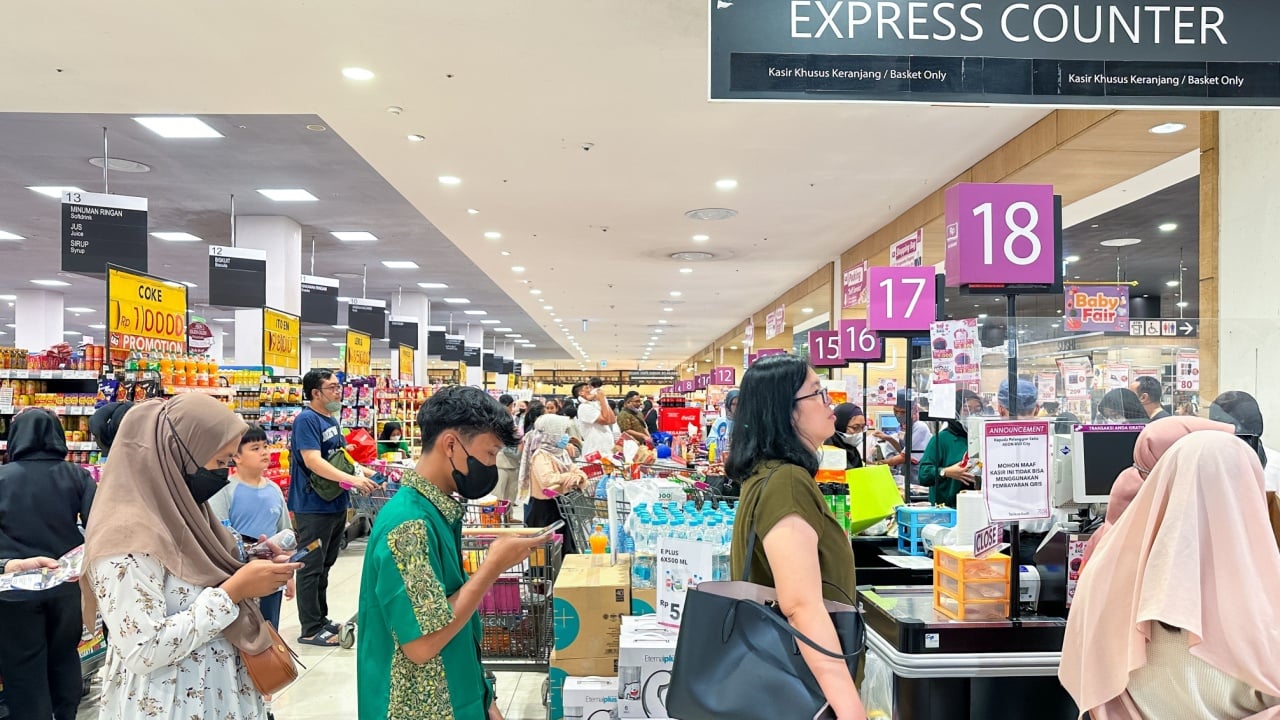
The express lane exists for speed and convenience, typically limiting customers to ten or fifteen items. Bringing a full cart into this line disrespects the rules and the people waiting behind you with just a loaf of bread and a gallon of milk. The cashier in this lane often lacks a conveyor belt or bagging assistance, meaning a large order slows everything down significantly.
Count items before heading to the checkout area. If the basket holds more than the posted limit, head to a regular lane. Respecting the item limit keeps the express lane functional for those who truly need a quick exit.
7. Invading Personal Space
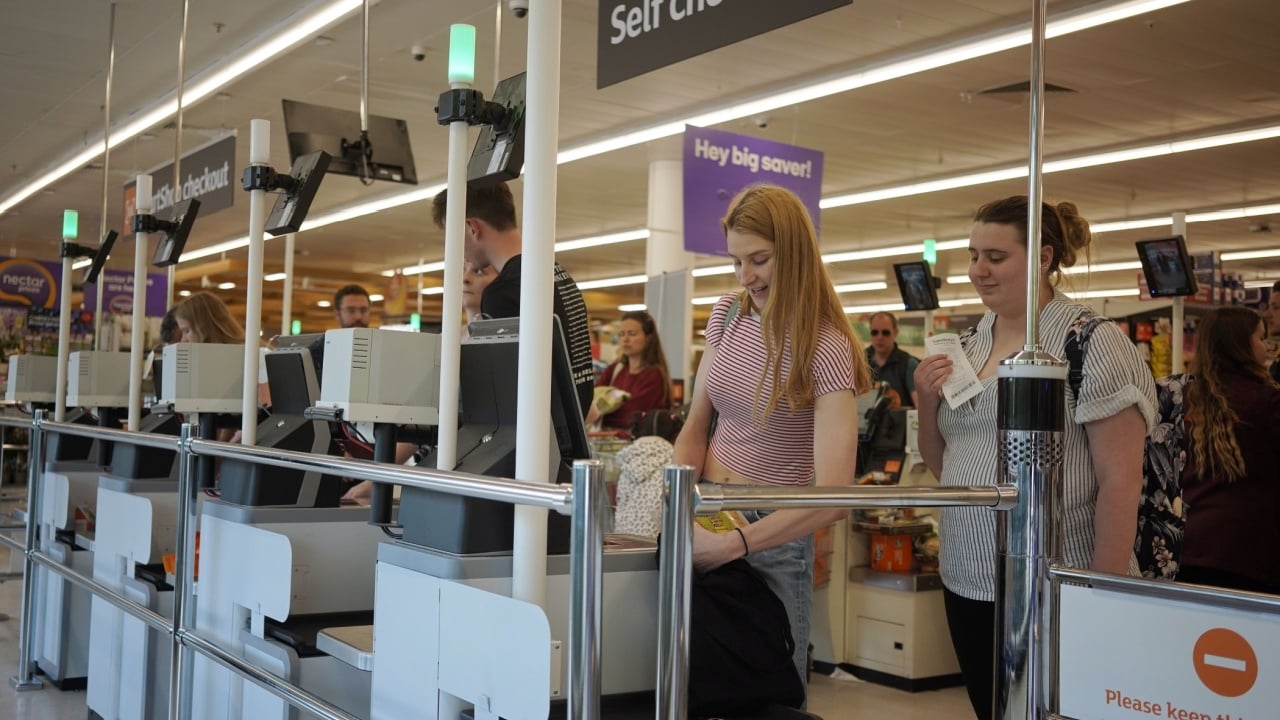
Grocery lines and crowded aisles do not grant permission to ignore personal boundaries. Standing too close to the person in front of you at the checkout or reaching over someone’s shoulder to grab a jar of pasta sauce creates discomfort. Everyone deserves a little breathing room while they wait to pay or select their groceries.
Maintain a respectful distance from other shoppers. If you need an item someone is standing in front of, a polite “excuse me” goes a long way. Giving people space reduces tension and makes the environment more pleasant for everyone.
8. Ditching Perishables on Random Shelves

Leaving a package of ground beef next to the cereal boxes or hiding a bag of frozen peas in the candy aisle is wasteful and rude. Once a cold item reaches room temperature, it becomes unsafe to sell and must be thrown away. This behavior contributes to food waste and drives up prices for everyone else.
If you decide not to purchase a refrigerated or frozen item, give it to the cashier at checkout. They can arrange for it to be returned to the proper temperature immediately. Taking responsibility for unwanted items ensures that perfectly good food does not end up in the trash.
9. Sampling Unwashed Produce

Graze-shopping, or eating unwashed grapes and berries while walking through the store, poses health risks and counts as theft. Produce travels through fields, trucks, and stockrooms before reaching the shelf, picking up dirt and bacteria along the way. Additionally, food sold by weight must be weighed before it is consumed.
Wait until you purchase and wash produce before eating it. If hunger strikes mid-shop, purchase a pre-packaged snack and keep the receipt handy. Treating store merchandise as personal property before paying for it blurs ethical lines.
10. Treating the Cashier Poorly

Cashiers and baggers work hard to keep the lines moving, often standing for hours on end. Ignoring their greeting, staying on a phone call during the transaction, or blaming them for price errors creates a hostile interaction. These employees are people, not automated machines, and they deserve basic human decency.
Try to end phone conversations before reaching the register. Offer a smile and a greeting to the person scanning the groceries. Treating staff with kindness takes zero effort and often results in better service and a more positive experience for both parties.
11. Ignoring Expired or Damaged Items

Grabbing groceries without checking expiration dates or packaging can create problems at home and in the store. Expired dairy or dented cans may be unsafe to consume, and leaving them on the shelf for others to accidentally purchase spreads the issue further. Damaged packaging can also lead to spills or contamination.
Take a moment to inspect items before placing them in your cart. If you notice something expired or broken, hand it to a store employee so it can be removed. This small act of awareness protects your household and helps maintain food safety standards for everyone.
12. Fumbling for Payment at the Last Second

Waiting until the cashier finishes scanning every single item before starting the search for a wallet slows down the line. Digging through a cavernous purse for a credit card or filling out a check while others wait adds unnecessary minutes to the checkout process.
Being prepared with your payment method in advance is proper checkout etiquette, which can help keep things moving smoothly. Have payment methods ready before it is time to pay. Locate the card, cash, or coupons while waiting in line. This allows the transaction to proceed smoothly, so the cashier can move on to the next customer without delay.
Grocery Shopping Wisdom
Mastering grocery store etiquette requires nothing more than a little awareness and consideration for others. These shared spaces function best when everyone follows the unwritten rules of the road. By avoiding these behaviors, shoppers contribute to a calmer, more efficient environment where everyone can get what they need without stress. Small behavioral adjustments lead to a more pleasant shopping trip for the entire community.