
16 Grocery Store Tricks You’re Falling for That Waste Money
Walking into a supermarket for a single loaf of bread and leaving with a cart full of items you never intended to buy is a universal experience. My own pantry is currently full of exotic spices and fancy crackers that seemed like absolute necessities under the fluorescent lights of aisle four. Supermarkets are not just warehouses for food; they are carefully engineered environments designed to dismantle your willpower and inflate your grocery bill.
Retailers invest heavily in consumer psychology to understand exactly how the human brain responds to sensory cues, layout changes, and pricing structures. Every aspect of the store, from the music tempo to the size of the floor tiles, serves to manipulate your walking speed and purchasing decisions. Recognizing these subtle influences is the primary defense against overspending on your weekly errands.
We will examine sixteen specific tactics grocery chains use to influence your behavior and drain your wallet. This list reveals the psychology behind store layouts and product placements so you can navigate the aisles with your budget intact.
1. Oversized Shopping Carts
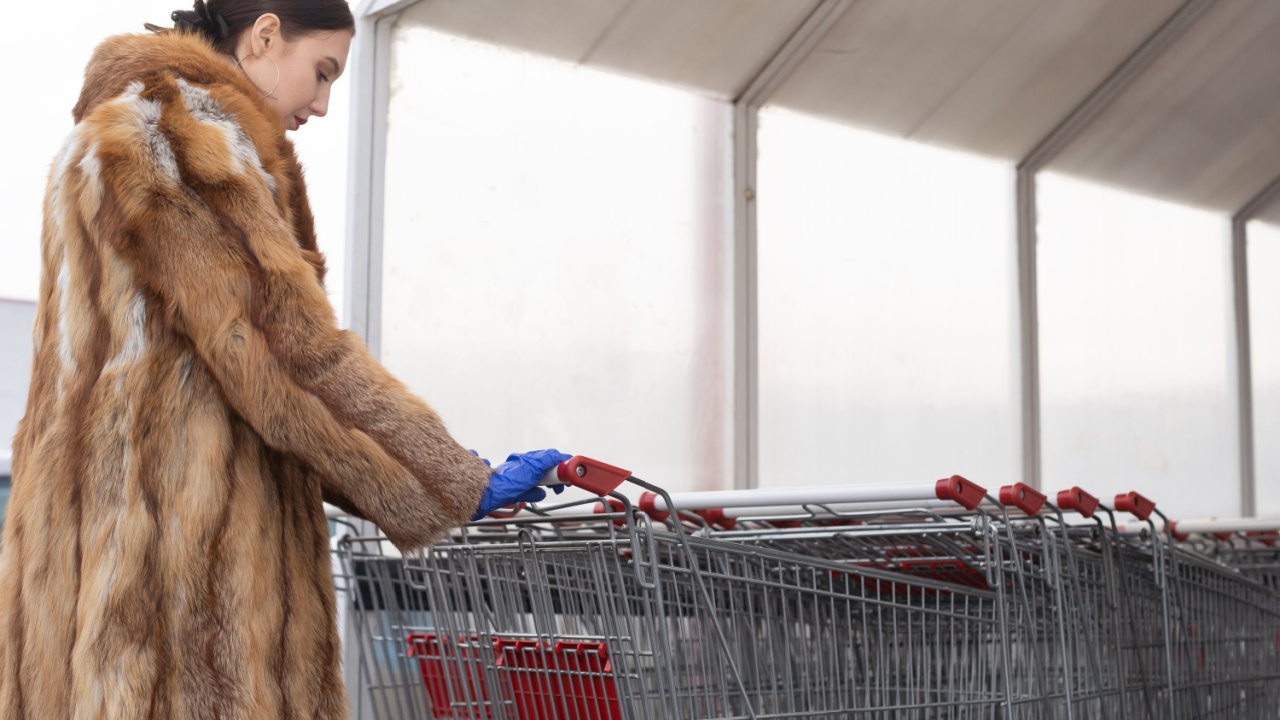
Shopping carts have grown significantly larger in recent decades, with some doubling in size since their invention. Retailers know that an empty cart creates a subconscious need in shoppers to fill the negative space. A partially full cart does not visually signal a successful shopping trip, subtly nudging customers to add more items until the basket looks substantial.
Grab a handheld basket if you only need a few specific items. Limiting your physical carrying capacity is a practical way to restrict impulse purchases. You will physically feel the weight of your spending decisions, which acts as a natural deterrent against tossing unnecessary products into the mix.
2. The Charm Pricing Strategy

Prices ending in .99 or .95 leverage a cognitive bias known as the left-digit effect. Because we read from left to right, a price tag of $4.99 registers in our brains as being closer to four dollars than five. This one-cent difference can significantly impact sales volume by making an item appear to be a bargain rather than a calculated price point.
Round every price up to the next dollar when calculating your running total. Mentally adjusting $2.99 to $3.00 helps you maintain an accurate picture of your total spend. This simple mental habit strips away the psychological allure of the price tag and forces you to evaluate the product on its actual cost.
3. Fresh Flowers and Produce at the Entrance

Almost every supermarket positions bright flowers and fresh produce right at the front entrance. The vibrant colors and fresh scents prime your brain to perceive the entire store as fresh and wholesome. This initial positive sensory experience lowers your defenses and makes you more likely to trust the quality of processed items found deeper in the store.
Stick to your list immediately upon entering the building. While the flowers are beautiful, they are a sensory gateway designed to put you in a spending mood. Head directly to the aisle containing the first item on your list to break the spell of the entryway display.
4. Dairy and Staples in the Back Corners

Milk, eggs, and bread are the most common items on any grocery list, yet they are almost always located in the furthest corners of the store. This layout forces you to walk past thousands of other products to reach the essentials. The long trek increases the likelihood that you will spot and purchase items you did not plan to buy.
Map out your route before you start walking to minimize exposure to other aisles. If you only need milk, walk directly to the dairy section without scanning the endcaps or middle aisles. Treat your trip to the back of the store like a tactical mission rather than a leisurely stroll.
5. Eye-Level Placement for Expensive Brands
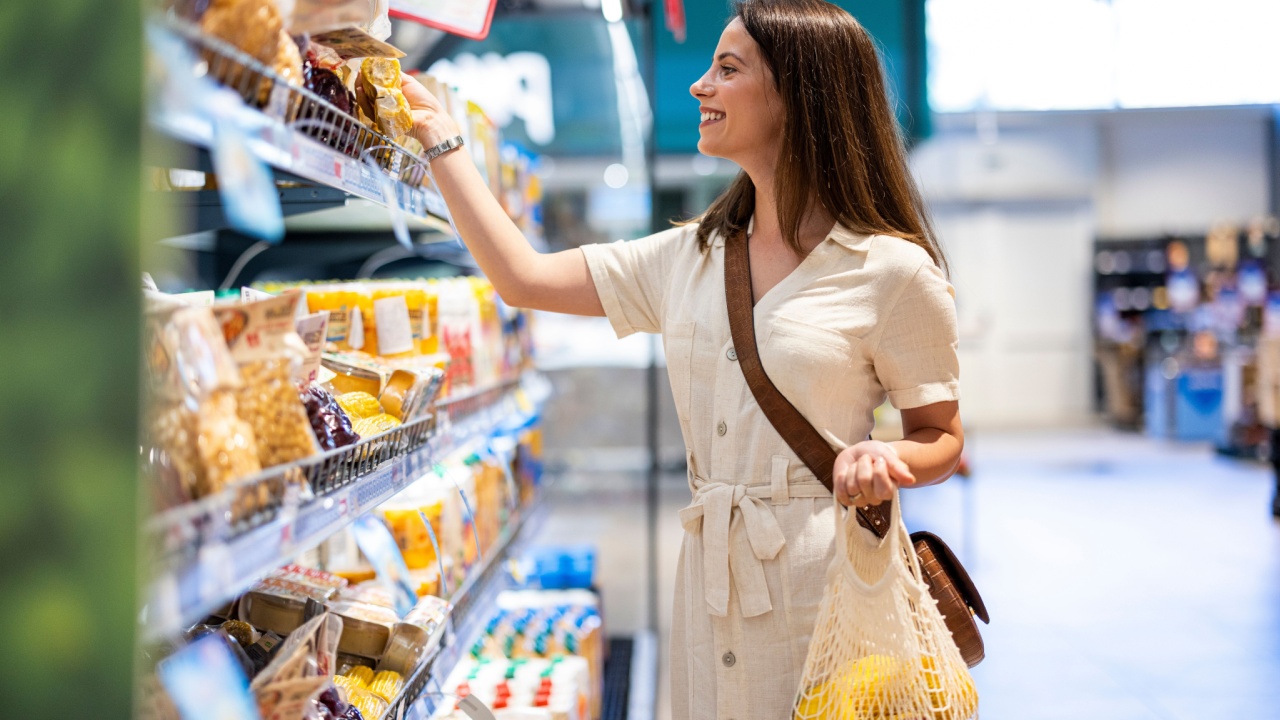
Brands pay a premium to place their products at eye level because this is where shoppers look first. The most expensive items and major name brands sit right in your direct line of sight. Cheaper generic brands and bulk options usually reside on the very top or very bottom shelves, where they are harder to spot.
Look high and low when scanning the shelves for a product. Bending down to check the bottom shelf often reveals a generic version of the same product for a fraction of the price. Taking three extra seconds to scan the entire vertical selection can save a significant amount of money over a year.
6. Kid-Friendly Zoning

Cereal aisles and cookie sections often place colorful, sugary products on lower shelves. This placement aligns perfectly with the eye level of children riding in carts or walking alongside their parents. Characters on cereal boxes even gaze downward to make direct eye contact with little ones, sparking requests for sugary treats.
Shop without children whenever possible to avoid these negotiations. If you must bring them, stick to the perimeter of the store where fresh foods are kept and avoid the center aisles where these targeted marketing tactics are most prevalent. Explain to older children that placement is a trick to get them to ask for things they do not need.
7. The Maze-Like Layout

Stores frequently rearrange their shelves to disrupt your habitual shopping patterns. When you know exactly where everything is, you spend less time in the store and buy fewer impulse items. By shifting products around, the store forces you to wander through new aisles, exposing you to products you would otherwise skip.
Ask an employee for the location of an item if you cannot find it immediately. Wandering aimlessly is exactly what the store layout planners want you to do. Direct questions save time and keep you from browsing aisles that contain nothing on your shopping list.
8. Impulse Buys at the Checkout
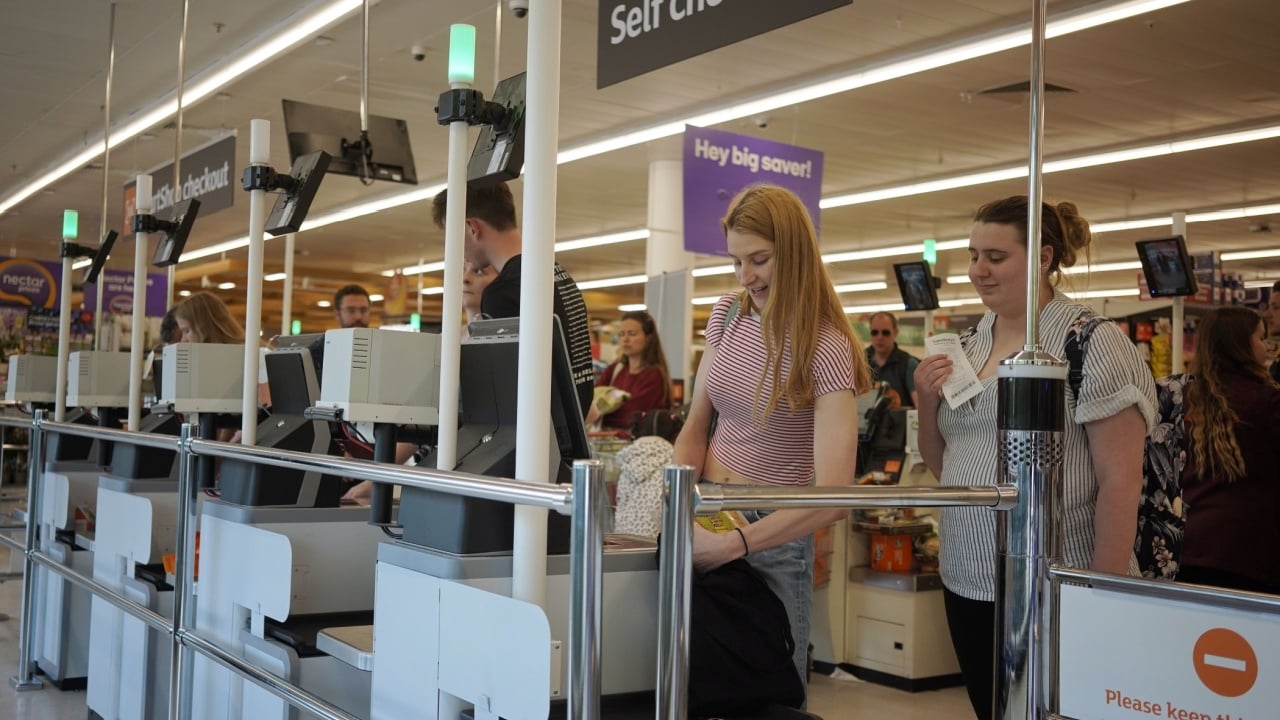
The checkout lane is the most profitable area per square foot in the entire store. Candy, magazines, sodas, and gum line the narrow passage where you are forced to wait. This area targets decision fatigue; after making countless choices throughout the store, your willpower is depleted, making you susceptible to a quick sugar fix or a drink.
Distract yourself while waiting in line by reviewing your shopping list on your phone or organizing your coupons. Turning your back on the candy racks or focusing on a task keeps your attention away from the tempting items. Recognize that you are most vulnerable to marketing right before you pay.
9. Misting the Produce

Automatic misters spray water on vegetables to make them look dewy, fresh, and crisp. While this makes the produce look appealing, the water adds weight to items sold by the pound. Furthermore, the excess moisture can actually cause some vegetables to rot faster once you bring them home.
Shake off your greens vigorously before putting them in the bag. Removing the excess water saves you money at the scale (if it’s by the pound) and keeps your reusable or plastic bags dry. Dry your produce thoroughly as soon as you get home to extend its shelf life.
10. The Scent of Bakery Items

Supermarkets often pipe the smell of baking bread or rotisserie chicken into the store or place the bakery near the entrance. These aromas trigger hunger pangs and salivary glands, which makes you more likely to buy food on impulse. A hungry shopper is a less rational shopper.
Eat a full meal or a snack before you go grocery shopping. Walking into a store on a full stomach neutralizes the power of scent marketing. When you are not physically hungry, the smell of fresh cookies becomes a pleasant background scent rather than a compelling command to purchase.
11. 10-for-$10 Promotions
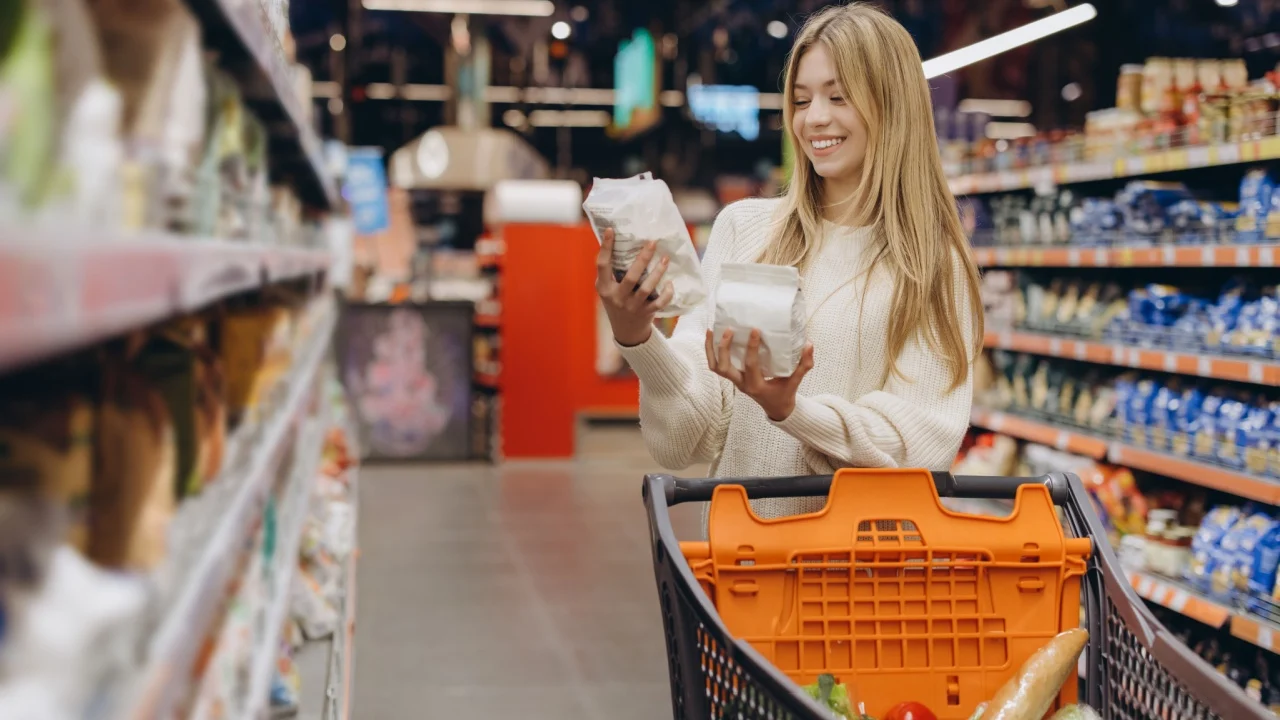
Signs that advertise “10 for $10” suggest that you need to buy ten items to get the deal. In reality, you usually get the discounted price of one dollar even if you only buy a single item. This phrasing tricks your brain into thinking in bulk, causing you to load up on products you simply do not need.
Check the fine print on the sale tag carefully. It will usually state “must buy 10” if the quantity is actually required. If not, buy only the quantity you actually need and enjoy the discount without cluttering your pantry with excess inventory.
12. Pre-Cut Produce and Meat markup
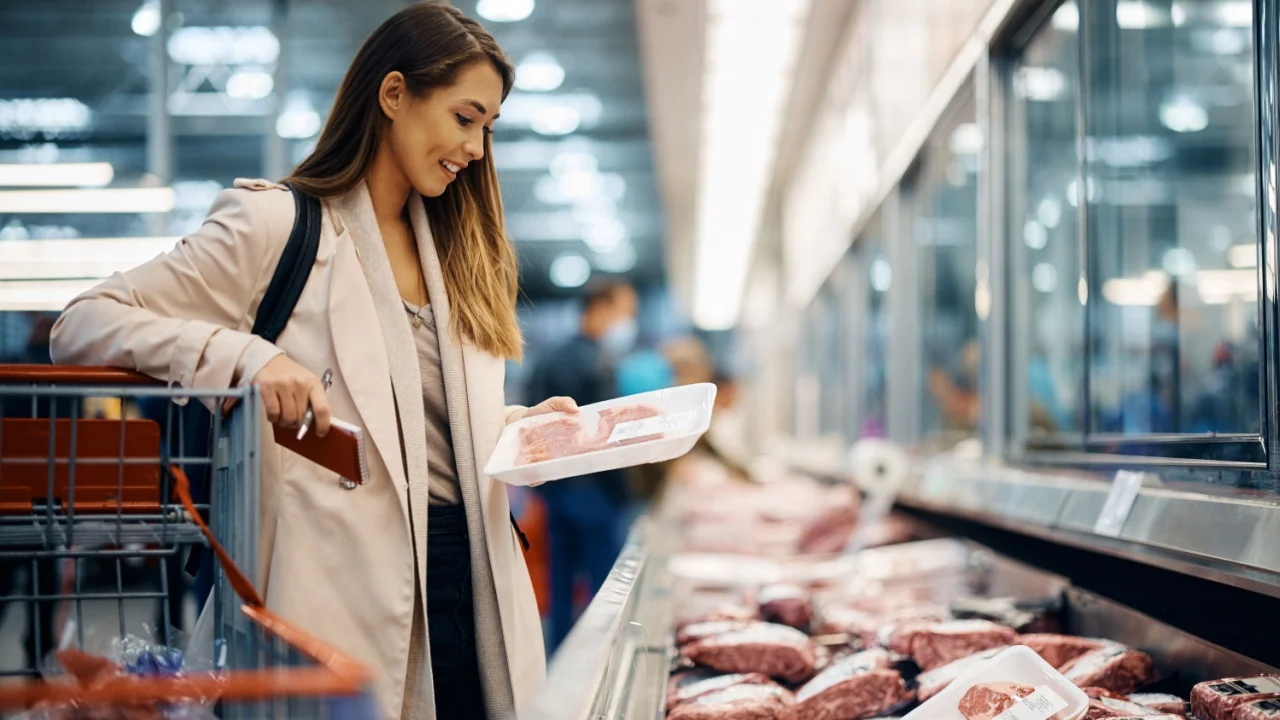
Convenience comes at a steep price in the produce and meat departments. Pre-cut fruit, cubed cheese, and marinated meats often cost three to four times more per pound than their whole counterparts. You are paying for the labor of slicing and packaging rather than the quality of the food itself.
Buy whole fruits and vegetables and prep them yourself at home. Dedicating ten minutes to chopping your own watermelon or marinating your own chicken breasts saves a tremendous amount of money. The freshness of home-prepped food is generally superior to that of items that have been sitting in plastic containers.
13. Complex Sale Signs
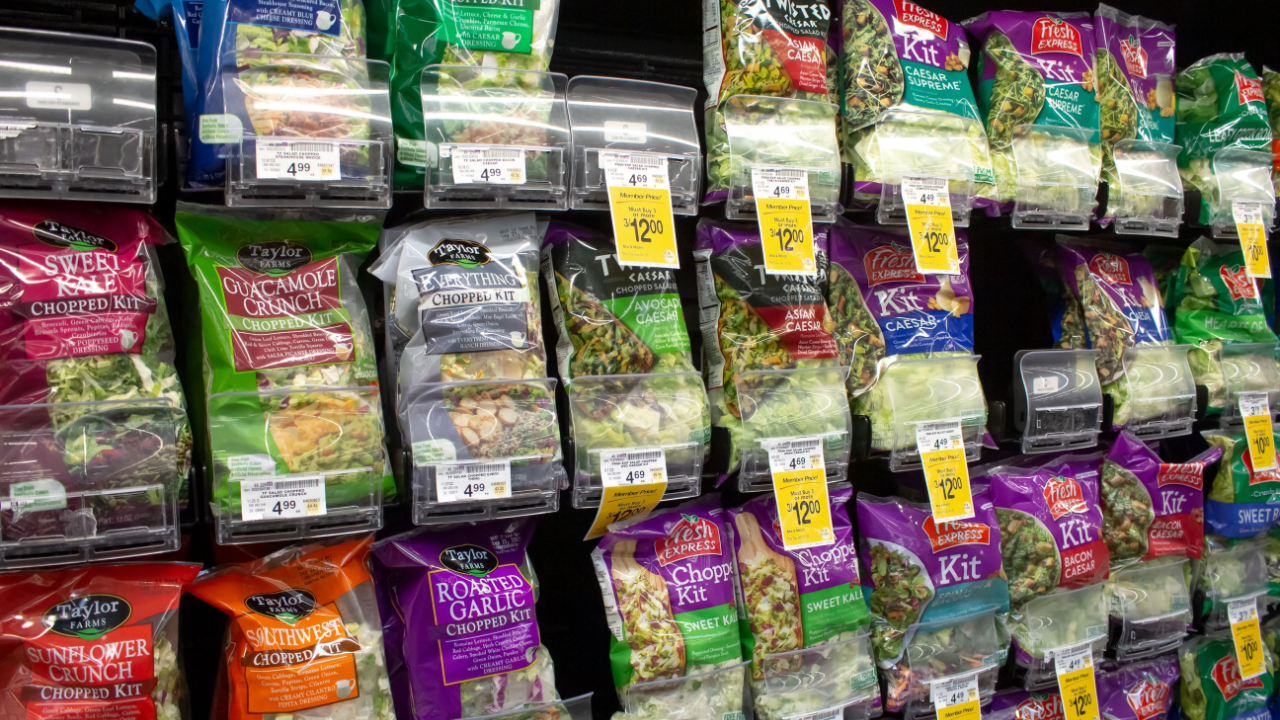
Bright red or yellow signs draw attention and signal a deal, but not all signs indicate a price reduction. Stores use “Everyday Low Price” or similarly worded signs that look like sale tags but actually reflect the standard price. The color and shape act as a visual cue that stops you in your tracks, regardless of the actual savings.
Read the numbers rather than reacting to the color of the sign. Compare the sign’s price to the unit price of similar items nearby to verify if it is a genuine deal. Ignore the visual noise and focus strictly on the math.
14. Confusing Unit Pricing

Stores sometimes list unit prices in different measurements, such as per ounce for one brand and per pound for another. This inconsistency makes it difficult to compare values directly. Occasionally, the larger “family size” package has a higher unit price than the smaller package, exploiting the assumption that bulk is always cheaper.
Bring a calculator or use your smartphone to standardize the math. Divide the total price by the number of ounces or grams to find the true cost per unit. This objective comparison cuts through deceptive packaging and inconsistent labeling.
15. Complementary Item Pairing
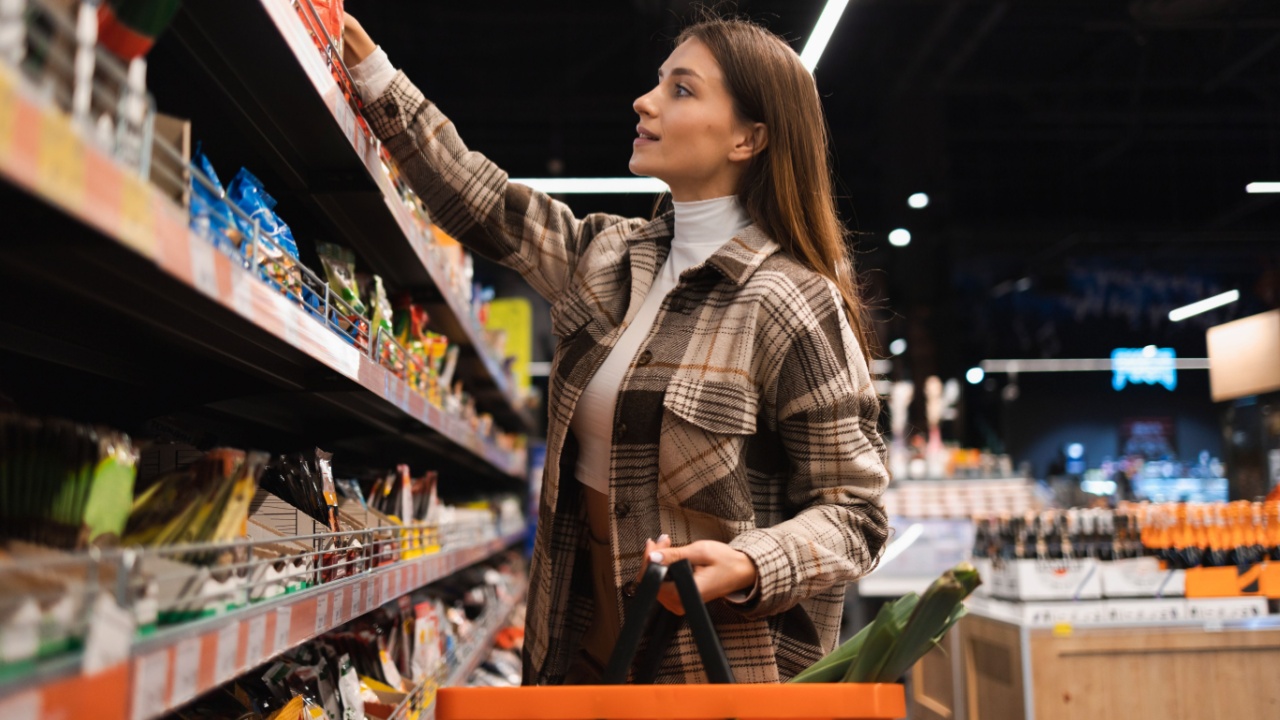
You will often find salsa next to the tortilla chips or salad dressing hanging near the lettuce. This technique, known as cross-merchandising, suggests a complete meal or snack idea. While convenient, these paired items are rarely the most cost-effective options in their respective categories.
Walk to the home aisle of the complementary item before adding it to your cart. The salsa placed in the chip aisle is likely a premium brand, whereas the condiment aisle offers a wider range of prices and flavors. Do not pay a convenience tax for items placed in your path.
16. Slow Music Tempo

Background music in grocery stores is often instrumental and slower than the human heartbeat. This slow tempo subconsciously encourages you to move more slowly, browse longer, and ultimately buy more. Faster music tends to make people move quickly through the aisles, which retailers want to avoid.
Wear headphones and listen to your own upbeat playlist while you shop. Setting your own tempo helps you maintain a brisk pace and stay focused on your mission. Isolating yourself from the store’s audio environment puts you back in control of your shopping speed.
Master the Aisles

Grocery stores are master manipulators of human psychology, but awareness is the antidote. Your grocery habits say a lot about you, and these businesses rely on you operating on autopilot, reacting to colors, scents, and layouts without questioning them. By recognizing these sixteen tricks, you transform from a passive consumer into an informed shopper.
Next time you grab a cart, pause for a second. Remind yourself that the layout is a map designed to lead you astray. Stick to your list, check the bottom shelves, and listen to your own music. Your wallet will notice the difference immediately.