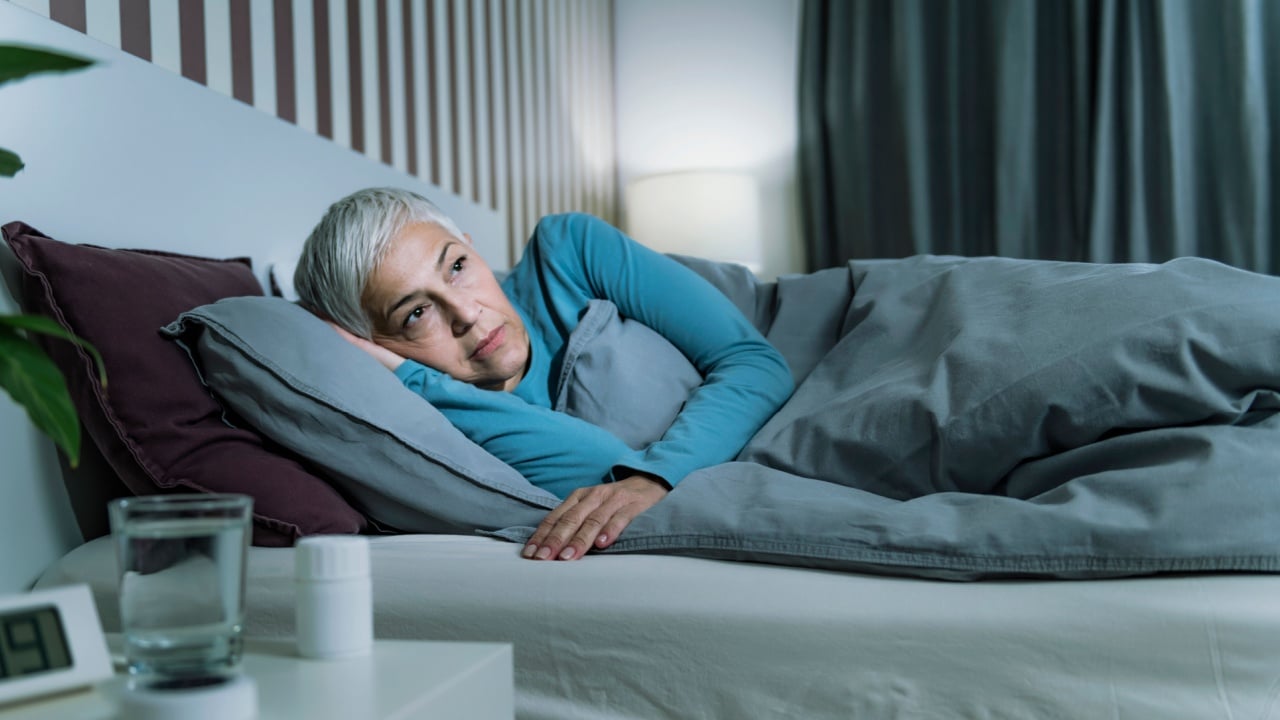
14 Reasons It Gets Harder Sleep as We Get Older
Have you ever noticed how a solid eight hours of sleep feels like a distant memory as you get older? You’re not alone. Research indicates that nearly half of all adults over 65 report regular sleep problems. While we often blame stress or lifestyle changes, the truth is far more complex.
Of course, everyone is different. Some individuals keep up youthful sleep patterns well into their golden years, while others face difficulties much earlier. This inconsistency stems from various reasons, ranging from genetics to chronic health issues. However, regardless of individual circumstances, one thing remains clear: age brings about a flurry of physiological changes that have the potential to significantly disrupt sleep.
This article considers 14 reasons why sleep may become increasingly elusive with age. We’ll explore everything from hormonal shifts and circadian rhythm changes to the surprising role of our gut microbiome. By understanding these factors, we can take proactive steps to reclaim our rest and enjoy the restorative power of a good night’s sleep.
1. The Waning Power of Melatonin
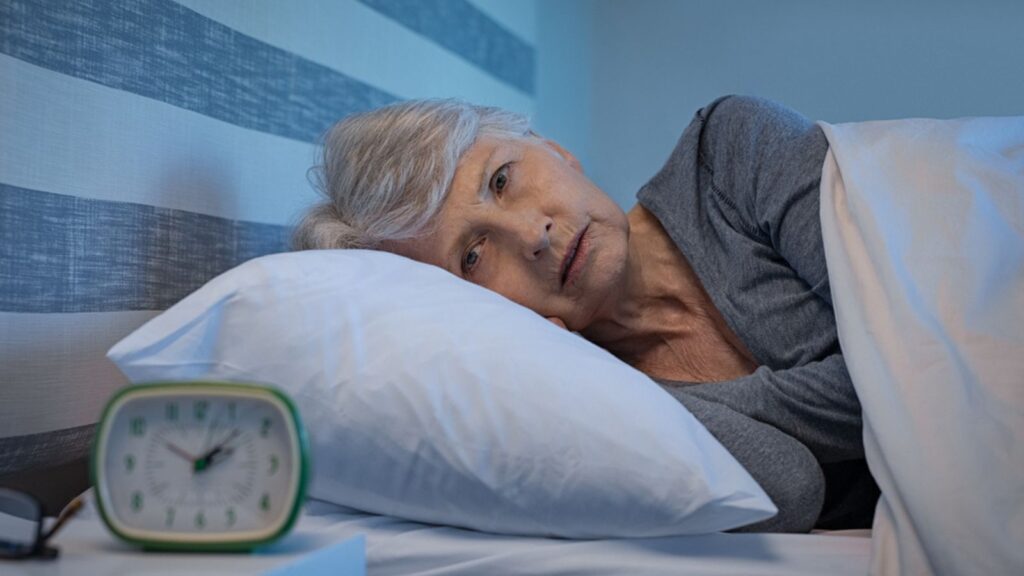
As we age, our bodies produce less melatonin, the hormone responsible for regulating sleep-wake cycles. This decline can lead to difficulty falling asleep and staying asleep, as well as more fragmented sleep.
Addressing this issue might involve consulting a doctor about melatonin supplements or adopting lifestyle changes that support natural melatonin production, such as limiting exposure to blue light in the evenings.
2. Circadian Rhythm Chaos

Our internal body clock, also known as the circadian rhythm, tends to shift with age. This can cause us to feel tired earlier in the evening and wake up earlier in the morning, potentially leading to insufficient sleep.
Adapting to this shift may require adjusting bedtime routines, avoiding stimulants in the afternoon, and exposing oneself to bright light in the morning to help reset the circadian rhythm.
3. Hormonal Havoc

Age-related hormonal changes, such as decreased estrogen in women and testosterone in men, can also wreak havoc on sleep. These fluctuations can trigger hot flashes, night sweats, and other sleep-disrupting symptoms.
Hormone replacement therapy or other treatments may be necessary to address these issues, but lifestyle modifications like maintaining a cool bedroom temperature and wearing breathable fabrics can also help.
4. Medical Mayhem

Chronic health conditions like arthritis, heart disease, and diabetes become more prevalent with age and can significantly impact sleep quality. Pain, discomfort, and medication side effects can all contribute to sleep disturbances.
In these cases, managing underlying medical conditions and working with healthcare providers to find sleep-friendly medications can often improve sleep.
5. The Restless Legs Rebellion

Restless Legs Syndrome (RLS), a neurological disorder characterized by an uncontrollable urge to move the legs, becomes more common with age. This can make it difficult to fall asleep and stay asleep.
Treatment options for RLS include medication, lifestyle changes, and alternative therapies like massage or acupuncture.
6. Sleep Apnea Strikes

The risk of sleep apnea, a condition marked by pauses in breathing during sleep, increases with age. This can lead to fragmented sleep, daytime fatigue, and other health problems. Sleep apnoea is also notorious for disturbing the partners of those who suffer from it—because of the snoring and the anxiety that drives them to count the seconds between breaths while their loved one slumbers.
If sleep apnea is suspected, a sleep study can diagnose the condition, and treatment options like continuous positive airway pressure (CPAP) therapy can improve sleep quality and overall health.
7. The Unseen Influence of Medications

As we alluded to earlier, many older adults take multiple medications, some of which can interfere with sleep. Certain antidepressants, beta-blockers, and diuretics, for instance, can cause insomnia or other sleep problems.
Discussing medication side effects with a doctor and exploring alternative options or adjusting dosages may help alleviate sleep disturbances.
8. The Gut-Sleep Connection

Emerging research suggests that the gut microbiome, the trillions of bacteria residing in our digestive tract, plays a crucial role in sleep regulation. Age-related changes in the gut microbiome may contribute to sleep problems.
Maintaining a healthy gut microbiome through diet, probiotics, and prebiotics may hold promise for improving sleep quality as we age.
9. The Mental Maelstrom

Anxiety, depression, and other mental health conditions can become more prevalent or worsen with age, leading to insomnia and other sleep difficulties.
Addressing these underlying mental health issues through therapy, medication, or lifestyle changes is often essential for improving sleep.
10. The Decline of Deep Sleep

As we age, we spend less time in deep sleep, the most restorative stage of sleep. This can leave us feeling less refreshed upon waking and contribute to daytime fatigue.
While there’s no magic bullet to reverse this decline, prioritizing sleep hygiene practices like maintaining a regular sleep schedule and creating a relaxing bedtime routine can help optimize sleep quality.
11. The Nocturia Nuisance

Frequent nighttime urination, also known as nocturia, becomes more common with age due to changes in bladder function and hormone levels. This can disrupt sleep and lead to fatigue.
Lifestyle modifications, such as limiting fluid intake before bed and addressing underlying medical conditions, can help reduce nocturia and improve sleep.
12. The Loneliness Link

Social isolation and loneliness, which can become more prevalent in older adults, have been linked to sleep problems. The lack of social connection and support can contribute to anxiety and depression, both of which can disrupt sleep.
Staying socially engaged, participating in activities, and maintaining close relationships with friends and family can help alleviate loneliness and improve sleep.
13. The Inactivity Impasse

Lack of physical activity during the day can lead to restlessness and difficulty falling asleep at night. On the other hand, regular exercise can improve sleep quality, but it’s important to avoid vigorous activity close to bedtime.
Incorporating regular exercise into your routine, preferably earlier in the day, can help you fall asleep faster and enjoy more restful sleep.
14. The Napping Nemesis
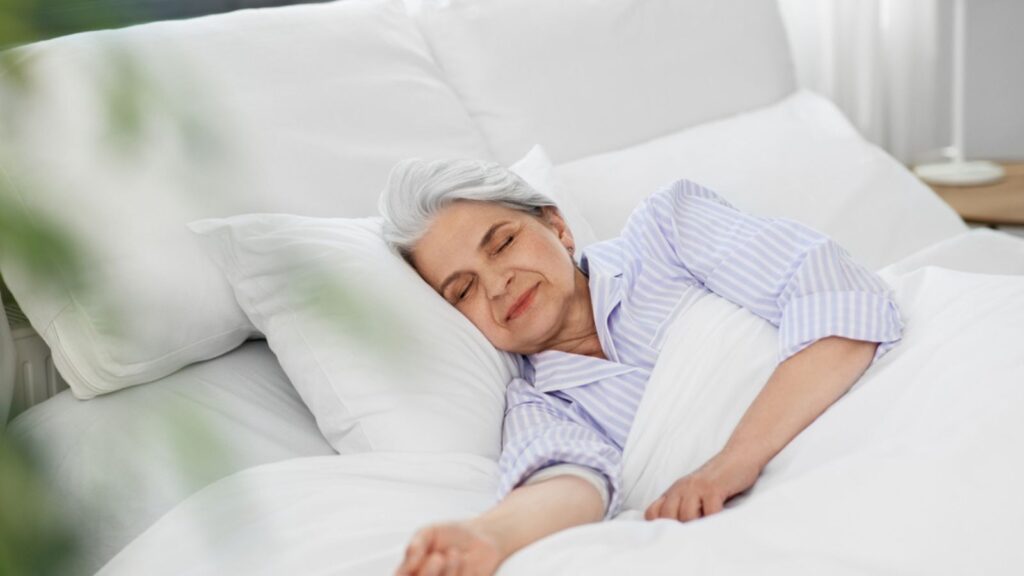
While short naps can be refreshing, long or frequent naps later in the day can interfere with nighttime sleep. Napping can disrupt the natural sleep-wake cycle and make it harder to fall asleep at bedtime.
If you find yourself relying on long naps, try adjusting your sleep schedule or addressing any underlying sleep problems that may be causing excessive daytime sleepiness.
Read more: