14 Snake-Repellent Plants That Can Pest-Proof Your Garden
Finding a snake in your backyard can turn a peaceful afternoon into a stressful one. Even though many snakes hunt pests like rodents and insects, most people prefer to keep them away from their gardens and patios. A good way to maintain a comfortable outdoor space is to use natural deterrents to keep these unwanted guests at a distance.
Reptiles have a strong sense of smell that they use to navigate and find food. They have a special part in their nose called the Jacobson’s organ, which makes them very sensitive to strong smells. Planting things with strong scents can mess with their ability to track prey and encourage them to go somewhere else.
Landscaping experts and pest control professionals agree that certain plants can actively repel reptiles. These plants are a humane option instead of harsh chemicals or traps. They also blend nicely into your garden while creating a protective barrier.
Here are fourteen plants known to discourage snakes. You’ll learn what makes each plant effective, along with practical tips on how to grow and maintain them to keep your yard secure.
1. Onion (Allium cepa)
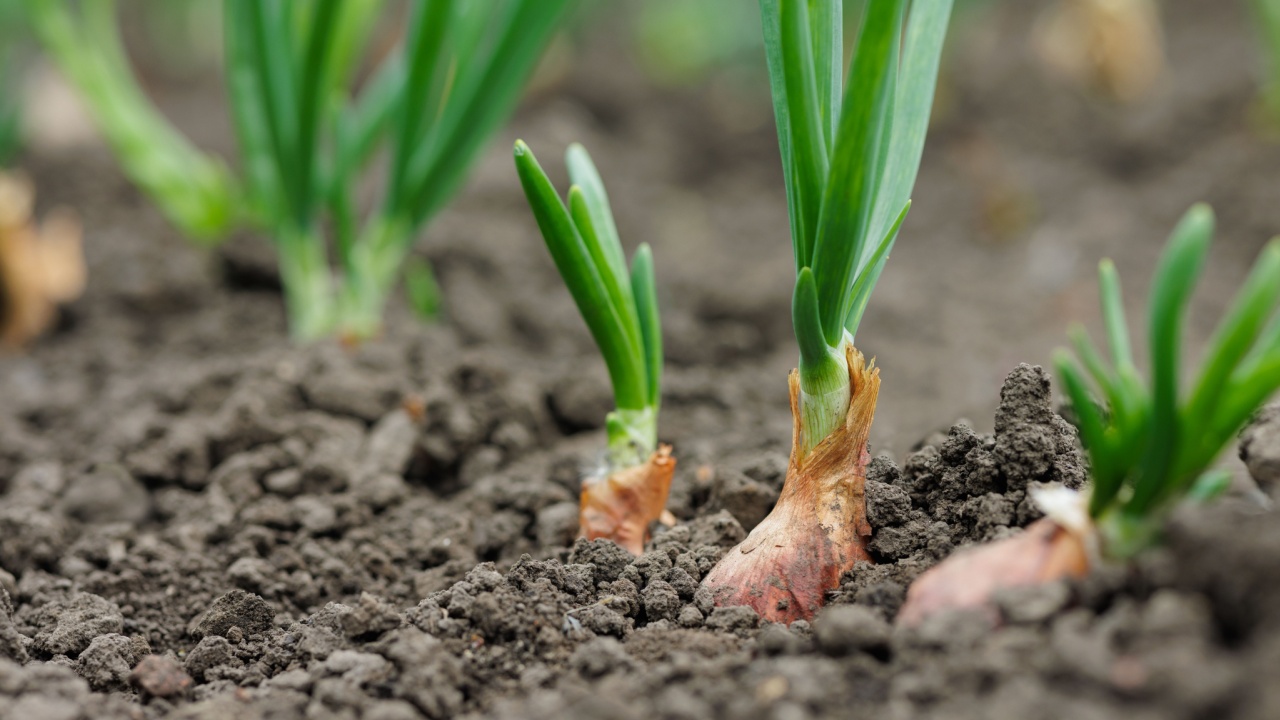
Onions give off a strong smell from the bulb all the way up to their green stalks. This intense scent overwhelms a reptile’s sensitive nose. The smell creates a barrier that pests would rather avoid.
The common onion is a popular vegetable that grows well in many climates. You can grow them from seeds or small bulbs. They do well as cool-season crops in mild areas or as spring plantings in colder places.
Onions need 10 to 16 hours of daily sun, depending on the type. Plant them in soil that drains well and keep it moist so the bulbs grow big. Harvesting the greens during the season helps release the repellent scent into the air.
2. Marigold (Tagetes spp.)
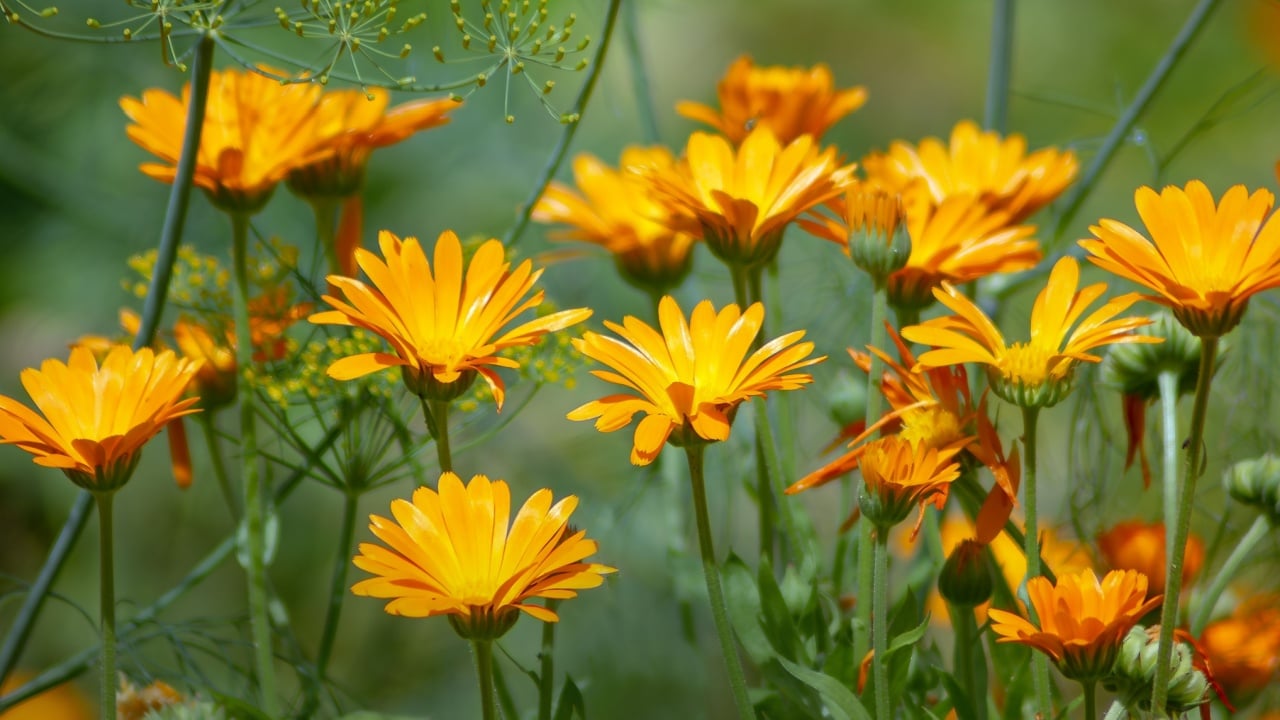
Marigolds have a unique smell that repels many garden pests, including reptiles. Their strong scent works as a natural deterrent when you plant a lot of them along borders and fences. These bright flowers create a fragrant perimeter that keeps unwanted visitors away from other plants.
French marigolds are popular annuals with bright orange and yellow flowers. They are very easy to grow from seeds or small plants. They bloom late into the summer and early fall, just when other annuals start to fade.
Plant marigolds in areas with full to partial sun, but try to protect them from the hot afternoon sun. Pinch off dead flowers regularly to keep them blooming. Water them at the base to stop powdery mildew from growing on the leaves.
3. Lemongrass (Cymbopogon citratus)
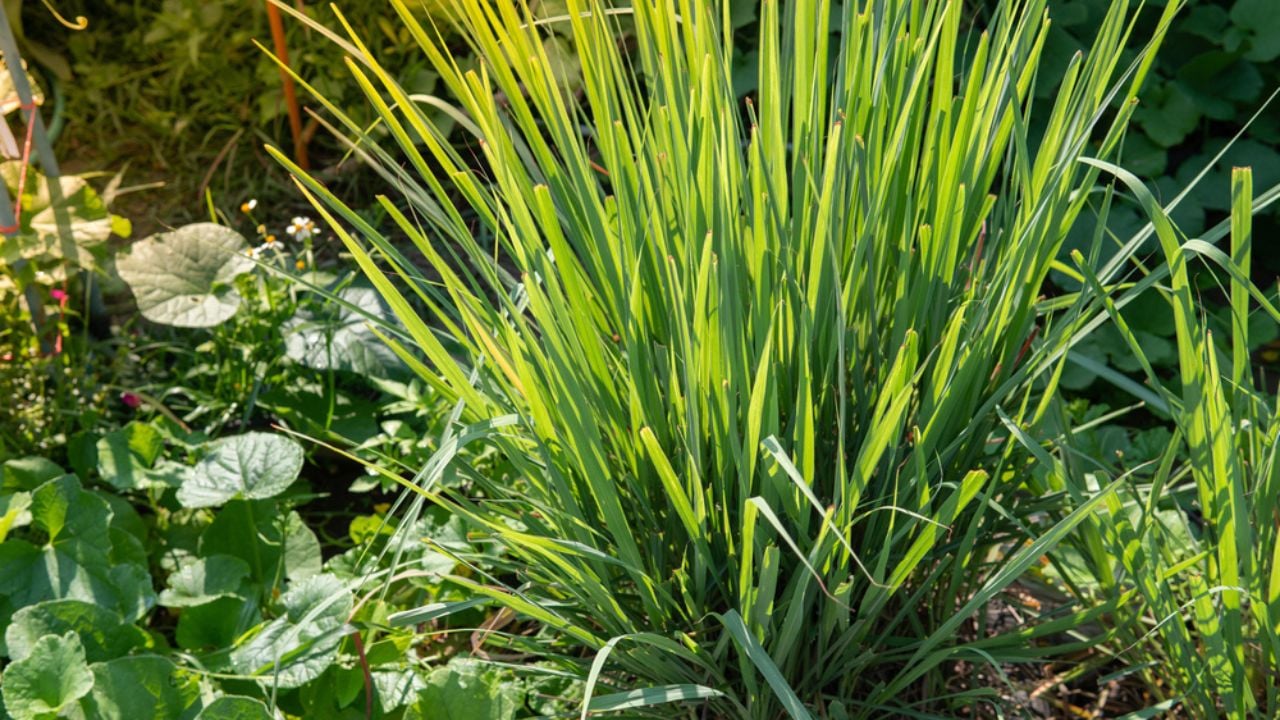
Lemongrass has a sharp citrus smell that people love in cooking, but reptiles can’t stand. The plant’s essential oils interfere with a snake’s ability to sense its surroundings. The tall grass clumps also physically block paths while giving off a constant repellent smell.
This grass-like herb is native to South India and Sri Lanka. It grows in dense clumps that can get up to 5 feet tall and 2 feet wide. It looks great as a border plant, adding height and texture to your yard. The green stalks are also useful in the kitchen.
Grow lemongrass in a sunny spot with fertile soil for the best results. Since it comes from a tropical climate, you should treat it as an annual in cooler areas. Water it deeply when it’s dry to keep the leaves green and the citrus smell strong.
4. Clove Basil (Ocimum gratissimum)
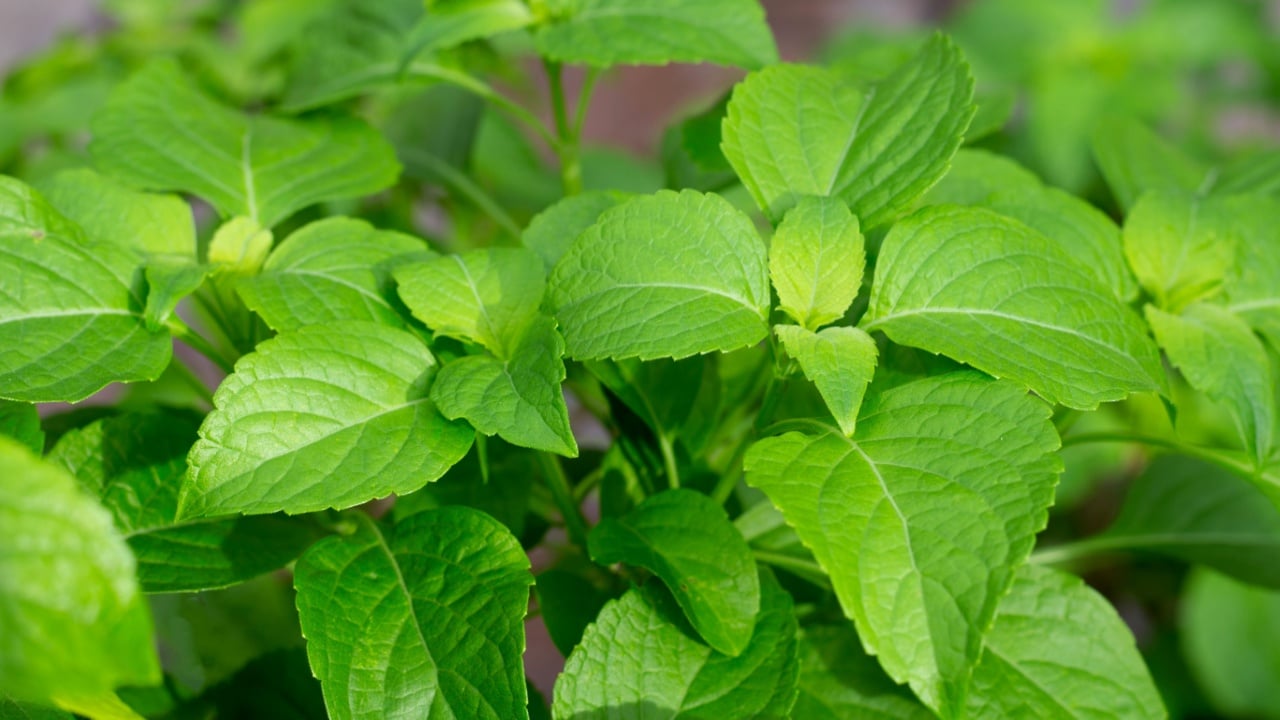
Clove basil has a powerful spicy scent that is great for repelling reptiles. The leaves are full of essential oils that overwhelm a snake’s senses. The strong clove smell acts as a solid natural barrier in your flower beds and vegetable gardens.
This type of basil can grow up to 6 feet tall and has pretty purple and green leaves. Gardeners often trim it into a hedge to create a thick border. It grows well as an annual in non-tropical climates and is a beautiful addition to any yard.
Plant it where it can get morning sun but is protected from the hot afternoon sun. In tropical areas, keep an eye on its spread because it can become invasive. Harvest the leaves often to encourage new growth and release the spicy essential oils.
5. Garlic (Allium sativum)
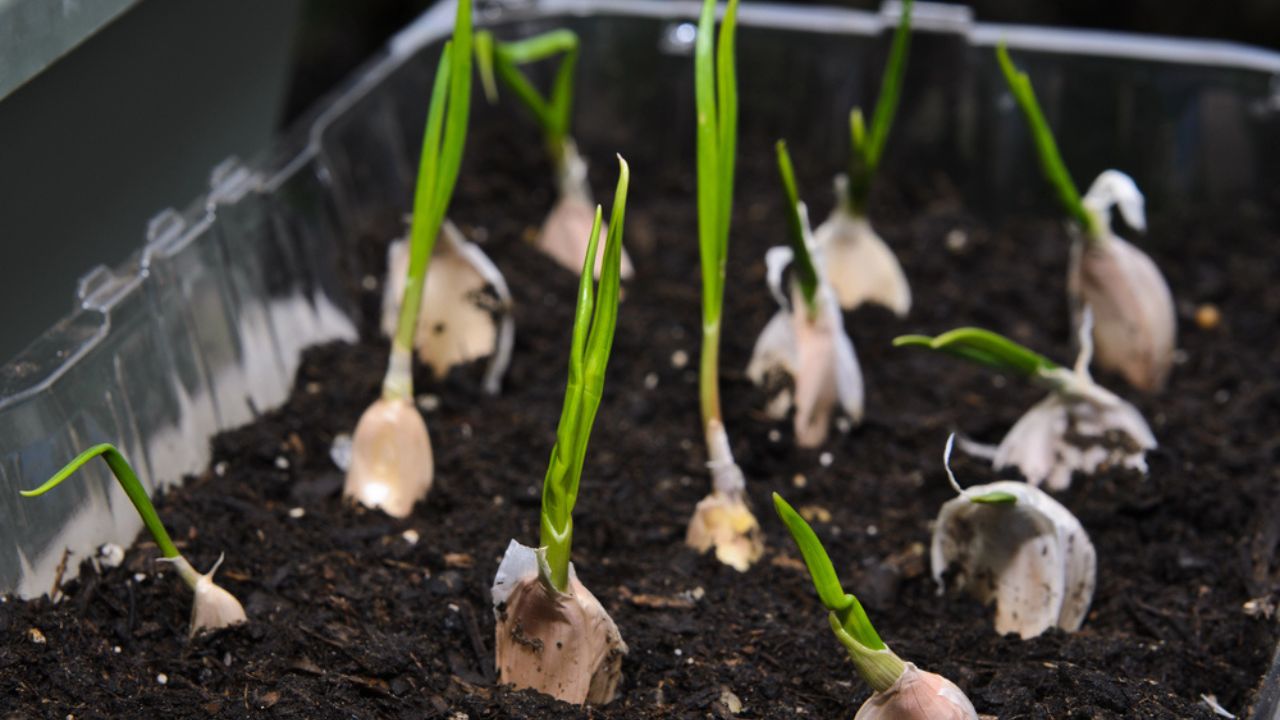
Garlic plants have a signature strong smell that comes from both the underground bulbs and the stems above ground. The powerful essential oils can be rubbed onto snakes as they move through the plants. This makes them very uncomfortable and quickly drives them away.
Garlic plants have small white flowers that attract good pollinators while repelling harmful insects and snakes. It’s a hardy perennial herb in most growing zones. The stalks are sturdy and hold up well to wind and rain.
Plant individual cloves with the pointy tips up in the early spring or late fall. Give the stalks full sun and water them regularly. Let the soil dry out a bit between waterings to stop the bulbs from rotting.
6. Society Garlic (Tulbaghia violacea)
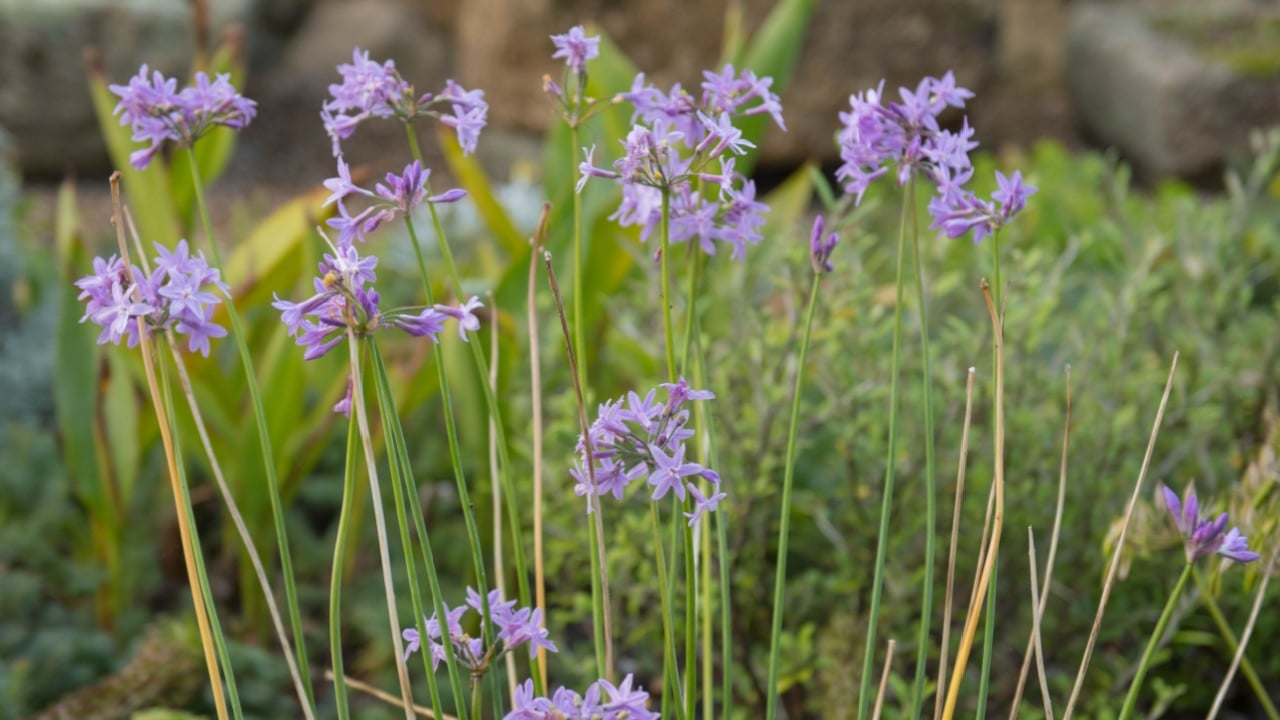
Society garlic leaves and flowers release a strong garlic smell whenever the wind blows or an animal brushes past. This sudden burst of scent startles and deters snakes trying to get into your garden. The constant aromatic defense makes it a very effective plant for your garden’s edge.
This drought-tolerant perennial grows a large cluster of rosy lavender flowers in the spring and summer. The flowers surprisingly smell like sweet hyacinth and attract many bees. It does well in warm climates and needs very little care once it’s established.
Plant it in areas that get a lot of sun and heat. Once it’s established, you won’t need to water it often because it handles dry conditions very well. You can divide the clumps every few years to get new plants and expand your protective barrier.
7. Flowering Onion (Allium spp.)
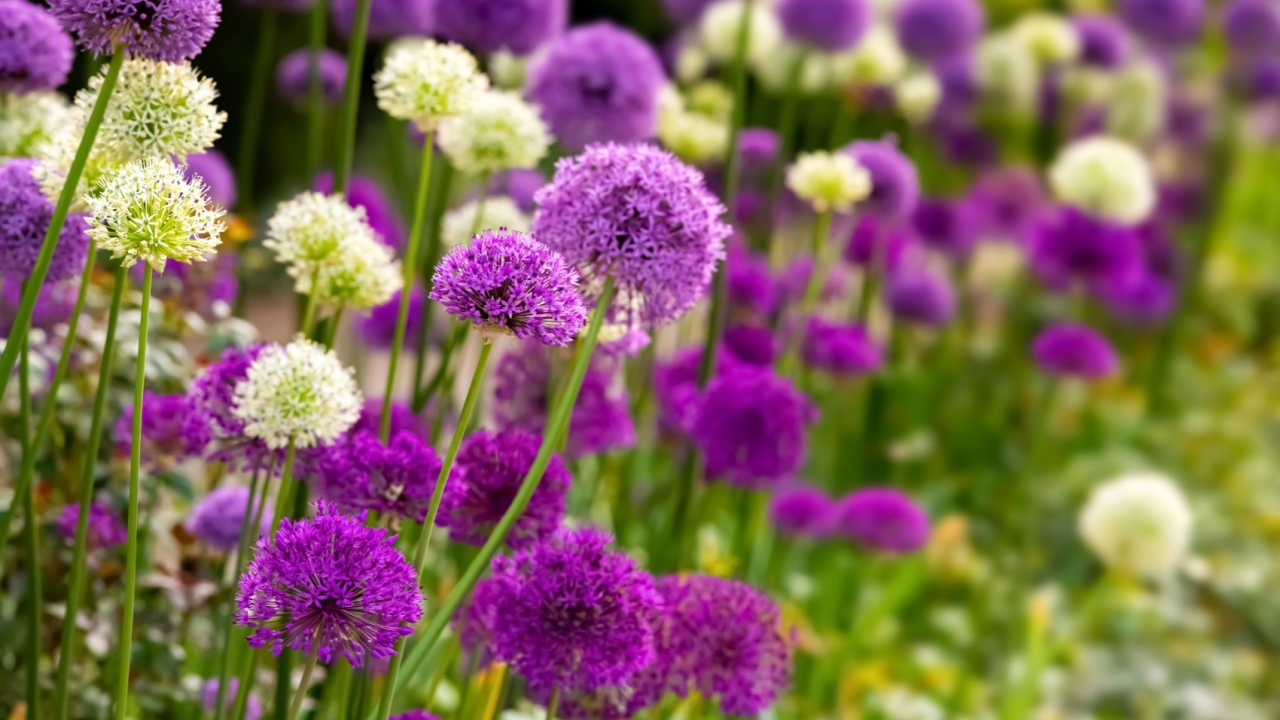
Flowering onions are in the same family as garlic and have the same strong repellent scent. The bulbs release sulfur compounds that snakes find disgusting. The tall stems carry the smell upward, creating a good shield against crawling pests.
Ornamental alliums have huge globe-shaped flowers that look amazing in garden beds. The White Giant Allium has pure white flowers that can be 8 inches across. The Drumstick Allium has oval-shaped blooms in deep reddish colors that pop against green leaves.
Plant the bulbs in the fall before the first hard freeze. Pick spots with full to partial sun and soil that drains well. You can leave the dried flower heads on the stalks into late summer for some architectural interest after the colors fade.
8. Chives (Allium schoenoprasum)
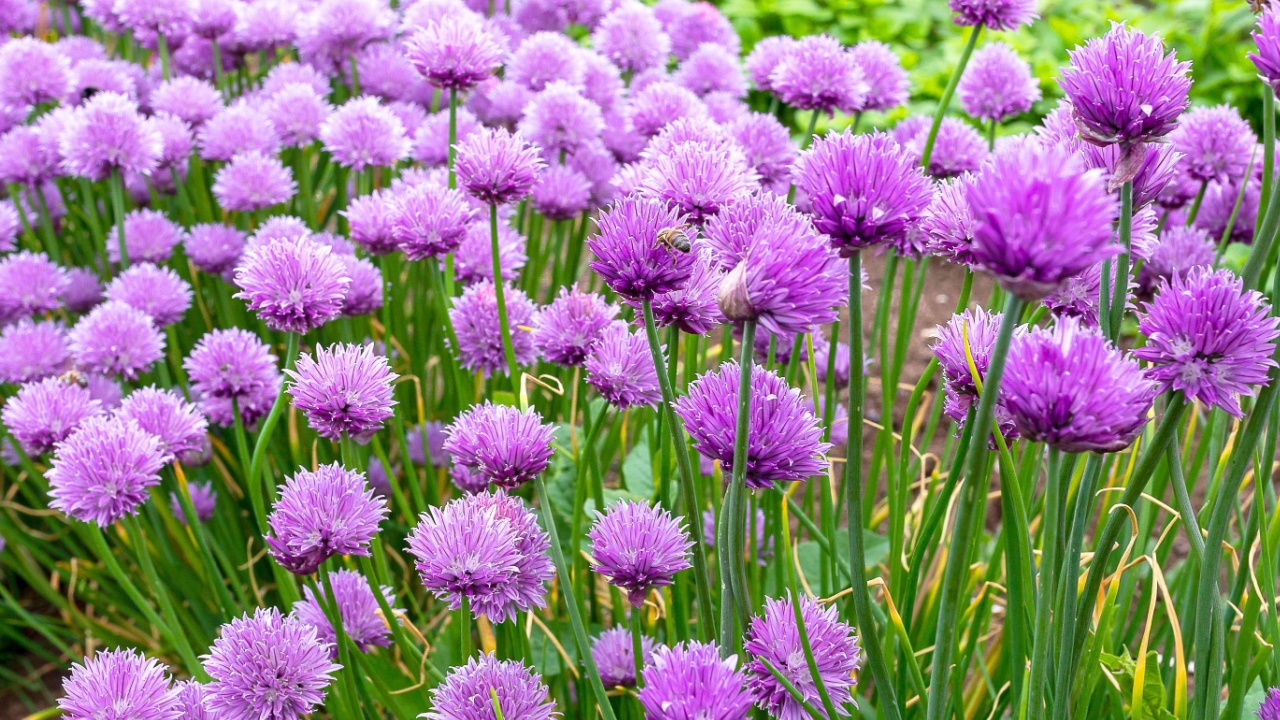
Chives give off a sharp onion smell that interrupts the hunting patterns of snakes. The dense stalks create a physical and smelly hurdle that reptiles don’t want to cross. The constant smell also hides the scent of any potential prey animals living nearby.
This perennial herb has thin, hollow stalks and sweet, light purple globe flowers. Chives need a lot less sun than their bigger relatives, like garlic and onions. They can handle light shade and grow back quickly after you harvest them for cooking.
Give the plants rich compost to help them grow strong stalks. Trim the greens regularly with sharp scissors to keep the plants looking neat and to encourage fresh growth. You can divide mature clumps in the early spring to keep them healthy and create more pest barriers.
9. White Snakeroot (Ageratina altissima)
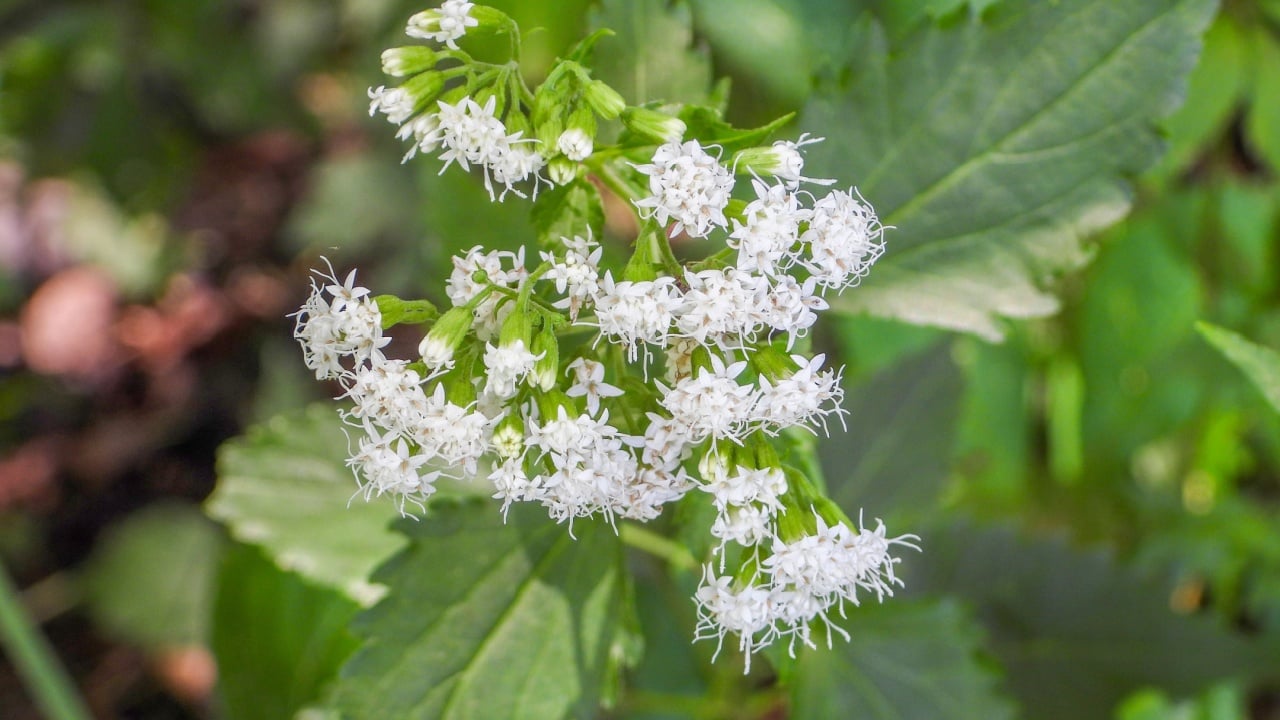
White snakeroot has specific chemicals that are very toxic to reptiles. Snakes instinctively know to avoid the bitter leaves and roots. The plants create an unwelcome area that discourages pests from nesting or hunting nearby.
This native North American perennial grows between 3 and 5 feet tall. It has dark green leaves and delicate white flowers that can brighten up shady spots. It does well in medium to wet soils and is great for rain gardens or damp areas in your yard.
Plant white snakeroot away from pets because the leaves can cause bad reactions if eaten. Let it grow naturally in shady woodland areas where other plants might not survive. You can control its spread by cutting off the flower heads before they drop their seeds.
10. Mugwort (Artemisia vulgaris)
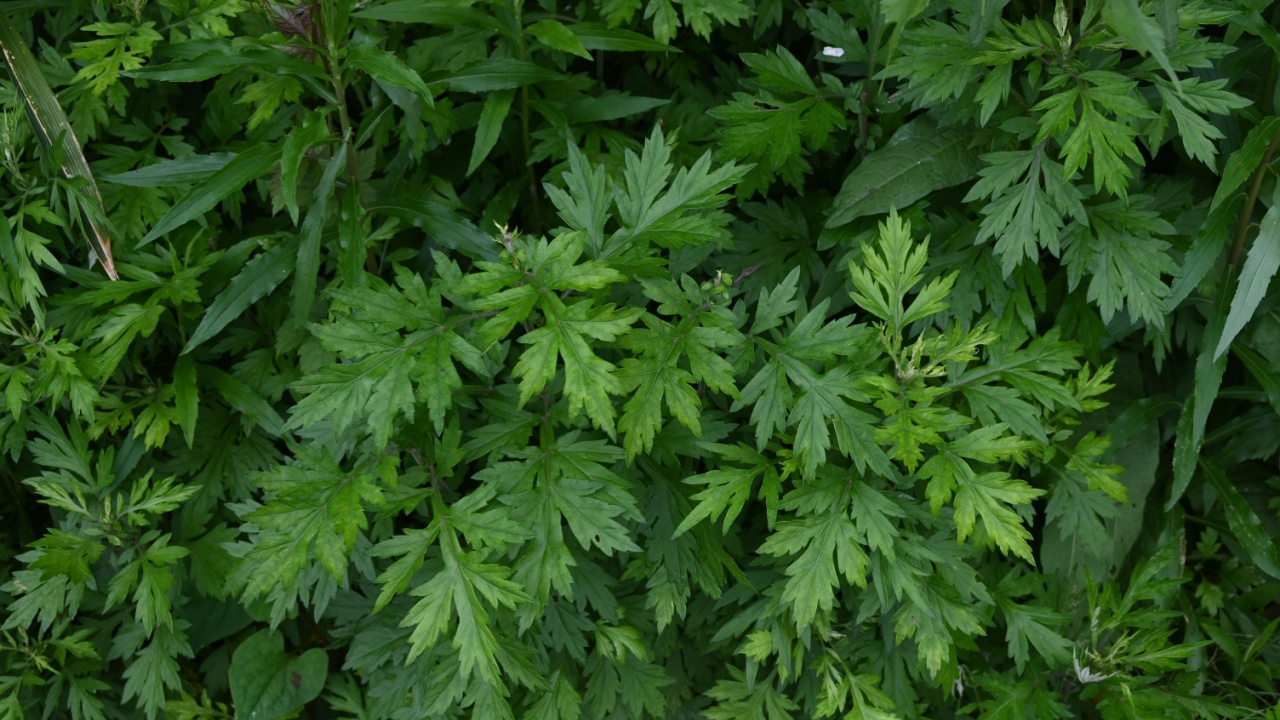
Mugwort has very bitter essential oils and a heavy scent that snakes don’t like. The oils get into the air and settle on the soil. This creates a space where reptiles can’t get comfortable or use their senses to hunt.
This tough perennial has pretty greenish-silver leaves and reddish flowers that attract butterflies. Hardy mugwort can grow 3 to 4 feet high and gets established quickly. A close relative called wormwood has lacy silver leaves and yellow flowers with the same repellent qualities.
Grow mugwort in full sun to get the most out of its essential oils. It can grow in almost any soil, even if it’s not very nutritious. Prune the stems back hard in late winter to stop the plant from getting too long and messy.
11. Golden Barrel Cactus (Echinocactus grusonii)

The golden barrel cactus uses its physical shape instead of a smell to keep snakes away. The plant grows low to the ground, right where snakes slither. The thick covering of sharp spikes makes it impossible for snakes to crawl over or hide under them.
This cool-looking plant looks like a pincushion and can grow up to 3 feet across when it’s fully mature. It’s perfect for rock gardens and landscapes built for extreme heat and drought. The bright yellow spines look beautiful against gravel and stones.
Plant the cactus in very porous succulent soil and put rocks around the base to ensure good drainage. If you live in a cold climate, you can keep the plant in a pot buried in the ground so it’s easy to bring inside for the winter. Always wear thick protective gloves when you handle or move the cactus to avoid getting hurt.
12. Snake Plant (Dracaena trifasciata)

The snake plant keeps reptiles away with its sharp, stiff shape. The leaves stand straight up and have hard, pointed tips that make it uncomfortable for ground pests. Snakes avoid areas where these stiff leaves get in the way of their smooth movement.
Dracaena trifasciata has tall, mottled green and yellow leaves that look a bit like a snake rising up. There are several pretty varieties you can grow indoors or outdoors. The plants are easy to transplant and need very little care.
Put snake plants in places with low to moderate light where other plants might not grow well. Water the soil only when it’s completely dry. If you have them outdoors in a cold area, dig them up before the first frost and bring them inside for the winter.
13. Mint (Mentha spp.)
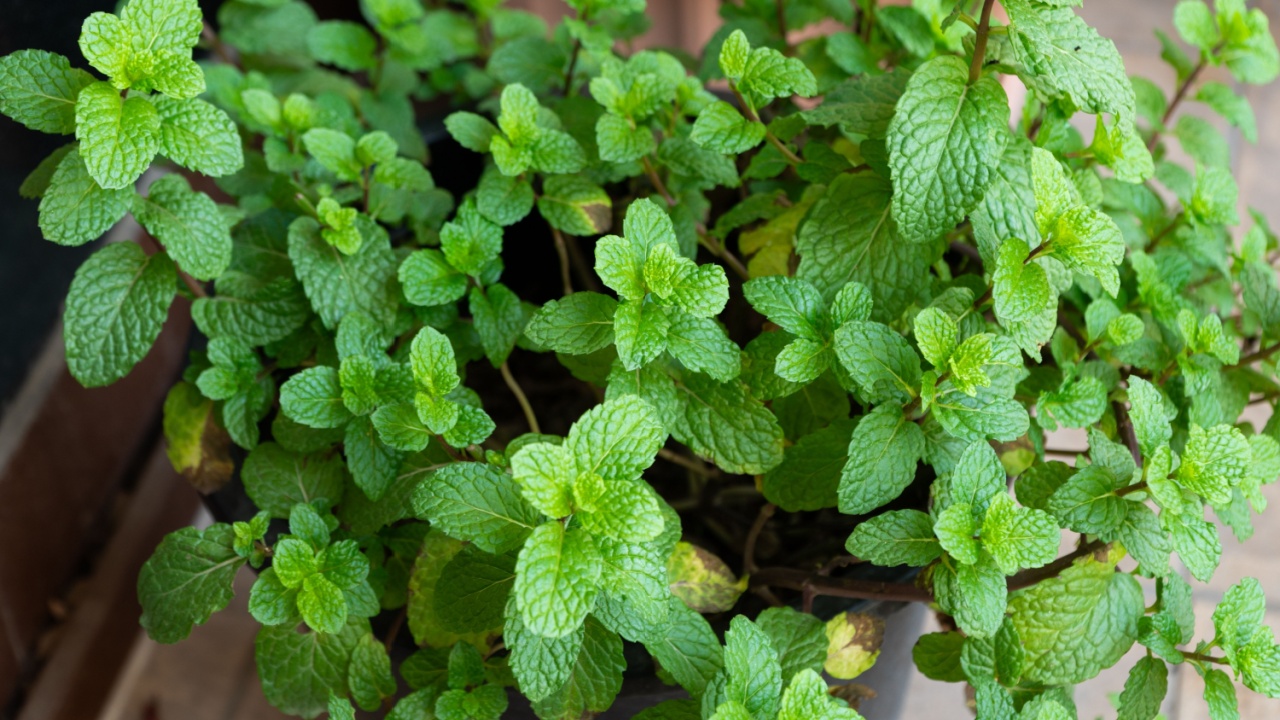
Mint releases a sharp menthol smell that messes with the sensitive noses of garden pests and reptiles. The thick roots and sprawling stems create a physical mat that snakes don’t like to cross. Bruised leaves constantly release the scent, which works as a great local deterrent.
This super-fast-growing perennial herb has textured green leaves and produces tiny purple or white flowers. It spreads quickly with underground runners and can form a thick ground cover. There are many types available, like peppermint and spearmint, and they all have similar pest-repelling abilities.
Keep mint in large pots or containers buried in the ground to stop it from taking over your garden. Harvest the sprigs often to keep the plant’s shape and encourage a stronger menthol smell. Place the pots near patios and doorways to create a fragrant protective barrier.
14. Rosemary (Salvia rosmarinus)
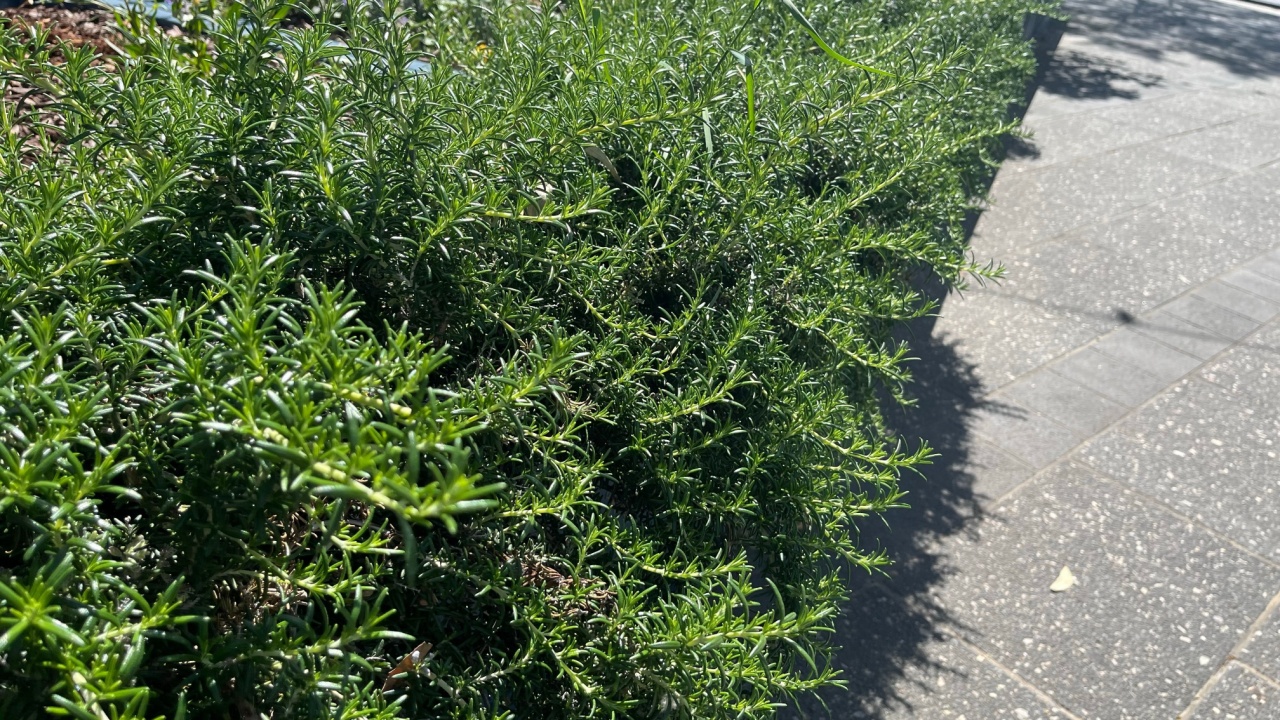
Rosemary bushes give off a strong, woody smell from the essential oils in their needle-like leaves. The thick, woody stems and stiff leaves create a prickly physical barrier that low-slithering reptiles try to avoid. The intense pine-like scent seriously disorients snakes looking for small prey.
This evergreen shrub loves warm climates and adds year-round structure to your yard. The branches grow thick and woody and produce delicate blue flowers that attract pollinators. It looks great as a trimmed hedge or as a sprawling centerpiece in a rock garden.
Plant rosemary in sandy soil that drains well and give it lots of sun every day. Don’t overwater the shrub because too much moisture can quickly lead to deadly root rot. Trim the branches lightly in the spring to shape the bush and encourage new, fragrant leaves.
Cultivating a Pest-Free Sanctuary

Planting heavily scented herbs and sharp succulents can create a natural defense system against unwanted reptiles. Adding these unique plants to your landscaping not only gives you peace of mind but also makes your yard look great. If you’re looking to improve your outdoor spaces, head to a local nursery today to pick up these protective plants.
Read More:
7 Natural Ways to Keep Snakes Out of Your Backyard Sanctuary