14 Reusable Kitchen Upgrades That Will Make You Regret Ever Buying Disposables
The kitchen is often where small, repeated purchases quietly add up. Items like paper towels, foil, and plastic bags may seem inexpensive on their own, yet they are replaced repeatedly. Over time, this routine becomes a steady drain on the household budget. A closer look at these habits reveals just how much is being spent on items that are used once and then discarded.
Switching to reusable options changes that pattern. Instead of buying the same items every week or month, you invest once and use them for months or even years. This reduces not only the number of shopping trips but also the stress of running out of essentials at inconvenient times. The shift is simple, but the long-term effect on spending is noticeable.
This guide is based on common household waste patterns and practical product testing. Data on kitchen waste show that a large portion of daily trash comes from disposable items. Replacing them with materials like silicone, stainless steel, and cotton can cut down waste by a significant margin while maintaining the same level of convenience.
What follows is a focused list of fourteen reusable kitchen tools that can replace everyday disposables. Each section explains how the item saves money and how to care for it properly. With the right approach, these small changes can stretch your budget further while keeping your kitchen efficient and well-organized.
1. Silicone Food Storage Bags
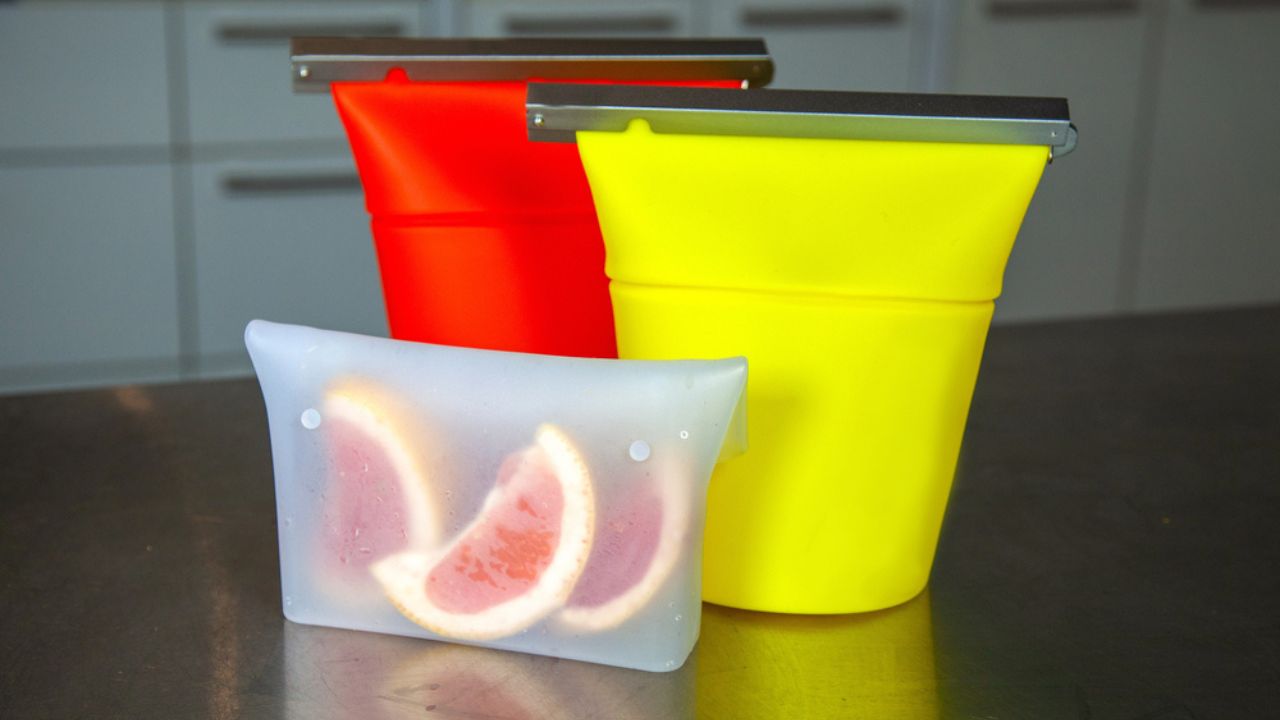
Silicone bags offer a durable and leak-proof alternative to traditional plastic zip-top bags. These containers are made from food-grade silicone that can withstand high heat and freezing temperatures without degrading.
They are ideal for marinating meats, storing leftover vegetables, or packing snacks for daily travel. Because they can be washed and reused thousands of times, they eliminate the need to buy boxes of plastic bags every month.
To maintain these bags, wash them by hand with warm, soapy water or place them in the top rack of a dishwasher. Air drying them upside down over a glass or a drying rack prevents moisture from being trapped inside.
2. Beeswax Food Wraps
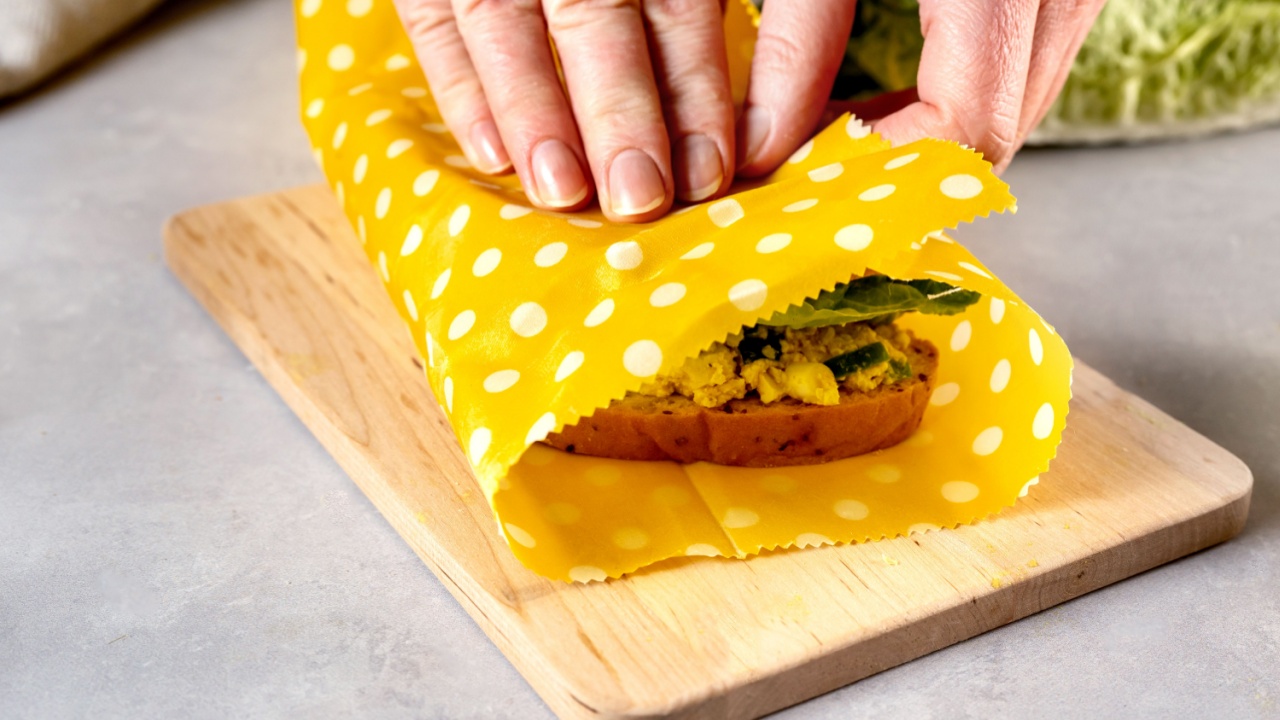
Beeswax wraps provide a natural way to cover bowls and wrap produce without using plastic film. These wraps are made from cotton infused with beeswax, resin, and oil, which creates a pliable surface that sticks to itself using the warmth of hands.
They are particularly effective for keeping bread fresh and wrapping hard cheeses or cut fruits like apples and lemons. Using these wraps stops the cycle of buying and discarding rolls of thin plastic wrap.
Caring for these wraps requires cold water and mild soap, as hot water will melt the wax coating. After washing, let them air dry flat on a counter or a drying rack. When the wax eventually begins to thin after a year of use, the wrap can be refreshed by placing it in a low-heat oven on a parchment-lined tray for a few minutes.
3. Swedish Dishcloths
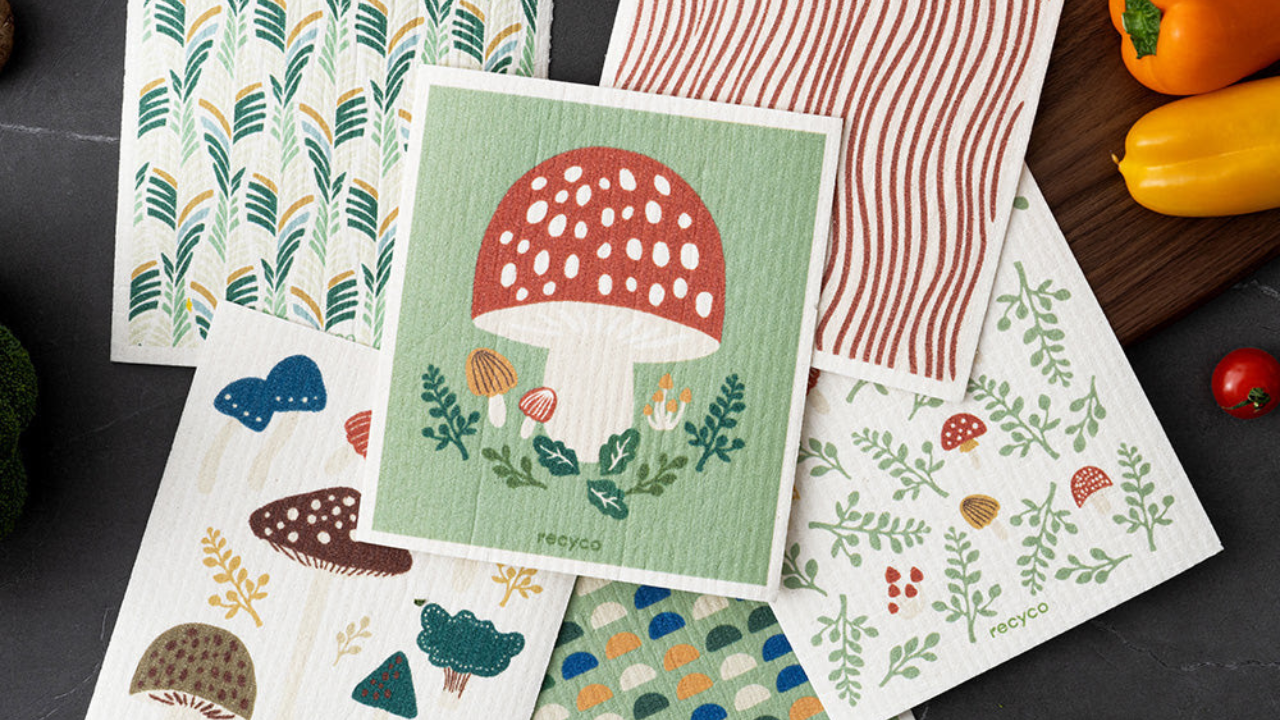
Swedish dishcloths combine the best qualities of a sponge and a paper towel, capable of absorbing twenty times their weight in liquid. One single cloth can replace various rolls of paper towels, significantly cutting down on grocery costs.
They are made from a mix of wood pulp and cotton, which makes them naturally biodegradable once they reach the end of their utility. These are perfect for wiping down counters, cleaning appliances, and scrubbing dishes.
These clothes dry quickly, which helps prevent the growth of bacteria and unpleasant odors. When they need a deep clean, they can be boiled or placed in the washing machine on a standard cycle.
4. Reusable Coffee Filters
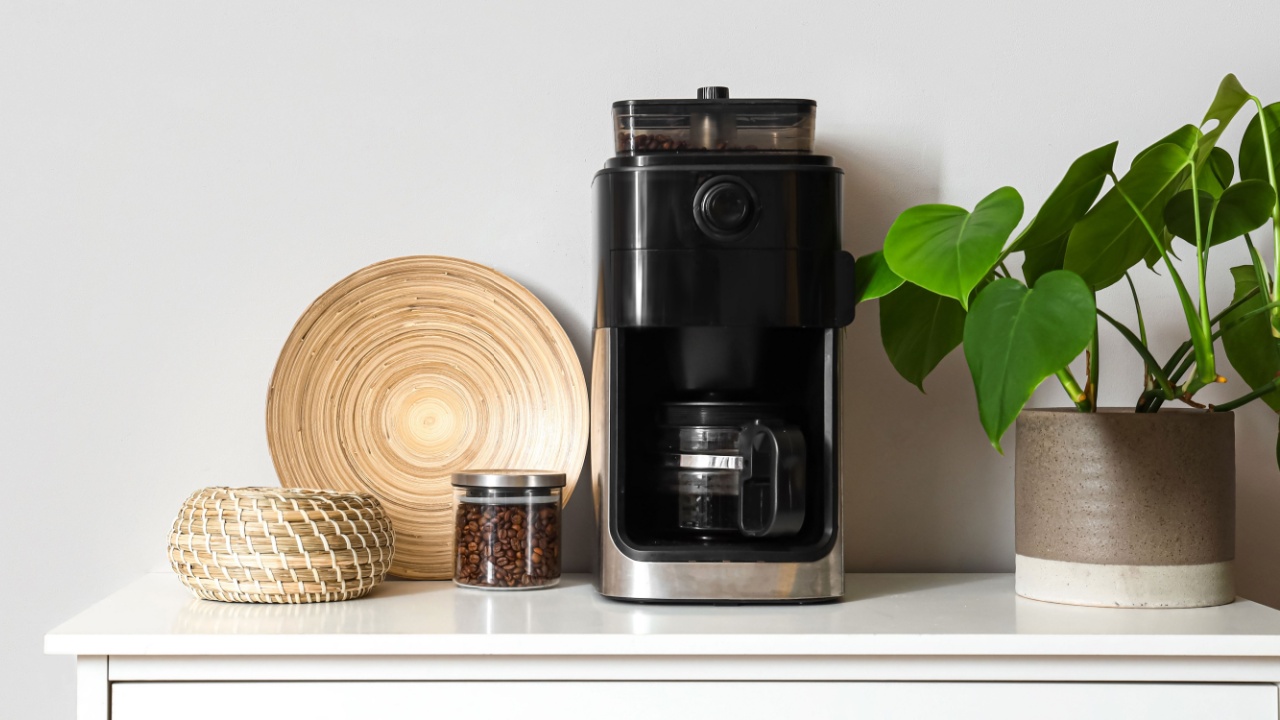
Metal or cloth coffee filters allow coffee drinkers to skip the daily cost of paper filters while improving the flavor of the brew. Stainless steel mesh filters allow more of the natural oils from the beans to pass through, resulting in a richer cup of coffee.
Cloth filters made from organic cotton offer a middle ground, providing a clean taste without the waste. Replacing paper filters is a simple way to reduce morning waste and save money incrementally every day.
Metal filters should be rinsed immediately after use to prevent fine grounds from clogging the mesh. A deeper soak in vinegar and water once a month helps remove any built-up coffee oils. For cloth versions, rinsing in hot water and storing them in a jar of water in the refrigerator keeps the fabric fresh between uses.
5. Glass Meal Prep Containers
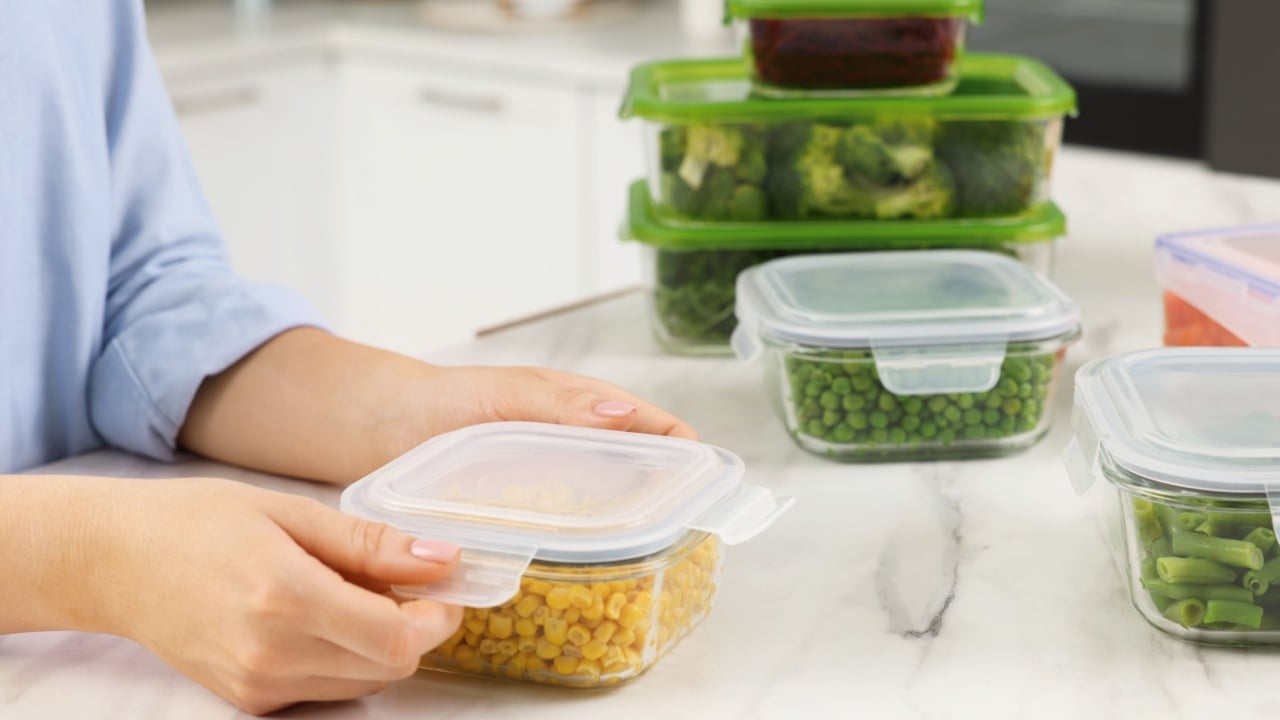
Glass containers are a superior long-term investment compared to plastic versions that stain, warp, or retain smells. Borosilicate glass can move from the freezer to the oven or microwave without cracking, making it a highly functional tool for meal planning.
Investing in a set of glass containers means never having to replace flimsy plastic tubs that lose their lids or melt in the dishwasher. They provide a clean, non-toxic environment for food storage that lasts for years.
To keep these in top condition, avoid using abrasive scrubbers that could scratch the surface. The lids often contain silicone seals that should be removed and washed separately to prevent mold growth. Stacking them carefully with a cloth or paper buffer between pieces prevents chipping in the cabinet.
6. Stainless Steel Straws
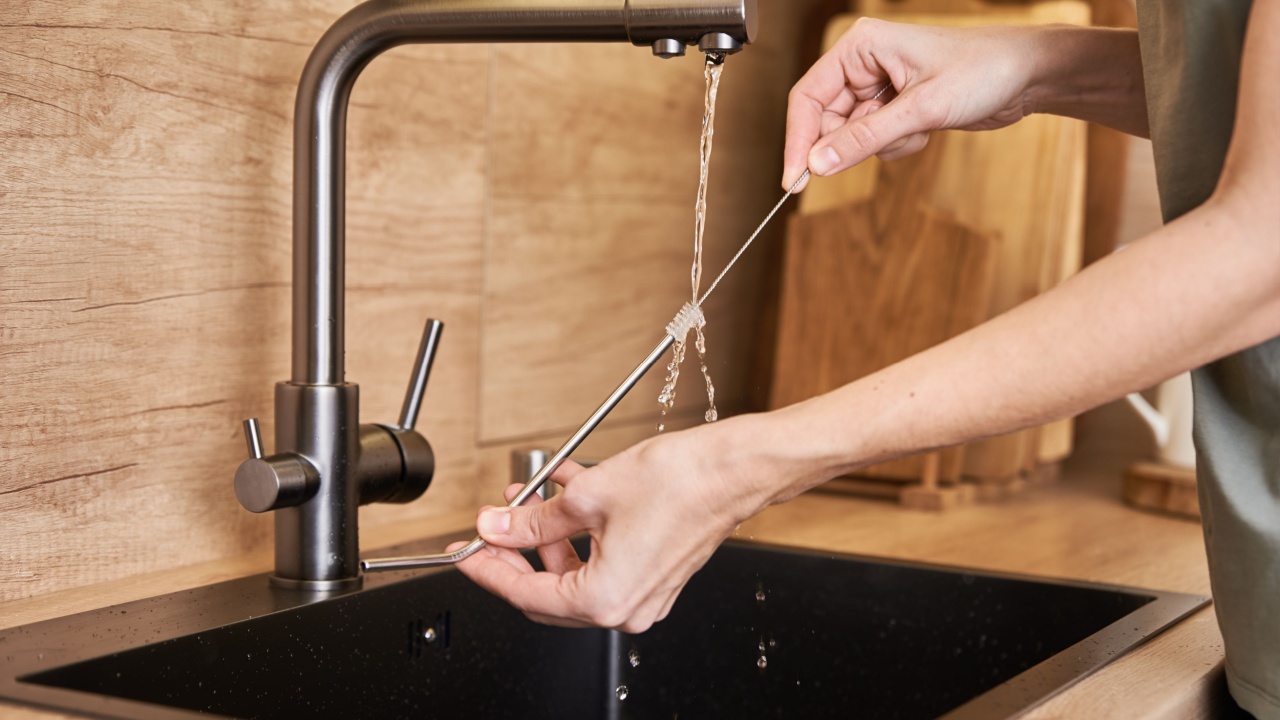
Stainless steel straws are a permanent solution for those who prefer drinking through a straw but want to avoid single-use plastic. These straws are rust-proof, BPA-free, and do not impart any metallic taste to beverages.
They are sturdy enough to take on the go and often come in various shapes, including bent and straight versions to fit different cups. Eliminating the purchase of plastic straws is a small but consistent win for both the wallet and the environment.
Most sets include a small brush designed to clean the interior of the straw effectively. It is helpful to run the brush through with soapy water after every use to prevent residue from sugary drinks. These can also be placed in the utensil basket of a dishwasher for a high-heat sanitizing clean.
7. Cotton Produce Bags

Cotton mesh bags replace the thin plastic bags found in the produce aisle of the grocery store. These bags are breathable, which actually helps fruits and vegetables like onions and potatoes stay fresh longer than they would in airtight plastic.
They are lightweight and durable, featuring drawstring closures that keep items secure during transport. Bringing these to the store reduces plastic consumption and ensures that produce is stored in a more natural environment.
Wash these bags regularly with the rest of the kitchen linens to keep them free of dirt and juice stains. Air drying is recommended to prevent any shrinkage of the natural cotton fibers. Storing them inside the larger reusable grocery bags ensures they are always available when heading to the market.
8. Cast Iron Skillet
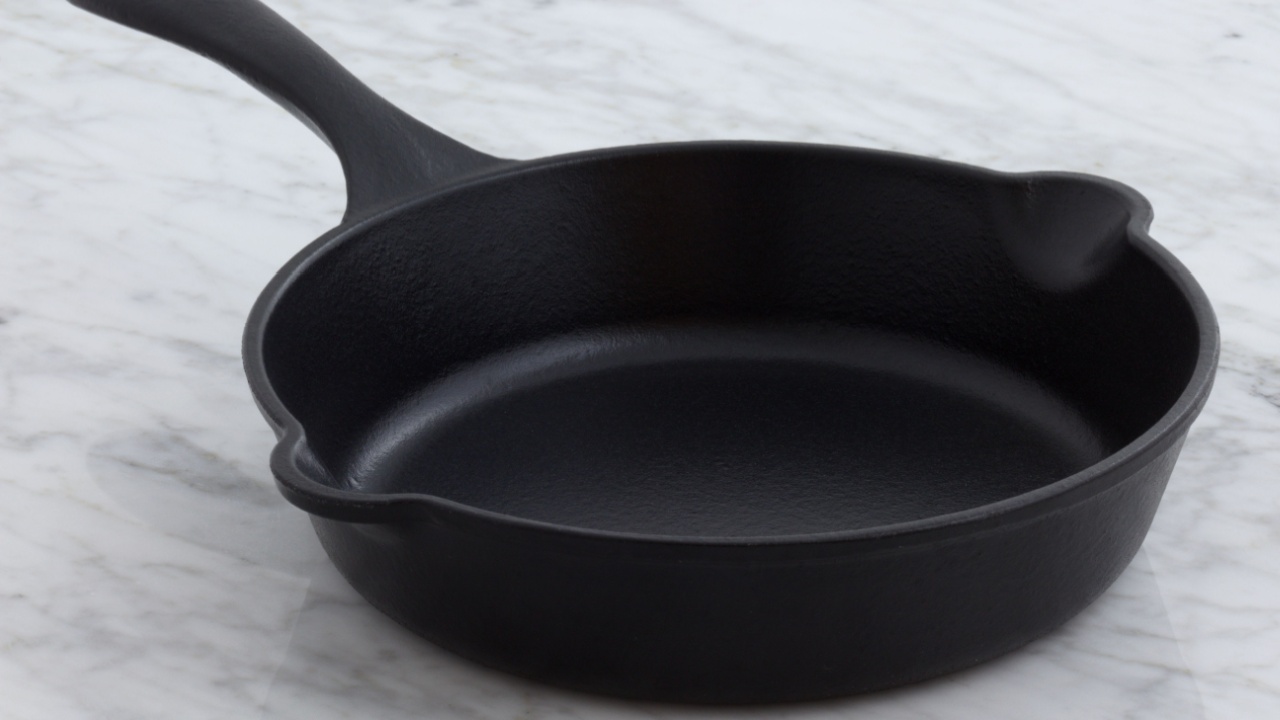
A cast-iron skillet is a one-time purchase that can replace multiple non-stick pans over a lifetime. Unlike non-stick coatings that flake off and require the pan to be replaced every few years, cast iron becomes better with age.
It provides excellent heat retention and a natural non-stick surface when properly seasoned. This durability makes it one of the most cost-effective pieces of cookware a person can own.
Cleaning a cast-iron skillet involves rinsing it with hot water and using a stiff brush without harsh soaps. After washing, it must be dried immediately and lightly coated with oil to maintain the seasoning. A helpful next step for new owners is to learn the process of re-seasoning the pan in the oven to restore its finish if it ever loses its luster.
9. Reusable Baking Mats
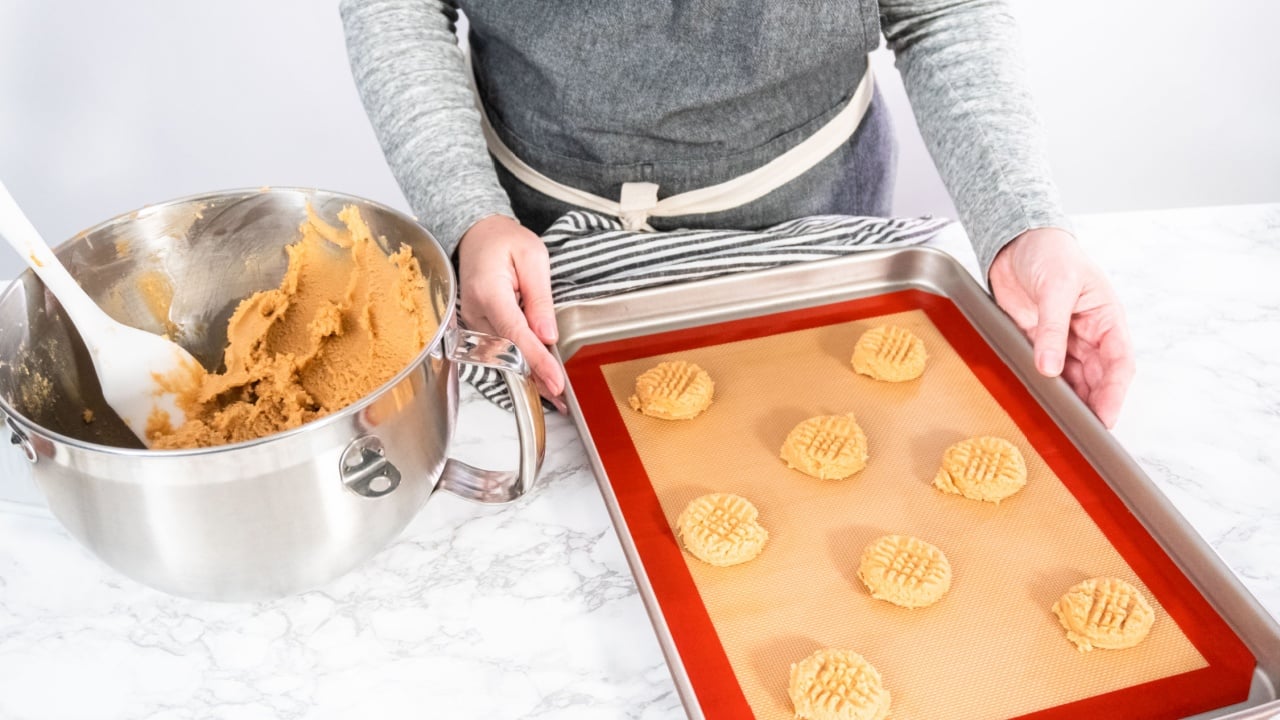
Silicone baking mats eliminate the need for parchment paper and greasing sprays, saving money on baking supplies. These mats provide a non-stick surface for everything from cookies to roasted vegetables and can withstand high oven temperatures.
They also help distribute heat evenly across the baking sheet, preventing burnt bottoms on delicate pastries. Using these mats protects baking sheets from wear and tear, extending the life of the pans as well.
To clean, wipe the mats down with a damp sponge and mild soap to remove any oily residue. They can be rolled up for compact storage or laid flat in a drawer between uses. Checking the manufacturer’s temperature limit is an important step to ensure the mats are used safely within their intended heat range.
10. Unpaper Towels
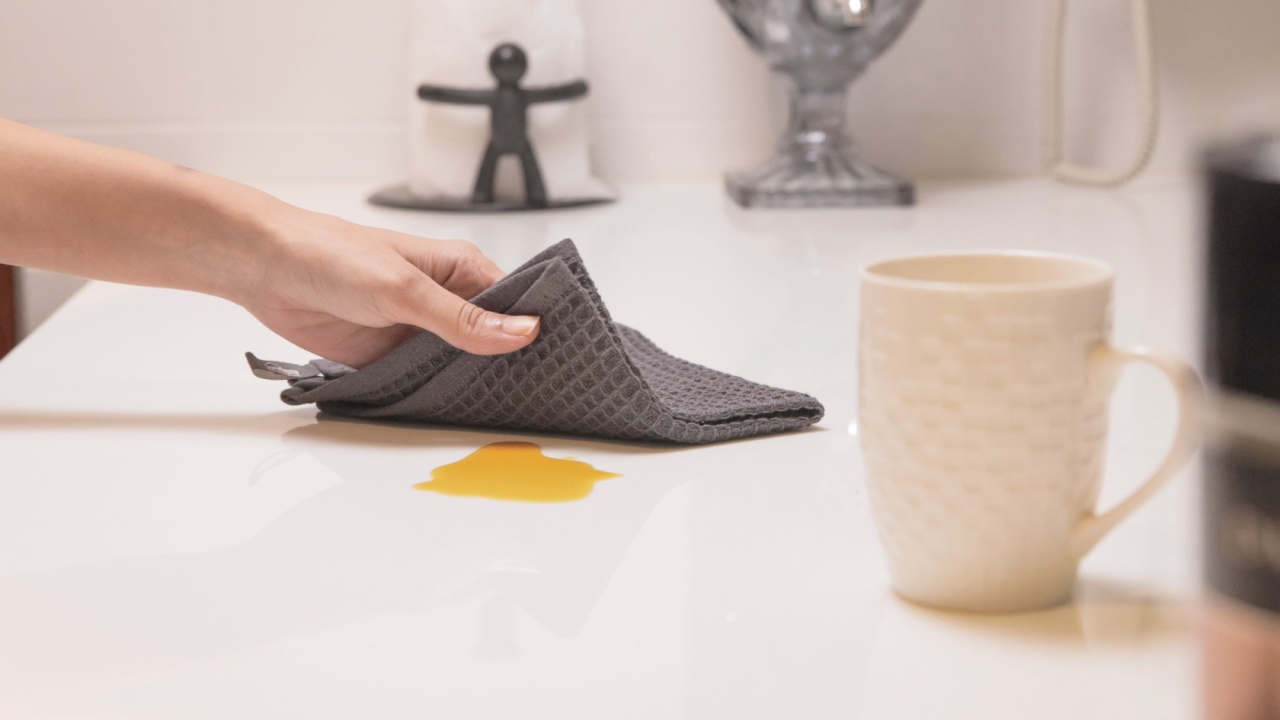
Unpaper towels are cloth strips, often made from flannel or cotton, that snap together or stack to replace traditional paper towel rolls. They are designed to be used for the same tasks, such as drying hands or cleaning up spills, but can be tossed into the laundry instead of the trash.
Transitioning to cloth towels can save a household significant money annually, as paper towels are a high-volume disposable item. Many people find that cloth is more effective at absorbing large messes than thin paper.
New cloth towels often become more absorbent after a few washes, so laundering them before the first use is a good idea. Store clean towels in a basket on the counter for easy access during meal preparation. Using a dedicated wet bag for used towels keeps the kitchen organized until laundry day.
11. Refillable Glass Soap Dispensers
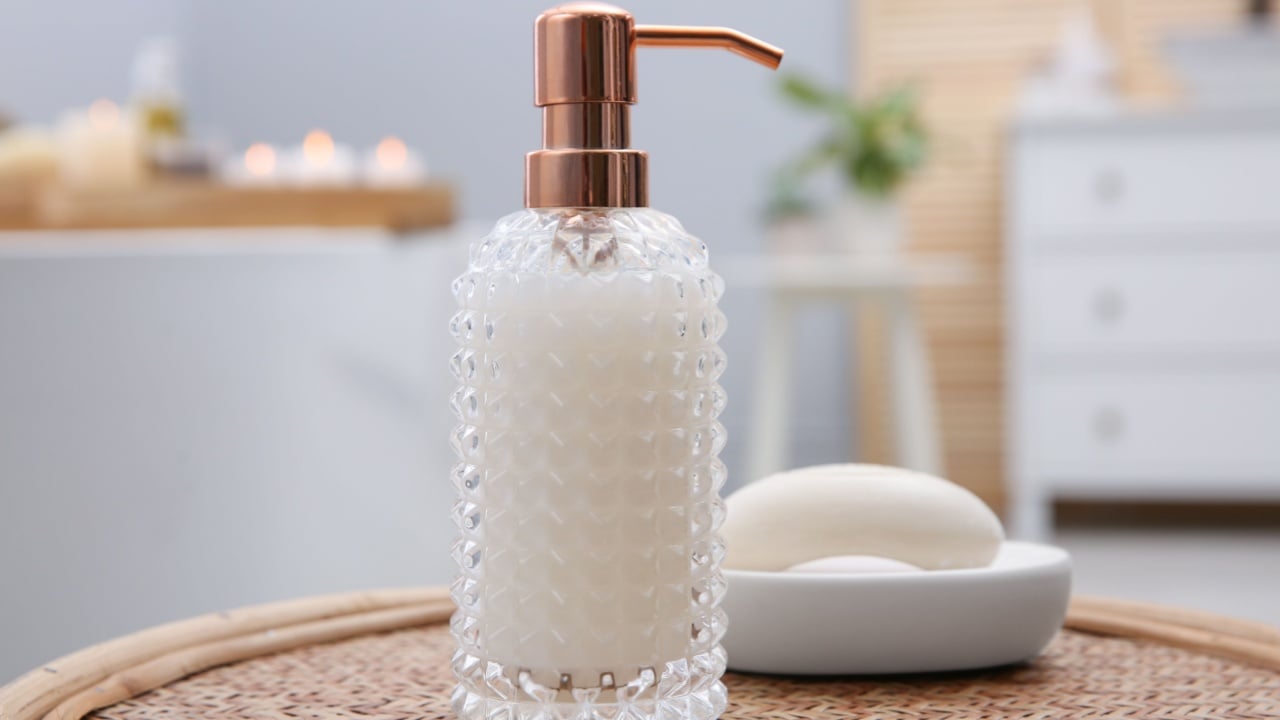
Buying dish soap and hand soap in bulk and using glass dispensers is much cheaper than purchasing individual plastic pump bottles. Glass dispensers are more aesthetic and do not degrade or leak over time like cheap plastic containers.
This practice reduces the amount of plastic waste entering the home and allows for a more streamlined look on the countertop. Bulk refills are often significantly less expensive per ounce than smaller bottles.
Keep the pump mechanism working smoothly by rinsing it with warm water if it becomes clogged with dried soap. Choosing dispensers with a weighted base or a silicone bottom prevents them from sliding on wet surfaces. An effective next step is to find a local refill shop or buy concentrated soap formulas that can be diluted with water.
12. Wool Dryer Balls
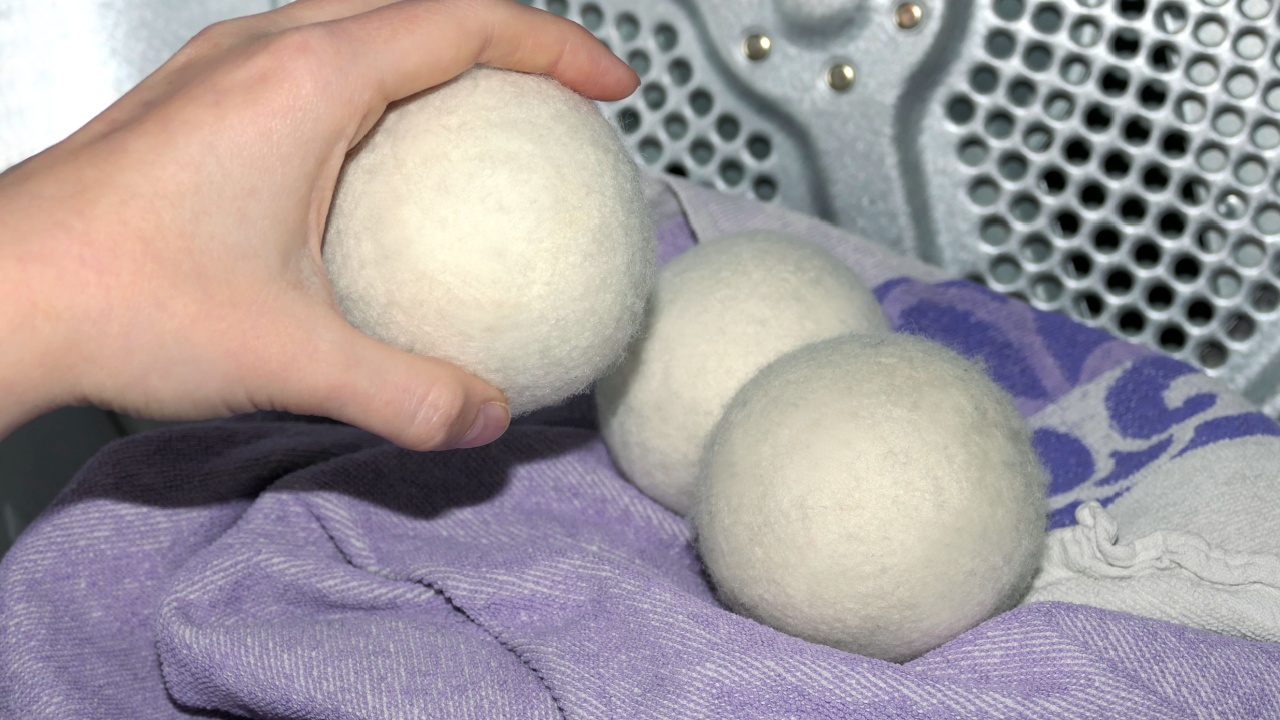
While technically used in the laundry, wool dryer balls are a kitchen-adjacent investment that saves money on dryer sheets and fabric softeners. These balls bounce between clothes, creating air pockets that reduce drying time and soften fabrics naturally.
They can be reused for over a thousand loads, making them a far more economical choice than disposable chemical-laden sheets. They also help reduce static and wrinkles in clothing and linens.
For those who miss the scent of dryer sheets, adding a few drops of essential oil to the wool balls provides a natural fragrance. If the balls start to look pilled after many uses, they can be trimmed or simply left alone, as the pilling does not affect performance. Making sure the dryer is not overloaded allows the balls to move freely and work most efficiently.
13. Reusable Tea Infusers
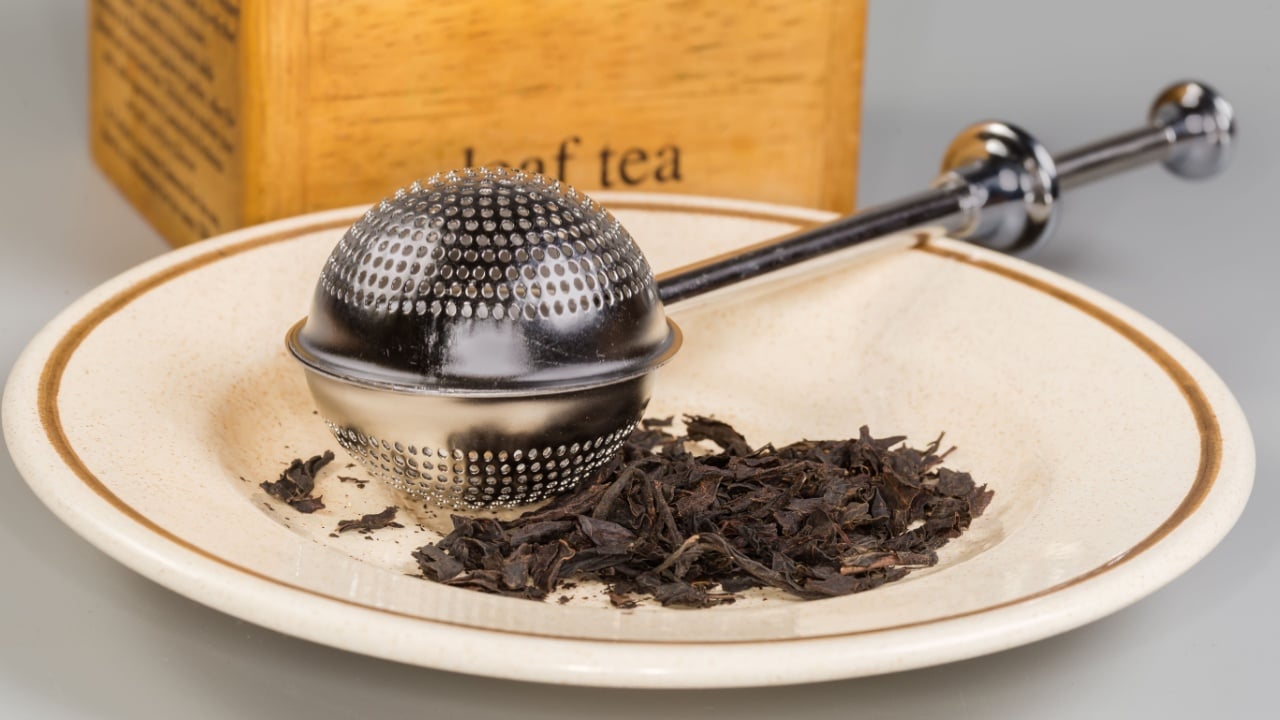
A stainless steel tea infuser replaces the need for individual tea bags, which often contain microplastics and are more expensive than loose-leaf tea. Loose tea is generally higher quality and can be purchased in larger quantities for a lower price.
Infusers come in many forms, including baskets that sit in a mug or small balls that clip onto the side. This switch provides a better tasting experience and removes a source of daily waste.
Clean the infuser by tapping out the used leaves and rinsing the mesh under running water. Most metal infusers are dishwasher safe, which makes maintenance very simple. Storing loose tea in airtight tins alongside the infuser creates a dedicated tea station that is both functional and organized.
14. Compost Bin
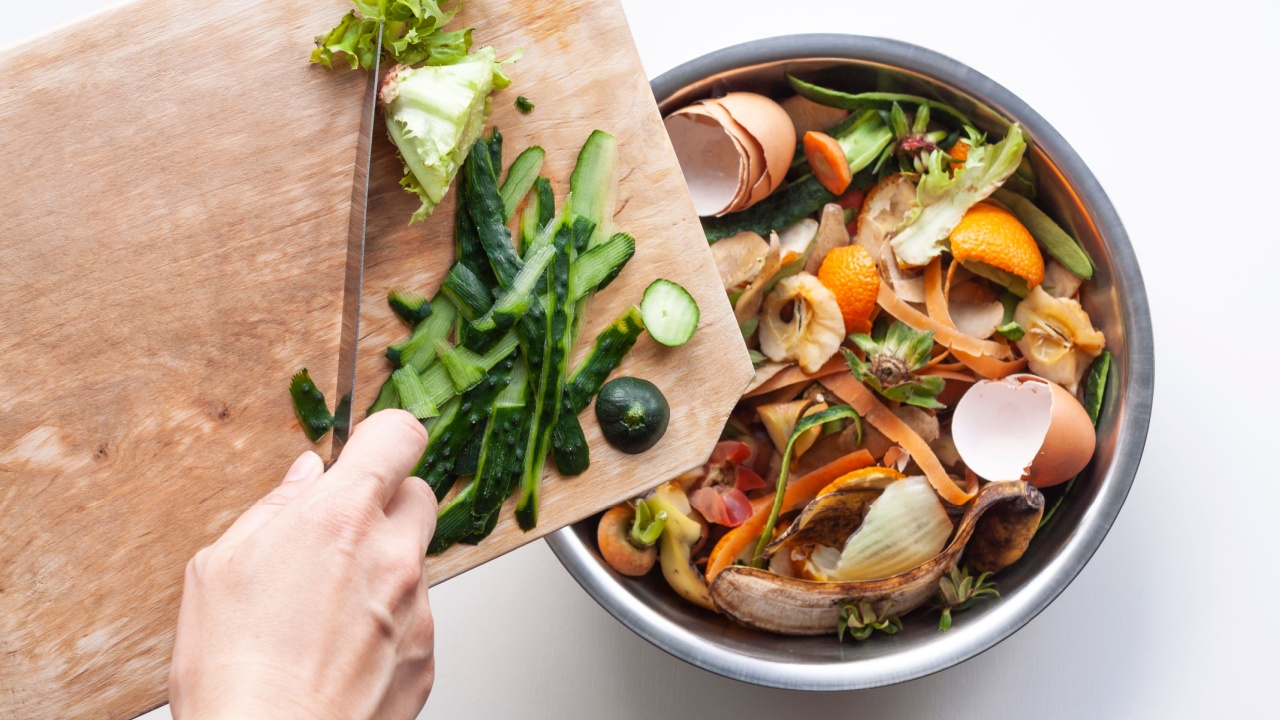
A small countertop compost bin allows a household to turn food scraps into nutrient-rich soil rather than throwing them in the trash. This can save money on garden fertilizer and reduce the need for frequent trash bag replacements.
Modern bins are designed to be odorless and compact, fitting easily next to the sink. Collecting peels, cores, and eggshells is a proactive way to manage kitchen waste.
Empty the bin every few days into an outdoor compost pile or a local collection service to keep things fresh. Many bins include charcoal filters in the lid that should be replaced every few months to keep odors at bay. Washing the bin with vinegar and water between uses keeps the interior clean and sanitary.
The Sustainable Kitchen Payback

Choosing reusable kitchen tools helps cut down regular spending and reduces waste at the same time. As disposable items are used less often, the savings begin to show in monthly grocery costs.
A simple next step is to check what gets thrown away most in your kitchen and replace those items first. Over time, building a set of durable tools supports a more practical and cost-conscious household.
Read More:
12 Single-Use Items to Ditch and Save Serious Cash
Ditch Single-Use: 6 Swaps to Save Your Wallet and the Planet