12 Single-Use Items to Ditch and Save Serious Cash
Disposable products are everywhere in modern homes. Paper towels, wipes, plastic wrap, and cleaning pads promise convenience, but they quietly drain household budgets. Many families do not realize how often they buy the same products over and over again until they add up a month of receipts. A study comparing disposable and reusable products shows that the throw-away approach often costs far more over time because the items must be constantly replaced.
Reusable items often make more sense in the long run because they’re built to last. Instead of constantly buying and tossing single-use products, one durable option can handle repeated use and still do the job well. This means less waste piling up and fewer trips to the store. In many cases, a single reusable product can take the place of dozens or even hundreds of disposable ones, saving both money and resources.
This article explores 12 common single-use household items that can easily be replaced with reusable alternatives. Each switch not only reduces waste but can also save meaningful money over time.
1. Paper Towels

Paper towels are one of the most commonly used disposable products in kitchens and bathrooms. They seem inexpensive, but households often buy them repeatedly throughout the year. Switching to reusable paper towels can save you $180–$250 a year. They also tend to be more absorbent, making it easier to handle everything from quick spills to bigger cleaning jobs without constantly reaching for a new sheet. Reusable cloth alternatives can reduce that cost dramatically because they last for years and can be washed hundreds of times.
Reusable dishcloths, microfiber towels, or cotton rags work just as well for everyday cleaning tasks. Many households keep a small basket of clean clothes in the kitchen and simply toss used ones into the laundry. One cloth can replace hundreds of paper towel sheets. Even old T-shirts or worn towels can be cut into cleaning rags, turning waste into a useful household tool.
2. Disposable Cleaning Wipes
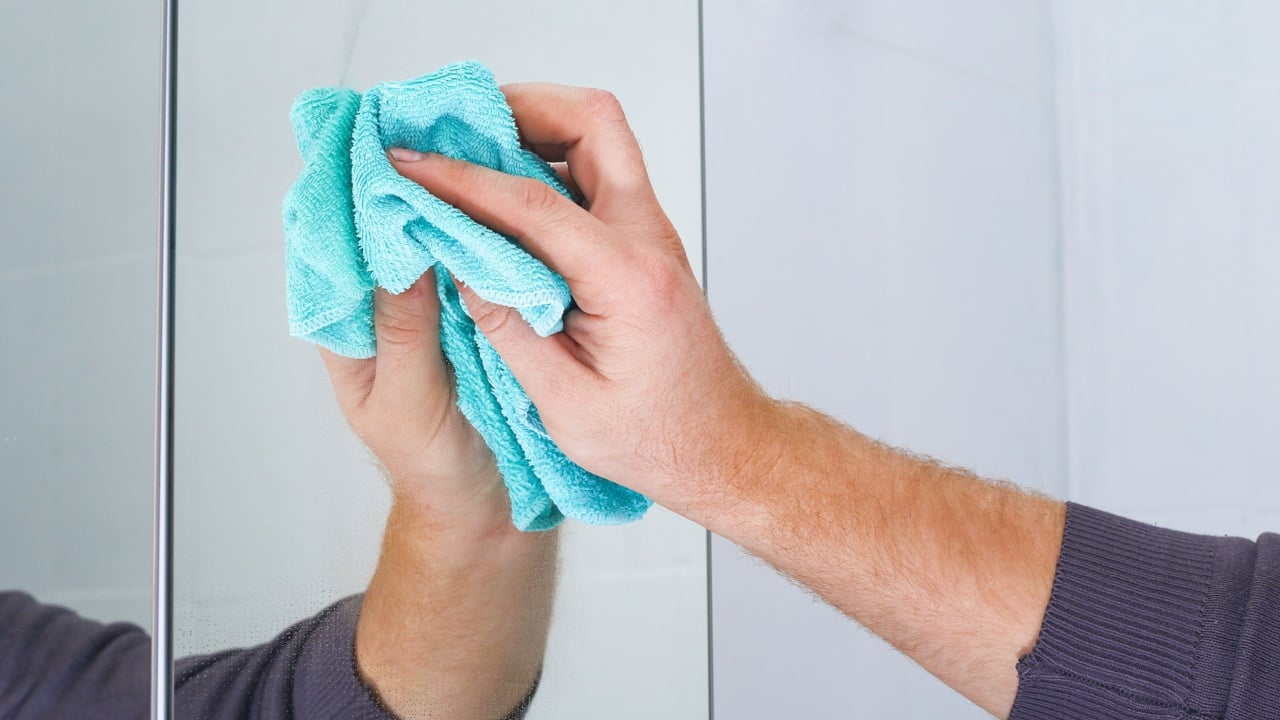
Disposable cleaning wipes are convenient, but they are designed for one quick use before being thrown away. Millions of these wipes end up in landfills each year because they are often made with synthetic fibers that do not break down easily. Researchers reviewing disposable wipe materials have found that many products contain non-biodegradable polymers that persist for long periods and contribute to microplastic pollution.
Reusable microfiber cloths or washable cleaning pads can perform the same tasks while lasting much longer. They work especially well for dusting, kitchen surfaces, and bathroom cleaning. Washing them regularly keeps them hygienic, and most can withstand hundreds of laundry cycles. Replacing wipes with reusable cloths can eliminate dozens of packages of disposable products every year.
3. Swiffer Pads
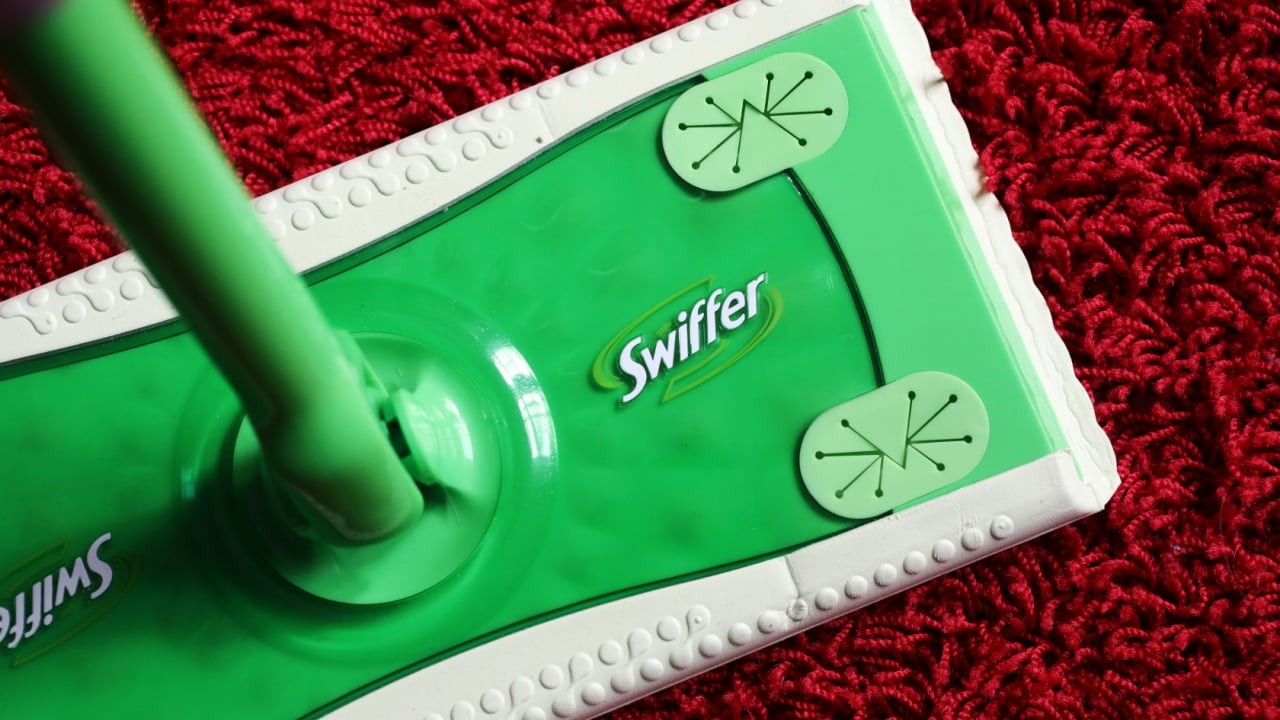
Swiffer-style cleaning pads are designed to be used once and discarded. While convenient for quick floor cleaning, the recurring cost of replacement pads can add up quickly. Each cleaning session requires a new disposable pad, creating both financial costs and additional household waste. Reusable microfiber mop pads offer a practical and cost-effective alternative. Many brands now sell washable microfiber pads that attach to the same mop head using Velcro or elastic straps. Studies on microfiber cleaning systems have shown that they can remove a high percentage of dirt and bacteria from surfaces with minimal cleaning chemicals.
Making the switch usually requires only one small purchase, a set of washable pads that fit the existing mop system. Once used, the pads can simply be rinsed or tossed into the washing machine with other cleaning cloths. Over time, a single reusable pad can replace dozens of disposable ones, cutting down both waste and cleaning costs. For households that clean floors frequently, this simple change can lead to noticeable savings while still keeping floors just as clean.
4. Kitchen Sponges
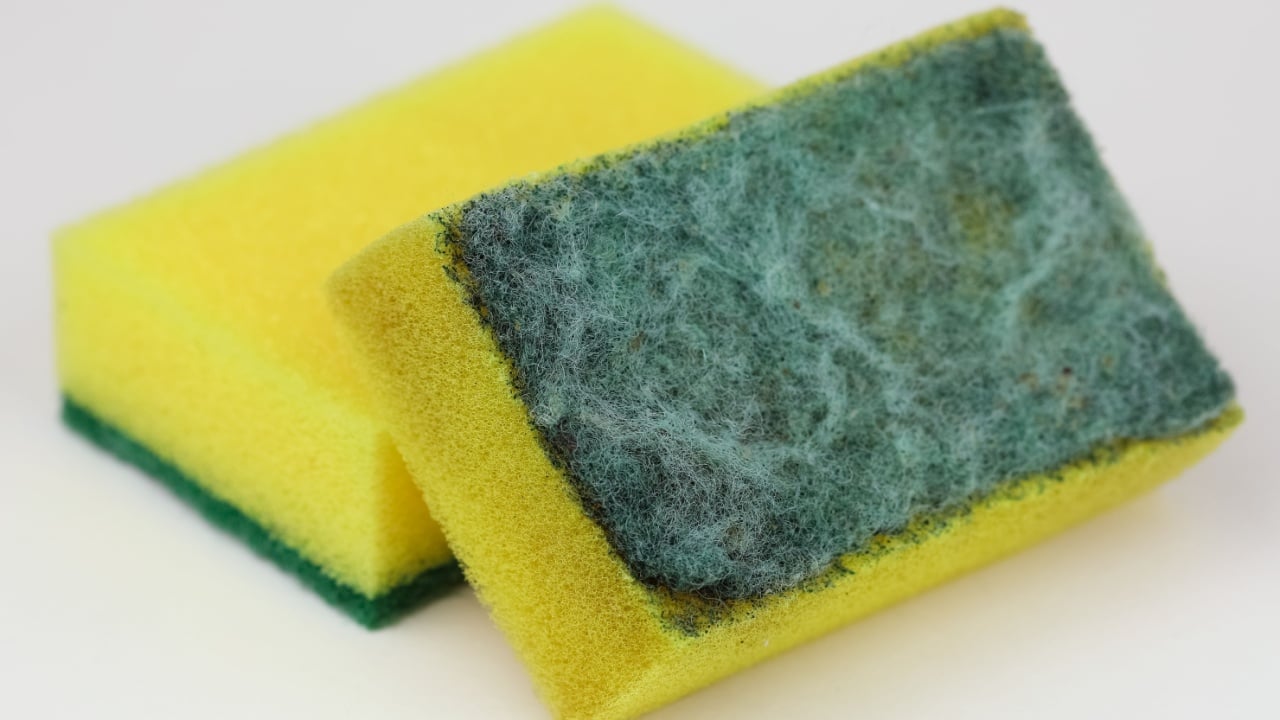
Traditional kitchen sponges are often treated as disposable items. They wear out quickly and may need to be replaced every week or two, which means dozens of sponges are used each year in a single household. Moreover, these sponges also affect kitchen hygiene as traditional synthetic sponges can harbor large amounts of bacteria due to their porous structure and constant exposure to moisture and food particles.
Long-lasting alternatives include dish brushes, silicone scrubbers, or natural loofah sponges. Dish brushes with replaceable heads are particularly practical because the handle can last for years while only the small brush head is replaced occasionally. Silicone scrubbers are also becoming popular because they dry quickly, resist odors, and can often be sanitized in the dishwasher or boiling water. These options are designed to last much longer than standard sponges, reducing the need for constant replacement.
5. Plastic Grocery Bags
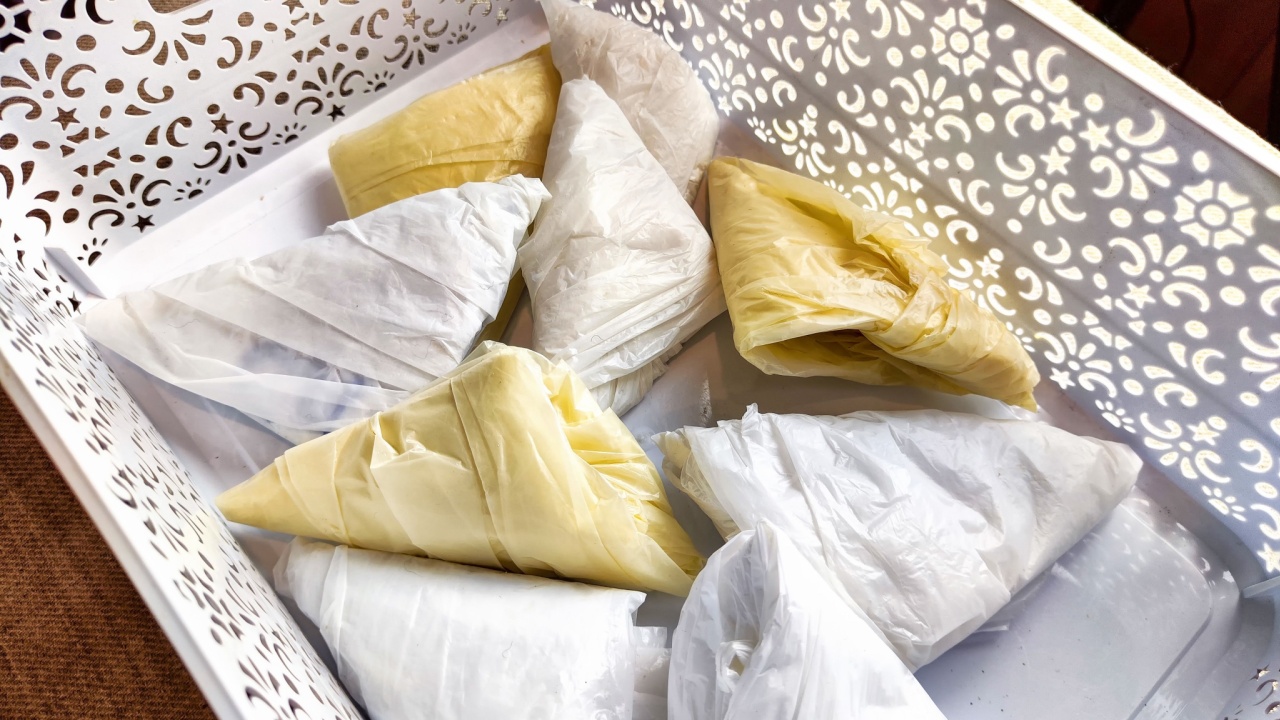
Plastic grocery bags are one of the most widely used disposable items worldwide. Although many stores provide them for free or at low cost, they create massive amounts of plastic waste because they are typically used only once. Environmental researchers estimate that trillions of plastic bags are used worldwide each year, and most end up in landfills, oceans, or scattered in the environment.
Reusable shopping bags made from cotton, canvas, or recycled materials can last for years (they might not save money directly, but they sure are better for the Earth). Keeping a few folded bags in the car or backpack makes it easy to avoid single-use plastic bags entirely. Many cities have already introduced policies encouraging reusable bags because they dramatically reduce plastic waste in landfills and waterways.
6. Plastic Food Wrap
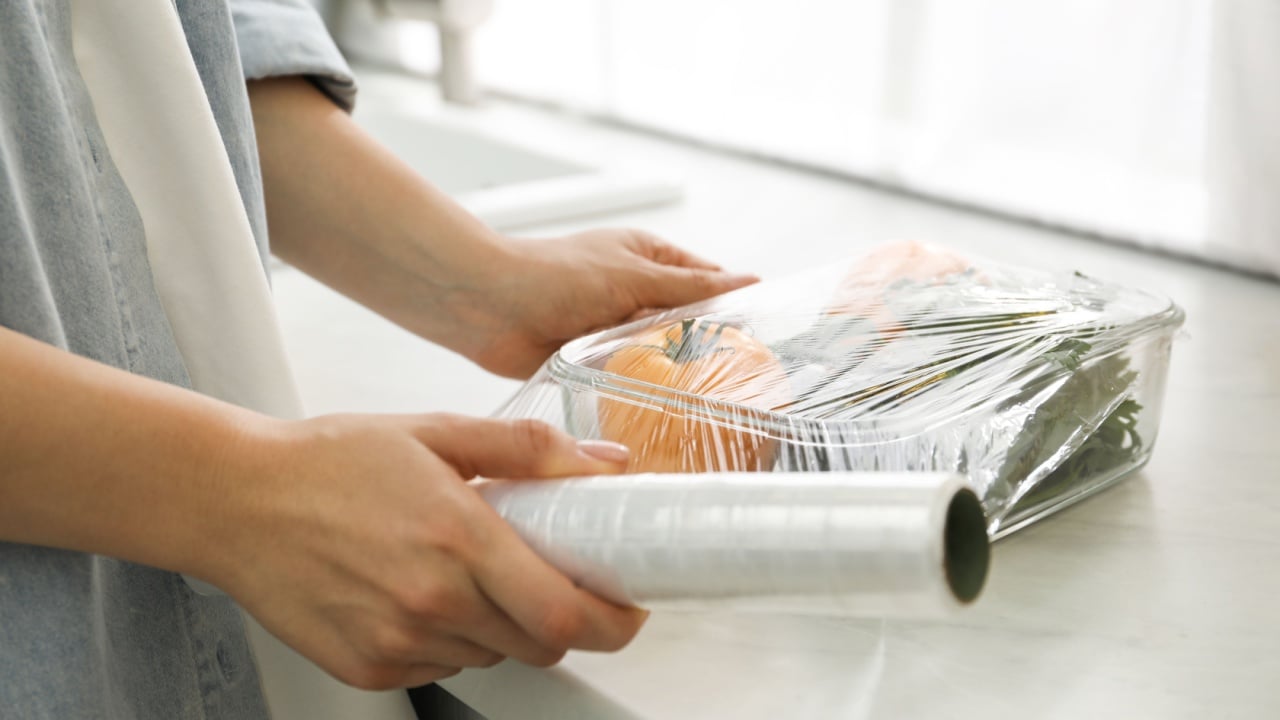
Plastic wrap is commonly used to cover leftovers or seal containers. However, it is designed for single use and usually cannot be recycled. This means most plastic wrap goes straight into the trash after just one meal. Studies highlight food packaging films as a significant contributor to plastic waste, especially because they are used frequently in kitchens around the world.
Reusable food storage options such as silicone lids, glass containers, or beeswax wraps can perform the same function without constant disposal. Beeswax wraps, for example, mold around bowls and food using body heat and can be washed and reused dozens of times. Over time, these alternatives eliminate the need to repeatedly buy plastic wrap.
7. Paper Napkins
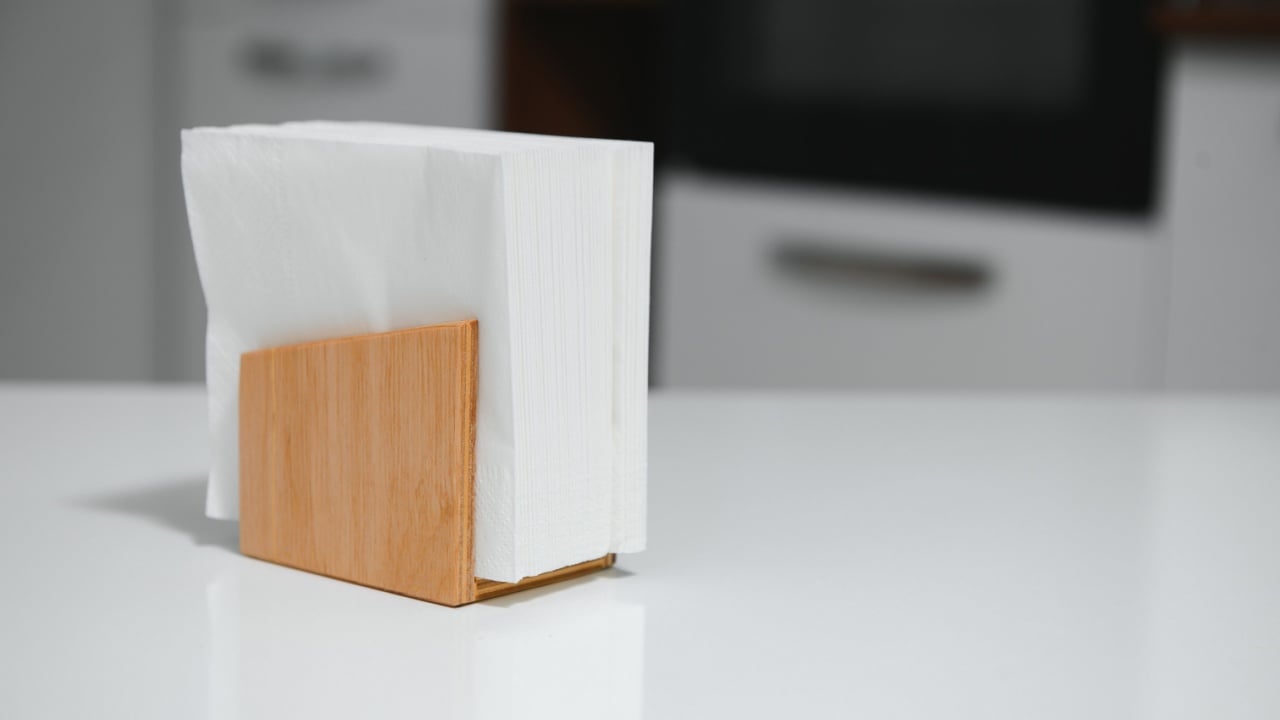
Paper napkins are widely used during meals but are often thrown away immediately afterward. Over the course of a year, families may go through hundreds or even thousands of disposable napkins. Producing paper napkins also consumes large amounts of natural resources. The paper industry uses millions of trees annually and requires substantial water and energy during manufacturing.
Cloth napkins provide a simple and durable alternative. A single set of washable napkins can last for years with regular laundering. Many restaurants and hospitality businesses use cloth napkins because they are cost-effective and produce far less waste compared with disposable paper versions. Cotton or linen napkins are especially popular because they are absorbent, easy to clean, and become softer with repeated washing.
8. Disposable Coffee Cups
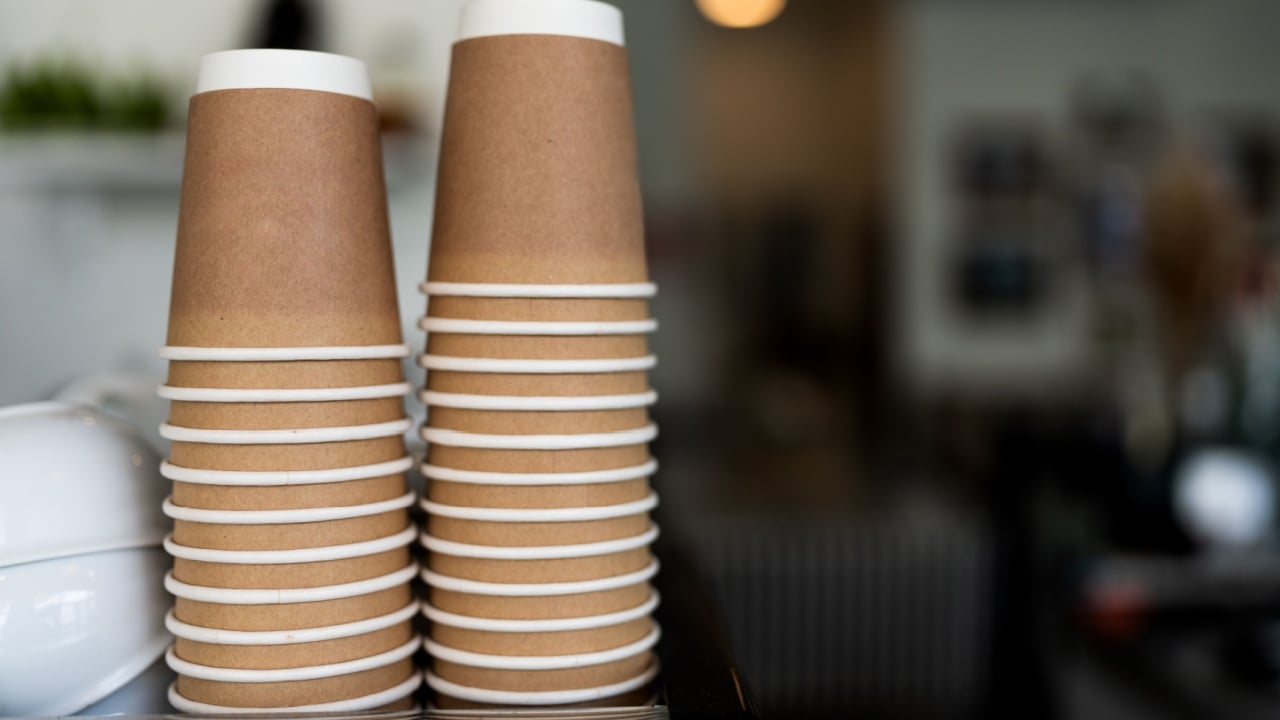
Disposable coffee cups are a daily convenience for millions of people who grab drinks on the way to work, school, or errands. At first glance, they appear to be simple paper products, but most are actually lined with a thin layer of plastic to prevent leaks. This plastic lining makes the cups difficult to recycle in most facilities, which means the majority of them end up in landfills.
Switching to a reusable mug is often easier than expected. Keeping a travel mug in a car, backpack, or work bag makes it convenient to bring along during coffee runs. Some cafés and coffee chains also provide small discounts to customers who bring their own mug, adding a financial benefit to the environmental one. This small change can prevent hundreds of disposable cups from being used while also saving money on repeated purchases.
9. Bottled Water
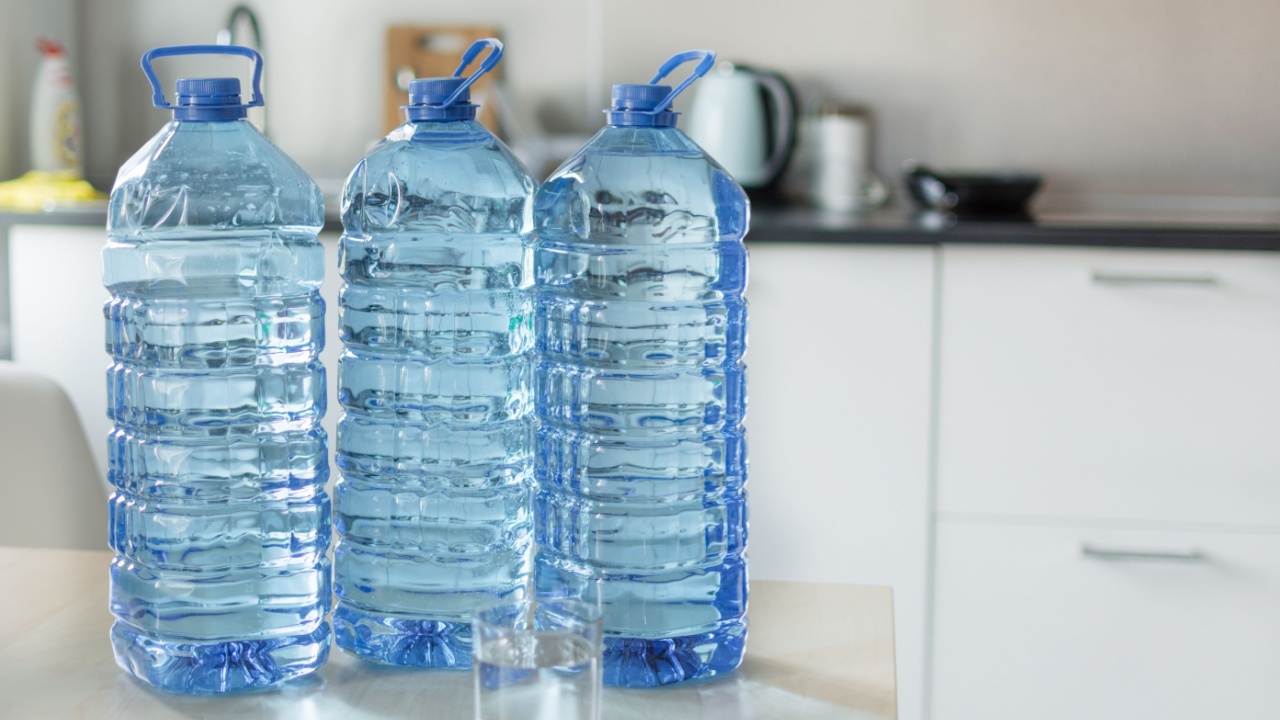
Bottled water is often marketed as a convenient and pure option for staying hydrated. However, most bottled water is packaged in single-use plastic bottles that are discarded shortly after use, and billions of these bottles are not recycled. Another concern is the hidden cost of bottled water compared with tap water. Studies comparing the two show that bottled water can cost hundreds or even thousands of times more per liter than municipal tap water. In many countries, tap water is carefully treated and tested to meet strict safety standards.
Reusable stainless steel or glass water bottles are durable and easy to refill. Pairing them with a home water filter provides clean drinking water without the constant purchase of bottled products. The switch not only reduces plastic waste but also saves substantial money over time.
10. Disposable Air Dusters
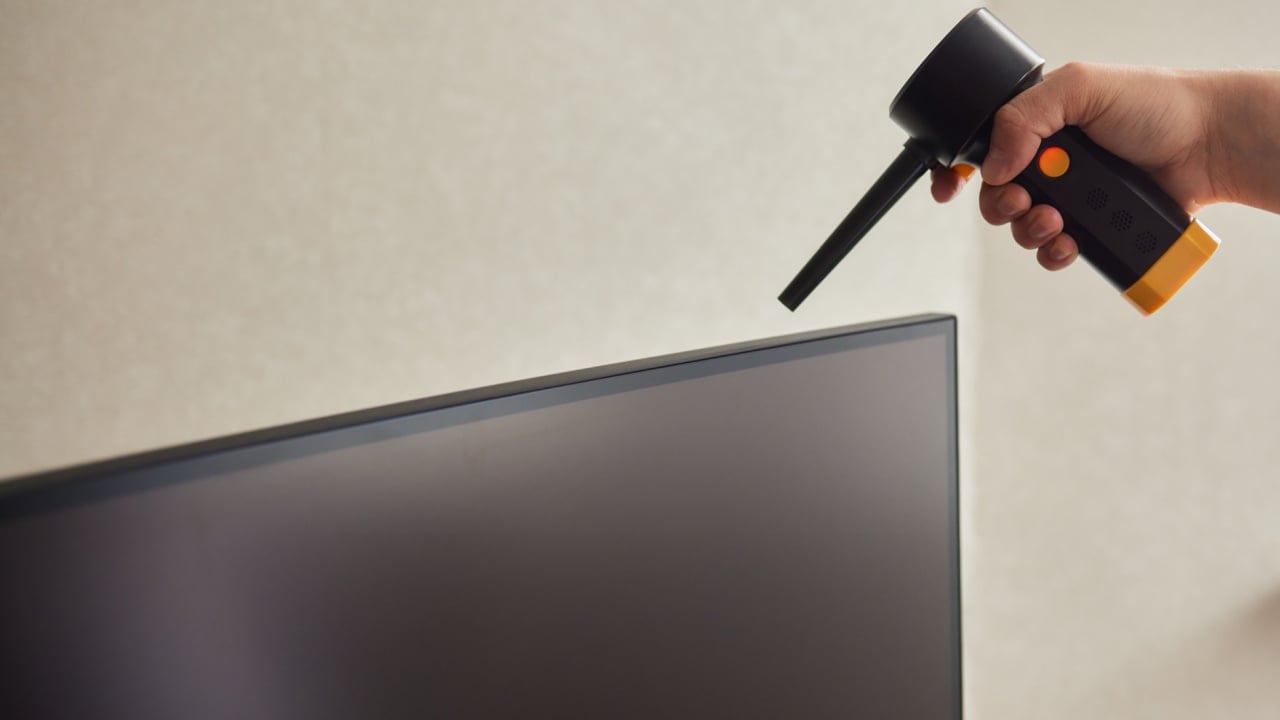
Disposable air dusters are a common tool for cleaning electronics, keyboards, and hard-to-reach surfaces. However, these products are designed for single use; once the compressed air is gone, the entire can must be discarded. Beyond the packaging, the propellants used in some aerosol dusters contribute to greenhouse gas emissions, and the metal cans themselves require energy-intensive production processes.
Electric air blowers or rechargeable dusters provide the same function without constant replacement. These devices can be used for years and are often more powerful than disposable cans, making them especially useful for cleaning keyboards, electronics, and small appliances.
11. Disposable Toothbrushes
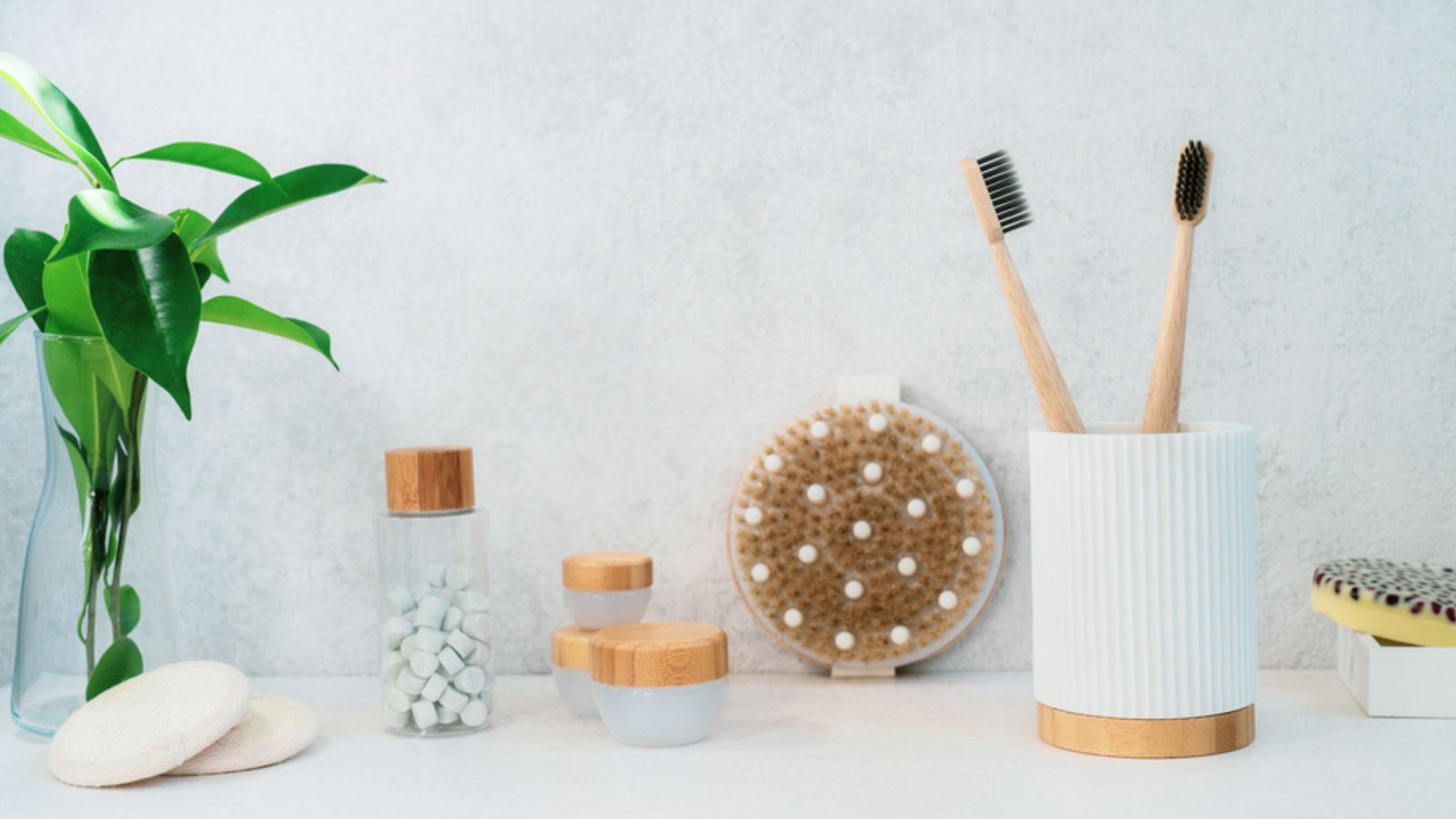
Traditional disposable toothbrushes are replaced every three to four months, and most are discarded entirely when the bristles wear down. The majority are made from plastic handles and nylon bristles, which are not biodegradable and persist in the environment long after disposal. Researchers studying personal care waste have identified toothbrushes as a significant contributor to microplastic pollution because the plastic components do not break down naturally.
Bamboo toothbrushes or toothbrushes with replaceable heads help reduce this waste. Only the small brush head needs replacement, while the handle remains in use for a long time. Over time, this reduces plastic consumption significantly.
12. Disposable Food Containers

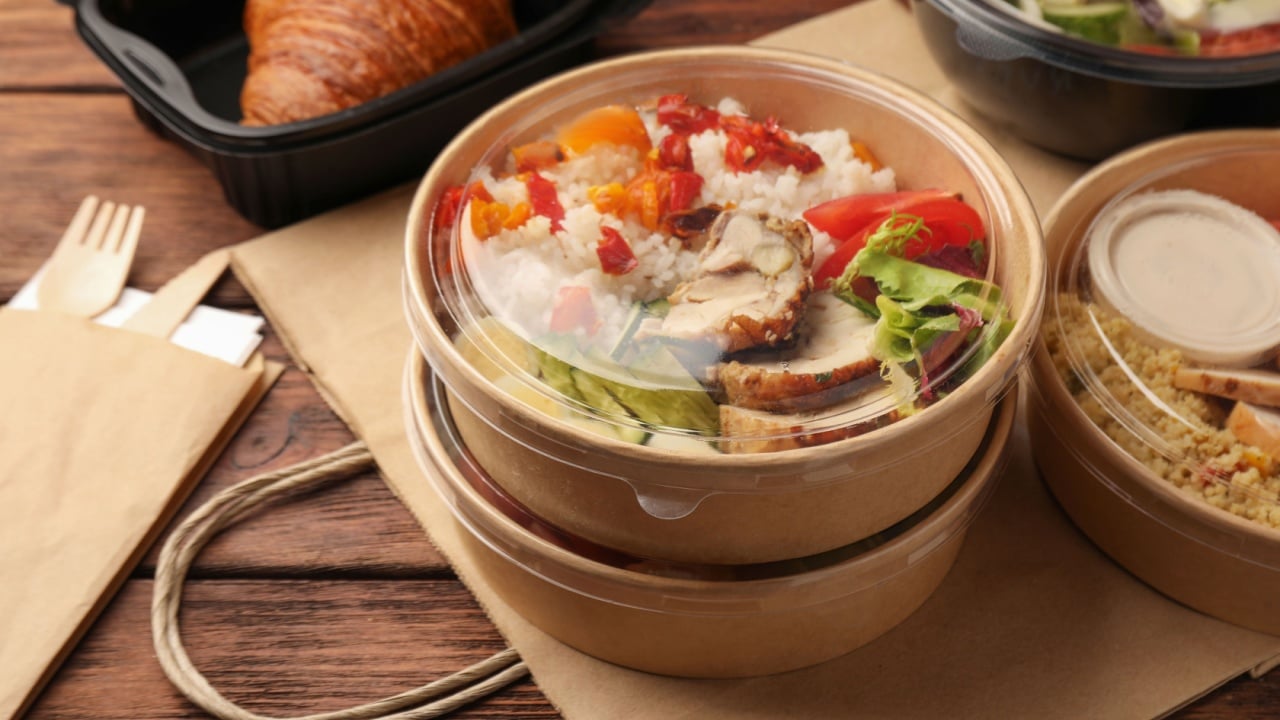
Disposable food containers are widely used for take-out meals, leftovers, and prepackaged foods. They are convenient because they are lightweight, leak-resistant, and ready to use. However, most are made from single-use plastics or coated paperboard, which are difficult to recycle. Studies on food packaging show that these containers contribute heavily to plastic pollution and resource consumption, as each container is manufactured, used once, and then discarded.
Reusable glass or stainless-steel food containers provide a long-lasting alternative. They can be used for leftovers, meal preparation, and packed lunches. Over time, they reduce the need for disposable packaging and make food storage easier and more organized.
Transform Your Home and Wallet

Replacing disposable products with reusable alternatives may seem like a small change, but the long-term impact can be surprisingly large. Studies comparing reusable and single-use products consistently show that durable items reduce waste, lower environmental impact, and often cost far less over time.
The next step is simple: choose one or two disposable products used most often and try replacing them with reusable versions. Over time, those small swaps can lead to noticeable savings, less household waste, and a more efficient home. Even gradual changes can make a meaningful difference when repeated every day.
Read More: