
Ditch Single-Use: 6 Swaps to Save Your Wallet and the Planet
In a world obsessed with the “new” from the latest tech to fast-fashion trends, it’s easy to forget the toll our shopping habits take on the planet. Here’s a sobering thought: nearly every piece of plastic ever made still exists somewhere on Earth today.
The good news? You don’t have to move to a remote cabin to make a difference. Breaking the cycle of “buy, use, toss” is actually pretty simple. By swapping single-use junk for high-quality reusables, you’ll keep trash out of landfills and keep more cash in your wallet. It’s a win-win shift that’s surprisingly easy to pull off.
Here are six smart swaps you can reuse over and over again.
1. Try a French Press Instead of Pods

Coffee pods and single-use filters create a surprising amount of daily waste. A French press offers a sophisticated, zero-waste alternative that brews a superior cup of joe without the plastic aftertaste.
Beyond coffee, this tool handles loose-leaf tea with ease, acting as a strainer and steeper in one. It eliminates the need for bleached paper filters, plastic K-cups, or microplastic-shedding tea bags. Simply compost the grounds or tea leaves when you finish, give the glass canister a rinse, and it is ready for the next brew.
2. Silicone Baking Mats Instead of Parchment Paper
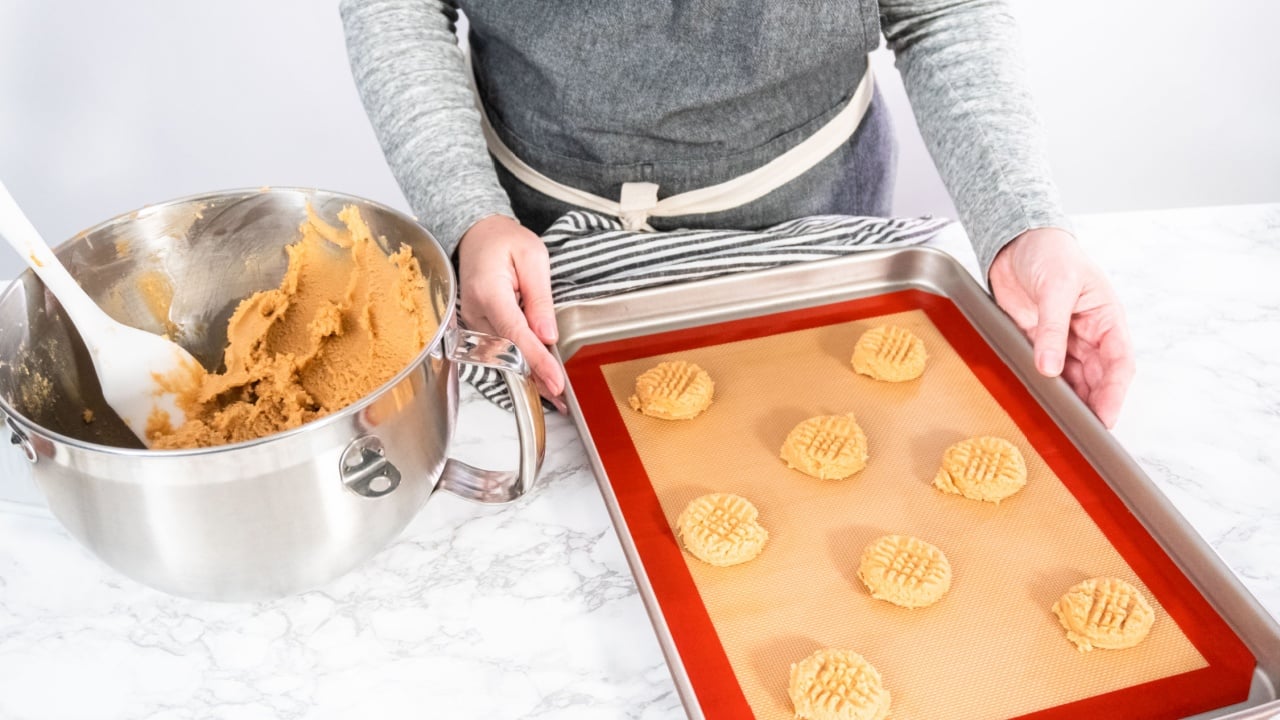
Aluminum foil and parchment paper are kitchen staples that usually end up straight in the trash after one use. Silicone baking mats offer a durable, non-stick solution that withstands thousands of trips to the oven.
These mats fit perfectly on standard baking sheets, providing an even cooking surface for cookies, roasted vegetables, or fish. Cleaning them is effortless; soap and water usually do the trick. For stubborn, burnt-on food, a paste of baking soda and a little scrubbing power restores it to pristine condition.
3. Safety Razors for Disposable Options
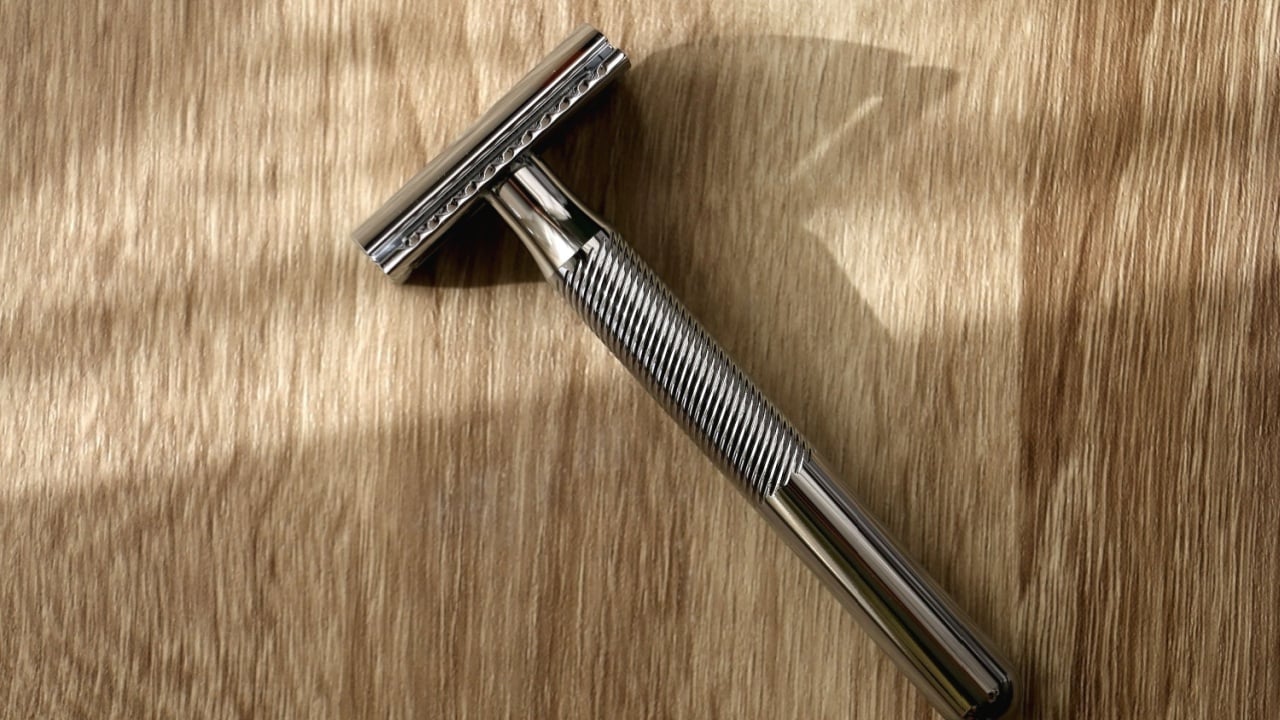
Disposable plastic razors are costly and notoriously difficult to recycle due to their mixed materials. A metal safety razor is a sturdy, lifetime investment that delivers a closer shave with less irritation.
While the initial handle costs more than a disposable pack, the replacement blades are pennies on the dollar compared to plastic cartridges. The metal blades are fully recyclable, and the handle itself can last for decades. It might take a few tries to get the angle right, but once mastered, you will never look back at the plastic aisle again.
4. Rechargeable Batteries Instead of One-Time Use Options
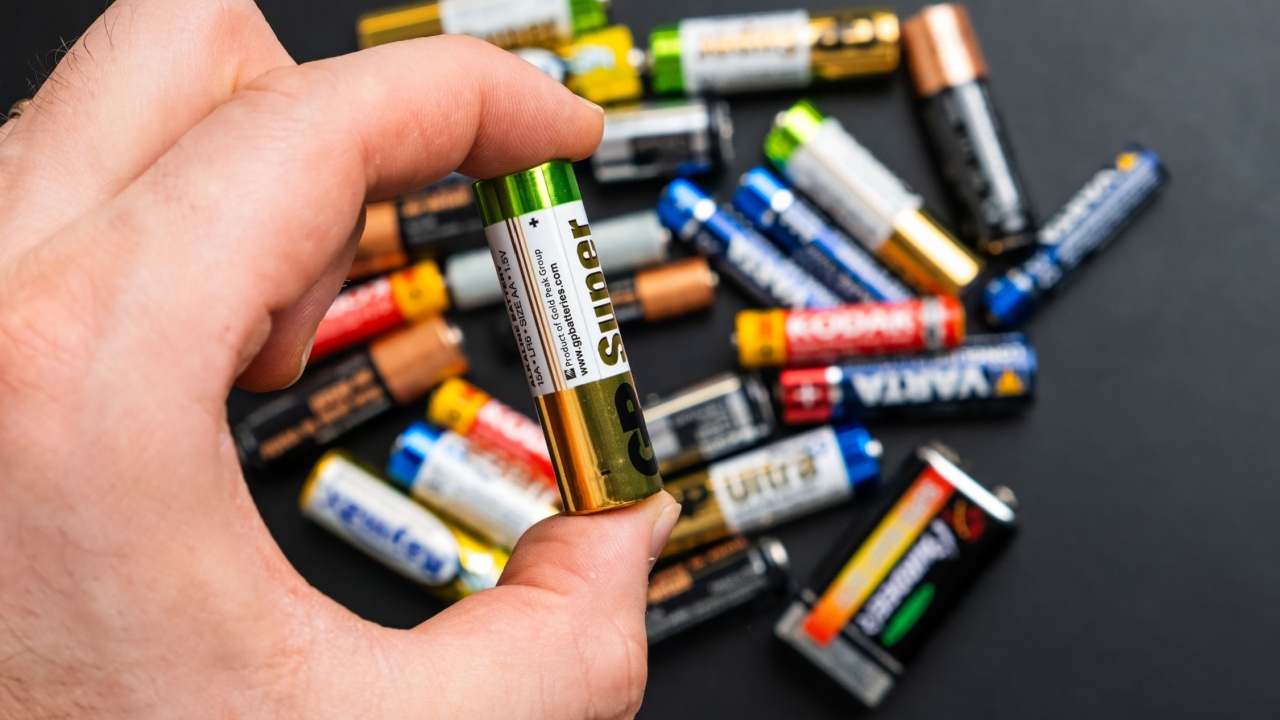
Batteries contain toxic chemicals that leach into soil and groundwater when disposed of improperly. Yet, from remote controls to children’s toys, modern life demands portable power. Rechargeable batteries offer a logical solution to this e-waste dilemma.
By investing in a simple charging dock and a few sets of rechargeable AA or AAA batteries, you stop the cycle of buying and tossing. When a device dies, you simply swap the depleted batteries for fresh ones from the charger. It keeps heavy metals out of landfills and keeps money in your bank account.
5. Cloth Napkins for Paper
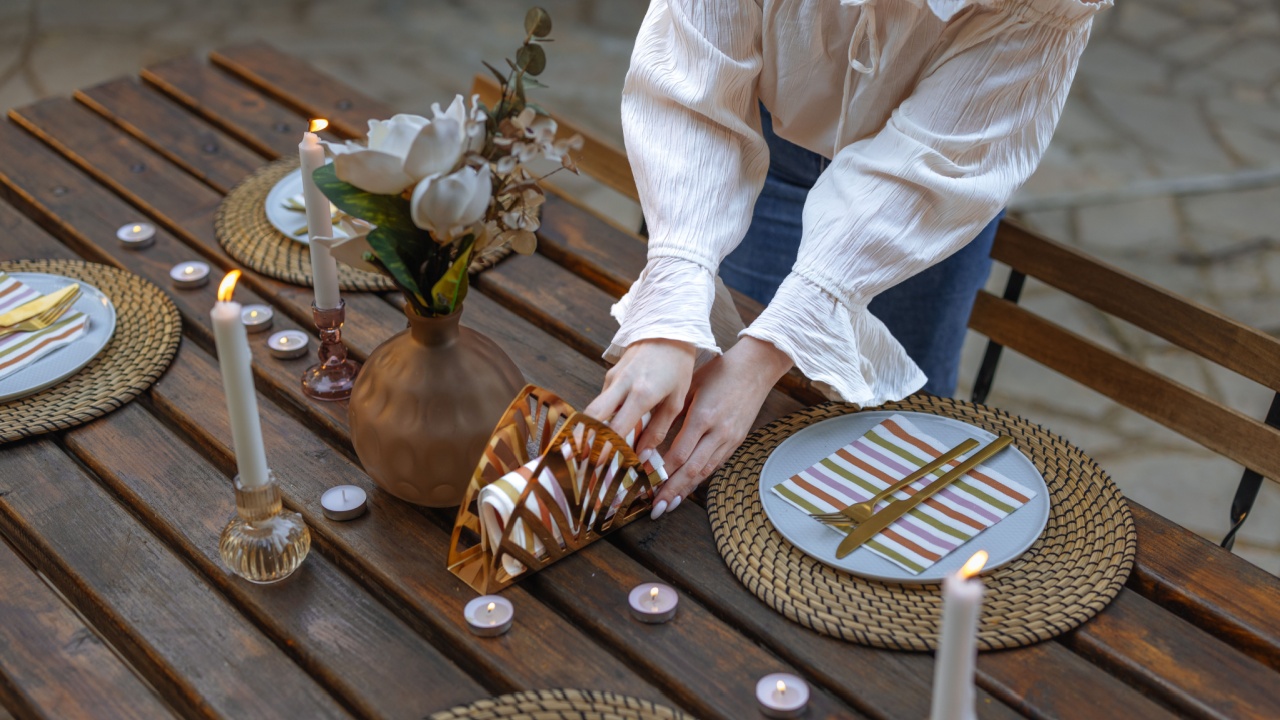
Paper napkins are a fleeting convenience that adds up to substantial waste over a year. Cloth napkins immediately upgrade a meal from “quick bite” to “dining experience” while eliminating single-use paper products.
You do not need to reserve these for fancy dinner parties. Keep a basket of cotton or linen napkins on the counter for everyday use. When they get dirty, throw them in with your regular laundry load. They come in endless patterns and colors, allowing you to customize your table setting without generating trash.
6. Swedish Dish Cloths for Paper Towels

Paper towels are incredibly resource-intensive to produce, yet we use them for seconds before discarding them. A Swedish dishcloth serves as a reusable paper towel, sponge, and rag all in one.
Made from cellulose and cotton, these cloths absorb an impressive amount of liquid, up to 20 times their weight. Use them to wipe down counters, clean up spills, or scrub dishes. They dry quickly, which prevents the bacterial growth common with traditional sponges. When they eventually wear out after months of use, they are fully compostable.
Small Swaps, Big Impact (On the World and Your Wallet)

Transitioning to a lifestyle of reuse does not happen overnight. The most effective approach is to finish using the disposable items you currently have, then replace them with a reusable alternative when you run out.
Whether it is switching to cloth napkins at dinner or buying a safety razor when your current stash runs out, making that single change sets you on the path toward a more sustainable home.