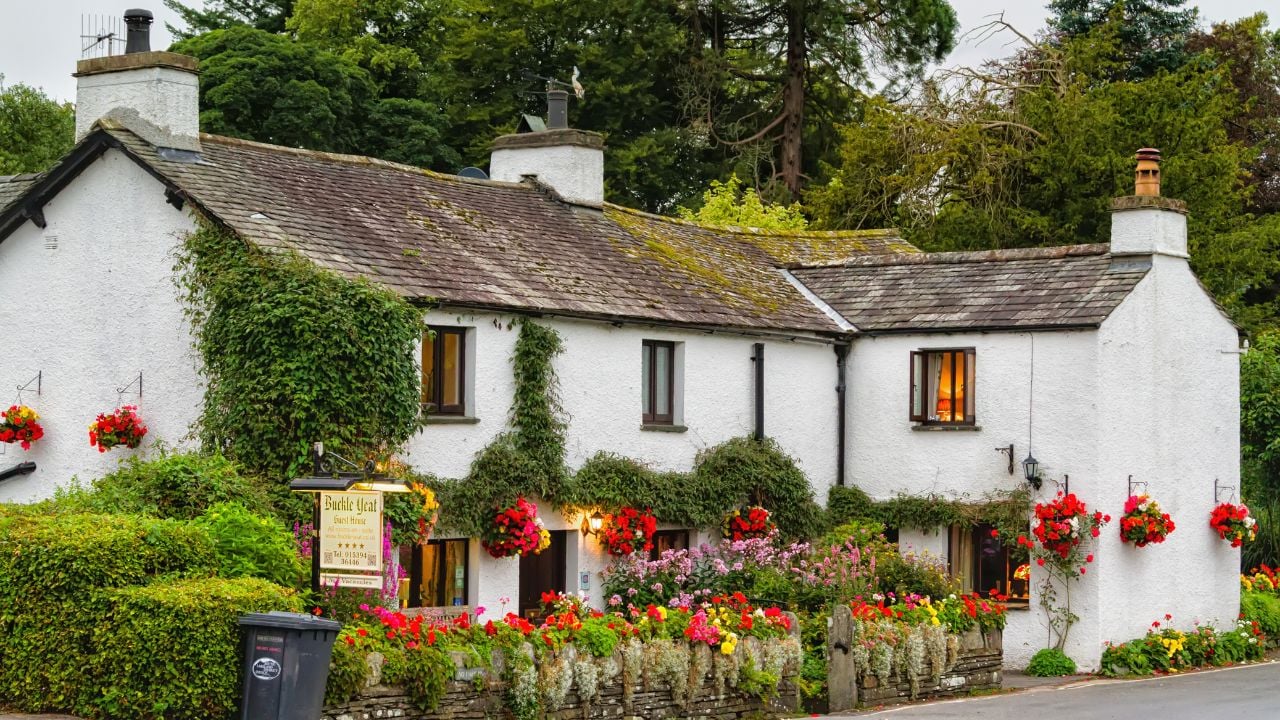
Forget Fussy Flowers: These 12 Old-School Plants Give You a Magazine-Worthy Cottage Garden With Almost No Work
You already know what a cottage garden feels like.
The loose tumble of blooms spilling over a pathway. The hum of bees in the lavender. That specific, irreplaceable scent of roses and sweet peas rising together on a summer morning. If that picture makes something in you go quiet and settle, you are not alone — and the reason it feels like a memory is that, for many of us, it is one.
According to the Royal Horticultural Society, cottage gardens began centuries ago as practical working plots where rural families grew edibles, herbs, and flowers together; each plant earning its place by being fragrant, useful, or simply too beautiful to leave out. What survived generation after generation was the toughest, most adaptable, and most generous-blooming group of plants in all of horticulture.
That lineage matters. These are not trendy plants selected by an algorithm. They are, as horticulturist David Salman of High Country Gardens writes, plants chosen because they are “adapted to your region’s climate, soil, and precipitation”, which is why they have thrived in backyard gardens for hundreds of years without requiring fuss, fertilizer schedules, or constant intervention. Research on blended native and traditional cottage plantings shows that incorporating regionally suited plants can reduce watering needs by as much as 40 percent compared to high-input ornamental gardens.
The effect that makes a cottage garden look effortlessly romantic, with that barely-controlled abundance, that sense that the garden grew itself, is actually the result of choosing plants that want to be there.
Here are twelve essential plants for a thriving cottage garden.
1. Roses
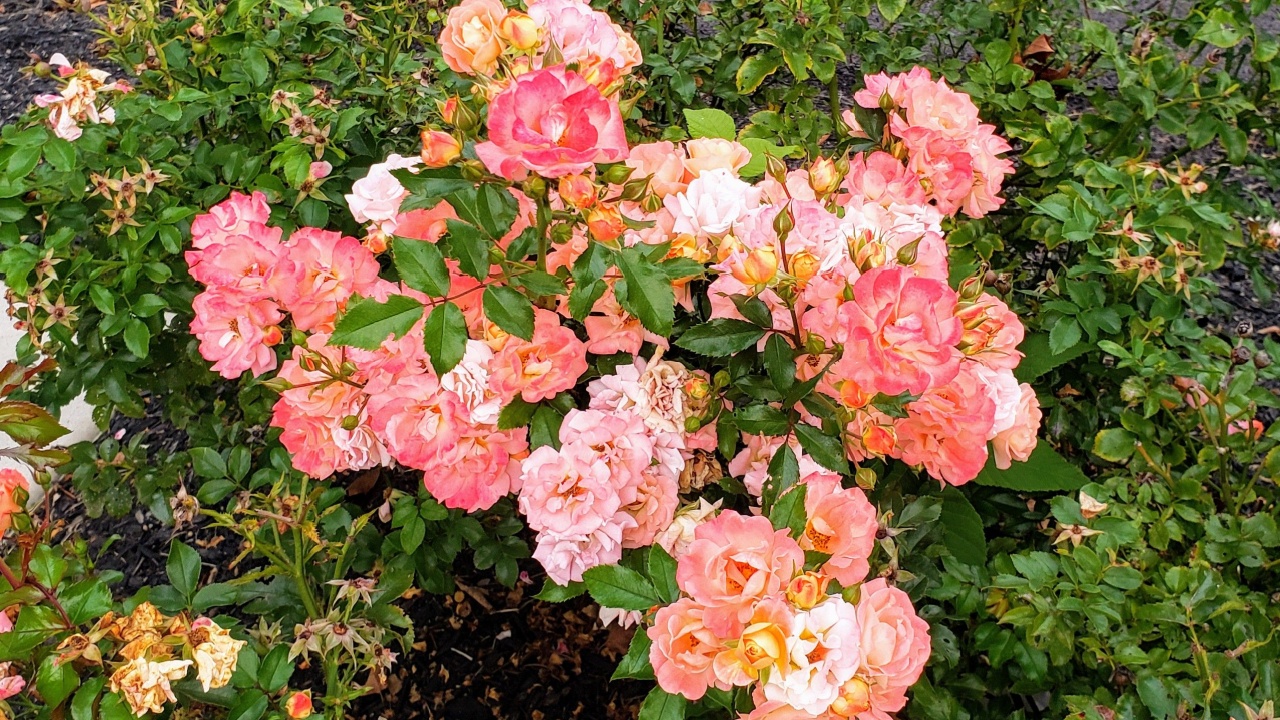
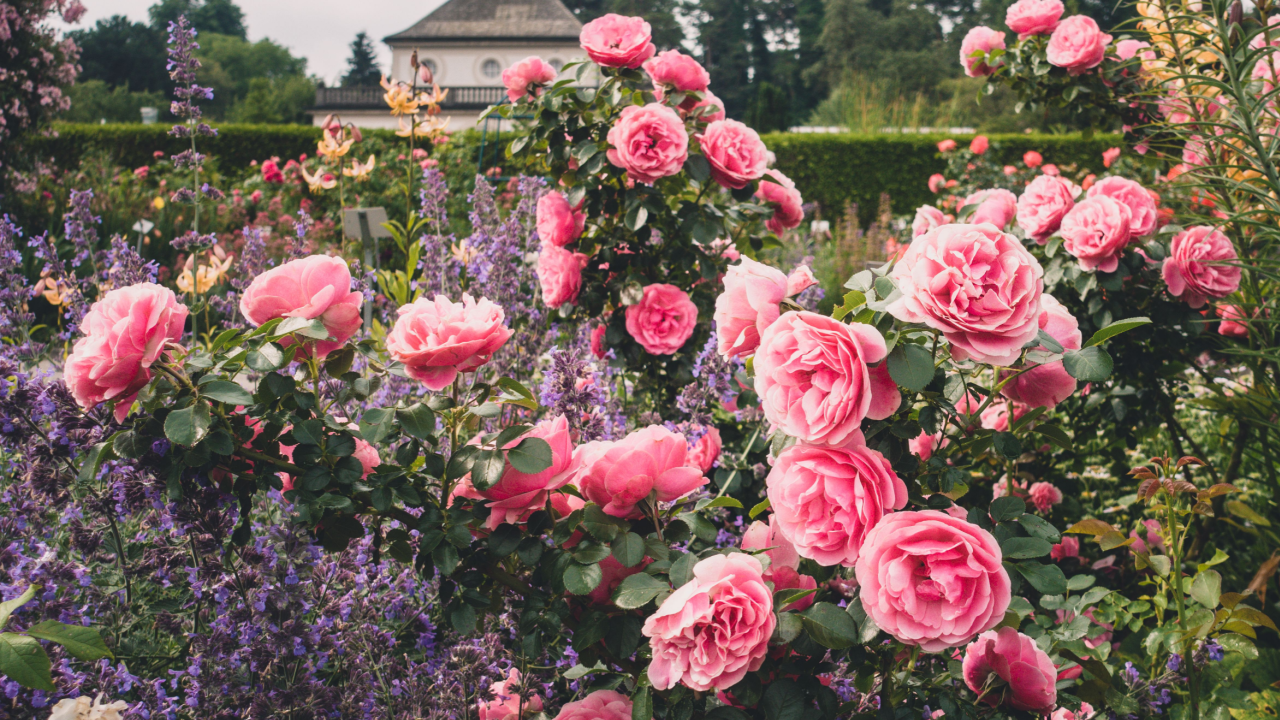
No other plant carries more cottage garden credibility than the rose. Modern shrub roses, as garden educators Eric and Christopher of @growformegardening note via Proven Winners, are “so much less fussy than people think.”
Plant them in full sun with well-draining soil, pair them with lavender or catmint at their feet, and let them do what they have always done: bloom their hearts out from May until frost.
2. Lavender
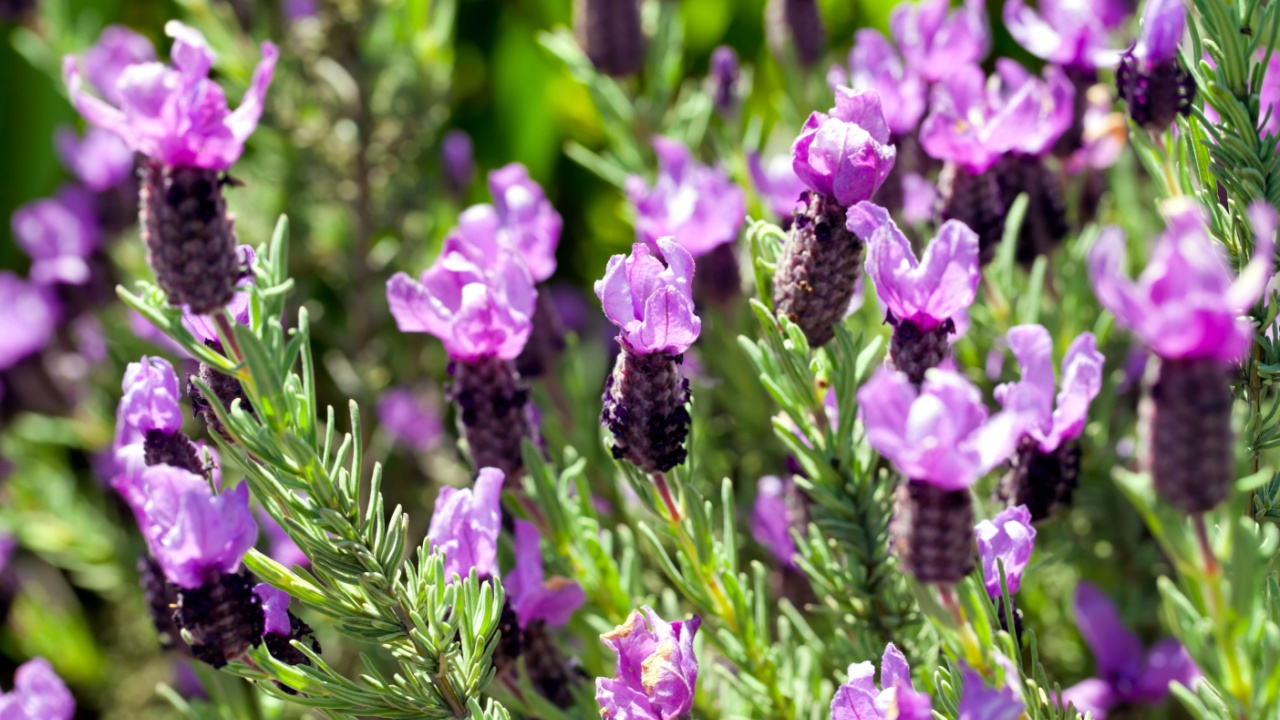
Lavender has earned its place at the front of every cottage border. It tolerates drought, thrives in alkaline soils where other plants struggle, and fills the air with the fragrance most people associate with summer itself.
According to the Royal Horticultural Society, compact varieties like Lavandula angustifolia ‘Hidcote’ make excellent low hedging and pathway edging, while taller lavandin hybrids extend the bloom season later into summer. Plant it in full sun, resist the urge to overwater, and it will reward you for years.
3. Foxglove
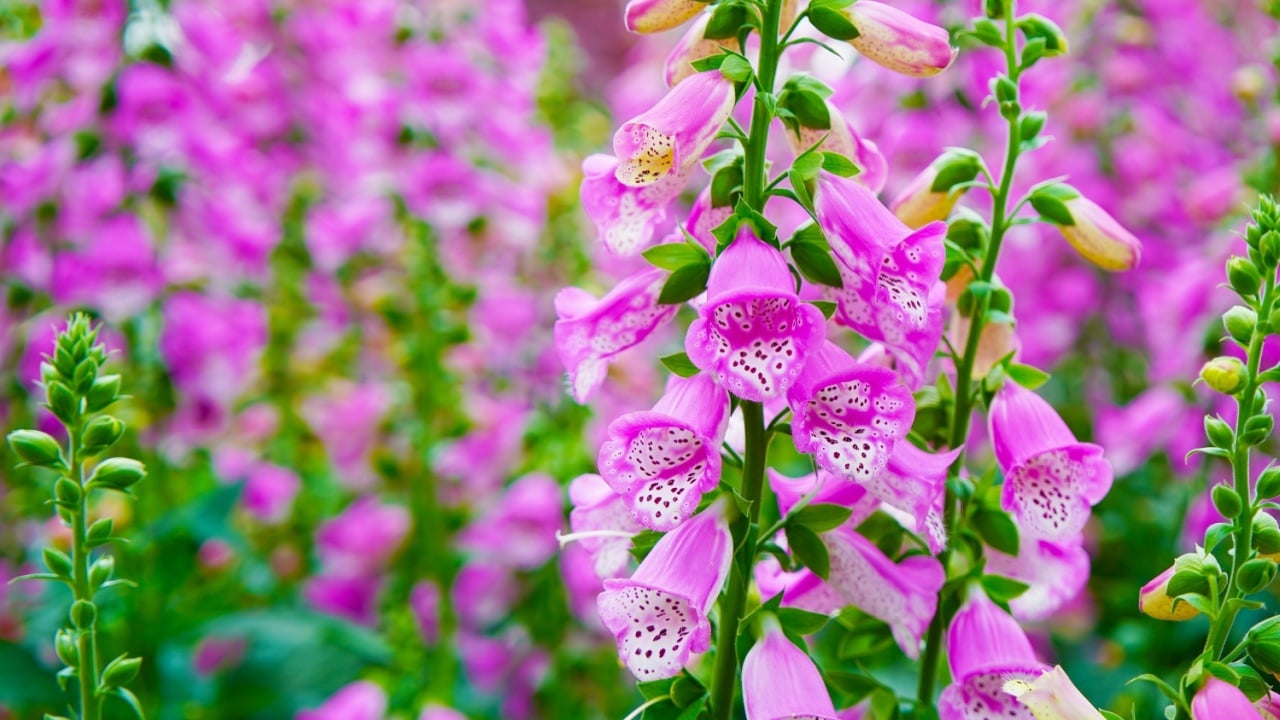
Of all the plants in a cottage garden, foxglove is the one that stops people in their tracks. Its tall spires of bell-shaped blooms in cream, pink, apricot, and deep plum add vertical drama that nothing else quite matches.
As Elizabeth Brown, author of The Beginner’s Cut Flower Garden and owner of Foxglove Farmhouse, says via Country Living, she always thinks of tall flowers first when she thinks of cottage gardens — and foxgloves deliver exactly that. They are biennial, meaning they bloom in their second year, but they self-seed so freely that once you have them, you essentially have them forever.
4. Peonies
Peonies have an outsized reputation for being difficult, and it is almost entirely undeserved. Plant them in full sun with well-draining soil, be patient for the first year or two, and they will return each spring more generous than the last.
“Even though peonies only bloom for a short period of time,” Elizabeth Brown notes via Country Living, “the leaves are really beautiful” long after the flowers have passed. Different varieties bloom at different points in the season; plant two or three, and you can stretch peony season considerably.
5. Delphiniums
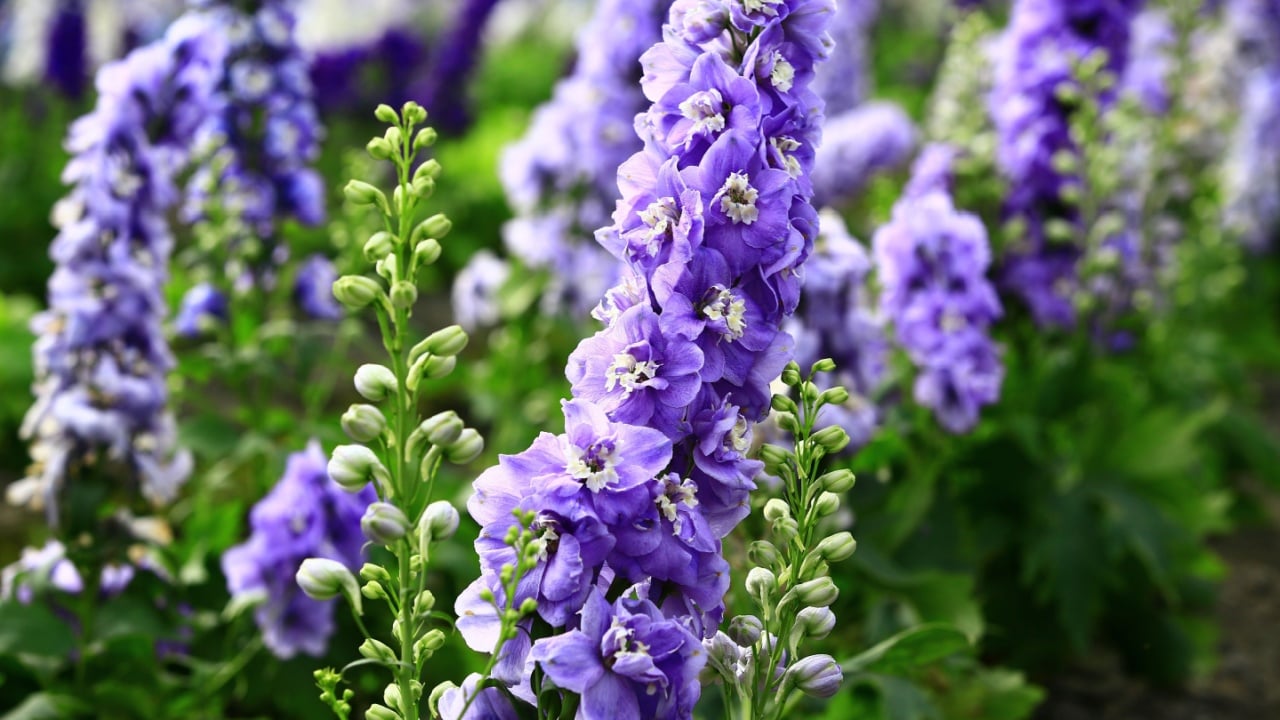
True blue is one of the rarest colors in the garden, and delphiniums own it. Their towering spires, reaching four to six feet in height, belong at the back of borders where they rise above everything else in a glorious, slightly impractical declaration of beauty.
They require staking and shelter from strong winds, but the payoff is a color and drama that nothing else in the cottage palette can replicate. The Royal Horticultural Society recommends cutting them back after their first bloom to encourage a second flush in late summer.
6. Echinacea (Coneflower)
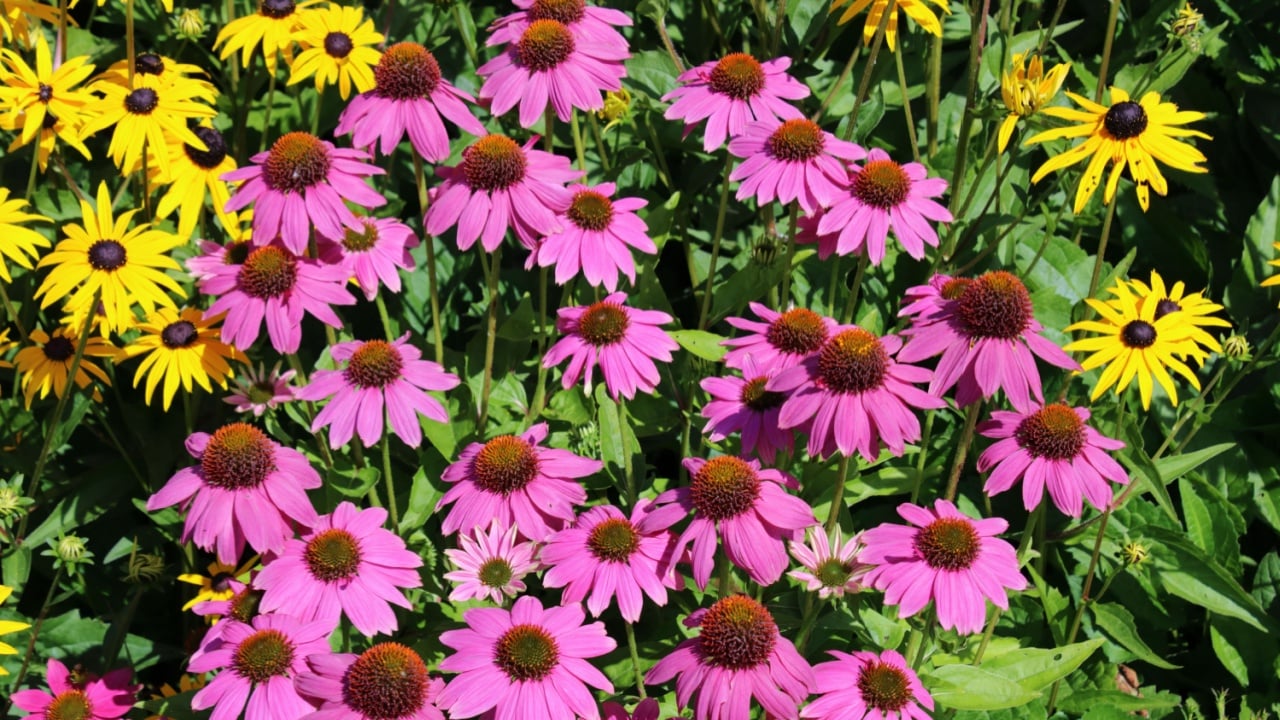
Echinacea is the workhorse of the cottage garden: native to North America, blooming from midsummer straight through to frost, available now in colors ranging from classic purple to deep orange and burnished red.
Garden designer Laura Janney of The Inspired Garden, via Martha Stewart, calls it “a prolific bloomer” that “could last all the way into frost” and doubles as a wonderful cut flower. It attracts bees, butterflies, and goldfinches, and if you leave the seedheads standing through winter, it feeds the birds as well.
7. Catmint
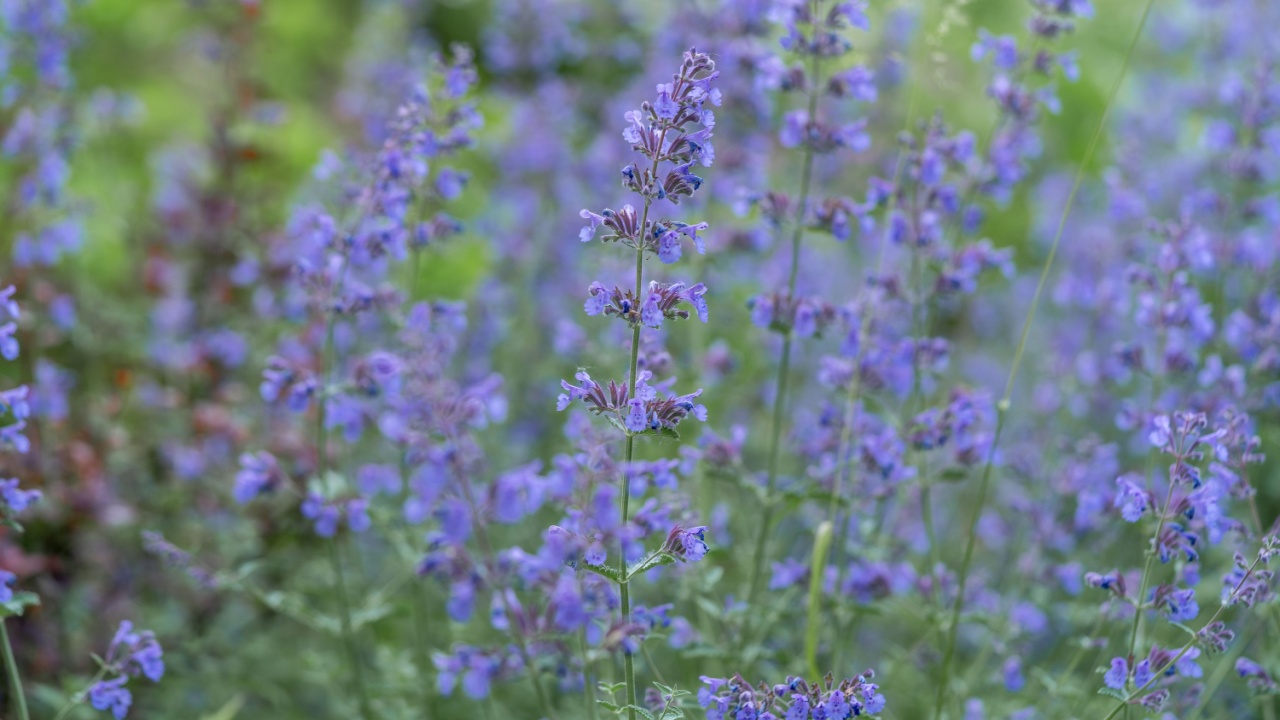
Catmint is, without question, the most underappreciated plant in cottage gardening. Easier to grow than lavender, longer-blooming than almost anything else in the border, and covered in soft purple-blue flower spikes from late spring through fall, it anchors the front of a border with effortless grace.
Proven Winners notes that compact varieties stay upright without flopping, making them ideal for edging pathways alongside groundcover roses or daylilies. Cut it back hard after the first flush, and it reblooms with renewed enthusiasm within weeks.
8. Yarrow
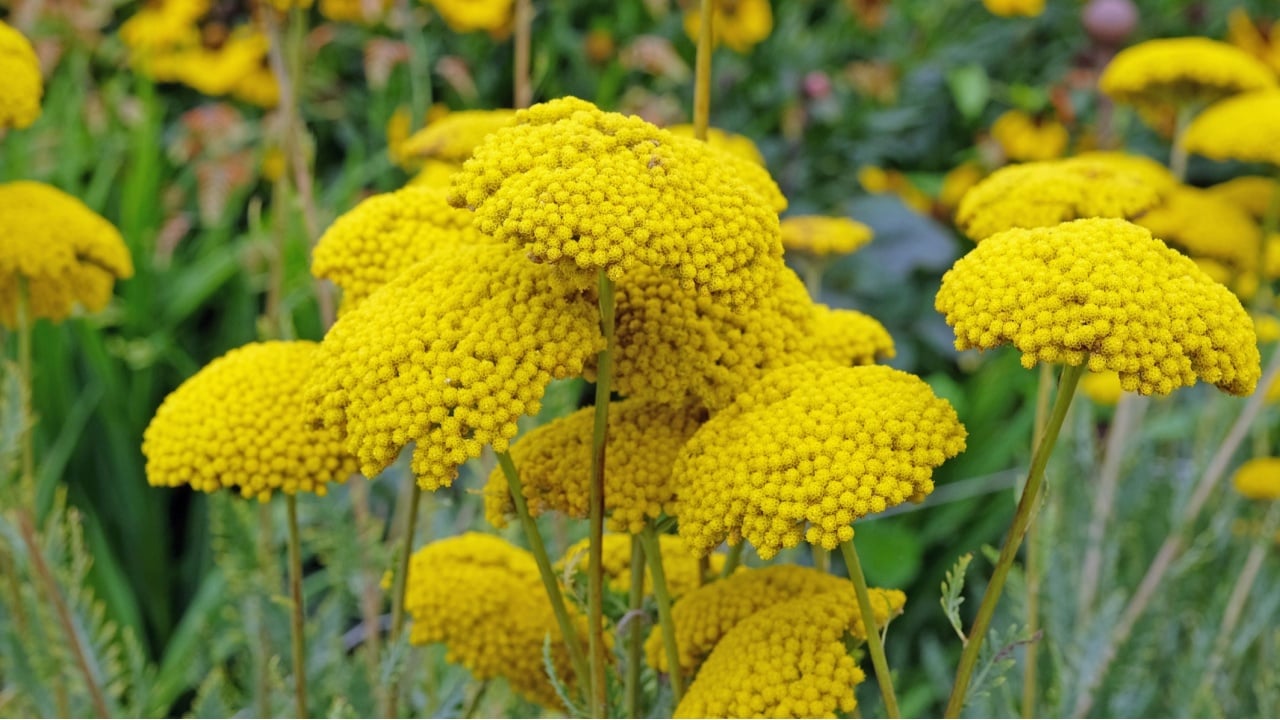
Yarrow is often overlooked because it looks simple, and that simplicity is its genius. Flat-topped flower clusters in yellow, red, coral, and white bloom throughout summer on ferny, aromatic foliage. It is, as Martha Stewart’s garden experts describe it, a “native to the Americas” with “fuzzy leaves that create a gorgeous texture.”
It thrives in full sun, tolerates drought, and requires almost no maintenance beyond deadheading to encourage continued blooming. Pollinators treat it like a cafeteria.
9. Salvia
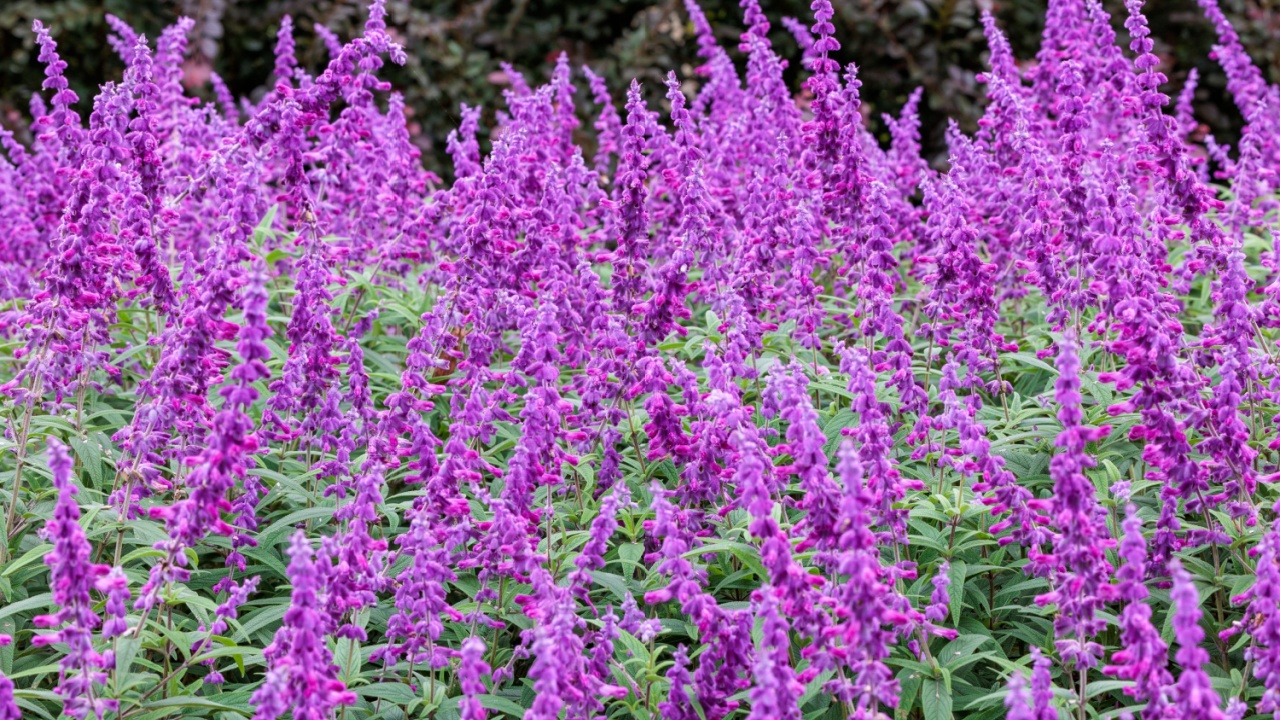
If you could plant only one backbone perennial for a cottage garden, salvia would be the logical choice. It blooms in early spring when almost nothing else is awake, continues through summer in hues of blue, purple, and red, and self-maintains with minimal intervention.
“Salvia is a wonderful plant because it’s hardy, reliable, and an early spring bloomer,” says garden designer Laura Janney via Martha Stewart. It is also one of the best plants for attracting hummingbirds and butterflies over an extended season.
10. Hollyhock
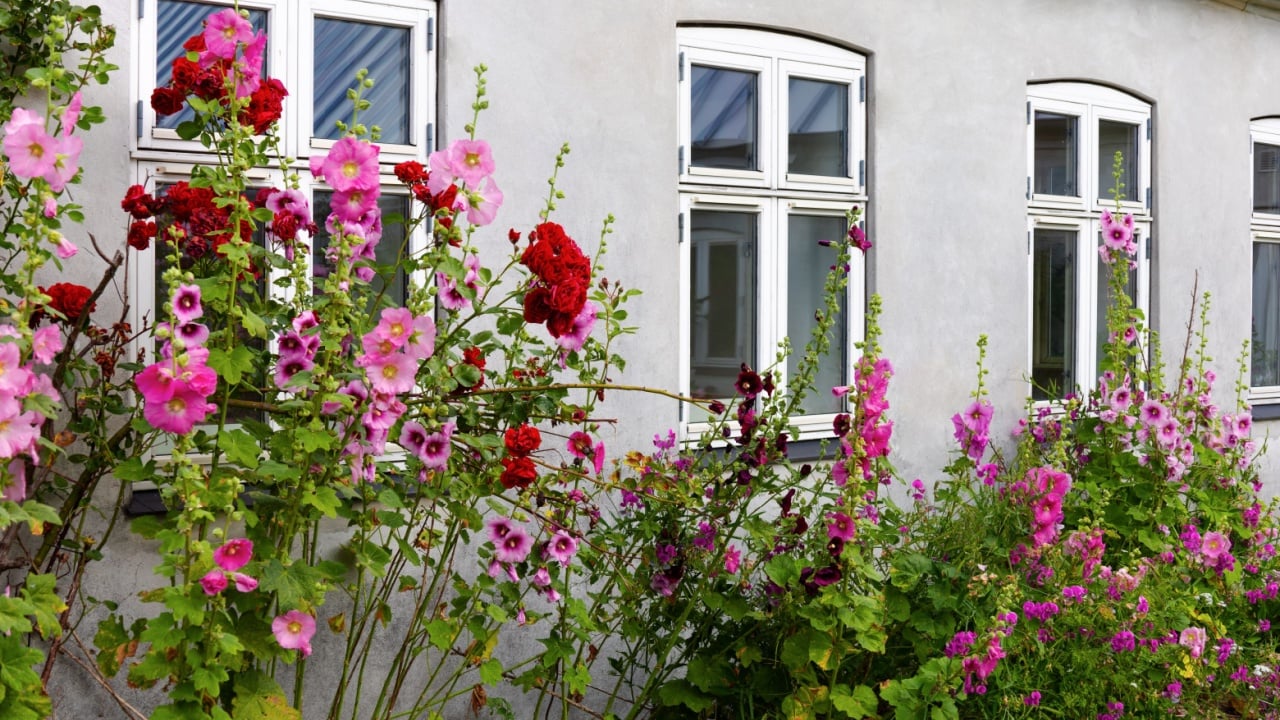
Hollyhocks are the architectural plants of a cottage garden; five to eight feet tall, staked against a fence or wall, covered in open-faced flowers from summer through early autumn. Like foxgloves, they are biennial, but their self-seeding habit means they perpetuate themselves without any effort on your part.
Country Living’s Elizabeth Brown recommends planting one plant one year and another the next, so you always have a plant in flower while a new one builds its strength. They come in nearly every color, including dramatic near-black varieties.
11. Shasta Daisy
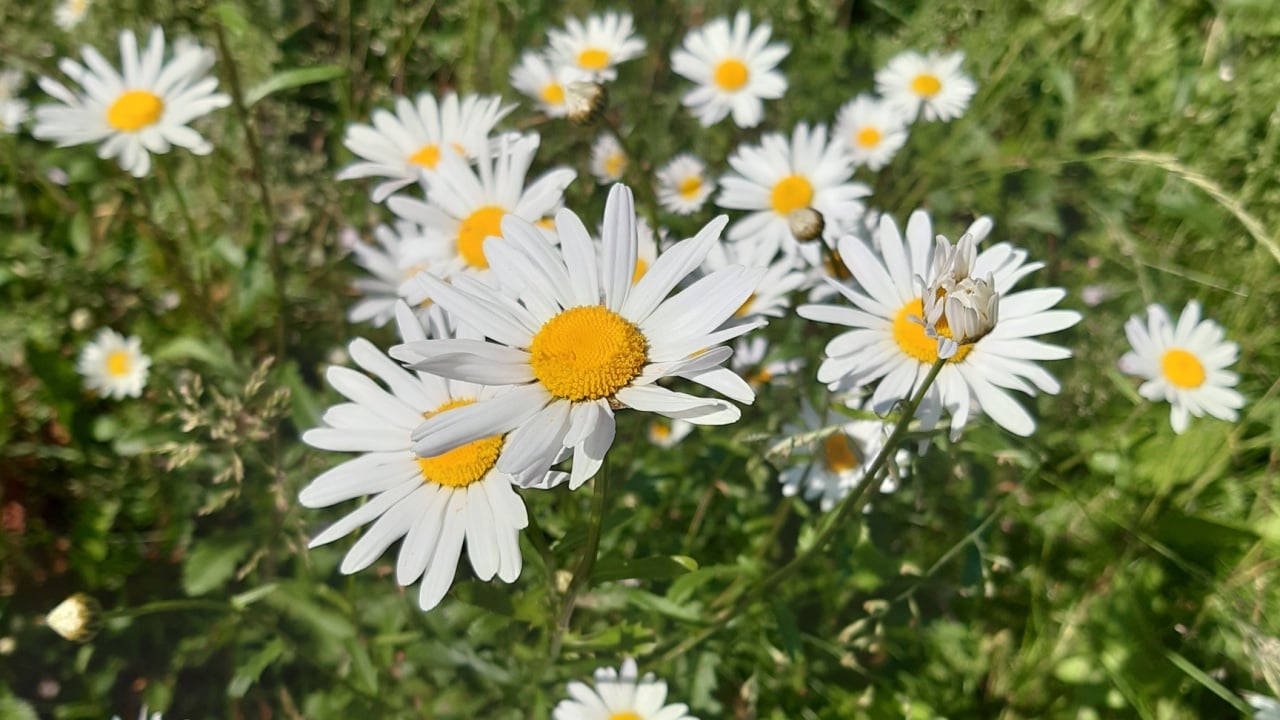
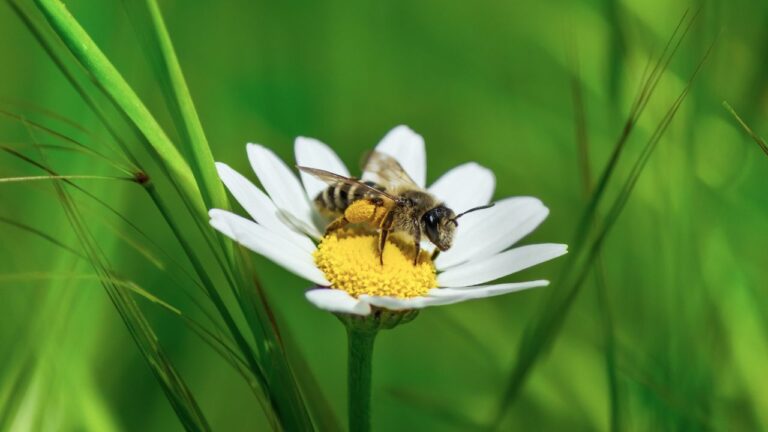
Some plants are irreplaceable not because they are dramatic, but because they make everything around them look better. Shasta daisy is that plant. Its clean white petals and sunny yellow centers provide the neutral contrast that allows bolder colors to sing.
Proven Winners describes newer varieties like ‘Daisy May’ as having longer bloom times than older varieties, with compact habits that stay upright through the season. Mass them in the middle of a border and watch them pull the whole composition together.
12. Sweet Peas
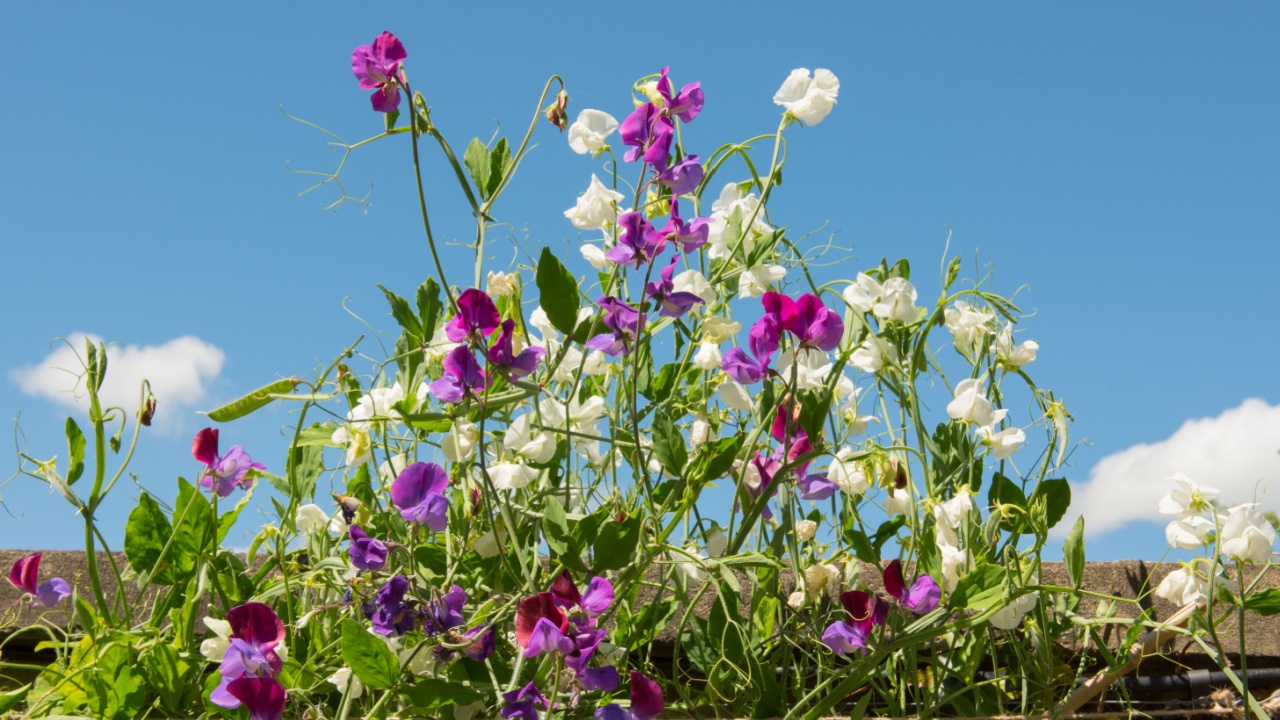
Sweet peas are not a plant so much as an experience. Their fragrance—powdery, warm, and distinctly nostalgic—is the smell that makes people stop and say, “My grandmother grew these.” They climb trellises and fences happily on their tendriled vines, blooming in spring and early summer in a range of pinks, purples, whites, and bicolors.
Garden Design notes that planting them near a pathway, where their fragrance can be enjoyed up close, is the most rewarding placement of all.
How to Layer These Plants for That Irresistible, Full Look
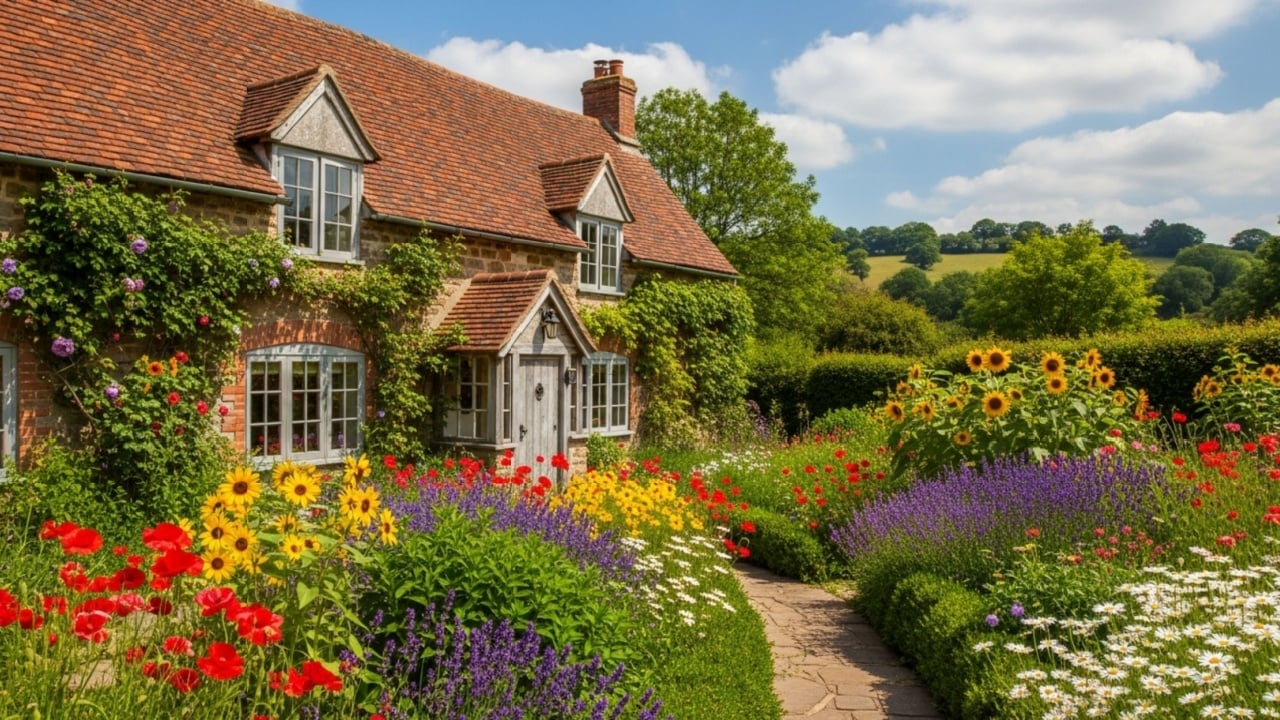
The lush, seemingly spontaneous look of a well-planted cottage garden is not an accident; it is the result of deliberate layering. Garden designer Rebecca Sweet of Harmony in the Garden, writing for Monrovia, advises that “plants should kiss but not tackle each other”: close enough to create a sense of abundance, spaced so each can reach its mature size without crowding out its neighbors.
The key is thinking in three registers simultaneously. Tall plants like hollyhocks, delphiniums, and foxgloves belong at the back and occasionally scattered through the middle to break up the horizon. Medium plants like echinacea, salvia, and bee balm anchor the center. Low growers like lavender, catmint, and yarrow spill toward the front and edge the pathways. Plant in drifts of three to five of the same variety rather than single specimens; the effect reads as intentional abundance rather than random accumulation.
And then: let go. The self-seeders will migrate. Foxgloves will appear in unexpected corners. Columbine will thread itself between the roses. Those happy accidents — the ones you did not plan — are where a cottage garden becomes truly yours.
Your Cottage Garden Does Not Have to Be Perfect to Be Beautiful

The greatest gift these plants offer is patience. A cottage garden in its second or third year bears almost no resemblance to the same garden in its first. The perennials spread. The self-seeders establish. The gaps fill in. The bare edges disappear under lavender and catmint. What looked sparse in April looks lush by July.
Start with a single well-prepared bed. Choose five to seven plants from this list, plant them in small drifts, and give them one good growing season. That is enough to begin. The cottage garden your grandmother tended for decades started, at some point, with a handful of plants and a little faith.
Read More
Washing Your Lettuce Won’t Remove Cyclosporiasis, But Growing Your Own Will
Your Grandmother Stored These 8 Foods All Winter Without Canning a Single Jar