
14 Items Savvy Shoppers Don’t Buy at Full Price
Every purchase carries a quiet trade behind it. It reflects hours worked, effort spent, and choices made elsewhere. Yet most retail prices are not a clean reflection of value. They are shaped by branding, store overhead, and the simple fact that many people buy on impulse. Once you see that clearly, it becomes easier to slow down and question whether something is truly worth the price.
There is also a rhythm to how things are priced. Items tend to cost the most when demand is high or when they first appear on shelves. Give it a little time, and that same product often drops in price as seasons change or interest fades. This pattern shows up again and again, whether you are looking at clothing, home goods, or electronics.
When you start paying attention to these shifts, shopping feels less rushed and more intentional. You stop reacting to price tags and begin working around them. The result is simple. You get better quality for less money, without stretching your budget. The list ahead looks at fourteen items where timing makes all the difference and shows how to buy them more wisely.
1. Holiday Decorations
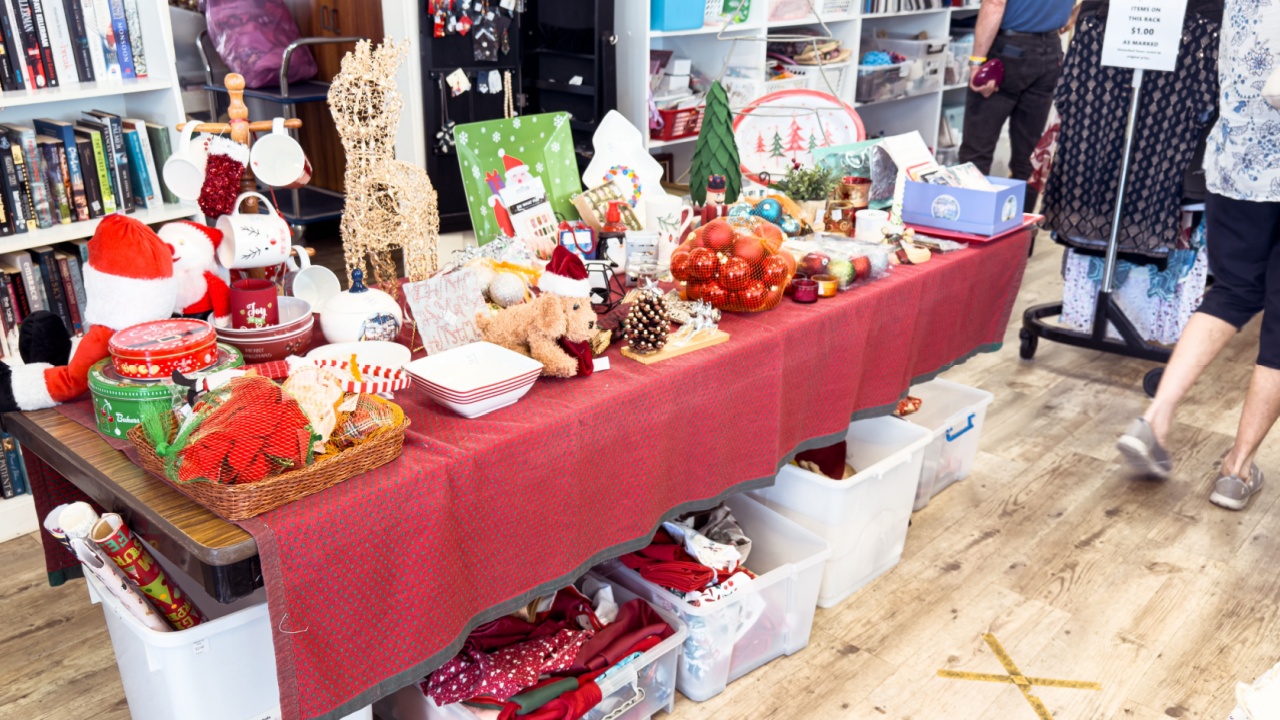
Retailers start hiking up prices for festive gear as early as October. If you’re buying a plastic tree or a string of lights in early December, you’re paying a premium just for the convenience of using it right now. Since seasonal inventory takes up massive warehouse space, stores will slash prices by 70% or more the morning after the holiday ends.
Your best move is to hit the stores during the first week of January for the best clearance finds. Just be sure to inspect light strands for fraying and check that ornaments aren’t cracked before you head to the register. Toss your finds into labeled bins to make next year’s setup a total breeze.
2. Designer Denim

Name-brand jeans often have a significant retail markup just to cover the store’s rent and fancy marketing campaigns. Because high-quality denim can last for decades, it’s one of the best things to hunt for in thrift shops or on resale apps. People often toss perfectly good pairs after a slight weight change or a shift in trends, leaving behind inventory that’s basically brand new.
When shopping online, look for specific measurements rather than just the tag size, as denim can shrink or stretch. Aim for heavyweight cotton with very little elastic, as these hold their shape for years. If you must buy new, wait for the big warehouse sales that usually pop up in mid-summer and late winter.
3. High-End Cookware
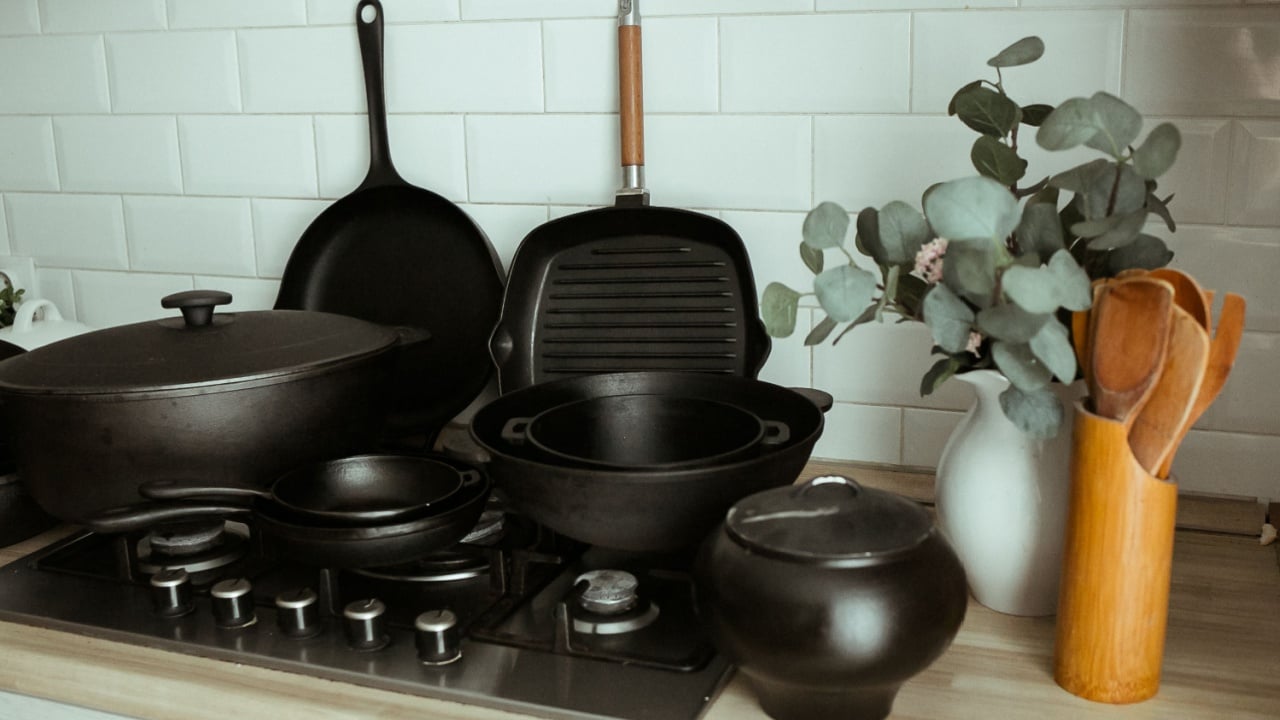
Cast iron and stainless steel sets from premium brands rarely change their design, so there’s no reason to pay top dollar for the “latest” version. Often, a full-price Dutch oven costs more just because it’s a trendy new color. You can find these heavy-duty pieces at estate sales or in department store clearance sections when a specific color is being discontinued.
Look for brands with lifetime warranties that follow the product, not the owner. Avoid secondhand nonstick pans, though, because once that coating is scratched, it’s toast. Stick to raw materials like carbon steel or copper that actually get better as they age and develop a good seasoning.
4. Books and Media
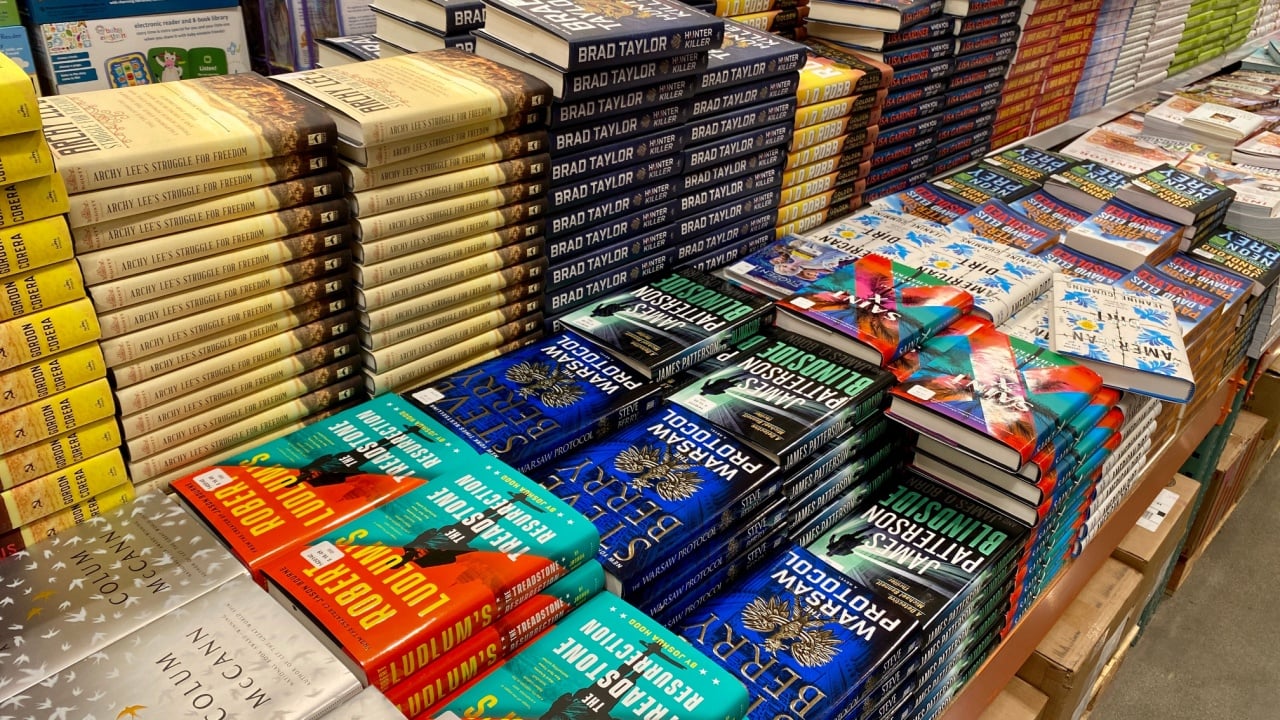
The second you crack the spine on a brand-new hardcover, it loses half its value. Thrift stores and library sales are gold mines for recent bestsellers that only cost a couple of bucks. Even digital versions and audiobooks go on deep discount during monthly promos hosted by the major e-reader platforms.
Check out your local library’s book sales for rare or out-of-print titles. You can also use browser extensions to track price history for online media, so you buy only when the cost hits an annual low. Better yet, start a book swap with friends to keep your reading list fresh without spending a dime.
5. Fitness Equipment
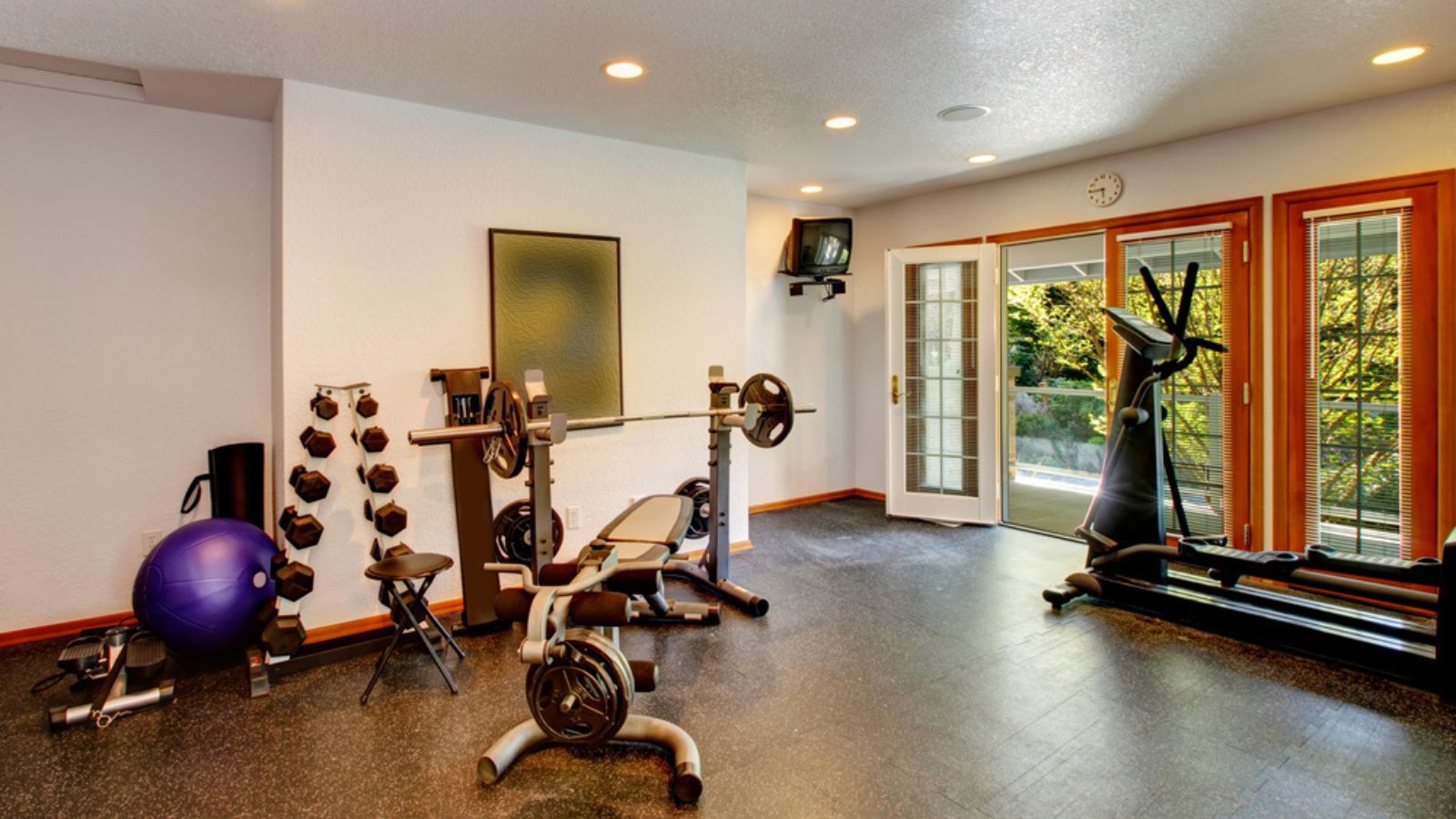
Dumbbells and treadmills are the most common casualties of abandoned New Year’s resolutions. By March and April, the secondhand market is flooded with barely used gear from people who just want their garage space back. Since heavy metal weights don’t exactly “expire,” paying retail for new iron is a total waste of cash.
Scour local classifieds during the spring cleaning season for the best deals on big equipment. Always test motorized gear for weird noises or belt slips before you hand over any money. Once you get it home, give everything a good wipe-down with a vinegar solution to sanitize it before your first sweat session.
6. Small Kitchen Appliances

Air fryers and bread machines usually end up sitting in a box after the initial excitement wears off. These gadgets follow a “hype cycle” where the price drops significantly once the trend cools down. Retailers also get really aggressive with discounts during major holiday weekends like Memorial Day or Labor Day.
Look for refurbished models directly from the manufacturer to get a like-new product with a solid warranty. Just double-check that all the parts and the manual are included in the box. Try to stick to models with stainless steel components, as they tend to outlast the cheaper plastic versions.
7. Baby Gear and Clothing

Babies grow out of outfits in weeks and strollers in just a few years, which is why the secondhand market is absolutely saturated. Parents are constantly clearing out space for the next stage of their kids’ lives. You can often find items with the original tags still attached because the baby grew too fast to ever wear them.
Focus on buying clothes and wooden toys from thrift stores to save a fortune. However, always buy car seats and crib mattresses brand new to make sure they meet the latest safety standards and haven’t expired. Always wash any used textiles in a gentle detergent to get rid of any old dust or perfumes.
8. Office Furniture

When companies move or close down, they liquidate high-end ergonomic chairs and solid desks for pennies on the dollar. Professional-grade furniture is built for 40+ hours of weekly use, making it way better than the flimsy particle board stuff you find at big-box stores. Buying used lets you build a CEO-level home office on a cubicle budget.
Look for local office liquidators who sell individual pieces rather than just bulk orders. Make sure the hydraulic lifts on the chairs actually work and check the desk surfaces for deep gouges. A quick coat of paint or some new wheels can make an older professional chair look and feel brand new.
9. Outerwear and Coats

Winter coats are at their most expensive the moment the temperature drops. If you’re savvy, you’ll look for heavy layers in April and May when stores are desperate to make room for swimsuits. High-quality wool and down coats stay warm for years, so it doesn’t matter if they were “last season’s” style.
Check the seams and zippers on thrifted coats to make sure they aren’t about to fail. It’s usually worth sending a secondhand wool coat to the dry cleaners once to refresh the fibers and get rid of any “closet” smell. To keep the coat’s shape, store it on a wide hanger rather than a thin wire one.
10. Tools and Hardware

Power drills and hand tools go on deep discount during Father’s Day and the December holidays. If you wait until something breaks to buy a tool, you’re going to pay the maximum “emergency” price. Building your toolkit slowly during those big sale windows will save you hundreds of dollars over time.
Look for bundle deals that include extra batteries, since the power cells can often cost as much as the tool itself. Always register your new tools with the manufacturer to make sure your warranty is active. To prevent rust, keep your metal hand tools lightly oiled if you’re storing them in a damp garage or basement.
11. Linens and Bedding
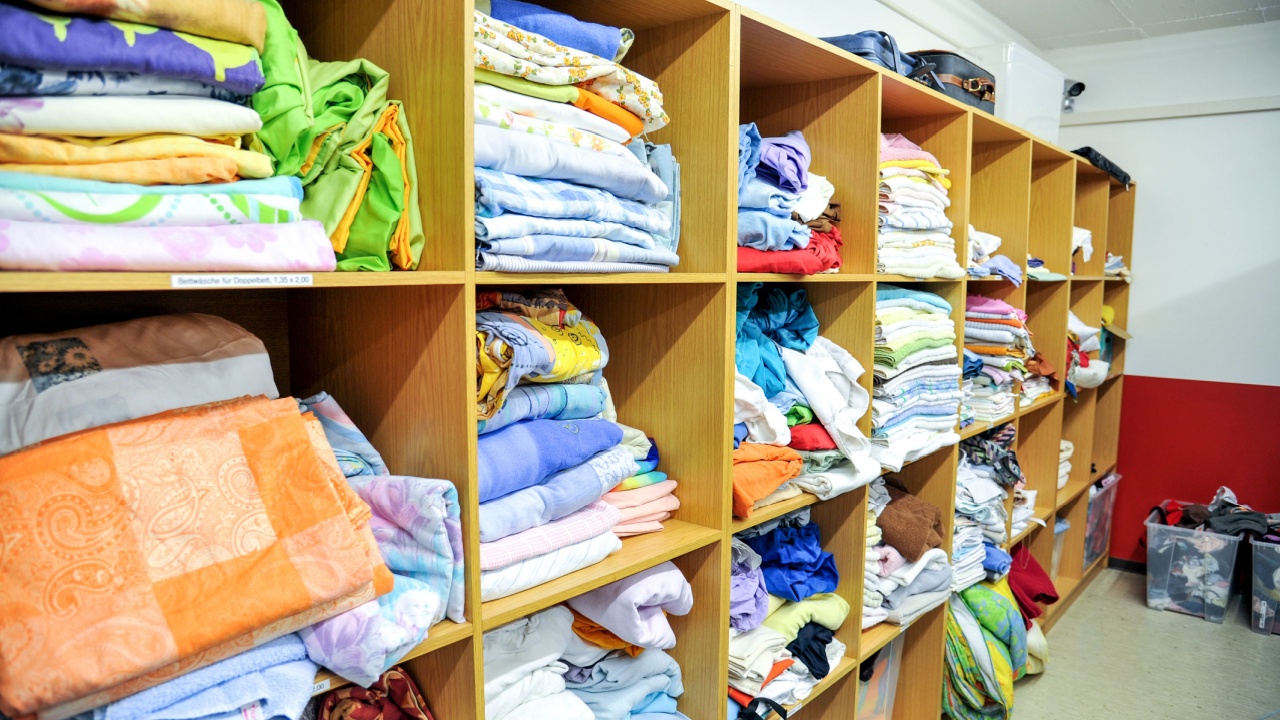
Department stores run “White Sales” every January to move bedding after the holiday rush. You can find premium, high-thread-count sheet sets for 50% off or more during these events. Waiting for these windows lets you enjoy a luxury sleep experience without the luxury price tag.
Stick to natural fibers like linen or long-staple cotton for better breathability and a longer lifespan. It’s a good idea to wash new linens twice before you use them to soften up the fibers and get rid of any factory residue. Rotating between two sets of sheets will help both sets last much longer.
12. Potted Plants and Perennials

Garden centers often mark down plants that look a little wilted or are done blooming for the year. Most of the time, these “ugly” plants just need a drink of water and a quick trim to thrive once they’re in the ground. Buying at the end of the season is the secret to a lush garden next spring for a fraction of the price.
Pick plants with healthy-looking roots, even if the leaves look a bit sad. Check the clearance rack at the back of the nursery for hidden gems that just need a bigger pot and some love. Just make sure to research the sun requirements for each plant so you don’t put a shade-lover in a sunny spot (or vice versa).
13. Smart Home Technology

Tech companies release new speakers and thermostats almost every year. Usually, the “old” version is still perfectly compatible with all the apps, but drops in price by about 40% the moment the new one drops. These devices do the same job without you having to pay the “early adopter” tax.
Check for “open box” returns at electronics stores to find the absolute lowest prices. Just make sure the device is factory reset before you hook it up to your home network for security reasons. Keep the firmware updated to ensure you’re getting the latest features and security patches.
14. Luggage and Travel Gear

Suitcases are seasonal items that retailers usually discount in March and August. Buying a durable, hardshell bag during a sale beats having to make a frantic, expensive purchase right before a big trip. If you choose wisely, a quality piece of luggage can last through a decade of travel.
Look for bags that have replaceable wheels and sturdy, comfortable handles. Test the zippers a few times to make sure they glide smoothly and won’t snag on the lining. To keep your gear looking fresh, just wipe down the exterior with a damp cloth after each trip to get rid of airport grime.
Buy Smart, Not Fast

Before buying anything big, take a quick look around the house and decide what actually needs replacing. A worn mattress, outdated kitchen appliance, or missing winter essentials usually matter more than a trendy décor swap.
Once priorities are clear, keep an eye on local thrift shops and online marketplaces. Price alerts and seasonal sales can quietly cut costs without much effort, especially if timing is on your side.
Read More: