14 Things You’re Cleaning Totally Wrong at Home
Cleaning your home often feels like a never-ending cycle of scrubbing and polishing that somehow never reaches perfection. Most of us are just following habits passed down from our parents or picked up from quick social media clips, never realizing these “tried and true” methods might actually be spreading more grime around. To get the results you actually want, you’ve got to unlearn those outdated techniques and switch to smarter strategies that truly eliminate bacteria and buildup.
Experts and professional restoration specialists have done the heavy lifting to provide the data behind these fixes. Their tests show that common blunders (like using way too much product or grabbing the wrong type of cloth) leave behind sticky residues that act like magnets for dust. We have compiled their best findings so you can stop wasting your energy and start seeing a home that’s actually clean.
Here are a dozen common household items that need a specific touch. We’ll break down the common errors and give you the exact steps needed to fix them.
1. Wood Furniture

A lot of people think piling on thick wax or oily sprays is the best way to keep wood looking healthy. In reality, these products create a gummy, gross buildup that traps allergens and eventually makes the finish look dull. Pros find that too much moisture or heavy oils can even seep into small cracks and damage the wood grain over time.
Instead, just use a dry microfiber cloth for your daily dusting to get rid of scratchy particles. If you need a deeper clean, use a damp cloth with one tiny drop of mild dish soap, and be sure to dry it immediately with a separate towel. Also, keep your pieces away from direct sunlight and heat vents so the wood doesn’t crack or fade.
2. Windows and Glass

It feels logical to clean windows on a bright, sunny day when you can see every single streak, right? Surprisingly, that’s a trap! The sun dries the cleaning solution before you can even wipe it away, leaving behind chemical residues and mineral marks. It just leads to a frustrating cycle of spraying and wiping that never looks quite clear.
Wait for a cloudy day or head outside during the cooler evening hours so you have time to properly buff the glass. Use a squeegee with a sharp rubber blade to pull the liquid off in one smooth motion. To keep things looking professional, swap out your squeegee blades every season to ensure you always have a perfect, streak-free edge.
3. Cast Iron Skillets
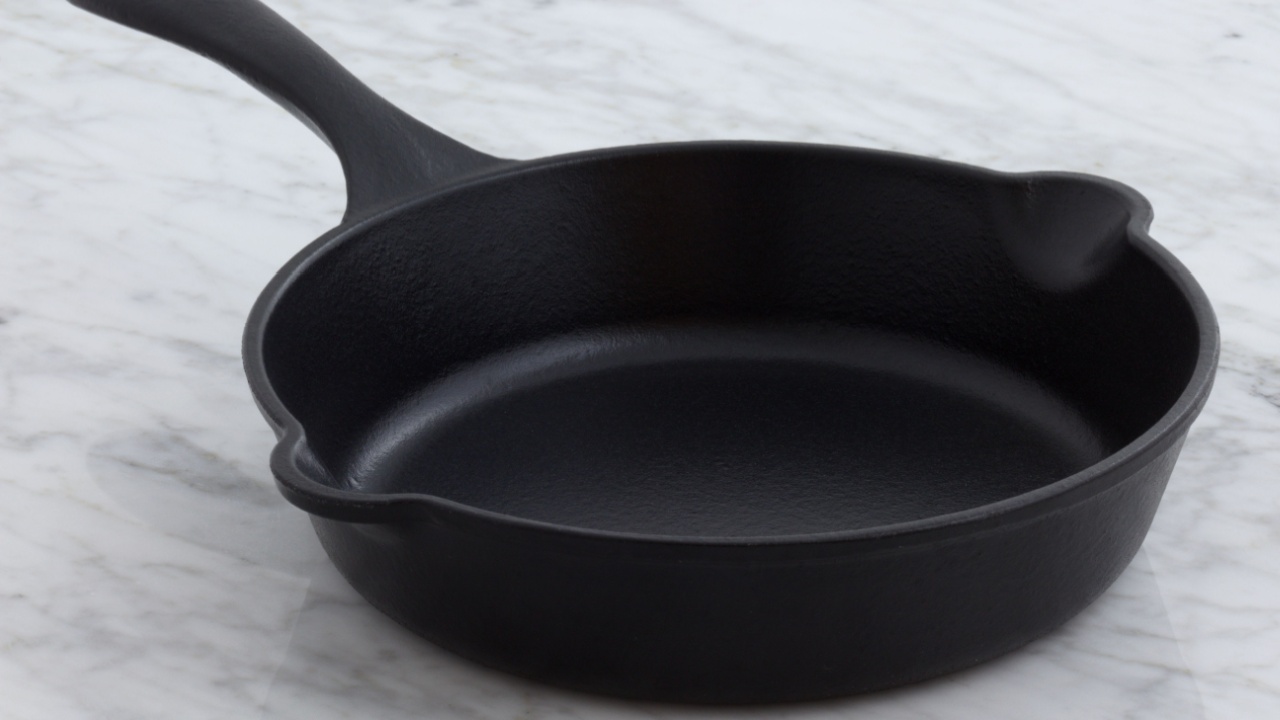
The old myth that soap will ruin a cast-iron pan leads a lot of people to leave behind layers of old, rancid fat. Modern dish soaps are actually gentle enough to lift away food bits without stripping that precious seasoned layer. Plus, leaving burnt food in the pan can cause bacteria growth and make your heating totally uneven.
Once the pan has cooled down, give it a scrub with a stiff brush and a little soap. Dry it completely on a warm stove burner to kick out every last drop of moisture, then rub on a super thin layer of neutral oil. This keeps the rust away and ensures your pan stays smooth and non-stick for your next meal.
4. Kitchen Sponges
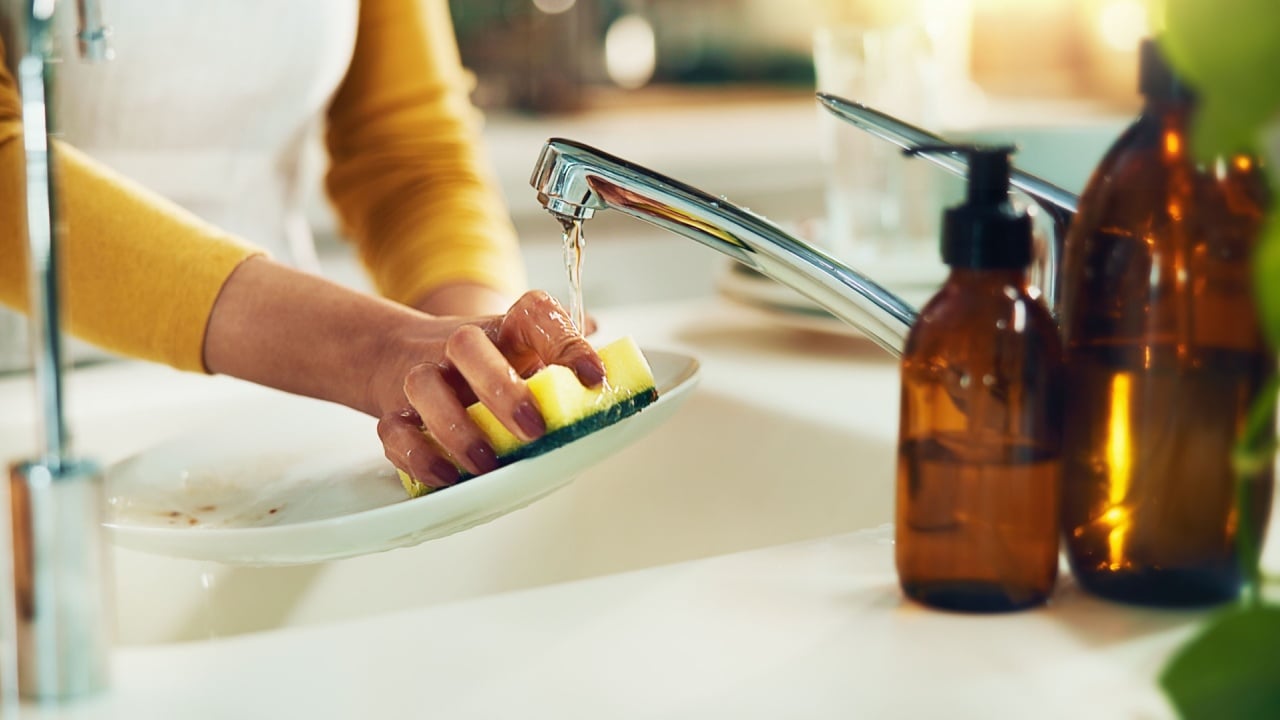
Simply rinsing a sponge and tossing it back in the sink turns it into a massive breeding ground for bacteria. Just squeezing it out doesn’t touch the microbes living deep inside those tiny holes. When you use a “dirty” sponge to wipe your counter, you’re basically just painting your food prep surfaces with pathogens.
Keep things safe by sanitizing your sponge daily in the dishwasher on a high-heat cycle. You should also replace them every two weeks, or as soon as they start to smell even a little bit funky. A pro tip: use different colored sponges for dishes versus counters to make sure you never cross-contaminate.
5. Stainless Steel Appliances
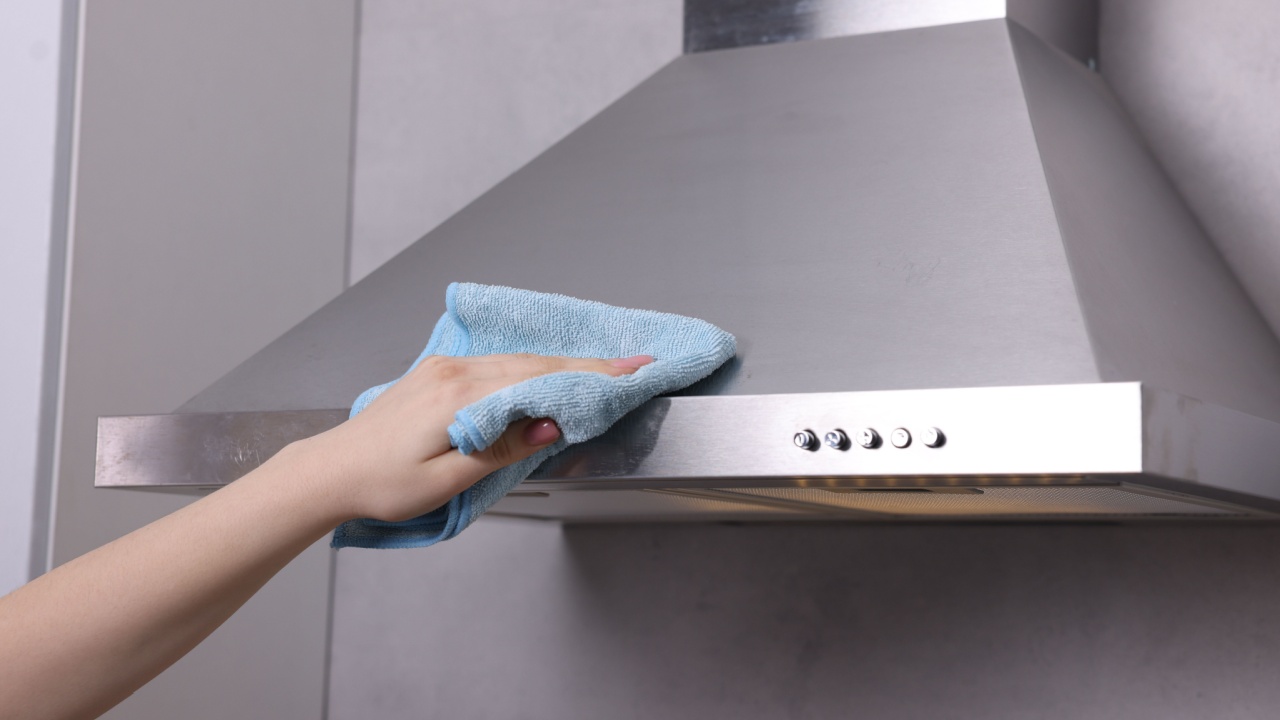
Wiping your stainless steel in circles or going against the grain creates tiny, permanent scratches that kill the metal’s shine. A lot of people also reach for glass cleaner, but the ammonia in it can actually discolor the finish. Over time, these little mistakes make your expensive appliances look greasy and worn out.
Take a second to look closely and find the direction of the metal grain, then always wipe in straight lines following that path. Stick to specialized stainless steel cleaners or a simple mix of water and a tiny bit of dish soap. If you buff it with a single drop of mineral oil afterward, it’ll help repel fingerprints in the future.
6. Television Screens
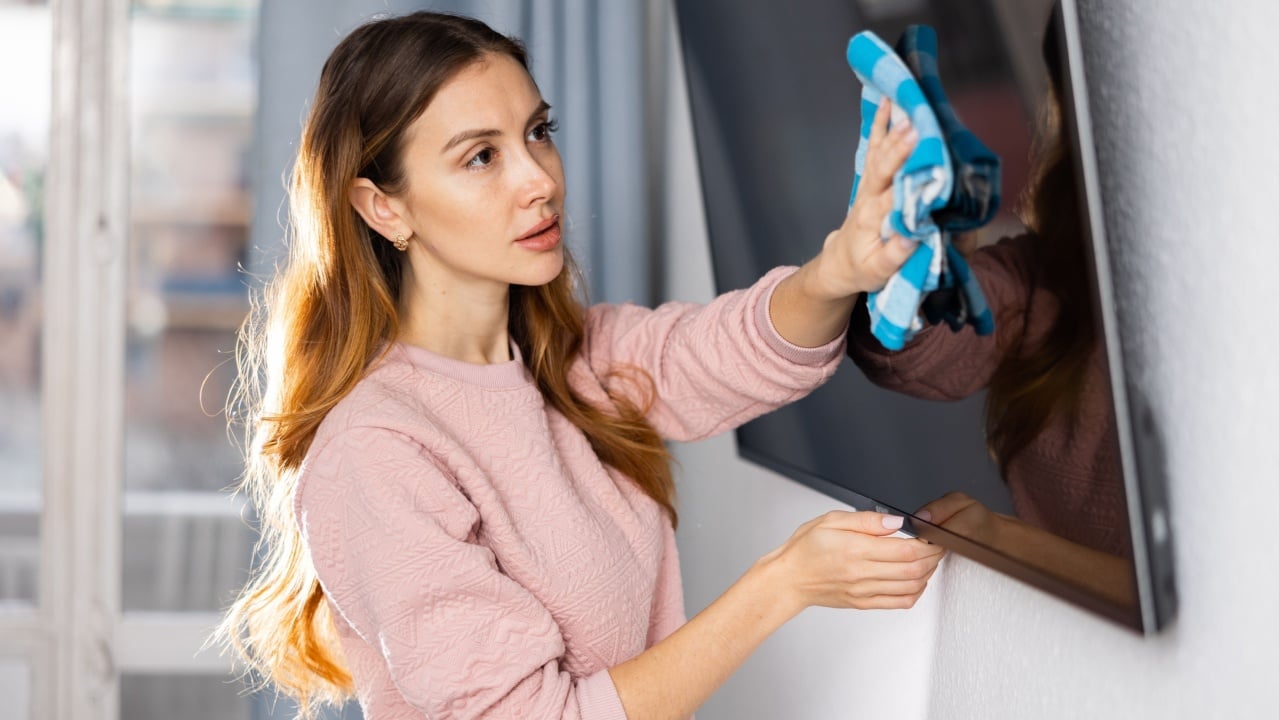
Spraying liquid directly onto your TV is a huge no-no because moisture can leak into the electronics and cause permanent pixel damage. Using paper towels or window cleaners is another big mistake; they’re way too abrasive for modern, delicate displays and can leave behind scratches or cloudy patches that totally ruin movie night.
Instead, use a clean, dry microfiber cloth to gently lift away dust and fingerprints. If there’s a really stubborn smudge, dampen the cloth slightly with distilled water rather than spraying the screen itself. Avoid any chemical cleaners unless they are specifically made for high-end electronic displays.
7. Garbage Disposals
Tossing lemon peels or ice cubes down the disposal might smell nice or sound cool, but it’s not actually cleaning the blades. Grease and sludge usually hide underneath the splash guard, where those items never reach. This hidden gunk is what eventually causes those foul odors and clogs up your drain.
Turn off the power and grab an old toothbrush with some degreasing soap to scrub the underside of that black rubber splash guard. Then, pour some baking soda and vinegar down the drain, let it fizz for ten minutes, and flush it with boiling water. This routine breaks down the fatty deposits that are causing the stink.
8. Coffee Makers
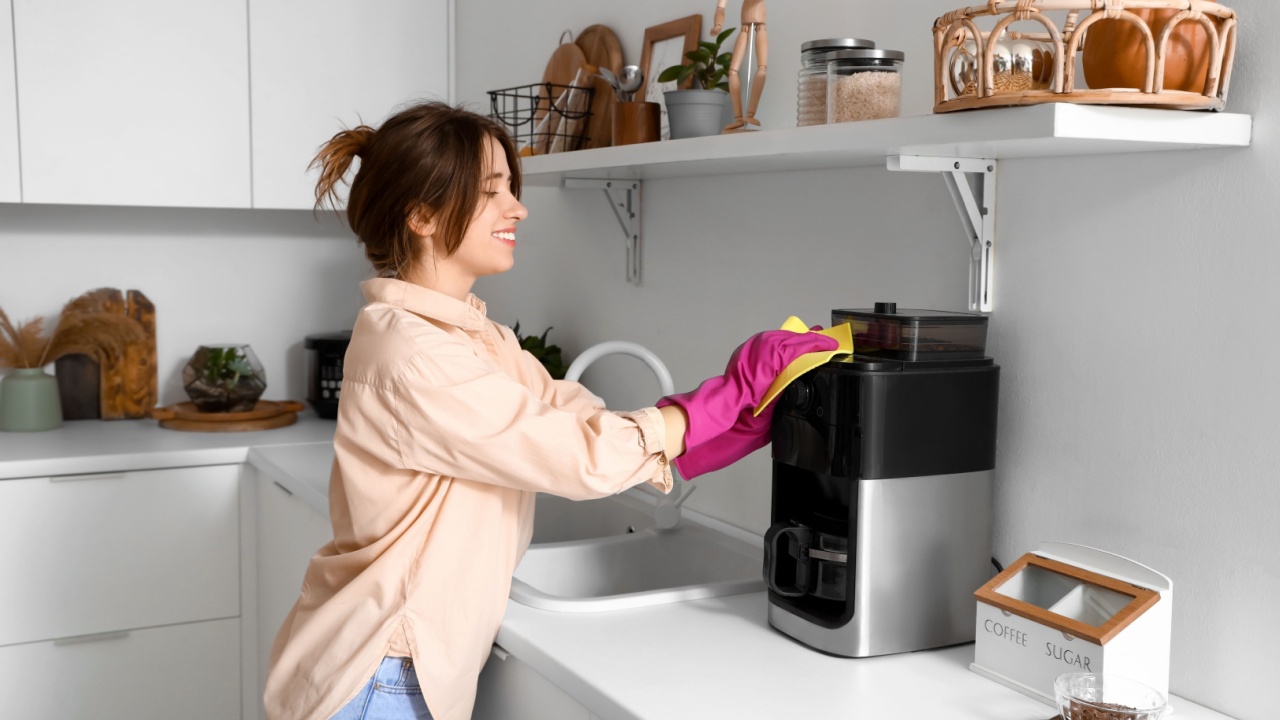
Just rinsing the pot isn’t enough, because calcium deposits and oily gunk build up inside the machine’s internal tubes. These deposits mess with the water temperature and the flavor of your coffee, and can eventually break the heating element. Plus, a neglected machine is the perfect dark, damp spot for mold to grow.
Once a month, run a cycle with a descaling solution or a 50/50 mix of white vinegar and water. Follow that up with two cycles of plain water so your next cup doesn’t taste like salad dressing! Make sure to put removable parts like the filter basket and carafe through the dishwasher regularly to get rid of those stubborn coffee oils.
9. Cutting Boards
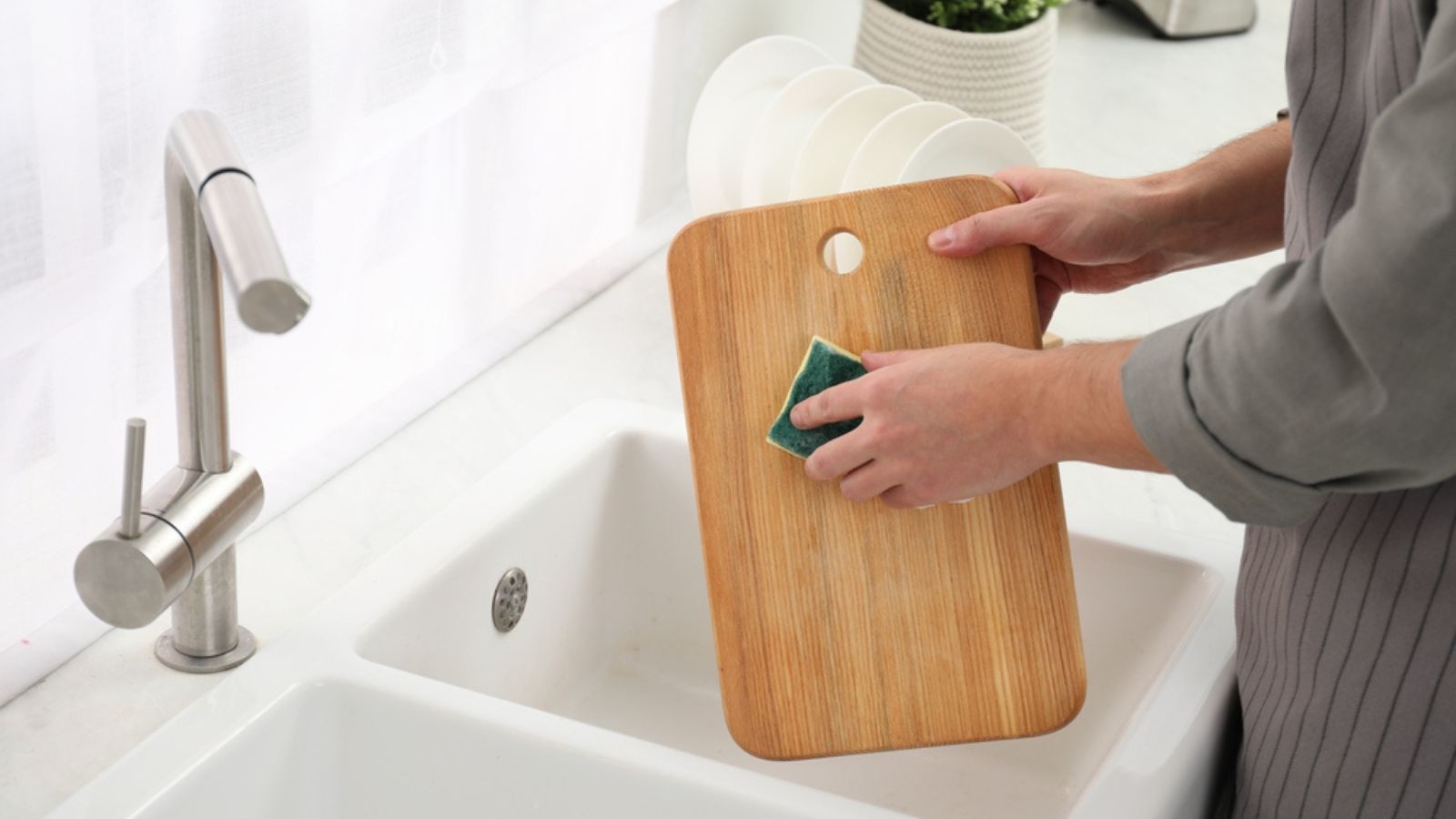
Putting a wooden cutting board in the dishwasher is a one-way ticket to a warped, cracked mess. The high heat and soaking water destroy the wood fibers and the glue that holds them all together. Even plastic boards are tricky; once they get deep knife grooves, a standard sponge just can’t reach the bacteria hiding inside.
Hand-wash your wooden boards with warm, soapy water and let them dry upright so air can hit both sides. For plastic boards, use a diluted bleach solution to sanitize those deep scratches. Every month, apply some food-grade mineral oil to your wooden boards to keep them hydrated and resistant to liquids.
10. Vacuum Cleaners
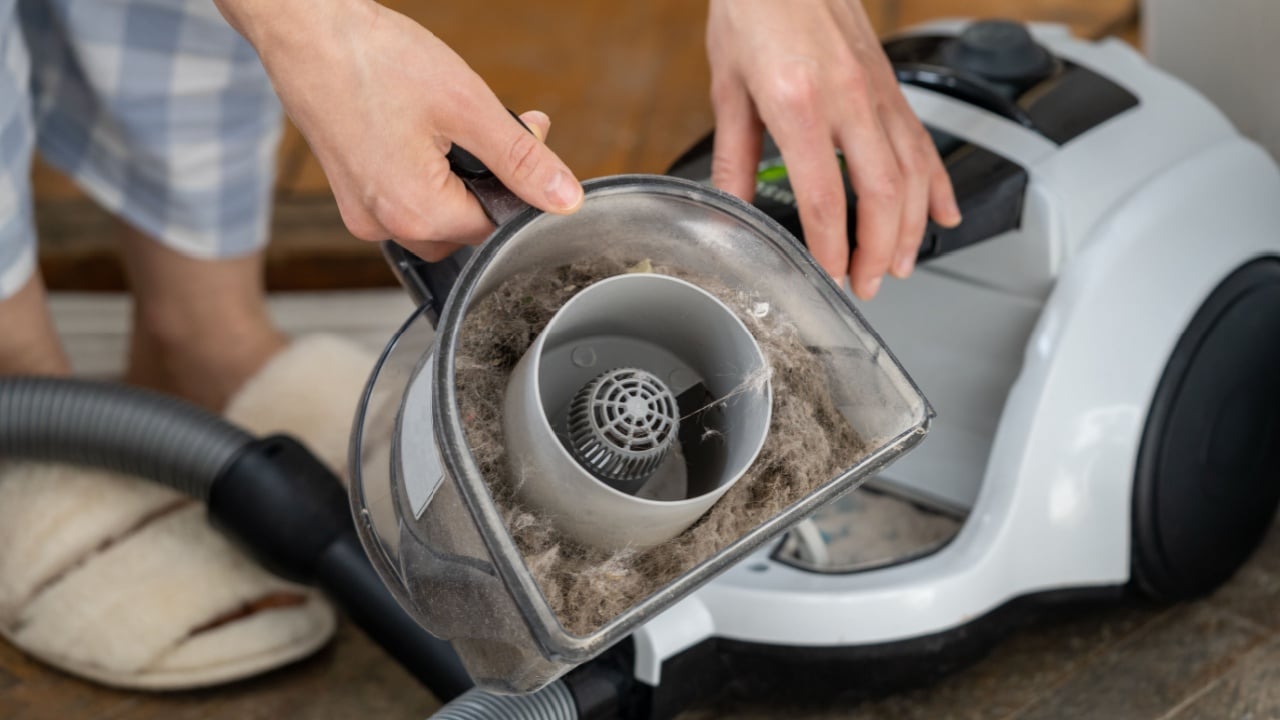
A vacuum with a full bag or a dirty filter loses almost all its suction and starts spitting dust back into your air. Most people wait until the machine literally stops picking things up before checking the brush roll, but that forces the motor to overheat and die early. Keeping it clean is the key to making it last.
Empty the dust bin or swap the bag once it’s about two-thirds full to keep the air flowing. Every few weeks, take a pair of scissors and cut away any hair or string wrapped around the brush roll. Don’t forget to wash or replace the filters as often as the manual says to keep the exhaust air fresh.
11. Ceiling Fans
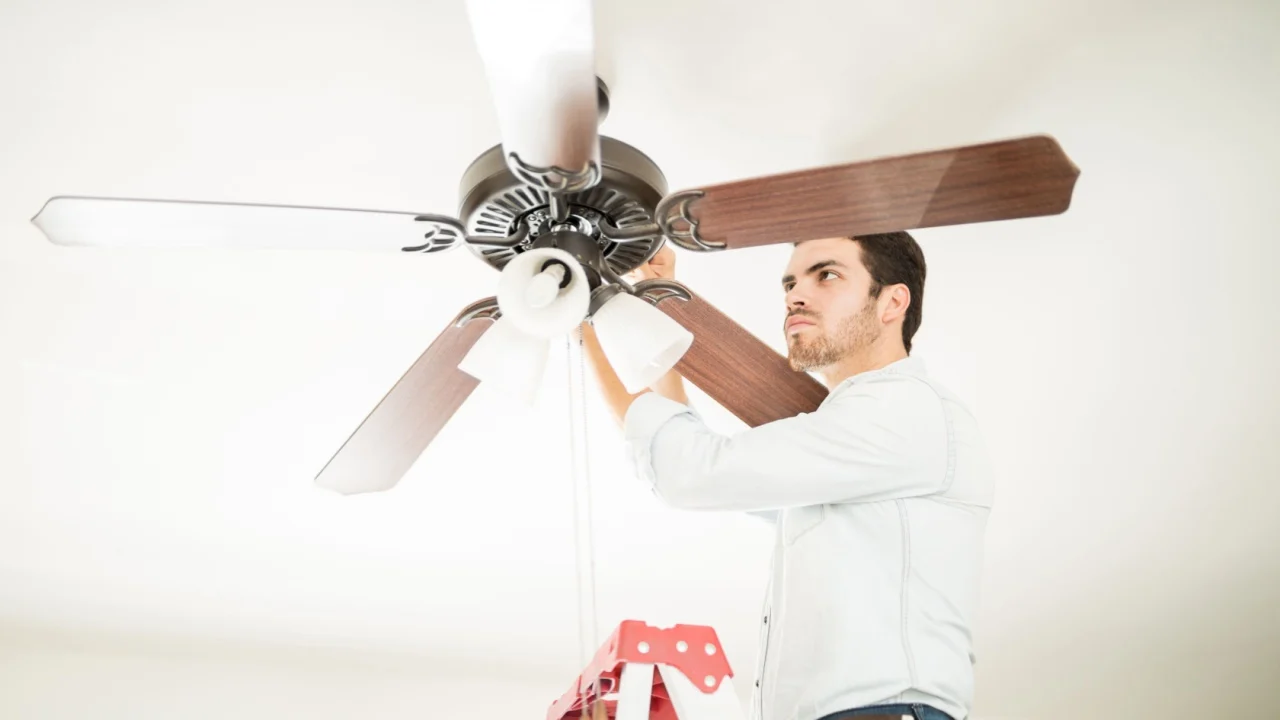
Using a standard duster on a ceiling fan usually just sends a “dust bomb” onto your bed or floor. It creates a whole new cleaning task and is a nightmare for anyone with allergies. Plus, that method leaves a static charge on the blades that actually sucks more dust back up there faster.
Try the pillowcase trick: slide an old pillowcase over each blade, then pull it back to trap all the dust inside the bag. It keeps the mess contained and cleans both sides of the blade at once. Finish by wiping the blades with a cloth dampened with a little fabric softener to kill the static charge.
12. Tile Grout
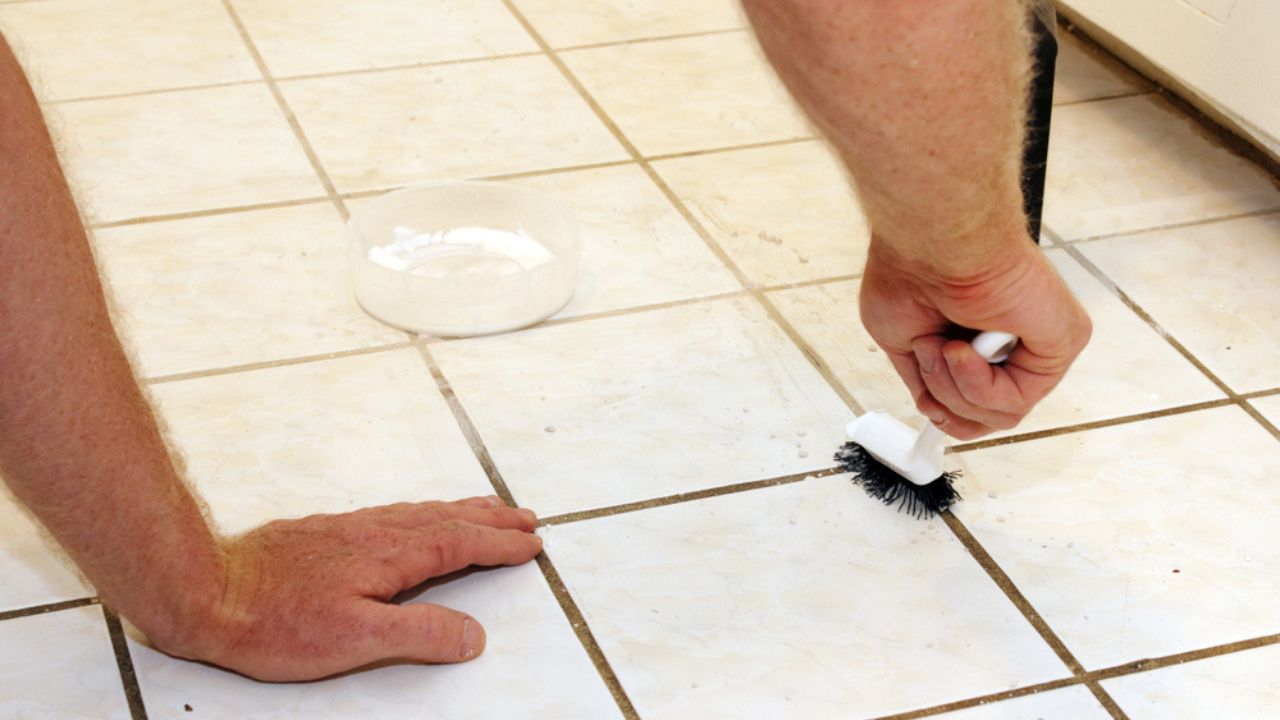
Scrubbing your grout with a wire brush or harsh acids can actually eat away at the material and make it crumble. Another common failure is forgetting to seal the grout, which lets mold and spills soak deep into the porous surface. Once it’s stained that way, it’s almost impossible to get it back to its original color.
Use a soft brush and a paste made of baking soda and water for a gentle but effective scrub. Rinse the area well, and once it’s totally dry, apply a high-quality grout sealer. Re-sealing every year is the best way to keep moisture from getting behind your tiles and causing hidden mold growth.
13. Reusable Grocery Bags
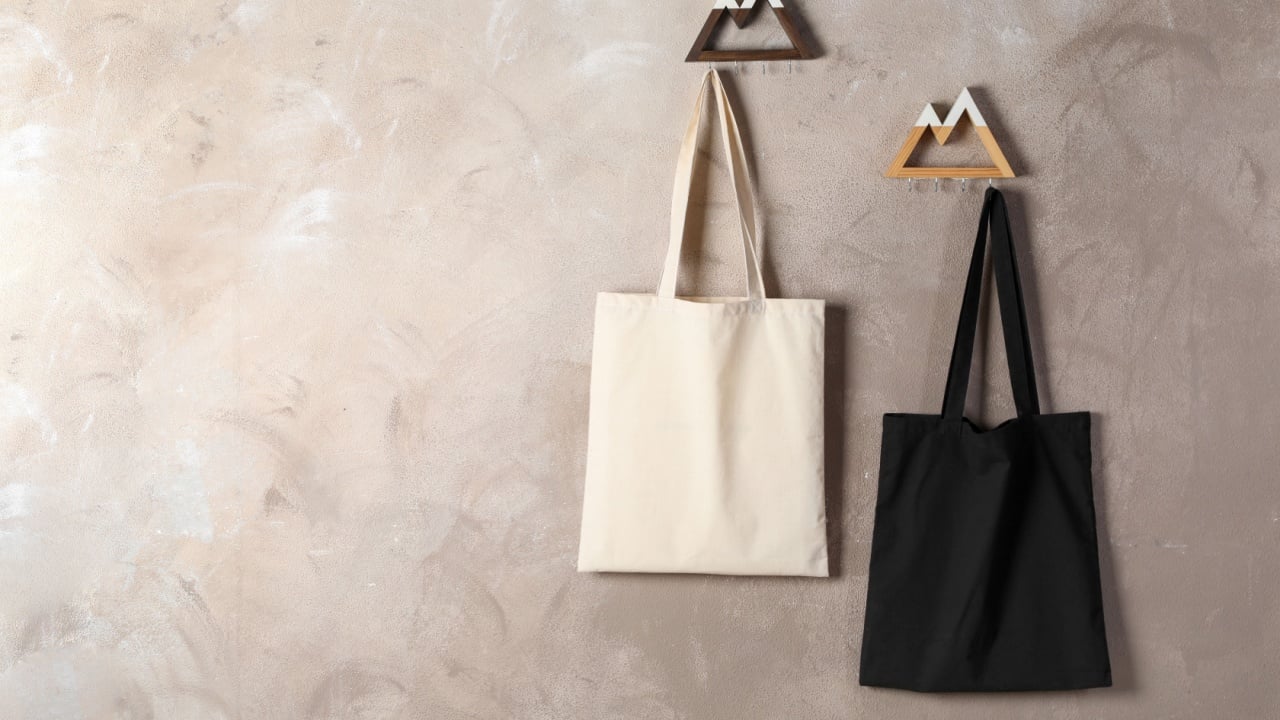
Tossing raw meat and produce into the same bags every week without washing them is a recipe for cross-contamination. Bacteria like E. coli can hang out in the fabric for days, waiting to jump onto your fresh food during the next trip. We often forget these bags need the same love as our kitchen towels!
Throw your fabric bags in the wash with hot water and disinfecting detergent after every few trips. For the plastic or laminated ones, give them a good wipe-down with disinfecting spray and let them air dry. It helps to have “meat only” bags and “dry goods only” bags to keep things organized and safe.
14. Remote Controls

The TV remote is one of the germiest items in the house, yet it’s almost always skipped during cleaning. It’s covered in skin oils, food crumbs, and germs from everyone who touches it, making it a major way sickness spreads through the family. If you ignore it, that grime eventually makes the buttons stick and fail.
First, pop the batteries out, then use a cloth slightly dampened with rubbing alcohol to wipe the whole surface. Use a cotton swab dipped in alcohol to get into the tiny gaps around the buttons. Aim to clean your remotes at least once a week to stop germs from hanging out in your living room.
Clean Smarter, Not Harder

Fixing these small cleaning mistakes can save your furniture, appliances, and surfaces from slow damage while keeping the home genuinely fresh. Paying attention to what each surface needs makes a noticeable difference, so the effort actually pays off instead of wearing things down.
To keep that standard going, it helps to set a simple monthly routine for deeper jobs like descaling the coffee maker or sealing grout lines. Once these habits settle in, cleaning feels less like a constant task and more like something that stays under control.
Read More: