

12 Places Pollen is Crashing in Your Home as an Invisible Guest
Spring has arrived, and while that “yellow dust” looks lovely on the trees, it’s a total nightmare once it hitches a ride into your home. Most of us settle for a quick swipe of the coffee table, but pollen is a master of hide-and-seek. Using static electricity and sneaky drafts, it settles into the awkward, forgotten nooks you haven’t touched since moving day.
If you’re still sneezing with the windows shut, your home has likely become a secret storage unit for seasonal irritants. Because these microscopic grains carry a slight charge, they cling to surfaces like magnets, specifically in high-up or hidden reservoirs like door frames, window tracks, and ceiling fan blades.
To reclaim your air quality, you have to go beyond eye-level cleaning. By tackling these fourteen specific hotspots, you can neutralize the “silent invasion” and give your space the deep-clean reset it needs for the season.
1. Doormats and Welcome Mats
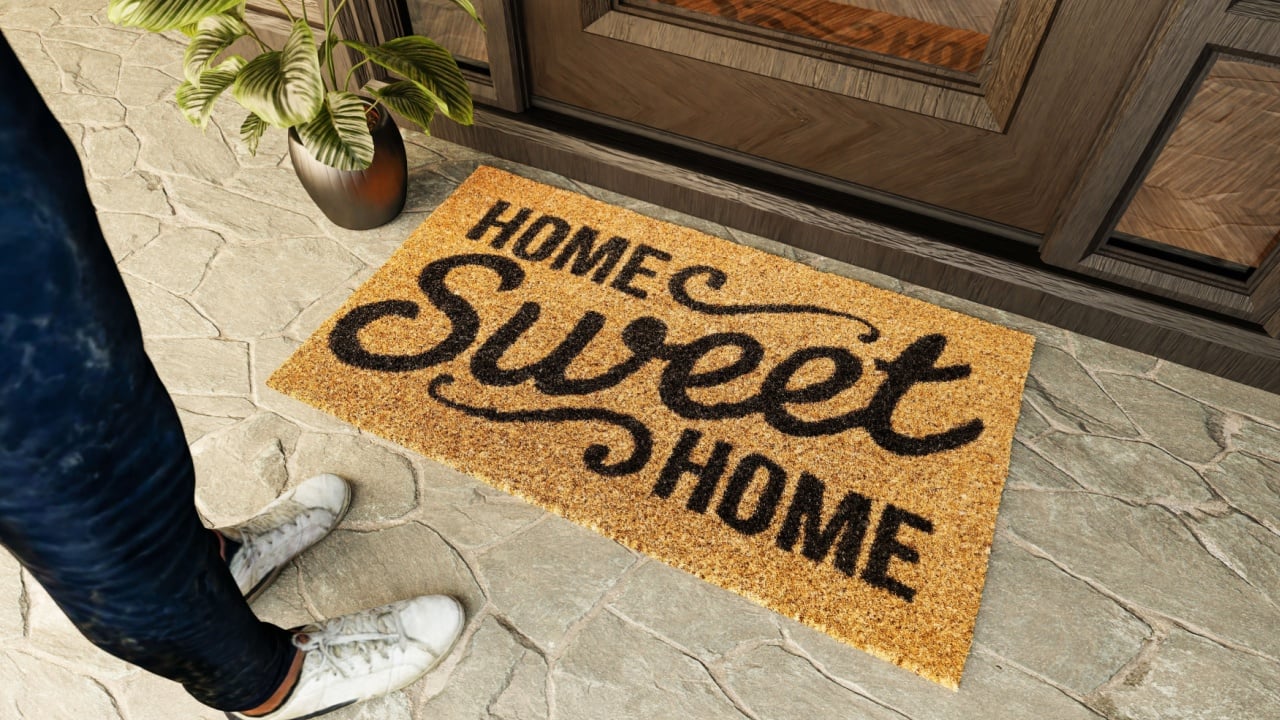
Your primary line of defense against the outdoors is, ironically, the biggest source of indoor contamination. Doormats act like coarse filters, trapping particles from shoes and paws before they ever reach the foyer. Because they sit right at the threshold, every gust of wind or opening of the door sends a fresh cloud of allergens into the fibers, where they hang out until you step on them.
Frequent shaking or vacuuming of these mats prevents them from becoming a permanent launchpad for irritants. Try swapping out natural fiber mats for easy-to-wash synthetic versions during peak seasons. Rinsing them with a hose once a week removes that fine silt that vacuums often miss, effectively stopping the problem before it even crosses the doorway and ruins your vibe.
2. Window Screens
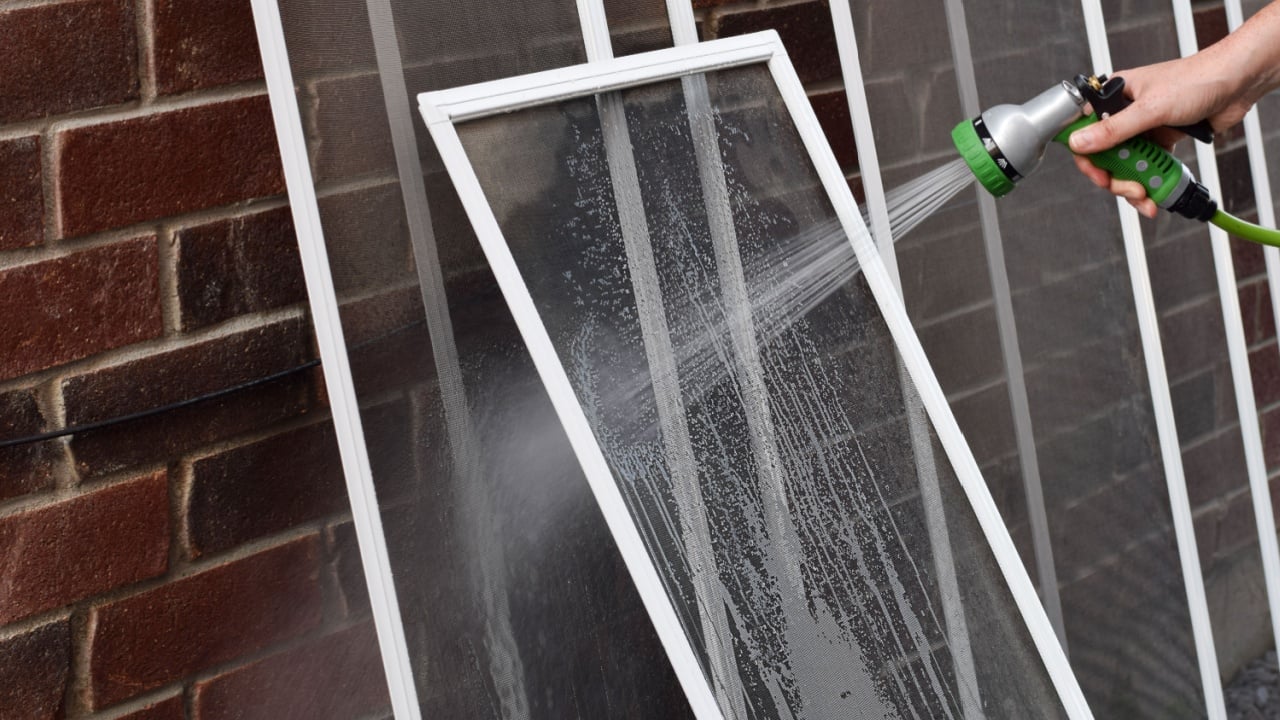
Mesh screens do a great job keeping insects out, but they also quietly trap pollen and fine dust. When air moves through the screen, those tiny particles stick to the mesh and build up into a thin layer you barely notice. The problem is, it sits right next to your window, so every breeze can push some of that dust back inside.
A quick wipe usually is not enough here. It helps to use a vacuum with a soft brush attachment or a damp microfiber cloth with a bit of soapy water to lift the buildup properly. If you can, take the screens out once in a while and give them a proper wash outside. It makes a clear difference and keeps the air coming in a lot fresher.
3. Ceiling Fan Blades
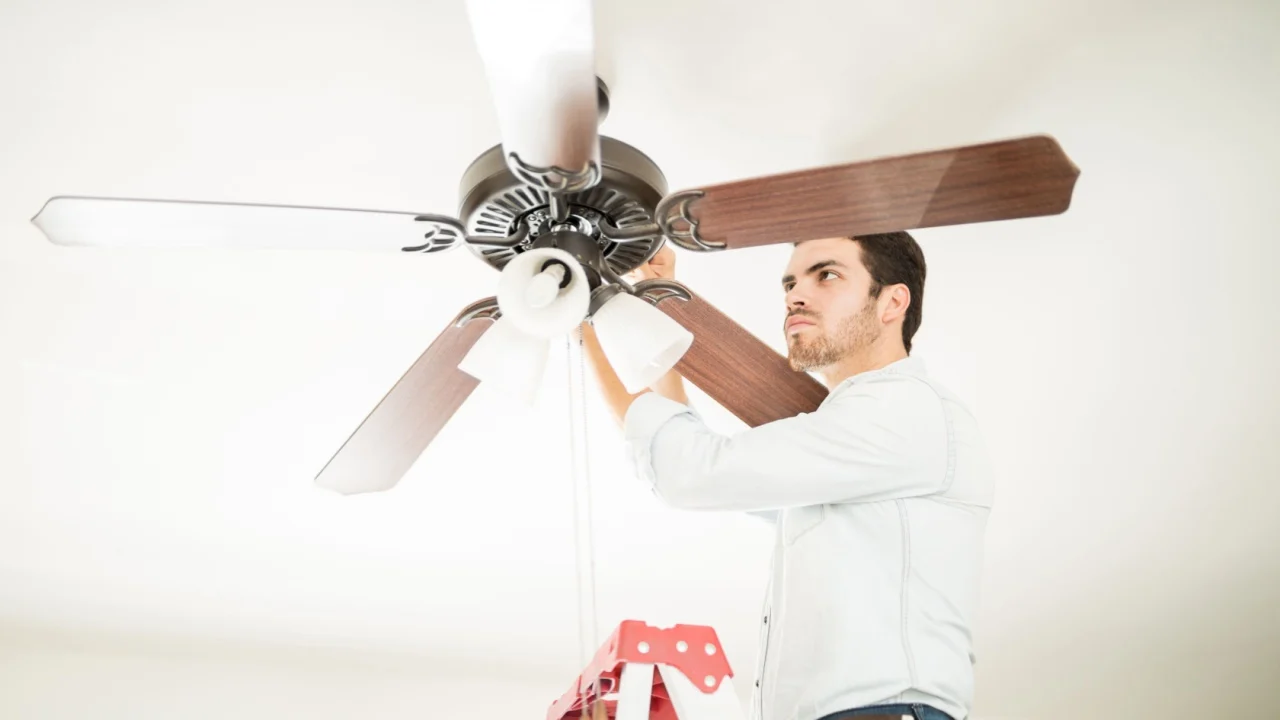
Ceiling fan blades quietly gather a thick layer of dust and grime, especially along the leading edges. As the fan spins, it pulls in fine particles and holds onto them through static buildup. Once you switch it on, that same dust can get thrown back into the air and spread across the room.
A simple trick is to slide a damp pillowcase over each blade and wipe it clean so the dust stays contained instead of falling everywhere. After cleaning, a light coat of car wax can help slow future buildup. It keeps the blades smoother and makes it harder for dust to stick in the first place.
4. Indoor Houseplants
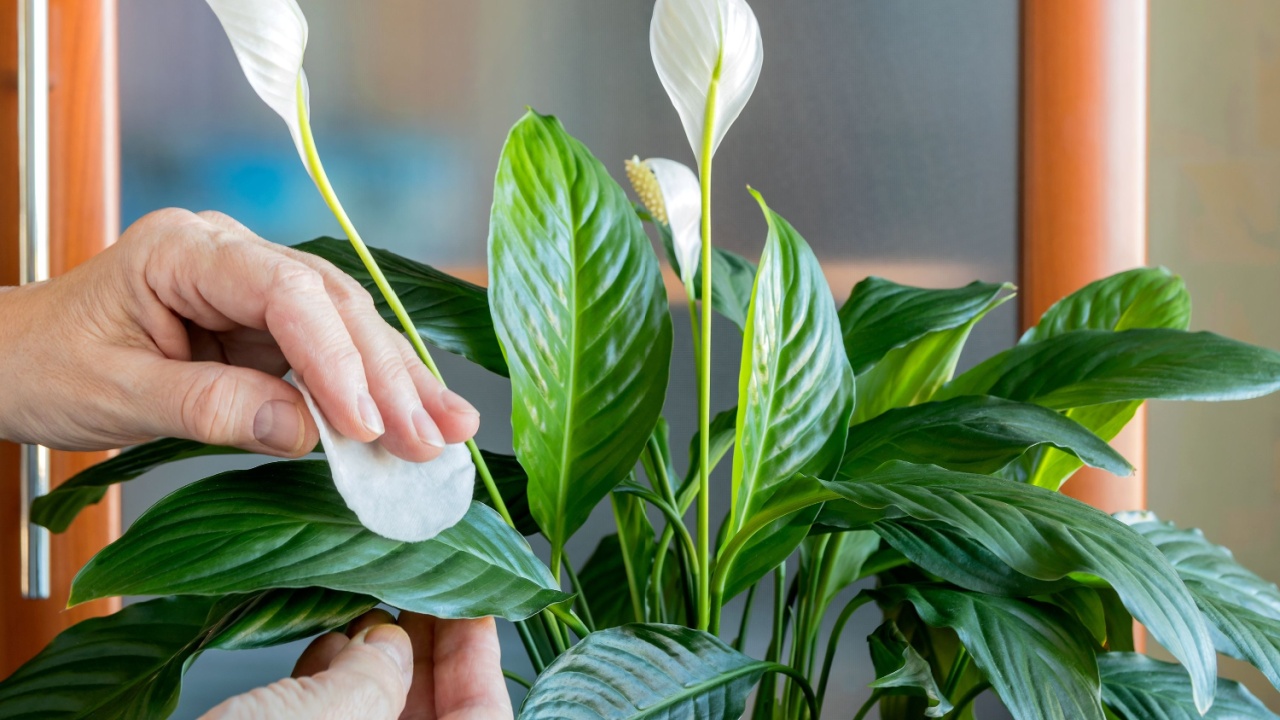
Houseplants look fresh and clean, but their leaves tend to collect dust just like any other surface. Wide leaves, especially, act like shelves where particles settle, particularly if the plant sits near a window or balcony.
Gently wipe the leaves with a soft, damp cloth or mist them lightly to keep them clean. On days when there is a lot of dust or pollen in the air, it helps to move plants a little farther from open windows. Clean leaves not only look better but also help the plant stay healthy.
5. Bookshelves and Book Spines
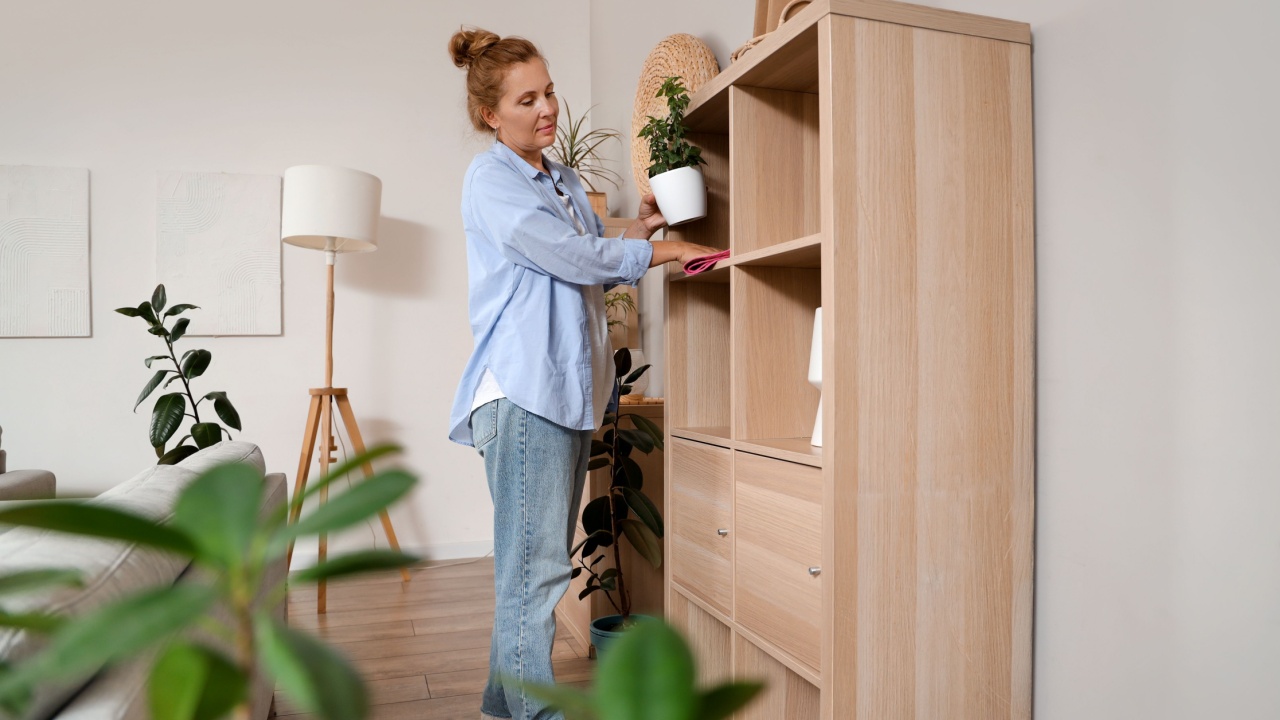
Bookshelves often remain untouched for long stretches, making them an easy place for dust to settle and accumulate. The tops of books, along with the tight gaps between them, create perfect pockets where fine particles can gather. When you pull a book out, that trapped dust can rise into the air in a small burst, especially if it has been sitting there for weeks.
Using a vacuum with a soft brush attachment helps clear dust from both the surface and the edges of the books without damaging them. It also helps to reach behind the books, where air tends to stay still, and dust collects more heavily. Following up with a lightly damp cloth prevents particles from floating back into the air. With regular attention, your shelves stay cleaner, and the air around them feels noticeably fresher.
6. Curtains and Fabric Drapes

Curtains do more than block sunlight or provide privacy. They act like large filters that catch dust every time a breeze passes through the window. Their folds and layered fabric create countless small spaces where particles can settle deep inside, making the buildup harder to notice at first but easy to disturb when you open or close them.
Washing or steam cleaning curtains every so often helps remove what has settled deep into the fabric. For quicker upkeep, using a lint roller or a vacuum with a fabric attachment can lift surface dust and make the room feel cleaner right away.
7. Pet Fur and Bedding

Pets naturally carry bits of the outdoors back inside with them. Their fur traps dust, pollen, and other tiny particles, which then get transferred onto floors, sofas, and especially their bedding. Over time, these areas can hold a layer of allergens that spreads every time your pet moves or settles down.
Wiping your pet down with a damp cloth when they come indoors can reduce how much dust they bring in. Washing their bedding in hot water each week helps clear out what has already collected and keeps their resting area cleaner. During times when dust levels are high, limiting access to furniture can also help control how far these particles spread throughout the home.
8. Electronics and Television Screens

Electronics tend to attract dust faster than most surfaces because of static electricity. Television screens, monitors, and other devices pull in fine particles from the surrounding air, and the heat they produce can dry out that dust, making it easier to become airborne again. Despite this, these areas are often skipped during regular cleaning.
Using a soft anti-static cloth helps remove dust without scratching sensitive screens. It is also important to clean around vents and ports at the back of devices, where cooling systems draw in air along with dust. Keeping these areas clear not only improves cleanliness but also helps your electronics function more efficiently and last longer.
9. Lampshades

Lampshades, especially those made from fabric or textured materials, collect dust with very little effort. Their position near beds, sofas, or desks means that any dust they hold sits close to where you spend a lot of time. The warmth from the bulb can also create slight air movement that draws more particles toward the shade.
A lint roller is a simple and effective way to lift dust from fabric shades without damaging them. For more detailed designs, a soft brush can reach into folds and pleats where dust tends to hide. Cleaning lampshades regularly helps reduce the amount of dust circulating in areas where you relax or work.
10. Decorative Pillows and Throws

Decorative pillows and throws often stay in place for weeks, quietly collecting dust along the way. Unlike main seating cushions, they are not always included in regular cleaning routines. Each time they are moved or fluffed, the dust trapped inside can be released into the air.
Shaking them outdoors or washing them when possible helps clear out this buildup. Fabrics like cotton or linen tend to hold less dust compared to heavier or textured materials, making them easier to maintain. Storing extra items in closed containers also prevents them from collecting dust when they are not in use.
11. The Top of the Refrigerator

The top of the refrigerator is one of those places that stays out of sight and out of mind. Because it is positioned high up, dust settles there undisturbed and can build into a noticeable layer. Air movement from the appliance itself can also pull in more particles, adding to the buildup.
Wiping it down with a damp cloth or a mild cleaner keeps the surface from becoming sticky and difficult to clean later. Placing a sheet of paper or liner on top can make maintenance even easier, as you can simply replace it when it gets dirty. This small habit keeps your kitchen feeling cleaner overall.
12. Door Frames and Moldings
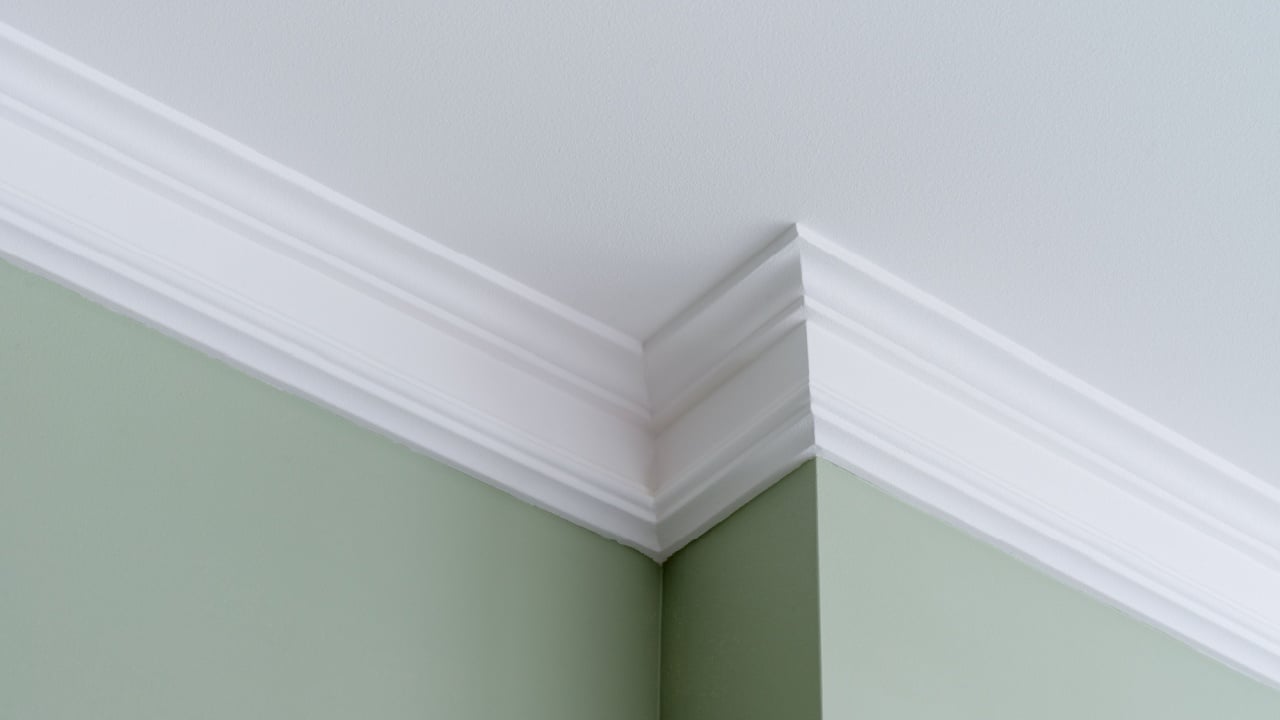
The tops of door frames and the edges of moldings provide narrow ledges where dust can settle without being noticed. Because these areas are either too high or too low to catch your attention, they often go uncleaned for long periods. Simple movements like closing a door or walking past can disturb the dust and send it back into the air.
Using a microfiber duster with an extendable handle makes it easier to reach these spots without much effort. Wiping them down with a damp cloth regularly prevents buildup from becoming visible or spreading further. Keeping these details clean helps the entire room feel more polished and well cared for.
13. Bathroom Exhaust Fans

Bathroom exhaust fans pull in air along with any dust or particles floating around. Because bathrooms are humid, this dust tends to stick together and form a heavier layer on the fan cover and inside the unit. Over time, this can reduce how well the fan works and allow dust to linger in the room.
Removing the cover and washing it with warm, soapy water clears away the surface buildup. Using a vacuum to remove dust from inside the fan housing helps keep the airflow strong. Regular cleaning not only improves the fan’s performance but also reduces the amount of dust circulating in a space that is used every day.
14. Area Rug Borders
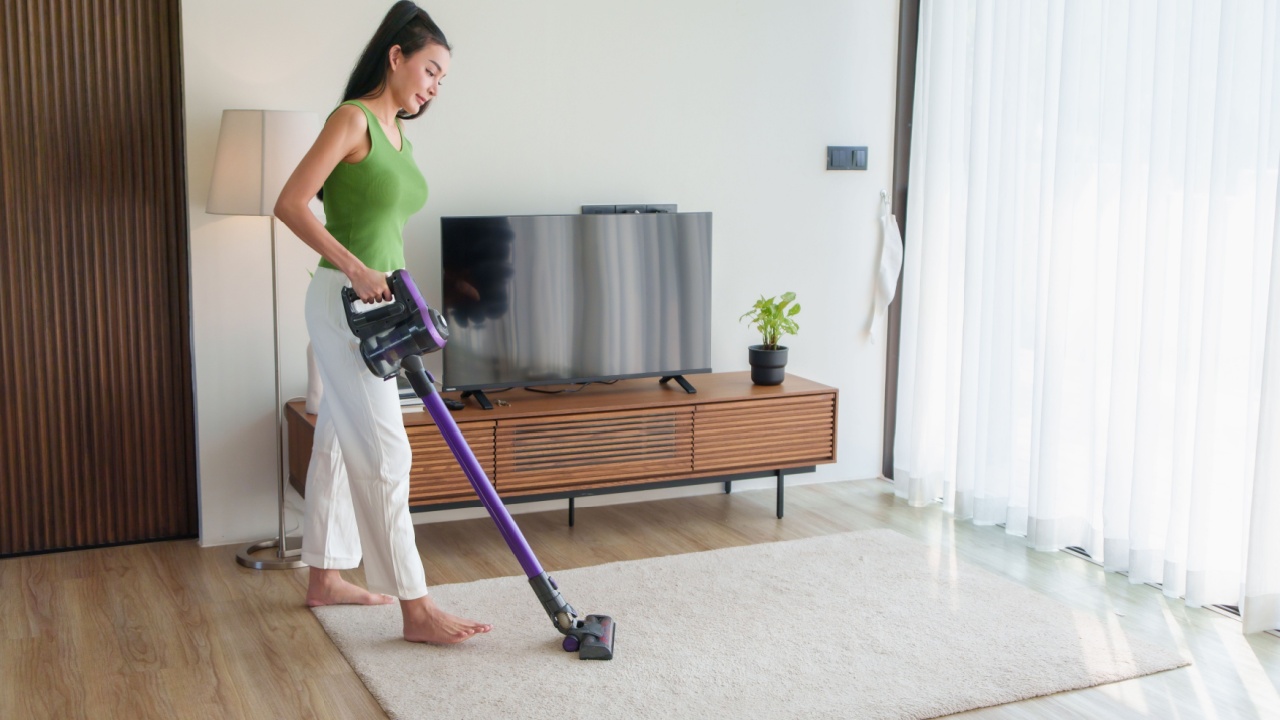
While the center of a rug gets most of the attention, the edges and the floor underneath often collect more dust than expected. Particles settle along the borders and can slip underneath, creating a hidden layer that stays in place unless it is cleaned directly.
Lifting the edges of the rug and vacuuming underneath helps remove this trapped dust before it spreads. Using a vacuum attachment designed for edges ensures that no narrow gaps are missed. Taking a little extra time with these areas keeps the entire rug cleaner and prevents dust from building up in the surrounding space.
Where Clean Looks Deeper Than It Seems

Taking control of your indoor space often comes down to paying attention to the spots that are easy to miss. Once these hidden areas are cleaned regularly, the home feels lighter, fresher, and far less affected by seasonal dust and allergens.
Going forward, the simplest approach is to include these areas in your normal routine. A good vacuum with a proper filter and regular damp cleaning can make a noticeable difference over time, helping you maintain a cleaner and more comfortable home without much extra effort.
Read More:


