14 Homes That Lose Value Quickly When the Market Cools
The real estate market can change direction quickly, and timing often makes a noticeable difference. A home may appear to be a strong investment at first, yet certain features can slowly reduce its appeal over time. What feels like a small issue today can become a real concern when it is time to sell.
A large part of a property’s value depends on how buyers see it. Past sales trends and market patterns show that some homes take longer to sell, especially when more options are available. In those situations, buyers become more selective, and even minor drawbacks can affect decisions.
This is why it helps to know which types of homes tend to lose value more easily. Being aware of these patterns gives homeowners a chance to make changes before problems grow. Small improvements and thoughtful choices can make a clear difference. This keeps the home value strong in the event that they want to sell or refinance based on their current equity.
With that in mind, here are fourteen types of homes that often struggle the most in a cooling market.
1. Houses with Major Foundation Issues
Structural problems sit at the top of every buyer’s concern list because they bring high costs and long-term uncertainty. Cracks in the foundation or shifting floors often scare off traditional buyers, and lenders may refuse financing altogether.
This leaves mostly cash investors, who usually expect a steep discount.
Early warning signs, such as doors that no longer close properly or visible cracks in walls, should be taken seriously. Managing water around the home, especially through proper drainage, can prevent further damage. A certified report from a structural engineer can also help restore some confidence and make future negotiations smoother.
2. Properties Located Near Busy Highways

Homes near highways may reduce demand due to constant noise and concerns about air quality. While easy access to major roads may appeal to some, most buyers prefer a quieter environment where they can relax without interruption.
When the market slows down, these properties tend to see price reductions sooner than others.
There are ways to soften the impact. Installing soundproof windows, building solid fencing, and planting dense trees can reduce noise and improve privacy. Highlighting convenience, such as shorter commute times or access to transport, may still attract buyers who value location over quiet surroundings.
3. Homes with Extremely Outdated Kitchens
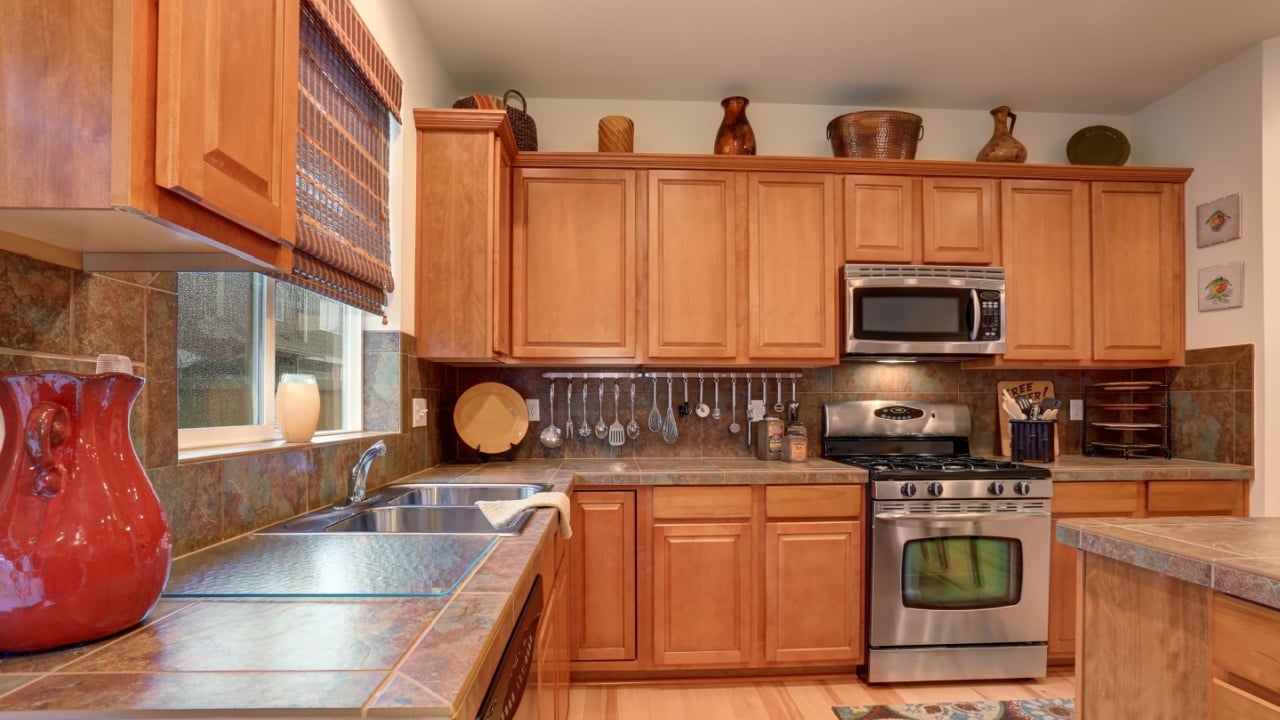
The kitchen is often the first place buyers evaluate when judging a home’s value. Outdated cabinets, worn countertops, and old appliances suggest immediate renovation costs. Many buyers increase those costs and reduce their offer to compensate for the effort they expect.
Even small improvements can change the impression.
Painting cabinets, updating handles, and replacing one or two key appliances can modernize the space without major expense. Keeping the kitchen clean, bright, and uncluttered also helps buyers focus on layout and potential instead of its age.
4. Houses in High Flood Risk Zones

Properties in flood-prone areas face ongoing financial and emotional concerns. High insurance costs can make ownership less affordable, and past flooding incidents often leave a lasting mark on buyer perception. Even if the home is currently safe, the risk alone can reduce demand.
Proper yard grading, reliable drainage systems, and sump pumps with backup power all show that the issue is being managed responsibly. Keeping clear documentation of these improvements helps reassure buyers and adds credibility during the sale process.
5. Over-Improved Houses for the Neighborhood
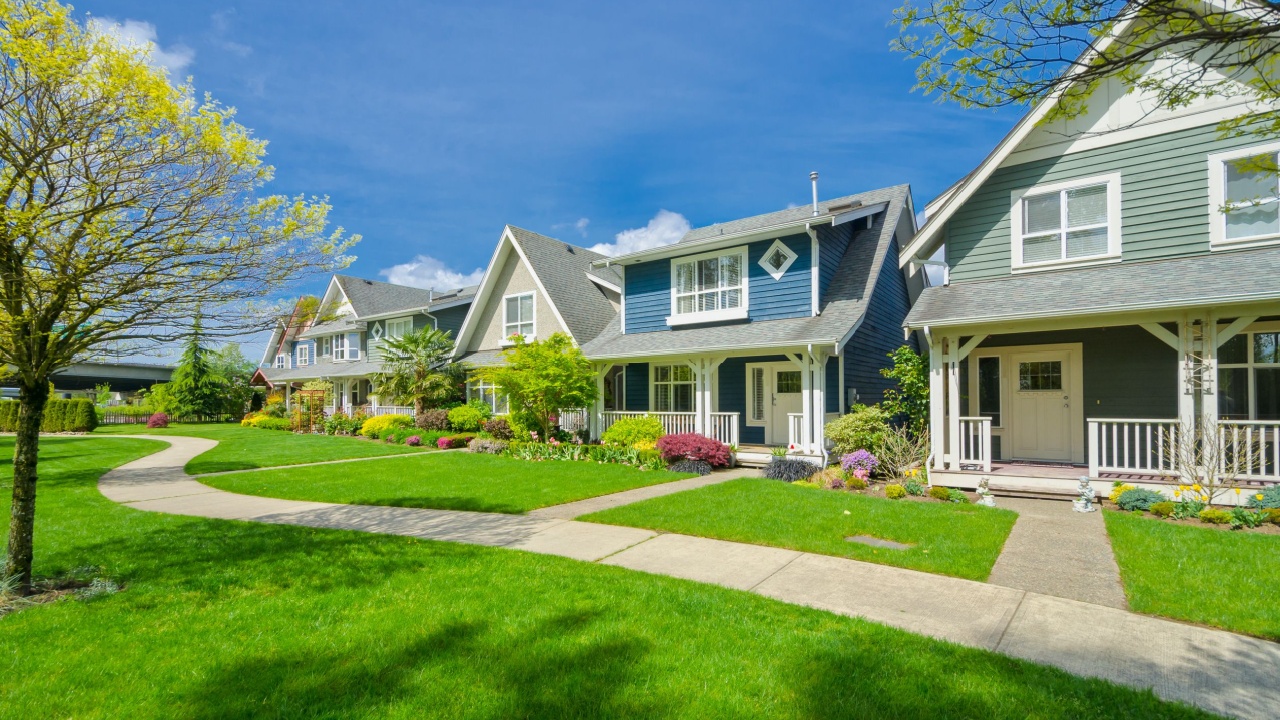
A home that stands far above its surroundings in size or luxury may struggle to hold its value. Buyers and appraisers compare it to nearby properties, and expensive upgrades may not be fully recognized.
This creates a gap between what the owner invested and what the market is willing to pay.
A more practical approach focuses on balance. Improvements that match the neighborhood standard tend to deliver better returns. Maintaining a consistent exterior style and avoiding overly customized features helps keep the property aligned with local expectations.
6. Homes with Unconventional Floor Plans
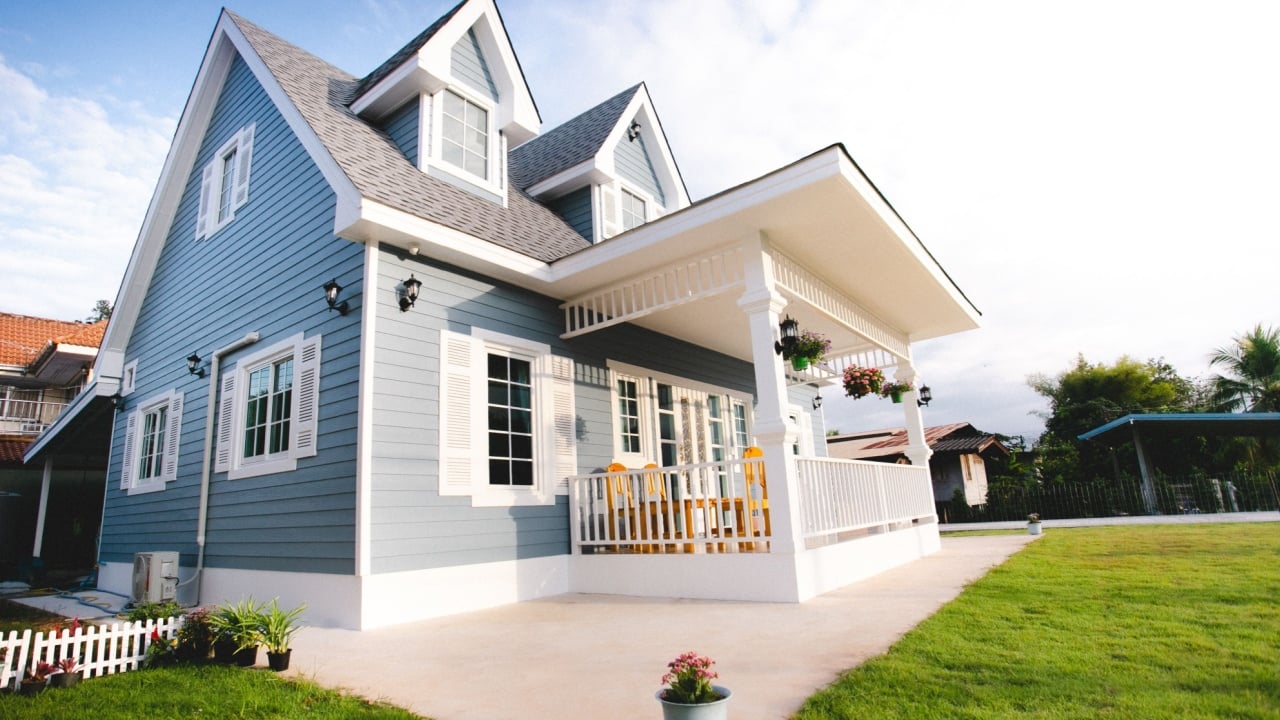
Unusual layouts can make a home feel impractical, even if the square footage is generous. Buyers often prefer clear, functional spaces where movement feels natural. Layouts that require passing through bedrooms or navigating awkward transitions discourage interest.
Simple changes can improve how the space is perceived. Strategic furniture placement helps define areas, while better lighting can open up darker sections. In some cases, removing a non-structural wall can create a more modern and usable layout that appeals to a wider audience.
7. Properties with Significant Deferred Maintenance
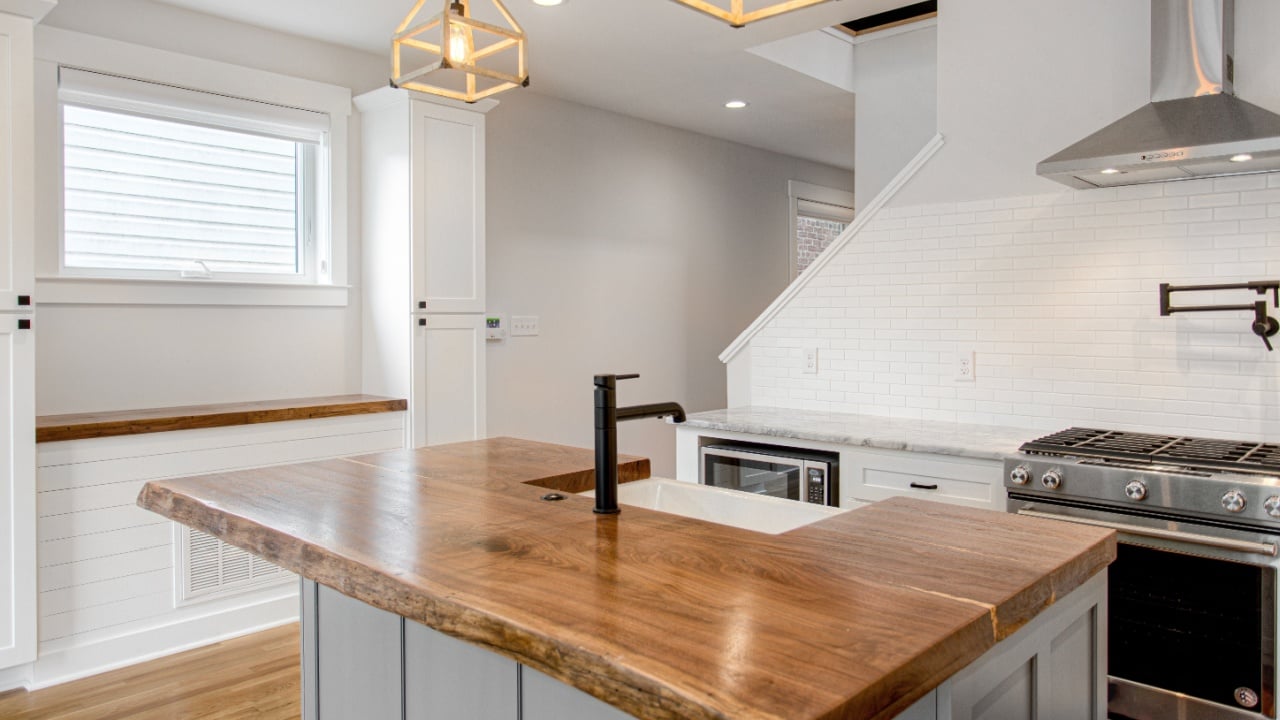
Small issues like leaky faucets or peeling paint signal neglect. Buyers assume that if visible problems weren’t fixed, there are much larger “hidden” issues behind the walls, leading to lowball offers and difficult negotiations.
Stay ahead of the game with a seasonal maintenance schedule and keep a log of all HVAC and water heater service calls. Maintaining curb appeal creates a vital first impression that suggests the home has been loved and cared for.
8. Houses with Only One Bathroom
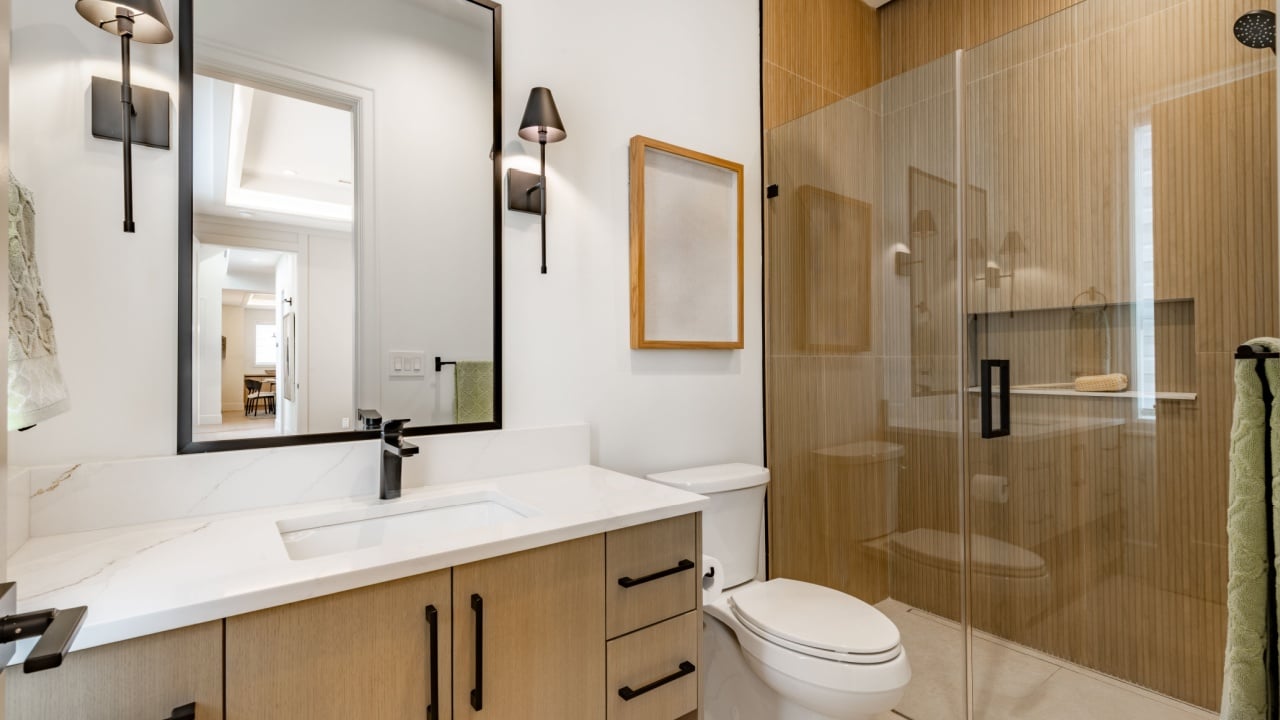
In the modern world, a single bathroom is a logistical nightmare for anyone who isn’t living alone.
Most families consider two bathrooms the absolute bare minimum, especially with more people working from home. If you only have one, you’re automatically disqualifying a huge chunk of potential buyers who don’t want to wait in line for the shower every morning.
Look for ways to convert a large closet or a portion of a utility room into a small half-bath to boost marketability. Additionally, using high-end finishes in the existing bathroom can make it feel like a luxury spa rather than a compromise.
9. Homes in Neighborhoods with Declining Schools

School ratings are a massive predictor of resale value, even for buyers without children. When a district faces budget cuts or falling scores, property values typically follow, as the location becomes less desirable for long-term investment.
Get involved with community boards to help improve the neighborhood’s reputation from the inside. When selling, highlight nearby charter or private school options and emphasize other perks like local parks and businesses to build a broader lifestyle appeal.
10. Properties with Significant Pest Damage
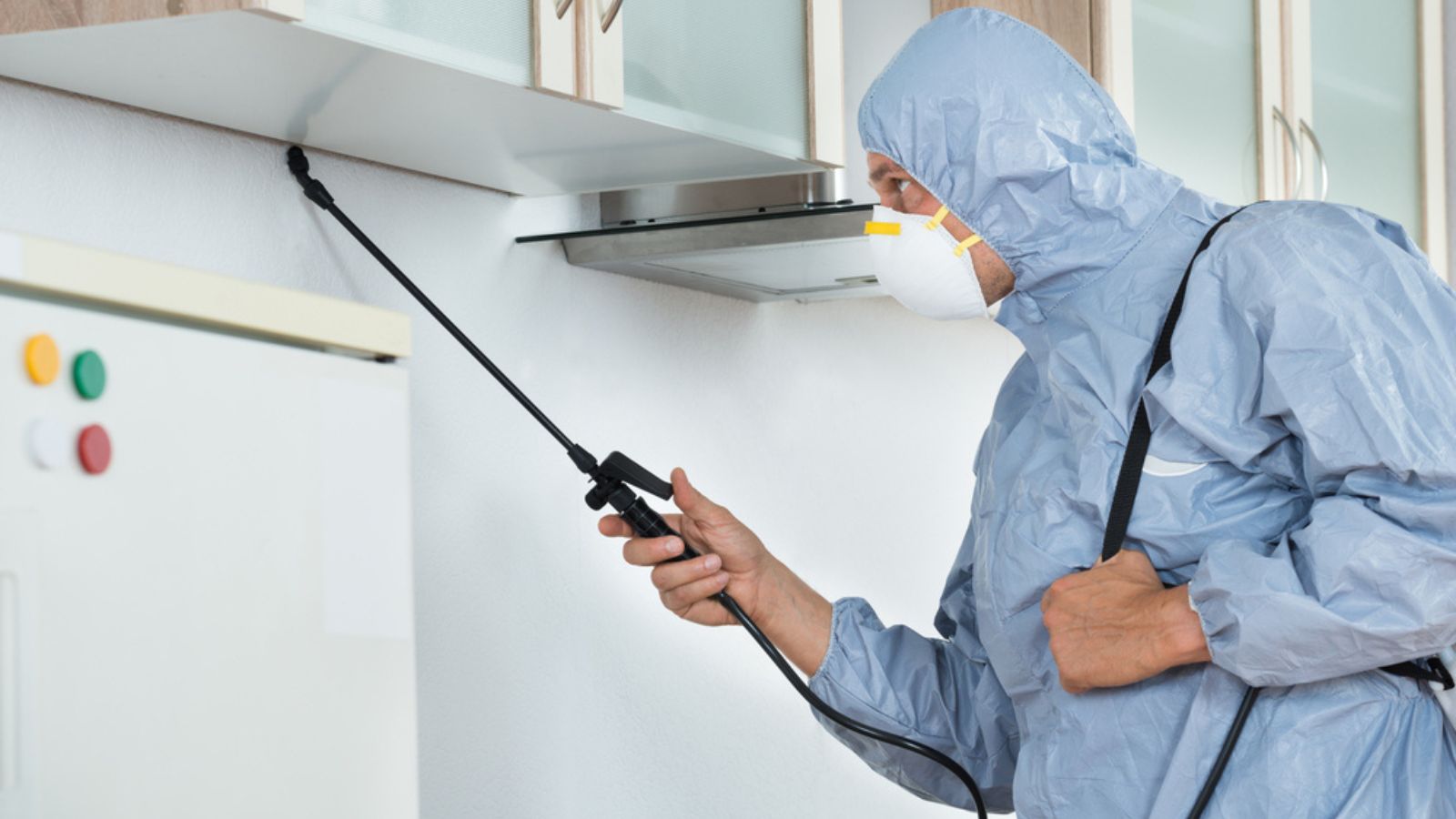
Evidence of termites or carpenter ants can tank a sale instantly. These pests cause silent, expensive damage to the “bones” of a house, and many buyers will walk away the moment a pest inspection comes back positive.
Schedule annual professional inspections to catch infestations before they cause structural harm. Offering a transferable termite bond or warranty gives buyers the confidence that the issue is fully managed and the structure is sound.
11. Houses with Persistent Odors
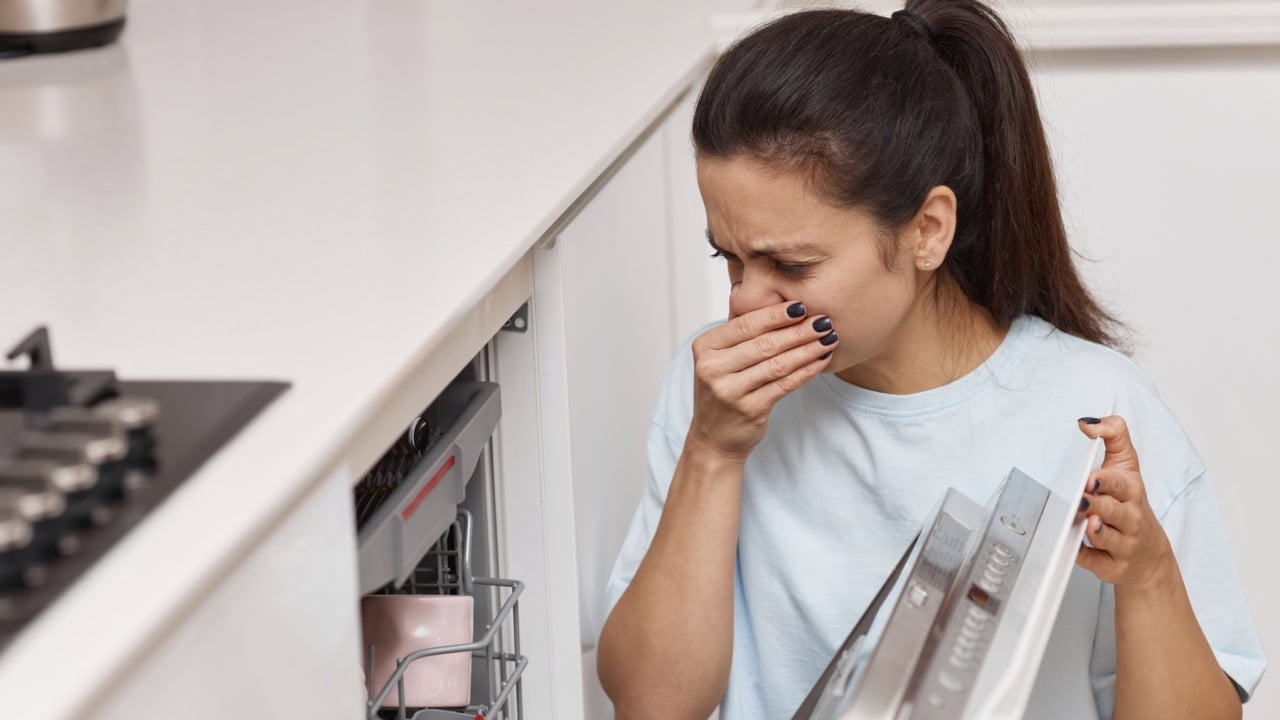
Unpleasant odors can create a negative impression within seconds. Smells from pets, smoke, or cooking often settle deep into surfaces and are difficult to remove. Buyers may assume poor maintenance and quickly lose interest.
Addressing the issue requires more than surface cleaning. Deep cleaning carpets, walls, and air systems helps remove the source of the odor. A fresh, neutral environment makes the home feel well cared for and more inviting.
12. Homes Near Industrial Sites
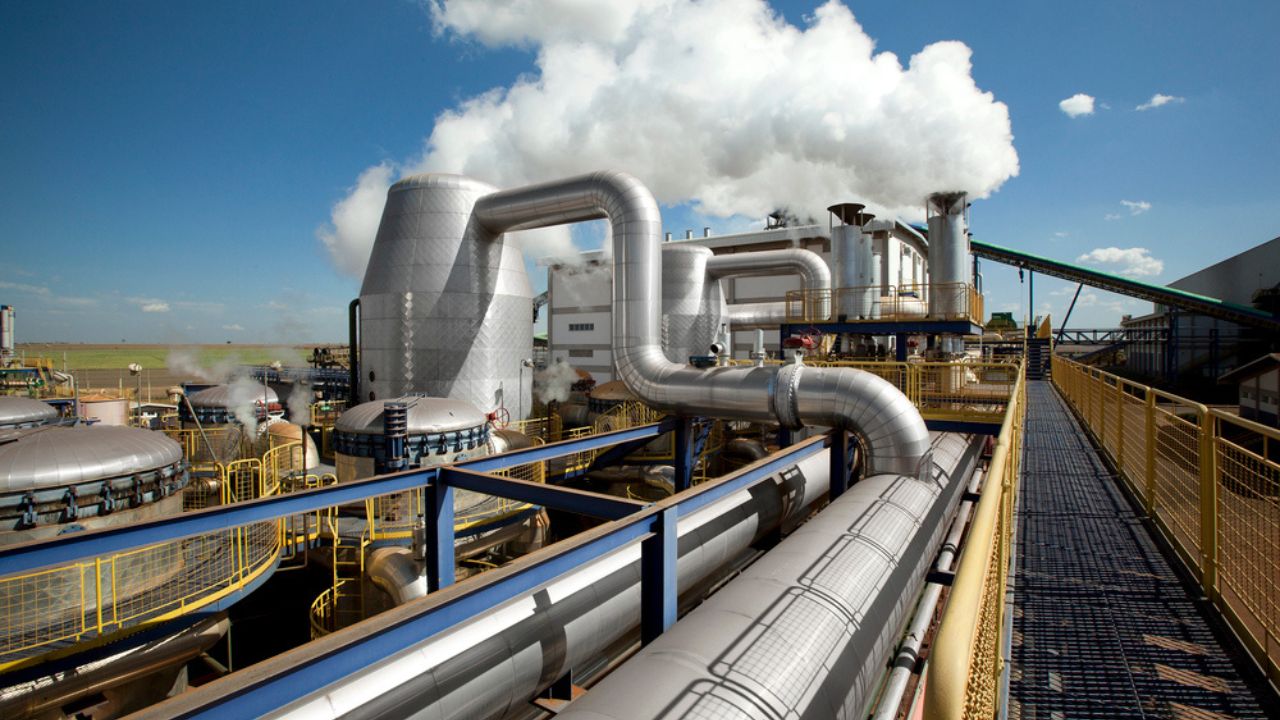
Living next to a power station or a factory isn’t exactly the dream. The concerns over air quality, noise, and light pollution create a permanent stigma that’s hard to shake. During a market downturn, these properties are usually the first to lose value as buyers become more selective about where they want to plant roots.
Investing in a top-tier air filtration system can be a huge selling point for health-conscious buyers. You can also use tall fencing or strategic landscaping to block the view of the industrial stuff. It helps a buyer forget what’s across the street once they step inside your gate.
13. Properties with Excessive Hoarding or Clutter

Cluttered homes feel smaller and less inviting, regardless of their actual size. Excess belongings tend to hide important features and make it difficult for buyers to assess the condition of the property.
It also raises concerns about cleanliness and possible damage.
The easiest (and cheapest) value-add here is a storage unit. Clear out everything that isn’t essential to make the rooms feel “airy.” Once the surfaces are clear, a professional deep clean allows the architectural details of the home to shine. It’s amazing how much more a house is worth when people can actually see the baseboards.
14. Houses with Illegal Additions
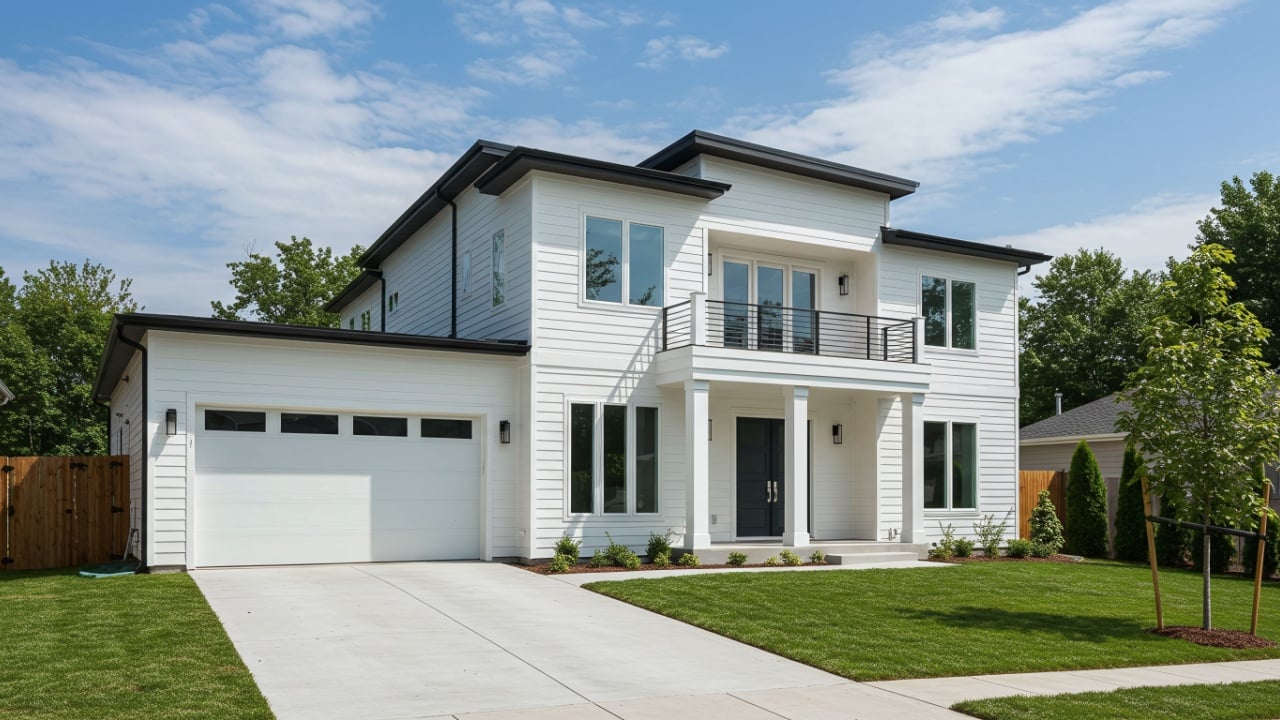
That garage you turned into a bedroom without a permit? It might seem like a great way to add space, but it’s a legal landmine. Buyers worry the city will come knocking and demand they tear it down. Plus, unpermitted square footage usually doesn’t count toward the appraisal, meaning you’re basically giving that extra space away for free.
Before you list, check your local records to see what’s actually on file. If you have unpermitted work, it’s often worth hiring a contractor to bring it up to code and get it legalized. Transparency about past changes can make negotiations easier and prevent surprises later.
Holding Value When the Market Shifts

Real estate value is shaped as much by perception as it is by structure. Small issues, poor layouts, or external factors can quietly reduce demand, especially when buyers have more choices. Recognizing these risks early allows homeowners to stay in control rather than react under pressure.
A careful review of the property and steady, practical improvements can protect long-term value. Addressing weaknesses before listing preserves equity and also makes the home easier to sell in a competitive market.
Read More: