
15 Types of Homes Never Worth Buying
Real estate purchases often become the biggest financial decision a person makes. It is easy to get distracted by polished finishes, fresh paint, or a spacious yard. Yet a home that looks appealing at first glance can carry hidden problems that surface later. These issues tend to cost far more than expected and can turn a promising investment into a long-term burden.
Market patterns show that certain types of properties repeatedly struggle with resale value and ongoing maintenance. These trends are not random. They are tied to factors such as structural condition, location risks, and how a property fits within its surroundings. Buyers who understand these patterns place themselves in a stronger position from the start.
This guide breaks down fifteen types of homes that often come with higher risks. Each section explains why these properties create problems and what to check before making a decision. The goal is simple. Help you avoid costly mistakes and choose a home that holds its value over time.
1. The Biggest House on the Block

It is tempting to want the largest, most impressive mansion in the neighborhood, but being the “big fish” is a classic real estate trap. Your home’s value is mostly determined by what the houses around it sell for. If you own a massive estate surrounded by tiny bungalows, those smaller homes act like an anchor, dragging your resale value down while your property taxes remain sky-high.
Instead, look for a modest home in a high-end area. You want the surrounding properties to pull your value up, not push it down. It is much better for your long-term wealth to own the “worst” house on a great street than the “best” house on a block that hasn’t been updated since the 1980s.
2. Extreme “Fixer-Uppers”
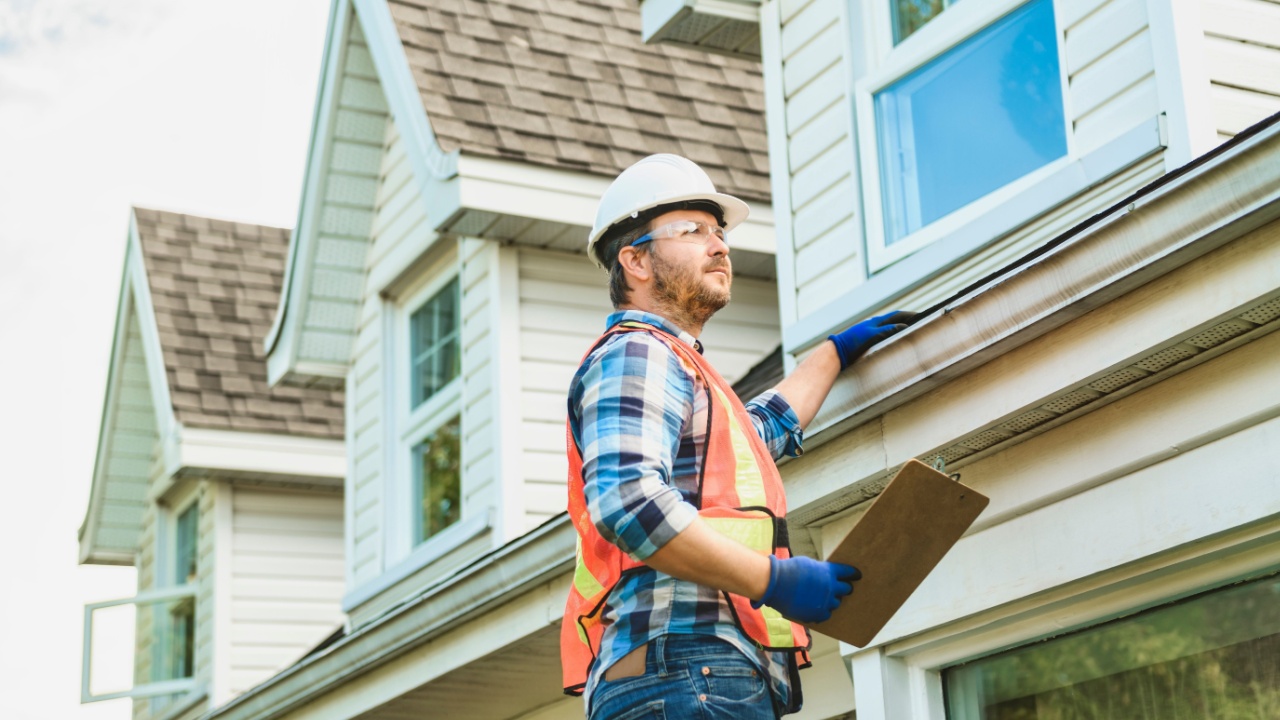
Renovation shows make extreme neglect look like a fun weekend project, but in reality, peeling paint often hides much deeper problems. When a seller ignores basic maintenance, they are usually ignoring the big stuff, too, like ancient furnaces or leaky pipes. These houses are notorious for “onion peeling,” where one simple repair reveals three more expensive disasters.
If you are brave enough to take on a project, always hire a specialized inspector to check the roof and electrical system. If the estimated repair bill is more than 20% of the home’s price, you aren’t investing; you are just funding a money pit. Stick to homes where the necessary updates are mostly cosmetic, like new carpet or fresh paint.
3. High-Risk Flood Zones

Water is a homeowner’s worst enemy, and a house in a flood zone is essentially a house with a target on its back. Not only will you face mandatory insurance premiums that rise every year, but you will also deal with constant anxiety during storm season. Even if the house hasn’t flooded yet, that “flood zone” label makes it much harder to sell the property later on.
Before falling in love with a property, check the federal flood maps to see if it sits in a 100-year flood plain. Ideally, you want to be on high ground where the only water you deal with comes out of the faucet. Avoiding flood zones is one of the easiest ways to protect your peace of mind and your bank account.
4. Busy Commercial Hubs

Living next to a 24-hour gas station or a shopping center might seem convenient, but the reality is filled with noise and bright lights. Constant deliveries, heavy truck traffic, and exhaust fumes can ruin your quiet weekends and significantly shrink the pool of people willing to buy the house from you in the future.
Visit the neighborhood at different times of the day, specifically during rush hour and late at night. You might discover that a “charming” spot is actually plagued by the sound of backup beepers and sirens. A home tucked deeper into a residential street is always a safer, quieter bet for long-term happiness.
5. Major Structural Cracks
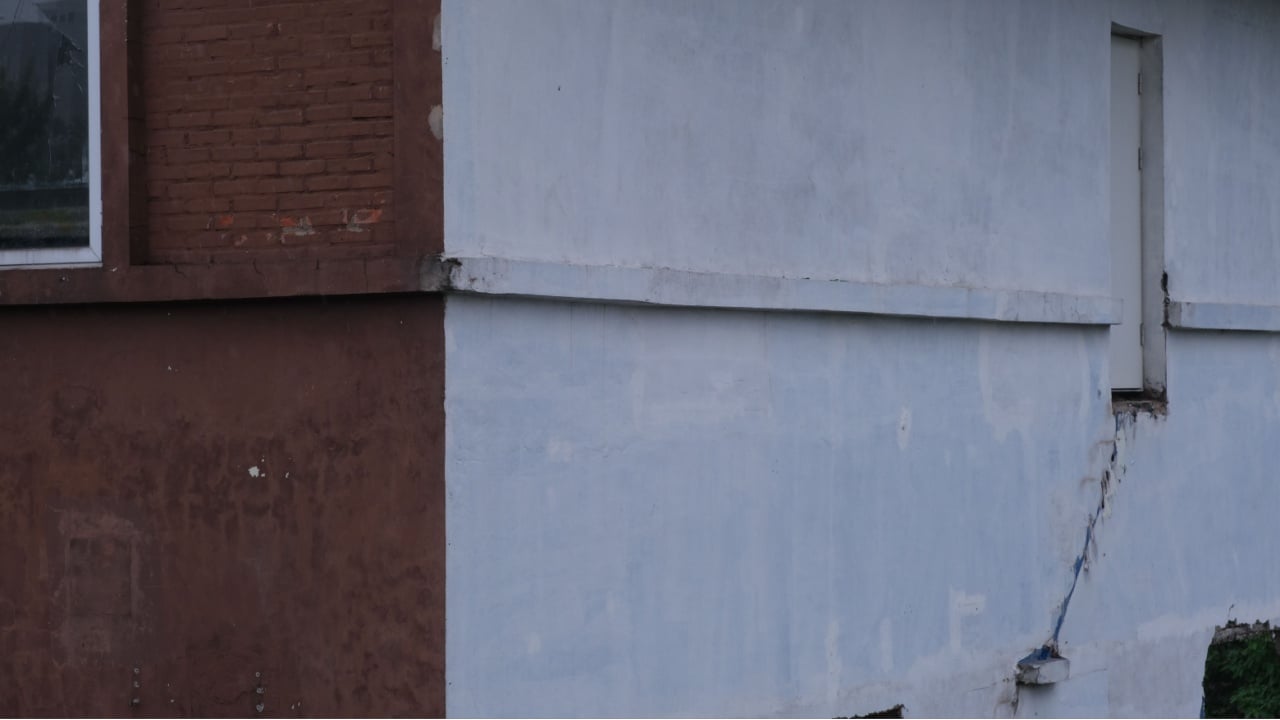
A house is only as good as the foundation it sits on. If you notice large horizontal cracks in the basement or floors that feel uneven, like a funhouse, you should walk away. Foundation repairs often require massive excavation and “piering” that can cost tens of thousands of dollars, and you won’t even see the improvement once the dirt is filled back in.
Keep an eye out for telltale signs like doors that won’t shut properly or windows that stick. If you are serious about a place with a few cracks, skip the general home inspector and hire a structural engineer. They are the only ones who can tell you if the house is simply settling or if it is actually sliding down a hill.
6. Scary Old Wiring
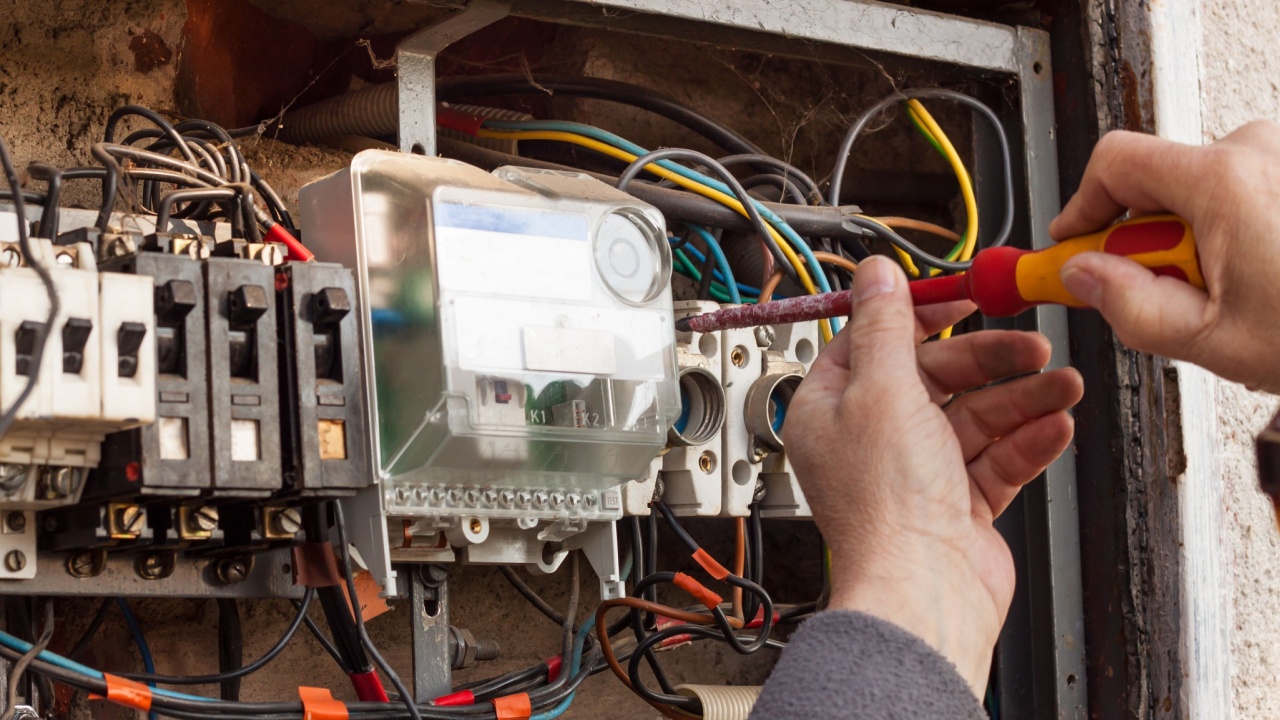
If the electrical panel looks like a museum exhibit, you have a serious safety problem. Old systems like knob-and-tube or aluminum wiring are major fire hazards, and many insurance companies will refuse to cover the home until the entire system is replaced. This is not a simple DIY project; it usually involves cutting into walls to replace every inch of wire in the house.
Check the electrical panel for brands that have a history of failure. Modern living requires a lot of power for computers and appliances, and you don’t want your “vintage charm” to result in a fire or a total blackout. Budgeting for an electrical overhaul is a must if the home is a mid-century relic.
7. Major Busy Streets
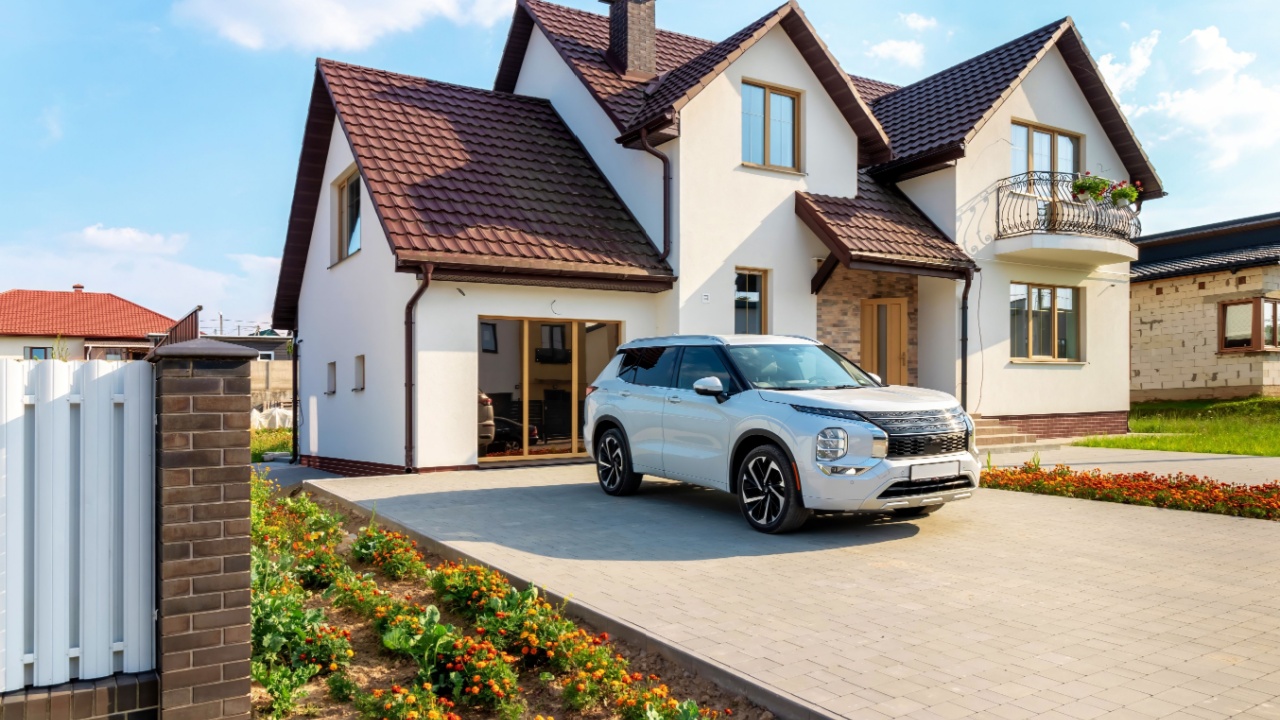
A house on a four-lane road might have great curb appeal, but living there is a logistical nightmare. Constant engine noise, soot on the windows, and the stress of backing out of your driveway into fast traffic are high prices to pay. If you have children or pets, a busy street becomes a constant source of worry and danger.
Properties on major roads almost always sell for less and take much longer to move on the market. If possible, aim for a cul-de-sac or a secondary street where the only traffic is from neighbors. The silence and safety of a quiet street are well worth the extra time spent searching.
8. Permanent Odors

Some smells simply don’t go away with a candle or an air freshener. If a house smells like heavy cigarette smoke, pet accidents, or damp mold, those odors are likely trapped in the drywall and subflooring. You can paint the walls, but if the “funk” has seeped into the wood of the house, it is incredibly expensive to fix.
When touring a home, try to look under the carpets or check the basement for signs of moisture. If the air feels heavy or smells “off,” it is often a sign of a hidden biohazard or a persistent leak. You want a home that smells like nothing at all, rather than one that smells like a cover-up.
9. Awkward Floor Plans

A “unique” layout is usually just code for frustration. If you have to walk through a bedroom to get to the only bathroom, or if the kitchen is miles away from the dining room, the daily friction will eventually wear you down. These issues are very expensive to fix because they usually involve moving load-bearing walls and plumbing.
Think about your daily routine. Where do the groceries go? Where do guests sit? If the square footage is wasted in weird nooks and endless hallways, the house will feel much smaller than it actually is. Stick to a logical, modern flow that makes sense for how people actually live today.
10. Strict HOA Restrictions

A Homeowners Association (HOA) can keep a neighborhood looking neat, but a poorly managed one is a total nightmare. If they have low cash reserves or a history of “special assessments” (surprise bills for thousands of dollars), you are essentially paying for their financial mistakes. Some also have rules so strict you can’t even park a work truck in your own driveway.
Always read the last few years of meeting minutes before you buy into an HOA. This will give you a “vibe check” on whether the board is reasonable or if they spend all their time arguing over the exact shade of beige allowed for window trim. Make sure their rules fit your lifestyle.
11. Unpermitted Additions

That converted garage or sunroom might look great, but if the previous owner did the work without a permit, it is a legal time bomb. Unpermitted work might not be up to safety codes, and your local government could technically force you to tear it down. Furthermore, appraisers often won’t count that extra space toward the home’s total value.
Cross-reference the listing with the county records to see if the square footage matches. If the house is listed as 2,000 square feet but the city only shows 1,500, someone did some “off-the-books” construction. Ask for the permits before you sign, or be prepared for a major headache later.
12. Environmental Hazards

Living downwind from a landfill or next to a power plant isn’t just about a bad view; it’s about your health and your home’s future value. Even if a nearby industrial site is currently closed, there is always a concern about soil contamination or groundwater issues. These homes tend to increase in value much more slowly than those in “clean” zones.
Do a quick online search for hazardous sites or old factories in the area. It is much better to know now if the local park used to be a chemical dump. Choosing a clean environment is one of the best ways to protect both your physical health and your long-term investment.
13. Flat Roofs in Snow
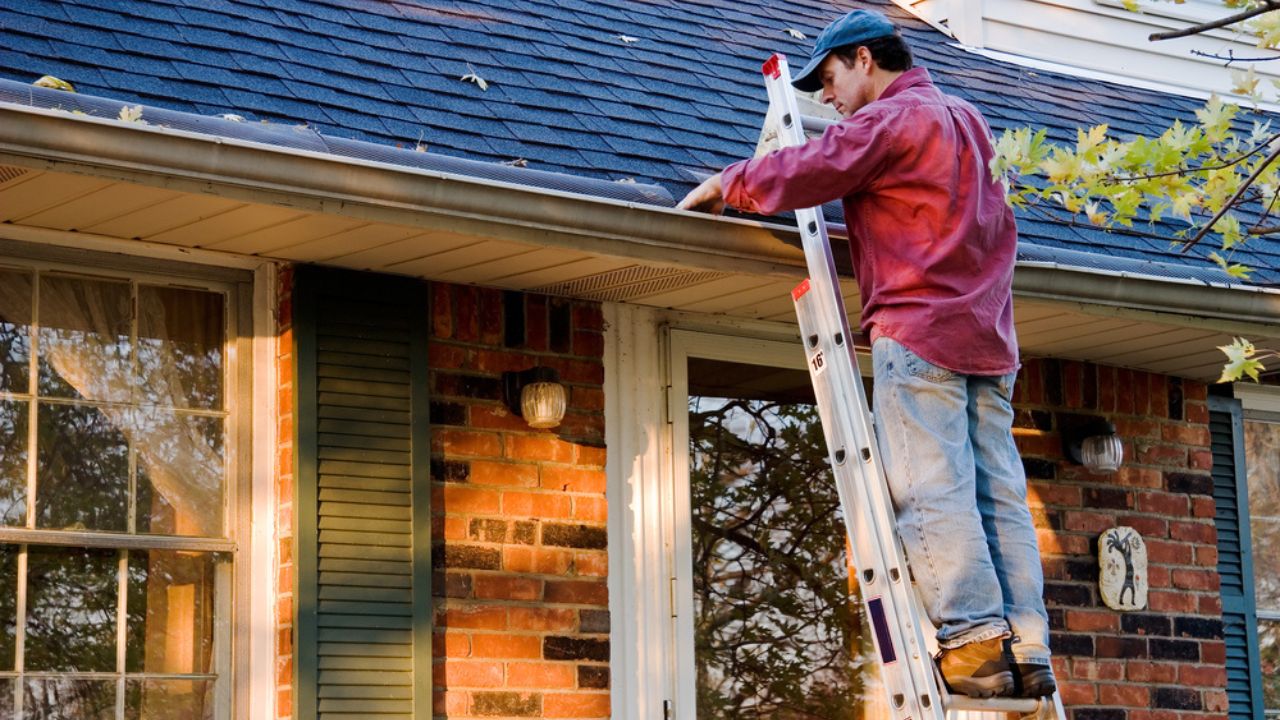
Flat roofs can look very cool and modern, but in places with heavy rain or snow, they are a constant chore. Water loves to pool on flat surfaces, and the weight of a heavy snowpack can put serious stress on the structure of the house. Unless you enjoy climbing onto your roof with a shovel, a sloped roof is a much more practical choice.
If you do buy a flat-roofed home, you must check the drainage system constantly to ensure it isn’t clogged with leaves. It takes a lot of vigilance to keep a flat roof from becoming a “ceiling-mounted swimming pool.” Ensure you are ready for the extra maintenance required.
14. History of Serious Crime

Whether you believe in ghosts or not, a house with a history of serious crime carries a “stigma” that is very hard to erase. It can be difficult to attract buyers later on if the address is associated with a well-known local tragedy. Beyond the reputation, there could be hidden damage from police entry or lingering chemical residues.
A quick Google search of the address and a chat with the neighbors can reveal a lot about a property’s past. Most people want a home that represents a fresh start, not one that comes with a “True Crime” story attached to it. Protect your resale value by doing your homework.
15. Invasive Landscaping
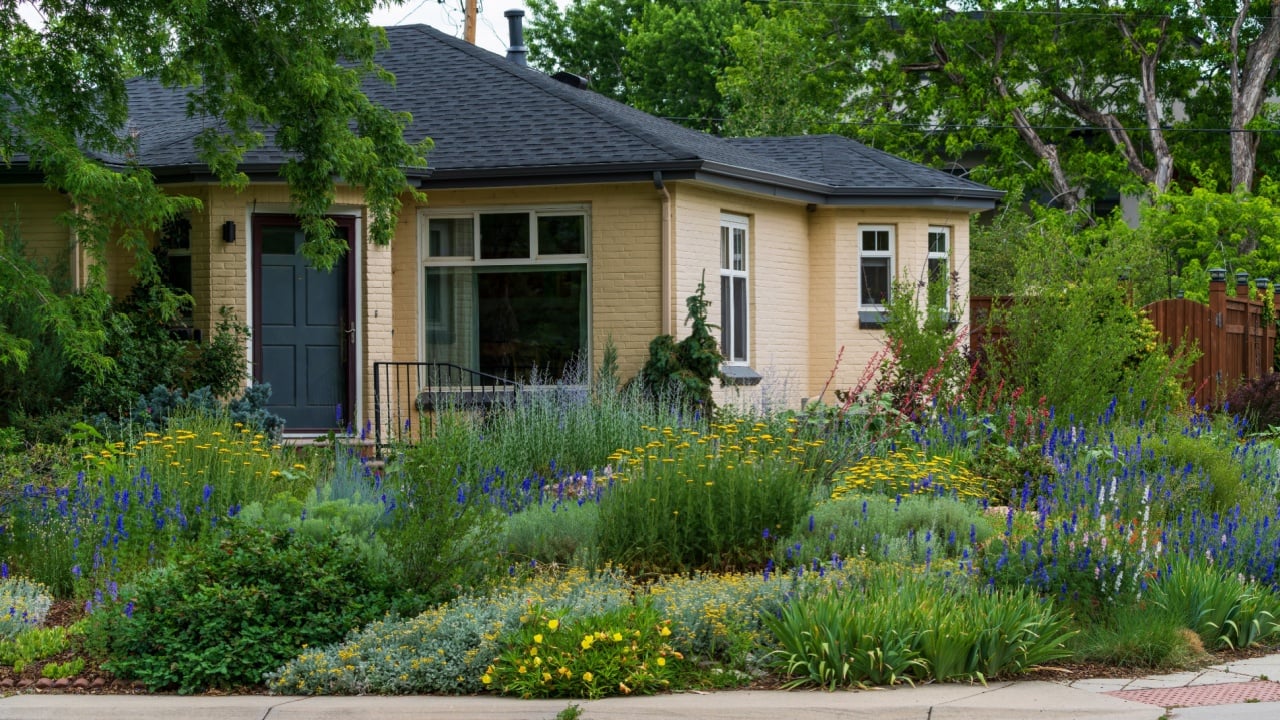
Landscaping should be beautiful, not destructive. Certain plants, like running bamboo or English ivy, are invasive and can actually grow into your foundation or under your siding, causing real structural damage. Similarly, a massive oak tree might be gorgeous, but if its roots are currently crushing your sewer line, it’s a ticking financial clock.
Have a professional take a look if there are giant trees leaning toward the house or roots lifting up the driveway. You want a yard that adds value and curb appeal, not one that is planning a slow-motion demolition of your porch.
A Smarter Way to Choose a Home

Finding the right home means looking past surface appeal and focusing on what truly matters. Avoiding these common pitfalls helps protect your money and saves you from stress later on.
Take time to inspect the property properly and learn about the area before making a decision. Keep a simple checklist of must-haves, and stick to it. In the end, a strong structure and a stable location will always matter more than trendy upgrades
Read More: