15 Home Features That Make Re-Selling a Total Nightmare
Buying a house is confusing enough, but selling one puts you on the other side of the magnifying glass. You spent years making the place your own, putting up shelves and painting walls the exact shade of purple you loved in college. Now you need strangers to walk in and fall in love with the exact same four walls, but they see problems where you see memories. It turns out that personal taste does not always translate to market value.
Buyers want a blank canvas rather than a finished portrait of someone else’s life. When they walk through the front door, they need to picture their own furniture and family filling the space. Features that seem luxurious or specific to you often just look like expensive removal projects to them.
This list covers fifteen specific design choices that send potential buyers running for the hills. We will look at why these features cause issues and offer practical advice on how to handle them before listing. From permanent fixtures to decorative choices, these are the stumbling blocks standing between you and a sold sign.
1. Too Much Wallpaper
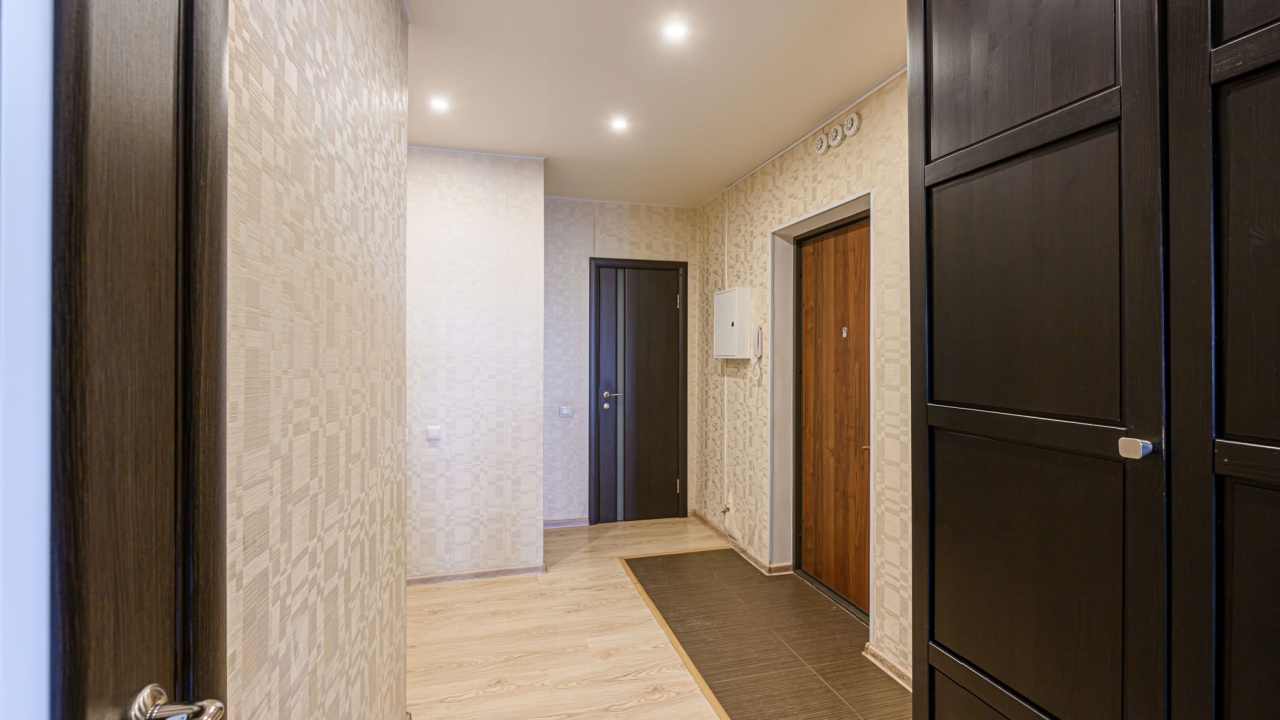
Wallpaper had a moment decades ago, and it keeps trying to come back (some people still love it!), but buyers mostly see it as a headache. Removing paper from drywall is tedious, sticky, and often damages the surface underneath. If a potential buyer walks into a room covered in busy patterns, they immediately calculate the hours and dollars required to scrape it all off. They are not looking at the pattern; they are looking at the work involved.
If you have wallpaper up, consider stripping it down before listing. It is better for you to handle the mess than to let a buyer deduct the cost from their offer. Rent a steamer or hire a professional to get the job done right. Fresh, neutral paint makes the room look bigger and cleaner, which is exactly what sells houses.
2. Swimming Pools

A backyard pool sounds like a dream until you look at the insurance premiums and maintenance costs. Many buyers see a pool as a liability rather than a luxury. Families with young children worry about safety, while others dread the endless skimming and chemical balancing. In cooler climates, a pool is just a hole in the ground that eats money for nine months of the year.
If you have a pool, keep it sparkling clean during showings. You cannot hide it, so you must present it as an asset rather than a swamp. Have maintenance records available to show that the equipment is in good shape. If the pool is in disrepair, filling it in might actually increase your property value more than fixing it would.
3. Outdated Fixtures
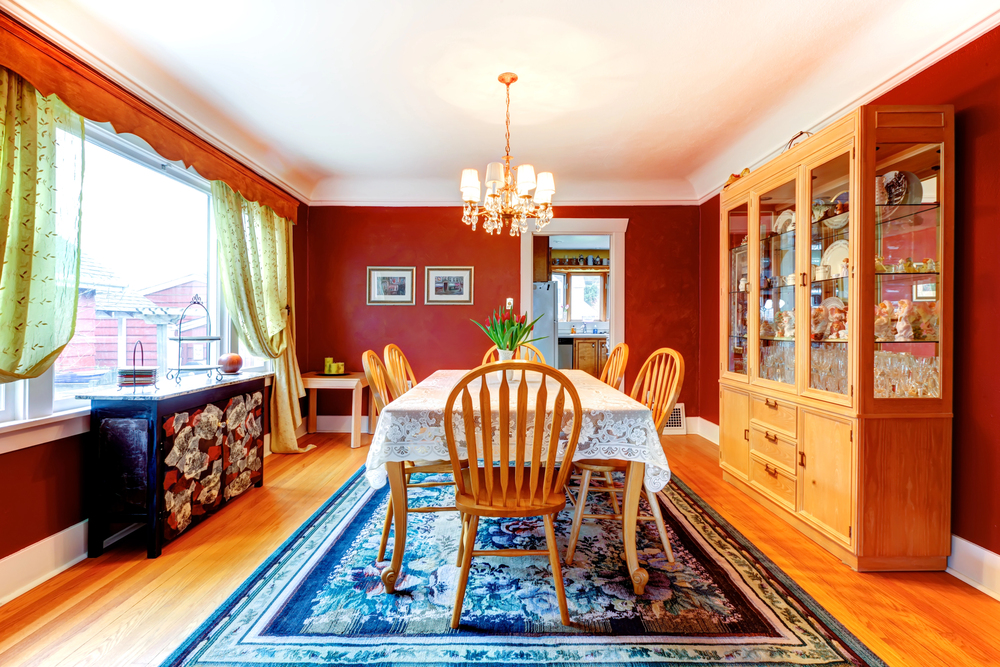
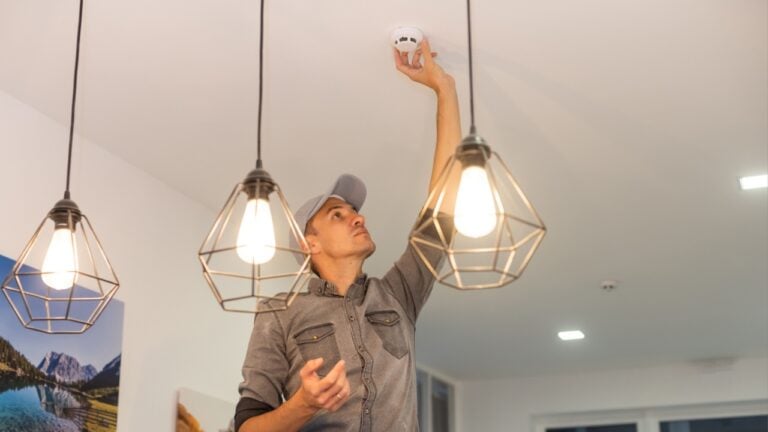
Nothing dates a home faster than shiny brass chandeliers or faucets from the early nineties. These metal finishes act like a timestamp, telling buyers exactly when the last renovation happened. Buyers assume that if the light fixtures are old, the plumbing and electrical behind the walls are probably ancient, too. It signals deferred maintenance even if the rest of the house is fine.
Outdated features increase costs for buyers. Swapping out old hardware is one of the cheapest and most effective upgrades you can make. Replace brass handles and knobs with brushed nickel or matte black options. Replace heavy, dusty chandeliers with simple, modern lighting. These small changes make the whole home look cared for and current without requiring a large budget.
4. Luxury Additions (Like Wine Cellars)
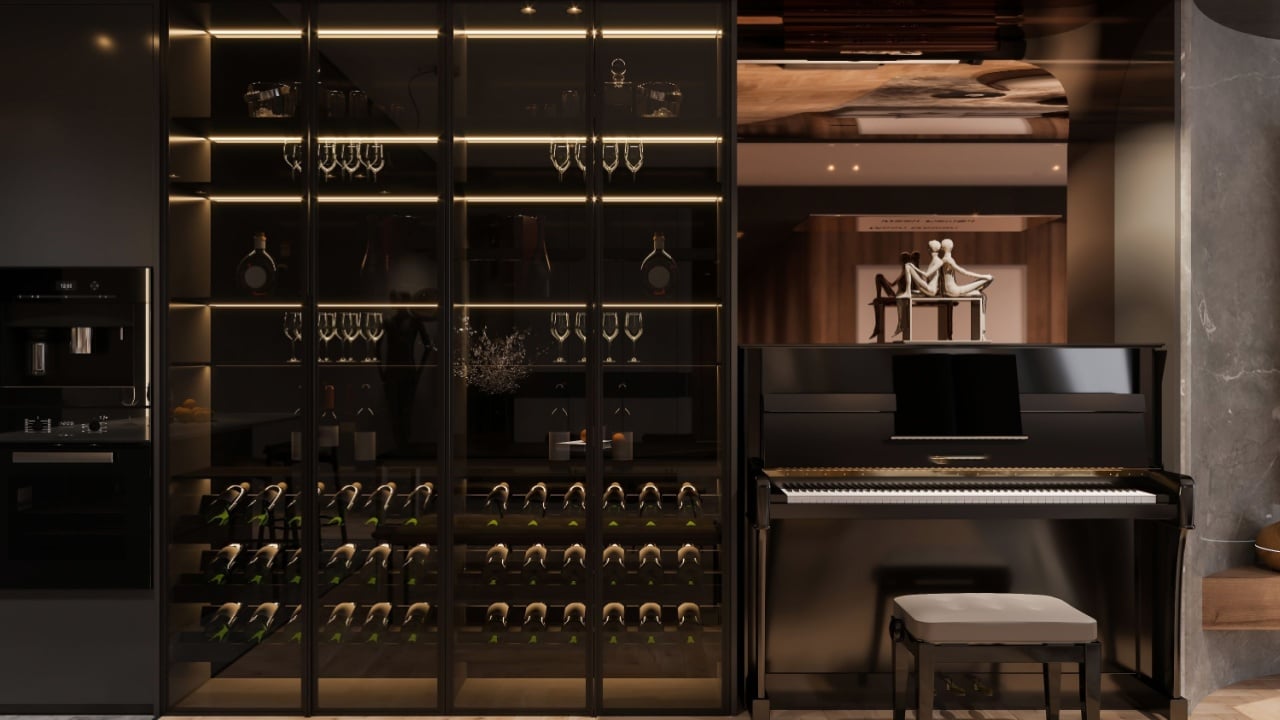
Some additions are a turn-off for buyers. You might love your temperature-controlled wine cave, but the average buyer just sees a wasted closet. Highly specific luxury additions rarely offer a good return on investment because they appeal to a tiny fraction of the market. Most people need storage space for coats and vacuum cleaners, not a collection of vintage Merlot. When you convert functional space into niche luxury, you alienate buyers who need practicality.
Consider dismantling specialized equipment if it makes the space usable for a wider audience. If the wine cellar can function as a pantry or standard storage, stage it that way. Remove the racks and bottles to show the square footage. You want buyers to see potential for their own hobbies, not a shrine to yours.
5. Converted Garages
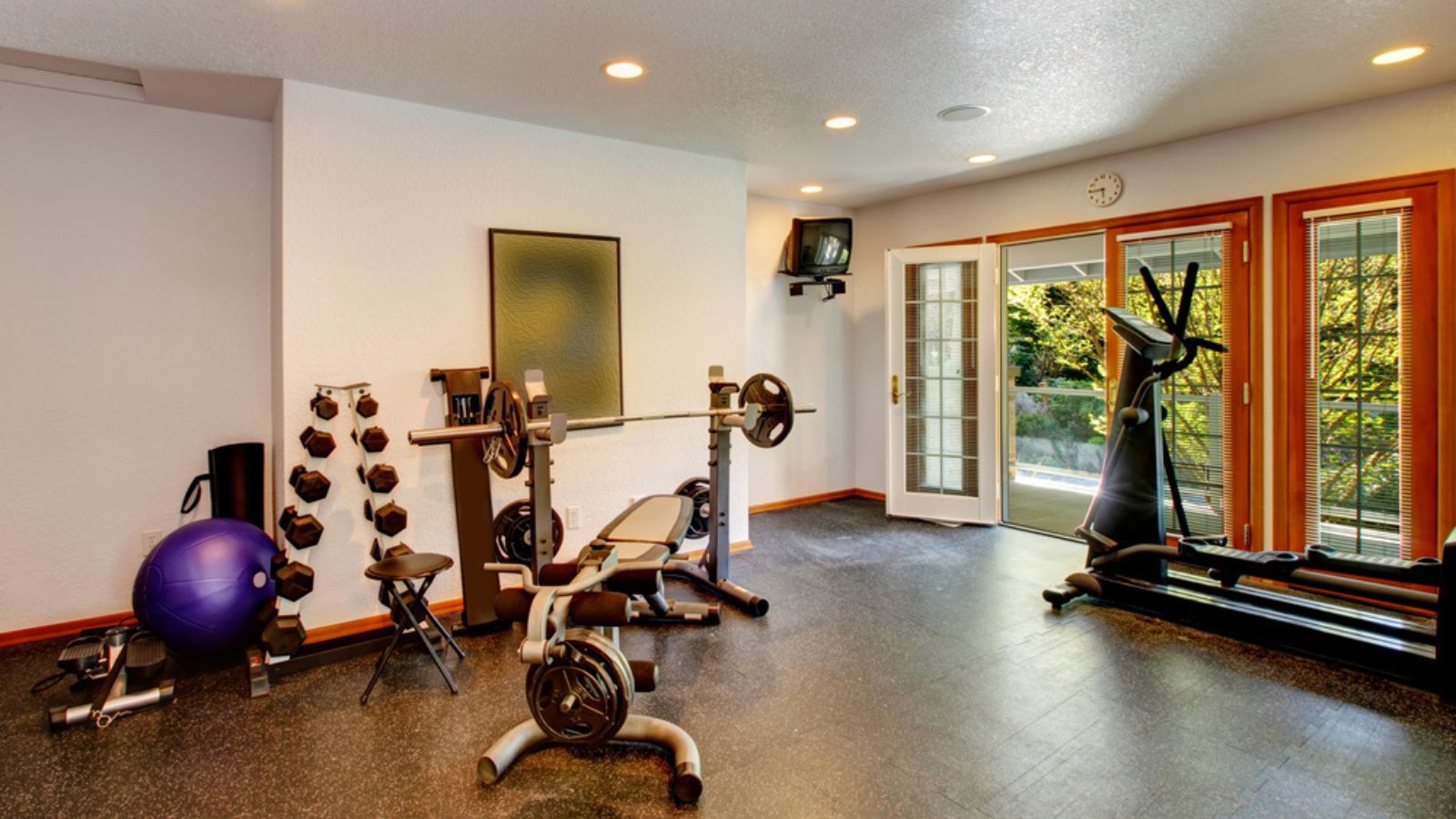
Turning a garage into a family room or gym seems like a smart way to add square footage. However, most buyers want a place to park their cars and store their lawnmowers. A converted garage often looks exactly like, well, a garage with a rug in it. The floors can be chilly, and the insulation might not be as cozy as the rest of your home.
Reverting the space back to a functional garage is often the smartest move. Remove the temporary flooring and drywall covering the door. If you must keep it as a living space, make sure it is fully permitted and indistinguishable from the rest of the house. If it looks like a DIY project, buyers will discount the price heavily to fix it.
6. Popcorn Ceilings
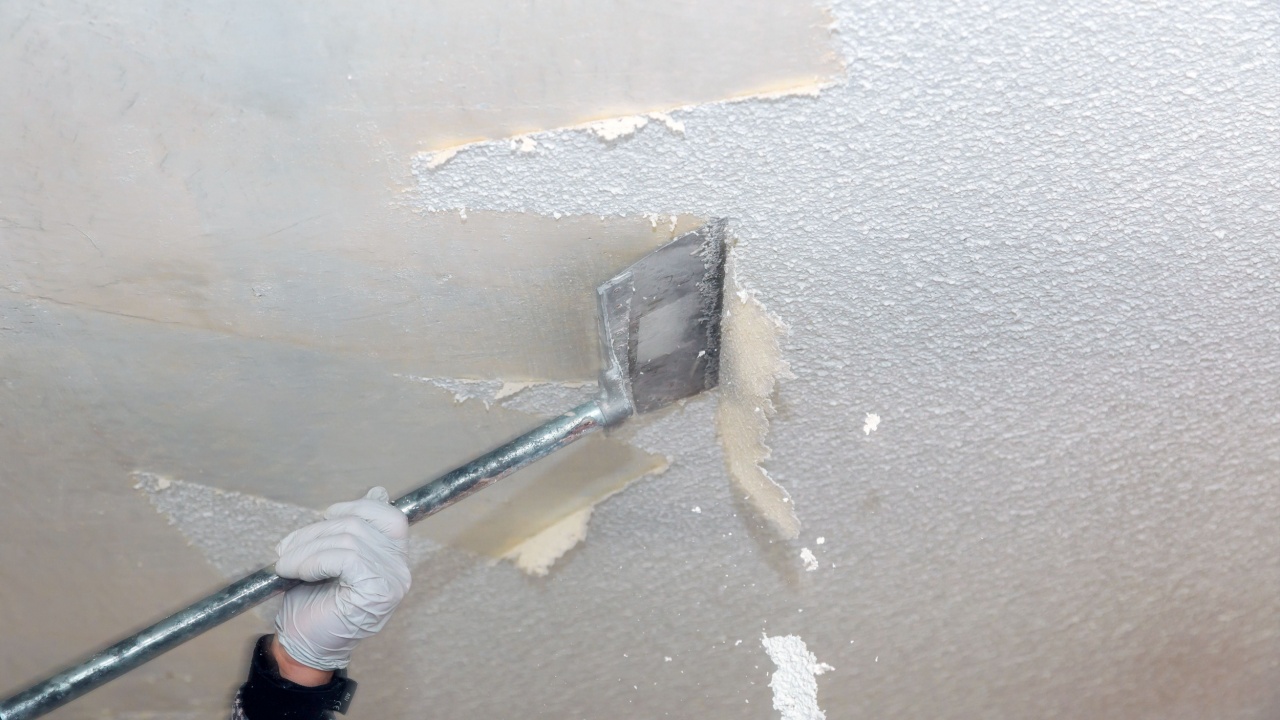
Textured ceilings were standard forty years ago to hide imperfections and dampen sound. Today, they are universally reviled for catching dust. Worse, popcorn ceilings applied before the late seventies often contain asbestos. The mere presence of this texture makes a home feel dark and neglected.
Hire a professional to test for asbestos before you touch anything. If it is clear, you can scrape and skim coat the ceilings smoothly. It is a messy job, but the result instantly modernizes the entire home. If removal is too expensive, covering it with drywall is another valid option that buyers will appreciate.
7. DIY Renovations Done Poorly
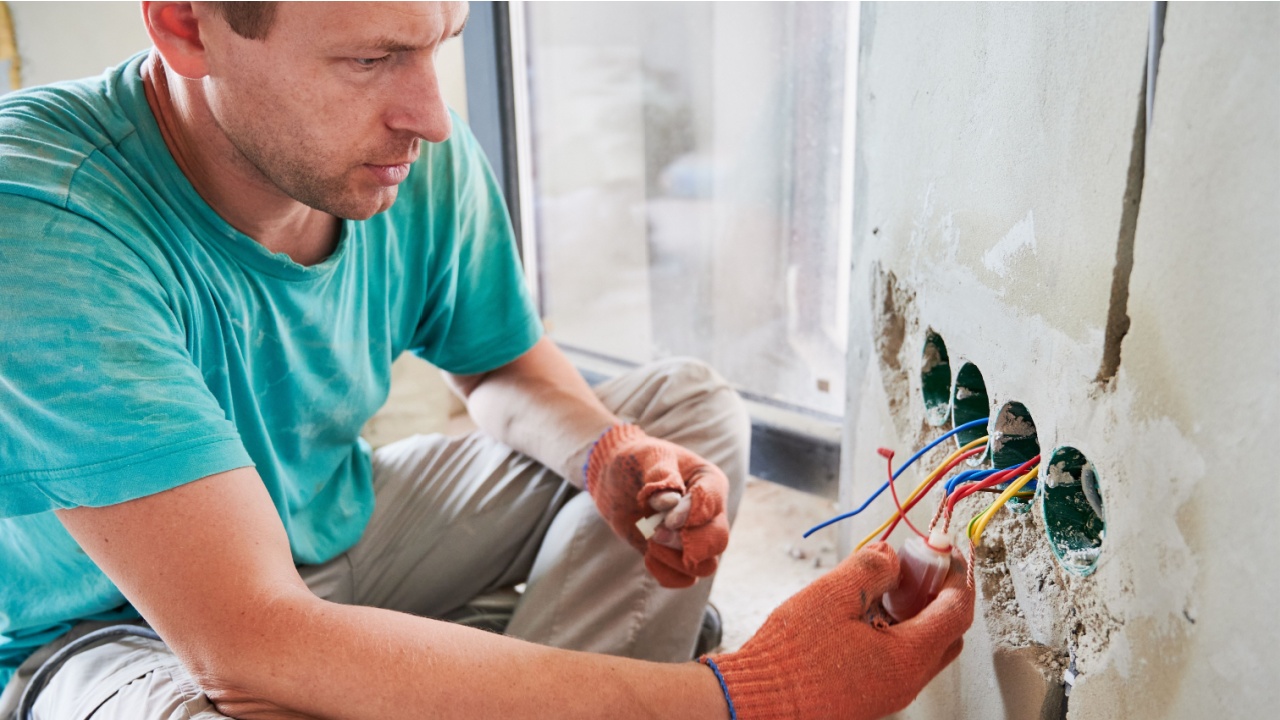
Home improvement shows convince many people they can tile a bathroom or knock down a wall in a weekend. The result is often uneven grout lines, crooked cabinetry, and dangerous electrical work. Buyers spot amateur work immediately. It makes them wonder what other corners were cut that they cannot see.
Fix bad DIY work before a home inspector finds it. Some DIYs are best left to professionals; call in a licensed contractor to repair shoddy tiling or suspect wiring. It is better to spend the money now than to have a deal fall through later. A plain, standard finish installed correctly is always worth more than a fancy idea executed poorly.
8. Bold Paint Colors
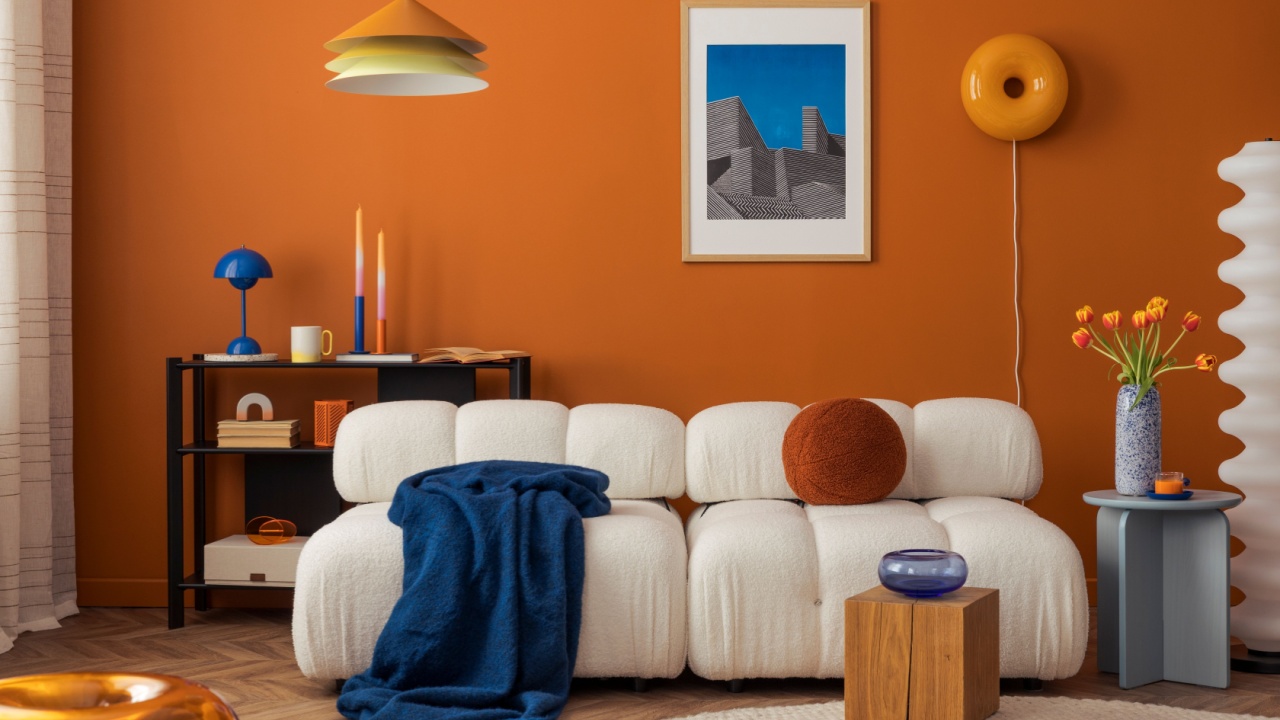
Wall colors that are too bold may scare away some buyers. Bright red dining rooms and lime green nurseries are specific to your taste. Most buyers cannot look past strong colors. They see a project that requires multiple coats of primer to cover up. Dark colors also make rooms feel smaller and absorb light, making your photos look gloomy.
Paint everything a warm white or light gray. Neutral walls reflect light and make the space feel open and airy. It acts as a blank slate for the buyer’s imagination. A few gallons of paint offer the highest return on investment of any pre-sale improvement project.
9. Highly Customized Bathrooms

A large soaking tub might seem like the ultimate luxury, but if it occupies the space where a shower could go, it could create issues. Swapping a tub for a massive shower might be trendy, but it can reduce resale value, especially since families with young children often need a bathtub. Over-customizing a bathroom for one person can make it less practical for everyone else.
If your bathroom layout is unusual, stage it to look as functional as possible. If you removed the only tub in the house, you might need to add one back to appeal to families. Keep the fixtures standard and clean. Practicality wins over specific spa fantasies in the general market.
10. Too Many Built-Ins
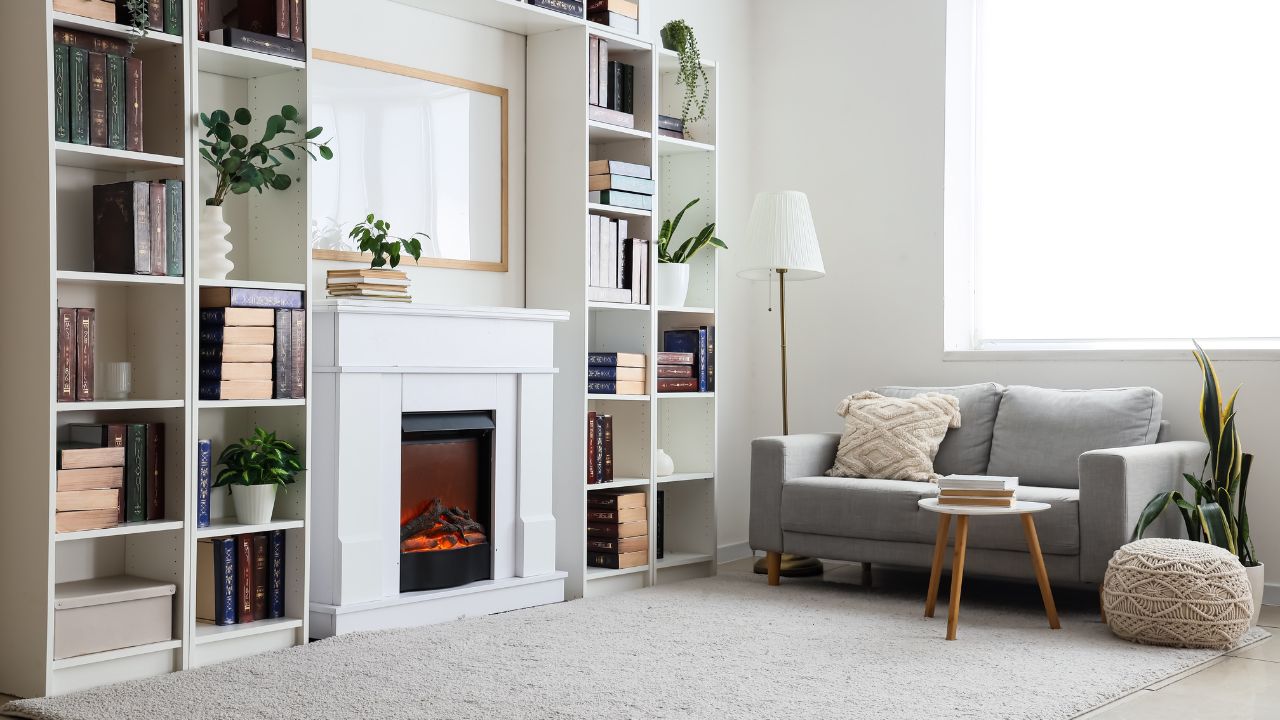
Built-in shelving and entertainment centers can be beautiful, but they dictate how a room must be used. A massive media unit forces the TV to go on one specific wall. Wall-to-wall bookcases might overwhelm a buyer who barely owns three books. They eat up floor space and make rooms feel crowded.
Remove bulky built-ins that can make a room feel cramped. If they’re permanent, try painting them the same color as the walls so they blend in better. Keep the shelves clear to avoid a cluttered look. The idea is to highlight the room’s spaciousness, not show off storage for things the buyer doesn’t own.
11. Sunrooms
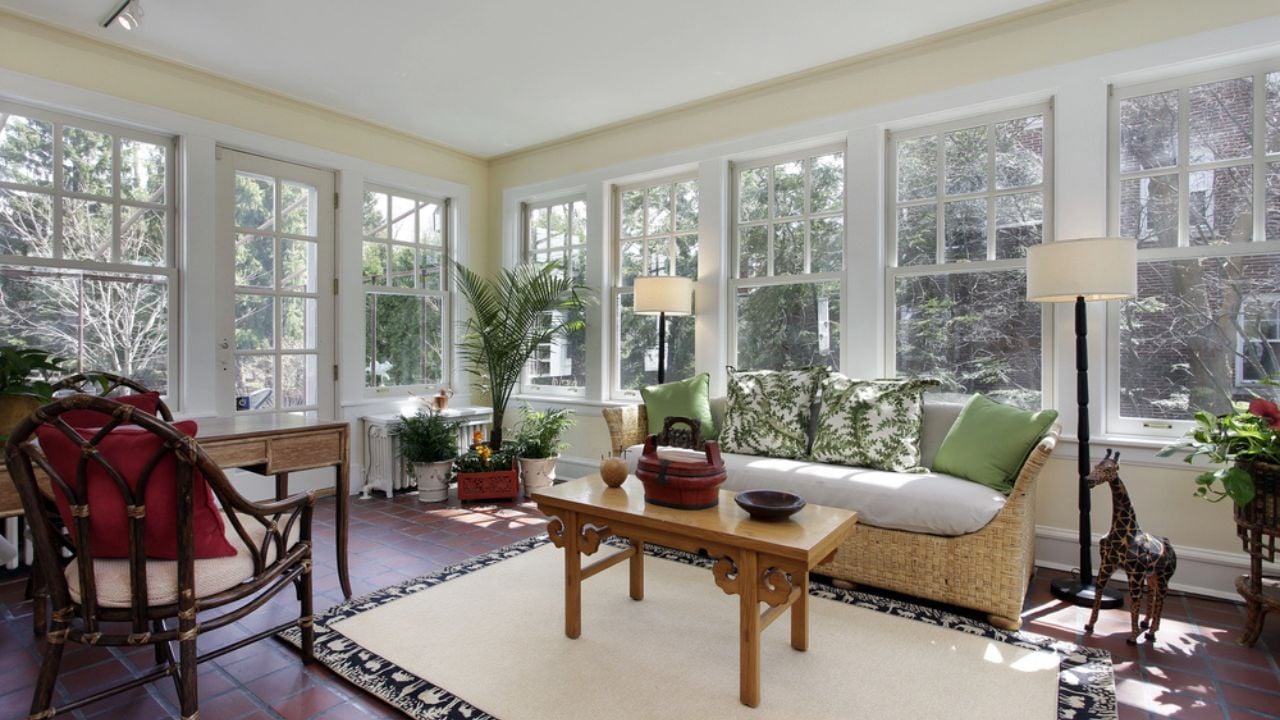
Sunrooms can sometimes be tricky when it comes to temperature control; they can feel chilly in the winter and a bit too warm in the summer. If the sunroom was added as a quick extension, it may not be as energy-efficient as the rest of the house or may require additional work. Instead of seeing it as bonus space, buyers may worry about maintenance costs.
Keep the sunroom clean and staged with appropriate furniture. If it has its own heating or cooling source, highlight that feature. Check for leaks and repair any water damage on the window sills. Treat it as a proper extension of the home rather than a glorified porch.
12. Overly Personalized Kitchens
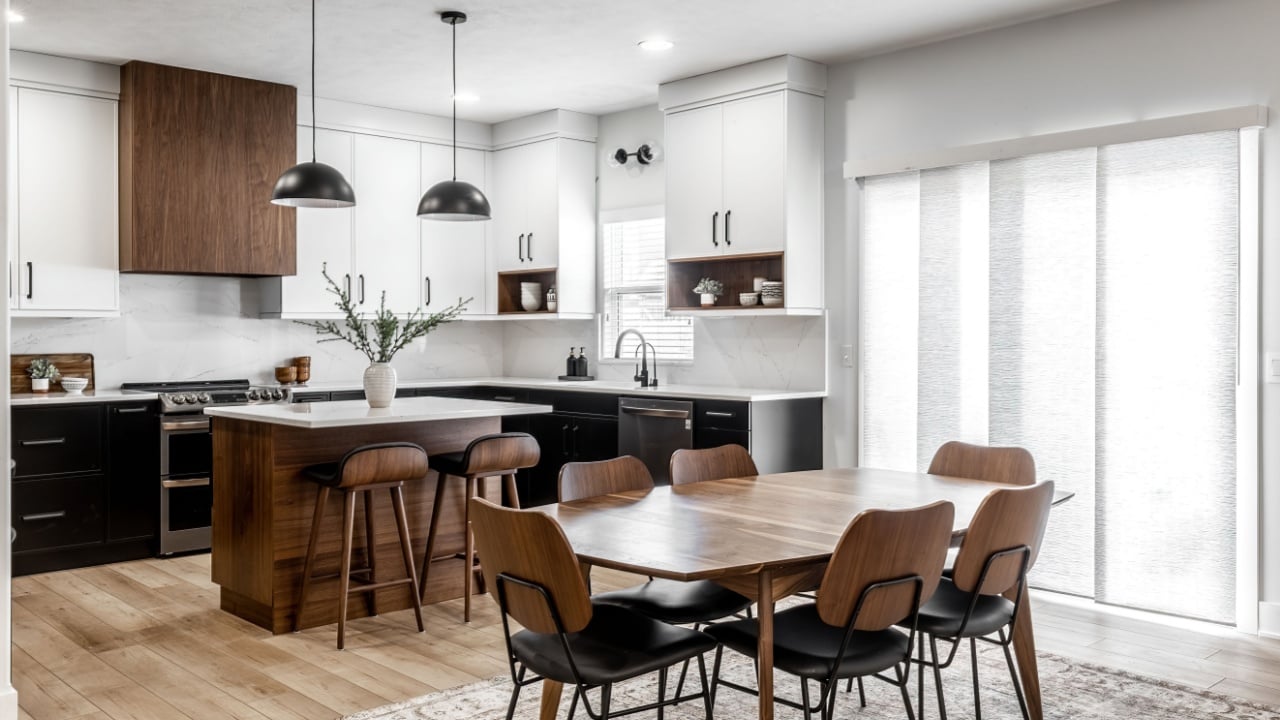
An overly personalized kitchen might start great conversations during Thanksgiving, but it can be a disadvantage when you are selling the house. Industrial restaurant appliances and open shelving might be great for professional chefs, but they can feel a bit intimidating for the average home cook. Countertops like marble look stunning, but they can stain easily and require extra care. Boldly colored cabinets can also be a gamble.
A kitchen that feels too tricky to maintain or a little too unique might make it harder to sell your home. Painting cabinets is a quick fix for color issues. Replace extremely niche appliances with standard stainless steel models if possible. Clear the counters completely to show off the workspace. You want the kitchen to look usable and durable.
13. Wall-to-Wall Carpeting
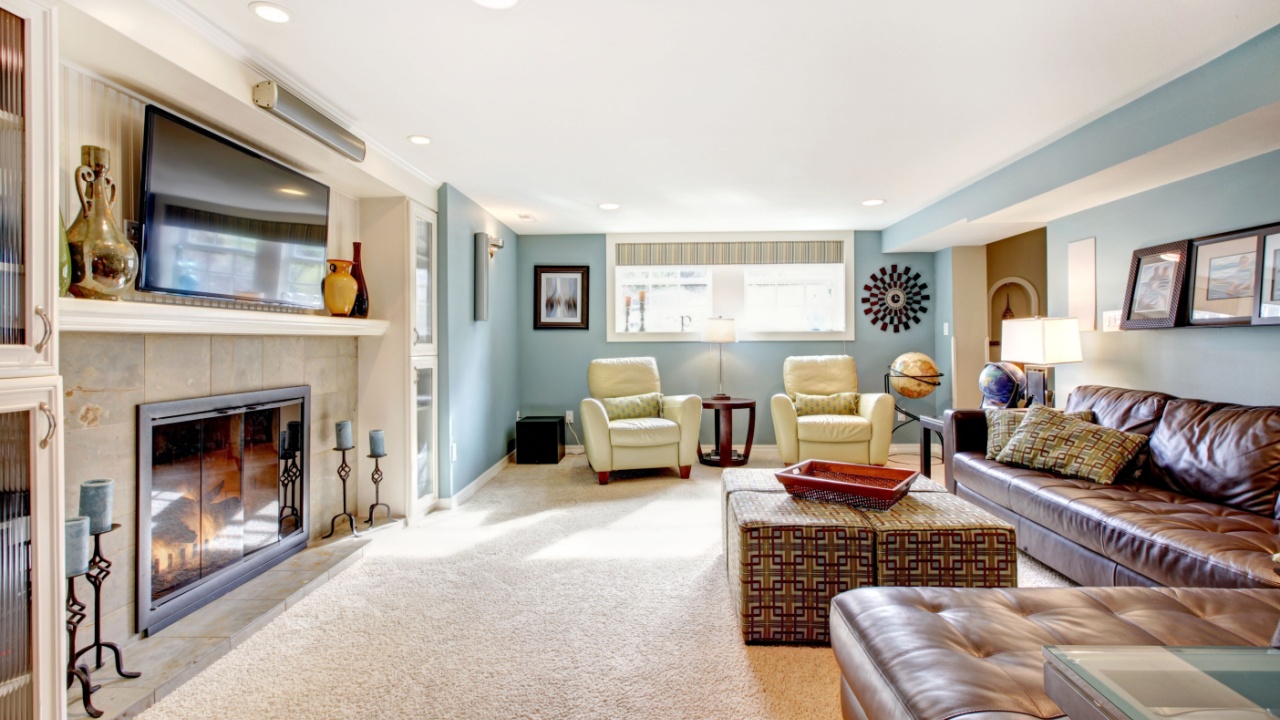
Carpet holds odors, pet dander, and stains. Even brand-new carpet is less desirable than hardwood or laminate flooring. Buyers worry about what is living in the fibers. Carpet in bathrooms is an absolute deal-breaker for hygiene reasons.
Rip up the old carpet and check the condition of the floor underneath. You might get lucky and find hardwood that just needs refinishing. If not, install luxury vinyl plank flooring. It is durable, waterproof, and looks modern. This single change can completely transform the smell and feel of a home.
14. Over-the-Top Landscaping

Sometimes, your landscaping may be reducing your home’s value. Intricate gardens look beautiful, but they scream “weekend work” to a buyer. Koi ponds, extensive rose gardens, and elaborate topiaries require constant upkeep. If a buyer does not have a green thumb, they see your garden as a burden. Overgrown landscaping can also hide the house or damage the foundation.
Simplify the yard before listing. Remove high-maintenance plants and replace them with low-care bushes and mulch. Prune trees back away from the roof. A neat, simple lawn is more appealing to the masses than a botanical garden that requires a full-time groundskeeper.
15. Home Offices That Eliminate Bedrooms
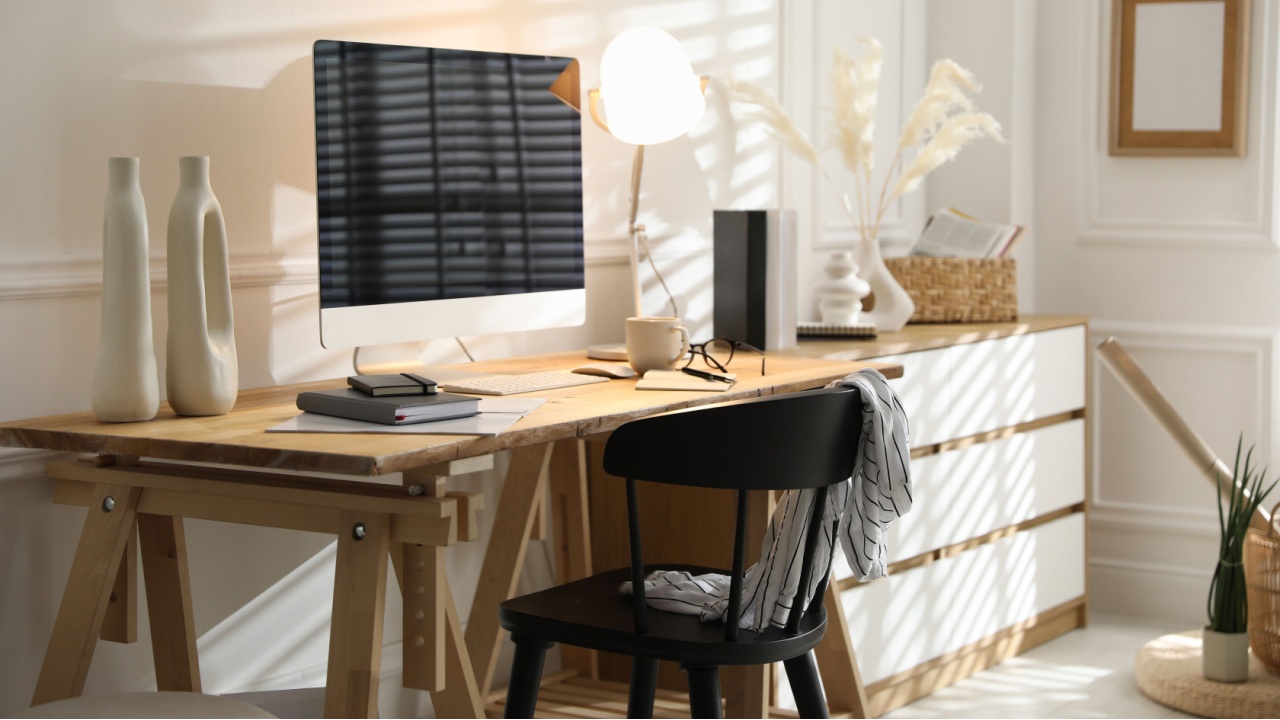
Remote work is popular, so a home office is a great feature. However, permanently converting a bedroom into an office by removing the closet hurts value. A house listed as a three-bedroom sells for more than a two-bedroom with a study. Technical definitions of bedrooms usually require a closet and a window.
Keep the closet intact, even if you use the room as an office. If you removed the closet doors or shelving, put them back. Stage the room with a desk if you want, but verify it can clearly function as a bedroom. Flexibility is valuable; permanent conversion is not.
Closing the Deal with Confidence

Selling a home requires you to step back and look at your property through the eyes of a stranger. The features that served you well might be the exact things stopping an offer from coming in. It is rarely personal; it is simply business. Buyers want a safe, neutral space where they can build their own future.
Take a hard look at your home and identify the items that might be lurking in your rooms. You do not need to rebuild the entire house, but addressing the biggest offenders will pay off. A little paint, some floor updates, and a lot of decluttering go a long way.