12 WD‑40 Tricks That Make Cleaning and Maintenance Way Easier
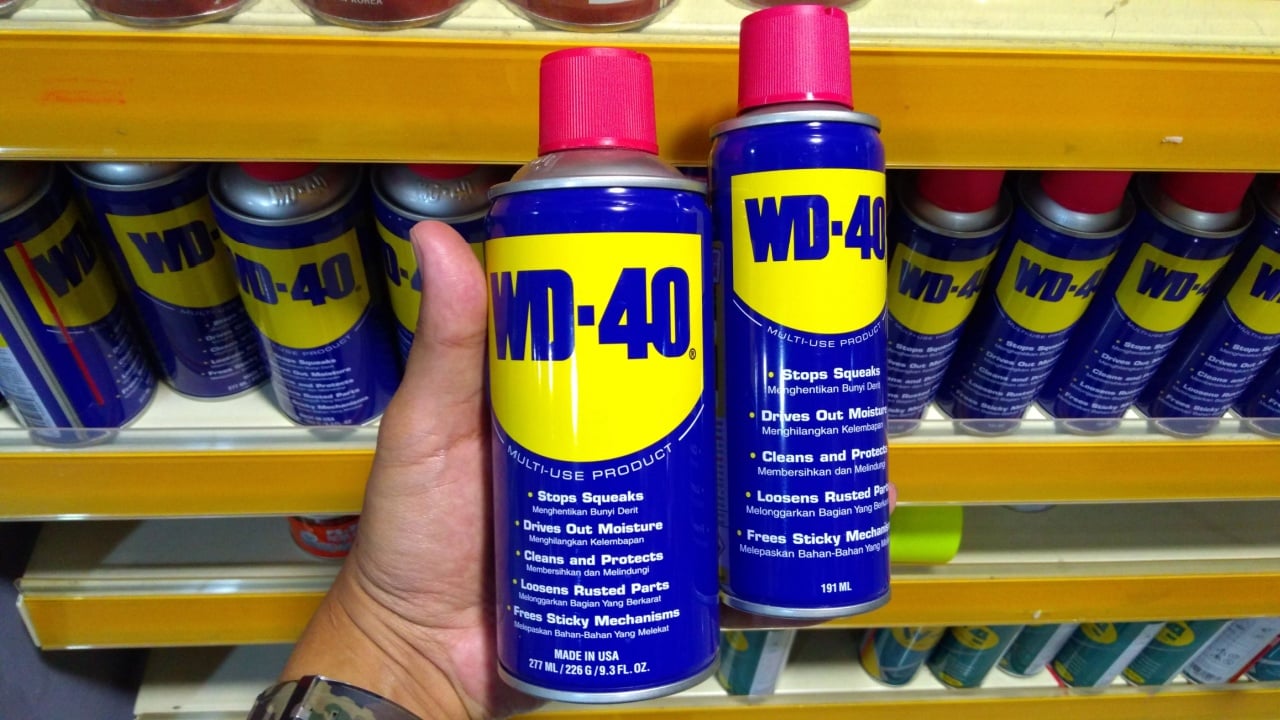
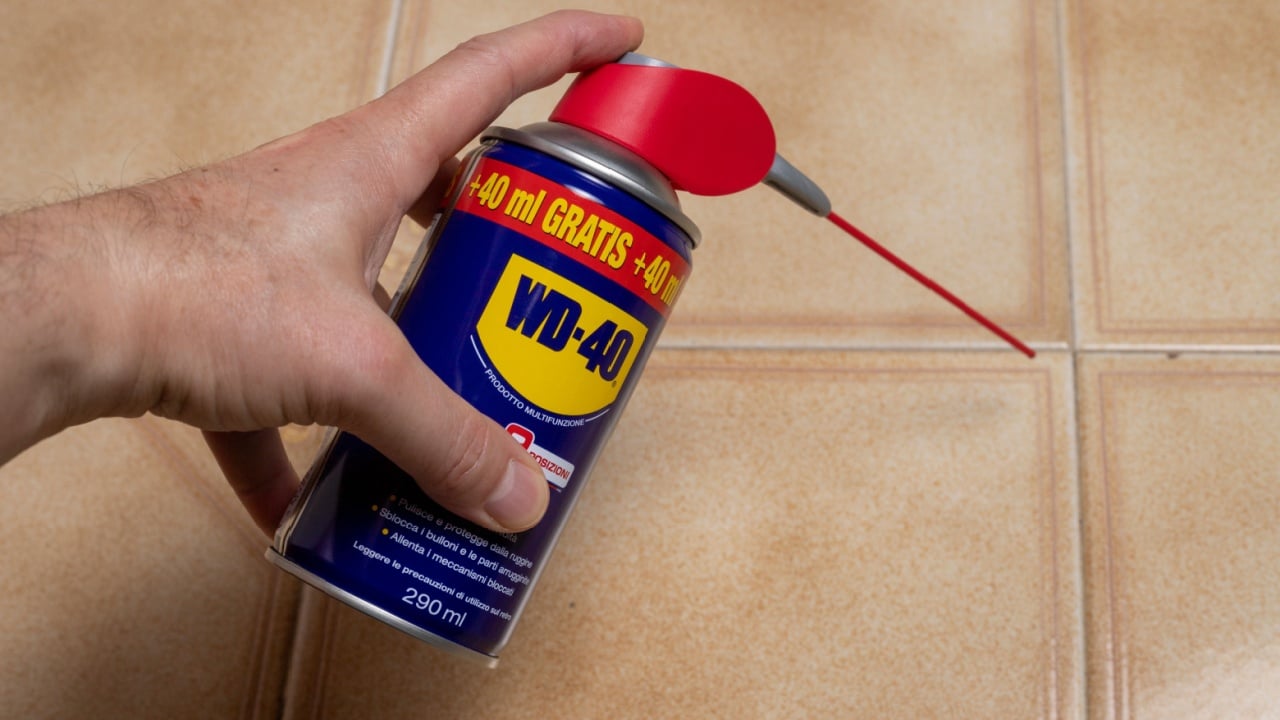
WD-40 is a staple in almost every garage across the country for a reason. It started in a rocket science lab back in 1953, where researchers were trying to cook up a formula to stop corrosion on the Atlas missile. They struck out thirty-nine times, finally hitting the jackpot on the fortieth try, hence the name. That iconic blue and yellow can has stuck around because it’s a pro at displacing water and breaking down grime with zero fuss.
The list below is pulled from home maintenance standards and chemical studies to show you exactly why this stuff is a powerhouse. Whether you’re dealing with a sticky mess or a rusted bolt, this tool handles way more than just that one squeaky hinge you’ve been ignoring.
The trick is knowing where it helps and where a gentler cleaner is the better call. Used correctly, it saves time and cuts down on stubborn grime that ordinary soap struggles to lift.
Below are twelve practical ways to use WD-40 for cleaning and lubrication. Each one explains why it works and what to do next so the result lasts.
1. Removing Adhesive Residue
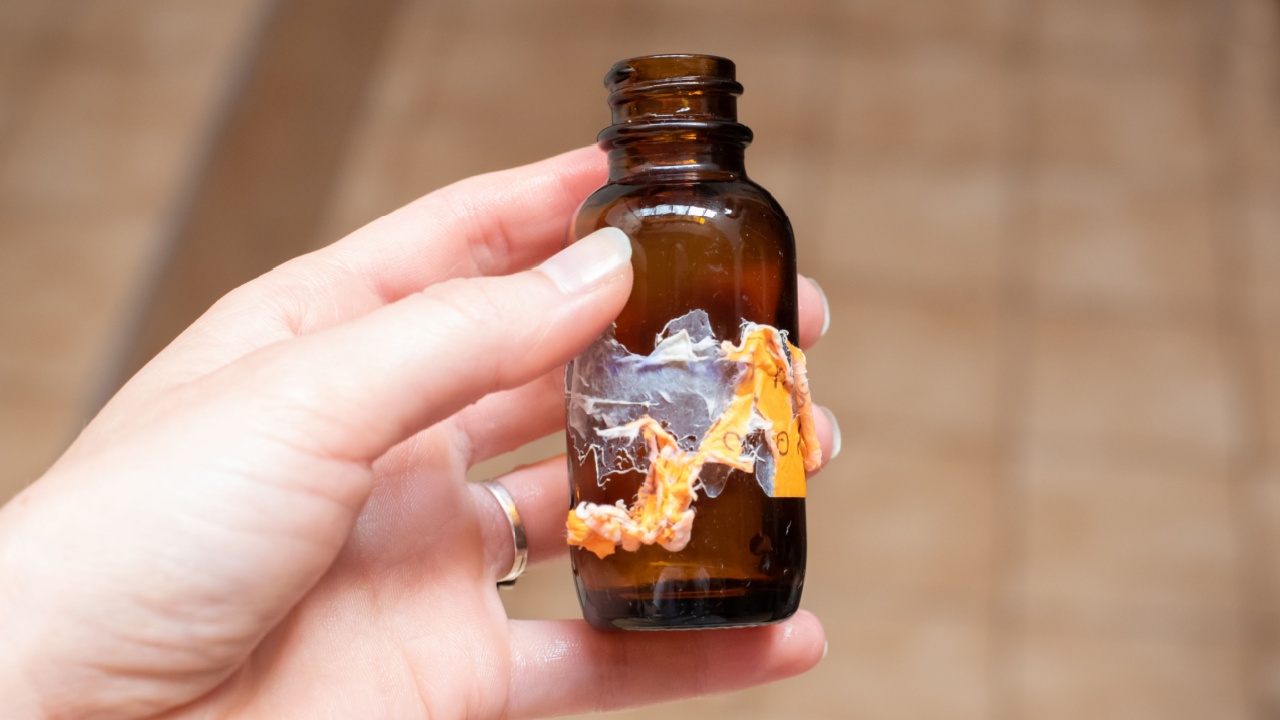
Sticky spots from labels or tape tend to trap dust, lint, and dirt, which makes surfaces look messy over time. WD-40 works by loosening the glue underneath, so the residue loses its grip and becomes much easier to remove without scraping or scratching delicate materials.
Apply a small amount directly to the area and let it sit for a minute or two so it can break down the adhesive. Wipe gently with a soft cloth, using light pressure until the surface feels smooth again. If you are working on something delicate or porous, test a hidden spot first, then wash the area with mild soap to remove any leftover oily film.
2. Erasing Scuff Marks
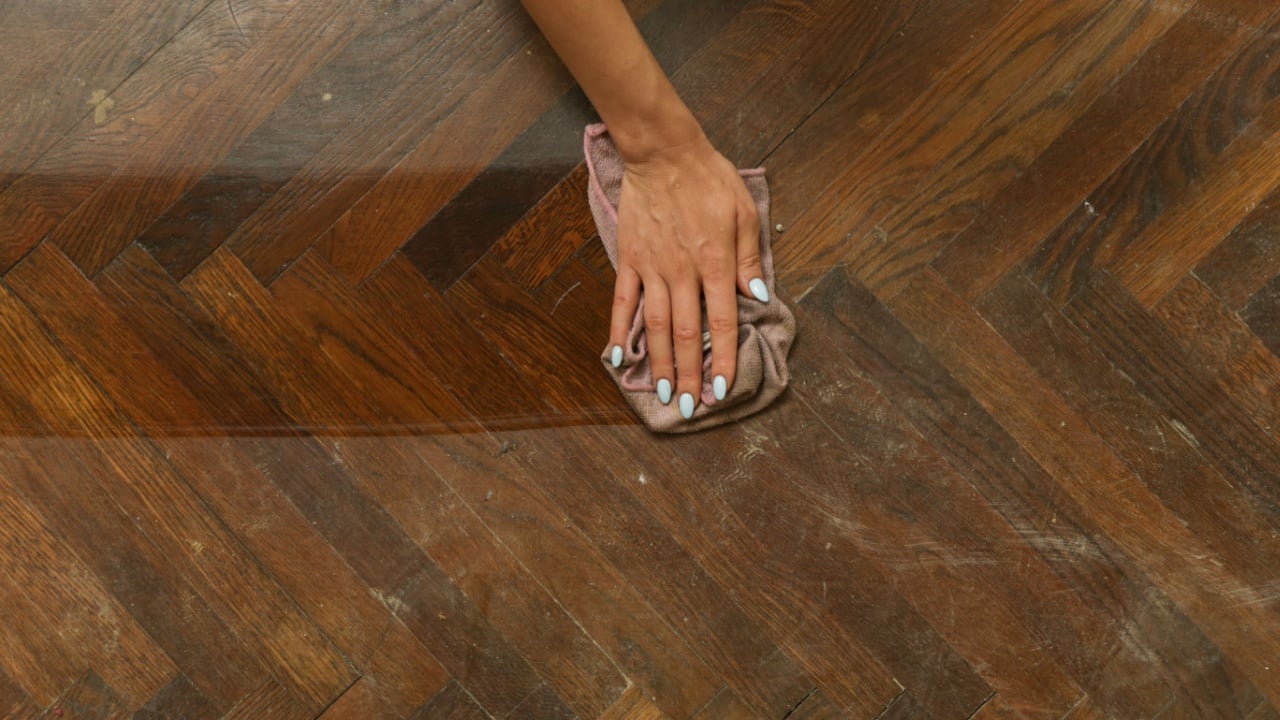
Scuff marks usually come from rubber soles or furniture legs rubbing against the floor and leaving behind dark streaks. These marks sit on the surface rather than soaking in, which makes them easier to lift when the right product is used.
Spray a small amount onto a cloth instead of directly on the floor to keep control and avoid slipping. Rub the mark in a steady motion until it fades away. This works well on tile, vinyl, and similar surfaces, but it is best to avoid finished wood since the oil can affect the coating.
3. Cleaning Stainless Steel Appliances
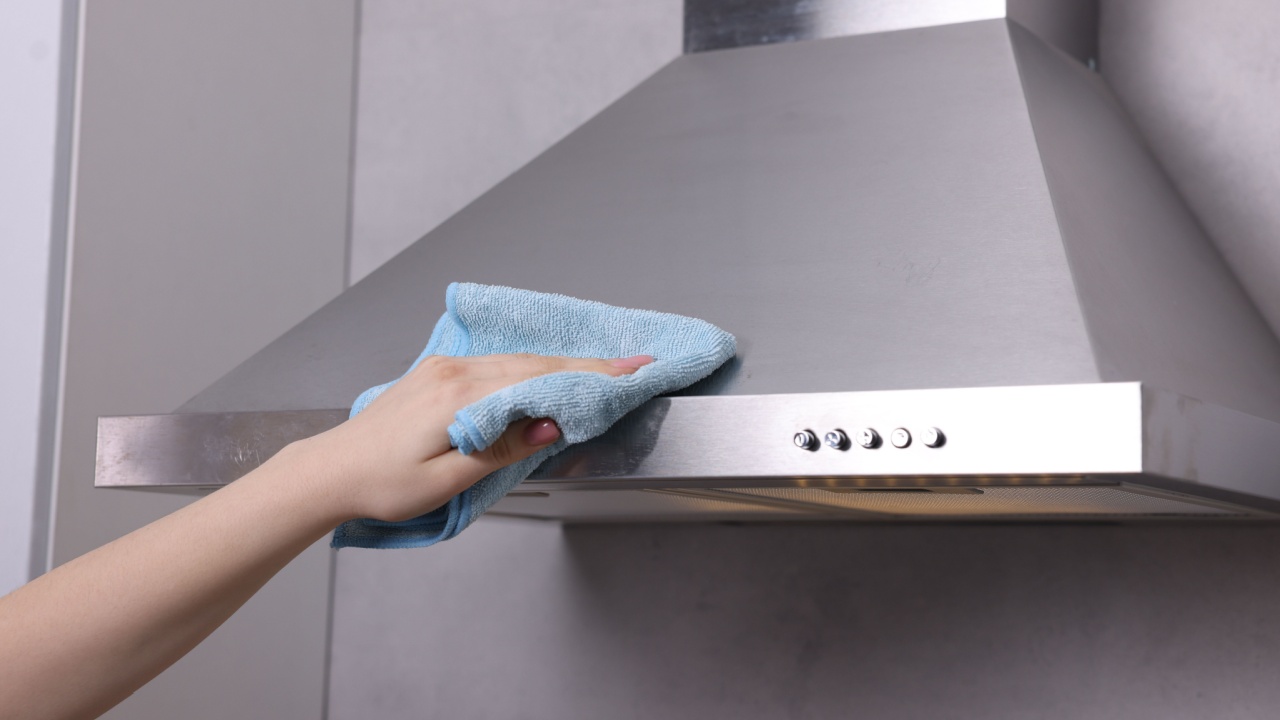
Fingerprints, smudges, and water spots can quickly dull the look of stainless steel, even in a clean kitchen. WD-40 helps cut through grease and leaves behind a thin layer that adds shine and slows down new marks from forming.
Use a small amount on a soft cloth and wipe in the direction of the grain to keep the finish even. Once the surface looks clean, buff it lightly with a dry microfiber cloth to remove excess product and bring out a smooth, polished look.
4. Polishing Garden Tools
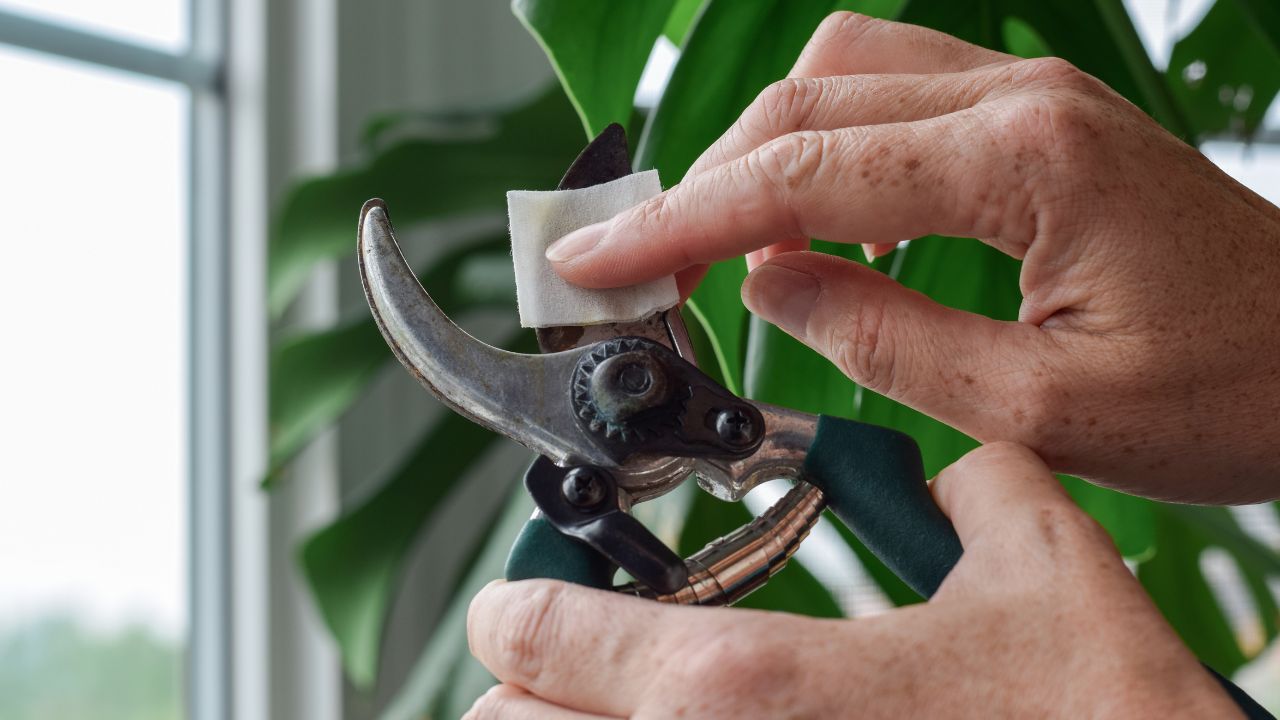
Dirt and moisture are the ultimate enemies of your shovels and shears, leading to rust and pitting. Since WD-40 was designed to displace water, it’s the perfect shield against oxidation. Coating your tool heads also prevents soil from sticking while you work, which makes digging a lot less of a workout.
Brush off any dirt or debris, then apply a light coat over the metal parts. Wipe it evenly so it forms a thin layer, and do the same for handles if needed. Storing tools in a dry space after this step helps them stay in good condition for much longer.
5. Unsticking Zippers
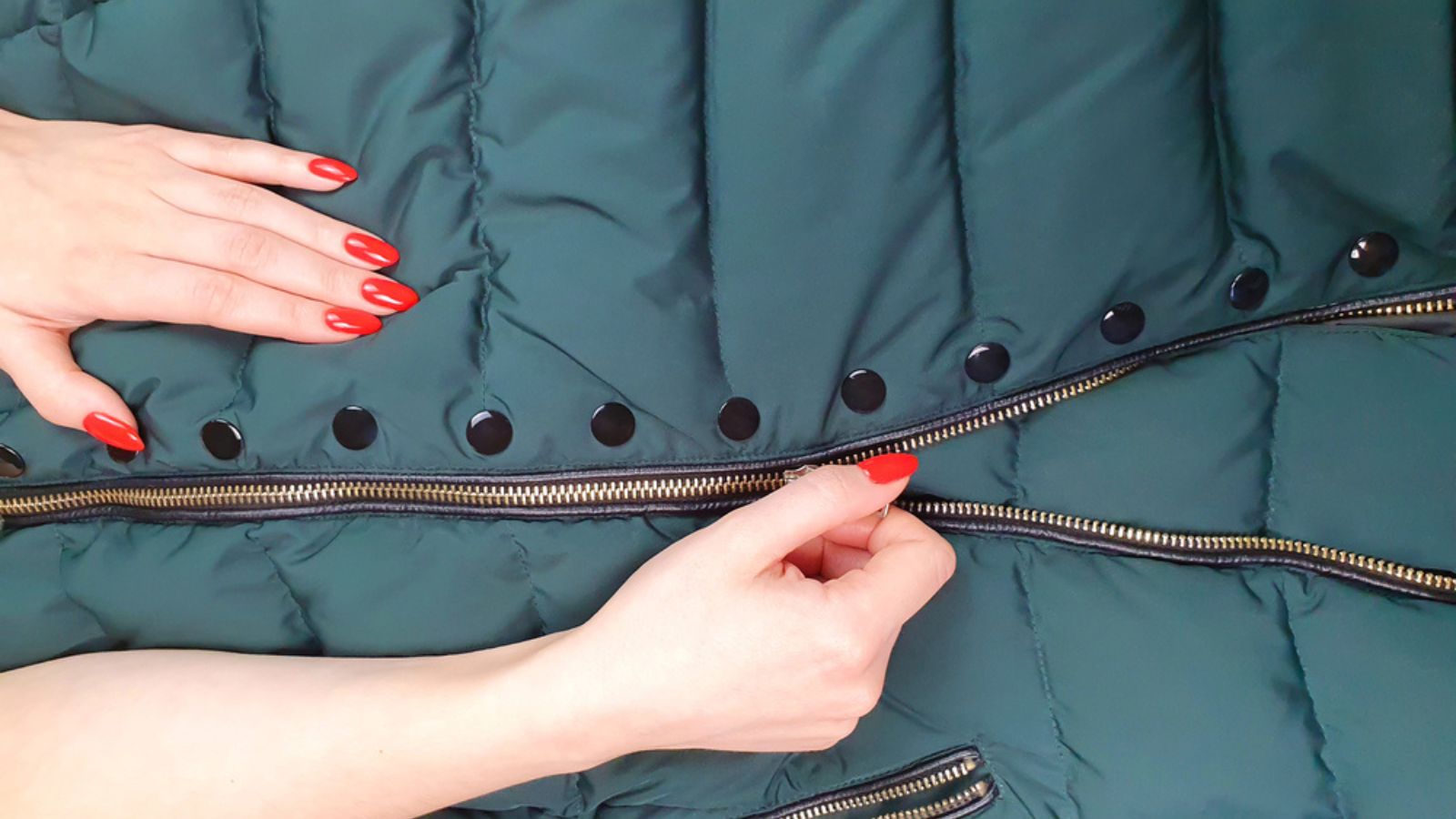
A stubborn zipper is usually caused by salt buildup, dirt, or just old age catching up with the metal teeth. The lubricant allows the slider to glide freely without snagging the surrounding fabric. It also leaves a coating that prevents future corrosion from rain or sweat, which can save your favorite jacket from the donation bin.
Use a cotton swab to apply the liquid precisely to the zipper teeth so you don’t get it all over the garment. Pull the slider back and forth a few times to get the lubricant moving through the mechanism. If you do get a stray drip on the fabric, wipe it away immediately with a damp cloth to avoid any oily spots.
6. Removing Crayon from Walls
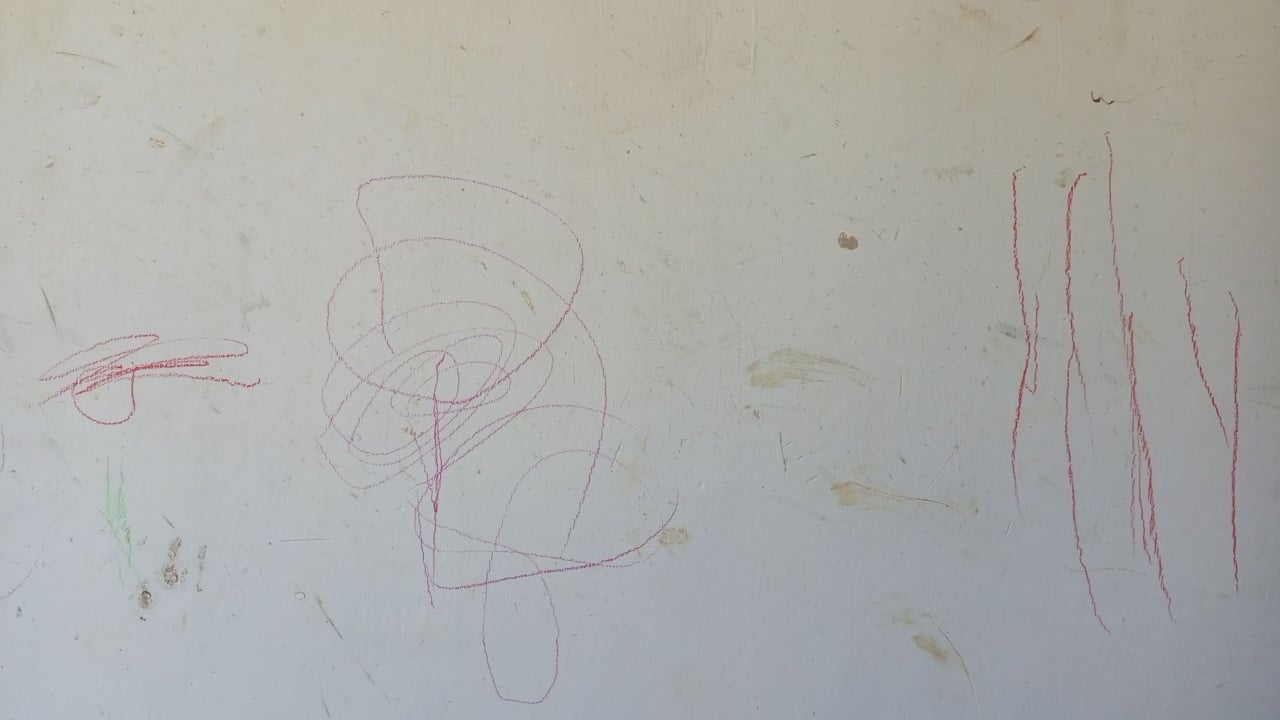
If your kid decided the hallway was their new art gallery, don’t panic; you don’t need to repaint just yet. The WD-40 spray dissolves the wax in crayons without stripping the paint off your drywall. It essentially turns the solid wax back into a liquid state so you can lift it off the surface without a struggle.
Spray the marks and give it a few seconds to start working its magic. Use a clean white cloth to wipe the crayon away; avoid colored cloths, as the dye might transfer to the wall and give you a new problem to solve. Finish up with a sponge and warm, soapy water to clear away any leftover oily residue.
7. Preventing Snow Buildup on Shovels
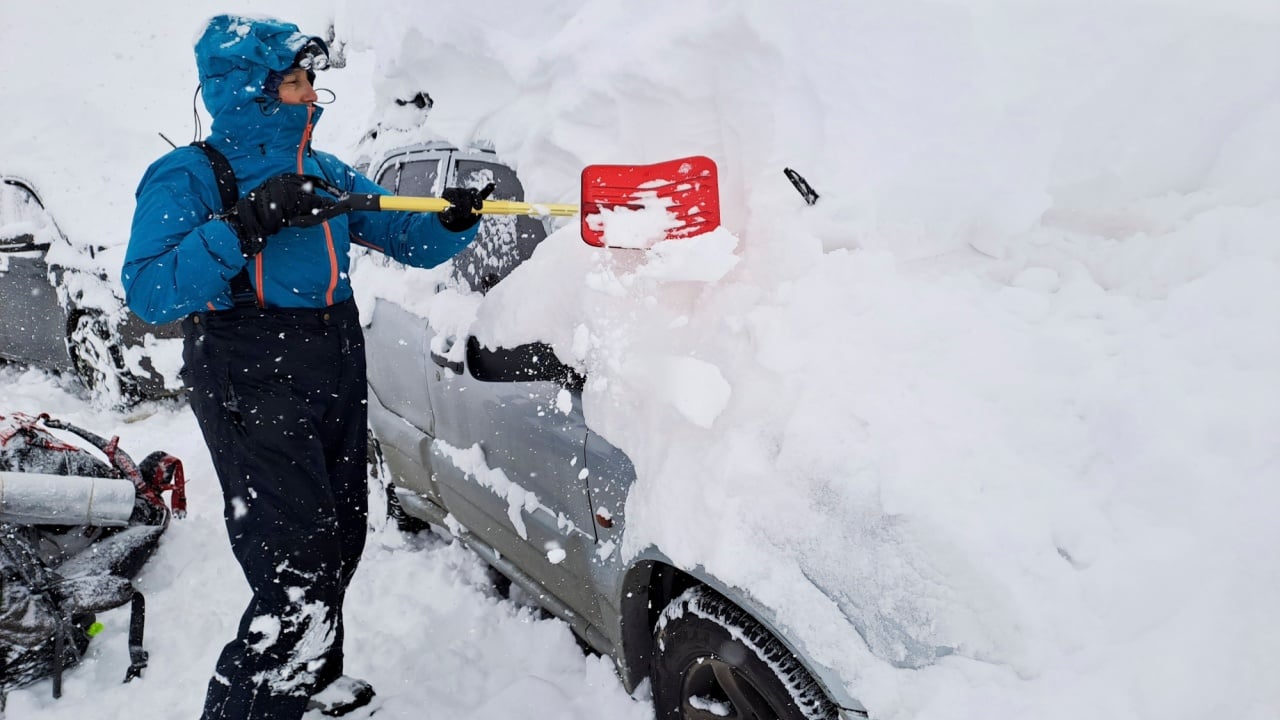
Heavy, wet snow sticking to a shovel is a total backbreaker, but a quick coat of WD-40 makes the surface non-stick. The snow will slide right off the blade instead of piling up. It also protects the metal from the salt used on sidewalks, which can eat away at your tools over time.
Spray both the front and back of the shovel before you head out into the cold. If you notice snow starting to stick again halfway through, just give it another quick hit. This also works great on snowblower chutes to prevent those annoying clogs that stop you in your tracks.
8. Silencing Squeaky Hinges

That annoying squeak is just metal grinding on metal because the lubrication has dried out. WD-40 spray is thin enough to soak deep into the hinge, flushing out old dust and grime. Once it’s in there, it leaves a smooth layer that kills the noise and keeps the metal from wearing down.
Hold a rag behind the hinge to catch any drips and spray the top, then swing the door back and forth to work the liquid down. Wipe away the extra so it doesn’t run down your door frame and leave a mess. For doors you use a ton, you might want to use a heavier grease later for a permanent fix.
9. Cleaning Bird Droppings
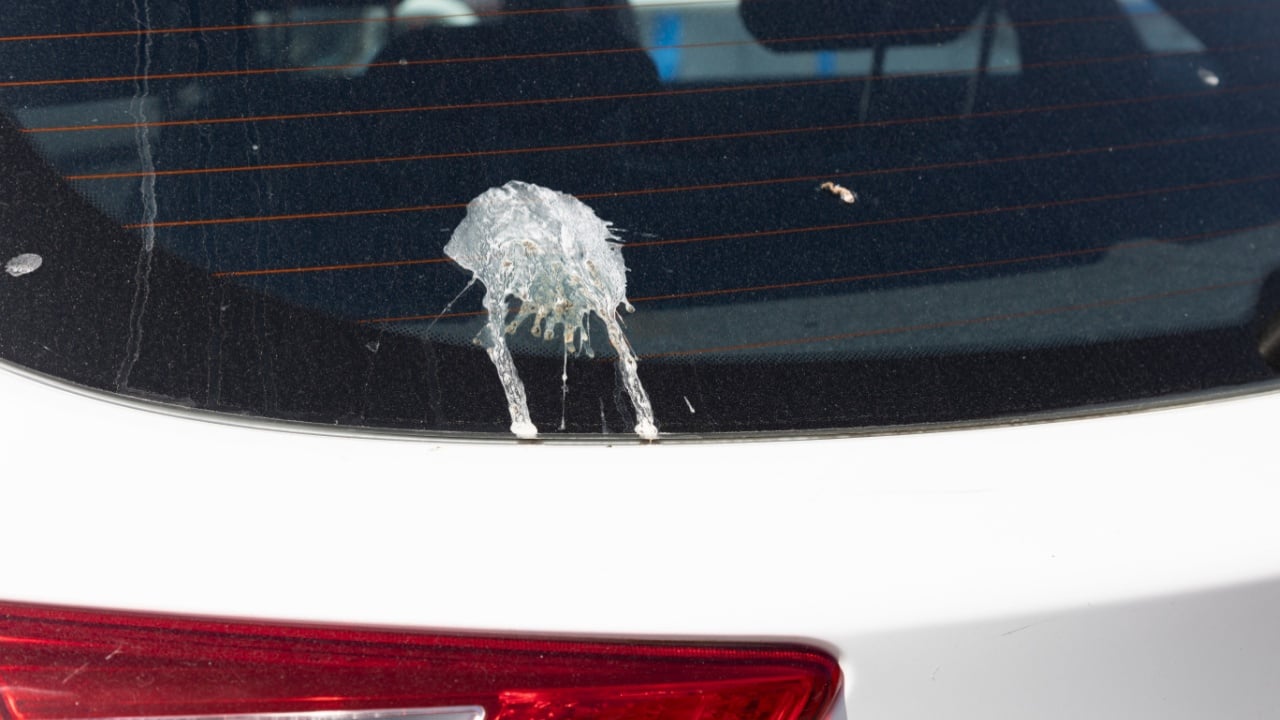
Bird droppings are pretty acidic and can ruin car paint or patio furniture if they sit too long. This spray neutralizes the mess and softens it up so you don’t have to scrub. This prevents those accidental scratches that happen when you try to scrape off dried-on gunk.
Soak the spot and wait about a minute for it to work. The mess should slide right off with a simple wipe of a paper towel. Just make sure to rinse the area with water afterward to ensure no chemicals are left sitting on your car’s finish.
10. Loosening Rusted Bolts
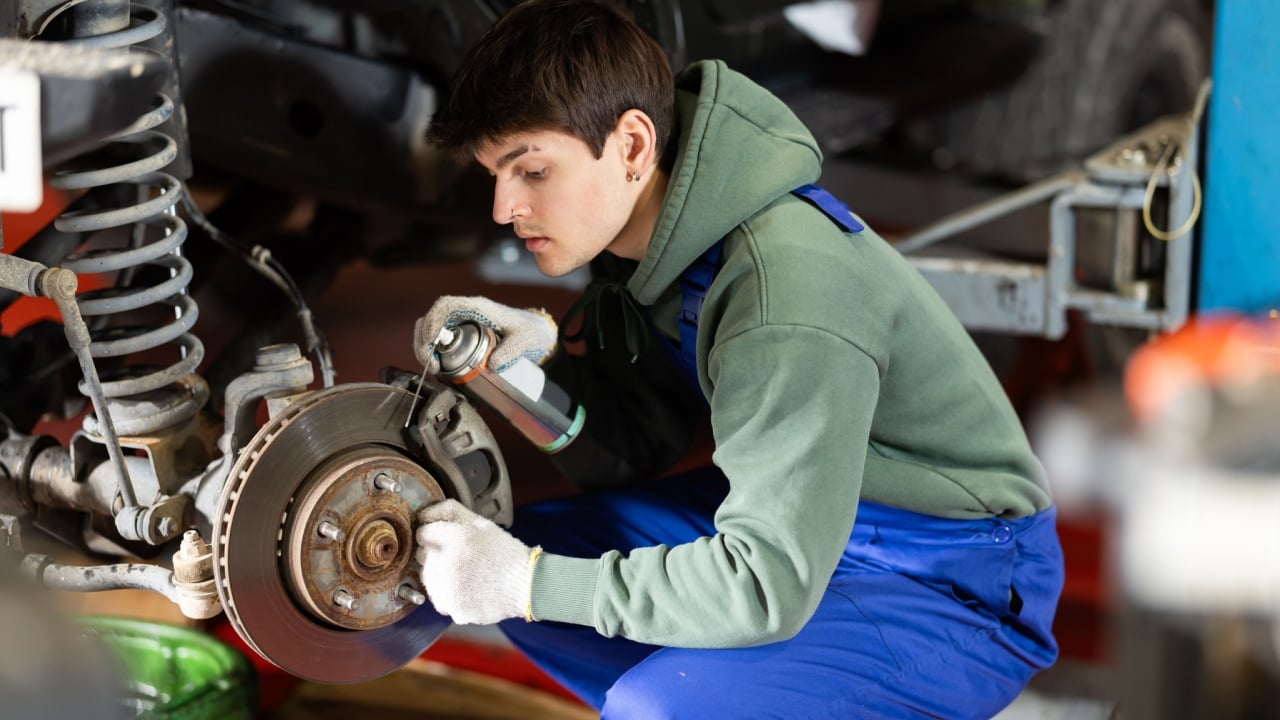
Rust can weld a bolt to a nut, making it feel totally stuck. WD-40 is designed to crawl into the tiny gaps in the threads to break that rust seal. It provides just enough “slip” to let the bolt turn, saving you from the headache of snapping the bolt head off with a wrench.
Spray the rusted part and let it soak for at least ten minutes. Patience is the secret here! You can tap the bolt lightly with a hammer to help the liquid vibrate deeper into the cracks. If it’s still being stubborn, add a bit more and give it a longer soak before trying again
11. Removing Tea and Coffee Stains
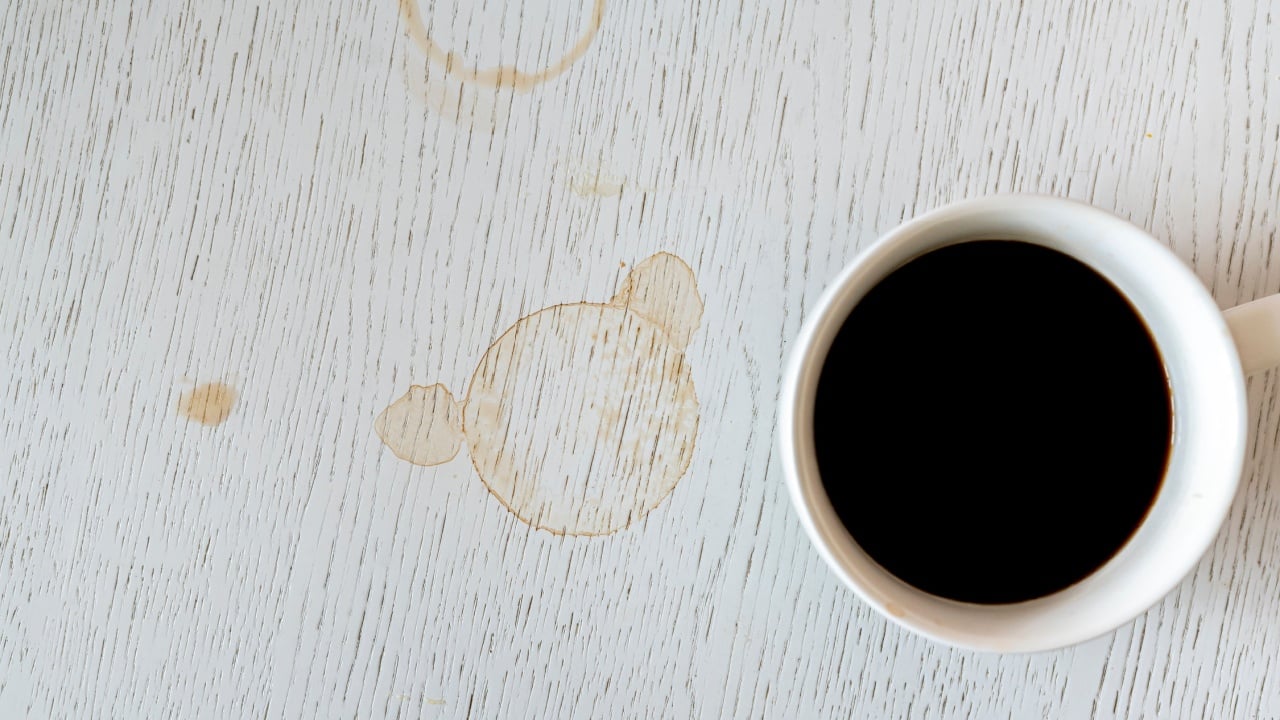
Tea and coffee can leave behind dark stains that cling to surfaces, especially on countertops or laminated finishes. These stains often sit in tiny surface textures, which makes them harder to remove with basic cleaning.
Apply a small amount of WD-40 to a sponge and rub gently over the stained area. The discoloration should begin to lift with light effort. Once clean, wipe the surface with a food-safe cleaner to remove any remaining residue.
12. Softening Stiff Leather
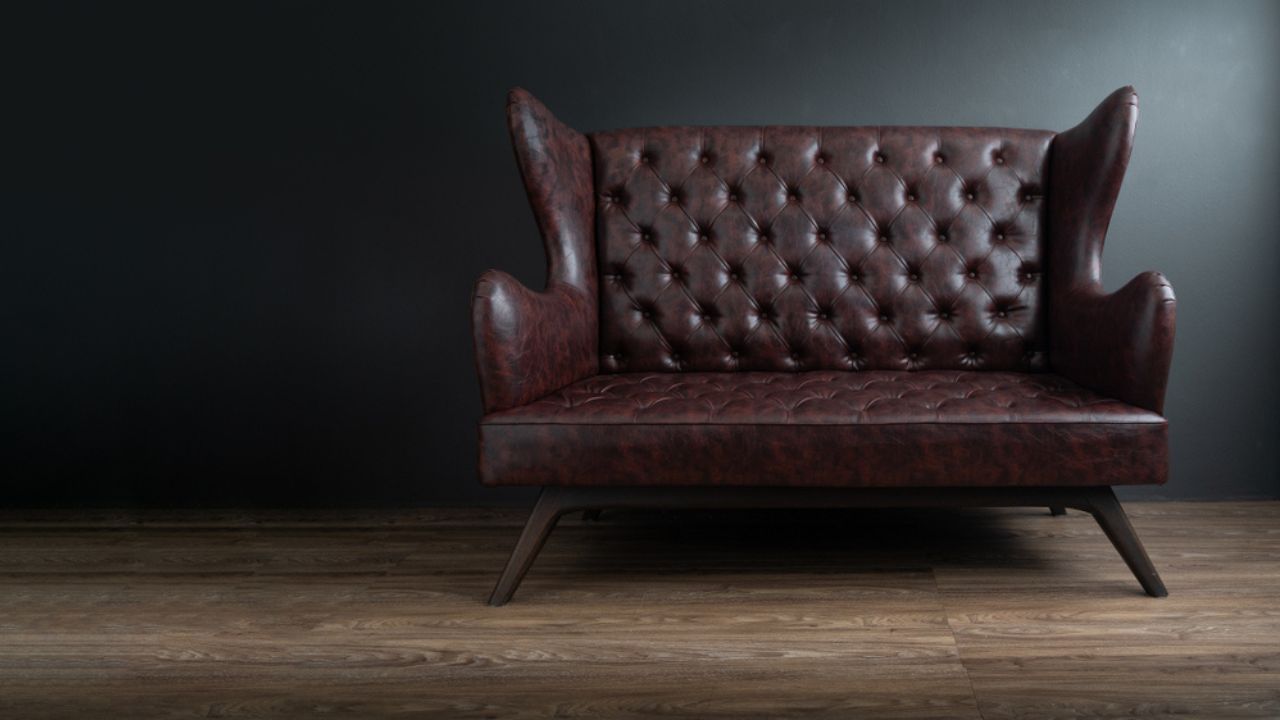
New leather boots or baseball gloves can be painfully stiff until they’re broken in. The oils in the WD-40 spray soak into the leather, making it much more flexible and comfortable in no time. Plus, it adds a nice layer of water resistance to keep your feet dry.
Spray a light coat onto the leather, rub it in with a soft cloth, and let it sit overnight. Just a heads-up: don’t use this on suede or light-colored leather, as it will definitely make the material darker. Give it a good buff the next day to get rid of any greasy feel, and you’re good to go!
Small Fixes, Lasting Comfort
Maintaining a home requires the right tools and a bit of practical knowledge. Using these methods keeps household items in top condition and prevents premature wear. Check the cabinets for any stuck items or stained surfaces that need attention.
Testing a small area first provides a safe way to see the results. Taking a few minutes to apply these tips today prevents bigger repairs later.
Read More: