Stop Waiting for Warm Weather— 10 Hardy Vegetables You Can Sow Right Now in April
Here is a mistake more home gardeners make than any other in spring: they wait.
They watch the forecast, they fuss over the date, and they hold off planting until the weather feels safely warm. By the time they finally put seeds in the ground, the cool-season window has already closed. The crops that should have been feeding them since late May are still sitting in a seed packet on the kitchen counter.
April is not a month to watch from the window. It is the single most important month for sowing the hardy vegetables that thrive in cool soil and will struggle once summer heat arrives. These are crops your grandmother grew without hesitation, crops the Old Farmer’s Almanac has recommended for April sowing for generations, and crops backed by university extension programs from Minnesota to Colorado. A two-dollar seed packet sown now can yield $150 to $200 worth of fresh produce by early summer. A two-dollar seed packet left in the drawer is just money thrown away.
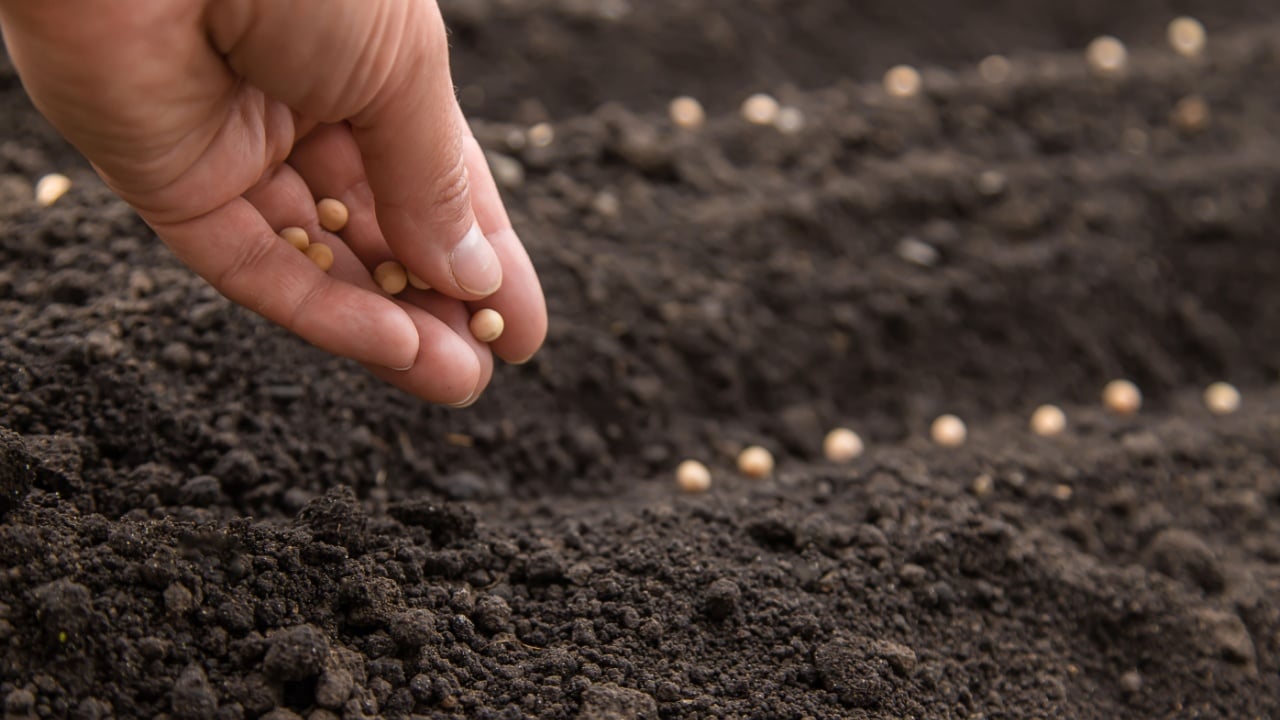
The critical mistake most gardeners make is treating air temperature as the trigger for planting, when soil temperature is actually what matters. According to Colorado State University Extension, hardy cool-season vegetables can germinate when daytime soil temperatures reach as low as 40°F. By April, across most of the country, that threshold has been met, even in zones that still see occasional frost.
Cool-season crops like peas, spinach, and radishes are not just tolerant of chilly April weather; they actively prefer it. They germinate faster, grow stronger, and taste better when temperatures are in the 50s and 60s. Push them into the heat of May or June, and they bolt, turn bitter, or simply fail to thrive. April sowing is not early – for these vegetables, it is exactly on time.
Here are 10 hardy vegetables to sow in April, and how to grow each one.
1. Carrots
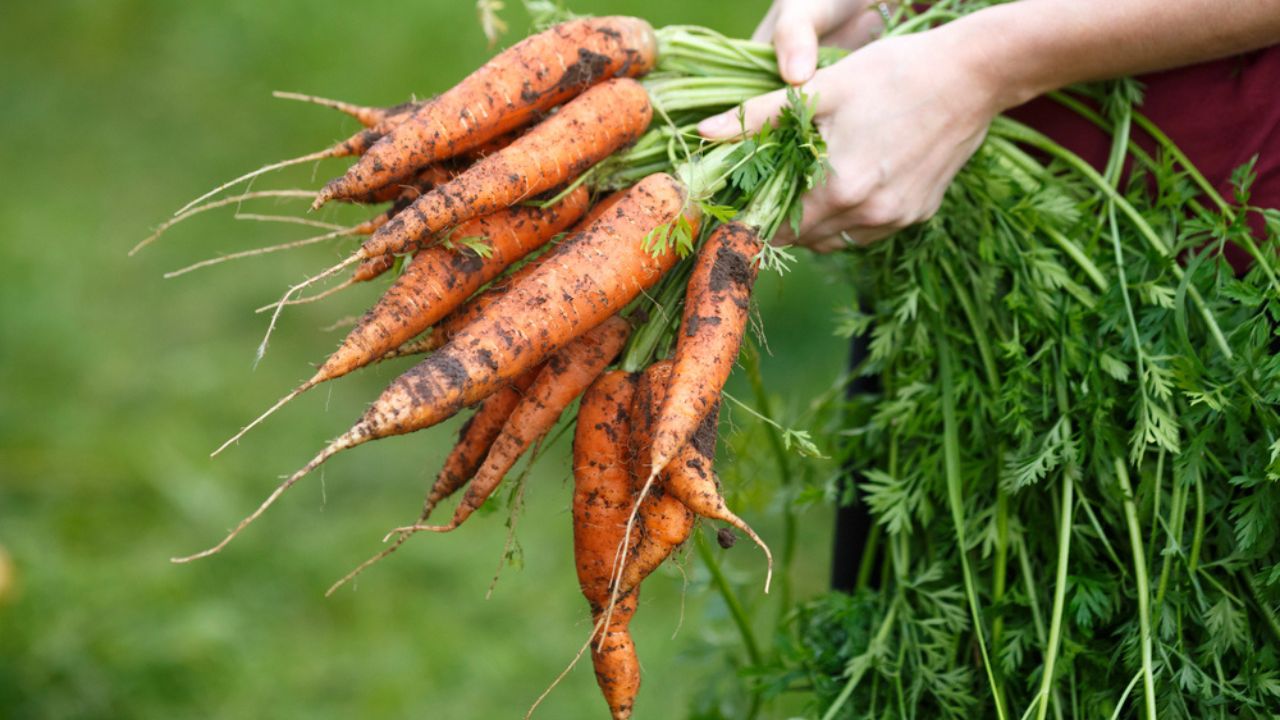
Direct sow only; carrots resent root disturbance and cannot be transplanted. Sow seeds thinly in shallow furrows about half an inch deep, with rows 12 to 15 inches apart.
Once seedlings emerge (which can take up to two weeks; do not disturb the soil in the meantime), thin to one plant every two to three inches. Carrots left to compete will fork, stunt, and disappoint. Remove any stones from the planting area beforehand for the straightest roots.
Early April sowing also helps avoid carrot rust fly and carrot weevil, both of which become more active later in the season. Carrots grow well in Zones 3 to 10.
2. Beets
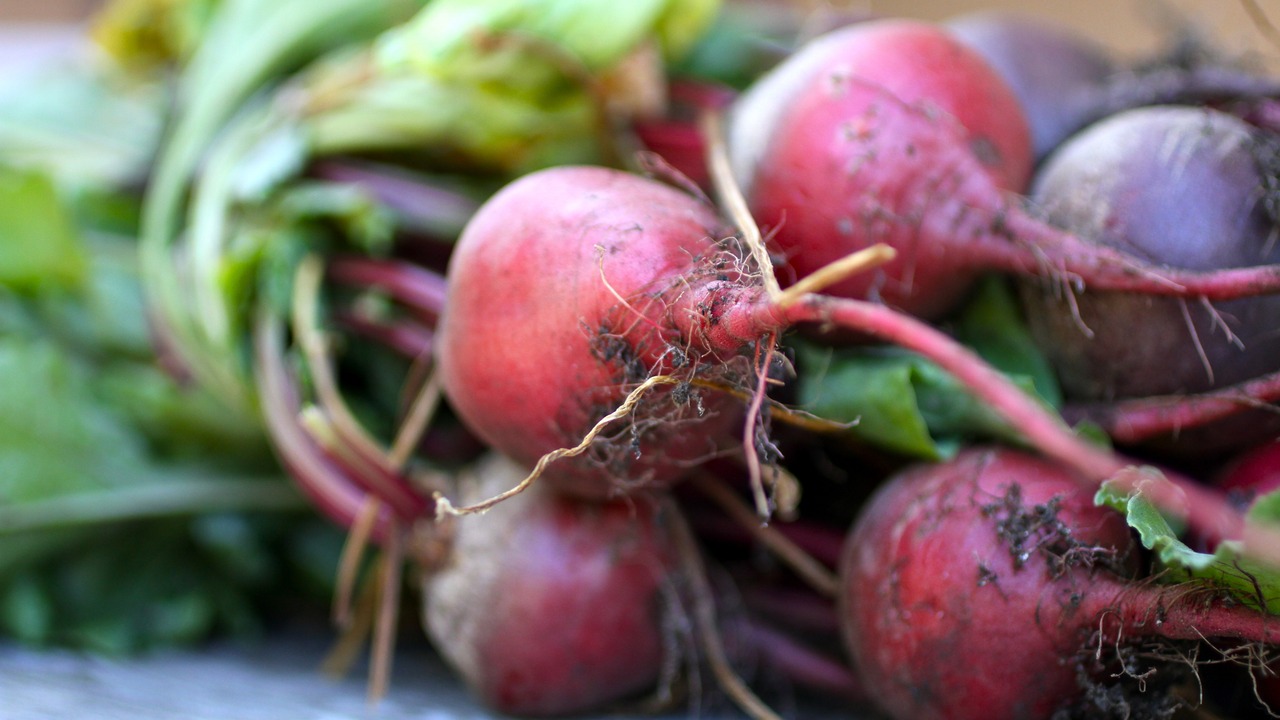
Sow seeds one inch deep, spacing them three to four inches apart. Each beet ‘seed’ is actually a cluster that can produce multiple seedlings; thin once they develop their first true leaves.
Do not wait for roots to mature for your first harvest. Young beet leaves can be snipped for salads from the time plants are a few inches tall. This bonus harvest costs nothing and does not slow root development.
Betts thrive in Zones 2 to 11.
3. Spinach
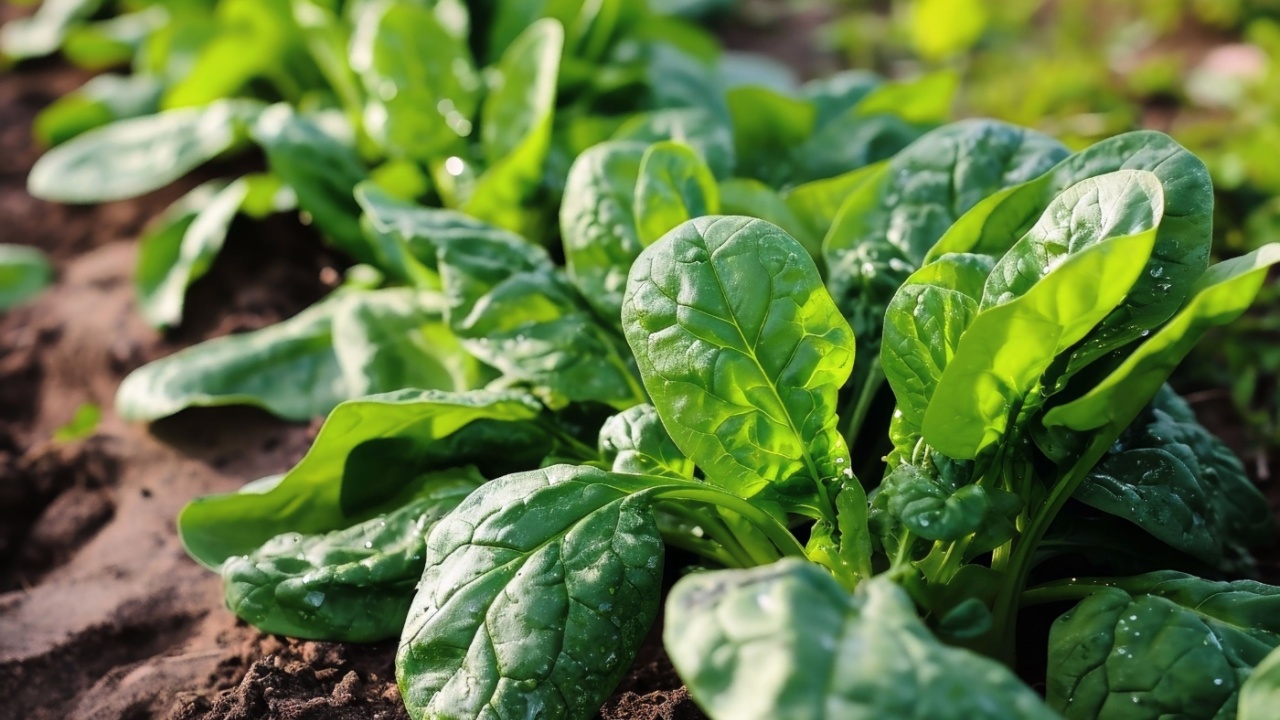
Sow half an inch deep in rows a few inches apart. Spinach is one of the fastest leafy greens to establish in cool soil. Harvest outer leaves continuously rather than pulling whole plants; a single April sowing can produce for six weeks or more. In warmer zones, choose bolt-resistant varieties.
As temperatures climb toward summer, a piece of shade cloth or a nearby taller crop can delay bolting by several weeks, thus extending your harvest significantly.
Spinach grows well in Zones 3 to 9.
4. Radishes
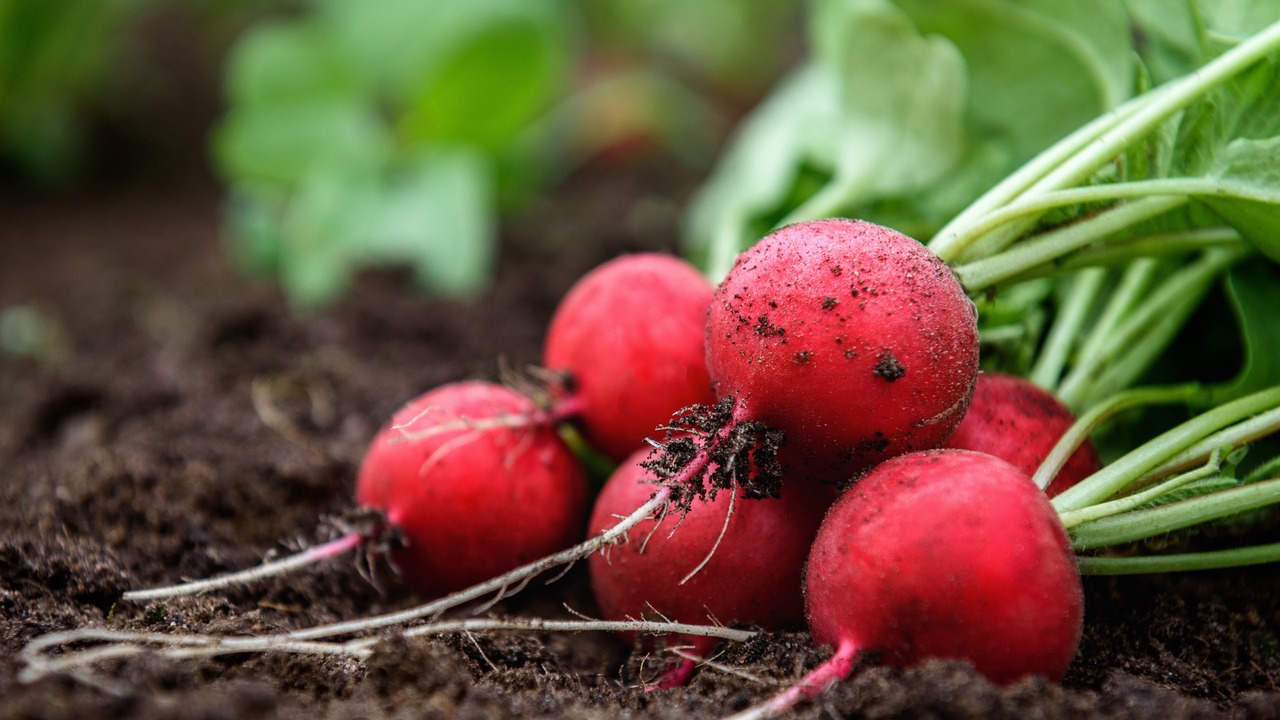
Radishes are the fastest vegetable in the April garden, growing from seed to harvest in just three to four weeks. Radishes can handle temperatures into the mid-20s°F, making them genuinely frost-proof for most spring cold snaps. Sow thinly half an inch deep and thin to prevent crowding.
Because radishes mature so quickly, a single sowing gives you a brief harvest window. Sow a short row every 14 days from now through May for a continuous supply. Each packet costs around two dollars and provides weeks of fresh produce.
Radishes grow well in Zones 2 to 10.
5. Peas
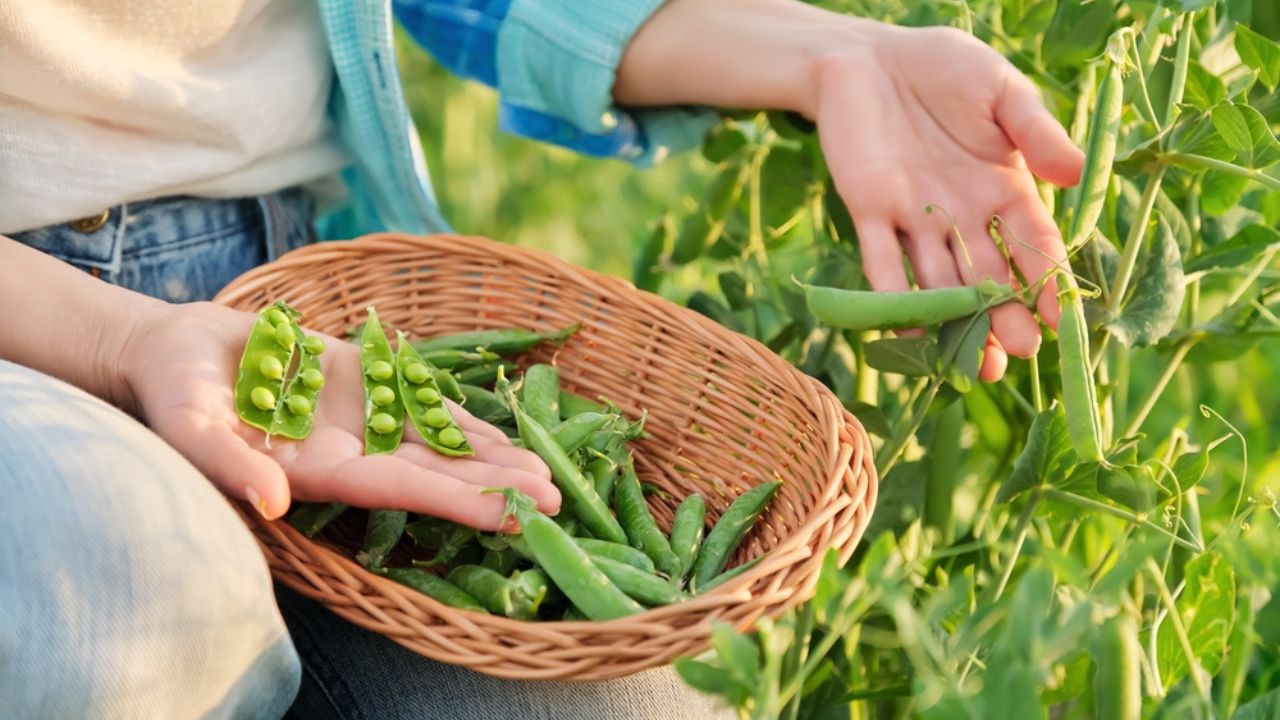
Sow one to two inches deep and provide netting or a trellis immediately; peas climb from the moment they emerge. Soak seeds overnight before planting to speed germination, particularly in cooler soil. Young pea plants are far more frost-tolerant than most gardeners expect; they will bounce back from light frosts without help.
Pick pods the moment they fill out. Leaving mature pods on the vine signals the plant to stop producing. Frequent harvesting can keep plants cropping for four to six weeks.
Peas grow well in Zones 3 to 9.
6. Spring Onions (Scallions)
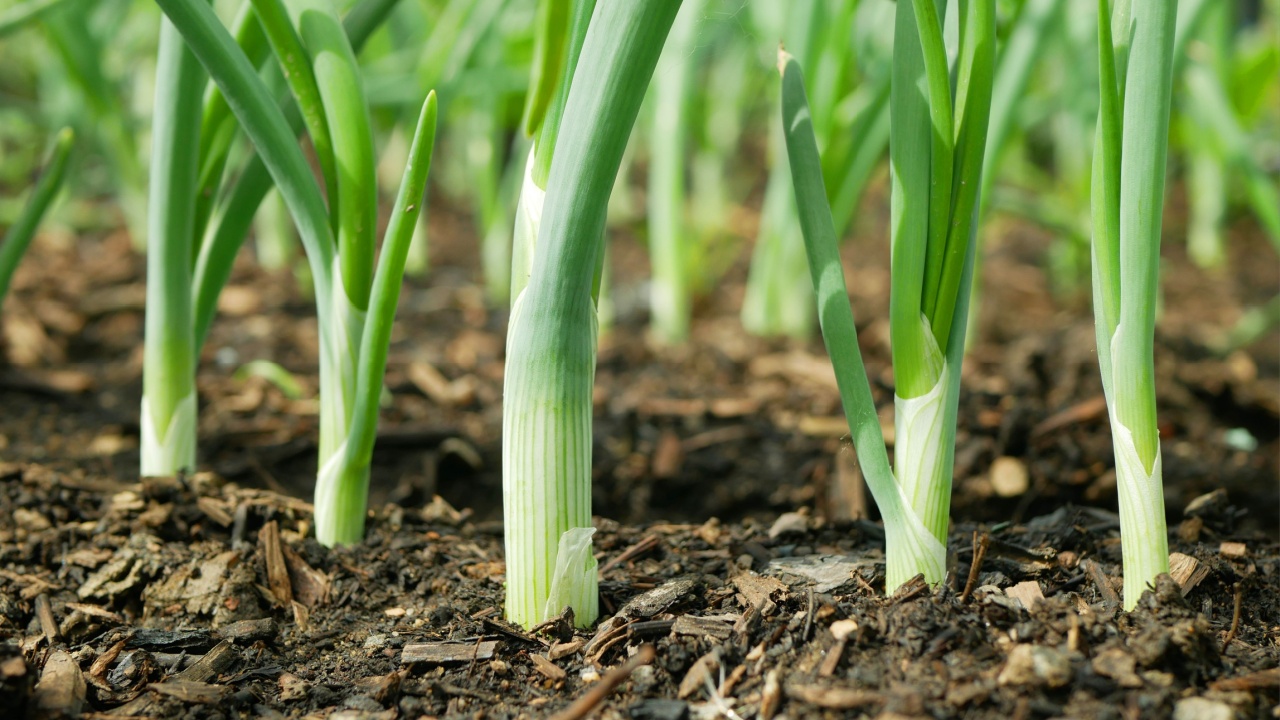
Sow thinly in rows or scatter across a container. Spring onions take up almost no space and are ideal for gardeners who want maximum output from a small bed or a few pots. Sow a fresh batch every two to three weeks for a continuous supply through late spring and early summer. A single 12-inch container can produce two to three months of scallions if succession-sown.
Scallions thrive in Zones 3 to 10.
7. Swiss chard
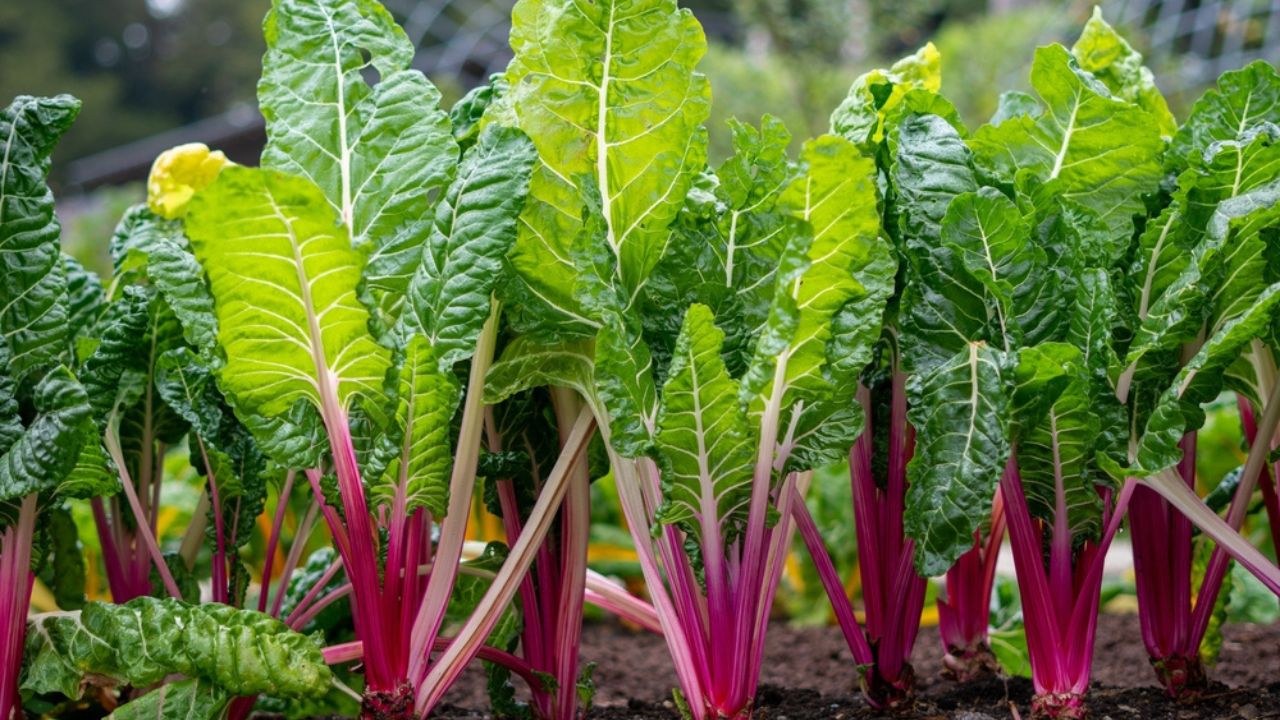
Swiss chard is the most resilient leafy green for April. Chard has bounced back from hailstorms, week-long droughts, and heavy spring rains that would destroy more delicate greens.
Sow seeds one inch deep, six inches apart. It comes in rainbow colors, from deep red, gold, and white, and is as ornamental as it is productive.
Harvest outer leaves when the plant is six to eight inches tall, and it will continue producing all season. A single April sowing of chard can still be feeding you in September.
Chard grows well in Zones 3 to 9.
8. Kale
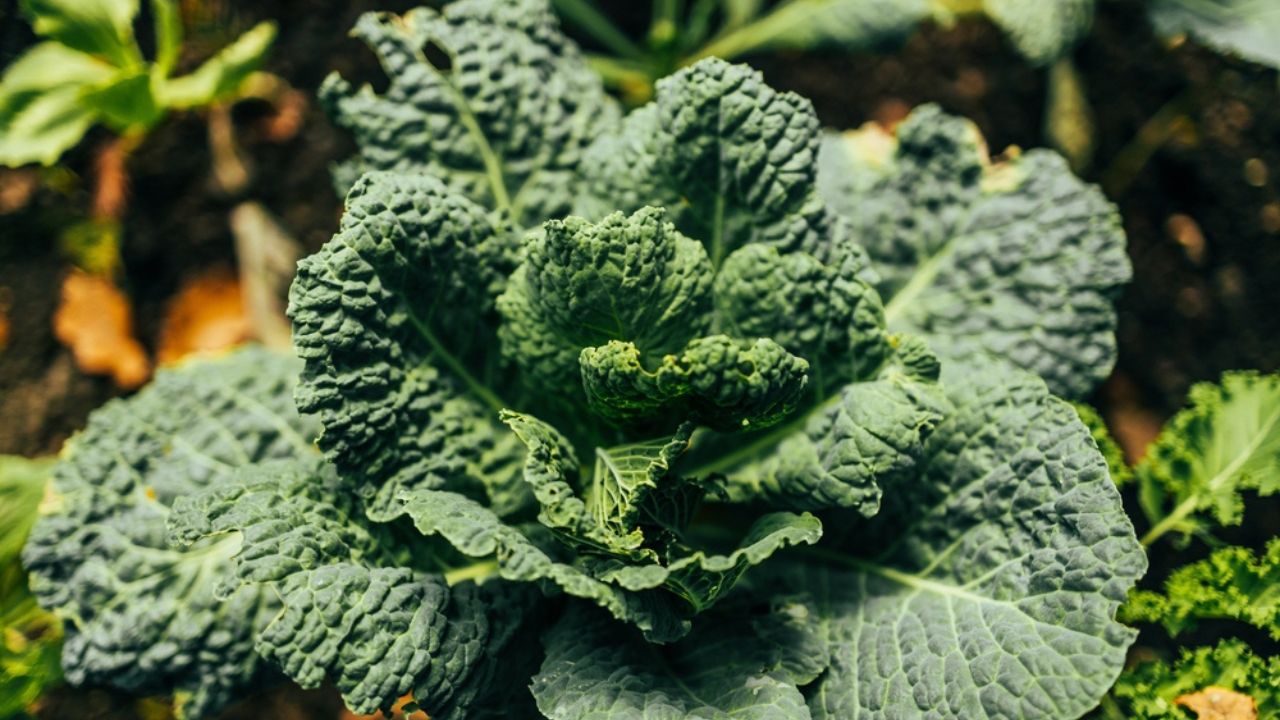
Sow half an inch deep, 12 inches apart, directly outdoors in April. Kale’s waxy leaves help it resist fungal disease during heavy spring rains, and its robust root system handles dry spells better than most greens. It actually tastes sweeter after a light frost.
Kale thrives in Zones 3 to 9.
9. Parsnips
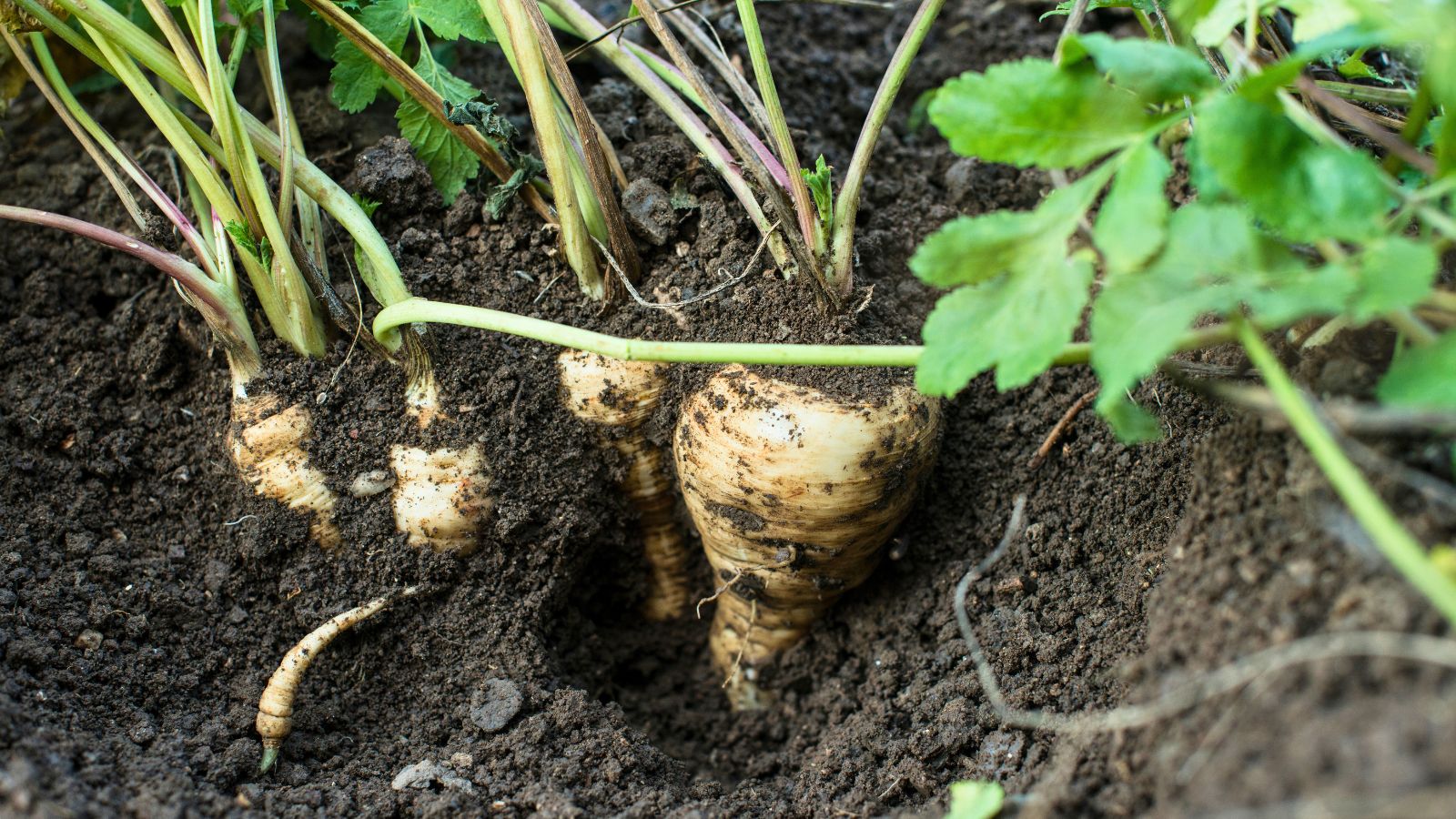
Like carrots, parsnips are direct-sow only and dislike transplanting. Sow half an inch deep in deeply worked soil; stones and compaction cause forked roots. Parsnips are a long-season investment: they take four to five months to mature, which means an April sowing delivers an autumn harvest of a vegetable that is sweeter after a frost.
Parsnips are best grown in Zones 3 to 9.
10. Leeks
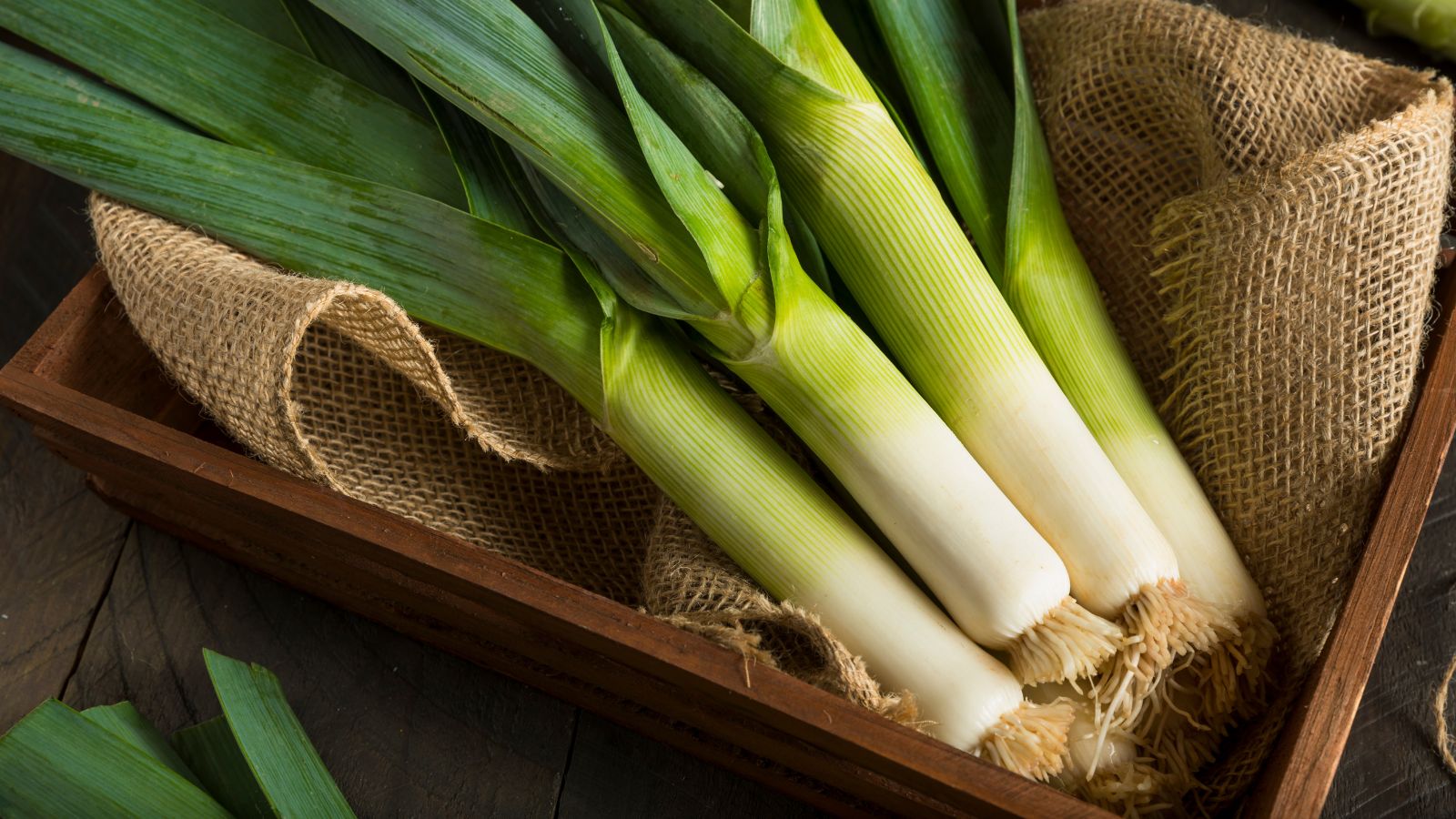
Sow thinly in a shallow trench half an inch deep, keeping the soil consistently moist to encourage strong germination. Leeks take four to six months from sowing to harvest; mid and late-season varieties can withstand temperatures as low as 15°F and can be left in the ground to harvest throughout autumn and into winter. Starting in April gives them the full growing season they need.
Leeks grow well in Zones 3 to 9.
The Succession Sowing Trick That Turns $10 in Seeds into a Season of Harvests
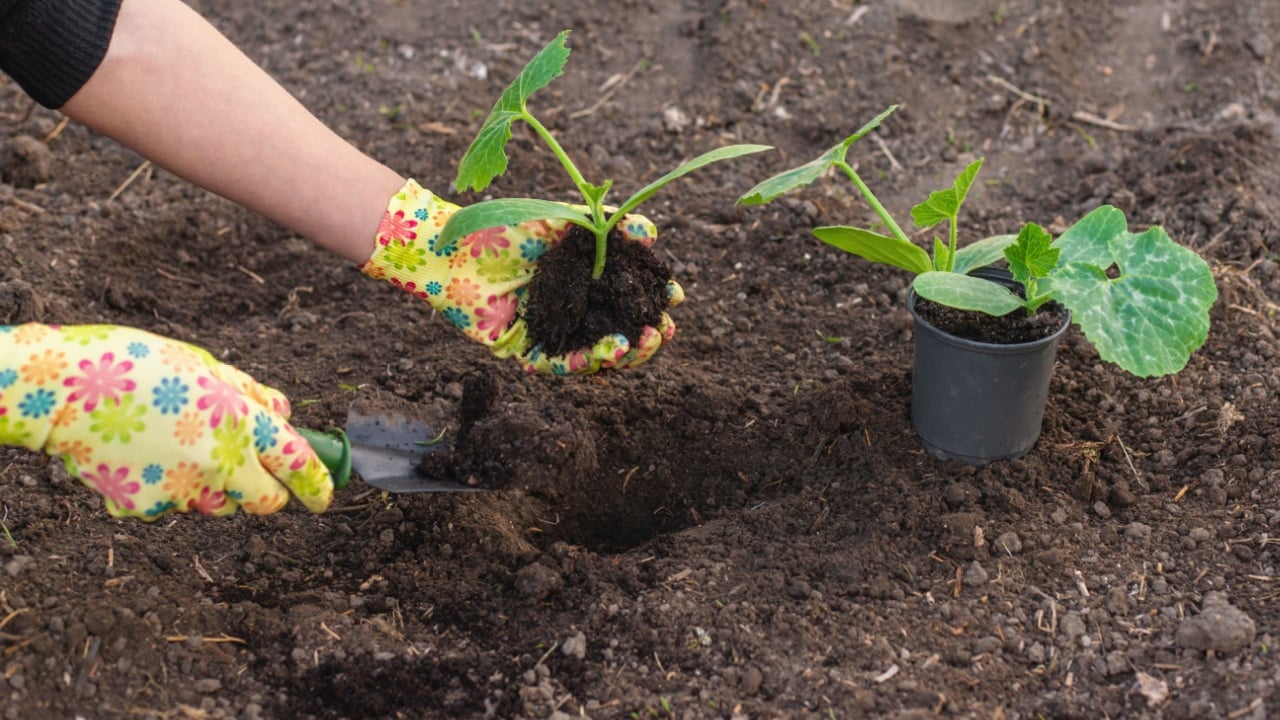
The single most underused technique in the home vegetable garden is succession sowing: planting small amounts of fast-maturing crops every 10 to 14 days rather than one large batch all at once. University of Minnesota Extension describes it as a straightforward way to spread harvest dates so you enjoy produce from the garden over an extended period instead of a single overwhelming week.
For radishes, spinach, spring onions, and lettuce, succession sowing is transformative. A packet of radish seeds costs around two dollars. Sown in four small batches spaced two weeks apart starting this weekend, it provides continuous harvests from mid-May through late June. A full April succession plan across three or four crops, such as radishes, spinach, spring onions, and beets, can realistically produce $150 to $200 in fresh vegetables from seed packets that cost less than $15 combined.
For gardeners over 50 who have shifted toward raised beds, succession sowing is even easier: raised bed soil warms faster in spring, drains better after rain, and requires no bending to weed compacted ground-level rows. The combination of raised beds and succession sowing is the approach most frequently cited by experienced home growers as the one that finally made vegetable gardening feel manageable rather than exhausting.
Start this weekend. April will not wait, and neither will the seeds that belong in your ground right now.
Read more:
Plant these 10 companion plants with your tomatoes — and stop planting these 4
12 set it and forget it perennials that thrive on neglect