14 Easy Pantry Staples Worth Making at Home to Save Big
Grocery prices keep climbing, and many of the items filling up shopping carts are things any home cook can make for a fraction of the cost. A jar of nut butter, a packet of taco seasoning, a bottle of salad dressing: these everyday products carry a markup that adds up fast across a year of grocery runs.
Most homemade versions cost less because the raw ingredients are cheaper in bulk, and they often last longer than the store-bought equivalents. Snappy Living put together a solid list of pantry items worth making from scratch, and this version expands on it with extra detail and a few additional staples that hold up just as well.
The recipes below range from five-minute mixes to slow-simmered sauces, so there’s something for every skill level and schedule. Each one explains what the staple does, how it saves money, and how to get the most out of it once it’s in the cupboard.
Here are 14 pantry staples worth making at home.
1. Vegetable Stock

Store-bought vegetable stock often comes loaded with sodium and additives, and a few cartons can disappear quickly during soup season. Making it at home turns ingredients that would otherwise go to waste into something useful. Simmer carrots, onions, celery, and herbs in water for an hour or two, strain, and store the liquid in the fridge or freezer.
The savings come from using vegetable scraps you’ve already paid for. Keep a freezer bag for onion ends, carrot peels, and celery tops, then boil the collection once it fills up. A single batch can replace several store-bought cartons.
Freeze portions in ice cube trays for quick additions to rice, sauces, and pan-seared vegetables. Once it’s frozen into cubes, transfer them to a labeled bag so you can grab exactly the amount a recipe calls for.
2. Tomato Sauce
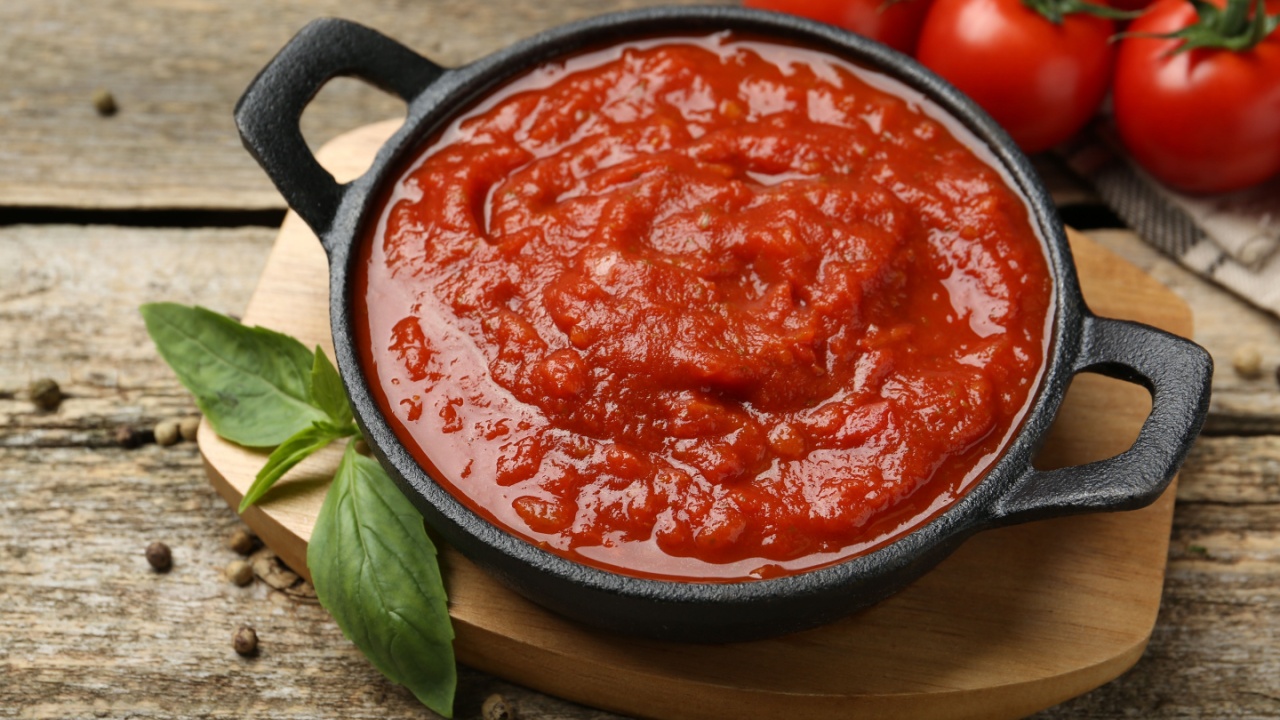
Homemade tomato sauce works as a base for pasta, pizza, soups, and braises, and it tastes noticeably fresher than jarred versions. Sauté onions and garlic in olive oil, add fresh or canned tomatoes along with basil, oregano, salt, and pepper, then simmer for an hour and blend until smooth.
Canned whole tomatoes bought in bulk cost far less per serving than premium jarred sauce, and a large batch freezes well for months. Buying tomatoes during the peak summer season pushes the savings even higher.
Make a double batch and portion it into freezer containers so a homemade dinner is always within reach. Adjusting the herb and spice levels each time gives the sauce a different character at no extra cost.
3. Nut Butter
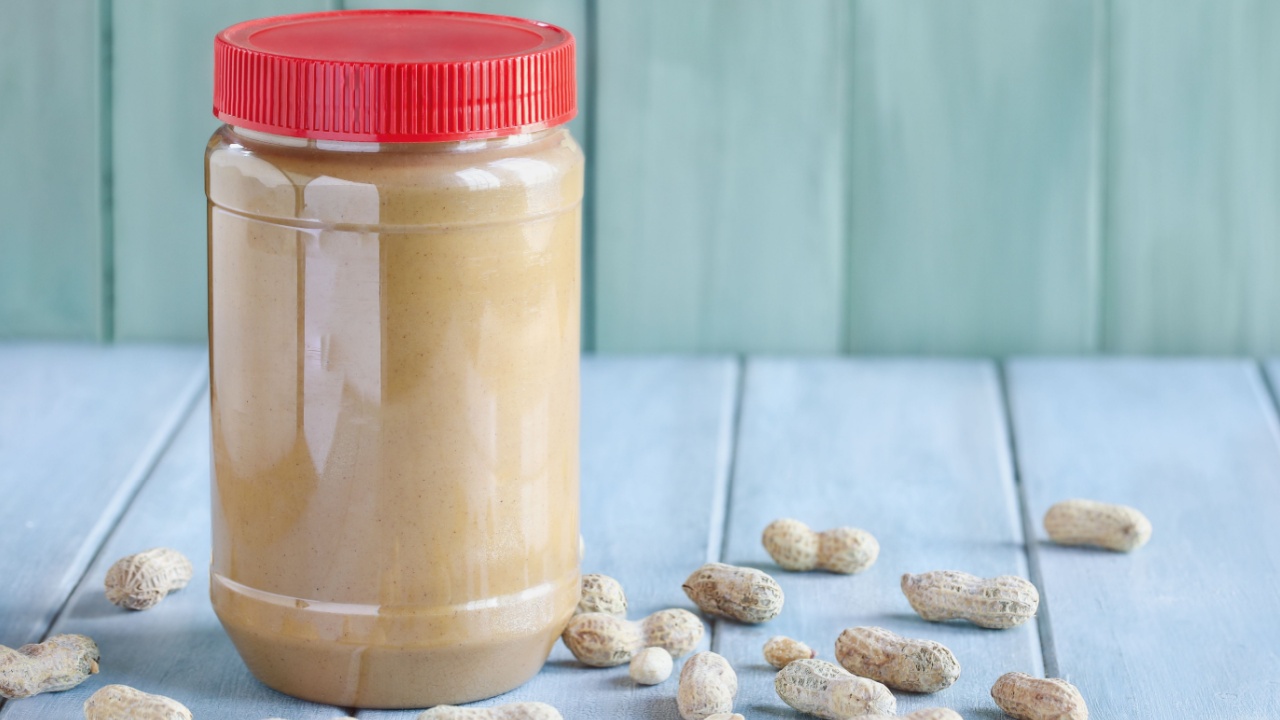
Jarred nut butters frequently contain added sugars, oils, and preservatives, and the natural varieties carry a premium price. A food processor handles the whole job at home. Roast your favorite nuts until lightly golden, then blend until smooth, adding a pinch of salt or a little honey to taste.
Buying nuts in bulk and grinding them yourself costs less than premium nut butter brands, and you control exactly what goes in the jar. The roasting step also deepens the flavor in a way most commercial products miss.
Try blending two kinds of nuts, or stir in a spoonful of cocoa for a sweeter spread. Store the finished butter in the fridge to keep the oils from going rancid.
4. Salad Dressings
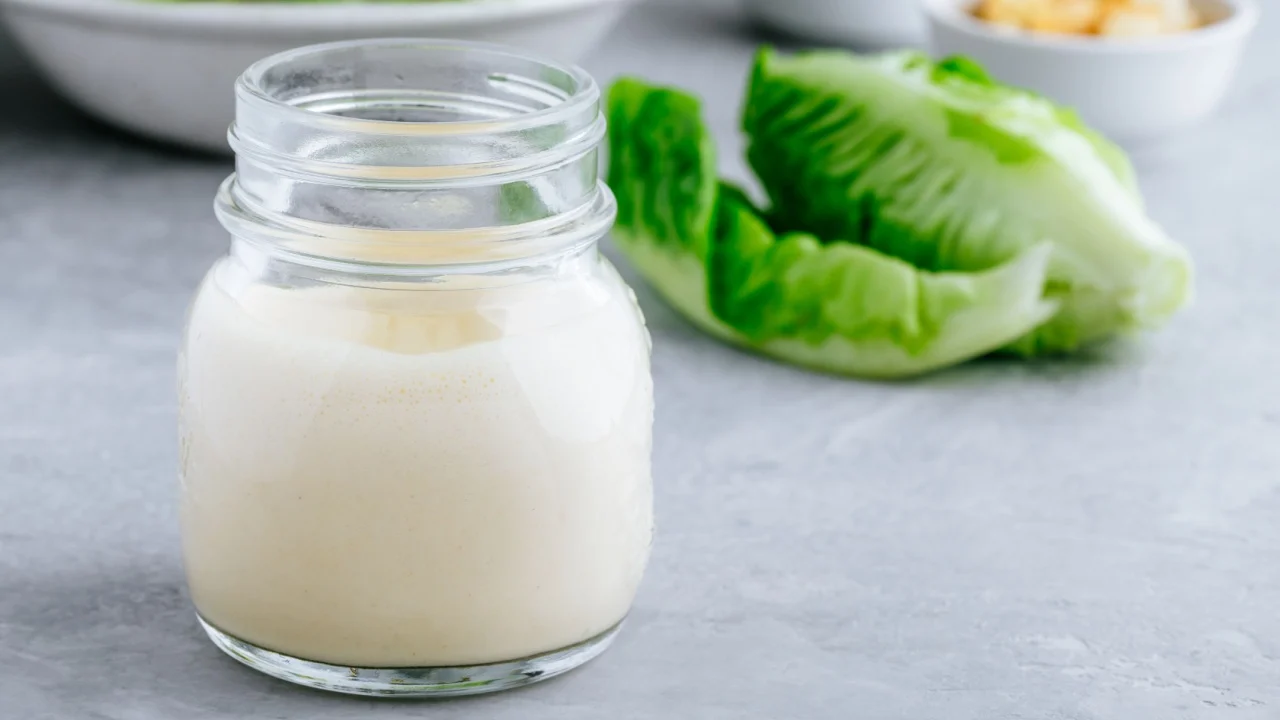
Bottled dressings cost several dollars each and tend to rely on stabilizers to stay shelf-stable. A homemade dressing comes together in the time it takes to find the bottle in the fridge. Whisk olive oil, vinegar, Dijon mustard, honey, garlic, and herbs into a quick vinaigrette.
The base ingredients are pantry items you likely already own, which makes each batch cheap to produce. One small jar of homemade dressing can replace multiple bottles of dressing over a month of salads.
Mix different vinegars and add-ins to build a small rotation of flavors. A clean jar with a tight lid doubles as both the mixing vessel and the storage container, since a good shake re-emulsifies the dressing before each use.
5. Spice Blends
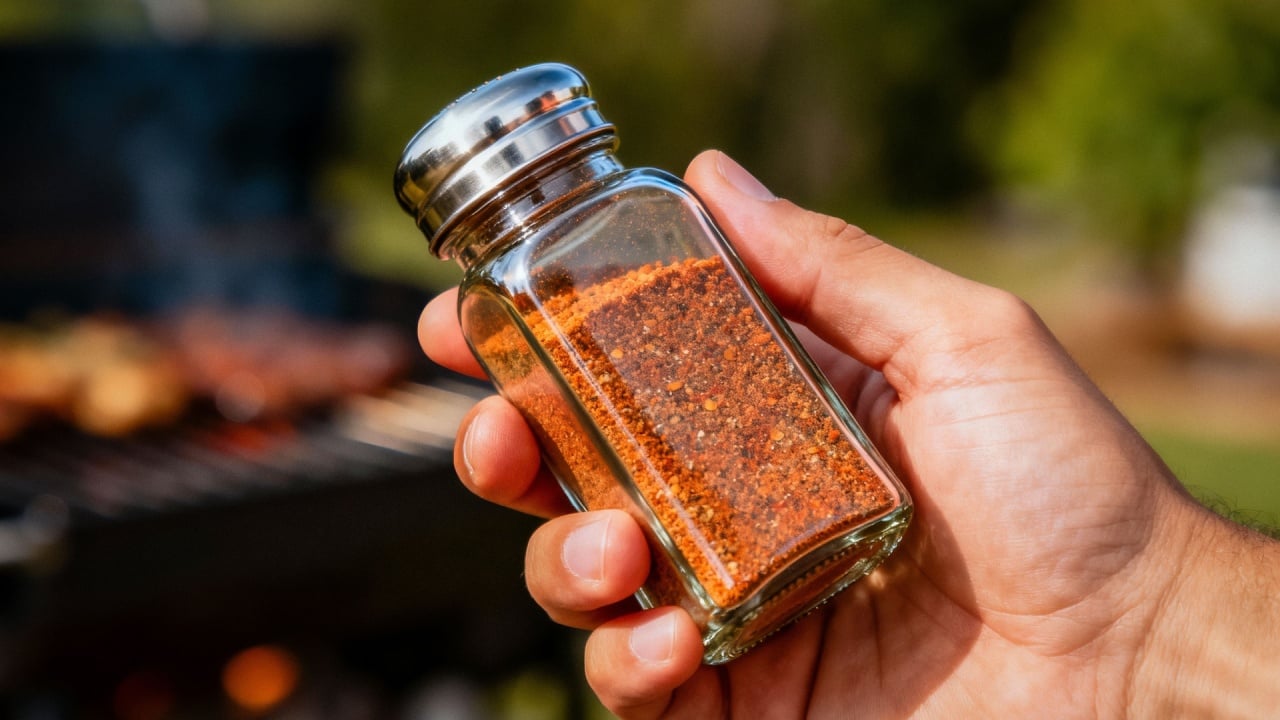
Pre-mixed seasonings like taco seasoning, Italian seasoning, and curry powder charge a premium for spices you may already have on the rack. Combining single spices at home gives you the same blends for less and lets you skip the anti-caking agents and excess salt. Mix your herbs, spices, and salt, then store the result in an airtight jar.
The cost advantage is significant because individual bulk spices stretch across many batches of the blend. A homemade taco seasoning, for instance, costs a fraction of the per-packet price at the store.
Scale the heat and salt to your own taste, and write the recipe on the jar so you can repeat your favorites. Buying whole spices and grinding them as needed keeps the blends fresher for longer.
6. Brown Sugar
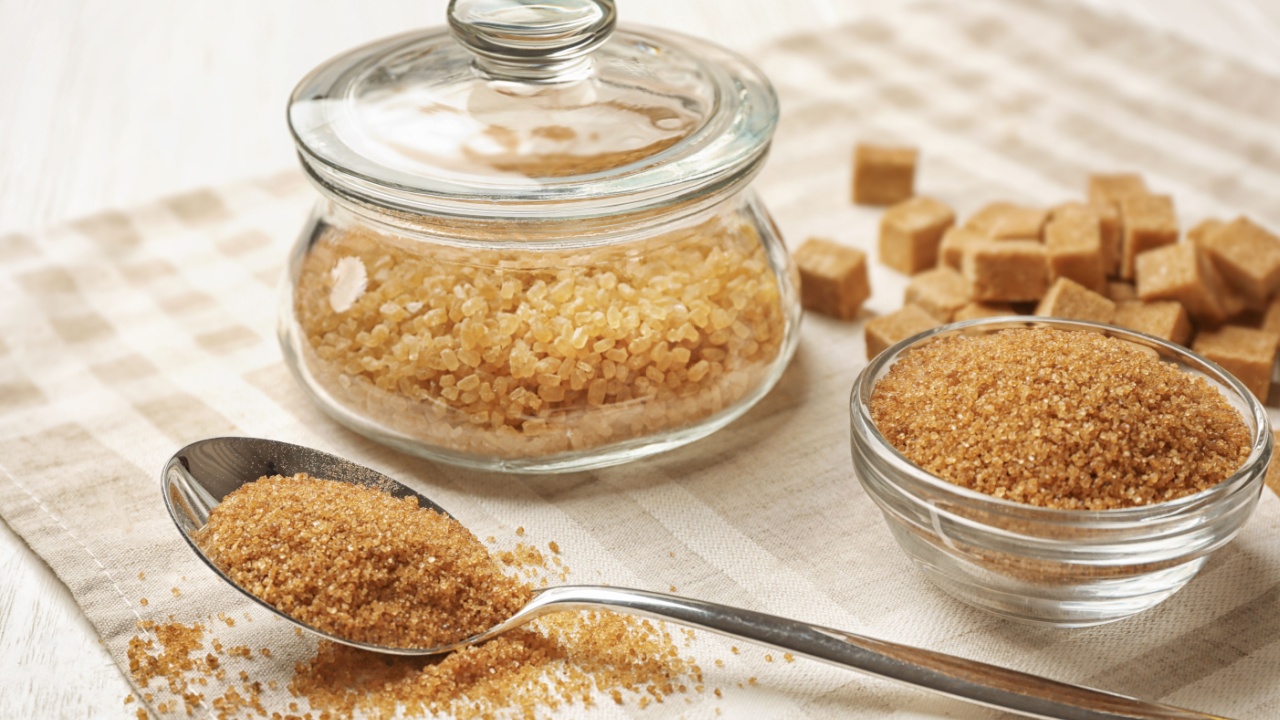
Running out of brown sugar mid-recipe is a common kitchen problem, and it turns out the fix takes two ingredients. Combine white sugar with molasses and mix until the color is even. Use more molasses for a darker, richer result.
Making it on demand means you never buy a separate bag that hardens before you finish it. A jar of molasses lasts a long time and produces far more brown sugar than its price suggests.
Store the finished sugar in an airtight container with a slice of bread to keep it soft. Adjusting the molasses ratio lets you switch between light and dark brown sugar whenever a recipe calls for one or the other.
7. Garlic Powder
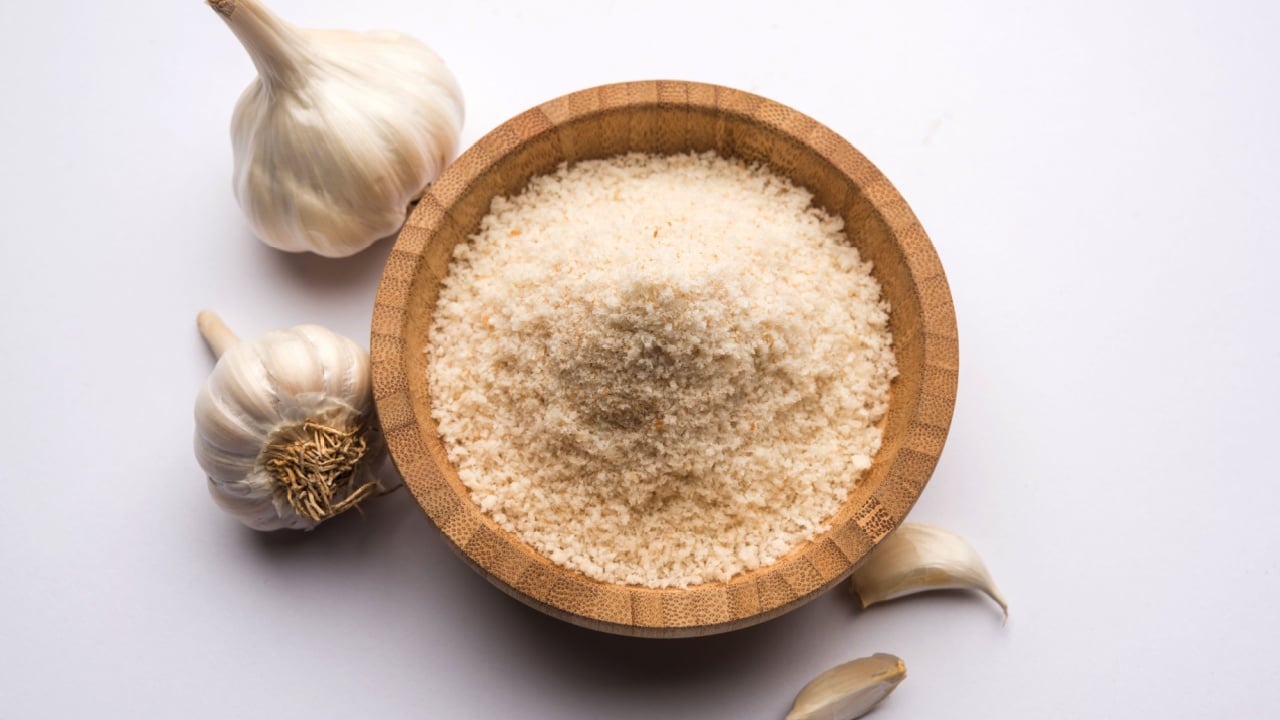
Dehydrated garlic and homemade garlic powder are easy to produce, and no special equipment is required. Slice the garlic thinly, dry it out fully, then grind it into powder. An oven on its lowest setting works if you don’t own a dehydrator.
The savings show up when garlic is cheap or when a bulb starts to sprout before you can use it. Turning fresh garlic into powder rescues it from the trash and gives you a shelf-stable staple.
Keep the powder in a small airtight jar away from heat and light to preserve its punch. The same drying method works for making garlic flakes if you stop before the grinding step.
8. Ranch Seasoning Mix
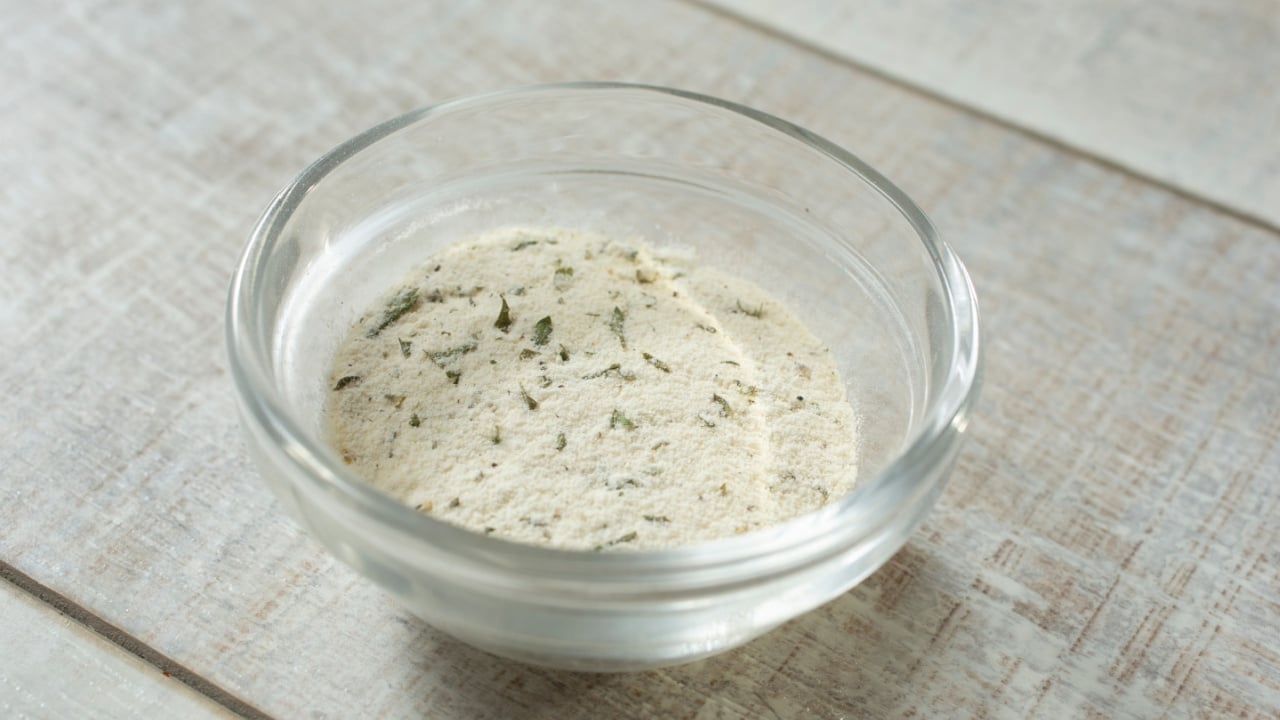
A copycat of the popular ranch packet lets you make dressing, dip, and a seasoning for chips, meats, and vegetables. Combining dried herbs and spices at home produces a mix that skips some of the additives found in commercial packets.
Each homemade batch costs less than buying individual packets, and a single jar covers many uses. Sprinkling it over roasted vegetables or popcorn stretches the mix well beyond dressing.
Store the dry blend in a sealed jar and stir a spoonful into sour cream or buttermilk when you want dressing. Keeping the powder on hand means dip is only a minute away.
9. Mayonnaise

Homemade mayo uses a handful of ingredients and comes together quickly with an immersion blender. The result is a creamy, flavorful spread for sandwiches, dips, and salads like tuna or potato.
Making it yourself uses eggs and oil you already keep around, which costs less than premium jarred mayo. You also avoid the additives in many commercial brands.
Use the finished mayo within about a week and keep it refrigerated, since it lacks the preservatives of store versions. A squeeze of lemon or a clove of garlic turns the base into a flavored spread.
10. Biscuit and Baking Mix

An all-purpose baking mix made from about five ingredients replaces the boxed versions and works for biscuits and more. Combining flour, leavening, salt, and fat ahead of time means warm biscuits are minutes away whenever you want them.
The mix costs less than branded baking mixes and produces a large quantity from basic pantry staples. Having it ready also cuts down on weekday cooking time.
Store the mix in an airtight container and scoop out what you need for each batch. The same base adapts to pancakes, dumplings, and quick savory toppings.
11. Breadcrumbs
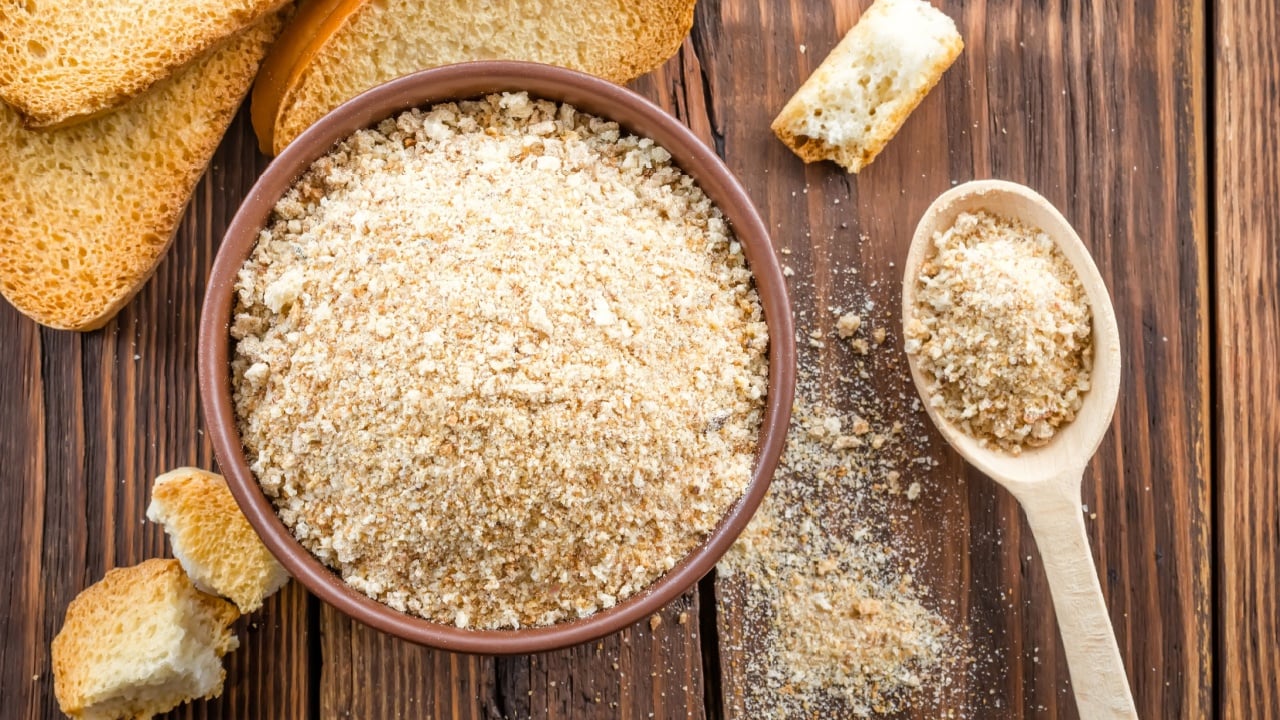
Every kitchen runs through breadcrumbs, and making them at home turns stale bread into a useful ingredient instead of waste. Dry out the bread, then process it into regular or panko-style crumbs for a crispy coating on chicken or a binder for meatloaf.
The cost is essentially nothing since the bread would otherwise be thrown out. A bag of homemade crumbs replaces the store-bought canisters that often go stale before they’re used up.
Freeze the crumbs to keep them fresh and grab what you need straight from the bag. Seasoning a portion with dried herbs gives you an instant coating mix.
12. Chicken Bone Broth
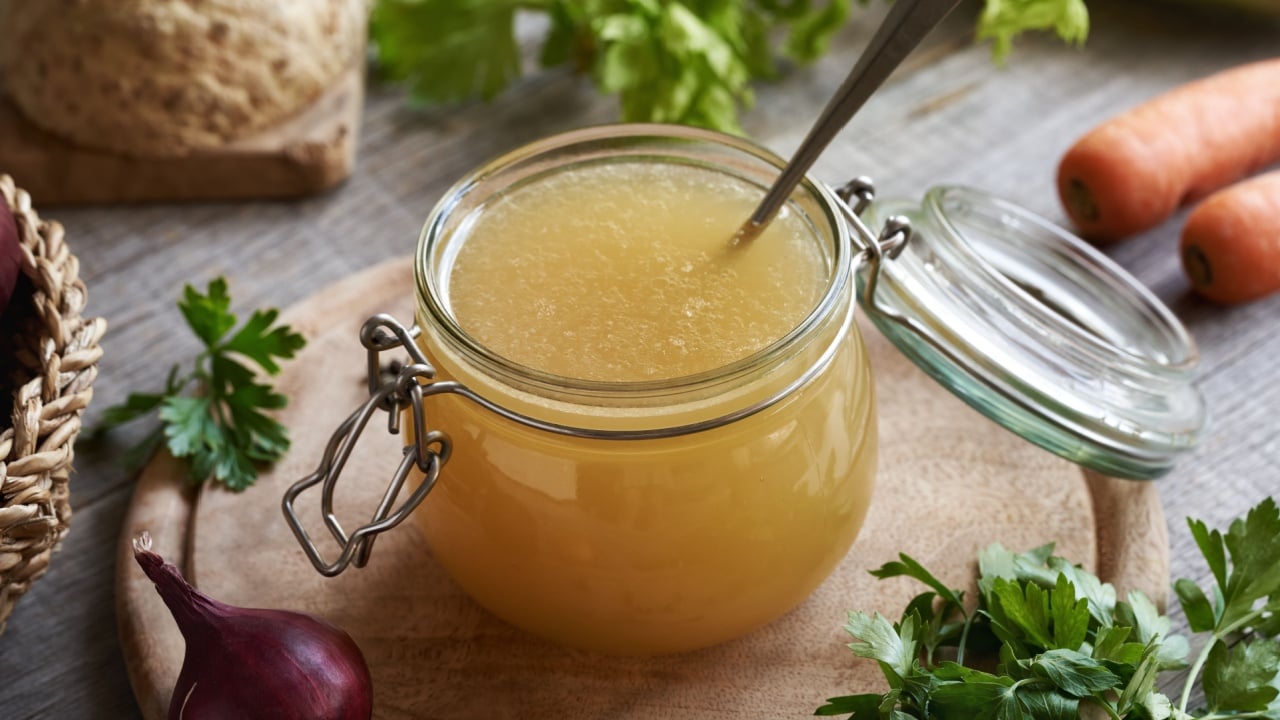
Bone broth made in a pressure cooker is an easy money saver and can come out healthier and tastier than the cartons sold in stores. It works well for soups, stews, and low-carb cooking, and it makes good use of the bones left after roasting a chicken.
Saving the carcass from a roast chicken means the broth costs next to nothing in added ingredients. A single batch yields several jars that freeze well for later.
Strain the broth and store it in jars or freezer-safe containers, leaving room for expansion if freezing. A pot of homemade soup starts with a jar of this on hand.
13. Granola
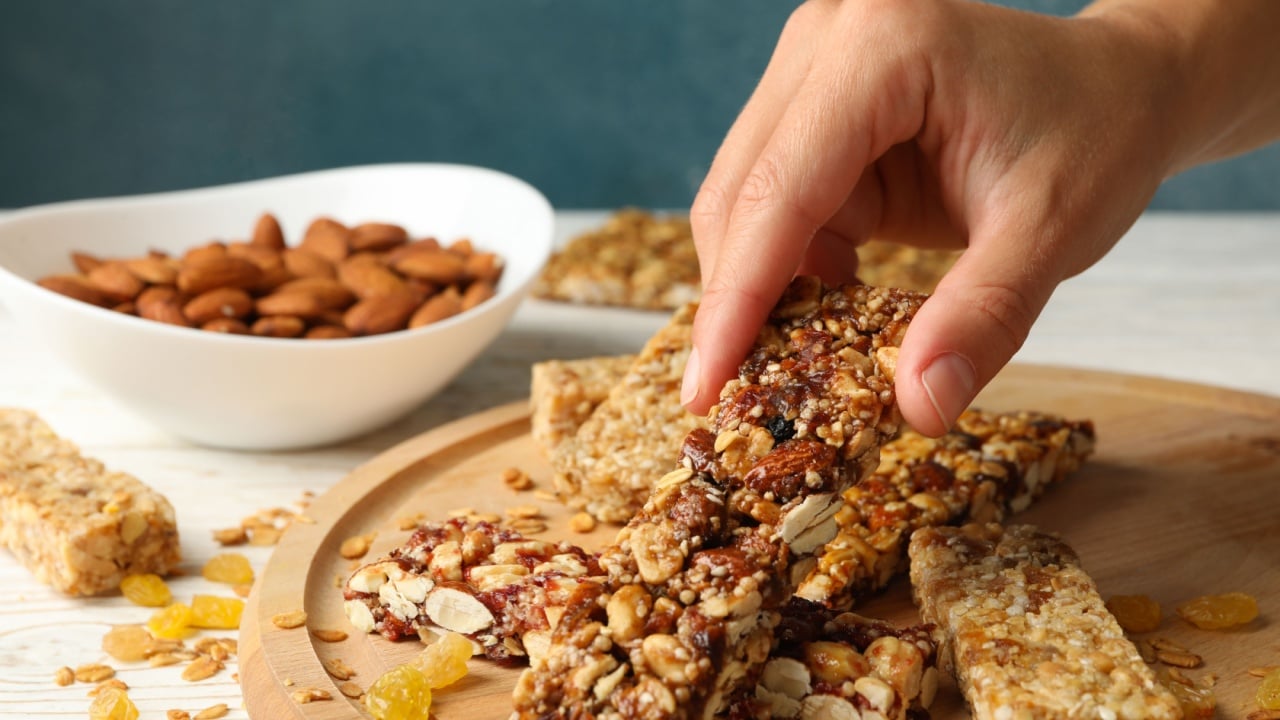
Boxed granola carries a high price for what amounts to oats, nuts, and a sweetener. A homemade batch is crunchy, customizable, and far cheaper. Toss oats with nuts, a little oil, and a sweetener, then bake until golden.
Buying oats in bulk drives the per-serving cost well below packaged granola, and the recipe scales easily for a big batch. You also control the sugar level and the mix-ins.
Store the cooled granola in an airtight container to keep it crisp, and add dried fruit after baking so it stays chewy. A jar on the counter covers breakfast and snacks for weeks.
14. Hot Sauce

Bottled hot sauce is easy to replicate at home, and a single batch can replace repeated trips to the store for new bottles. Simmer chili peppers with vinegar and aromatics, then blend the mixture into a pourable sauce.
The ingredients are inexpensive, especially when peppers are in season or growing in a backyard garden. One batch fills several bottles for the price of a single store version.
Adjust the heat and acidity to build a signature sauce, and store it in clean bottles in the fridge. Letting the flavors mellow for a few days before the first taste often improves the result.
Stocking the Cupboard

These staples cover sauces, mixes, seasonings, and spreads, which means a well-rounded pantry is within reach without the markup of packaged goods. Many of them also rescue ingredients that would otherwise go to waste, from chicken bones to stale bread to sprouting garlic.
The simplest way to begin is to look at what gets bought most often and replace one or two of those items with a homemade version. Mason jars and a few basic tools handle most of the work, and the savings build as more of the cupboard gets made from scratch. Grab a recipe that matches tonight’s dinner and give it a try.