
13 Grocery Items You Should Stop Buying and Start Making
With grocery prices climbing higher and higher, many of us are starting to rethink our weekly shopping trips. It feels like every visit to the checkout counter brings a new, unwelcome surprise, forcing families to get creative with their budgets.
If you look closely at your receipt, you’ll notice that packaged goods are a big part of the problem. We pay a premium for the convenience of pre-made items and recognizable brand names, but the ingredients inside often cost just a fraction of the final price. These hidden costs for manufacturing, packaging, and transport add up.
The good news is, there’s a simple way to fight back against rising costs: start making more of your daily staples in your own kitchen. By preparing food at home, you bypass all those extra fees, and the savings can accumulate surprisingly quickly across your entire grocery list. (And it’s easier than you think when you batch cook, too.)
Ready to see how much you can save? Here are thirteen popular grocery items that people are making from scratch to keep their budgets in check. A secondary benefit often turns into knowing exactly what goes into your food as well.
1. Sandwich Bread

A standard loaf of bread may seem simple, but its price tag can be surprisingly high. The basic ingredients, flour, water, yeast, and salt, cost just pennies per serving. Mixing these up at home can lead to massive savings over just a few months.
While baking bread does take a bit of time, you don’t have to be a professional baker to get it right. Modern bread machines and simple no-knead recipes have made the process easier than ever, removing most of the physical labor. The money you’ll save makes it a rewarding habit to pick up.
Cutting back on pricey store-bought grain products can free up your grocery budget for other things, like higher-quality proteins. Slicing into a warm, homemade loaf isn’t just satisfying; it’s also a great value that skips out on preservatives and dough softeners.
2. Salad Dressing
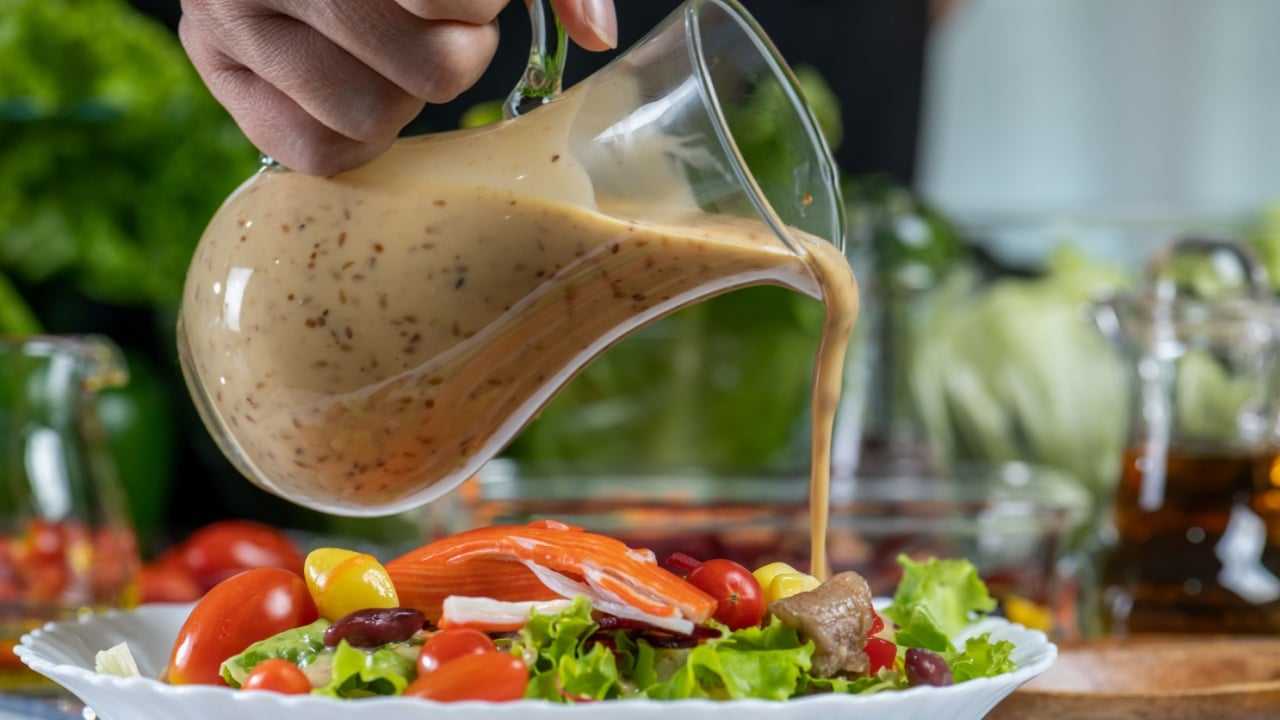
Store-bought salad dressings are often expensive and filled with cheap oils, preservatives, and water. Making your own at home with simple oil and vinegar costs a fraction of the price and is easier than you think.
A classic vinaigrette, for example, can be made in a jar in just a few seconds with ingredients you likely already have. By making your own, you’re not just saving money, you’re also avoiding the artificial stabilizers and fillers common in bottled options.
This simple switch makes enjoying fresh salads much more affordable without sacrificing flavor.
3. Hummus
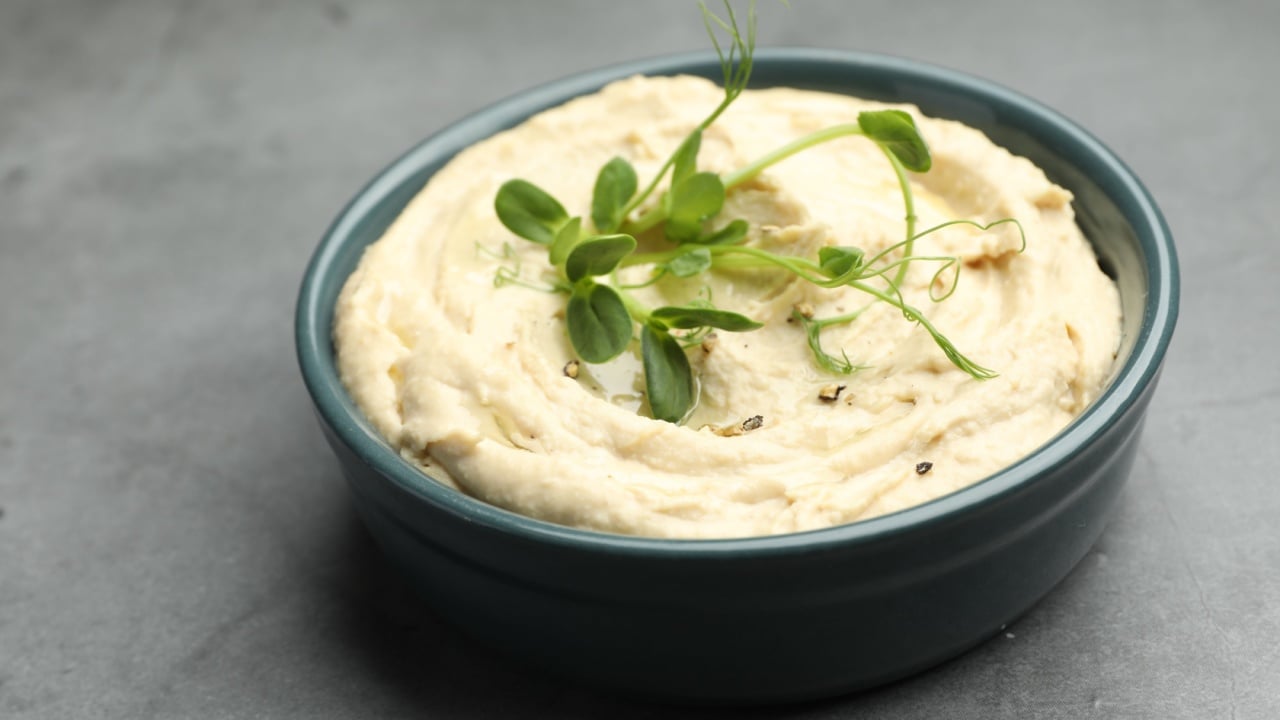
Why pay a premium for a small plastic tub of dip? Making hummus at home is cost-effective and also incredibly simple. A can of chickpeas, a spoonful of tahini, a little garlic, and a squeeze of lemon are all you need. Blend them for a few minutes in a food processor, and you’ll have a much larger portion of fresh, creamy hummus for a fraction of the store-bought price.
The real savings come when you start with dried chickpeas. Buying them in bulk and cooking them yourself drops the cost to mere pennies per serving. It might seem like an extra step, but it’s a game-changer for your budget.
The math is simple: homemade hummus is a clear winner for both your wallet and your taste buds. It’s perfect for dipping veggies, spreading on sandwiches, or pairing with pita bread.
4. Granola
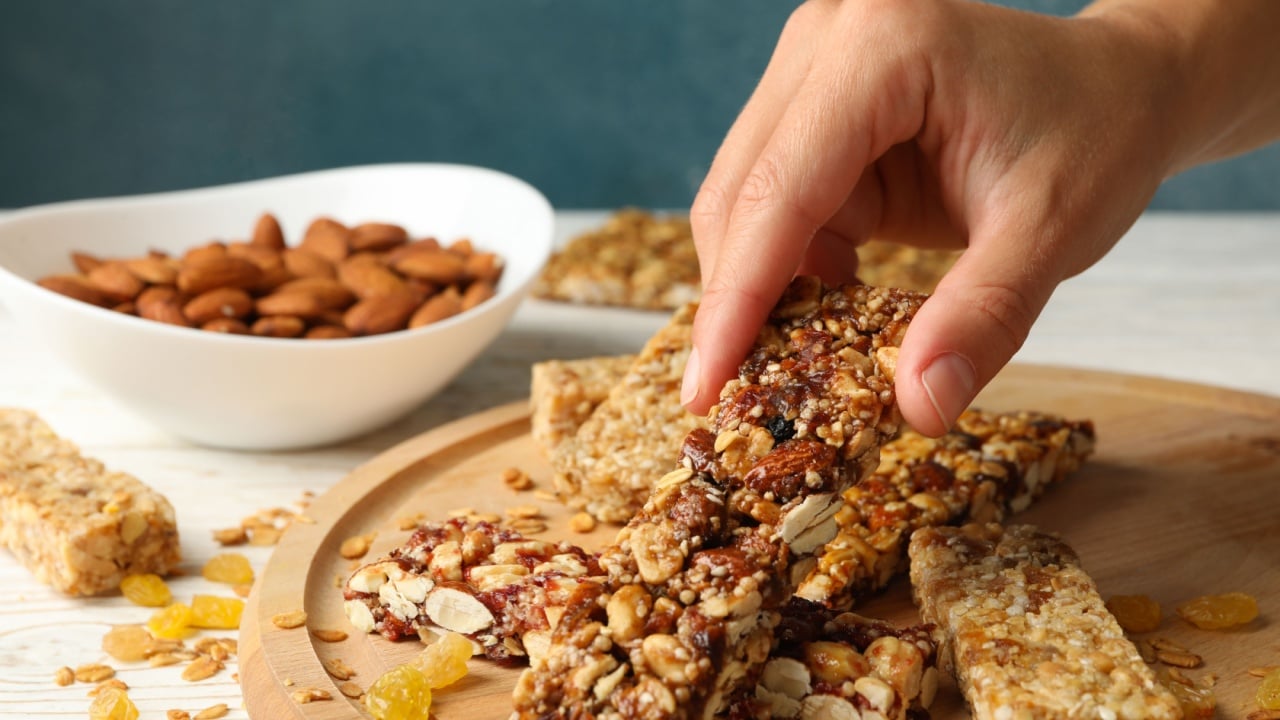
Specialty granolas and cereals often come with a hefty price tag, targeting health-conscious shoppers with fancy packaging. But at its core, granola is just rolled oats, a sweetener like honey or maple syrup, and a bit of oil, all baked until golden. Making a large batch on a sheet pan costs about the same as a single small bag from the store.
The process couldn’t be easier and requires minimal effort for a huge reward. The best part is the freedom to customize. Don’t like raisins? Leave them out! Want to add more almonds, chia seeds, or coconut flakes? Go for it. You can create your perfect blend while saving money and avoiding the unnecessary sugars and preservatives found in many commercial brands.
A large jar of homemade granola on your counter not only looks inviting but also represents significant weekly savings. Your breakfast and snack routines become incredibly affordable, and you get to enjoy a fresher, more delicious product that’s tailored exactly to your liking.
5. Chicken Broth

Cartons of broth and stock are convenient, but they represent one of the biggest markups in the supermarket. You’re essentially paying for salty water. Making your own broth costs nothing because it’s made from things you’d otherwise throw away: leftover chicken bones and vegetable scraps like onion skins, carrot peels, and celery ends.
Keep a bag or container in your freezer and toss in scraps as you accumulate them. Once it’s full, put everything in a large pot, cover it with water, and let it simmer for a few hours. The result is a rich, flavorful broth that’s far superior to anything in a box, and it was practically free.
This simple habit transforms kitchen waste into a valuable asset. Store your homemade broth in jars in the fridge or freezer, and you’ll have a ready supply for soups, stews, and sauces. You’ll save money, reduce food waste, and elevate the flavor of your cooking all at once.
6. Pasta Sauce
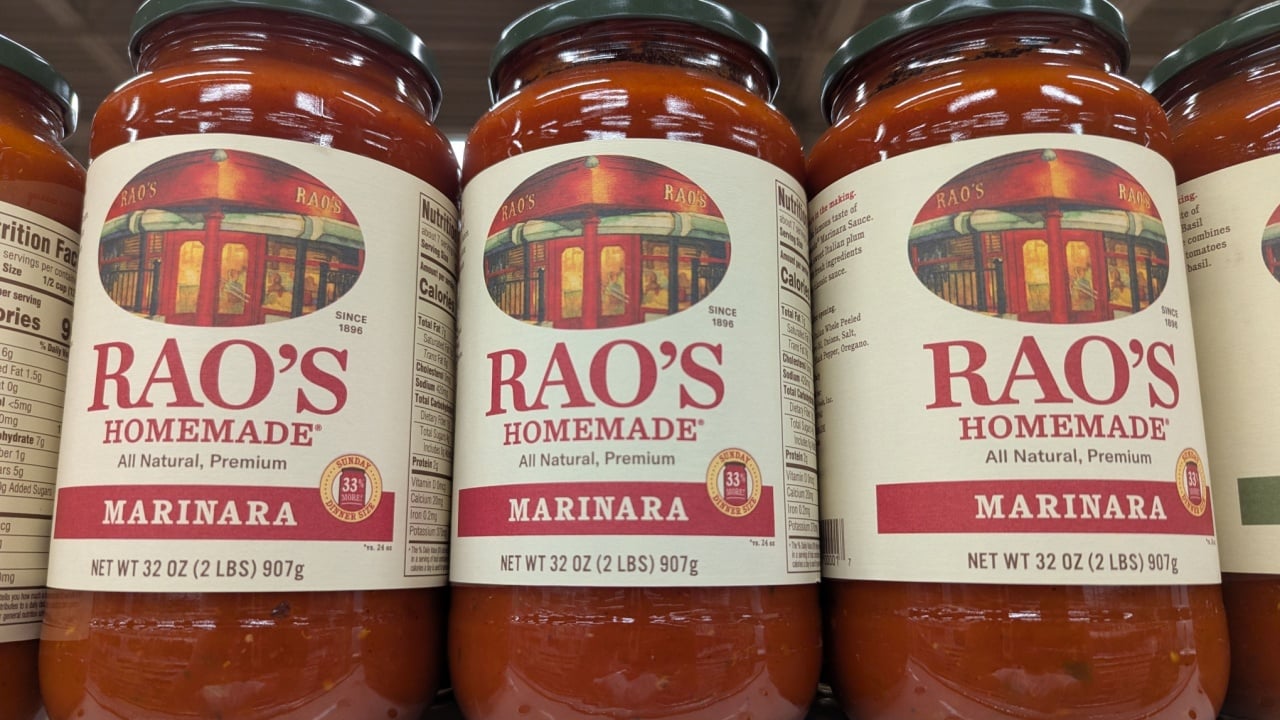
A good jar of marinara sauce can be surprisingly expensive, with prices often driven by brand names rather than quality. But a delicious, robust pasta sauce is easy to make from scratch with just a few basic ingredients. A large can of crushed tomatoes, some garlic, onion, and herbs simmered on the stove will produce a sauce that tastes better and costs less than most store-bought options.
Making a big pot of sauce requires very little hands-on time; just let it simmer away while you do other things. It’s also perfect for batch cooking. Freeze the extra portions in containers or bags for quick and easy weeknight meals.
You’ll avoid the high markup on glass jars and factory processing while having a delicious, homemade sauce ready whenever you need it.
7. Nut Butter
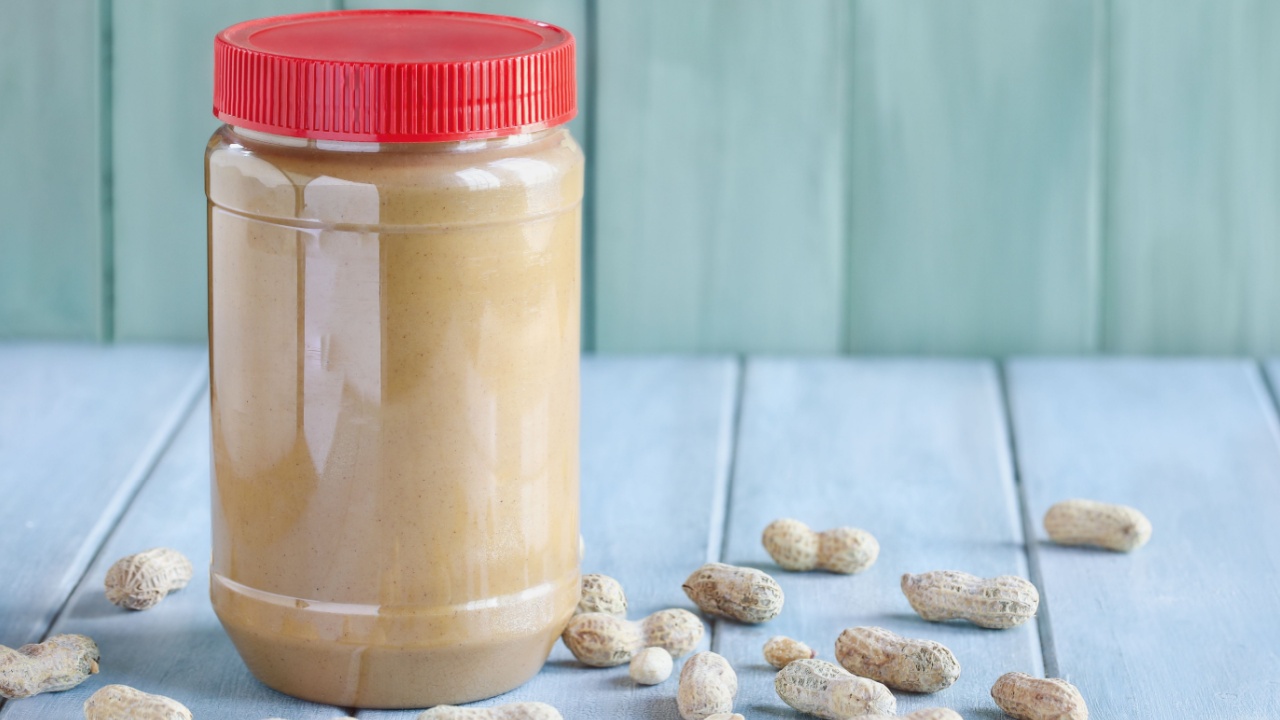
If you’re a fan of almond, cashew, or peanut butter, you know how quickly those little jars can drain your grocery budget. The secret is that you’re paying a huge premium for the convenience of having someone else blend the nuts for you. By purchasing raw or roasted nuts in bulk, you can make your own nut butter for a much lower price.
All you need is a food processor. Simply toss in the nuts and let the machine work its magic. In a few minutes, the nuts will break down and release their natural oils, transforming into a smooth, creamy spread. You can add a pinch of salt or a touch of honey if you like, but it’s delicious on its own.
The resulting nut butter is cheaper, fresher, and healthier, with no added oils or sugars unless you put them there. Keeping expensive jars out of your shopping cart makes a real difference, allowing you to enjoy your favorite sandwiches and snacks without the financial guilt.
8. Croutons
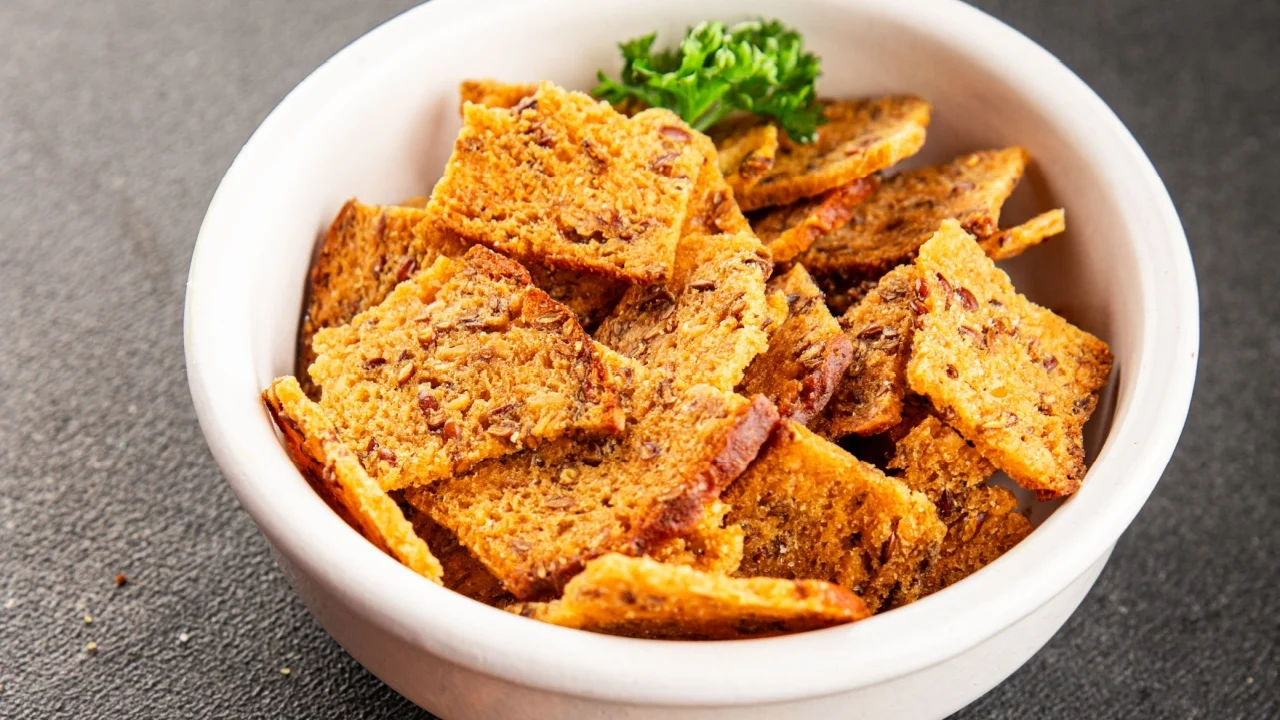
Buying a bag of seasoned bread cubes might seem like a small purchase, but you’re paying a premium for what is essentially stale bread. Making your own croutons is a fantastic way to use up leftover bread that’s a day or two past its prime. It’s a simple trick that turns a potential waste product into a delicious salad or soup topping.
Just cut your old bread into cubes, toss them with a little olive oil and your favorite seasonings (garlic powder, salt, and herbs work great), and bake them until they’re golden and crispy. It takes just a few minutes of effort and rescues food that might have otherwise ended up in the trash.
This simple act of repurposing food directly lowers your grocery bill. You’ll never have to pay for overpriced, dehydrated bread cubes again, and your salads and soups will be instantly upgraded with the superior flavor and crunch of homemade croutons.
9. Cold Brew Coffee

The price of cold brew at coffee shops and even in bottles at the grocery store can be astronomical. What you may not realize is that you’re paying for a beverage that is incredibly simple and cheap to make at home. All it involves is steeping coarse-ground coffee in cold water overnight. No special equipment, no electricity, just time.
Combine ground coffee and water in a jar, let it sit on your counter or in the fridge for 12-24 hours, and then strain out the grounds. The resulting concentrate is smooth, low in acidity, and ready to be diluted with water or milk.
A single bag of coffee beans can produce gallons of cold brew concentrate, making your morning caffeine fix economical. Skipping the daily coffee shop run can add up to hundreds of dollars in savings annually.
10. Pizza

Whether you’re ordering delivery or buying frozen pizza, it can take a surprisingly large bite out of your budget. Making pizza from scratch, however, is one of the most budget-friendly meals you can imagine. The basic ingredients for pizza dough, like flour, water, yeast, and salt, cost just pennies and can be transformed into a delicious crust.
Learning to stretch the dough is a quick skill to pick up, and the raw ingredients for a massive, family-sized pizza often cost less than a single slice from a pizzeria. Top it with a simple homemade tomato sauce, some cheese, and whatever veggies or proteins you have on hand. Baking it on a hot pizza stone or an inverted baking sheet can help you achieve that perfect restaurant-style crust.
Making pizza at home keeps your Friday night tradition firmly within budget and allows for endless customization. It’s a fun activity for the whole family and provides massive financial relief compared to its expensive takeaway counterparts.
11. Pesto
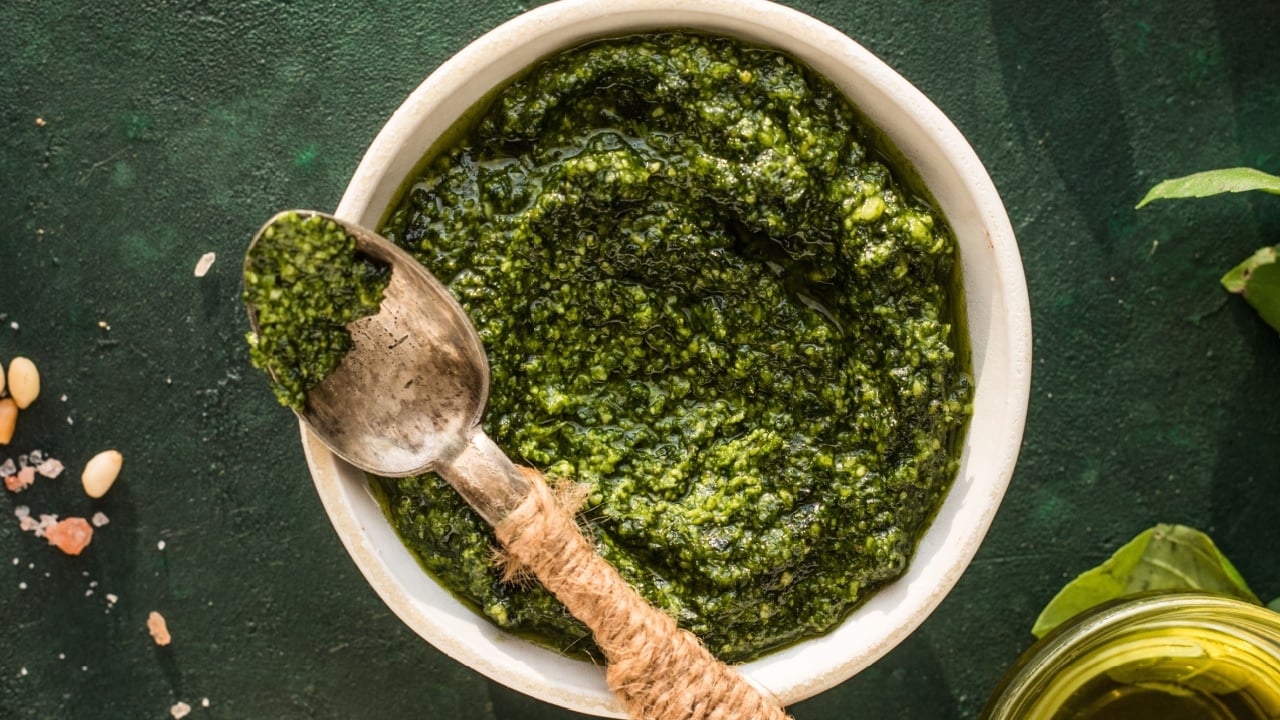
Those tiny jars of pesto in the grocery store are notoriously expensive, especially considering the simple ingredients. Traditional pesto is just fresh basil, pine nuts, garlic, Parmesan cheese, and olive oil, but you can make delicious, budget-friendly versions by being creative. Blending fresh greens with oil and nuts will always be cheaper and tastier than buying them pre-made.
To make it even more affordable, grow a small basil plant on your windowsill for a near-endless supply. You can also swap the pricey pine nuts for more economical alternatives like walnuts or sunflower seeds. Even using other greens like spinach or arugula can result in a delicious and unique pesto. A food processor does all the work in seconds, creating a vibrant sauce that’s bursting with fresh flavor.
Pasta dishes instantly become more affordable when you have homemade pesto on hand. A great tip is to freeze extra pesto in ice cube trays. This preserves its fresh flavor for months and gives you perfectly portioned amounts to toss with pasta, spread on sandwiches, or dollop on roasted vegetables whenever you need them.
12. Guacamole
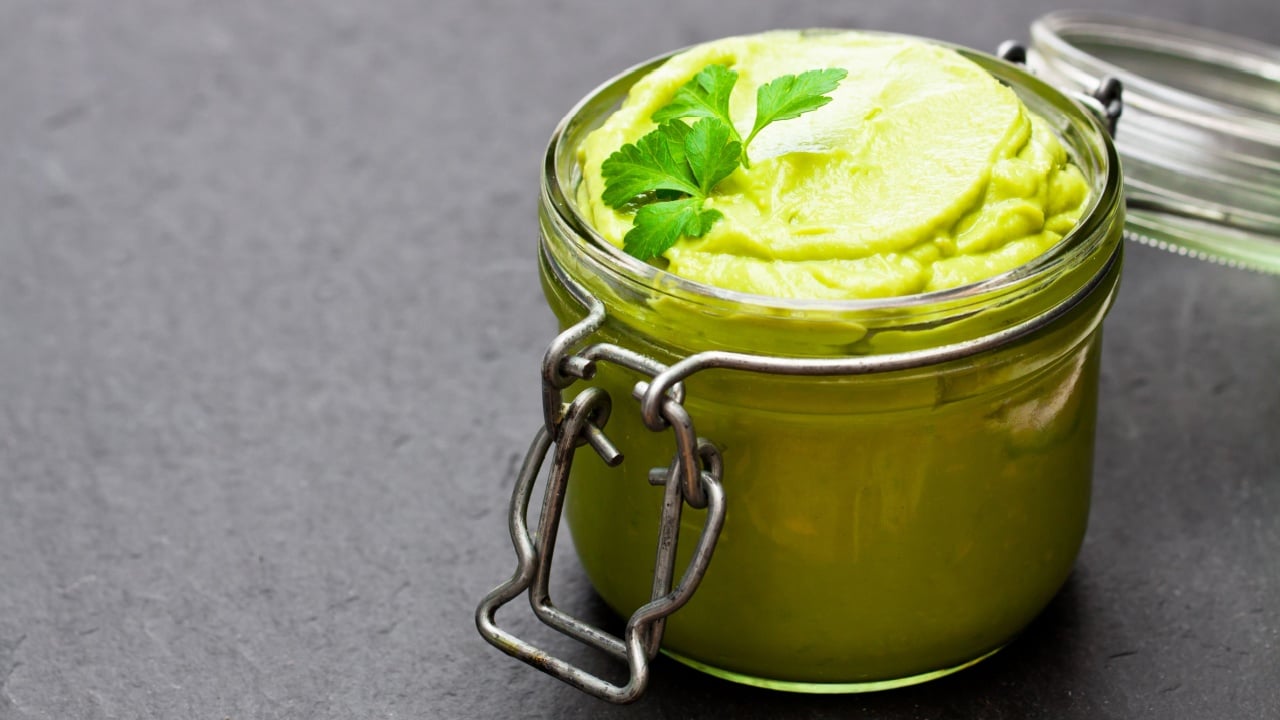
Everyone knows the disappointment of buying pre-made guacamole only to find it brown and unappetizing by the time you get it home. On top of that, it’s incredibly expensive for what you get.
Guacamole is simply mashed avocados with some lime juice, salt, and maybe some onion and cilantro. Making it yourself means you’re paying the actual cost of the produce, not for the plastic container and processing.
The key to great guacamole is freshness, which is something you can only guarantee when you make it yourself. By mashing the avocados right before serving, you get the best flavor and color.
13. Tortillas
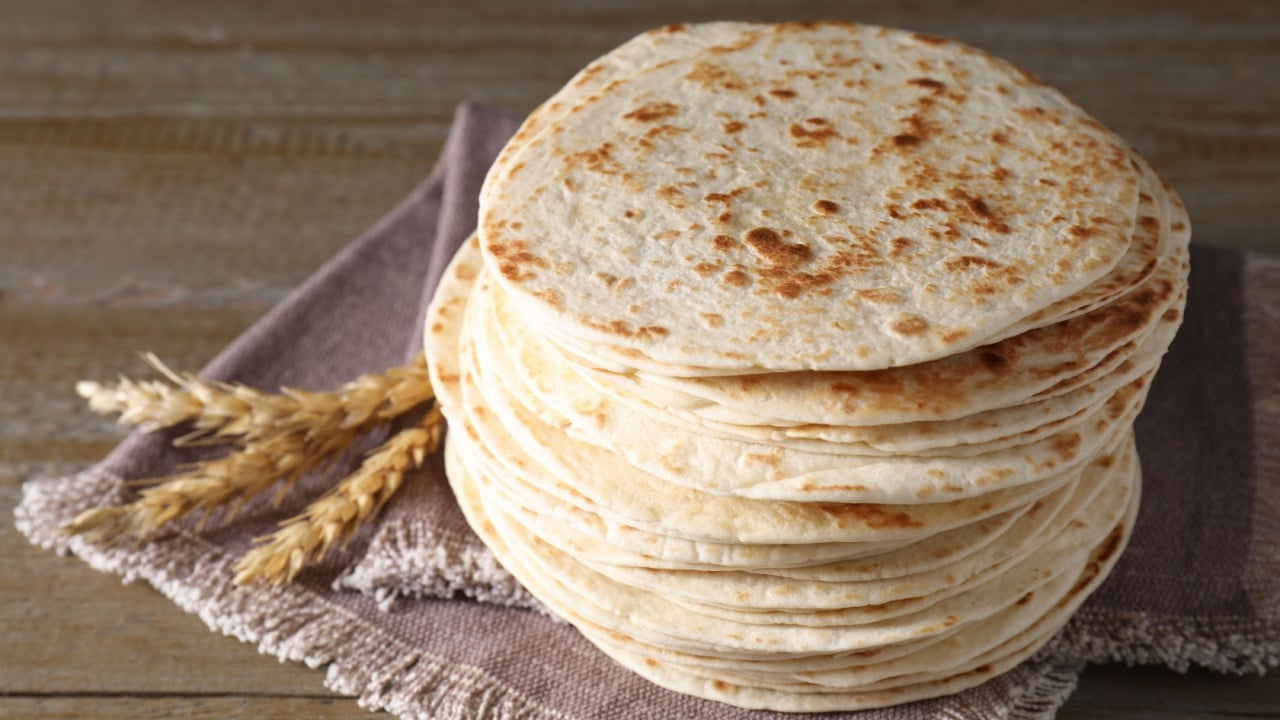
Packaged tortillas are a staple in many kitchens, but they offer convenience at the expense of value and taste. Homemade flour tortillas are surprisingly easy to make and require just four basic ingredients: flour, water, a little fat (like oil or lard), and salt. With these simple components, you can make dozens of fresh, soft tortillas for pennies.
While rolling them out takes a little practice, it quickly becomes a simple rhythm. You cook the dough in a hot, dry pan for about a minute on each side. The cost of the raw ingredients is minuscule compared to the price of retail bags, allowing a family to enjoy tacos, burritos, and quesadillas all week on a remarkably small budget.
The difference in taste between a fresh, warm homemade tortilla and a store-bought one is evident. Having the basic ingredients on hand ensures that cheap, delicious meals are always just a few minutes away, and the incredible flavor is the perfect reward for your efforts.
Your Kitchen Is Your Secret Weapon

Taking control of your grocery bill doesn’t mean you have to give up your favorite foods. As you’ve seen, many of the packaged items we rely on can be easily and affordably recreated at home.
By investing a little time in your kitchen, you’ll not only cut costs but also enjoy fresher, healthier food free from unwanted additives. It’s a rewarding journey that empowers you to beat inflation, one delicious, homemade staple at a time.
Read More:
Money and Health: 12 Grocery Items That Aren’t Worth the Cost
Slash the Grocery Bill in Half by Leaving These 8 Items on the Shelf