“Just Tell Me What to Do:” A Husband Shares Why He No Longer Needs His Wife to Give Him a Chore List
Most marriages have an invisible ledger. One partner tracks what needs to be done, and the other waits to be told. It is a quiet imbalance that rarely gets named out loud, but it is felt every single day.
Dobetterjonathan, sharing his story on a Facebook reel, put it plainly. He says he used to ask his wife for a weekly chore list, claiming he did not know what needed to be done. Then he had an honest moment with himself and admitted that it was not actually true.
He admitted that he wasn’t actively choosing to notice. He was not prioritizing the household, so tasks went unnoticed until someone pointed them out. His wife was left carrying the mental weight of tracking, delegating, and reminding while also doing her own share.
What changed for him was simple. He stopped waiting to be handed a list and started paying attention. This article takes that idea further and looks at the specific habits that help a partner show up without being asked.
Noticing What Needs to Be Done Without Being Prompted
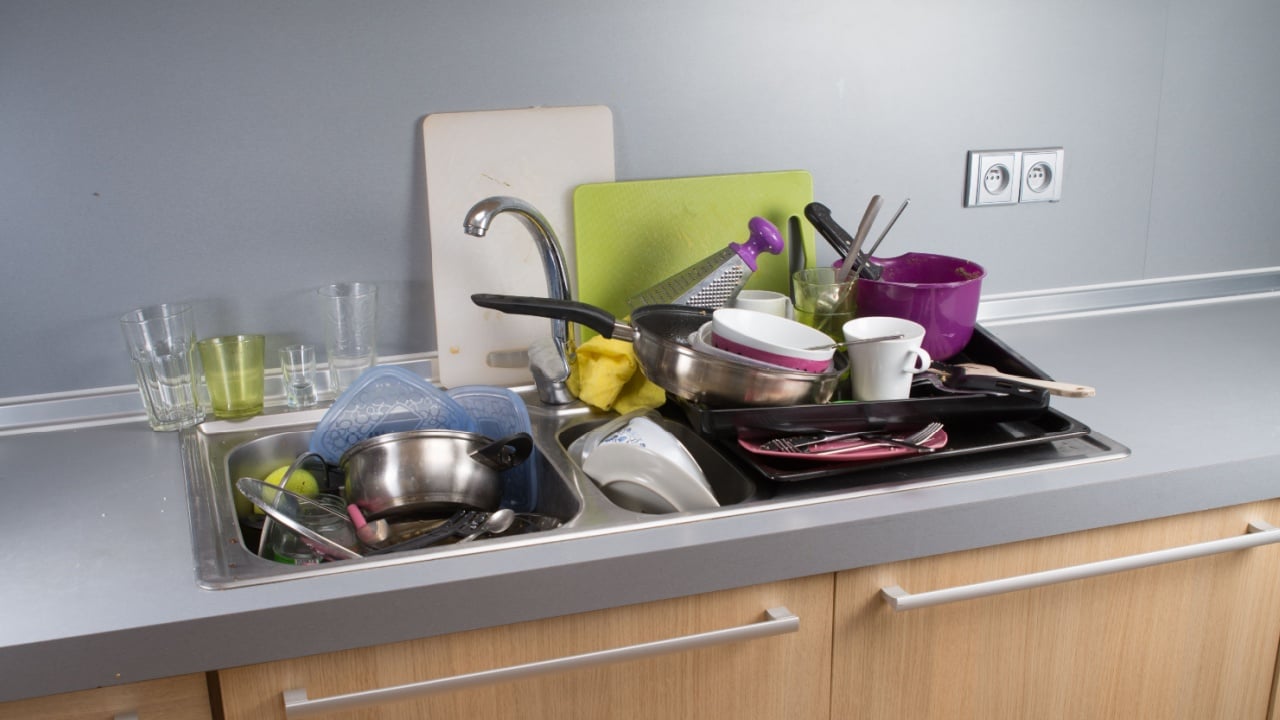
The first shift is learning to see the home the way someone who manages it sees it. A dish left in the sink, a pile of mail on the counter, and an almost full bin; these are all things that register clearly to one partner and barely at all to the other.
That gap is not always about effort or care. It is often about habit and attention. The husband in the reel described starting to notice the bed needing to be made and simply making it.
He didn’t need a list or a nudge. He simply looked at the space he lived in and responded to what he saw. That habit of noticing is the foundation on which everything else is built. Without it, even good intentions go nowhere.
Treating the Home as a Shared Responsibility, Not a Division of Labor
Many couples fall into a system where certain tasks belong to one person, and others belong to another. That arrangement can seem fair on paper, but it creates blind spots.
If the dishes are “her job,” a partner stops seeing them as something they could just handle. A more honest frame is that the home belongs to both people, so everything in it is the shared concern of both.
The reel put it directly: “Because I live here too.” That is not a small statement. It is a complete shift in how responsibility is held. When that idea takes root, a partner stops needing a list because the whole house is already on their radar.
Picking Up Clutter Without Waiting for It to Pile Up
Clutter is one of the most low-grade, consistent sources of friction in a home. It rarely feels urgent enough to address immediately, which is exactly why it builds.
One partner tends to let it accumulate until it becomes impossible to ignore. The other partner watches it grow and feels the weight of it long before that point.
The habit of picking up as you move through a space is small, but its effect is significant. Something on the stairs gets picked up and put away. A jacket left on a chair gets hung up.
These are thirty-second actions that, done consistently, change the entire feeling of a home. They also remove the need for one partner to be the person who finally says something.
Building Awareness Around the Mental Load
Mental load refers to the cognitive work of managing a household. Remembering that the toilet paper is running low, knowing when the school form is due, and tracking what is in the fridge before a grocery run.
This kind of invisible labor is exhausting, and it almost always falls unevenly. A partner who starts to carry more of that awareness does something significant for the relationship.
They stop making their spouse the default manager of every household detail. It takes practice to build that kind of awareness if it has never been a habit, but it is learnable.
Paying attention, writing things down, and taking ownership of specific areas of the home are all ways to start spreading that load more evenly.
Taking Initiative Instead of Waiting to Be Told
Waiting to be told what to do in a shared home is a passive stance, and it puts the other person in the uncomfortable role of supervisor. No one wants to feel like a manager in their own marriage.
When a partner consistently waits for direction, even when they have the time and ability to act, it signals that the home is not equally theirs to care for.
Initiative looks like cleaning the bathroom because it needs cleaning, not because someone mentioned it. It looks like taking out the bins before they overflow, not after a frustrated comment.
It looks like finishing a task rather than halfway. These are not grand gestures. They are steady, reliable actions that communicate respect for the shared space and for the person who has been managing it alone.
The List No One Should Have to Write
There is a kind of emotional fatigue that comes from being the person who always has to ask. It is not anger, exactly. It is more like a slow exhaustion from knowing that if you stop managing, things will start to fall through.
A partner who removes that burden, without being prompted, gives something real and lasting to the relationship. The habits in this article are not complicated, but they do require a consistent choice to stay present in the home.
Noticing, acting, and following through without being nudged is how one partner says, without any words, that they see what needs to be done and they are willing to do their part.
Read More:
6 Shocking Statistics Showing How Women Are Drowning in Household Duties
Gardening Influencer Hilariously Explains All the Drawbacks of Grass