12 Vegetables to Direct Sow in the Garden Right Now in April
Most gardeners wait too long. By the time the last frost has safely passed and the soil feels truly warm, you have already missed one of the most productive planting windows of the entire year. April is not a month to watch from the window.
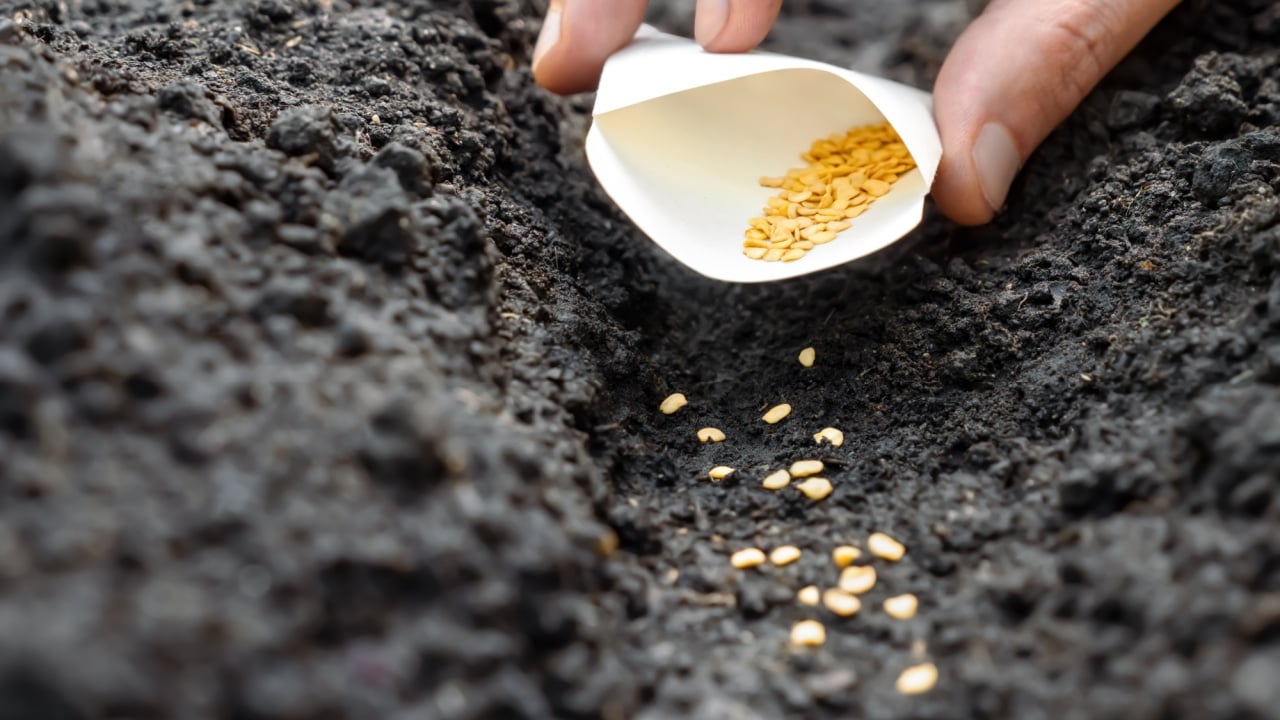
Dozens of vegetables actually prefer cool soil and can be dropped directly into the ground right now, no indoor seed-starting required. In fact, some of them germinate faster and grow stronger roots in chilly April conditions than they ever would in the heat of May.
The key is knowing which crops belong outside today and which ones still need to wait. Here is your zone-by-zone guide to the 12 best vegetables to direct sow in the garden this April.
Know Your Zone Before You Sow
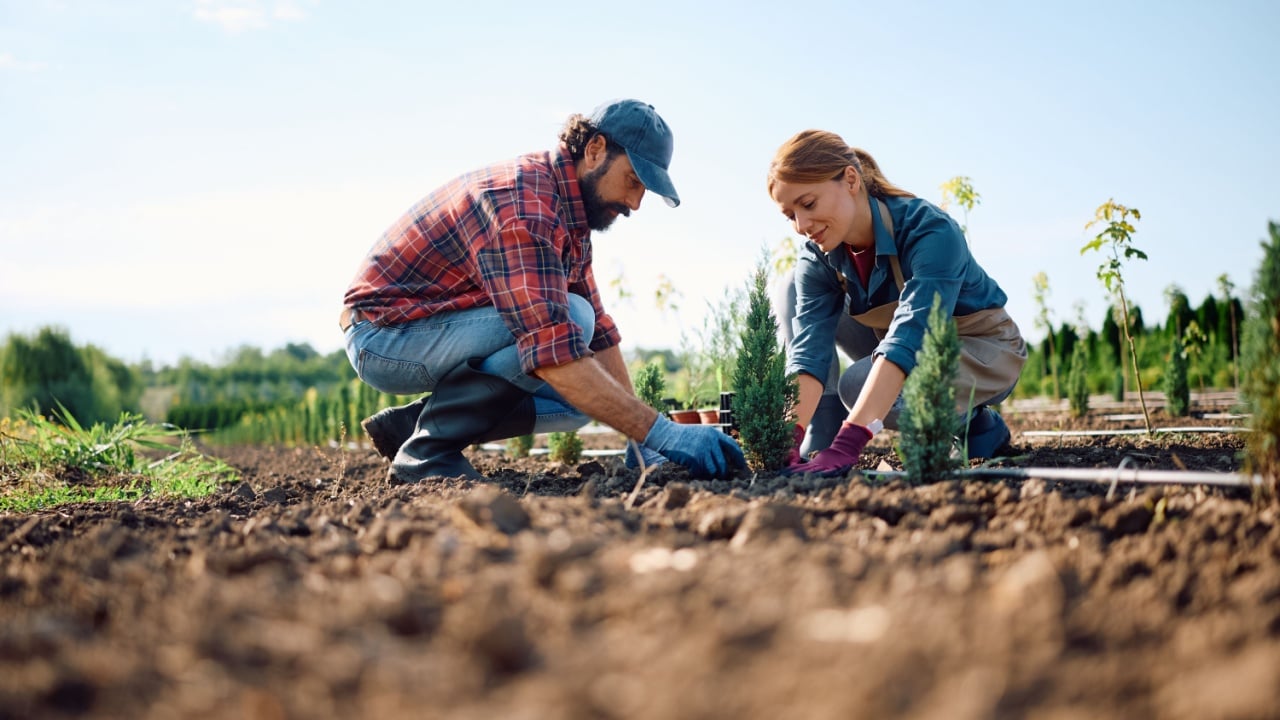
Your USDA Hardiness Zone and average last frost date are the two numbers that matter most for April planting. According to Logan Hailey at Epic Gardening, gardeners in Zones 8 to 10 can direct sow nearly everything on this list without any additional protection. Zones 5 to 7 can direct sow cold-hardy crops now, using floating row covers or cloches to buffer against late freezes. Zones 3 and 4 should wait a few more weeks for the soil to thaw fully.
- Zone 3-4: Last frost in May. Wait until late March to early April for direct sowing of most plants.
- Zone 5: Last frost in mid-April. Direct sow cold-hardy crops now with row cover protection.
- Zone 6: Last frost in early to mid-April. Excellent time to direct sow most crops on this list.
- Zone 7: Last frost in late March to early April. The prime direct-sow window is open now.
- Zone 8: Last frost in mid-March. The full list is ready to go; some are already overdue.
- Zone 9: Last frost in February or none. Spring crops should already be in the ground.
Here are 12 vegetables to direct sow right now.
1. Peas
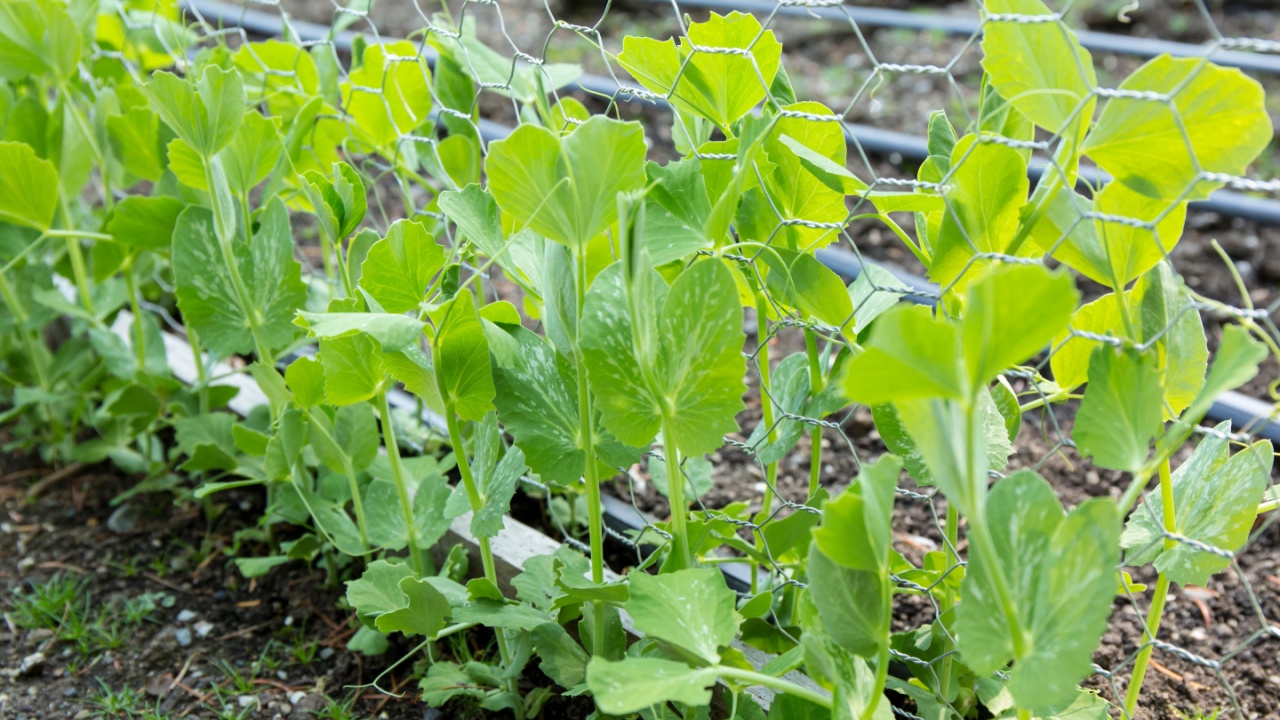
Peas are the quintessential March crop, and for good reason. According to Ankit K. Singh in an interview with Martha Stewart Living, pea seeds can sprout in soil temperatures as low as 40 degrees Fahrenheit and withstand light frost or snow once they have germinated. They are one of the few vegetables that genuinely prefer being planted while the weather is still cold.
Be sure to install your trellis before you sow. Peas can handle a dip to around 28 degrees Fahrenheit after sprouting without serious damage, according to Teo Spengler of Gardening Know How. As a bonus, peas are nitrogen-fixers, meaning they quietly improve the soil for whatever you plant in their place come summer.
Best Zones: Zones 3-9
Sow Timing: 6-8 weeks before the last frost, as soon as the soil is workable
Soil Temperature: 40-65°F
Days to Harvest: 50-70 days
Varieties to Try: Sugar Snap, Little Marvel, Oregon Sugar Pod II
2. Spinach
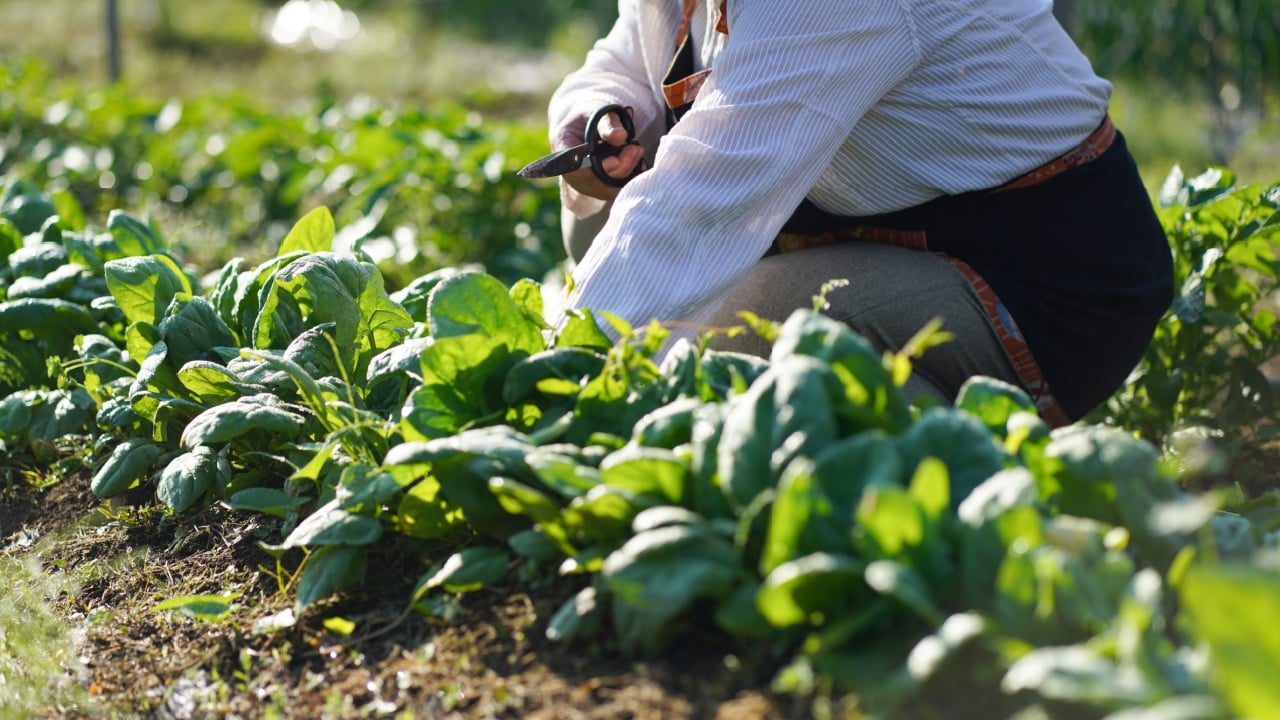
Spinach is fast-growing, cold-tolerant, and arguably the most rewarding crop you can drop in the ground in April. It germinates in soils as cold as 40 degrees Fahrenheit and produces its most tender, sweet leaves before summer heat arrives. Singh notes that by starting spinach early, gardeners can enjoy a vibrant, low-maintenance harvest before the season gets too warm.
For the earliest plantings, choose a savoy (crinkled) variety bred for cold tolerance. Spinach enters thermal dormancy and will not germinate at all in soil above 70 degrees, according to Epic Gardening, so planting early is actually the smarter move for guaranteed germination.
Best Zones: Zones 2-9
Sow Timing: As soon as the soil is workable, succession sow every 2 weeks
Soil Temperature: 45-70°F
Days to Harvest: 40-50 days
Varieties to Try: Bloomsdale Long Standing, Tyee, Kookaburra
3. Lettuce
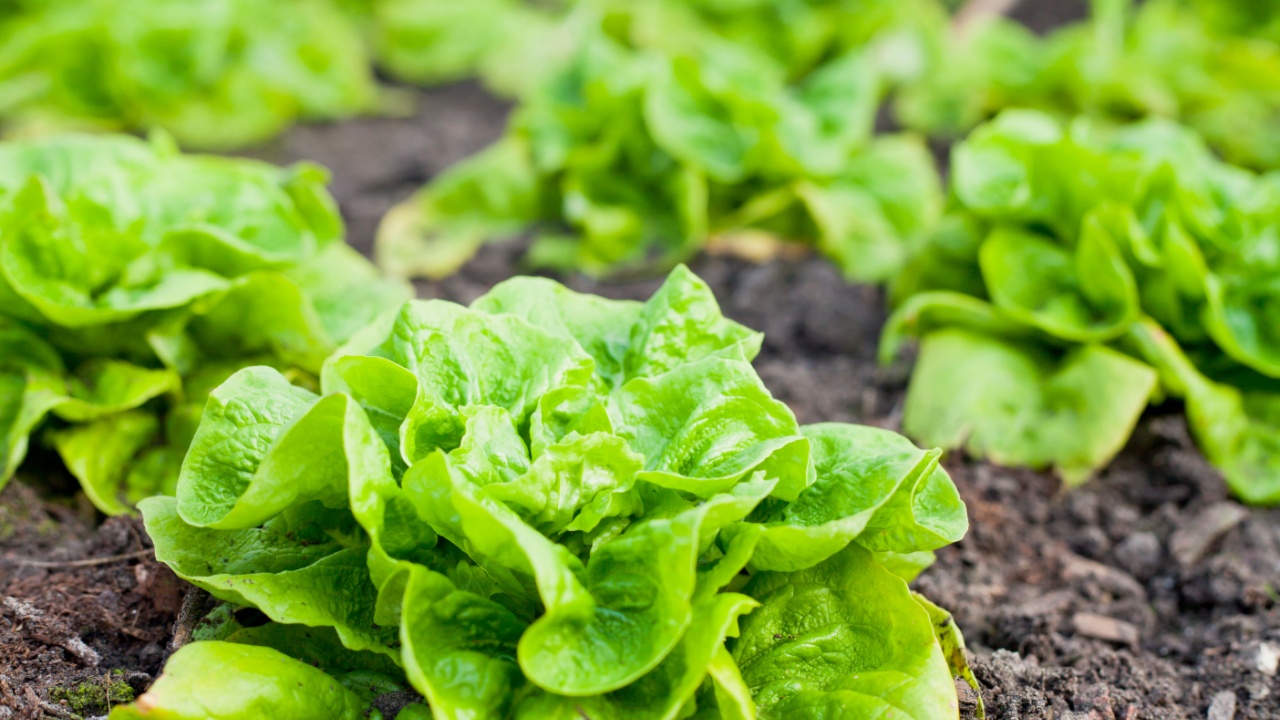
Lettuce is one of April’s most flexible crops. It germinates in soils as cold as 40 degrees Fahrenheit and can be harvested as early as two to three weeks after sowing if you cut it as baby greens. Patricia Mey, owner of Loud Dog Farm in Maine, recommends sowing lettuce in rows and harvesting the outer leaves continuously, leaving the inner growth to keep producing, in an interview with Martha Stewart Living.
One important note to consider is that lettuce seeds enter heat dormancy in soils above 70 degrees, so they will not germinate if you wait too long into spring. March-April is often the ideal window, not the early window. Sow every two weeks for a continuous cut-and-come-again harvest.
Best Zones: Zones 3-9
Sow Timing: 4-6 weeks before last frost
Soil Temperature: 40-68°F (optimal 60-68°F)
Days to Harvest: 30-55 days (baby greens in as few as 21 days)
Varieties to Try: Buttercrunch, Black Seeded Simpson, Red Sails
4. Radishes
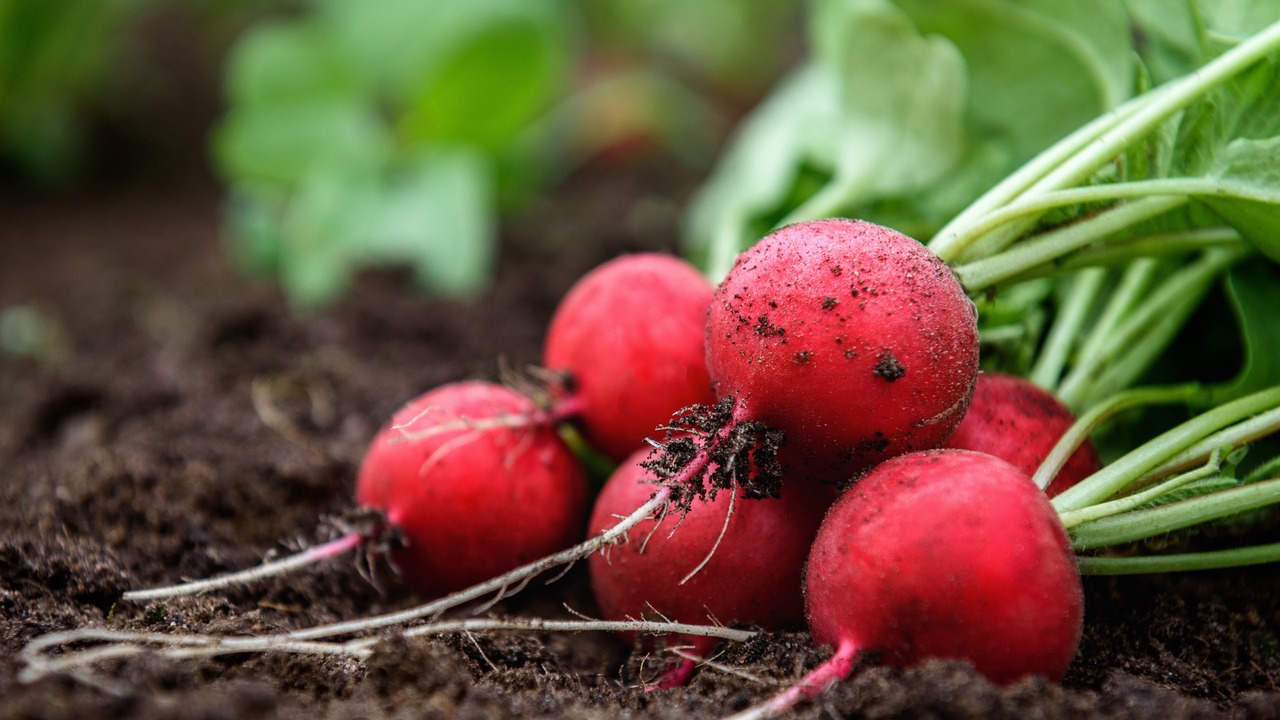
Radishes are the fastest reward in the spring garden, maturing in as little as 25 days from sowing. They are cold-hardy, germinate quickly, and double as row markers when planted between slower crops like carrots or parsnips. The Old Farmer’s Almanac recommends this classic pairing: sow radishes between parsnip rows, and the radishes will be ready to harvest long before the parsnips need the space.
Radishes bolt quickly in heat, so they are best treated as a March and April crop. Inconsistent watering causes them to split, and rocky or compacted soil produces misshapen roots. Work the bed loose before you sow and keep moisture even throughout.
Best Zones: Zones 3-10
Sow Timing: As soon as the soil can be worked, avoid sowing when temperatures exceed 70°F
Soil Temperature: 45-65°F
Days to Harvest: 25-35 days
Varieties to Try: Cherry Belle, French Breakfast, Easter Egg Blend
5. Carrots
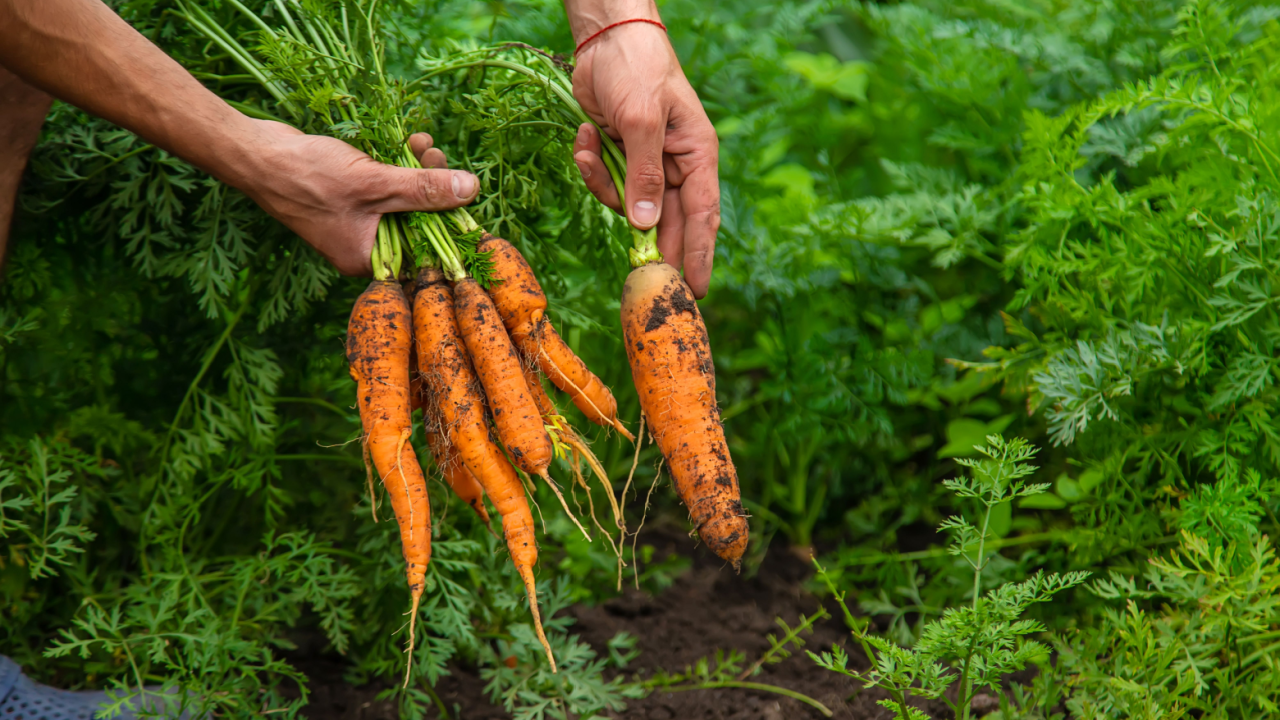
Carrots get dramatically sweeter when nighttime temperatures hover around 40 degrees Fahrenheit, as the cold triggers the plant to convert starches to sugars. This makes April-sown carrots some of the best-tasting of the entire year. Unlike most root crops, carrots are sensitive to transplanting and must be direct sown, according to Epic Gardening, making April the exact right time to get them in the ground.
For gardeners in Zones 5 to 7, Epic Gardening suggests laying a black tarp over the prepared bed for several days before sowing to warm the soil. Once the thermometer reads above 65 degrees at sowing depth, remove the tarp and sow directly. Cover with a row cover to retain warmth until germination.
Best Zones: Zones 3-10
Sow Timing: Late March in Zones 5-7; mid-March in Zones 8+
Soil Temperature: 60-85°F (use black tarp to pre-warm soil in colder zones)
Days to Harvest: 70-80 days
Varieties to Try: Mokum, Scarlet Nantes, Atomic Red
6. Beets
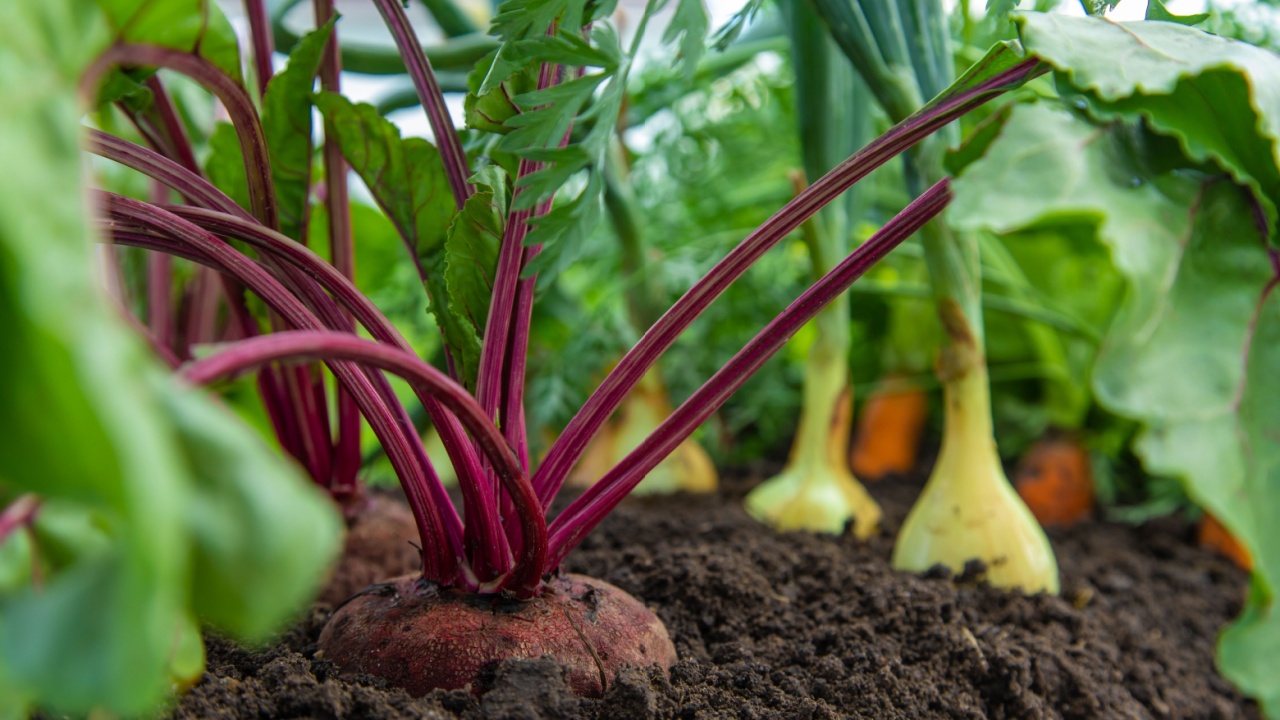
Beets are unique among root vegetables because they can actually be transplanted without harm, giving you two strategic options: direct sow outdoors now, or start small clusters indoors and transplant in a few weeks. Each beet seed is technically a cluster of two to four embryos, according to Gardening Know How, which means even perfectly spaced seeds will produce crowded seedlings. Plan to thin them once they reach two inches tall by snipping, not pulling.
Do not overlook the beet greens. You can harvest a few leaves from each plant throughout the growing season without slowing root development. Both the roots and greens are edible at any size, making beets one of the most productive crops for their footprint in the April garden.
Best Zones: Zones 2-10 (direct sow in Zones 6-10; start indoors in Zones 3-5)
Sow Timing: Up to 4 weeks before the last frost when the soil is above 45°F
Soil Temperature: 50-85°F
Days to Harvest: 50-70 days
Varieties to Try: Detroit Dark Red, Chioggia, Golden Detroit
7. Kale
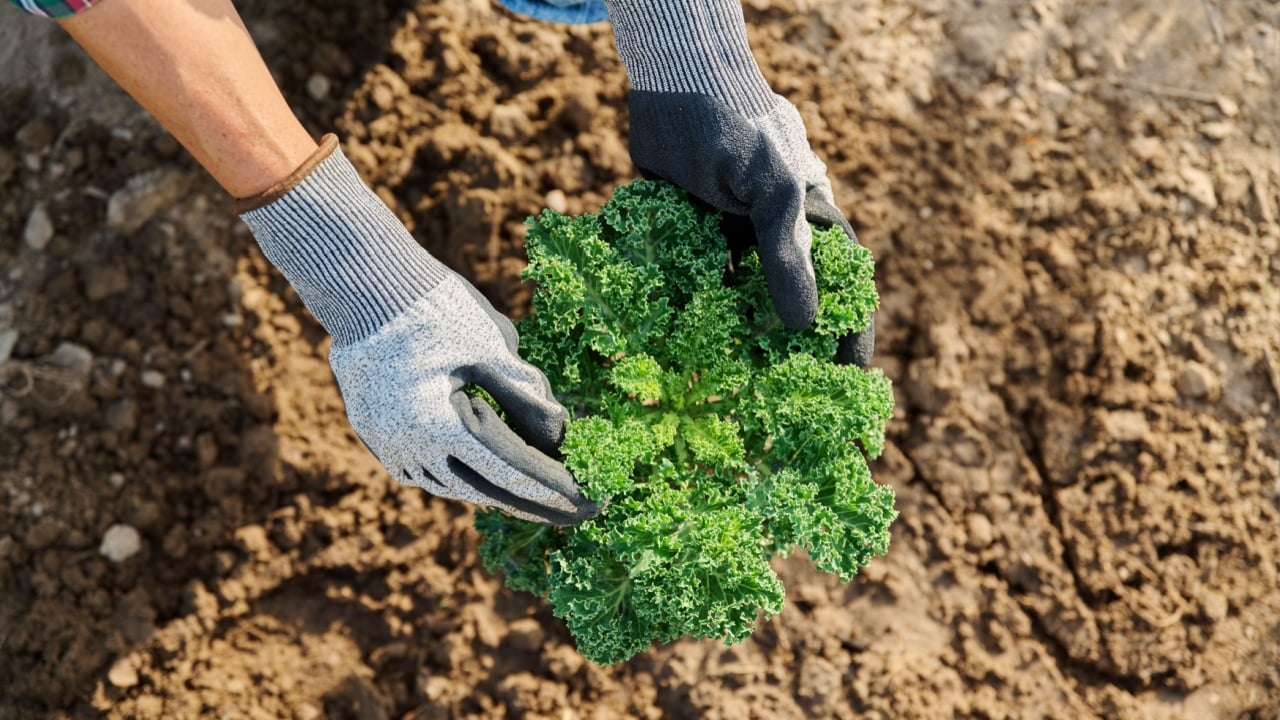
Kale is cold-hardy, long-lasting, and one of the most nutritionally dense crops you can grow. While it is famous as a fall and winter green, April-sown kale produces some of the tenderest baby leaves of the year before summer heat intensifies its flavor. Martha Stewart Living notes that green kale varieties tend to taste noticeably sweeter than purple ones, a helpful distinction when choosing what to sow.
For baby kale, sow thickly and cut at three to four inches. For full-size plants, thin to 12 to 18 inches apart. Kale planted in April will outlast most other crops, producing all the way into early summer and again in fall if you leave the plants in the ground.
Best Zones: Zones 3-9 (direct sow baby greens; transplant in colder zones)
Sow Timing: As soon as the soil is workable
Soil Temperature: 50-80°F
Days to Harvest: 25-30 days for baby greens; 55-75 days for full heads
Varieties to Try: Lacinato (Dinosaur), Red Russian, Dwarf Blue Curled
8. Arugula
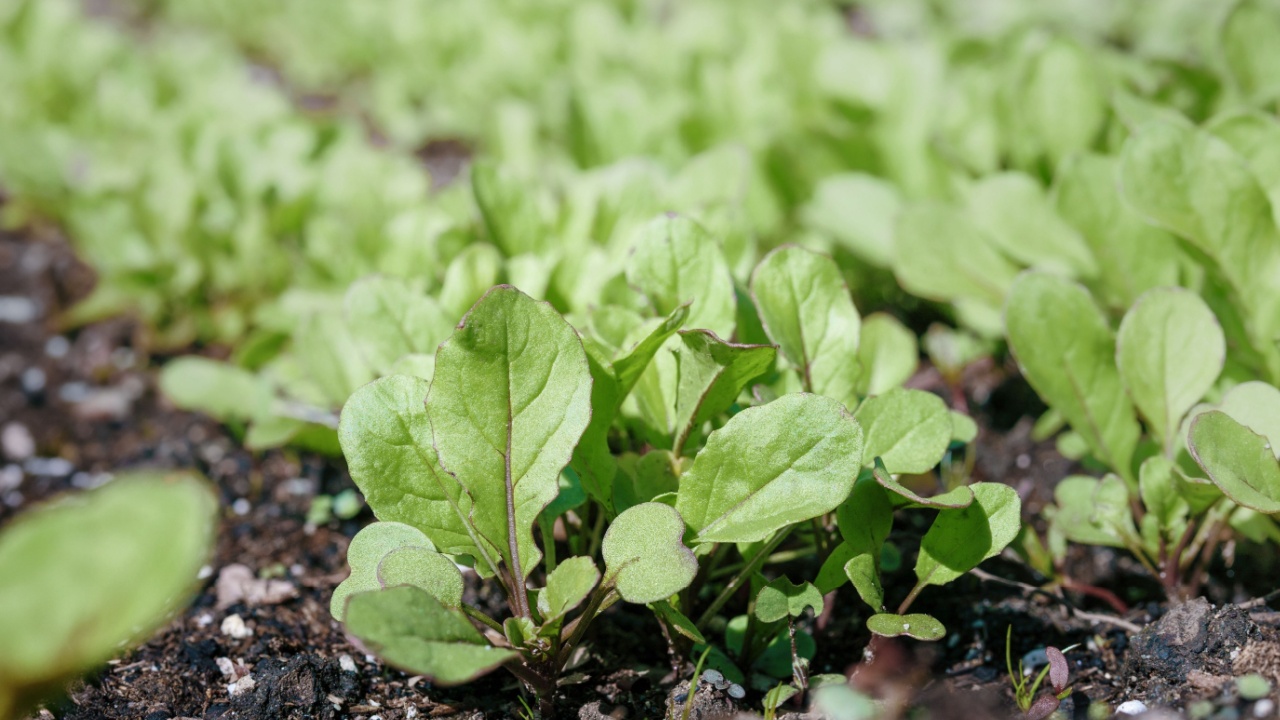
Arugula may be the fastest-gratification crop in the entire spring garden. It germinates within days, tolerates cold soil well, and can be harvested as young as two to three weeks after sowing. Epic Gardening notes that arugula will keep growing back after each cutting as long as temperatures stay cool, making it an ideal cut-and-come-again green for early spring salads.
Cover arugula immediately after sowing with row fabric. Flea beetles emerge from dormancy at nearly the same time arugula is planted and can devastate young seedlings quickly. The row cover also adds a few degrees of frost protection if late freezes threaten. Like spinach, arugula bolts rapidly in heat, so plan to sow in succession and pull plants once temperatures consistently reach the 70s.
Best Zones: Zones 3-9
Sow Timing: As soon as the ground is thawed, succession sow every 2 weeks
Soil Temperature: 45-65°F
Days to Harvest: 21-40 days
Varieties to Try: Astro, Runaway, Rocket
9. Swiss Chard
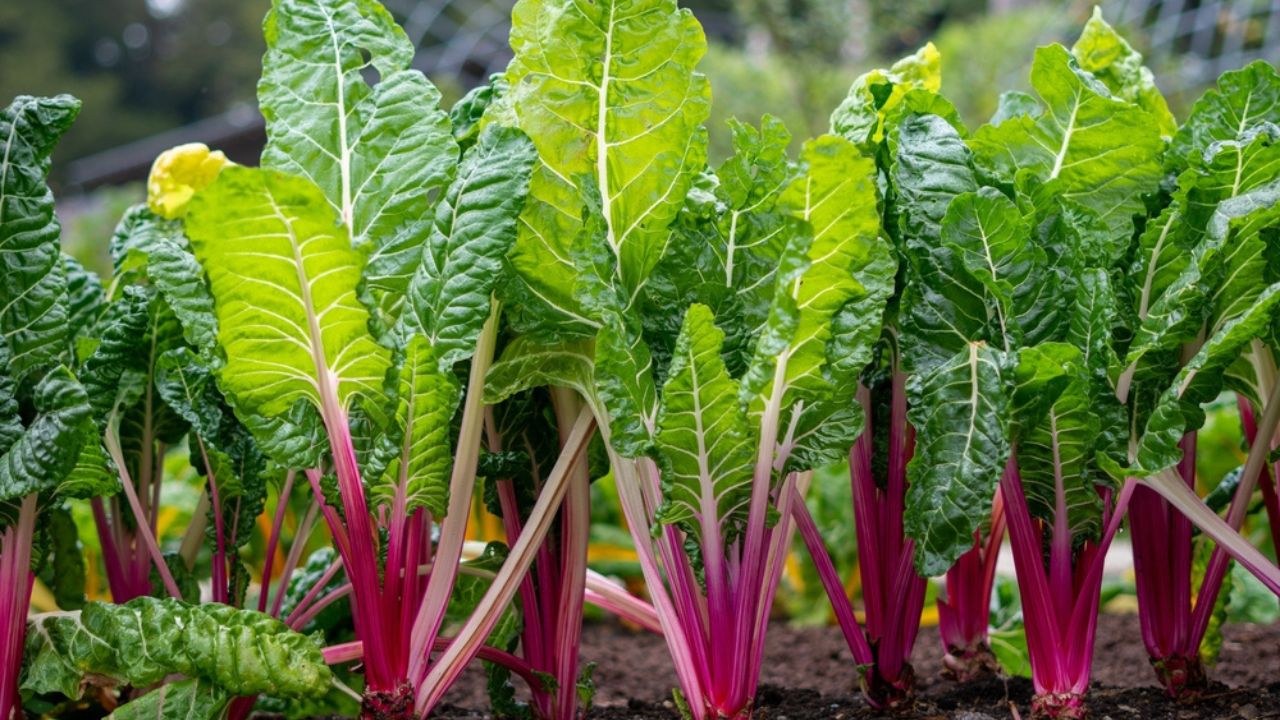
Swiss chard is one of the most forgiving and adaptable crops for early spring. It tolerates a wider soil temperature range than most greens and will continue producing all the way through summer and into fall, making it a remarkably long-season investment for a single April sowing. The colorful stems of rainbow chard varieties are an added visual bonus in the early-spring garden.
According to Epic Gardening, chard seedlings that are exposed to prolonged temperatures below 50 degrees become more prone to bolting. A row cover in the first few weeks gives them the protection they need to get established. Once they reach six inches tall, they are remarkably tough and require minimal attention.
Best Zones: Zones 3-10 (start indoors in Zones 3-8; direct sow in Zones 9-12 or late March)
Sow Timing: Late March in most zones; earlier in Zones 8-10
Soil Temperature: 50-85°F (optimal near 85°F)
Days to Harvest: 50-60 days
Varieties to Try: Bright Lights, Fordhook Giant, Ruby Red
10. Cabbage
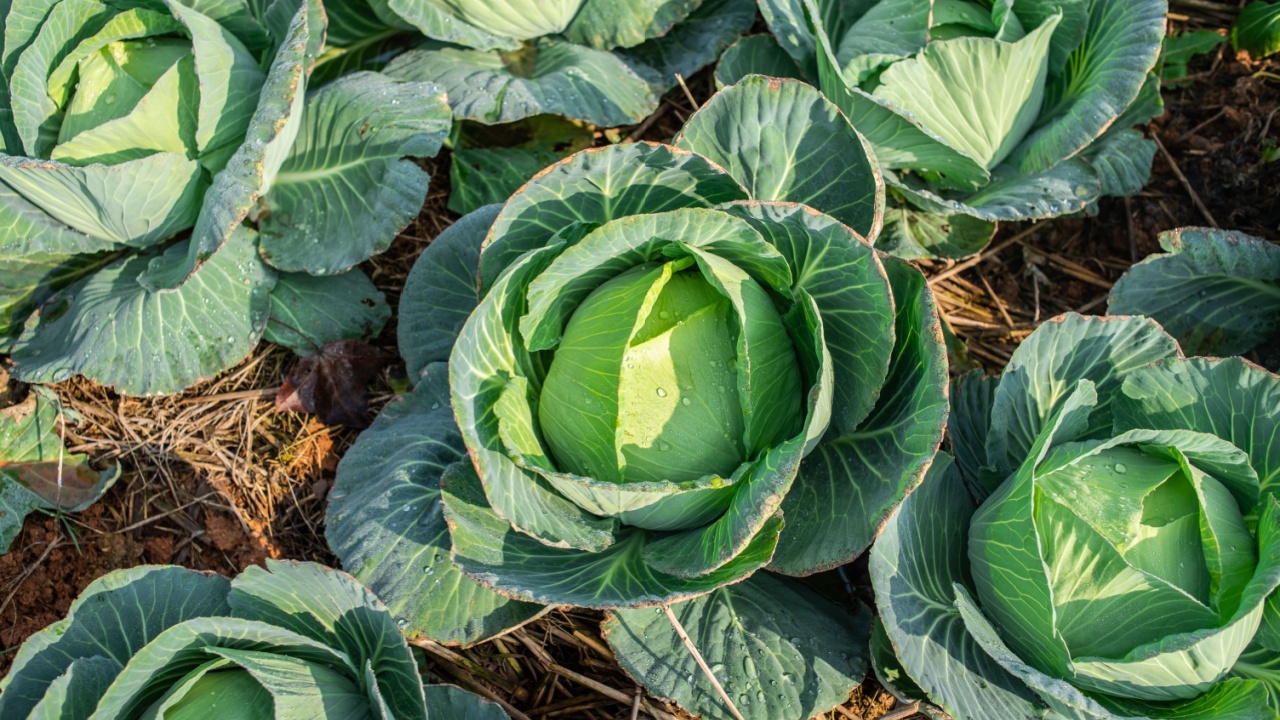
Cabbage is one of the most reliable beginner crops for early spring, and early varieties can be direct sown right now in many zones. Gardening Know How notes that early cabbage varieties can mature in as little as 60 days, making a April sowing perfectly timed for a late spring harvest. Choose early or midseason varieties for spring planting, saving late-season types for fall.
Cabbage is a heavy drinker, and inconsistent watering is the primary cause of heads splitting open. Mulch heavily around the base to stabilize soil moisture. The Master Gardeners of Northern Virginia also recommend covering transplants with floating row covers to protect against early-season pests like cabbage worms.
Best Zones: Zones 1-10 (with zone-appropriate variety selection)
Sow Timing: 4-6 weeks before last frost
Soil Temperature: 60-70°F
Days to Harvest: 60-100 days, depending on variety
Varieties to Try: Early Jersey Wakefield, Golden Acre, Earliana
11. Turnips

Turnips are underappreciated in the modern garden, but experienced growers know them as one of the most cold-tolerant and fast-producing crops available for April. Both the roots and the leafy greens are edible, making them a highly productive use of garden space. If you are put off by the strong taste of traditional purple-top turnips, consider a Japanese salad variety like Hakurei, which is mild, crisp, and can be eaten raw.
According to Epic Gardening, direct seeding is strongly preferred for turnips, as transplanting is not recommended. Sow thinly in wide bands about a quarter-inch deep. Use row covers immediately after sowing to protect against flea beetles, which can devastate young turnip seedlings just as quickly as arugula.
Best Zones: Zones 3-9 (direct sow in Zones 8-10; use row cover in Zones 5-7)
Sow Timing: 2-3 weeks before last frost
Soil Temperature: 50-70°F
Days to Harvest: 35-60 days
Varieties to Try: Hakurei (salad type), Purple Top White Globe, Tokyo Market
12. Green Onions (Scallions)

Green onions are one of the most space-efficient and fastest crops you can add to the April garden. Planted from sets, they can be ready in as little as five to six weeks, according to Epic Gardening. They work beautifully as border crops or as gap-fillers between slower-growing vegetables, and they make rotation planning easy since they clear the bed well before summer crops need the space.
Plant onion sets pointed end up, about one inch deep, and four inches apart. The Master Gardeners of Northern Virginia recommend direct seeding green onions and scallions in April alongside other alliums. If growing full-size storage onions, be sure to choose the right day-length variety for your latitude: long-day onions for northern regions above latitude 36, and short-day onions for the South.
Best Zones: Zones 3-10 (sets outdoors in Zones 4-6; direct seed in Zones 7-12)
Sow Timing: Several weeks before the last frost, when the ground is thawed and nights stay above 20°F
Soil Temperature: 45-85°F
Days to Harvest: 30-60 days from sets
Varieties to Try: Evergreen Hardy White, White Lisbon, Ishikura
Protect Your Investment
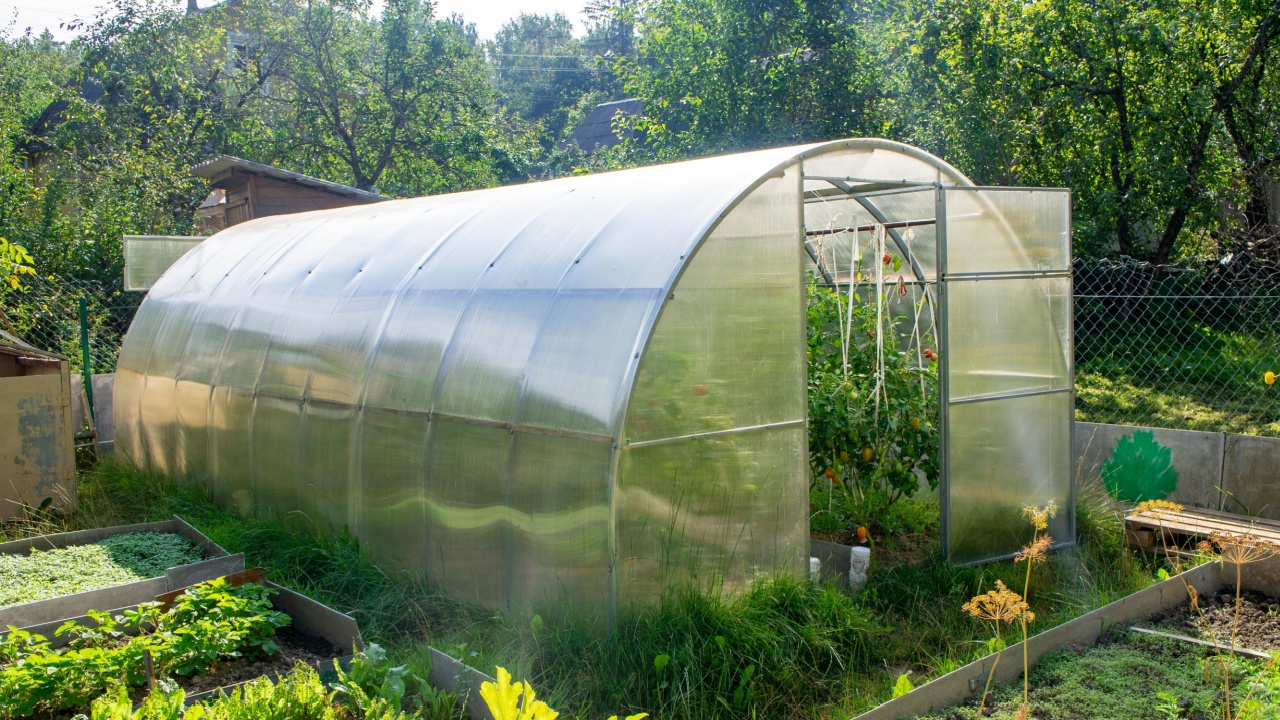
Even cold-hardy crops can be knocked back by a sudden late freeze. Keep a supply of floating row covers on hand through April. They are inexpensive, reusable, and can add four to eight degrees of frost protection over a newly sown bed, buying you the extra margin that turns an anxious night into a non-event.
April planting is not about bravado. It is about understanding that the coolest weeks of spring are when many of these crops do their best work, building the root systems and flavor that warm-season vegetables simply cannot replicate. The gardeners who eat the best salads in May are the ones who got outside in April.
Read more
12 Must‑Grow Perennial Vegetables That Come Back Every Season
The 6 Easiest Vegetables to Grow for Beginners