12 Furniture Pieces That Never Age Well
Choosing furniture for your home is a long-term commitment. The irony is, many pieces look stunning in a showroom or on a social media feed, but their charm can fade surprisingly fast once they hit the reality of daily life. It’s easy to get swept up in a look that feels “wow,” only to realize a year later that it doesn’t hold up to a spilled coffee or a Sunday afternoon nap.
Research and design trends suggest that the lifespan of your furniture is dictated by two things: how it’s built and how it looks. Industry experts often point toward specific “red flag” items that struggle to survive the transition from a fleeting trend to a household classic.
Here are twelve furniture pieces and design choices that rarely age with grace. We’ll dive into why these items fail physically and visually, giving you a heads-up before you swipe your card.
If you already own some of these, don’t sweat it. Each section also includes practical advice for maintaining what you have or giving it a quick glow-up.
1. Particle Board and Engineered Wood

Mass-produced furniture often relies on particle board or MDF to keep costs low and shipping light. While these pieces look like solid wood at first glance, they lack the backbone to handle moisture or the stress of moving house. The internal glue and wood chips tend to swell or crumble if they get a little damp or if you tighten the screws one too many times.
Investing in solid wood or kiln-dried hardwood is a much safer bet for heavy-hitters like bed frames or dining tables.
If you’re rocking particle board right now, keep it away from humid spots like the bathroom and try not to overload the shelves. A high-quality wood veneer repair kit can also work wonders for hiding chips on the edges before they start to peel.
2. Low-Density Foam Cushions
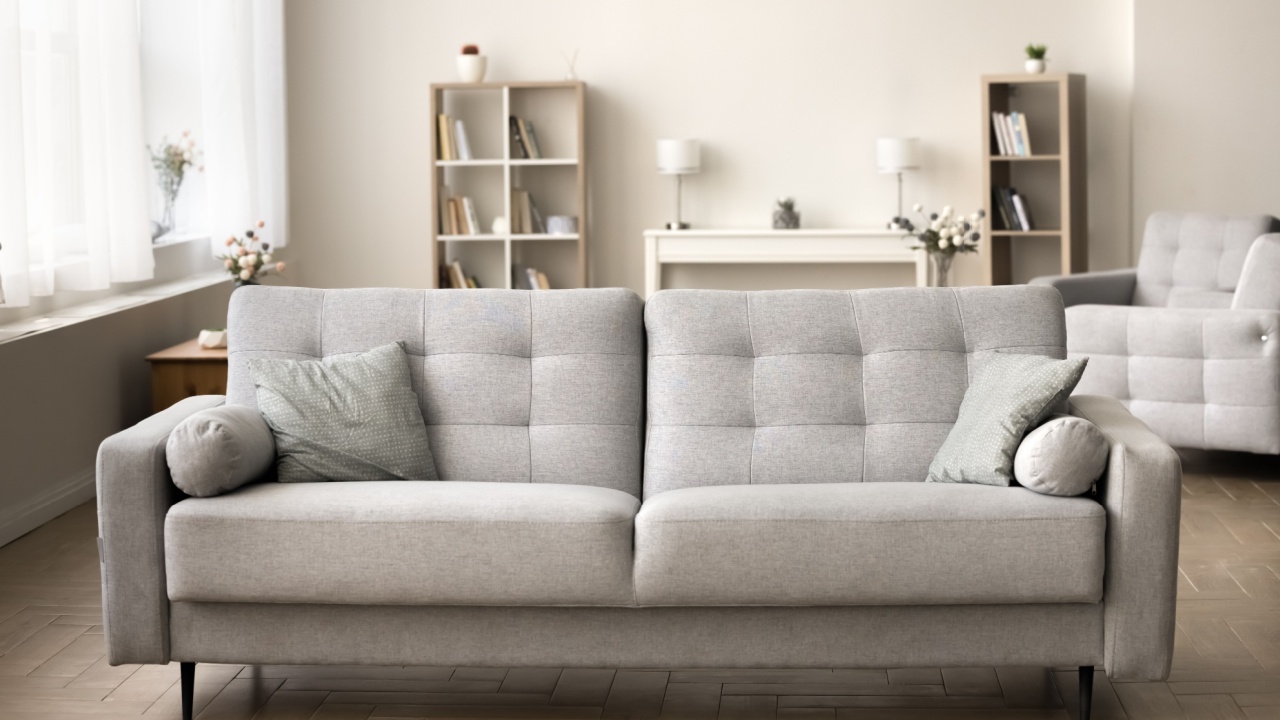
Those super-soft, sink-in sofas are a huge draw in the store, but they often hide low-density foam that loses its “oomph” within months.
Once the tiny air bubbles in the foam pop from regular sitting, the cushions become flat and lumpy. This leads to a sagging look that makes even a brand-new living room feel a bit tired and neglected.
Go for high-resilience foam or a foam-and-fiber wrap if you want a mix of comfort and bounce. To save your current cushions, give them a weekly rotation so the wear stays even across the whole sofa. If things are already looking a bit sad, an upholstery shop can usually swap out those saggy inserts for a firmer, higher-quality core.
3. Faux Distressed Farmhouse Styles
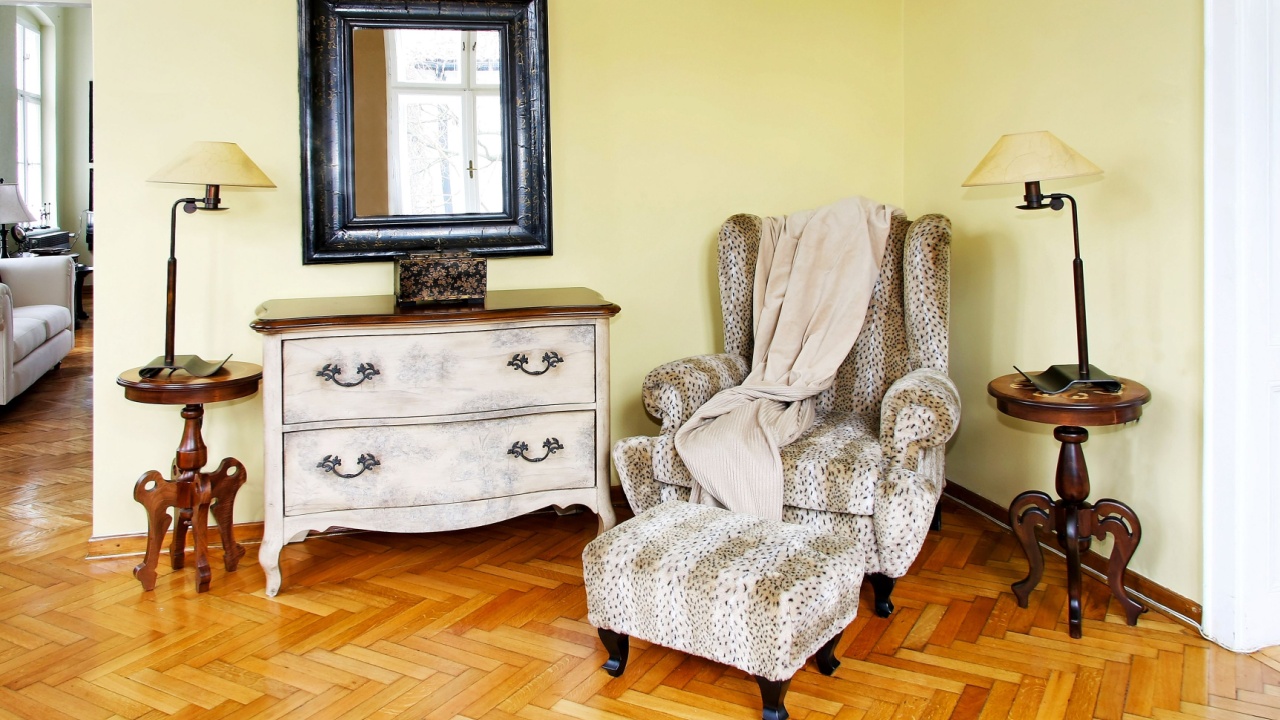
The “shabby chic” or factory-distressed look has a shelf life that is rapidly expiring. These pieces feature fake paint chips and scuff marks that can look a bit “manufactured” rather than authentically vintage.
As styles move toward cleaner lines or genuine antiques, these mass-produced replicas can start to feel a little forced and out of place.
Real patina comes from time and actual use, which is why genuine vintage finds always seem to age better. If your home is full of faux-distressed stuff, a fresh coat of solid-colored furniture paint can give it a modern, intentional look. Swapping out the “distressed” hardware for something sleek like brass or matte black handles also helps bridge the gap to a more current style.
4. Ultra White Upholstery

Bright white sofas look incredible in photos, but they are a full-time job in a real household. Even without kids or pets, simple things like body oils and dust naturally dull the fabric over time. The constant scrubbing needed to keep them bright can eventually wear down the fibers, leaving your furniture looking thin and a bit grey.
Performance fabrics or slipcovered options are the way to go if you love that airy vibe.
Slipcovers are a lifesaver because you can actually pull them off and bleach them, which is way more effective than spot-cleaning a fixed frame. For fixed upholstery, hitting it with a fabric protector once a year can help keep spills from turning into permanent stains.
5. Mirrored Furniture
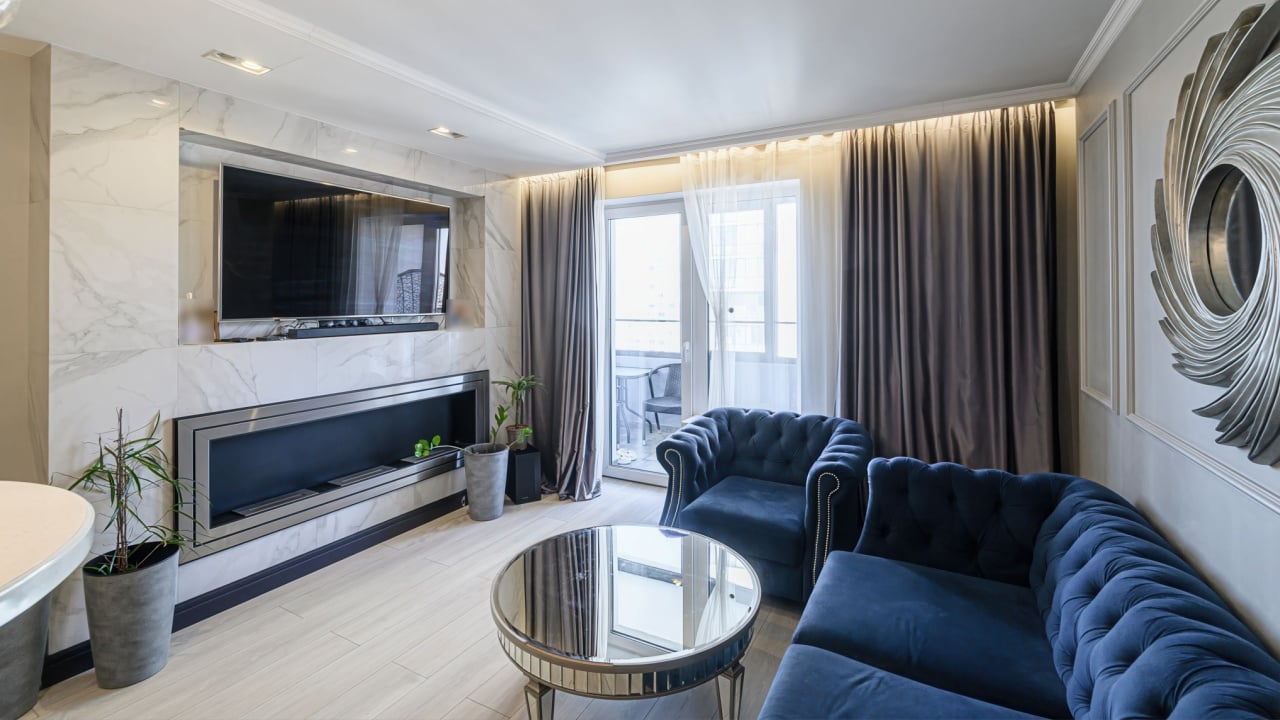
Mirrored nightstands and consoles were once the peak of glamor, but they are magnets for fingerprints and smudges. Aside from the cleaning, these pieces are surprisingly fragile; a single crack or a bit of moisture getting behind the glass causes “silvering” (those black spots) that you can’t really fix without replacing the whole panel.
Try switching to polished metal or high-gloss lacquer if you want that same shine without the risk of shattering.
If you’ve already got mirrored pieces, keep them in low-traffic areas where they won’t get bumped by a vacuum or a rogue shoe. A microfiber cloth and a vinegar-based cleaner are your best friends for keeping them streak-free without ruining the finish.
6. Glass Top Tables

Glass tables are great for making a small room feel bigger, but they share a lot of the same headaches as mirrored furniture (particularly for dining room tables). Scratches from ceramic plates are permanent, and the “clink” of every glass being set down can get pretty annoying during dinner. Plus, the suction cups or brackets holding the top in place can yellow and become an eyesore.
Solid wood or stone tops offer more durability and a much quieter dining experience for the long haul.
If you’re sticking with glass, using thick placemats and coasters is non-negotiable to keep the surface from getting beat up. It’s also a good idea to regularly check the legs, as the weight of the glass puts a lot of stress on the hardware.
7. Fast Fashion Velvet
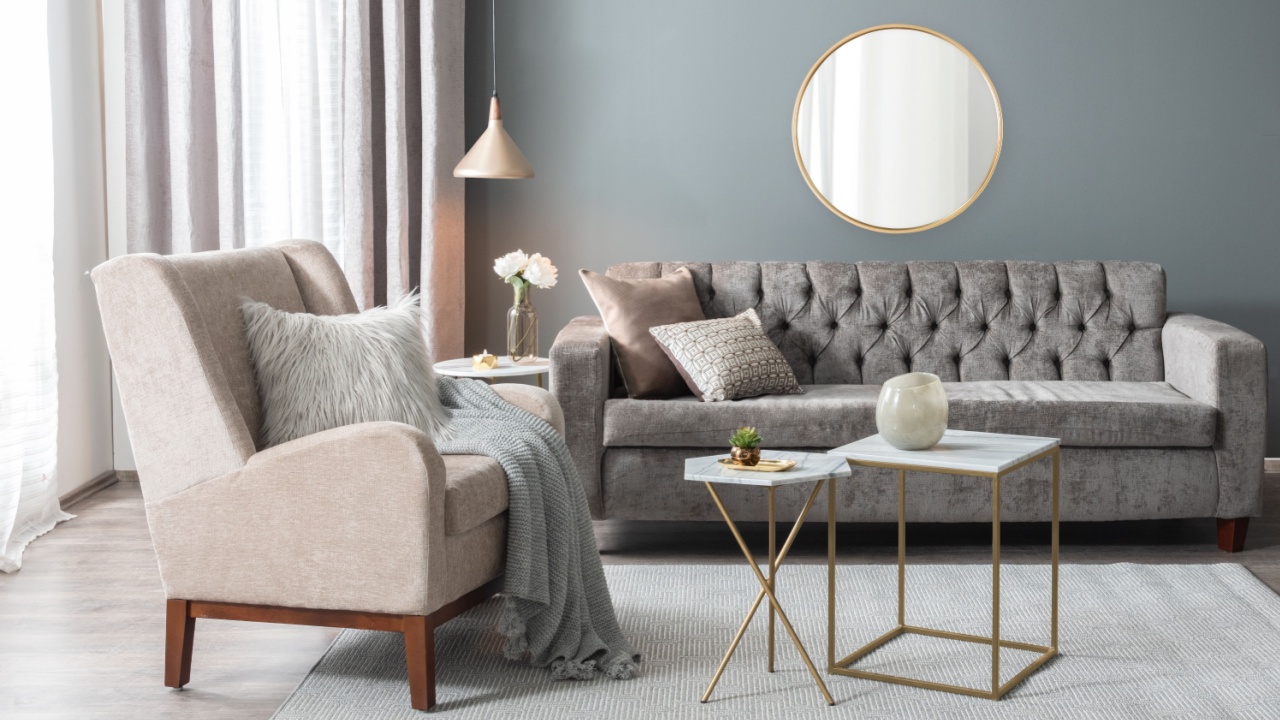
Cheap velvet furniture is everywhere lately, but the quality of the polyester used can be a real gamble. Inexpensive velvet often “crushes” or develops bald spots where you sit the most, giving it a shiny, greasy look even when it’s clean. It ends up looking worn out way faster than a high-quality fabric would.
Mohair or high-quality cotton velvet is the gold standard for durability, even if it costs a bit more upfront.
If you’re working with budget velvet, look for a tight weave and a matte finish to help it last. Using a soft-bristled clothes brush to “groom” the pile once a month can also keep the fibers from flattening out permanently.
8. Oversized Sectionals
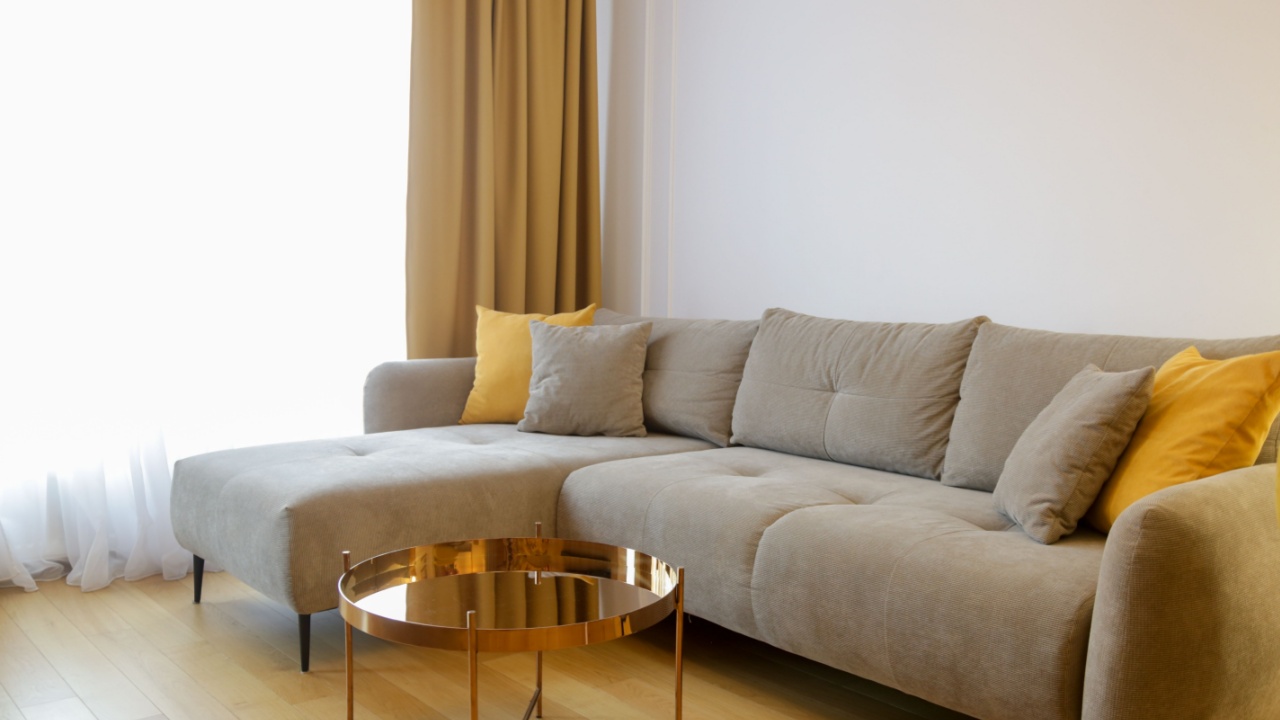
Massive L-shaped sofas might seem like a practical way to seat everyone, but they are a nightmare to move or repurpose. If you decide to change your layout or move to a new house, these giants often won’t fit the new dimensions. Their scale can also make a room feel cramped, especially as trends move toward more flexible, breathable seating.
Modular sofas or a mix of a standard sofa and armchairs offer way more longevity and can be moved around as your needs change.
If you already have a massive sectional, try grounding it with a large area rug that tucks under the front legs. This keeps the piece from looking like it’s swallowing the entire room and gives it a bit more structure.
9. Shiny Brass Finishes
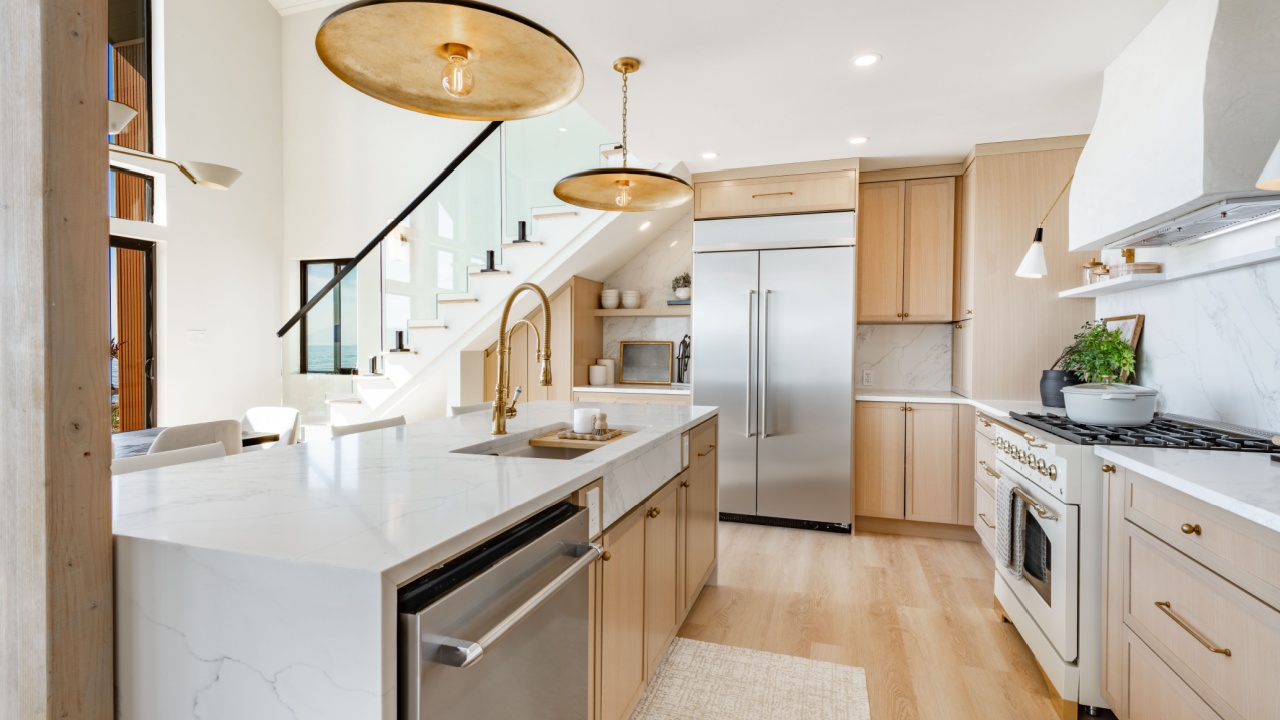
While brass has made a huge comeback, the ultra-shiny, yellow-toned “builder grade” brass of the past is a prime example of a finish that ages poorly. It often peels or develops pits as the protective coating fails. When this happens, the piece looks cheap rather than like a high-end metal accent.
Unlacquered brass or antique brass finishes age much more gracefully because they develop a natural, deep patina.
If a piece of furniture has outdated shiny brass legs or handles, they can often be removed and spray-painted with a metallic “satin” or “champagne bronze” finish. Sanding the metal lightly before painting helps the new color bond and last longer.
10. Open Storage Wire Racks
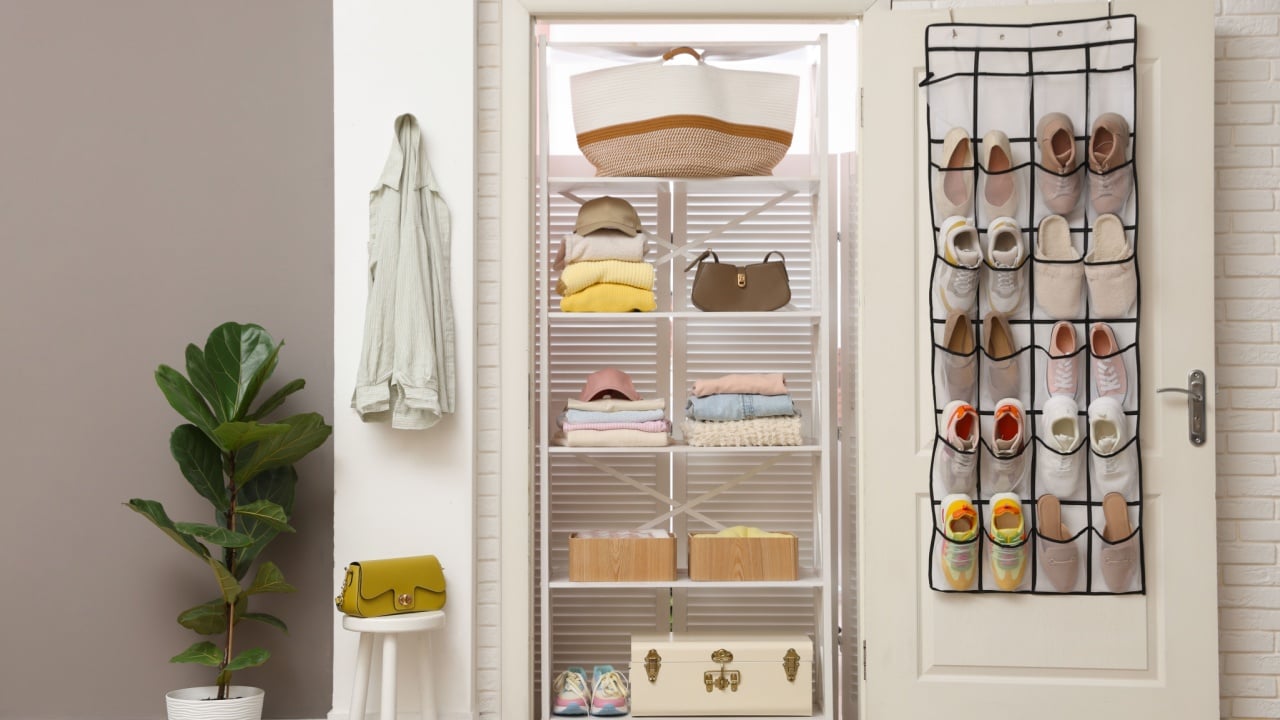
Wire shelving is great for a pantry or a garage, but it can look a bit messy and industrial in a main living space. Items never seem to sit flat on the wires, and because it’s totally open, every bit of your clutter is on full display. The thin metal can also warp under heavy weight, leading to a wobbly, unstable shelf.
Closed storage or solid wood shelving creates a much cleaner, more intentional look for your home.
If you have to use wire racks, adding solid shelf liners prevents things from tipping over and makes the unit look more finished. Painting the wire a dark charcoal or matte black can also make it look more like high-end iron and less like basic utility storage.
11. Matching Furniture Sets
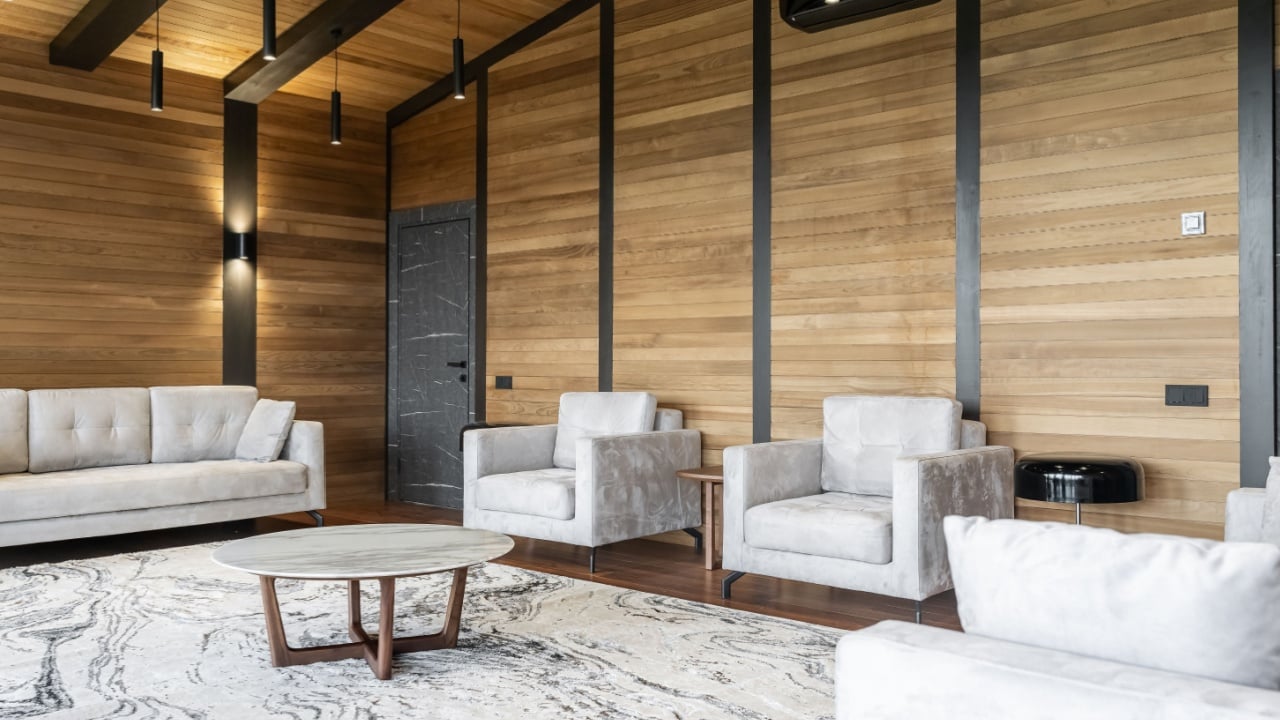
Buying a whole bedroom or living room set that matches perfectly is a shortcut to a dated home. This “big box” approach lacks personality and makes your room look like a furniture showroom from a very specific year. As styles change, the entire set starts to feel like a relic all at once, making it hard to update your space piece by piece.
A more timeless move is to mix different textures, woods, and styles over time for a curated, high-end feel.
If you’re currently living with a matching set, try breaking it up by moving one piece to a different room. Swapping out the nightstands for something with a different finish is an easy way to add some visual interest and personality.
12. Plastic and Acrylic “Ghost” Chairs
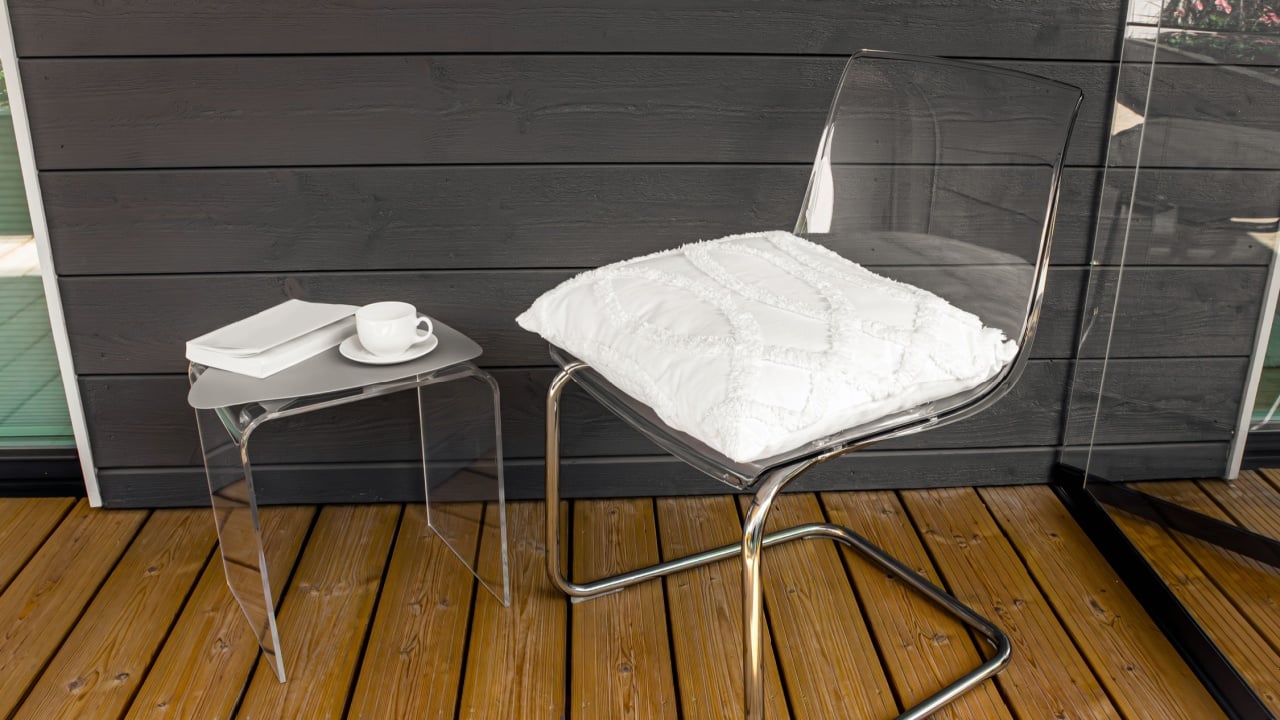
Transparent furniture was a major trend for its ability to “disappear” in a room, but it shows age through scratches and yellowing. Plastic is prone to “crazing,” which is tiny internal cracks that happen as the material becomes brittle from UV exposure. Once these pieces lose their crystal-clear transparency, they start to look like cheap outdoor furniture.
Metal or wood chairs with open backs provide a similar “light” feeling without the durability issues of plastic.
To keep acrylic furniture looking good, never use ammonia-based glass cleaners, which can cause clouding. Instead, use a specialized plastic cleaner and keep the pieces out of direct sunlight to slow down the yellowing process.
The Art of the Timeless Edit
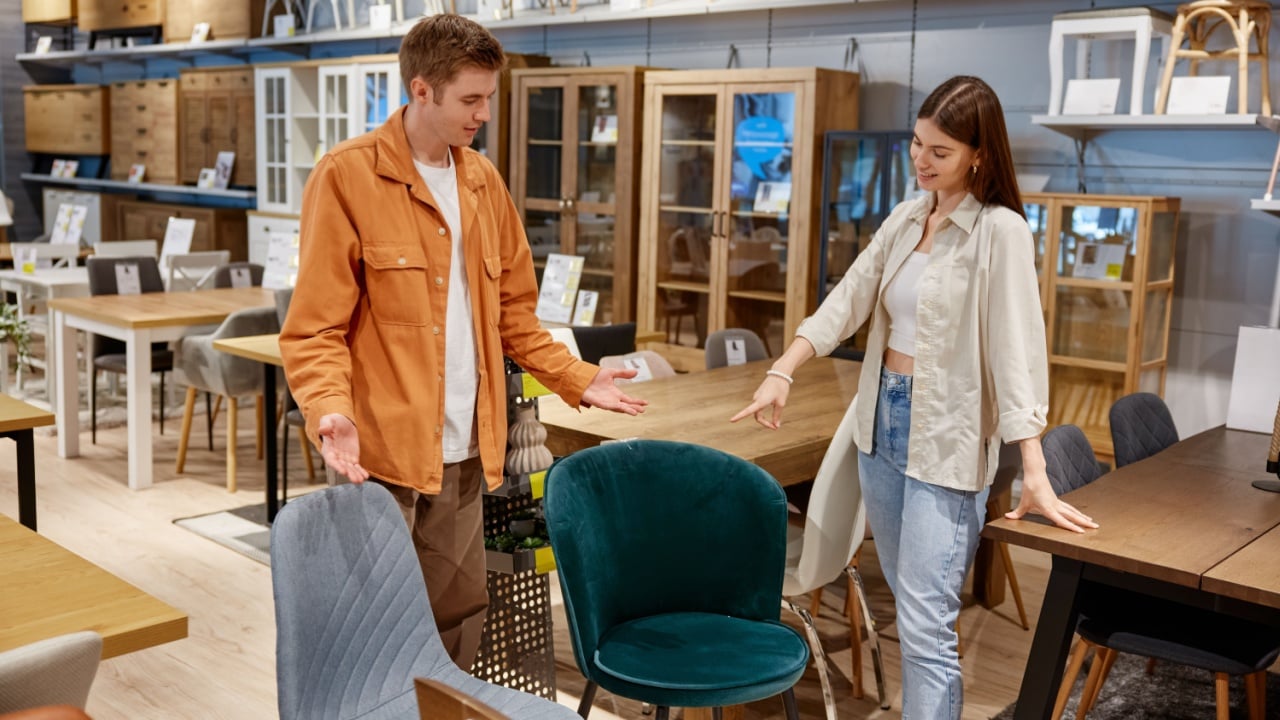
Selecting furniture with a focus on materials and classic shapes is the most effective way to avoid a house full of dated items. The next steps involve auditing the current space to see which pieces are showing their age and deciding if they can be refreshed with paint or new hardware.
Focusing on quality over quantity during the next purchase will ensure that the home continues to feel fresh for years to come.
Read More: