The Six Easiest Vegetables to Grow for Beginners
Most people who say they “can’t garden” have never tried growing the right plants.
They started with something fussy like a finicky heirloom tomato or a temperamental pepper and concluded that gardening just wasn’t for them.
It wasn’t them. It was the plant.
The truth is that a handful of vegetables are almost impossible to kill. They grow fast, forgive inconsistency, and reward you with actual food before you’ve had time to second-guess yourself. Start with any one of these, and you’ll wonder why you waited so long.
Why Growing Your Own Vegetables Is Worth It Right Now
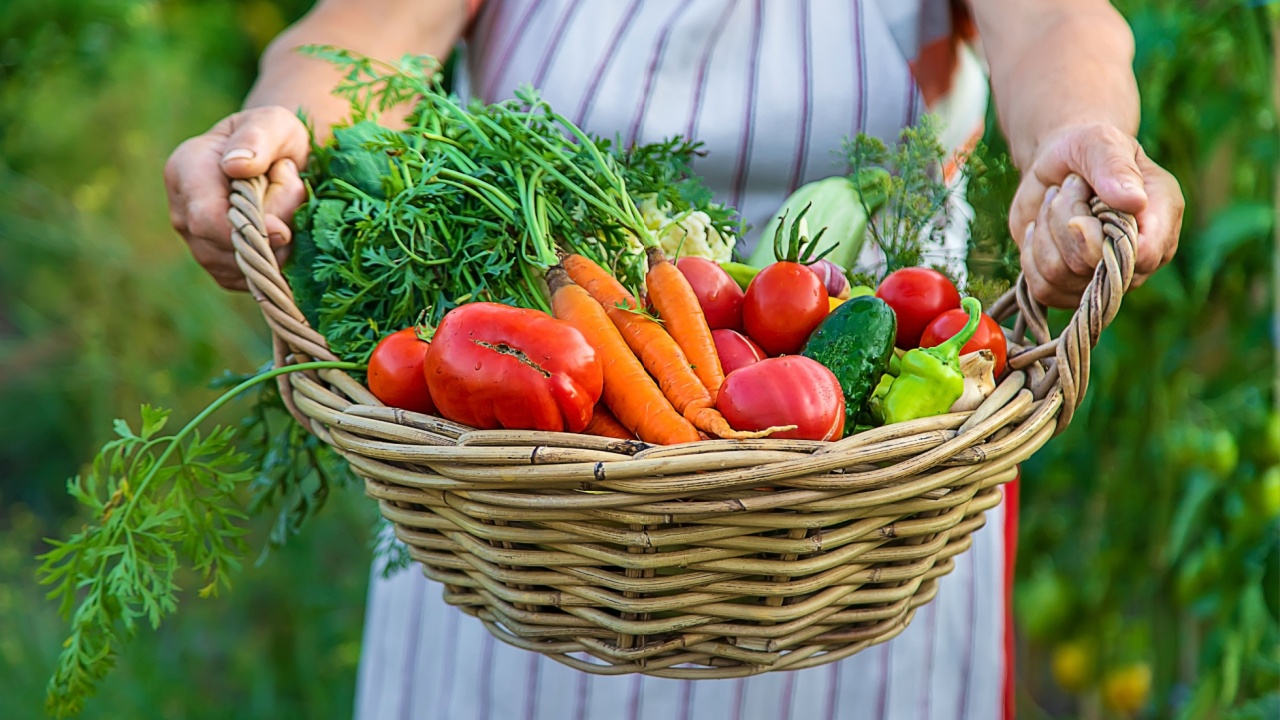
Before we get into the list, consider the motivation. According to Penn State Extension, a packet of vegetable seeds typically costs between $2 and $4, yet the produce from that same packet can be worth many times more when compared to grocery store prices. A few containers or a small raised bed can realistically yield $200 to $400 in fresh vegetables over a single season.
There’s also the flavor factor. Homegrown vegetables taste genuinely different from store-bought versions, and the reason is nutritional timing. Spinach, for instance, loses 40 to 50 percent of its nutrients before it even reaches the grocery store shelf, according to Gardenary. Growing your own isn’t just satisfying; it’s nutritionally smarter.
Here are the easiest vegetables to grow for beginners.
1. Radishes
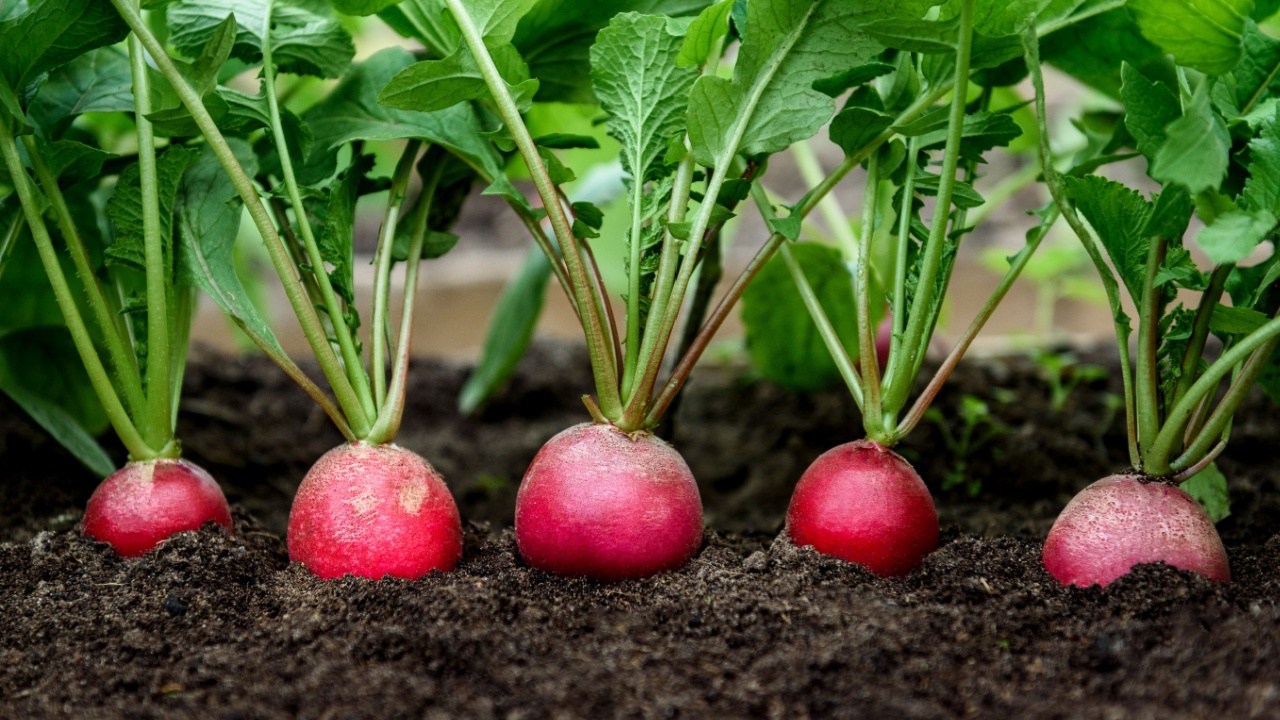
Most beginner guides bury radishes near the bottom of the list, but experienced gardeners know they belong at the top. Not because radishes are anyone’s favorite vegetable, but because they arrive so quickly, they make you feel like a gardener before you’ve had time to doubt yourself.
According to the Old Farmer’s Almanac, radishes can be ready to harvest in as few as 24 days after planting, which is faster than virtually anything else you can grow from seed.
2. Lettuce
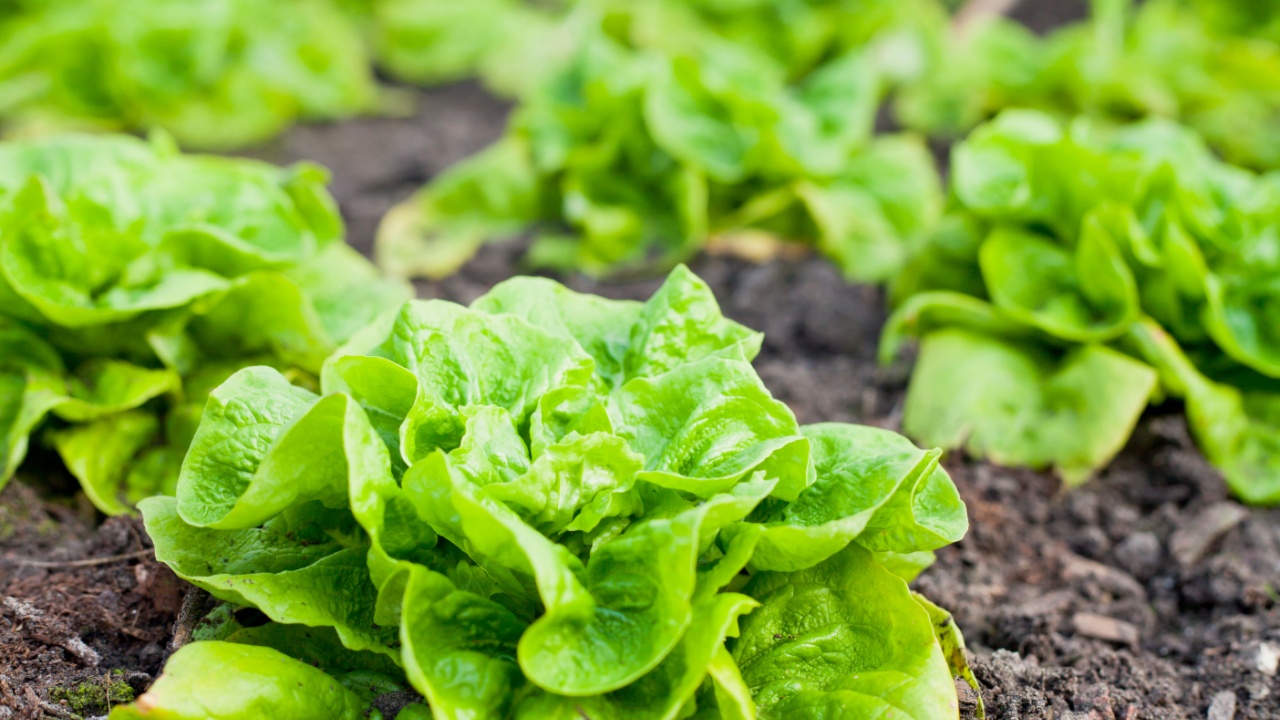
Lettuce is, without question, the most forgiving plant in the beginner garden. The Old Farmer’s Almanac says it has never encountered a garden that couldn’t grow lettuce. Many varieties are ready to harvest in 30 days, and because you snip off what you need rather than pulling the whole plant, one sowing keeps giving for weeks.
Lettuce has shallow roots, which means it grows happily in a window box, a container, or a shallow raised bed. It also tolerates partial shade, which is a rare quality in a vegetable garden.
3. Bush beans

Bush beans are the unsung heroes of the summer garden. Unlike pole beans, they need no trellis, no support, and no special setup. You push seeds directly into warm soil after the last frost, and they take it from there.
The Old Farmer’s Almanac notes that beans fix nitrogen in the soil as they grow, meaning they actually improve your garden bed rather than depleting it. The harvest rule is simple: the more you pick, the more they produce.
4. Zucchini
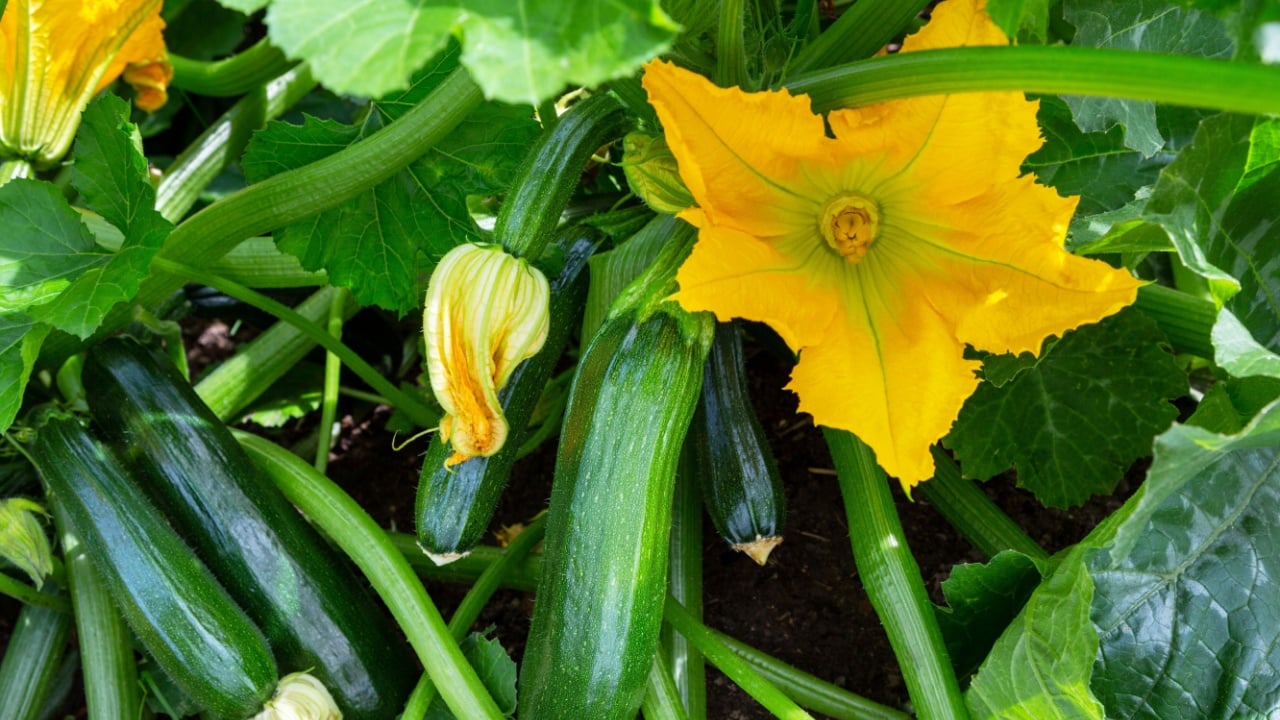
Zucchini has a reputation for a reason. Iowa State University Extension describes it as one of the most reliably productive plants for novice gardeners, and experienced growers will tell you one or two plants is always enough.
A single plant can yield a dozen or more fruits in a season. The catch is that you have to harvest frequently, every couple of days, while the squash are still small and tender.
5. Spinach
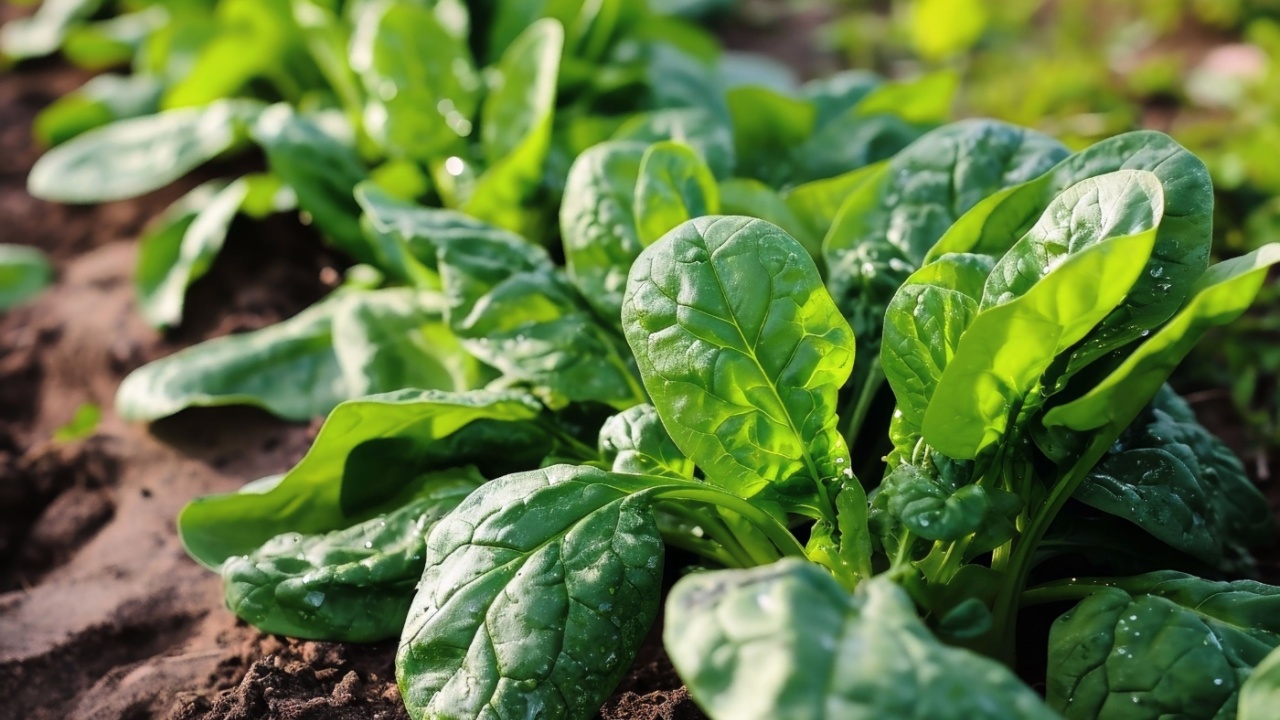
Spinach is the cool-season champion. It grows directly from seed in just 30 to 45 days and thrives in weather that stops most other vegetables cold. The Gardenary recommends planting in early spring, harvesting fresh, and freezing the surplus for summer smoothies and cooked dishes.
6. Kale
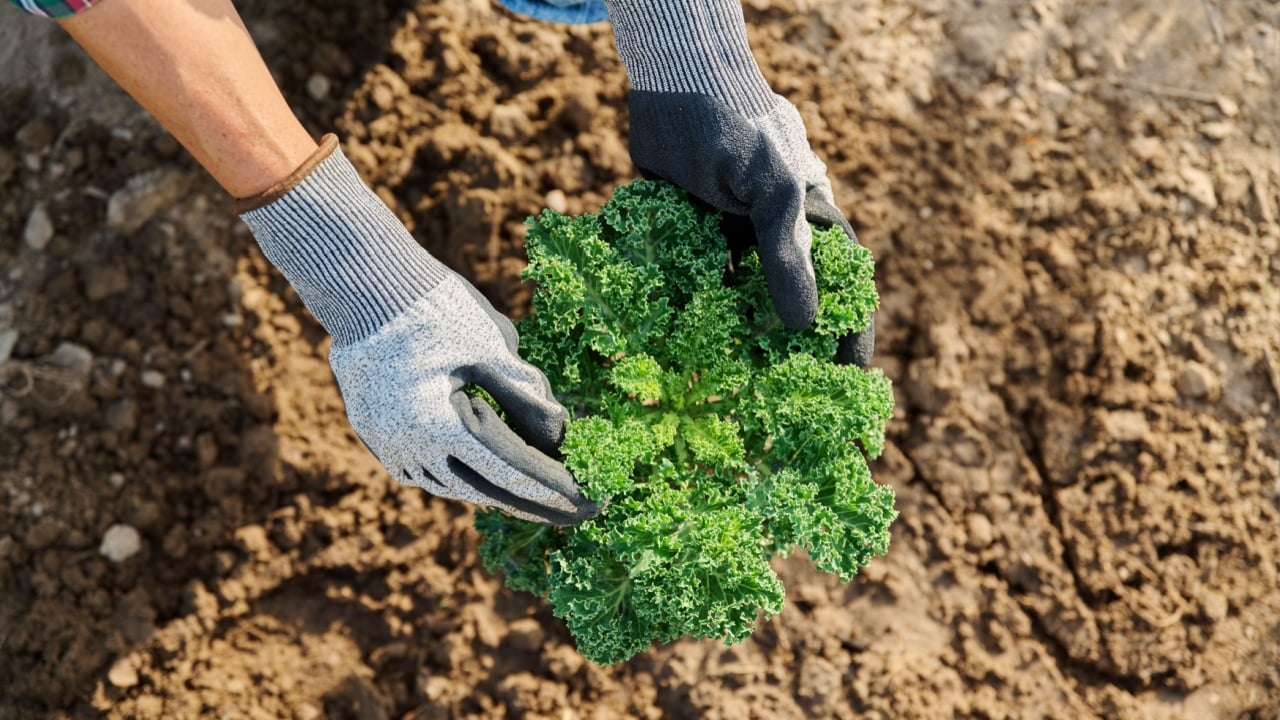
Kale deserves a spot on this list even if it has an undeserved reputation. It’s genuinely easy to grow, and the Old Farmer’s Almanac notes it gets sweeter after a frost. It’s one of the longest-season plants in the beginner garden, harvestable from baby leaves all the way to mature heads, and it keeps growing even as temperatures drop.
You’re More Ready Than You Think
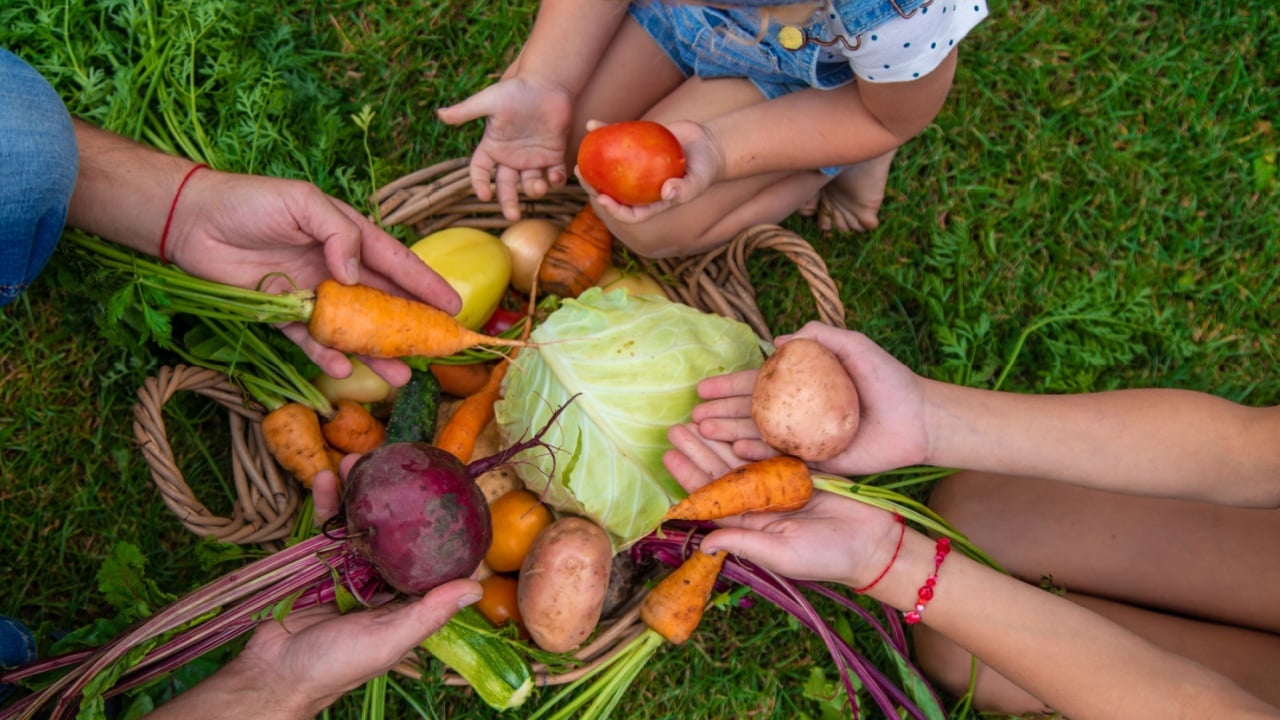
The idea that gardening requires a special gift is one of the more persistent myths going around.
What it actually requires is the right plants for where you are, seeds you’re willing to eat, and enough water to keep things going.
Start small. One raised bed, one container, and one row of radishes. The first harvest, even if it’s just a handful of salad greens or a few beans, will do more for your confidence than any gardening guide ever could.
After that, the question isn’t whether you have a green thumb. It’s what you want to grow next.
Read More
Washing Your Lettuce Won’t Remove Cyclosporiasis, But Growing Your Own Will
Your Grandmother Stored These 8 Foods All Winter Without Canning a Single Jar