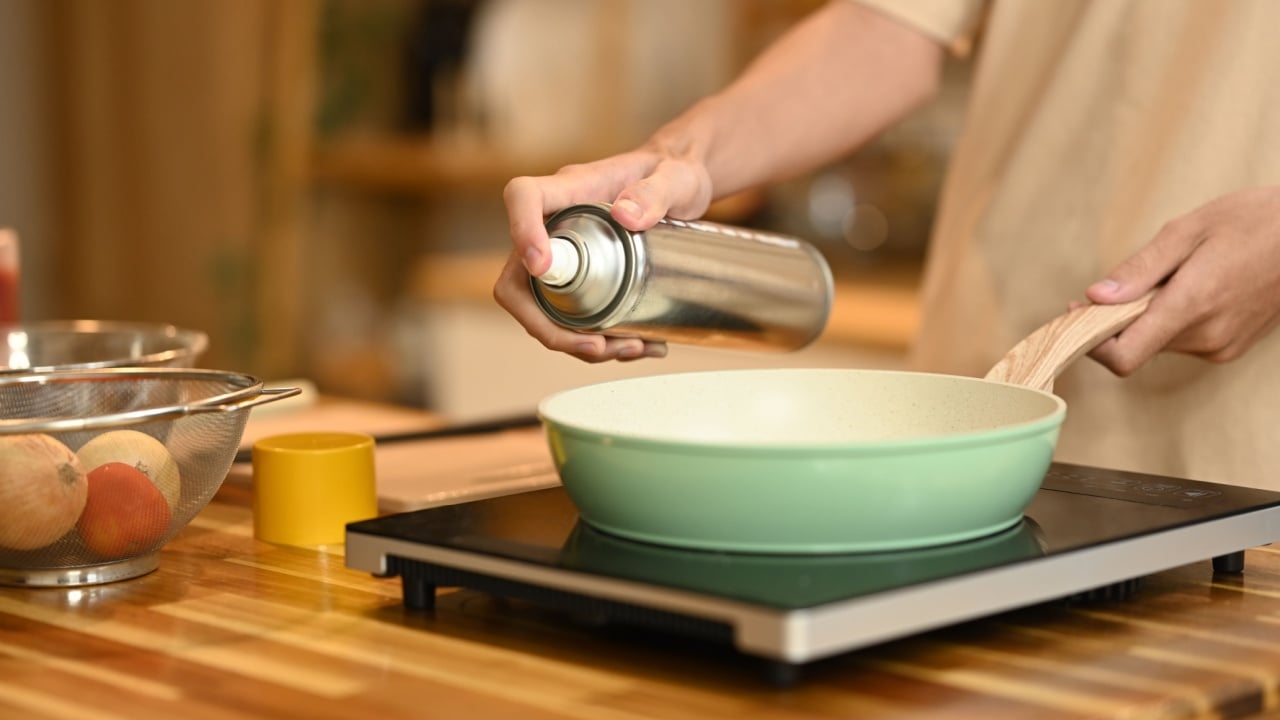
10 Times You Should Never Use Nonstick Spray
Reaching for a can of aerosol cooking oil feels like second nature when preparing a meal. People spray it on everything from baking sheets to frying pans without giving the action a second thought. The convenience factor makes it a staple in kitchens everywhere. However, this quick fix can occasionally cause more harm than good to your food and equipment.
These aerosol cans contain emulsifiers and anti-foaming agents that behave differently from pure oils under heat. When exposed to high temperatures, those extra ingredients break down, forming a sticky residue. That stubborn layer bonds tightly to surfaces and becomes nearly impossible to scrub away. Your favorite kitchen items slowly lose their effectiveness as this buildup accumulates.
This article outlines 10 specific situations in which you must skip the aerosol can. We will review how these sprays damage popular cooking tools and negatively impact the flavor of your meals. You will learn alternative methods to prepare your food while protecting your valuable kitchen investments.
1. On Cutting Boards
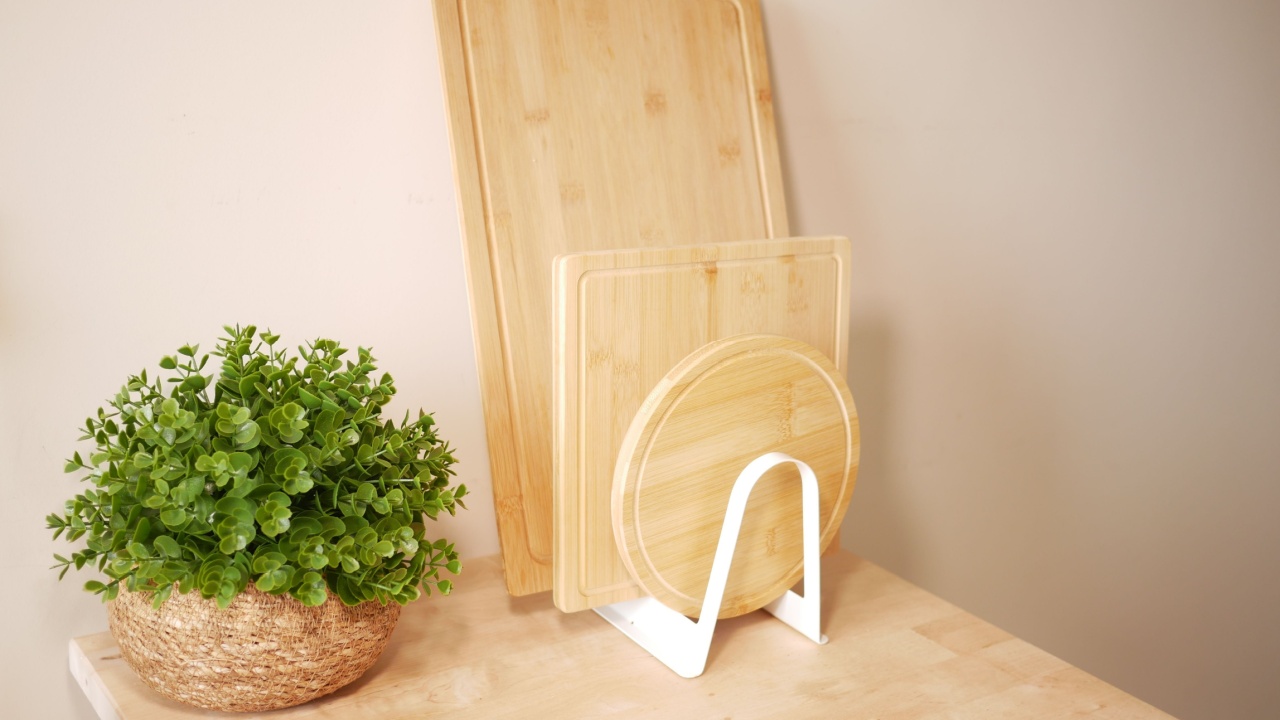
Spraying oil directly onto a wooden or plastic cutting board creates a dangerous surface for knife work. The fine mist coats the entire area, making the board incredibly slippery and unstable during prep work. A slipping knife easily leads to severe accidents while chopping vegetables or slicing meat. If you need to oil your board, use the recommended cutting board oil, which is meant to penetrate and protect wood, not to coat the surface for cooking
Instead of treating the board, mix your vegetables or proteins with oil inside a large mixing bowl. Tossing your ingredients in a bowl guarantees an even coating of flavor without compromising your safety. This method keeps your workspace secure and stops greasy messes from spreading across your countertops. Your meal prep remains entirely safe and highly organized.
2. On Pizza Stones

Ceramic baking stones absorb moisture, producing a perfectly crunchy crust for your homemade pizza. Oiling the pizza stones forces liquid fat into the porous material, permanently clogging the microscopic pores. Those trapped fats quickly turn rancid and release a terrible odor every time you heat the stone. The surface eventually becomes a sticky mess that completely ruins the taste of your baked goods.
You should dust your stone heavily with cornmeal or regular flour before placing your dough on it. A generous layer of dry powder stops the dough from sticking while allowing the ceramic to absorb excess moisture properly. This dry technique preserves the integrity of your equipment and delivers that authentic pizzeria crunch. Your stone will last for years with proper care and dry applications.
3. In Muffin Tins with Liners
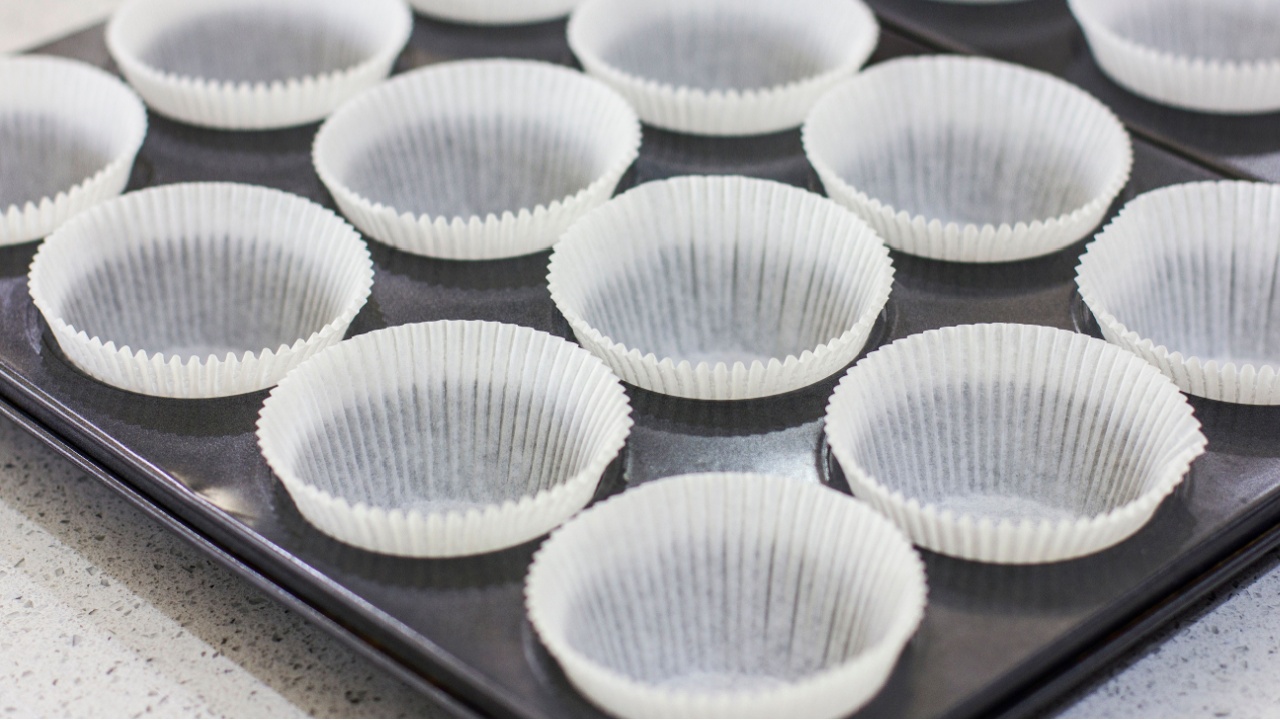
Placing paper liners inside a muffin tin already provides a dependable barrier against sticking. Adding aerosol oil into the cups defeats the purpose of the paper and creates an overwhelmingly greasy texture. The paper absorbs the aerosol liquid, which then transfers directly into the sides of your cupcakes or muffins. The resulting baked goods look oily on the outside and feel heavy in your hands.
Simply rely on the paper or foil liners to do their intended job without extra assistance. If you prefer baking without liners, rub a small amount of solid butter inside each cup. Melted butter or regular oil brushed lightly along the sides also produces fantastic results. Your pastries will slide right out of the pan and maintain their ideal fluffy texture.
4. On Cast Iron Cookware
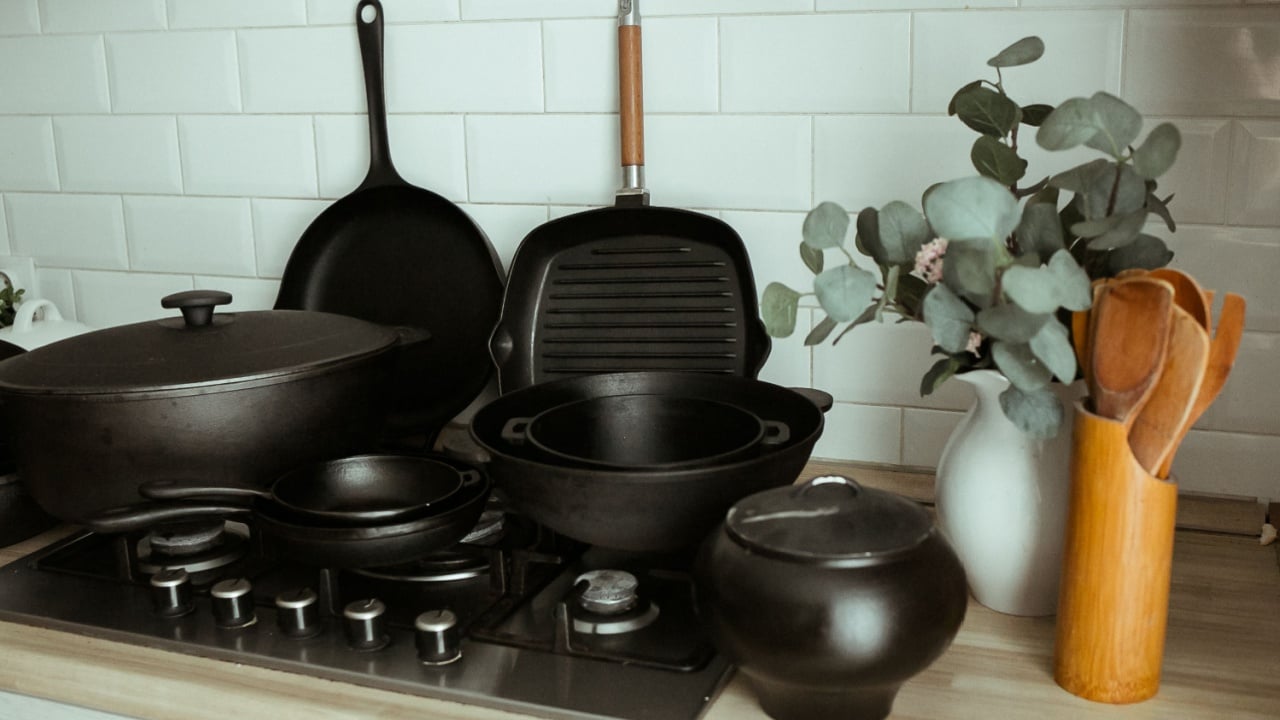
Generations of cooks prize their heavy iron skillets for the naturally slick surfaces they build through regular seasoning. The chemical additives in aerosol sprays interfere directly with this carefully developed layer of polymerized fat. The soy lecithin found in most commercial cans binds aggressively to iron, leaving a gummy residue behind. You will eventually have to strip the pan completely and restart the entire seasoning process.
Maintain your skillet by wiping the interior with a thin layer of pure vegetable oil or melted lard. Applying the fat with a paper towel leaves exactly the right amount of protection for your next cooking session. Preheating the pan properly before adding your ingredients also prevents food from bonding to the metal. Your iron cookware will remain perfectly slick and incredibly durable for a lifetime of heavy use.
5. On Baking Sheets for Roasting Vegetables

Roasting root vegetables requires high oven temperatures to achieve a beautifully caramelized exterior. Most commercial cooking sprays have low smoke points and cannot withstand temperatures above 400 degrees Fahrenheit. The fine mist quickly burns in a hot oven, filling your kitchen with foul smoke and leaving permanent brown stains on your baking sheets. Your carefully prepared vegetables will absorb that burnt flavor and taste terribly bitter.
Protect your baking sheets by lining them with heavy-duty aluminum foil or unbleached parchment paper. You can then toss your cut vegetables with olive oil or avocado oil in a separate container before spreading them out. Pure oils withstand high roasting temperatures perfectly and add a delicious roasted flavor to your meal. Cleanup takes seconds because the protective paper catches all the messy juices and caramelized sugars.
6. On Silicone Baking Mats
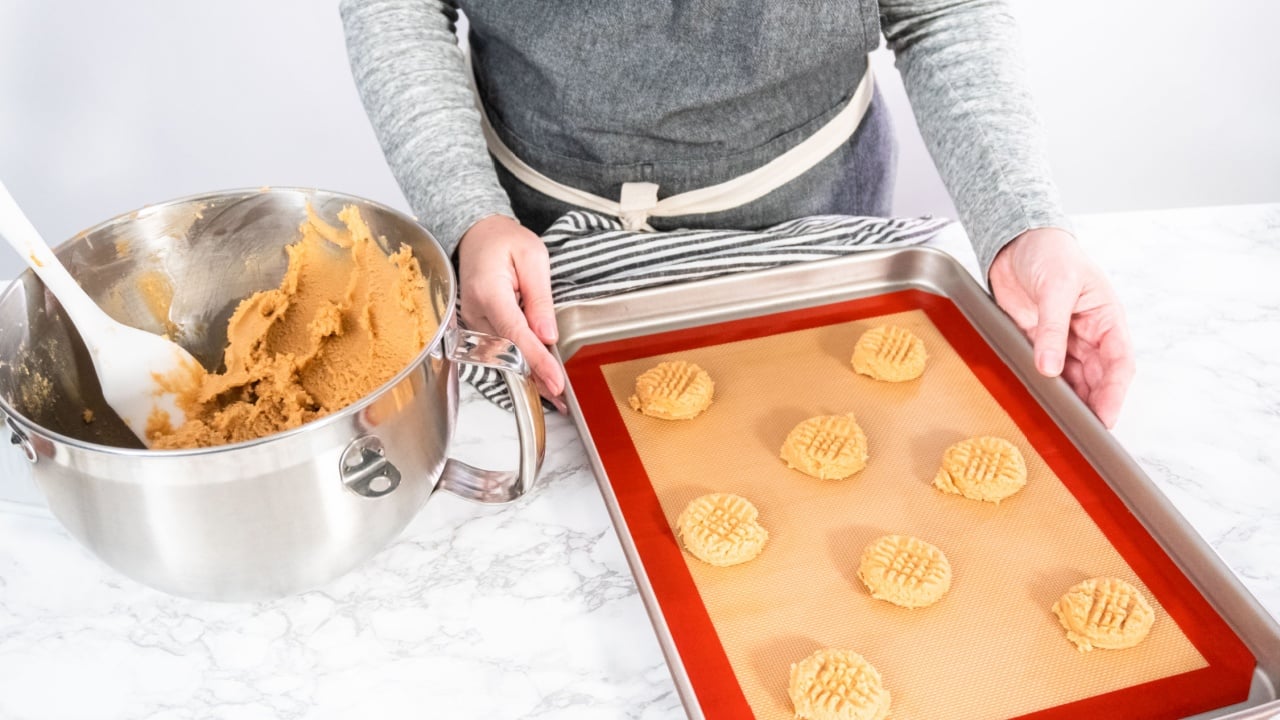
Manufacturers design flexible silicone mats specifically to replace disposable parchment paper and heavy greases. Applying a chemical spray directly to the silicone creates a stubborn film that regular dish soap cannot remove. This greasy buildup destroys the mat’s naturally slick properties and attracts dust while it sits in your cabinets. Baking on a ruined mat causes cookies to spread unevenly and burn along the edges.
Trust the engineering behind your silicone mats and place your dough directly onto the dry surface. If a recipe requires extra fat, brush a tiny amount of melted butter only exactly where the food will rest. Washing your mats immediately after use with hot water and mild detergent keeps them functioning perfectly. You will save money on cleaning supplies and enjoy perfectly baked cookies every single time.
7. On Nonstick and Stainless Steel Pans
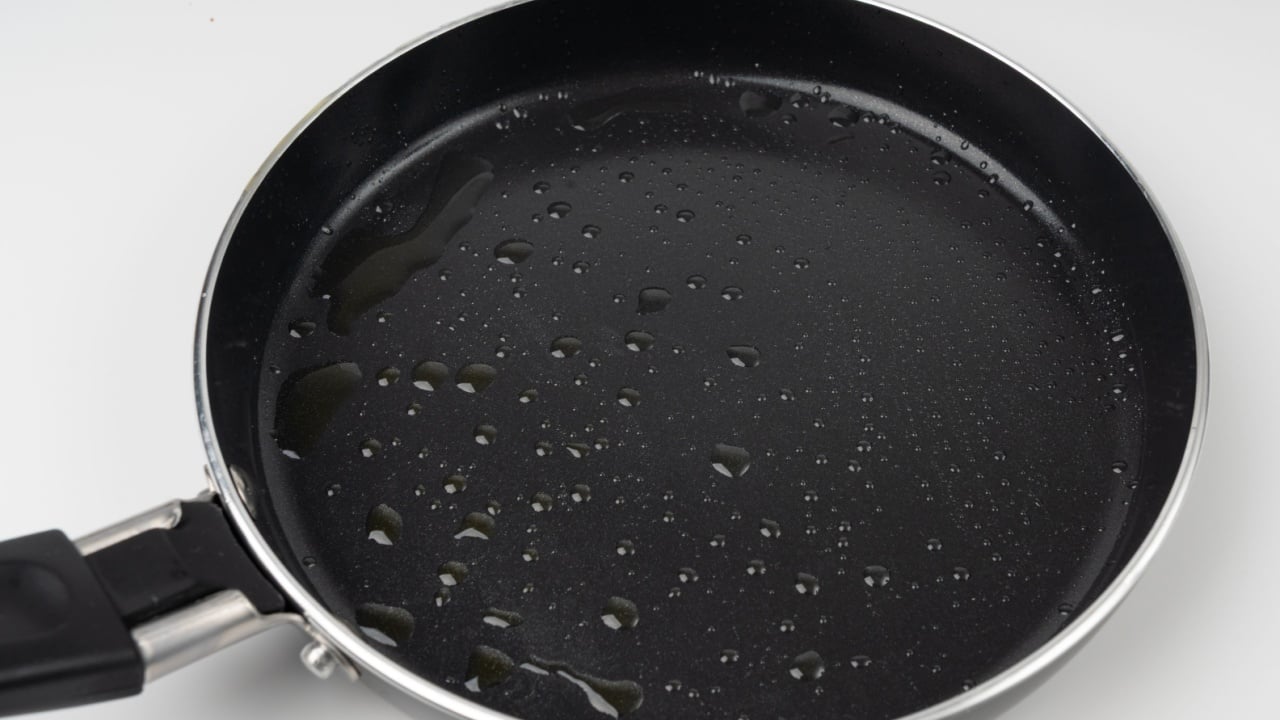
Modern nonstick skillets provide a perfectly smooth cooking experience that requires very little extra fat. Spraying aerosol cans into these pans deposits chemical emulsifiers that cook onto the surface and refuse to wash away. The pan slowly turns brown and loses its slick properties, forcing you to throw away an expensive piece of equipment. Stainless steel pans suffer a similar fate, developing dark polymerized stains along the interior walls.
Protect your expensive cookware by adding a teaspoon of pure liquid oil or a pat of butter right before cooking. Let the pan heat up gently before adding the fat to create a temporary, slippery barrier. This simple habit extends the life of your pots and pans by several years and keeps them looking brand new. Your eggs will slide right onto the plate without any harmful chemicals bonding to the metal.
8. On Waffle Irons
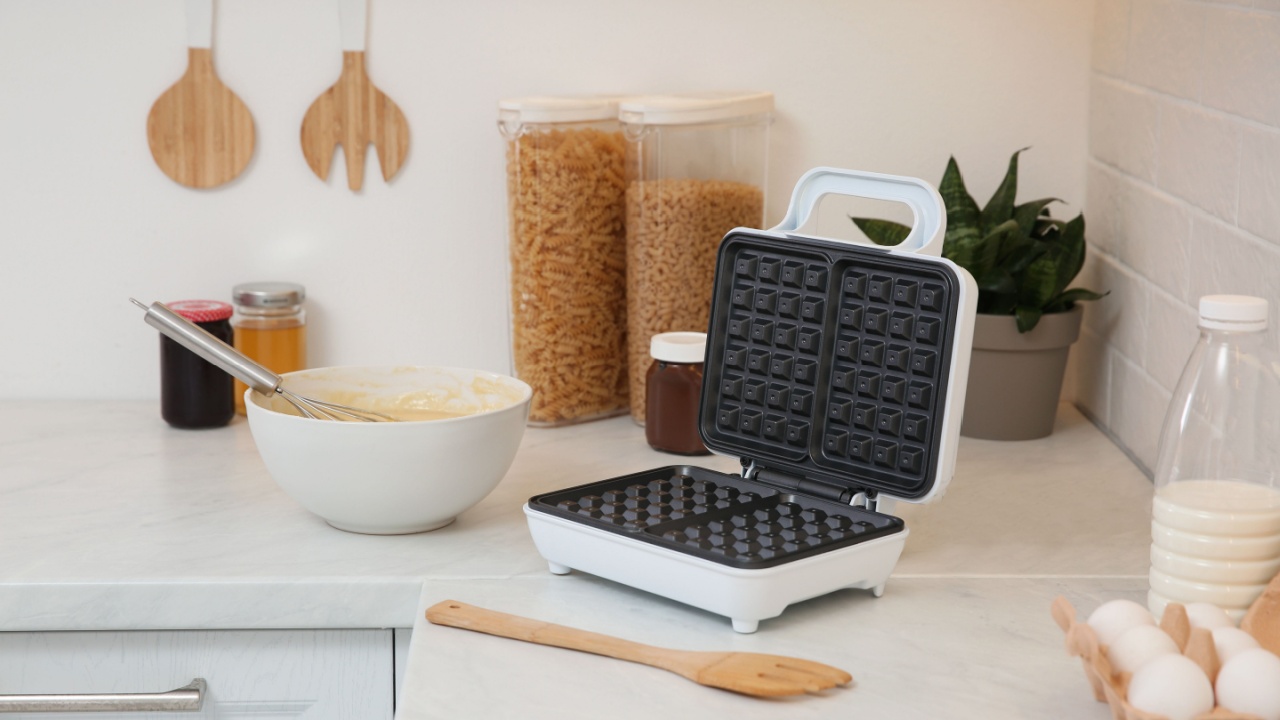
Electric waffle makers feature complex grids with dozens of small crevices that are notoriously difficult to clean. Spraying an aerosol oil directly onto the hot plates forces chemicals into every tiny corner and hinge. As the machine heats up, the propellants bake into a thick, brown glue that ruins the nonstick coating completely. Your breakfast batter will eventually cement itself to the damaged plates, ruining your morning meal.
Brush the grids lightly with pure melted butter or coconut oil using a heatproof silicone pastry brush. This method delivers pure fat precisely where you need it without making a mess of the machine casing. A high-quality waffle batter should already contain enough melted butter or oil to prevent severe sticking issues. Your machine will remain pristine, and your breakfasts will taste incredibly rich and satisfying.
9. Over Grill Grates
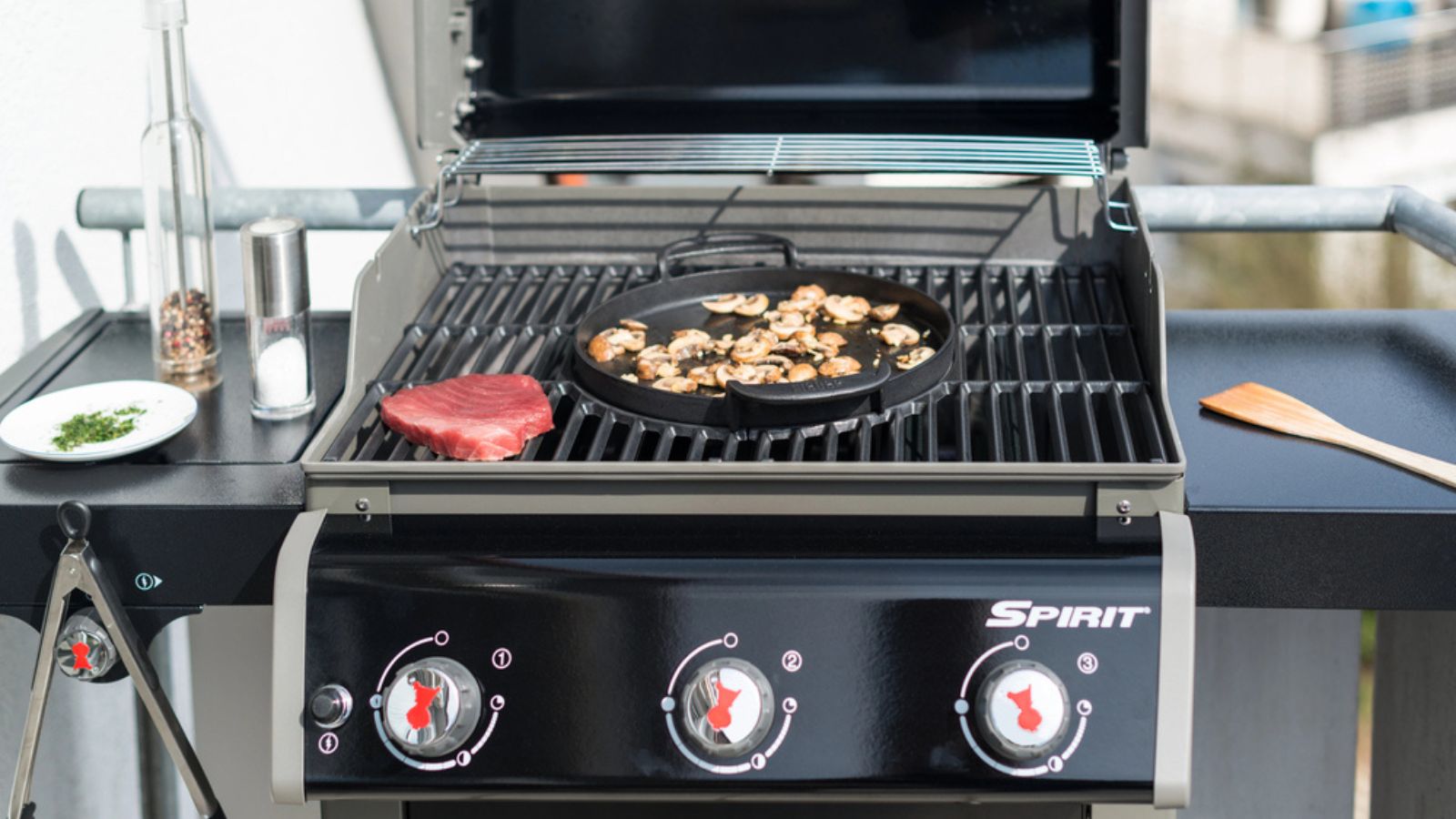
Taking a highly flammable aerosol can out to a hot outdoor grill presents a severe safety hazard. Spraying the fine mist directly over open flames instantly causes massive flare-ups that can burn your hands and face. The oil hits the hot metal and immediately turns into an acrid smoke that leaves a horrible chemical taste on your meat. The grates will also develop a thick layer of carbonized soot that requires intense scrubbing to remove.
Keep the fire safe by applying oil directly to your steaks, chicken, or vegetables before taking them outside. Coating the food creates a perfect barrier that stops sticking while promoting gorgeous grill marks. If you must oil the grates, hold a rolled-up paper towel with long tongs, dip it in oil, and rub the cold metal carefully. Your barbecue will taste amazing, and you will completely avoid dangerous grease fires.
10. In Air Fryers

Aerosol sprays may seem like a quick fix for air fryer baskets, but they can damage the nonstick coating. The propellants and chemical additives can leave a sticky residue on the basket’s surface when heated, which is difficult to remove. This residue can cause food to stick and may generate smoke or off‑flavors during cooking. Your air-fried foods may not release properly, and the coating can flake, affecting both safety and taste.
Instead, lightly brush a thin layer of oil onto the basket using a heatproof silicone brush or toss your food in a small amount of oil in a separate bowl before placing it in the fryer. This method ensures even coating without harming the basket. Cleaning the basket with warm, soapy water after each use keeps the nonstick finish intact and your air fryer performing optimally.
Keep Your Cookware Happy
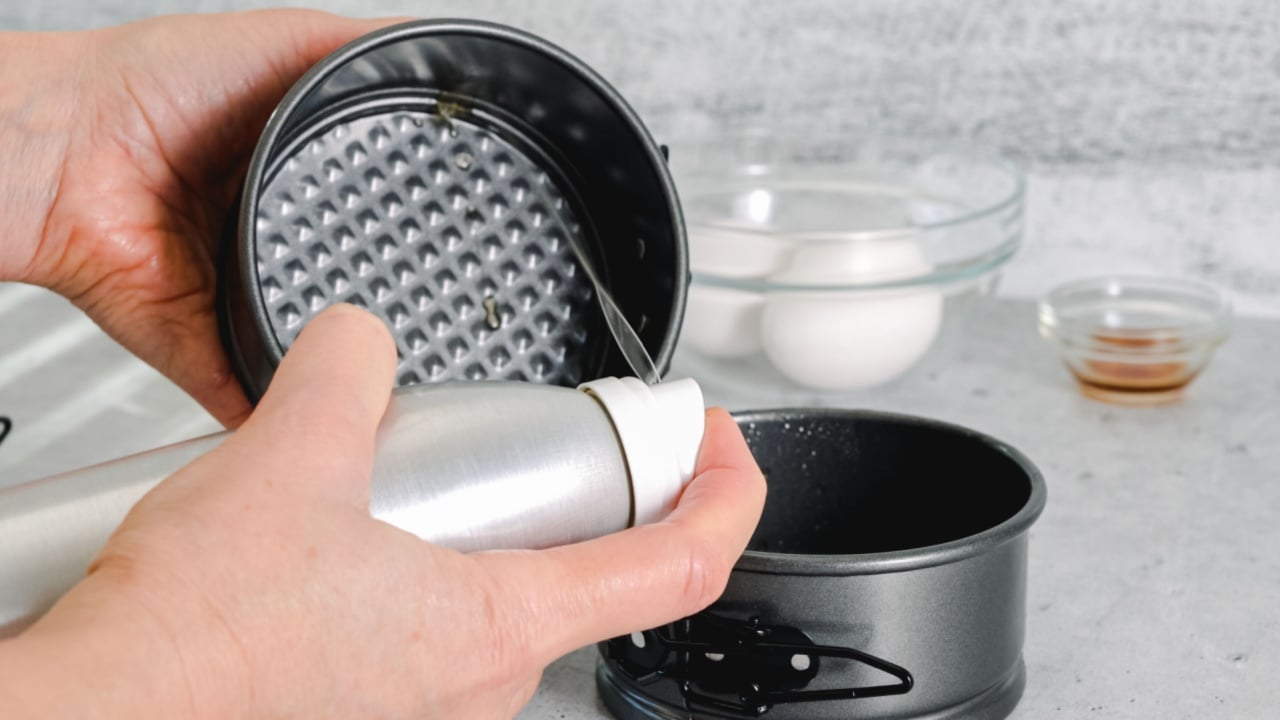
Aerosol cooking oils definitely provide convenience when used in the correct situations. However, relying on them for every kitchen task can damage your expensive equipment and alter the flavor of your meals. The chemical additives require intense scrubbing and often permanently ruin specialized tools like pizza stones and silicone mats. Using traditional fats prevents these messy scenarios and keeps your kitchen running smoothly.
Taking a moment to grab a bottle of pure oil or a stick of butter solves almost all of these common sticking issues. Small adjustments to your preparation methods yield better-tasting food and significantly less cleanup time. Keep the spray can in the pantry for simple baking jobs, and trust natural ingredients for everything else.
Read More: