17 Beautiful Birds That Love Feast on Backyard Fruit
Watching birds feast on backyard plants brings life to your garden long after the summer blooms have faded. As insects become scarce in the colder months, many of our feathered friends turn to the sweet, nutrient-rich fruits hanging from shrubs and trees.
If you ask any ornithologist or birding enthusiast, they’ll tell you that planting native, fruit-bearing shrubs is one of the best ways to attract a diverse flock. Wildlife experts agree, noting that high-fat berries provide essential energy for birds to survive the winter and fuel long migrations.
Let’s explore a variety of stunning bird species known for foraging on backyard fruit. You’ll get a detailed look at each species’ favorite snacks and learn practical tips for planting the right shrubs to bring them right to your yard.
1. Eastern Bluebirds
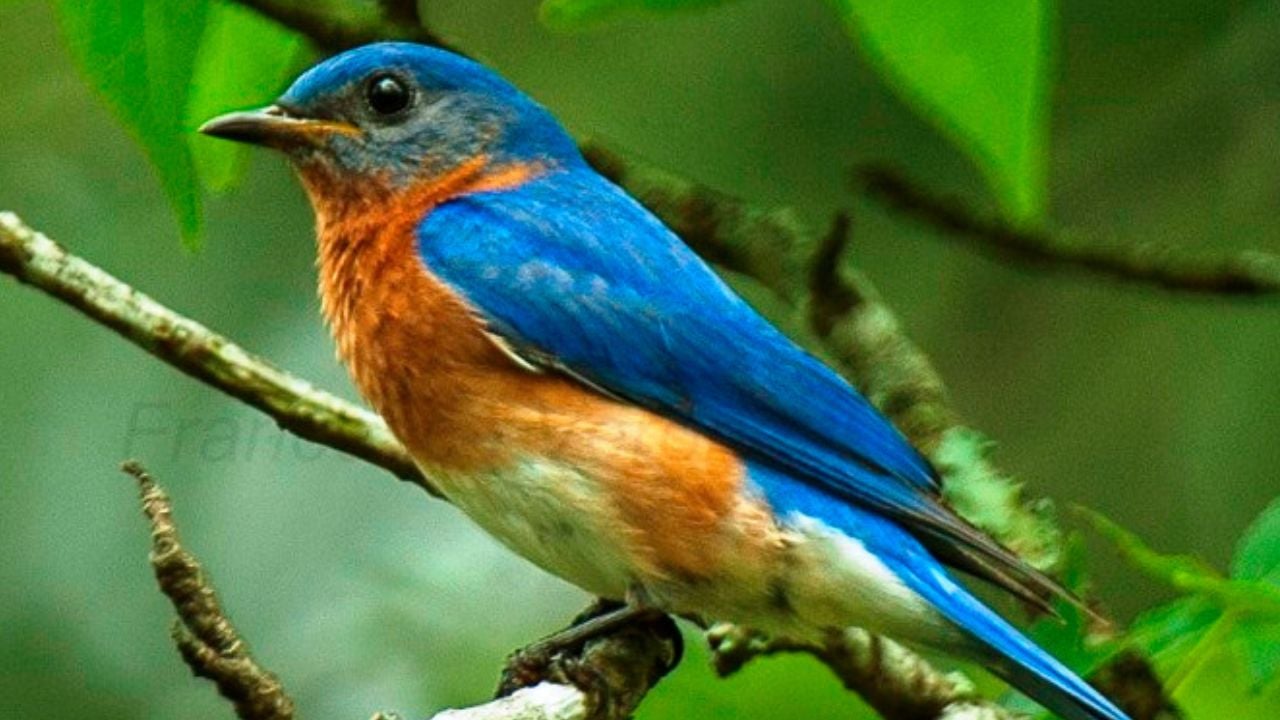
After the insect population dwindles, bluebirds heavily depend on native fruits for sustenance. Small wintering groups constantly search for bright red winterberry, which offers vital calories during the colder months.
Plant evergreen holly, hawthorn, and native junipers to provide a much larger banquet that sustains bluebirds for several weeks. Try adding a fuzzy staghorn sumac to the landscape to give them an extra food source in late winter.
2. American Robins

Robins display a dual personality by hopping across lawns in the summer and retreating to wooded edges in flocks during the winter. A single robin or an entire roaming flock will eagerly feast on hackberry, arrowwood viburnum, and toyon.
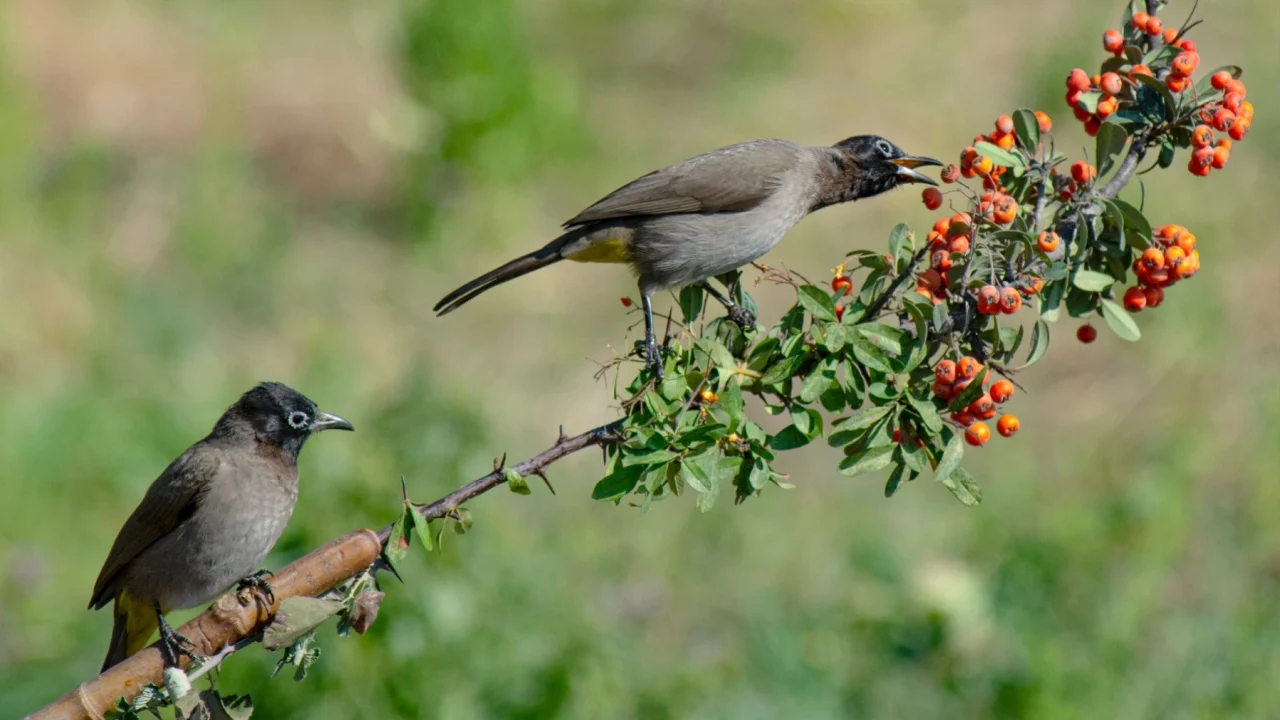
Grow plants with persistent fruits that hang on branches through the cold season to keep robins coming back. Pyracantha and American beautyberry offer a reliable buffet for these familiar birds all winter long.
3. Hermit Thrushes
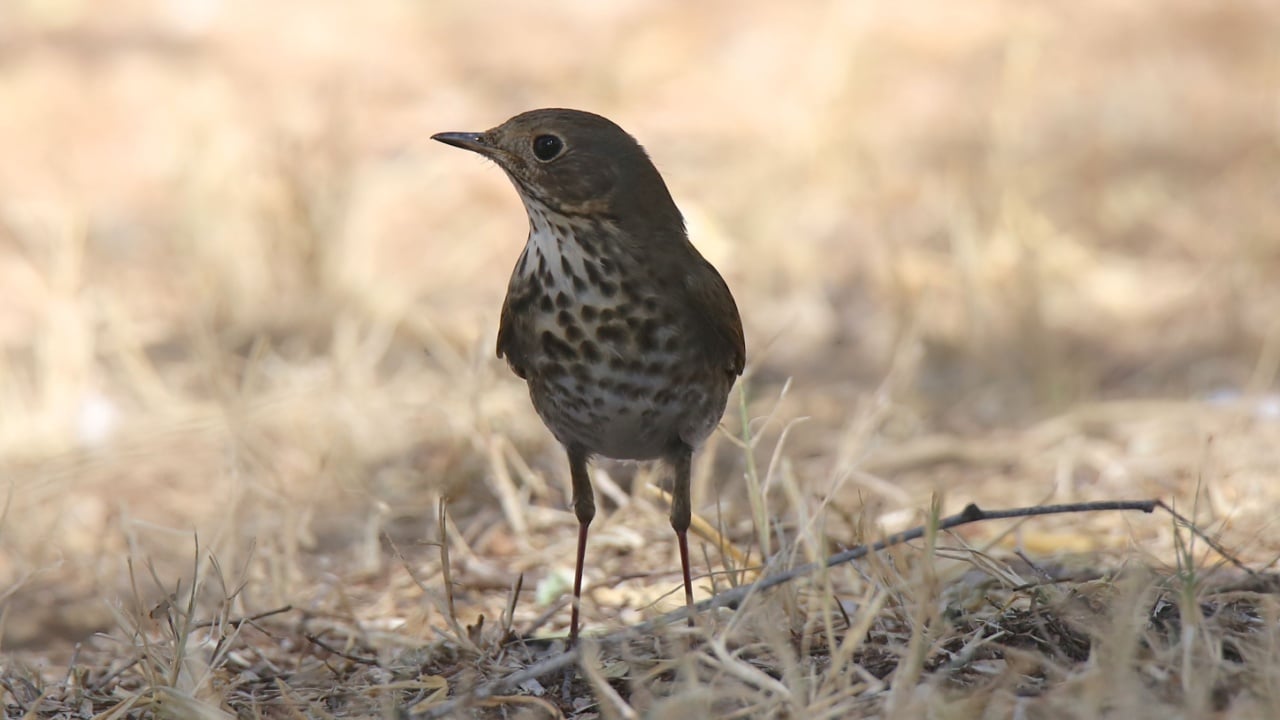
The hermit thrush stays all winter long and relies heavily on wild fruits. Research shows these solitary foragers consume a wide variety of native fruits to survive freezing temperatures.
Cultivate native berry-producing trees to support thrushes during the colder months. A well-placed dogwood or viburnum shrub provides the perfect natural food source for these quiet woodland visitors.
4. Townsend’s Solitaires
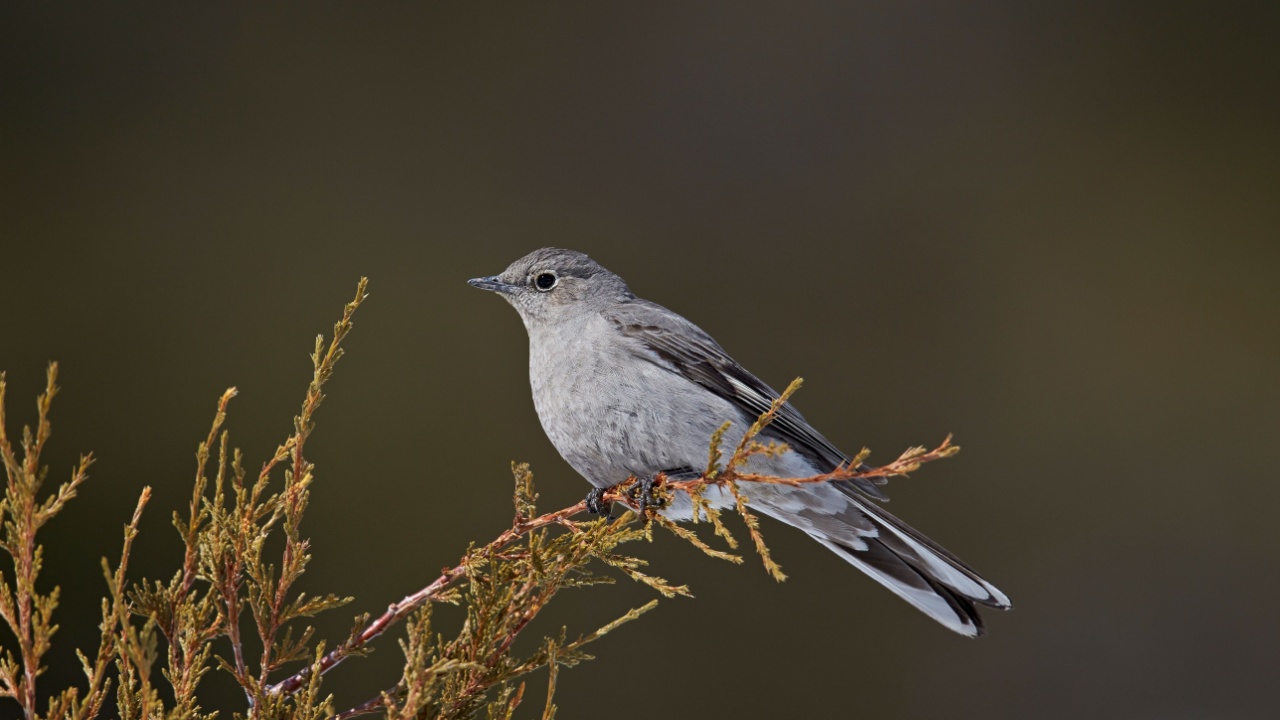
In the winter, Townsend’s Solitaires fiercely guard their chosen trees from competing relatives. They primarily feast on juniper fruits but will readily consume mistletoe growing high up in the canopy when other food is scarce.
To support these birds, consider allowing some mistletoe to remain on established trees. The high-fat content of its berries provides crucial nutrition, especially when juniper harvests are low.
5. Northern Cardinals
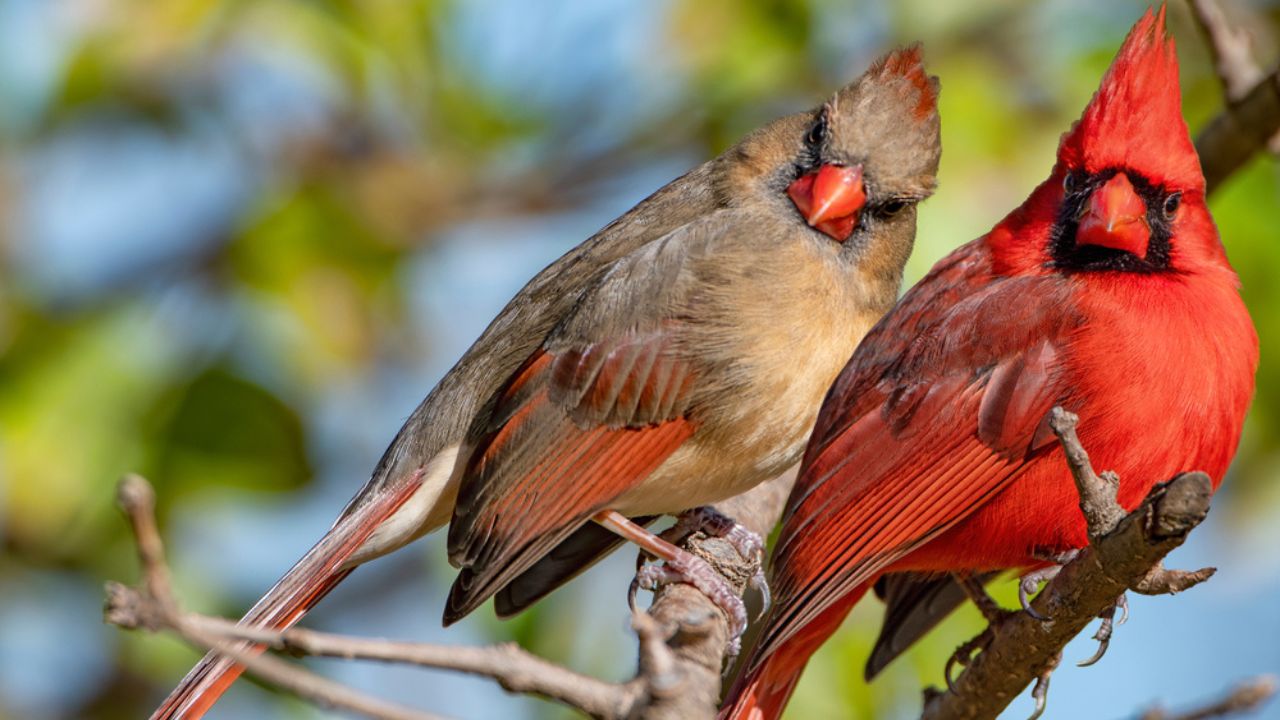
People frequently view northern cardinals strictly as seed eaters, but these bright red birds absolutely love sweet fruits. Winterberry bushes offer a tremendous amount of food and shelter for winter visitors.
Add a weeping crabapple tree to the yard to attract cardinals looking for a sugary treat. The dense branches also give them a safe place to hide from passing predators.
6. Cedar Waxwings
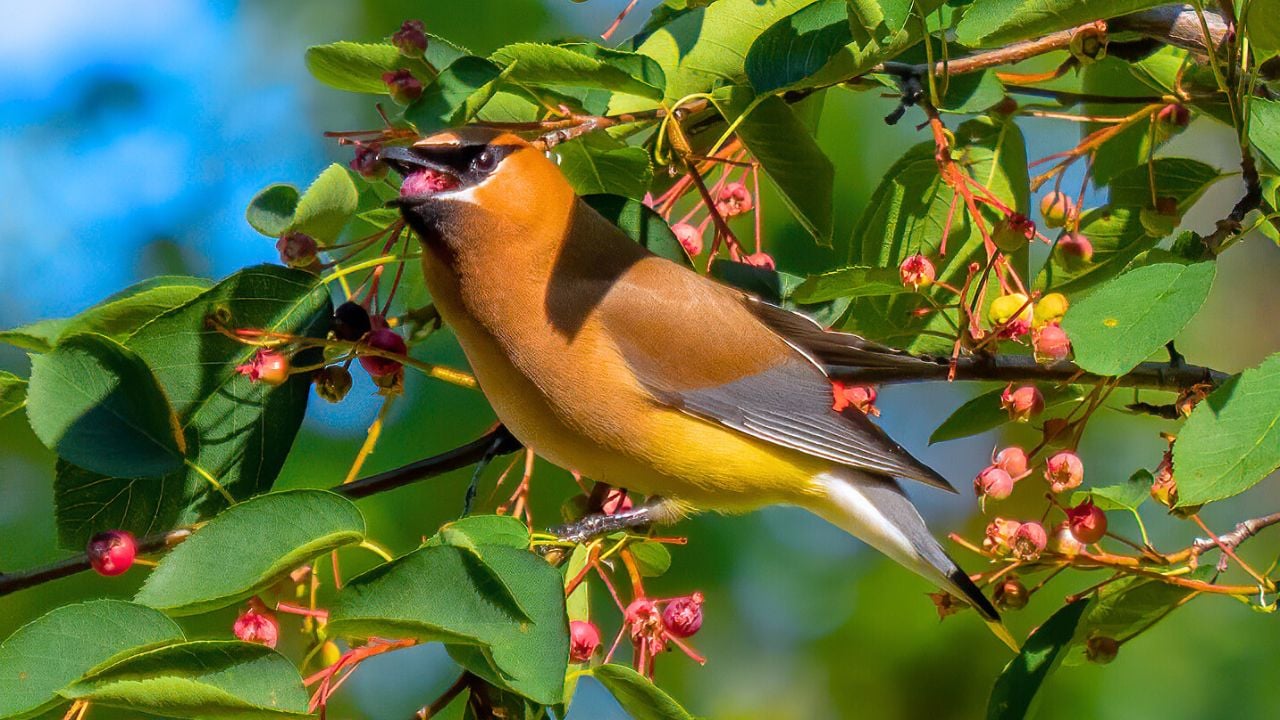
The cedar waxwing gets its name from its fondness for the blue-gray fruits of the eastern red cedar tree. These highly social birds travel in large flocks and primarily eat fruits year-round, including serviceberries, dogwood berries, and wild cherries.
Plant a mountain ash or a flowering crabapple to offer a feast large enough to sustain an entire flock. Waxwings will quickly strip a tree bare, so planting multiple fruit-bearing trees is a smart way to keep them coming back.
7. Yellow-rumped Warblers
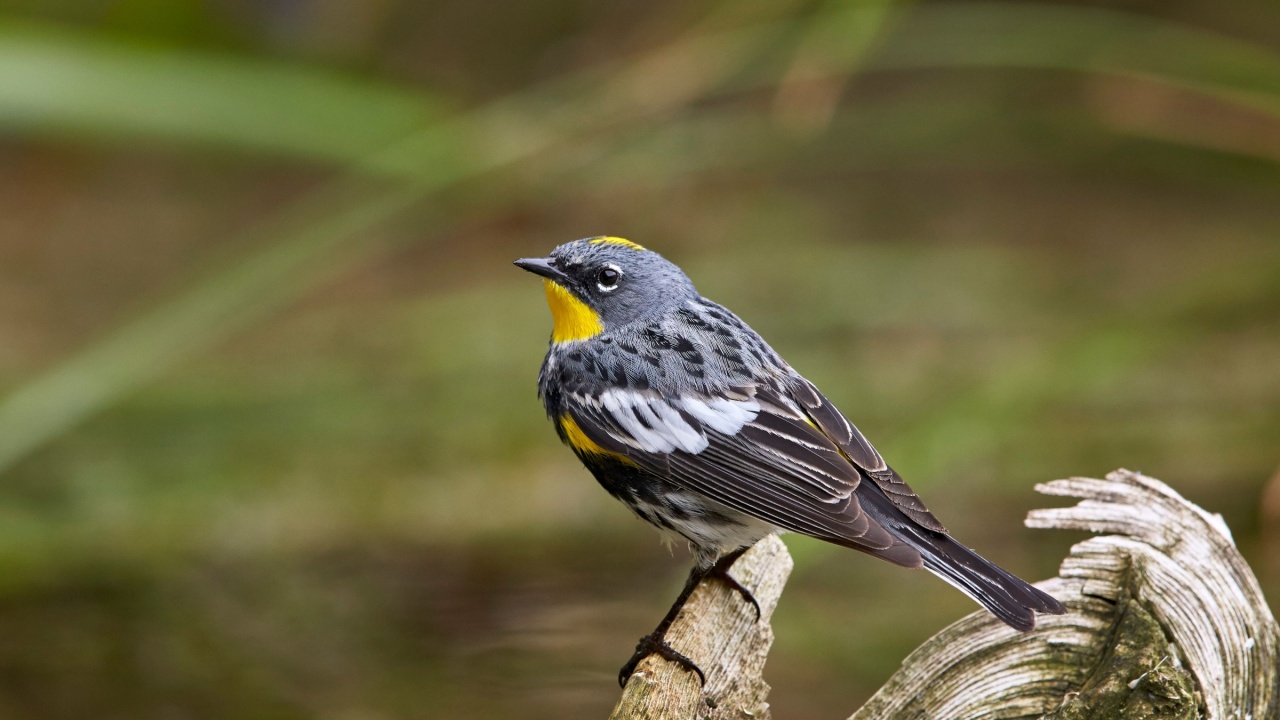
This widely distributed wintering wood warbler thrives on bayberry and other native myrtles. Yellow-rumped warblers possess a unique digestive trait that allows them to process the waxy coating of these fruits into life-saving fat.
Include bayberry shrubs in the garden design to draw in these active little birds. Listen closely for their signature sharp chip call when they arrive to forage in the foliage.
8. Tree Swallows
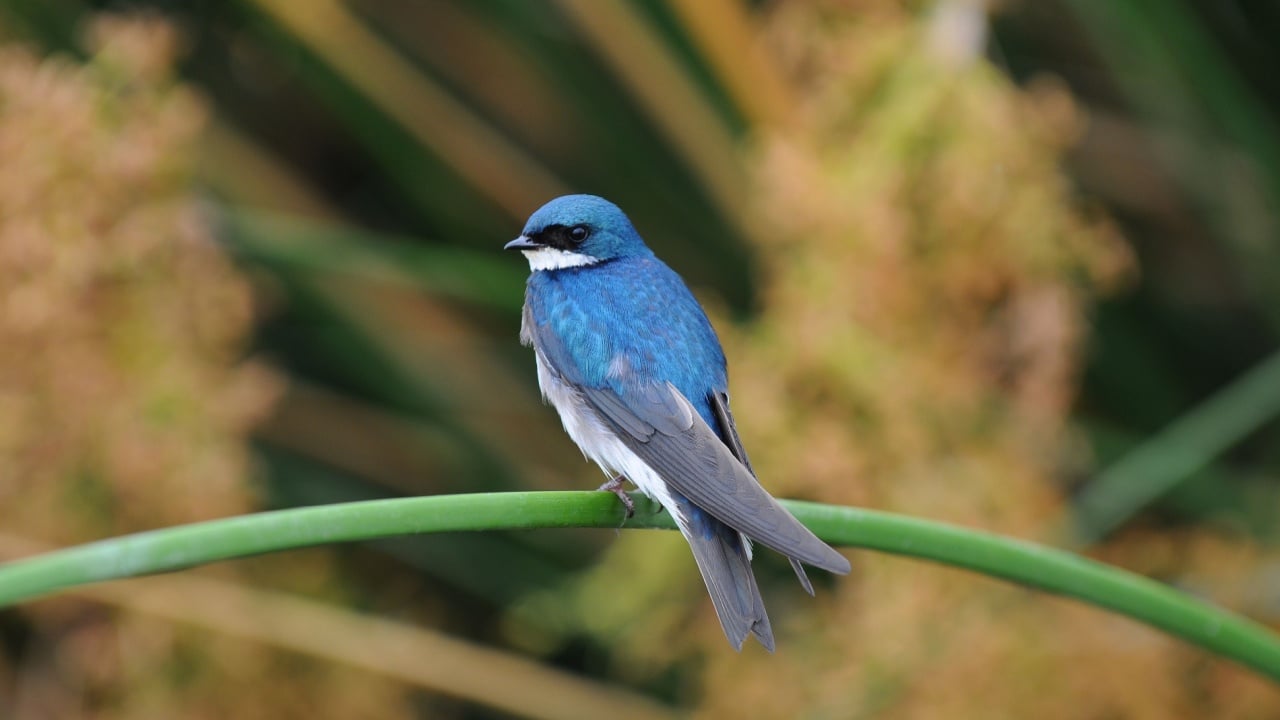
Tree swallows share the rare ability to digest waxy myrtle fruits with yellow-rumped warblers. Coastal wintering flocks often feed heavily on bayberries when flying insects disappear.
Establish coastal native plants like bayberry to support swallow populations during their migration and wintering phases. The dense shrubs provide essential calories when other food sources vanish.
9. Red-bellied Woodpeckers
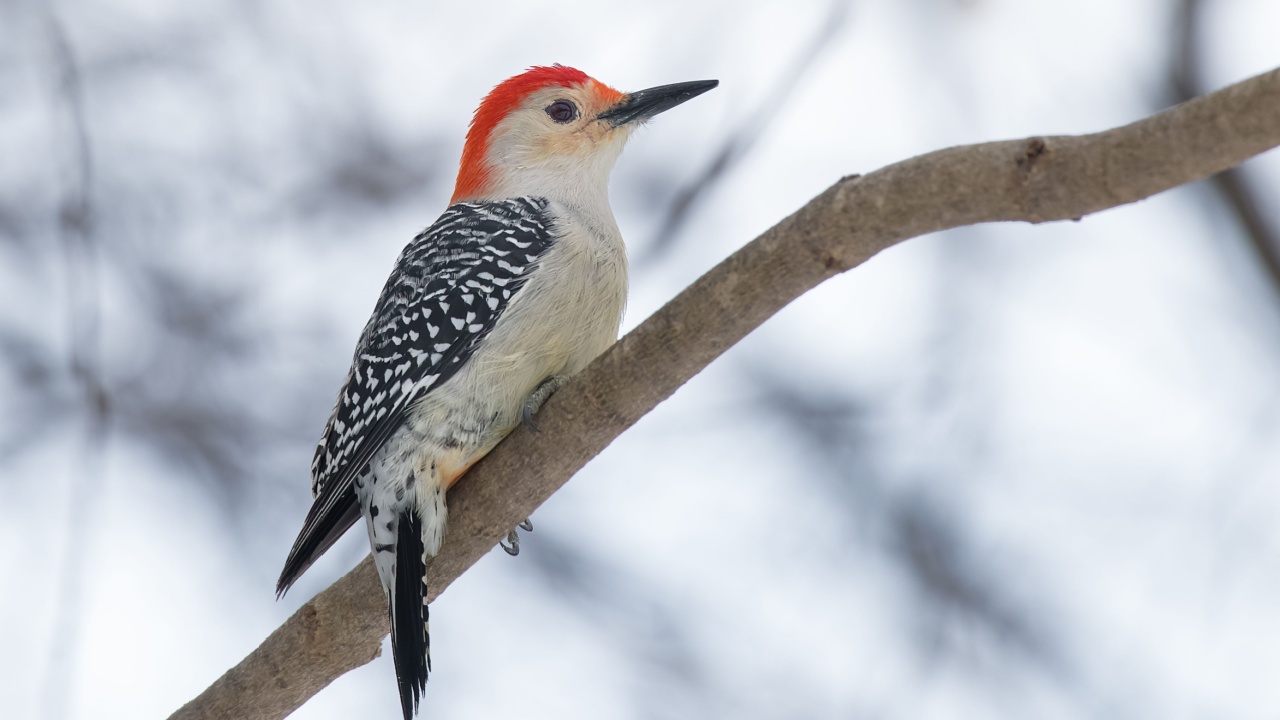
Woodpeckers typically forage alone, and the red-bellied woodpecker actively seeks out fruits in the winter. They happily consume poison oak and poison ivy fruits, turning a human nuisance into a valuable avian food source.
Leave a patch of native poison ivy at the edge of the property if it poses no risk to humans. Woodpeckers will gladly manage the fruits and naturally disperse the seeds in wooded areas.
10. Northern Mockingbirds
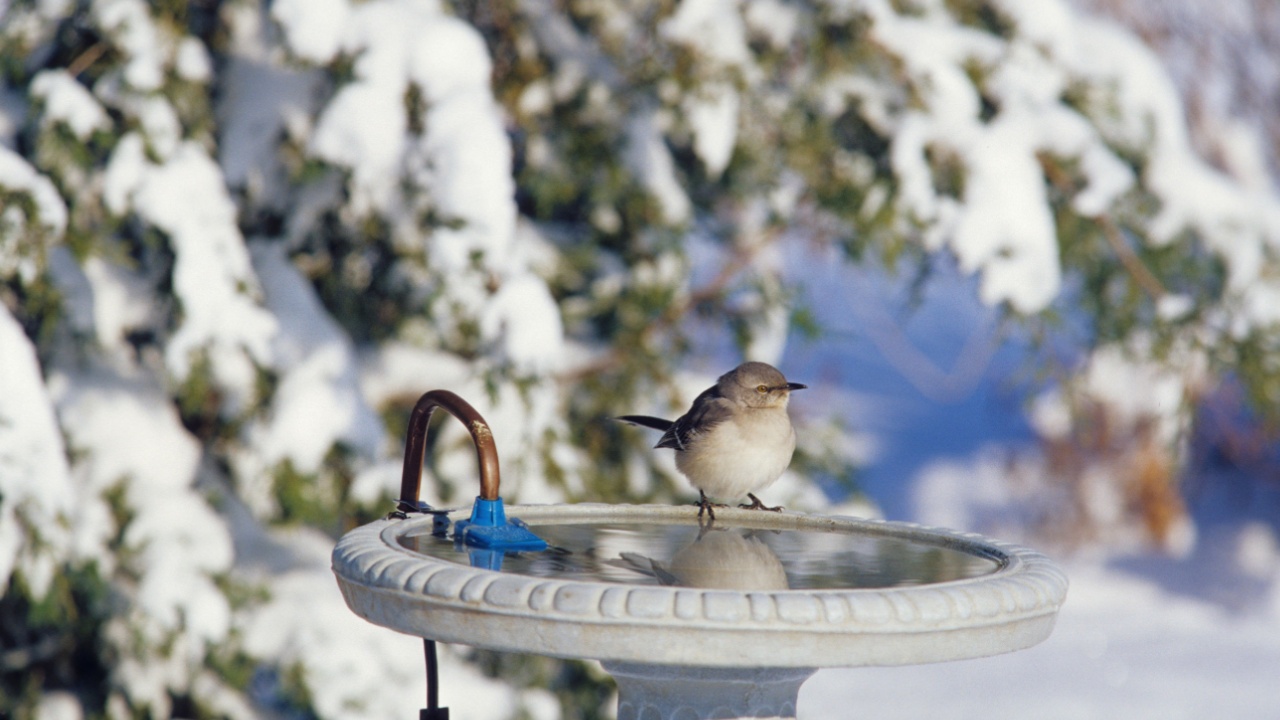
The northern mockingbird is a bold loner that aggressively defends its winter territory. They readily consume bittersweet, crabapples, hawthorns, and small rose hips to maintain their energy levels.
Plant a variety of viburnums and pyracantha to keep mockingbirds fed and active. Prune these shrubs minimally to maximize the fruit yield for these highly territorial birds.
11. Brown Thrashers
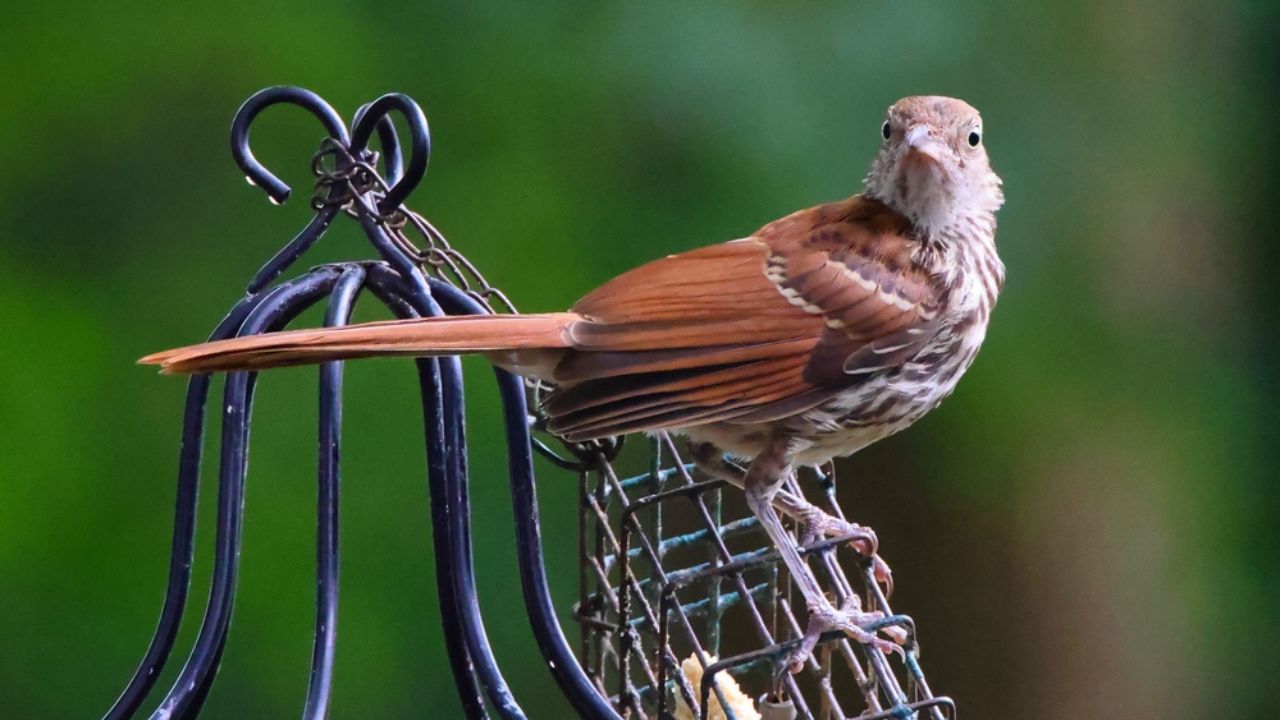
A wintering brown thrasher seeks out the same sweet treats as a mockingbird but displays far better manners at the feeding station. They forage near the ground and rely heavily on native shrubs for sustenance.
Create dense thickets of fruit-bearing shrubs to provide both food and safe shelter for thrashers. Arrowwood viburnum is an exceptional choice to attract these beautifully patterned birds.
12. Gray Catbirds
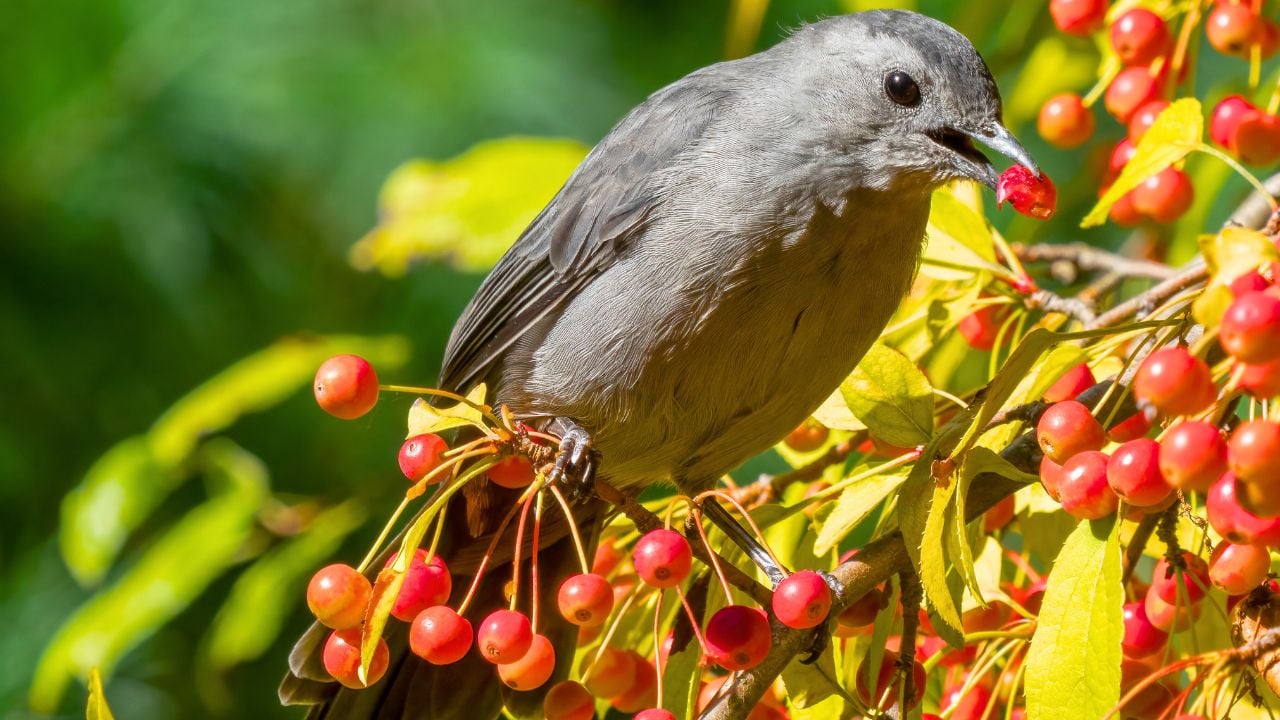
Gray catbirds primarily consume insects, but they possess a massive sweet tooth and will readily eat fresh fruits. They especially enjoy the soft fruits from dogwood, winterberry, and serviceberry plants.
Incorporate serviceberry trees into the yard to bring in these vocal and inquisitive birds. Catbirds will frequently return to a yard that consistently offers soft, ripe fruits.
13. Indigo Buntings
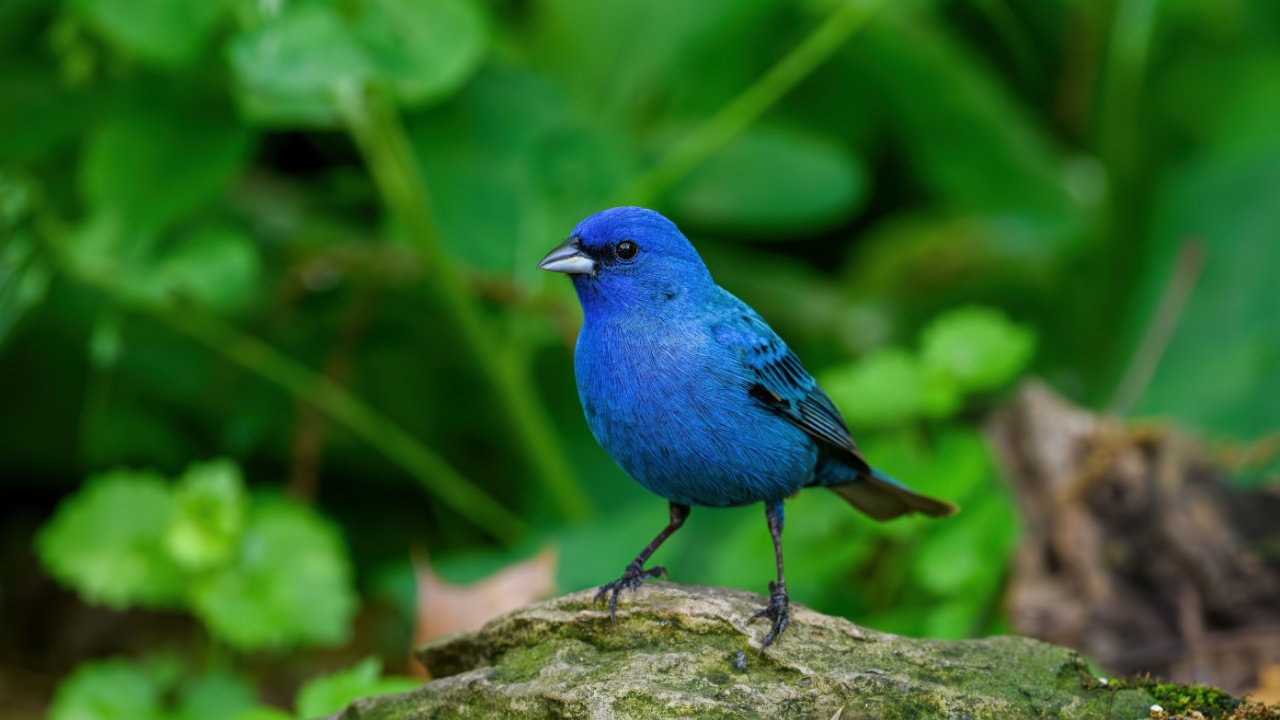
The vibrantly colored indigo bunting feeds on a balanced mix of seeds, insects, and fruits. Strawberries, blackberries, blueberries, and elderberries rank very highly on their preferred menu.
Cultivate an elderberry bush or a small blackberry patch in a sunny corner of the garden. The dense growth provides excellent foraging opportunities and safe nesting spots for buntings.
14. Pine Grosbeaks
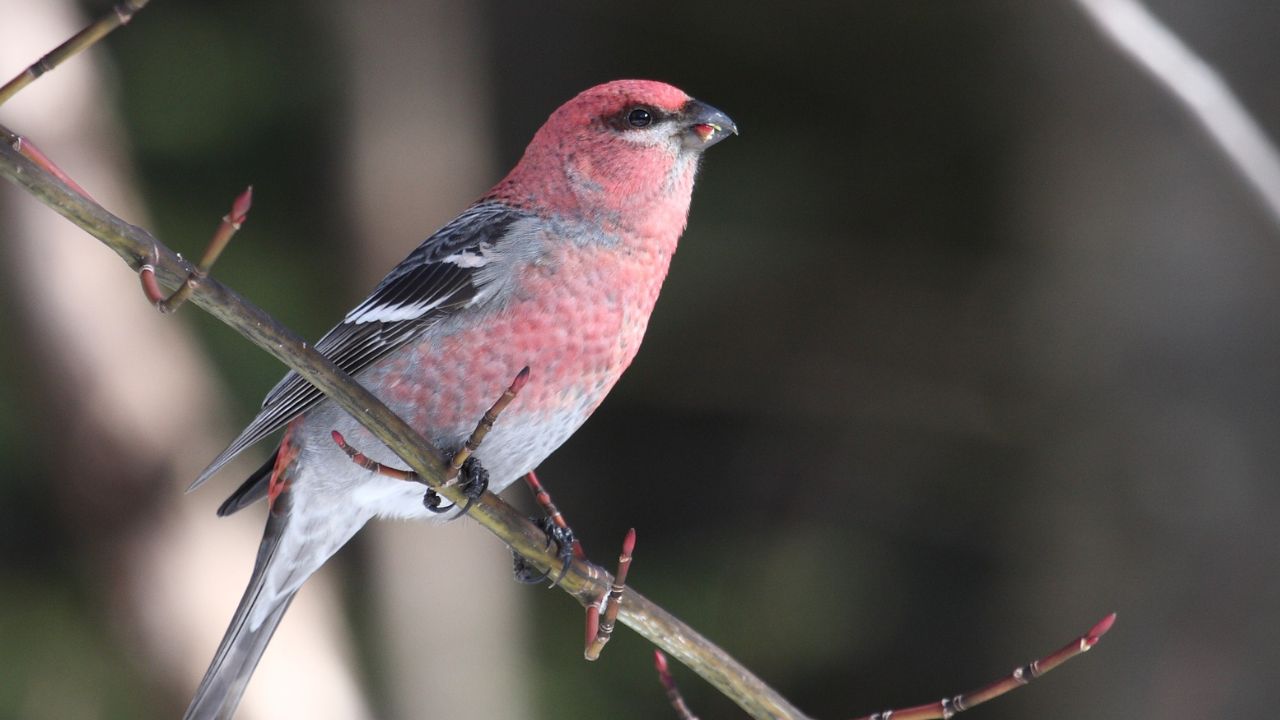
Pine grosbeaks delight observers in the far north when they visit backyards during the colder months. These large, robust birds rely on the fruits of mountain ash and crabapple trees to survive harsh winter conditions.
Grow cold-hardy fruit trees to attract these beautiful winter wanderers to the yard. Leaving the fruits on the tree well into winter guarantees a reliable food source for the grosbeaks.
15. Scarlet Tanagers
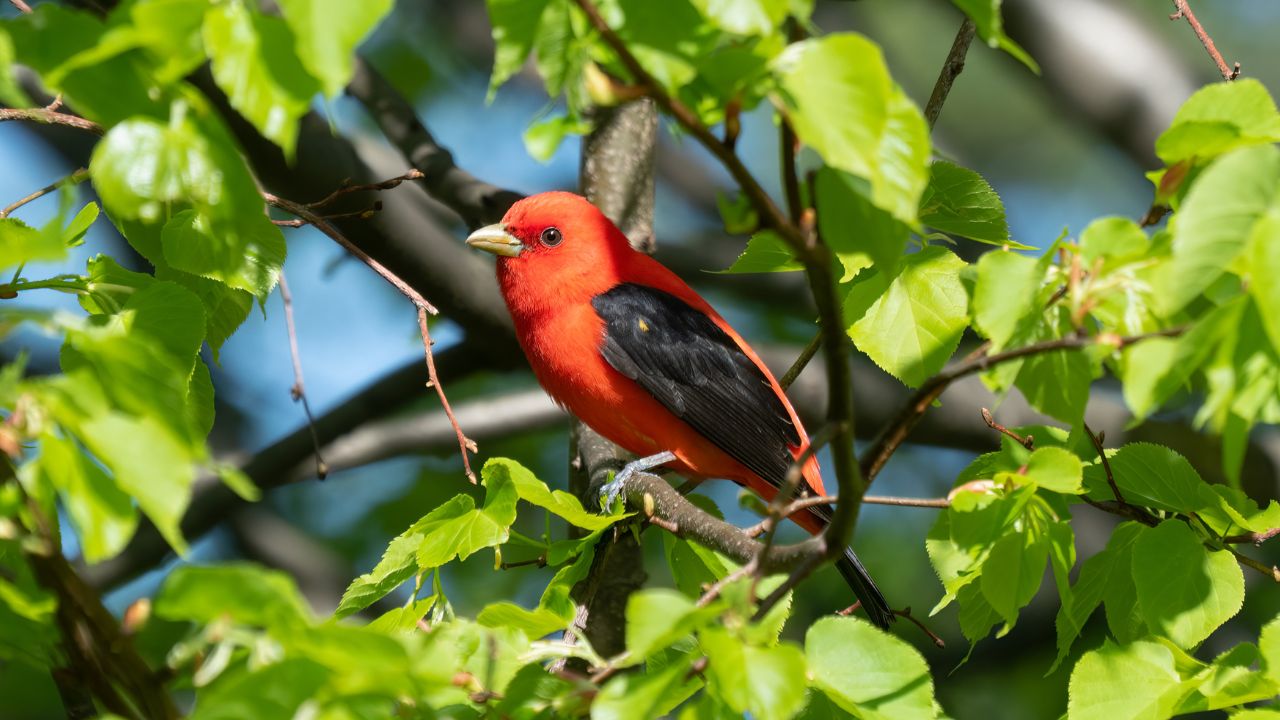
Brightly colored scarlet tanagers feast heavily on bees and wasps, but they gladly consume sweet treats like blackberries, raspberries, and mulberries. During spring migration, they actively search for soft fruits to replenish their energy.
Plant a mulberry tree to create a massive draw for migrating tanagers. A single mature tree provides thousands of calories and will attract a stunning variety of fruit-eating birds.
16. Bohemian Waxwings
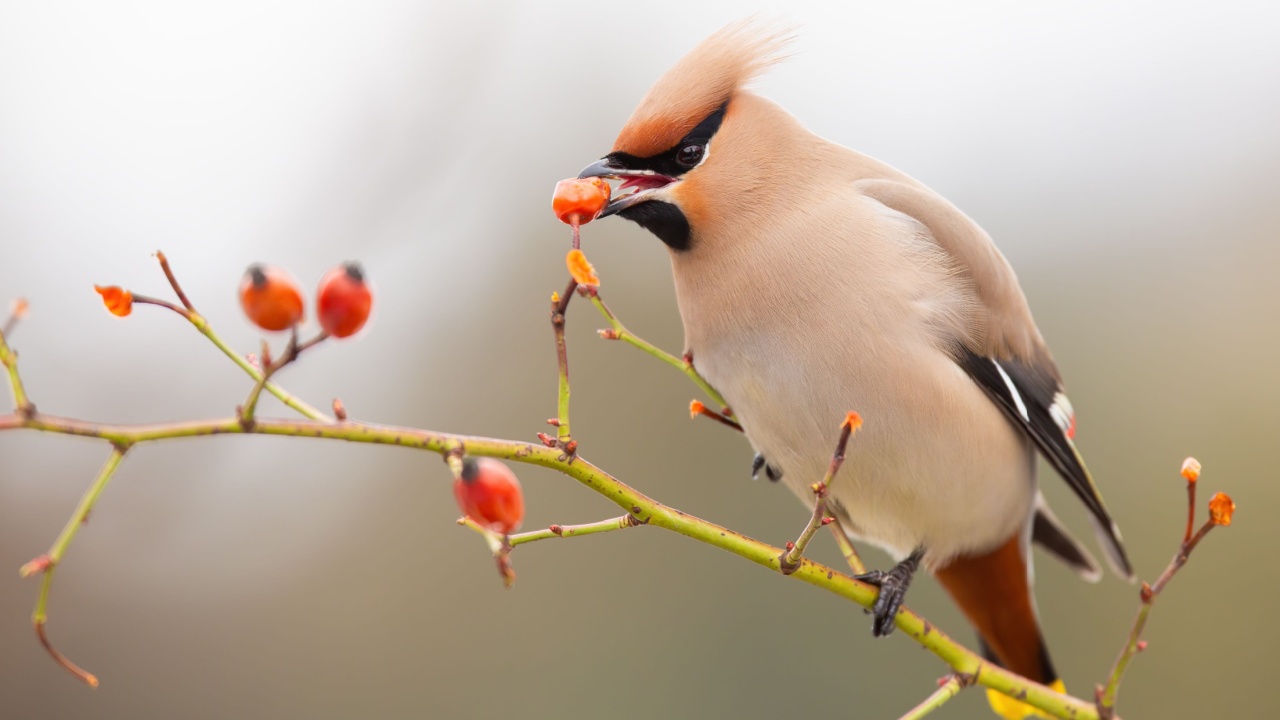
Bohemian waxwings travel in massive, nomadic flocks searching for fruit-laden trees across northern regions. They consume staggering quantities of mountain ash and ornamental crabapples in a matter of hours.
Provide a large cluster of fruit-bearing trees to accommodate these wandering flocks. Creating a diverse orchard of native fruiting trees offers the best chance of hosting these spectacular birds.
17. Northern Flickers
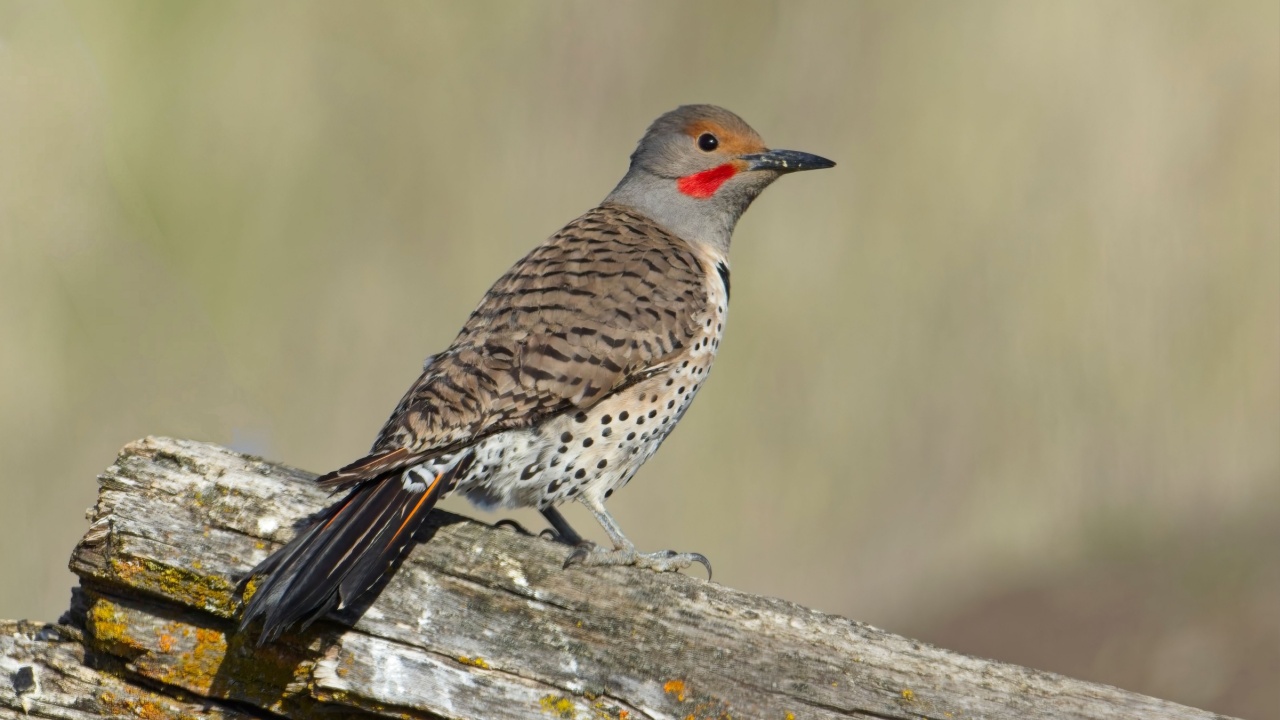
Northern flickers spend much of their time foraging on the ground for ants, but they switch to fruits when the ground freezes. They readily consume wild grapes, hackberries, and dogwood fruits to survive the cold season.
Allow wild grapevines to grow along fences or trellises to support wintering flickers. Providing a mix of ground-level foraging space and high-hanging fruits creates an ideal habitat for these large woodpeckers.
Build Your Own Bird Buffet
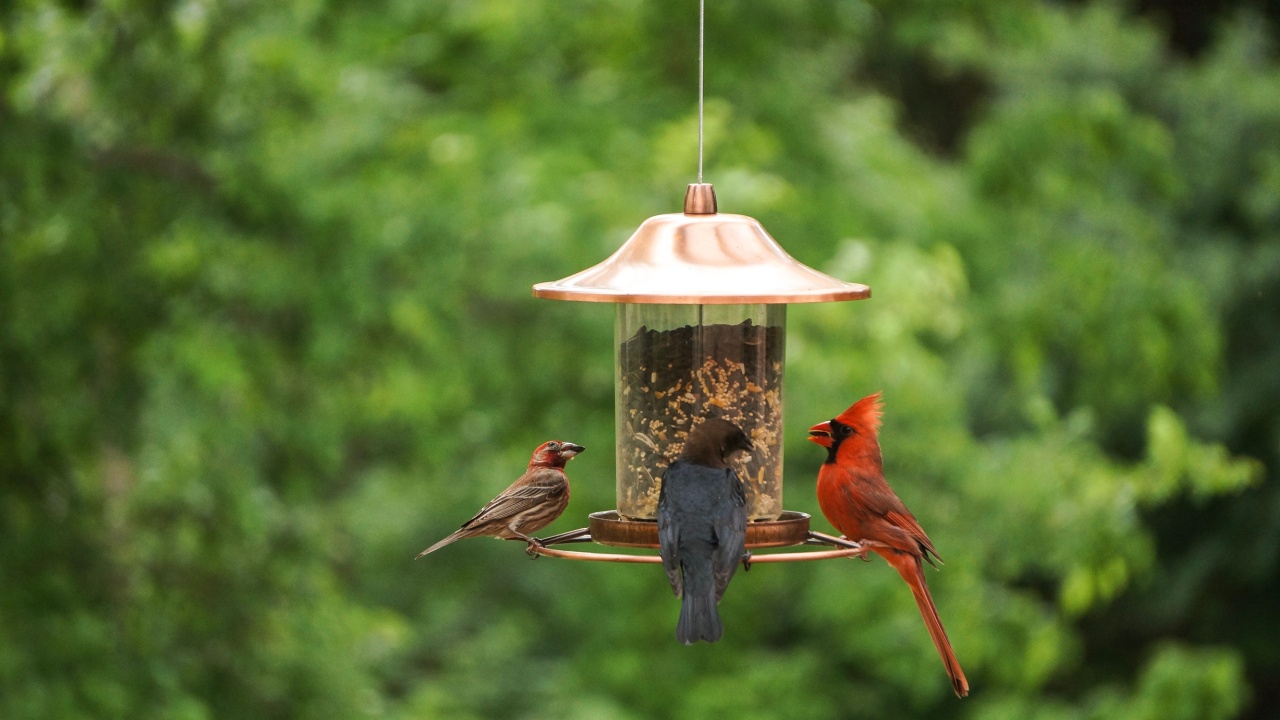
Transforming a bare yard into a bustling bird sanctuary requires planting native, fruit-bearing shrubs and trees. Providing a diverse buffet of natural foods supports local wildlife and creates endless birdwatching opportunities right outside the window. Grab a shovel and plant a serviceberry or winterberry bush this weekend to welcome a beautiful new flock to the garden.
Read More: