12 Perennials to Plant This April for an Explosion of Early Blooms Next Year
The gardeners whose yards erupt into color every February didn’t do anything magical in spring. They did one quiet, unhurried thing the previous year: they planted. If your garden always feels one season behind, this is the reason — and right now, in April, you still have a narrow window to change that.
Most of us think of spring as planting season, but for perennials that bloom in late winter and early spring, the setup happens before the frost, not after it. Planting now, before the summer heat peaks, gives your perennials time to establish roots, settle in, and prepare to show off next year.
According to the Brooklyn Botanic Garden, fall and early-spring planting allow perennials to focus their energy entirely on root growth rather than on producing flowers. With less demand on their resources for foliage or blooms, they develop stronger, more vigorous root systems, which translates directly into bigger, earlier blooms the following season.
Here are 12 perennials worth planting this April for early spring blooms next spring.
1. Hellebore (Lenten Rose)
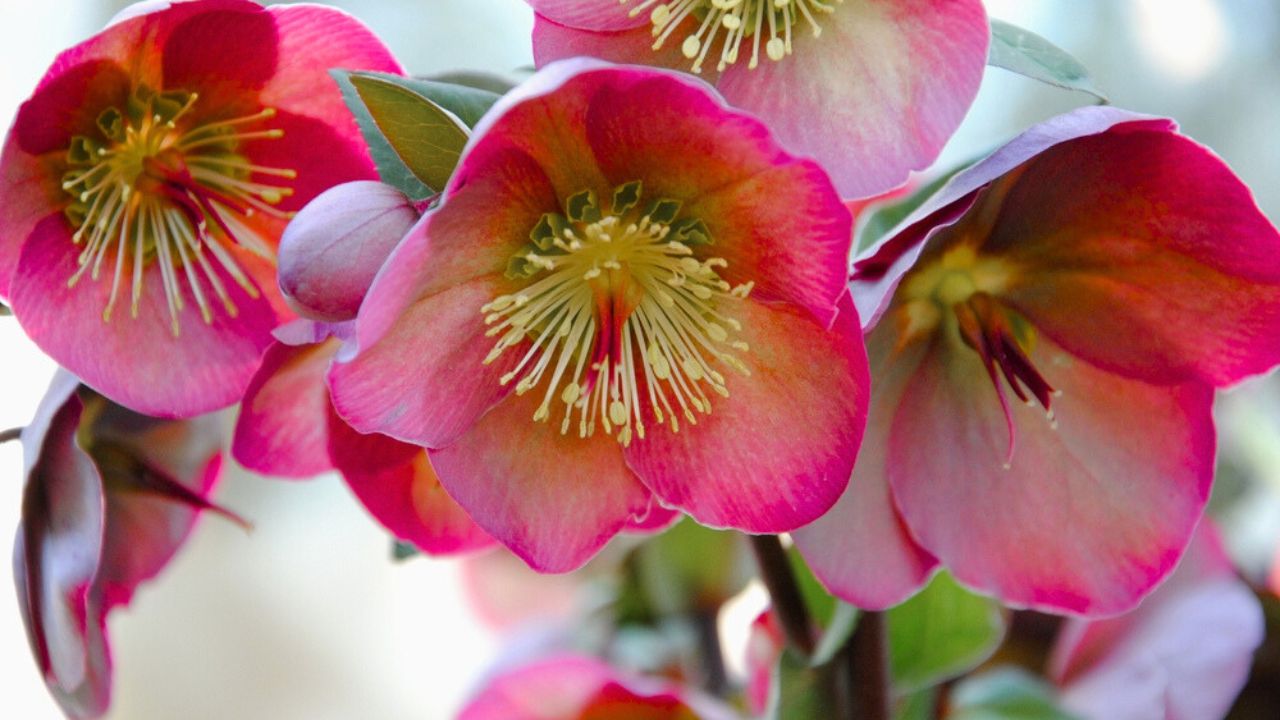
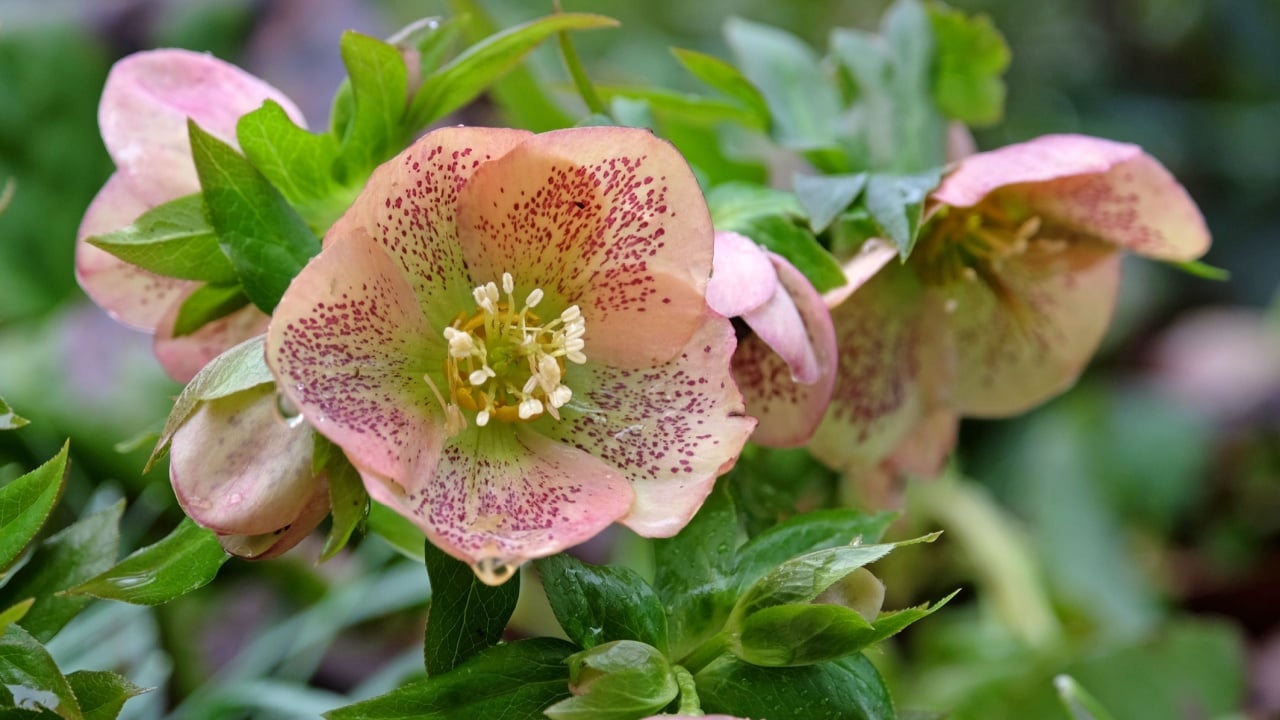
If you plant only one thing from this list, make it a hellebore. According to Martha Stewart, hellebores bloom from late winter through early spring for up to three months, reliably year after year, often while snow is still on the ground.
They thrive in partial shade, come in colors ranging from pale blush to near-black burgundy, and are deer-resistant because every part of the plant is toxic to browsing animals. Brooklyn Botanic Garden notes that they can serve as an emergency nectar source for early pollinators when nothing else is yet in bloom.
2. Lungwort (Pulmonaria)
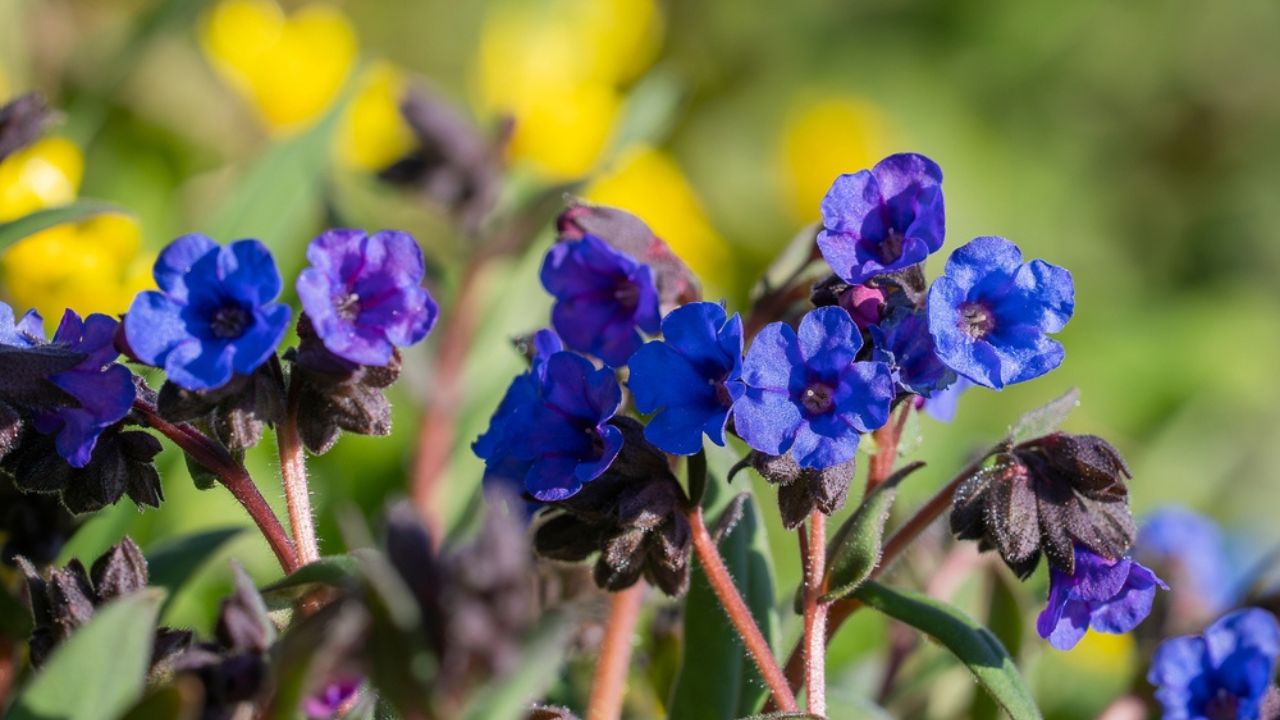
Lungwort earns its place with some of the earliest flowers of the season. It has clusters that open in February or March, often shifting from pink to blue as they mature. But even after those blooms fade, the silvery-spotted foliage stays attractive all season long.
Mahoney’s Garden Center notes that Pulmonaria is a reliable companion to hellebores in the shade garden, following seamlessly in bloom sequence.
3. Bloodroot (Sanguinaria canadensis)
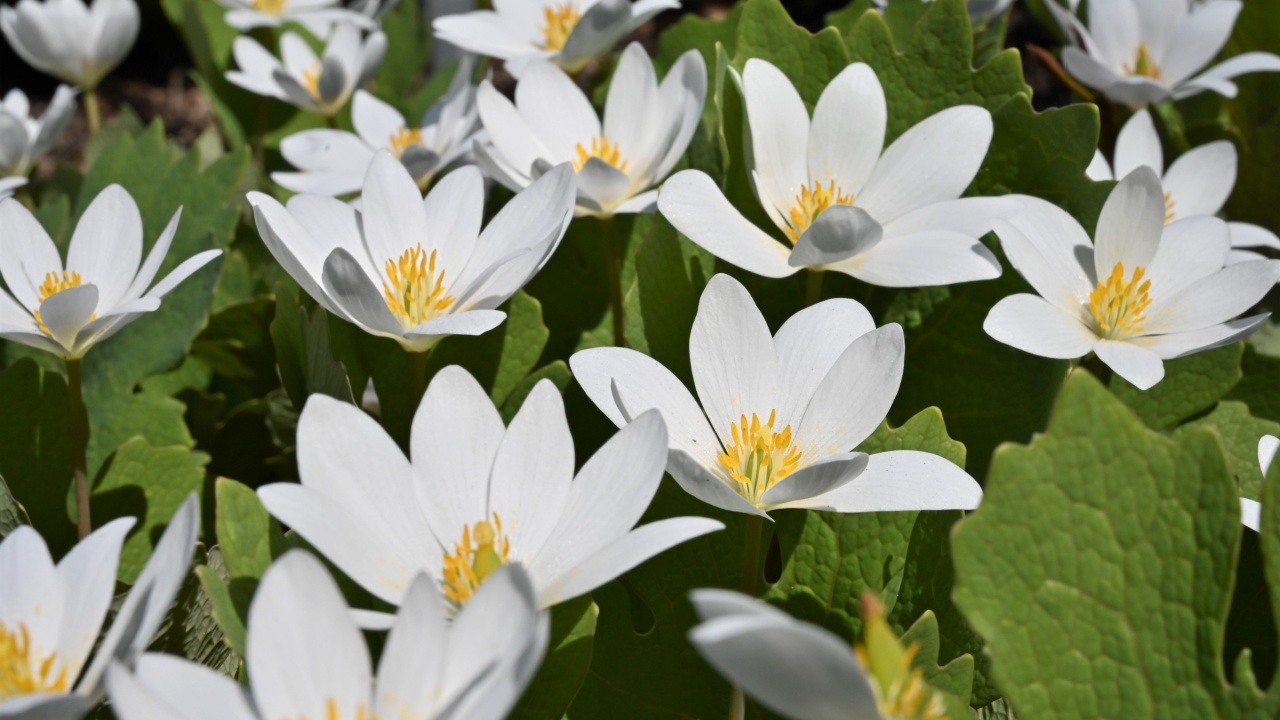
This native spring ephemeral produces startling white flowers before almost anything else in the garden stirs. As Rural Sprout describes it, bloodroot blooms bright and bold for a brief, beautiful window, and then disappears entirely underground as temperatures rise. This isn’t a flaw; it’s the plant’s strategy. Pair it with hostas or coral bells so the space fills in gracefully when it retreats.
4. Virginia Bluebells (Mertensia virginica)

One of the most beloved native spring ephemerals, Virginia bluebells produce graceful stems of trumpet-shaped flowers that open pink and slowly transform to blue as they mature.
The Pioneer Woman notes they bloom from March through May, bringing an enchanting woodland quality to any spring bed. Like bloodroot, they’ll disappear by summer, so plan their companions accordingly.
5. Creeping Phlox (Phlox subulata)
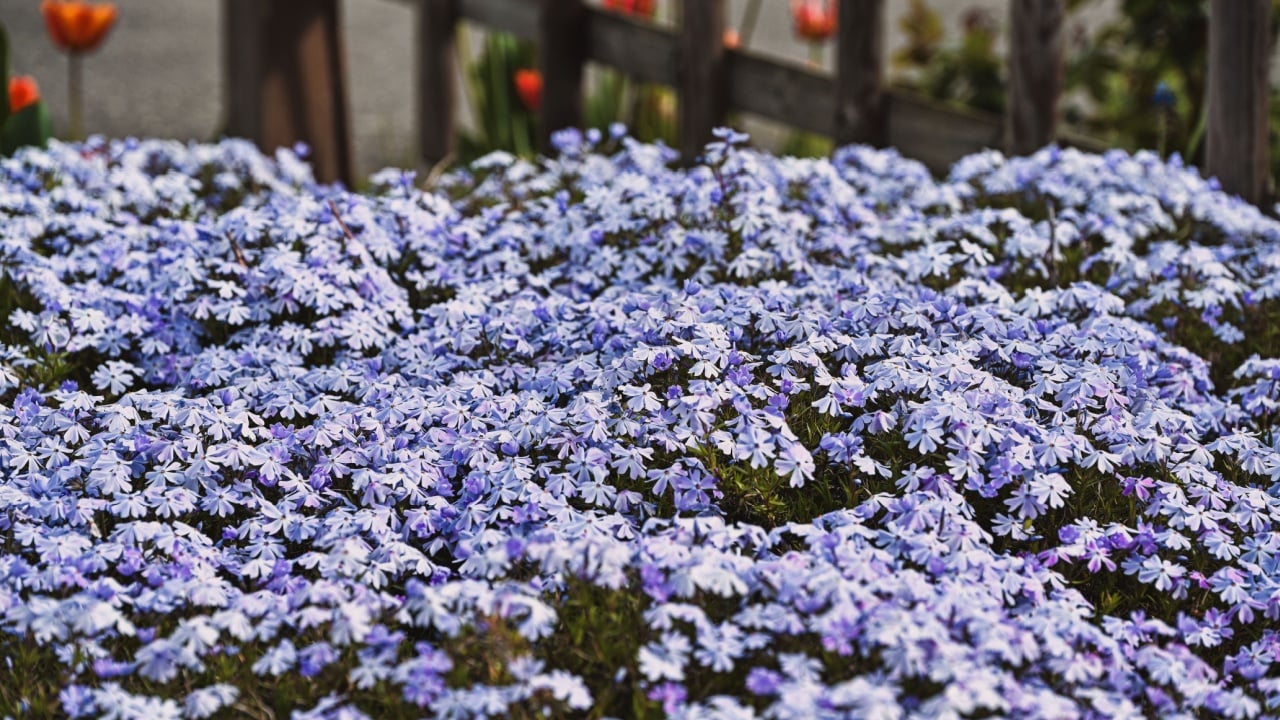
By April, creeping phlox earns its reputation as one of the most dramatic ground covers in the spring garden: a solid carpet of pink, purple, or white flowers that seems to erase the bed.
Better Homes & Gardens describes it as profusely flowering and drought-tolerant once established, making it one of the lowest-effort investments for early spring color. Plant it at the front of a border, along a slope, or between stepping stones.
6. Pasque Flower (Pulsatilla vulgaris)
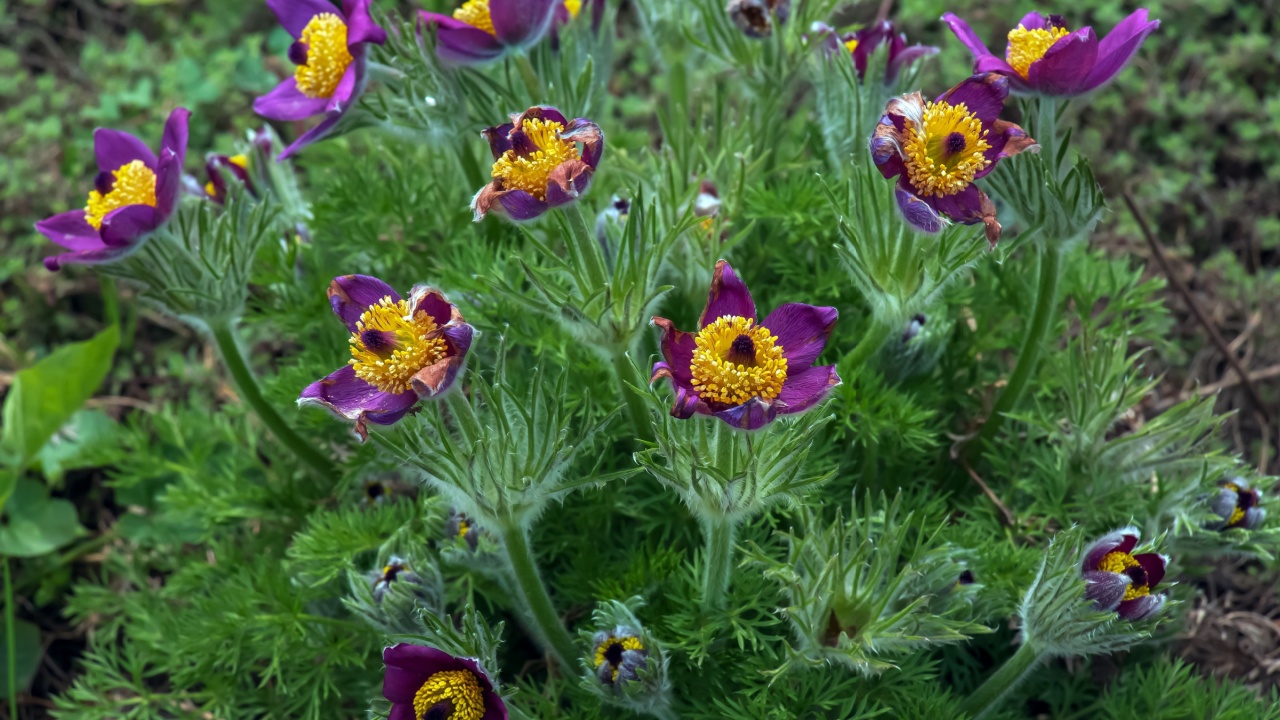
The pasque flower is among the earliest to bloom in open, sunny spots: fuzzy lavender bells that appear as early as March, often before the foliage is fully developed. The Pioneer Woman notes it blooms from March through May with distinctive bell-shaped petals and a silky texture that looks almost hand-painted.
Hardy and unfussy in well-drained soil, it’s an ideal choice for rock gardens or dry borders.
7. Bleeding Heart (Lamprocapnos spectabilis)
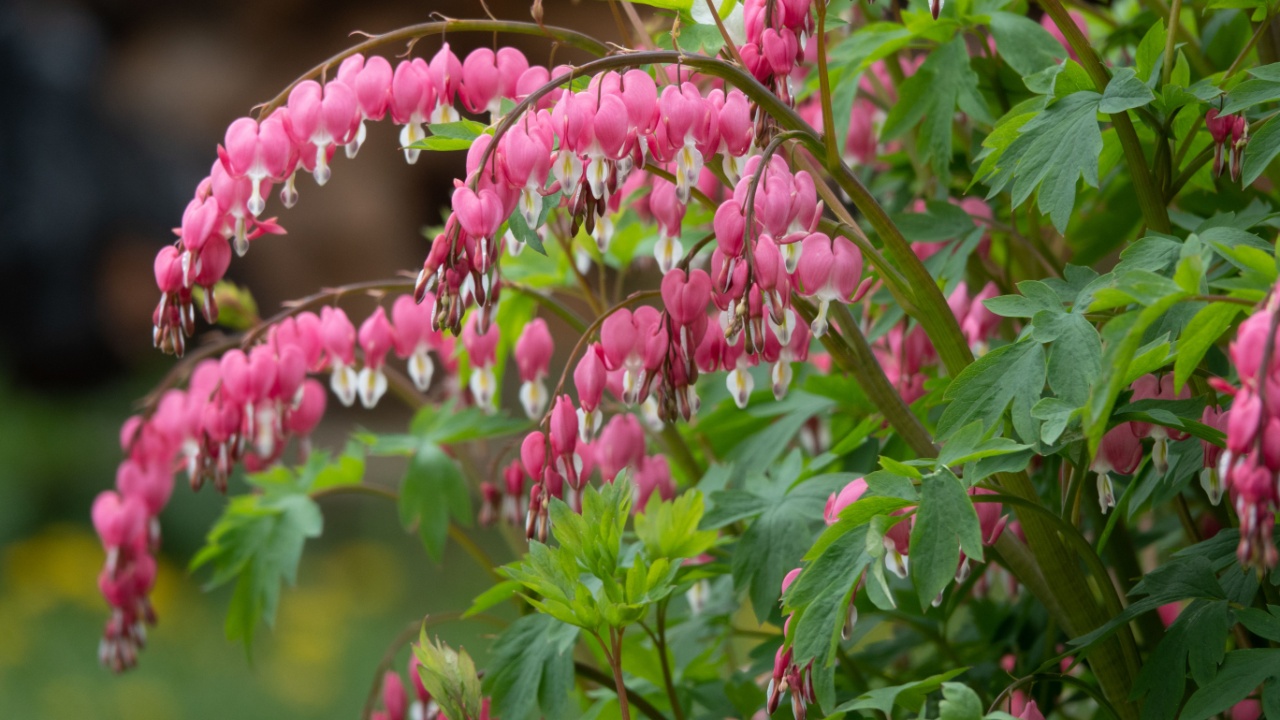
Few plants carry the emotional weight of a bleeding heart in full bloom. Arching 2–3 feet tall with heart-shaped flowers in deep fuchsia or ivory white, this cottage garden classic has been a grandmother’s garden favorite for generations. Rural
Sprout notes it blooms in early spring from moist, fertile soil in partial to full shade, then gently fades as summer heats up. Its absence is graceful; its presence, unforgettable.
8. Bergenia (Pigsqueak)
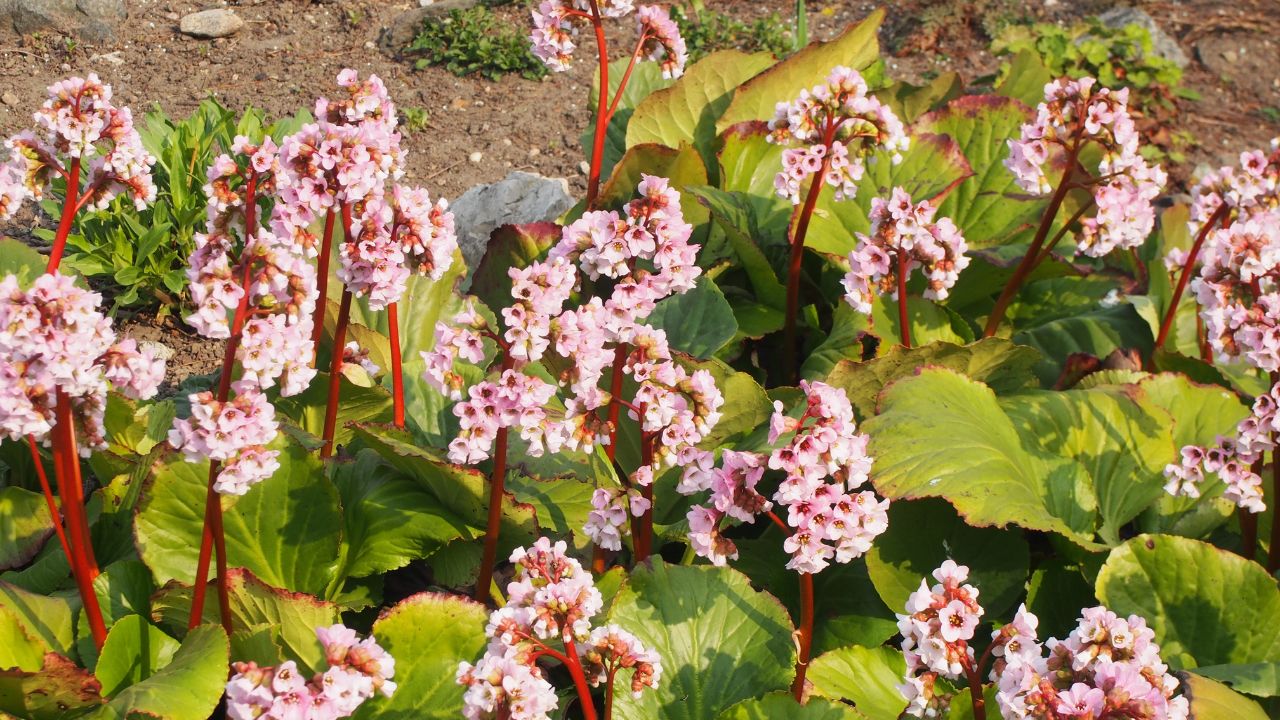
Don’t let the name put you off. Bergenia is one of the most forgiving perennials available, thriving in poor soil where other plants sulk, and producing clusters of honey-scented magenta blooms in early spring.
Rural Sprout notes it’s deer-resistant and dependably returns each year, with leathery foliage that remains attractive outside of bloom season.
9. Candytuft (Iberis sempervirens)
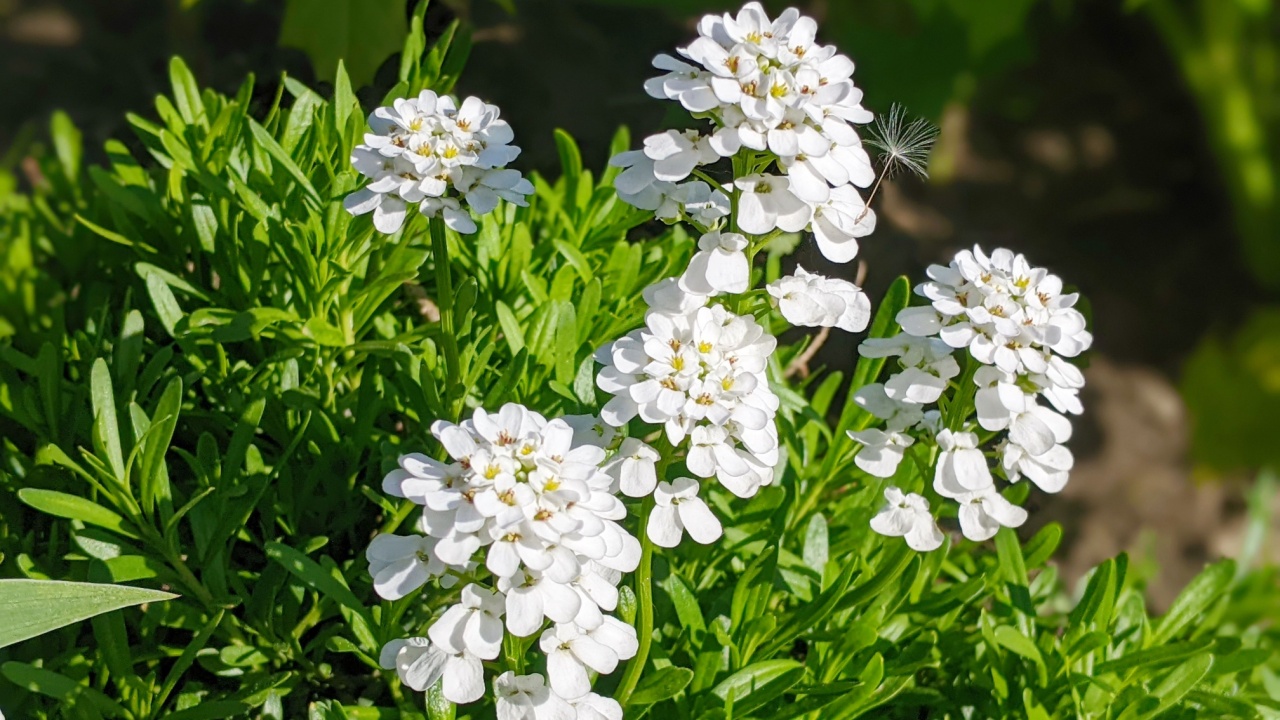
Evergreen and low-growing, candytuft produces a cheerful flush of bright white flowers in early spring against a background of deep green foliage. It’s hardy, tidy, and performs reliably in full sun with well-drained, even alkaline, soil. Pro-Mix Gardening notes that candytuft is an excellent choice for borders and rock gardens, and may even produce a second flush of blooms in autumn.
10. Catmint (Nepeta)
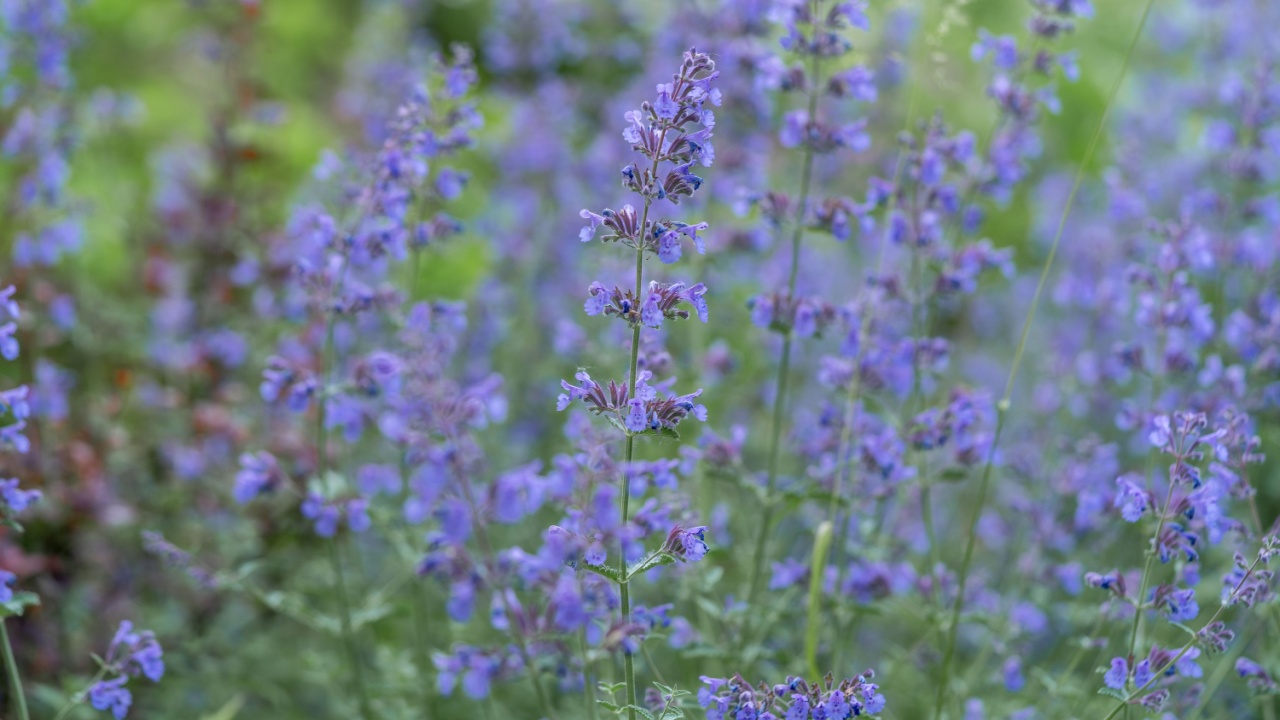
If you’ve ever walked past a full-grown catmint in mid-spring, you already know: it’s the purple haze the whole garden wants to be standing next to.
Better Homes & Gardens describes it as a long-lived, deer-resistant perennial that produces a light mist of lavender-blue flowers for weeks beginning in mid-spring, attracting a steady stream of bees and butterflies. Cut it back by half after its first bloom, and it will often flower again in late summer.
11. Coral Bells (Heuchera)
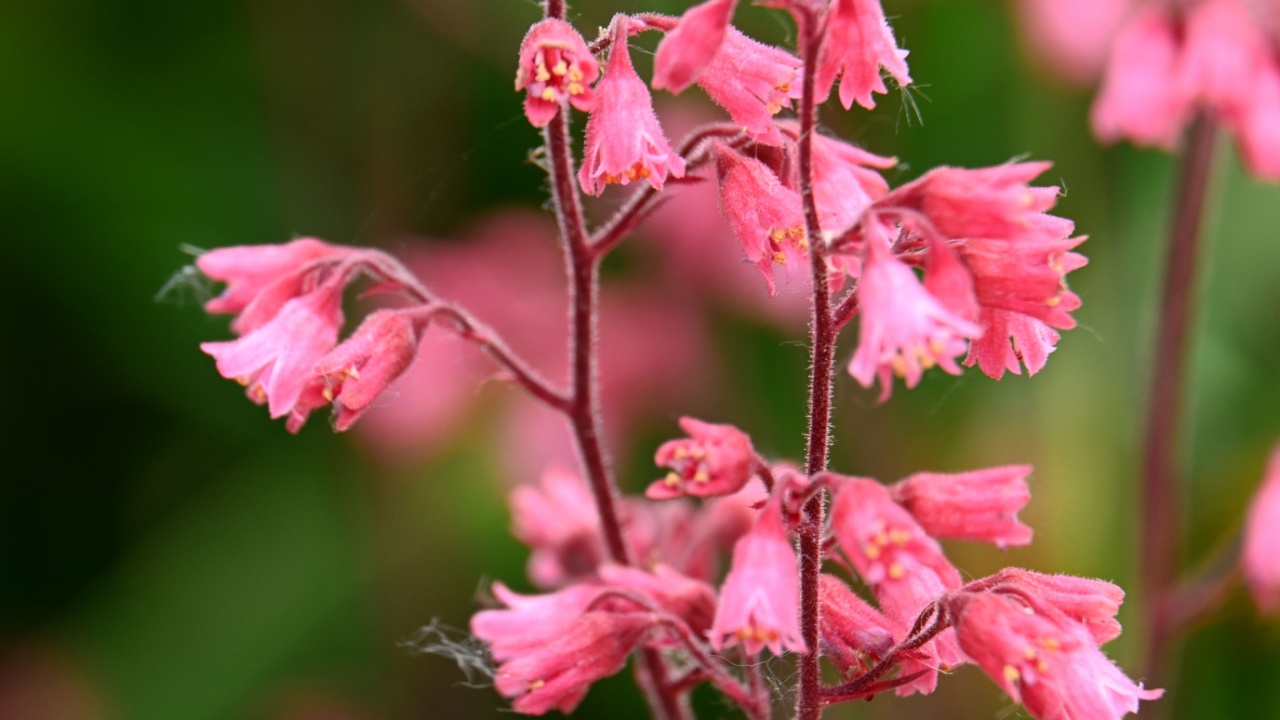
Coral bells may not be the showiest bloomer on this list, but they earn their space through sheer foliage impact from the very first warm day of spring.
Better Homes & Gardens notes that varieties come in chartreuse, maroon, burgundy, and two-tone patterns that light up shady and sunny borders alike. Delicate wands of bell-shaped flowers appear in late spring, extending the season well after the ephemerals have faded.
12. Camas (Camassia quamash)
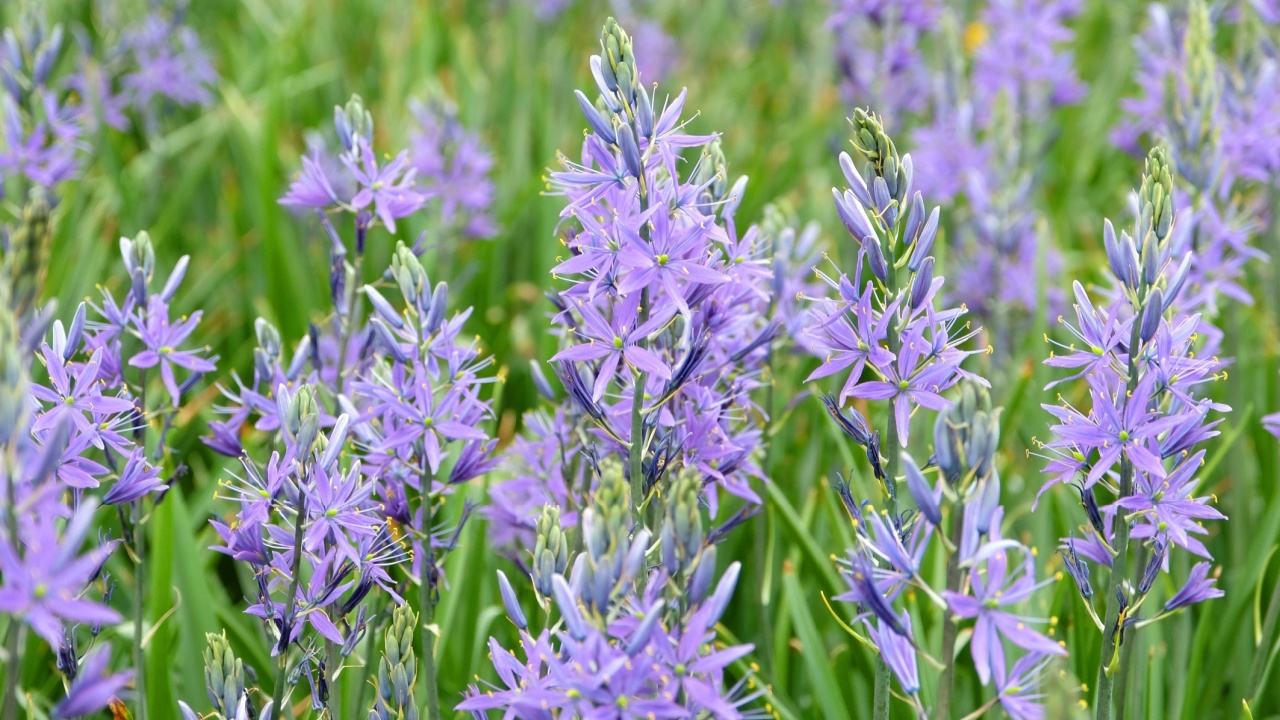
Less well-known than it deserves to be, camas is the spring bloomer that outperforms tulips without asking for any extra effort. Homes & Gardens describes it as a North American native that produces elegant blue flower spires returning reliably year after year, without the need for replanting. Where tulips might vanish or underperform, camas simply show up. It’s particularly beautiful in naturalistic plantings, meadow edges, or moist borders.
How to Fill the Gap When Early Bloomers Fade
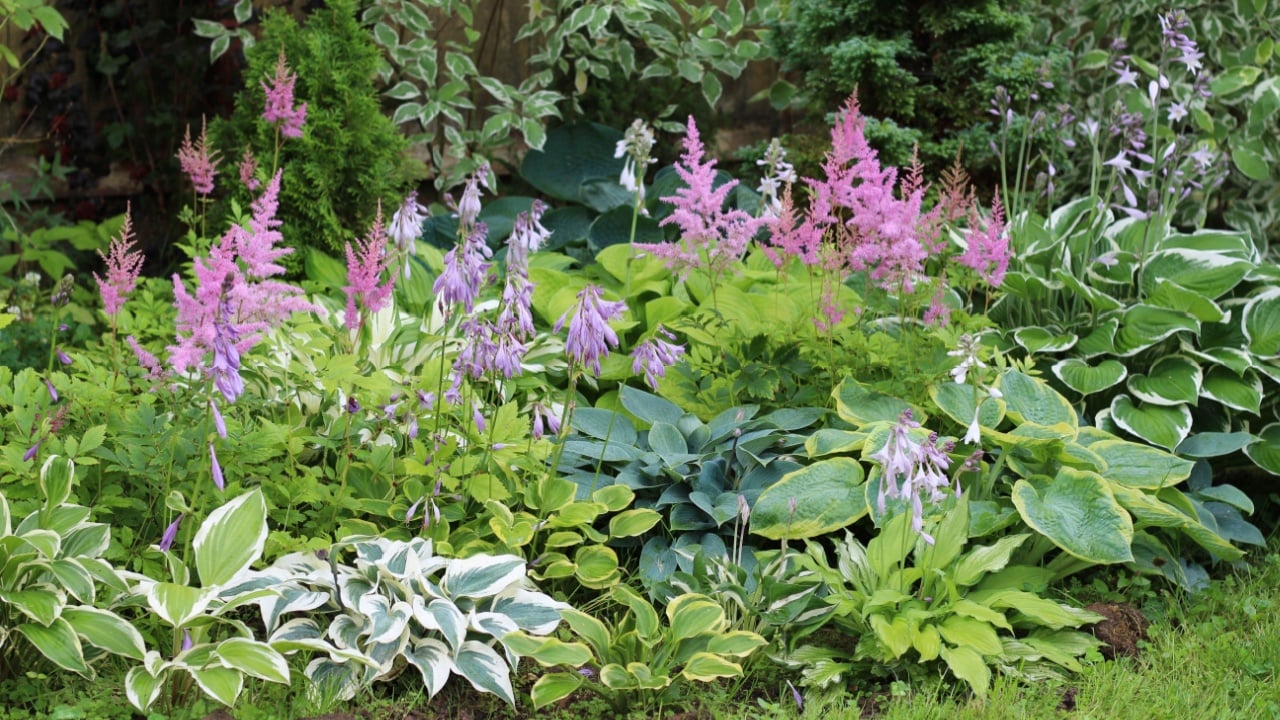
Spring ephemerals like bloodroot and Virginia bluebells are one of early spring’s most beautiful tricks, and one of its most confusing disappointments. They bloom brilliantly, then vanish entirely by summer, leaving blank patches in beds where you swear something used to be.
The fix is simple: plant them among later-season perennials that fill in as ephemerals retreat. Hostas are the most recommended companion; their bold foliage unfurls just as the ephemerals disappear, covering the gap completely. Coral bells, ferns, and astilbe work equally well. Think of your spring ephemerals as the opening act, while the hostas are the headliner, and they take the stage right on cue.
A Few Simple Rules for Planting Success
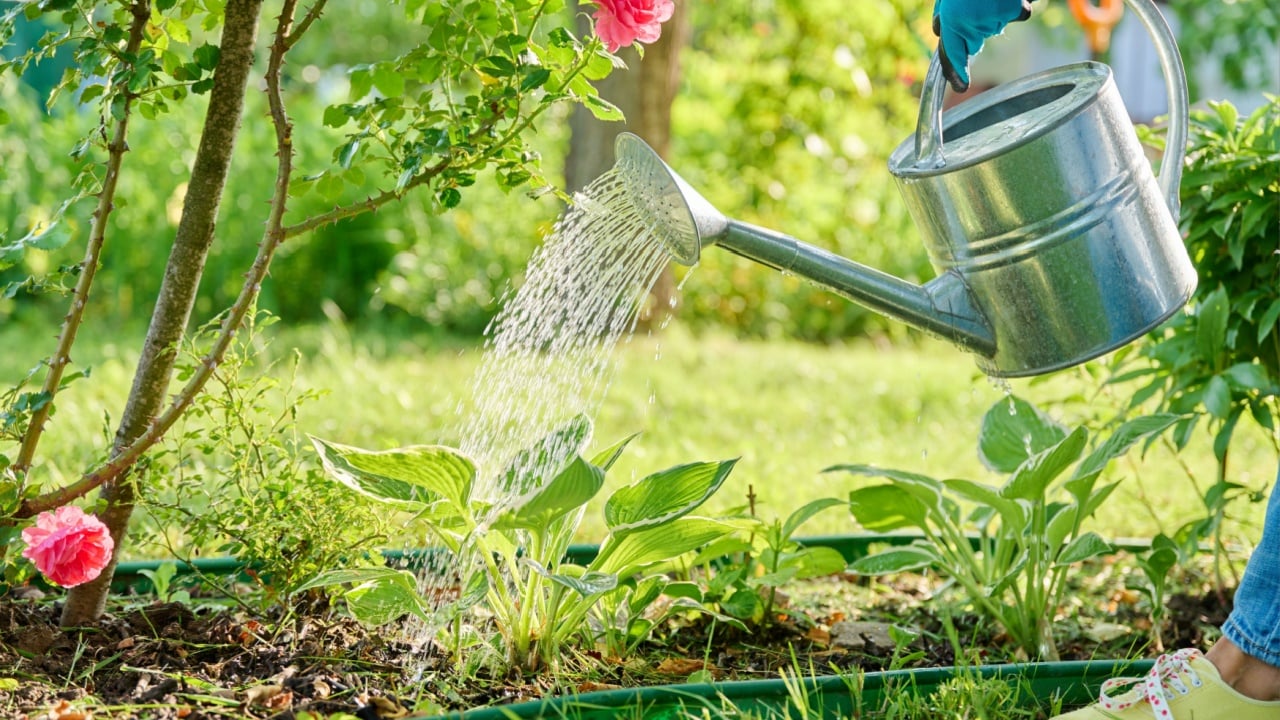
You don’t need a horticultural degree to get this right. Proven Winners recommends planting all perennials at least six weeks before the first hard frost for fall planting, or as early as possible in spring before summer heat peaks. Water deeply immediately after planting, then mulch generously with two to four inches of organic mulch, which insulates roots and retains moisture through temperature swings.
The Shrubhub fall planting guide suggests choosing plants rated one to two USDA hardiness zones colder than your own zone for a built-in winter buffer, especially in regions prone to surprise late frosts. Skip the high-nitrogen fertilizer; bone meal or compost encourages root growth, which is exactly what your new perennials need right now.
The returns, when they arrive, are disproportionate. A handful of plants put in the ground this April will be blooming while snow is still falling next February, and they’ll keep coming back, bigger each year, for decades.
Read More
Plant these 10 companion plants with your tomatoes — and stop planting these 4
13 Plants That Grow Better (and Faster) Hydroponically — and Why March Is the Perfect Time to Start