
12 Foods to Never Eat After Their Expiration Date
Staring at a printed date on a food package often creates a moment of hesitation. Does a stamped string of numbers truly dictate when a meal turns dangerous? Some items allow for flexibility, yet certain provisions transform into actual health hazards the moment they pass their prime.
Printed dates on packaging serve different purposes, ranging from peak-quality recommendations to strict safety warnings. Bacterial growth accelerates rapidly on specific types of produce and animal products once they degrade. Consuming these degraded items exposes the body to harmful pathogens that cause severe illness and intense digestive distress.
The following guide identifies twelve specific items that demand strict adherence to their printed safety labels. Read on to learn the exact reasons these items spoil and how to handle them safely in your kitchen. This knowledge protects you and your family from preventable foodborne illnesses.
Note: Not every one of these foods will have an expiration date listed on their packaging (because they’re from a restaurant or fresh whole produce). It’s still important to understand when they’re past their prime.
1. Restaurant Leftovers

While a to-go box doesn’t have a specific expiration date on it, you should write the date on it yourself so that you can easily keep track.
Taking food home from a restaurant provides a convenient meal for the next day. However, bacteria multiply at an alarming rate on cooked meals stored in standard takeout containers. Most restaurant dishes contain mixed ingredients that degrade at different speeds, creating a breeding ground for foodborne pathogens. Once you pass the three-day mark, the risk of severe food poisoning increases significantly.
You must consume your leftover restaurant meals within two days to stay safe. If you anticipate leaving the food uneaten beyond this window, transfer the meal to a freezer-safe container immediately upon arriving home. Label the container with the date so you maintain a clear record of when you stored the food.
2. Cooking Oils
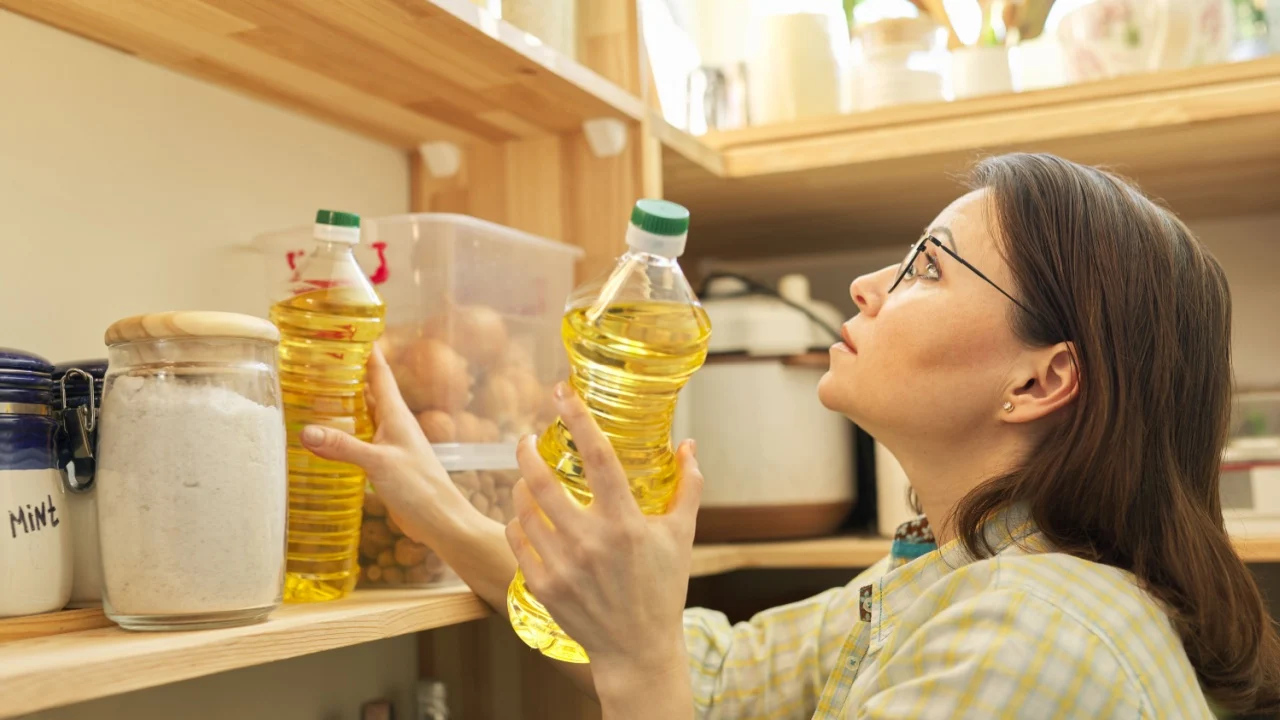
Cooking oils might appear stable sitting on your kitchen counter, but they undergo chemical changes once exposed to oxygen. After opening a bottle, the fats oxidize and eventually turn rancid over approximately six months. Rancid oil develops an unpleasant odor and introduces free radicals into your diet, which can harm your cells.
To extend the lifespan of your cooking oils, store them in a cool, dark pantry away from the heat of your stove. Always check the printed date and perform a quick sniff test before pouring the liquid into your pan. If you detect a harsh, metallic, or soapy scent, throw the bottle away immediately and purchase a fresh supply.
3. Leafy Greens
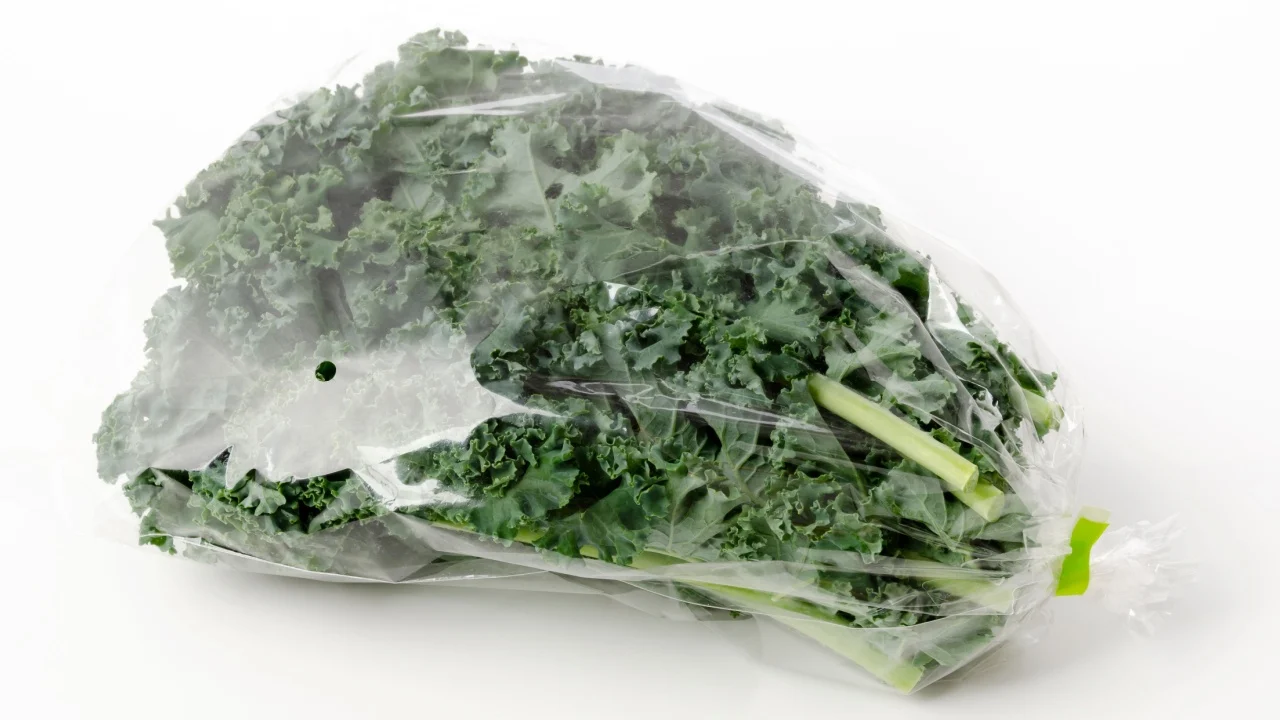
Bagged greens like spinach and kale offer incredible convenience, yet they carry a high risk of bacterial contamination once they expire. Moisture trapped inside the sealed plastic packaging encourages the rapid spread of E. coli and Salmonella as the leaves break down. Wilting or slimy leaves indicate that harmful microorganisms have already begun to colonize the produce.
Inspect your leafy greens closely before adding them to salads or smoothies. If you notice dark spots, mushy textures, or a foul odor upon opening the bag, discard the entire batch to prevent illness. Buying smaller quantities more frequently helps you avoid wasting food and protects your digestive system.
4. Eggs
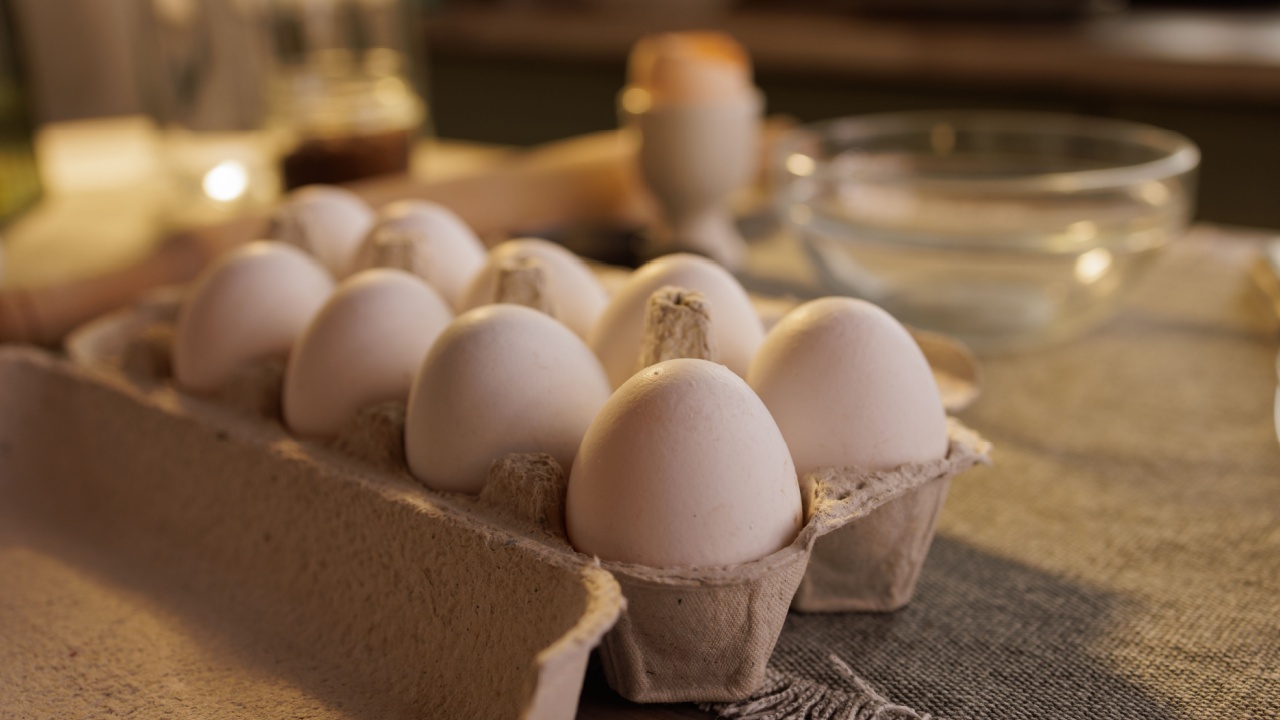
Eggs represent a staple in most households, but ignoring their expiration date exposes you to dangerous Salmonella infections. As an egg ages, the protective shell becomes more porous, allowing bacteria to penetrate the interior more easily. The risk of contamination spikes drastically once the carton passes the printed safety date. Eggs stored at 40°F can be consumed for about 4 weeks past their expiry date.
You can perform a simple float test in a bowl of cold water to check for freshness. Fresh eggs sink to the bottom and lie flat, while older eggs stand upright or float to the surface due to expanded air cells. Always discard floating eggs, and never consume eggs that emit a sulfurous odor upon cracking.
5. Raw Fish
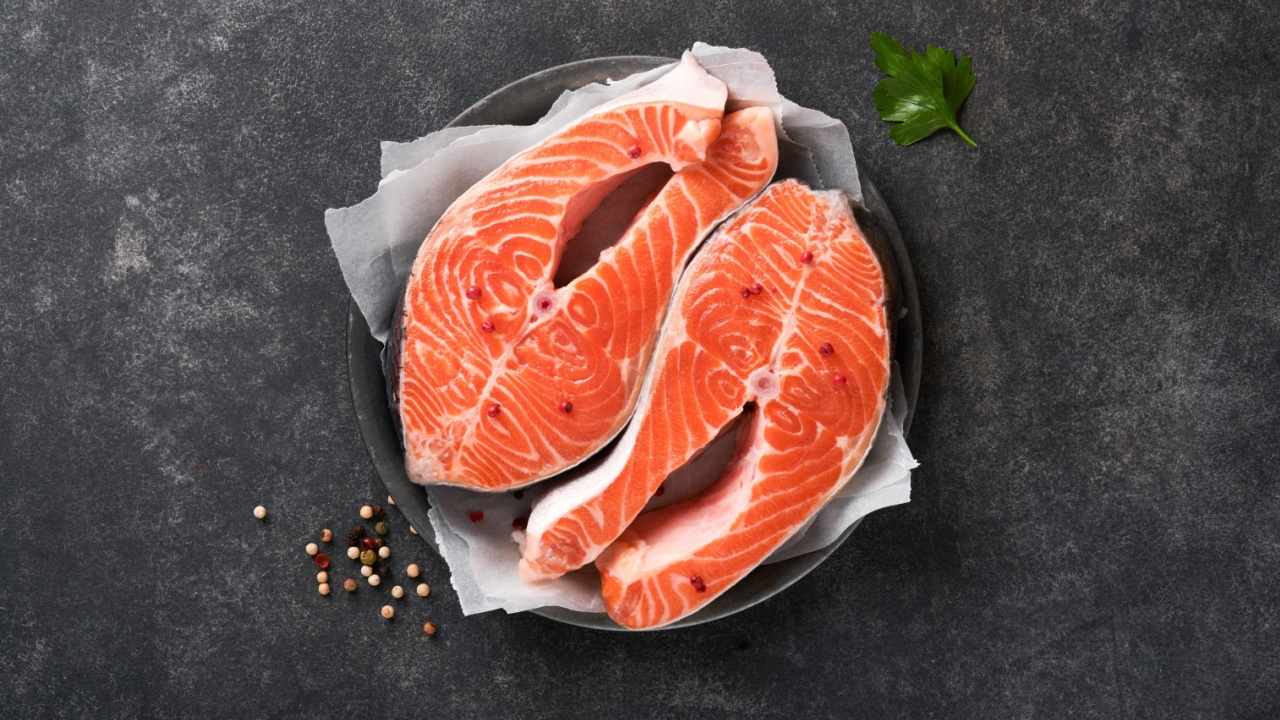
Raw fish demands absolute respect regarding safety dates due to its rapid spoilage rate. Seafood degrades much faster than other proteins, developing dangerous levels of histamine and harmful bacteria shortly after expiration. Consuming spoiled fish leads to severe food poisoning, presenting symptoms like nausea, fever, and intense stomach cramps.
Pay close attention to the texture and smell of any raw fish you plan to cook. Fresh seafood should smell mild and slightly salty, never overwhelmingly fishy or similar to ammonia. The flesh must feel firm to the touch; if the fish feels mushy or leaves a sticky residue on your fingers, throw it out immediately.
6. Infant Formula
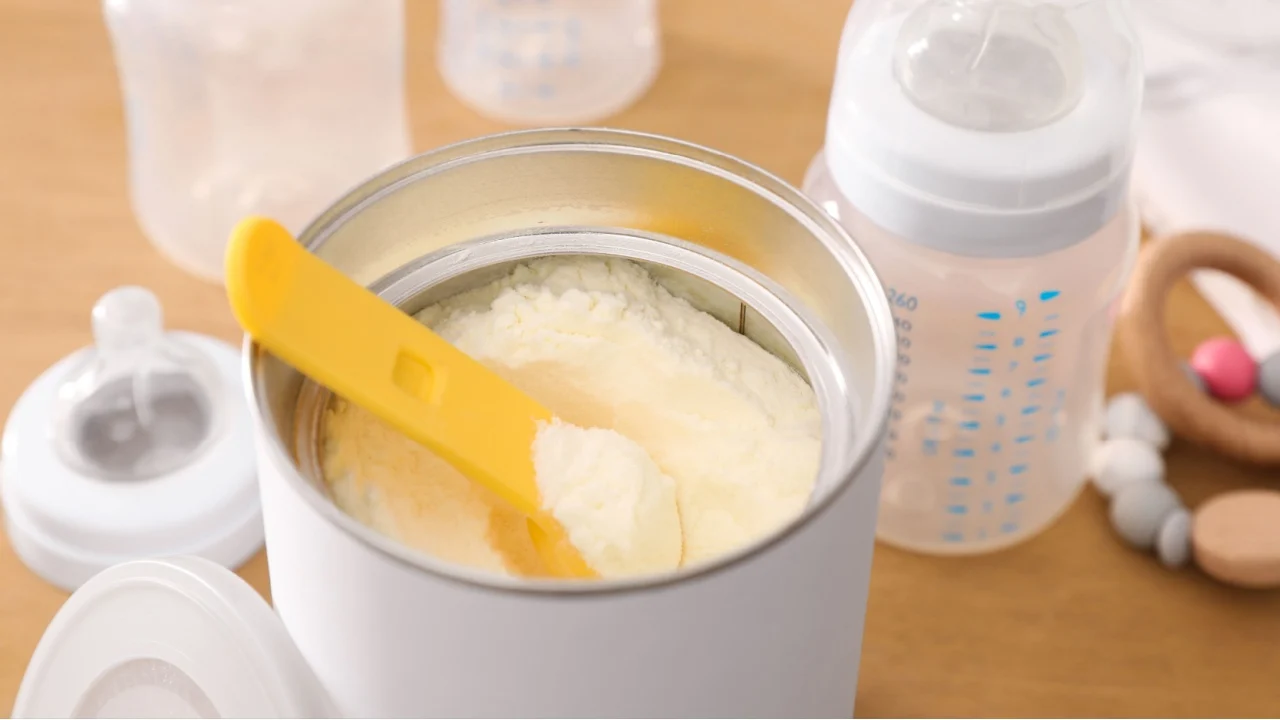
Infant formula stands apart from other foods because its expiration date directly correlates to nutritional value rather than just spoilage. The essential vitamins and minerals degrade significantly after the printed date, meaning a baby will not receive the nutrients required for proper development. Feeding a child expired formula risks severe nutritional deficiencies.
Always check the dates carefully before purchasing formula at the store or preparing a bottle at home. Rotate your stock to use the oldest containers first, keeping the safest options readily available. Never compromise on formula dates, as a developing child relies entirely on this specific food source for health and growth.
7. Strawberries

Soft fruits like strawberries act like sponges for mold spores due to their high moisture content and delicate skin. Mold spreads rapidly through the entire batch, even if you only see fuzz on a single berry. Cutting away the visibly moldy parts does not protect you, as invisible spores often penetrate deep into the flesh.
Store your strawberries in the refrigerator and wash them right before eating to extend their freshness. Keep a close eye on the container and remove any bruised berries immediately to stop mold from spreading. If the strawberries appear mushy or show white fuzz, discard the entire container to stay safe.
8. Nuts
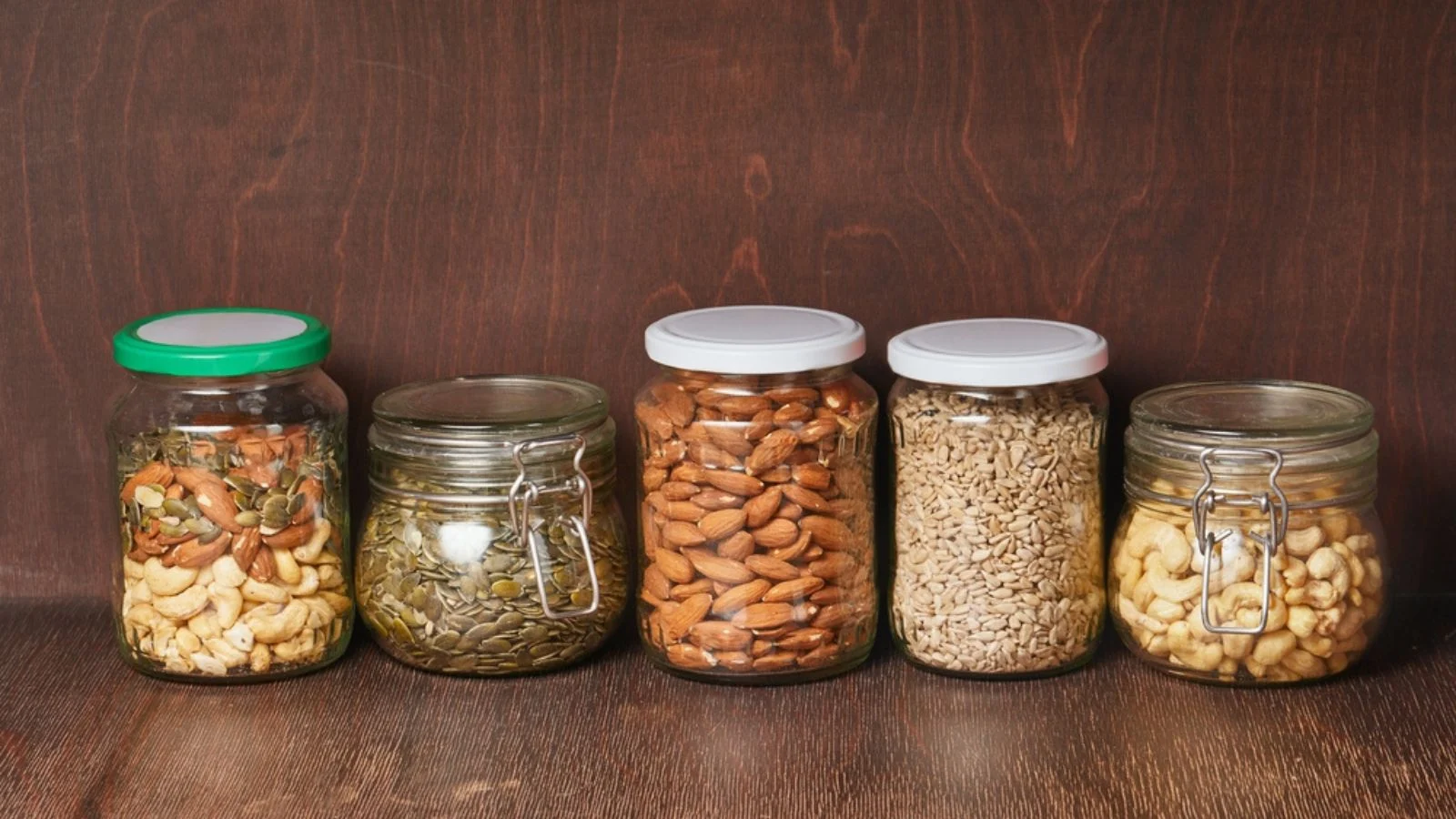
Nuts contain high levels of healthy fats, making them prone to oxidation. When stored past their expiration date, these natural oils turn rancid, producing a harsh, bitter flavor that ruins recipes. Eating rancid nuts introduces inflammatory compounds into your body.
Keep your nuts in airtight containers stored in the refrigerator or freezer to prolong their lifespan. Smell your walnuts, almonds, and pecans before snacking on them; a scent resembling old paint or nail polish remover indicates they have turned rancid. Buying nuts in smaller batches helps you consume them while they remain fresh and safe.
9. Soft Cheeses

Soft cheeses like ricotta, cream cheese, and brie lack the protective dense structure of hard cheeses. Their high moisture content provides an ideal environment for Listeria and other dangerous bacteria to multiply rapidly. Once mold appears on a soft cheese, the invisible roots have already spread throughout the entire container.
Never attempt to salvage expired soft cheese by scraping off the visibly spoiled sections. Store these dairy products in the coldest part of your refrigerator and consume them strictly within the suggested timeframe. If you notice sour smells, discoloration, or separated liquids, discard the cheese without hesitation.
10. Fiddleheads
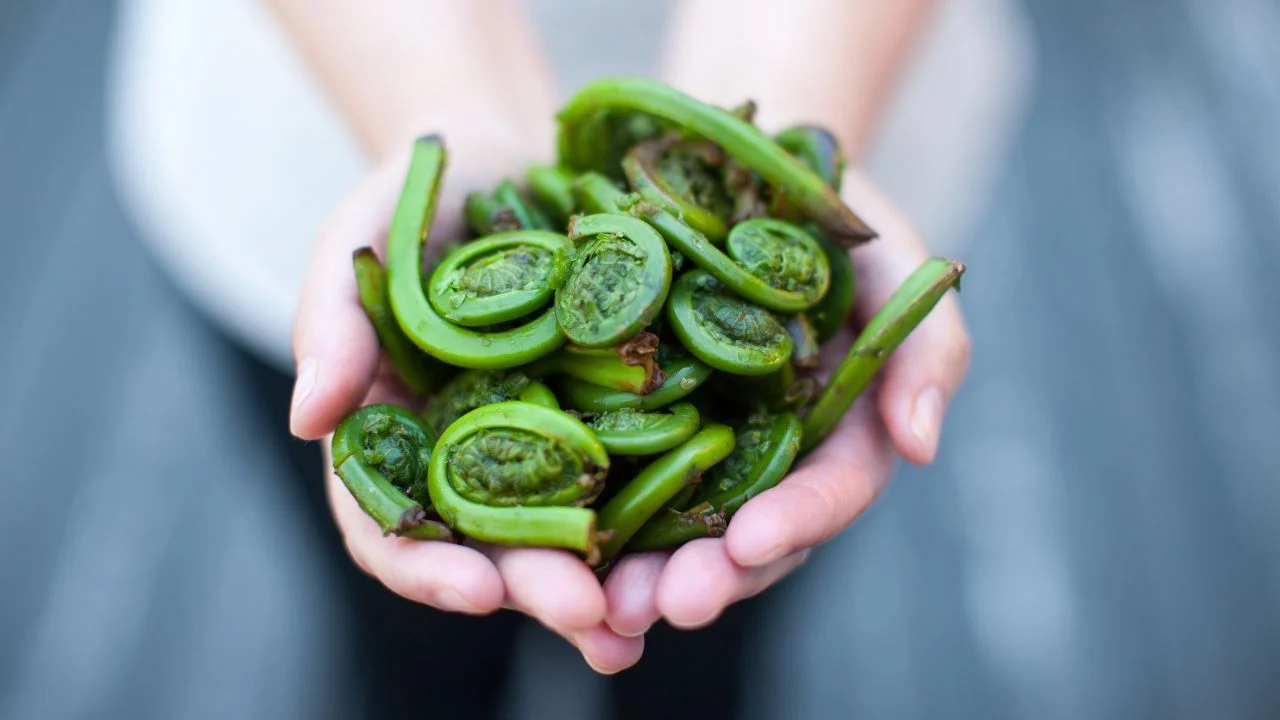
Fiddlehead ferns provide a unique seasonal treat, but they require careful handling and strict adherence to freshness guidelines. As these wild ferns age past their prime, they can harbor dangerous foodborne toxins that survive the cooking process. Eating old or improperly stored fiddleheads causes severe gastrointestinal distress.
Purchase tightly coiled, bright green fiddleheads and prepare them quickly after bringing them home. Wash them thoroughly in several changes of cold water, then boil them thoroughly before sautéing or roasting. If the ferns have uncoiled, turned brown, or developed a slimy texture, they are no longer safe for consumption.
11. Meat
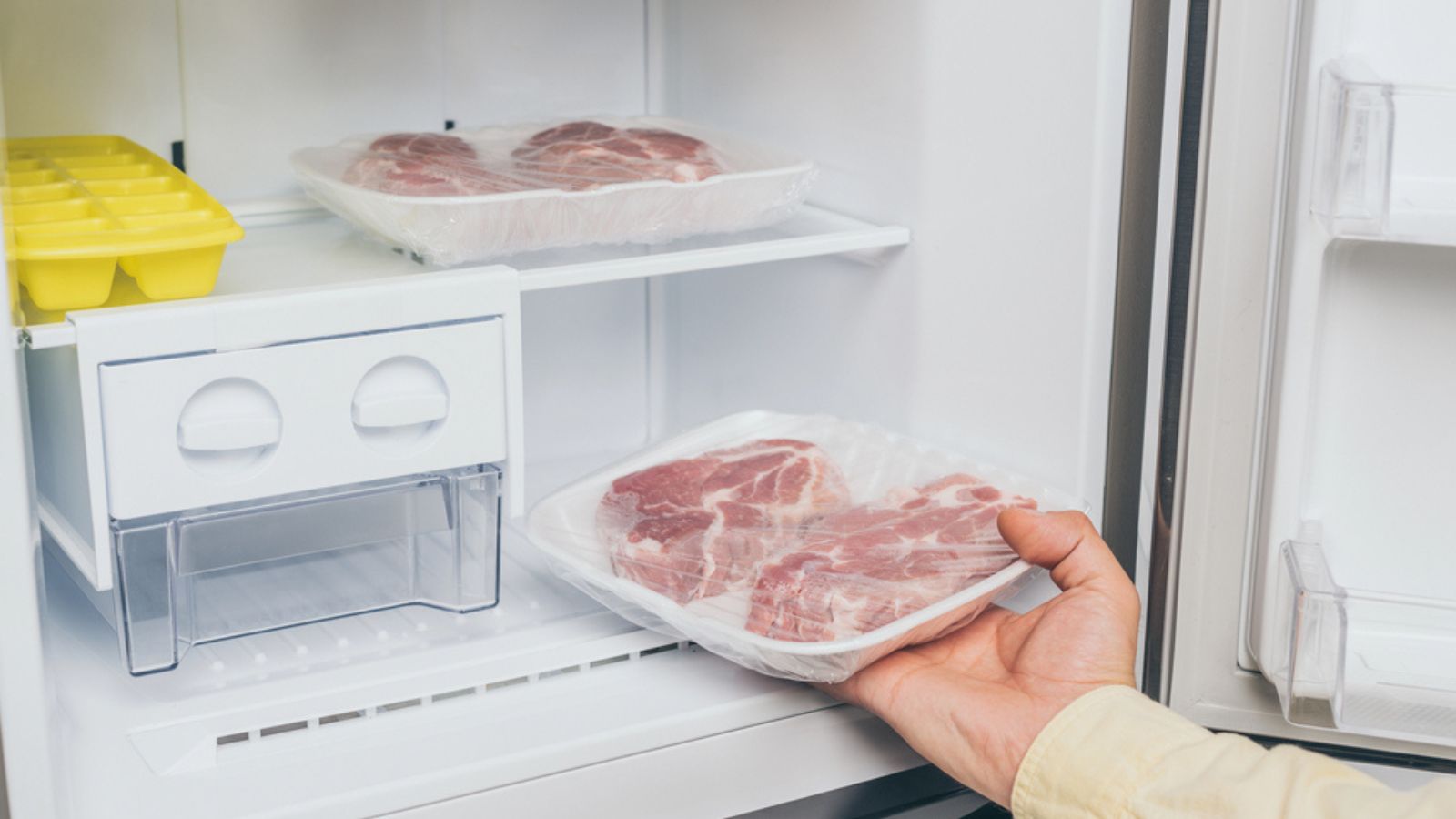
Raw meat, including ground beef, steak, and chicken, serves as a prime host for dangerous pathogens like E. coli and Salmonella. The moisture and protein density allow bacteria to multiply at dangerous speeds once the meat begins to degrade. Cooking spoiled meat does not necessarily destroy the toxins produced by the bacteria, meaning you can still get severely sick.
Always prioritize the use-by date on raw meat packaging and trust your senses during preparation. Spoiled meat often develops a sticky surface, a gray or greenish tint, and a potent, sour odor. If you do not plan to cook the meat within a day or two of purchase, place it in the freezer immediately.
12. Deli Meat

Sliced deli meat poses a massive risk for listeria contamination due to its low salt content and high moisture levels. This specific type of bacteria thrives even in cold refrigerator environments, multiplying on sliced turkey and ham as the days pass. Listeria infections prove especially dangerous for pregnant individuals, older adults, and those with weakened immune systems.
Consume open packages of deli meat within three days to minimize your risk of illness. Pre-packaged deli meats, unopened in their original packaging, must still be discarded once the printed date has passed. If the meat feels slimy or smells sour, throw the entire package away immediately to protect your health.
Safe Food Smarts at Home

Monitoring expiration dates remains a fundamental practice for maintaining a safe and healthy kitchen. While sniffing and observing your food helps catch obvious spoilage, many dangerous pathogens grow without leaving visible traces or odors. Relying on printed safety labels takes the guesswork out of meal preparation and protects your digestive system.
Make a habit of checking your refrigerator and pantry weekly to identify items nearing their limits. By rotating your groceries and prioritizing highly perishable goods, you minimize waste while keeping dangerous bacteria off your plate. Handling your food with care guarantees that every meal you prepare remains both delicious and safe for everyone at your table.
Read More:
10 Expired Foods Hiding in Your Fridge to Toss Right Now
15 Things You’re Holding Onto “Just in Case” (And Should Toss Today)