15 Things You’re Holding Onto “Just in Case” (And Should Toss Today)
Clutter has a way of sneaking in while pretending to be useful. It shows up as “just in case” items, things you might need someday, or objects tied to plans you never quite follow through on. Gradually, all of that builds into a space that feels crowded and a bit draining, where you are managing stuff instead of actually enjoying your home.
A lot of this comes down to habit and a bit of hesitation. It feels wasteful to throw things out, even when they are no longer useful. But the truth is, most of what you hold onto for a rainy day never gets used. It just sits there, slowly turning into clutter that takes up both physical space and mental energy.
This list takes a practical look at the usual culprits. These are the items most homes quietly collect over time. Clearing them out does not require a full overhaul. It just means making a few clear decisions and letting go of things that no longer serve you.
1. Plastic Food Containers Without Lids
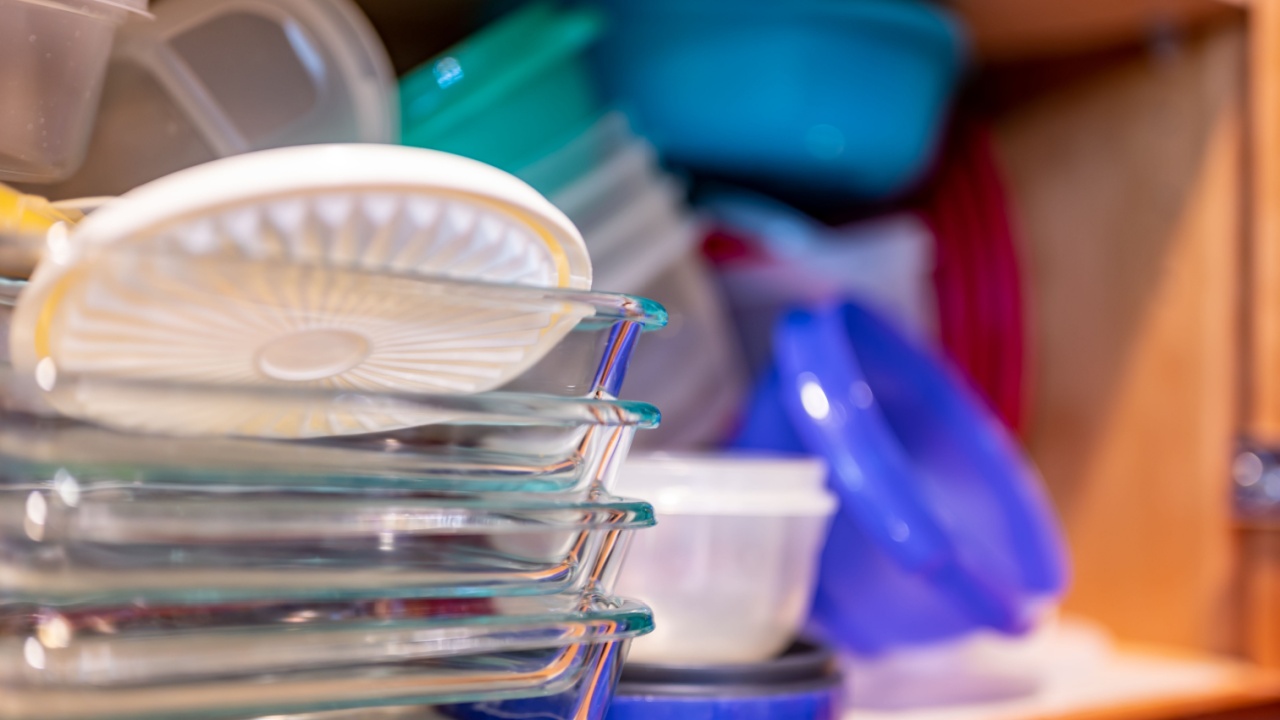
Mismatched plastic containers tend to multiply without notice. You keep the base, thinking the lid might turn up eventually or that it could be useful for something else. In reality, these pieces sit unused and make your cabinets harder to manage. Every time you open the cupboard, you have to dig through items that serve no purpose, making a simple task an annoyance.
If a container no longer has its matching lid, it has already lost its function. Letting it go clears space immediately and makes the remaining items easier to stack and use. A small, matching set of containers is far more practical than a crowded cabinet filled with pieces that do not work together.
2. Expired Spices and Seasonings

Spices often stay in the kitchen long past their useful life. While they may not spoil in a harmful way, they gradually lose their flavor, aroma, and color. That jar sitting in the back of your shelf for years is likely doing very little for your cooking, even if you still reach for it out of habit.
Taking a few minutes to check each bottle can make a noticeable difference. If the scent is weak or the color looks dull, it is time to replace it. Fresh spices bring life back into simple meals, and clearing out the old ones creates a more functional and inviting cooking space.
3. Mystery Electronic Cables
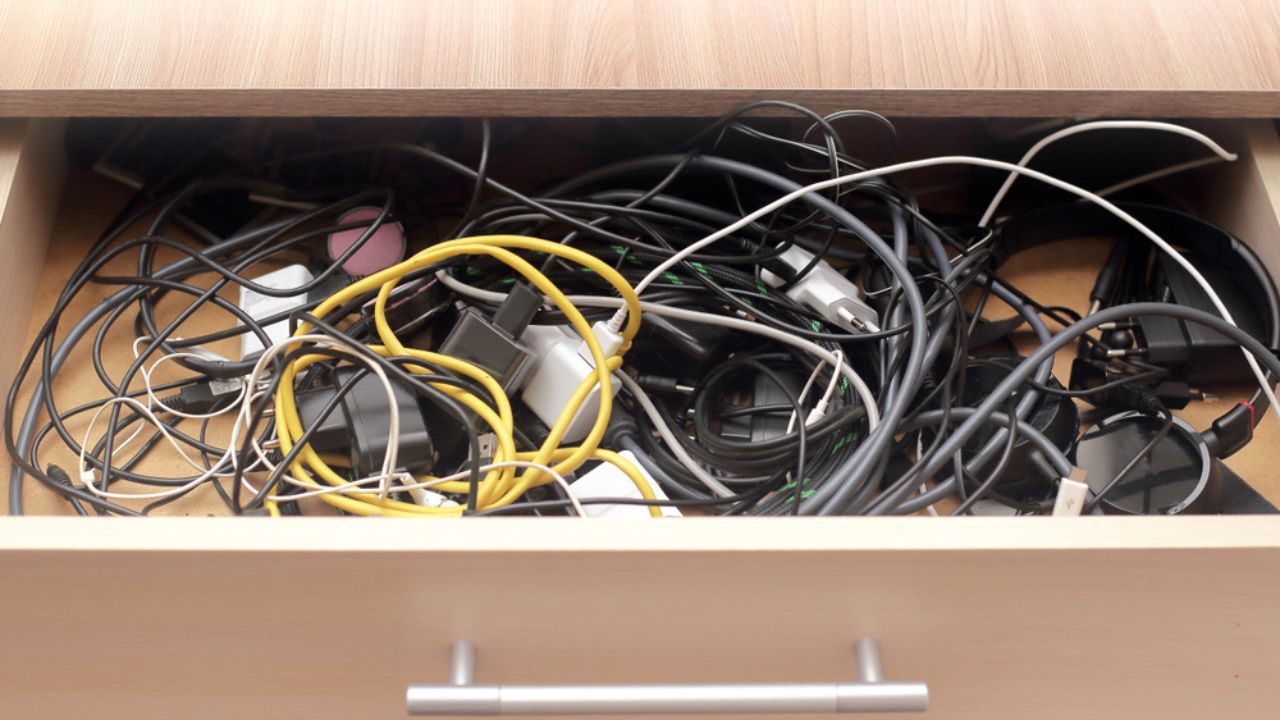
Drawers filled with tangled cords are a common source of quiet clutter. Most of these cables belong to devices that are no longer part of your daily life. Keeping them often comes from the thought that they might be useful one day, but that day rarely arrives.
Sorting through them once can save you from repeated frustration later. Match each cable to a device you still use and keep only those. The rest can be recycled responsibly. A small, organized collection is far easier to manage than a drawer you avoid opening.
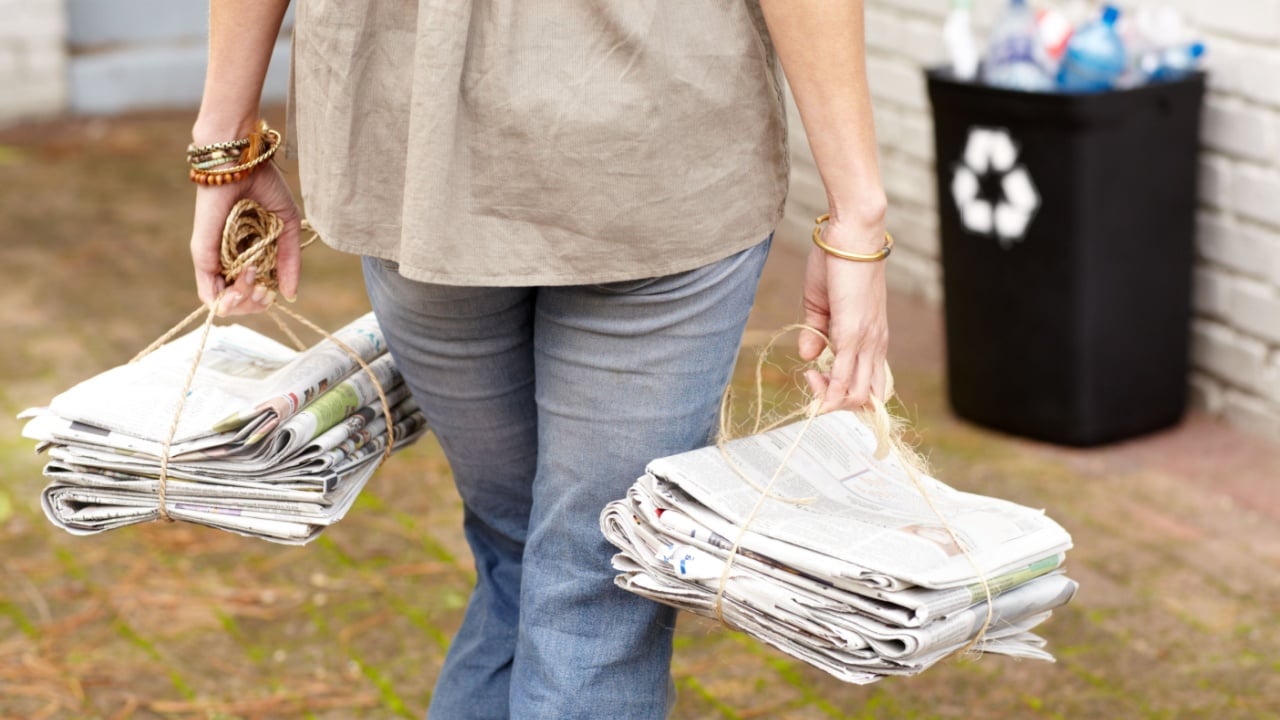
4. Old Magazines and Newspapers
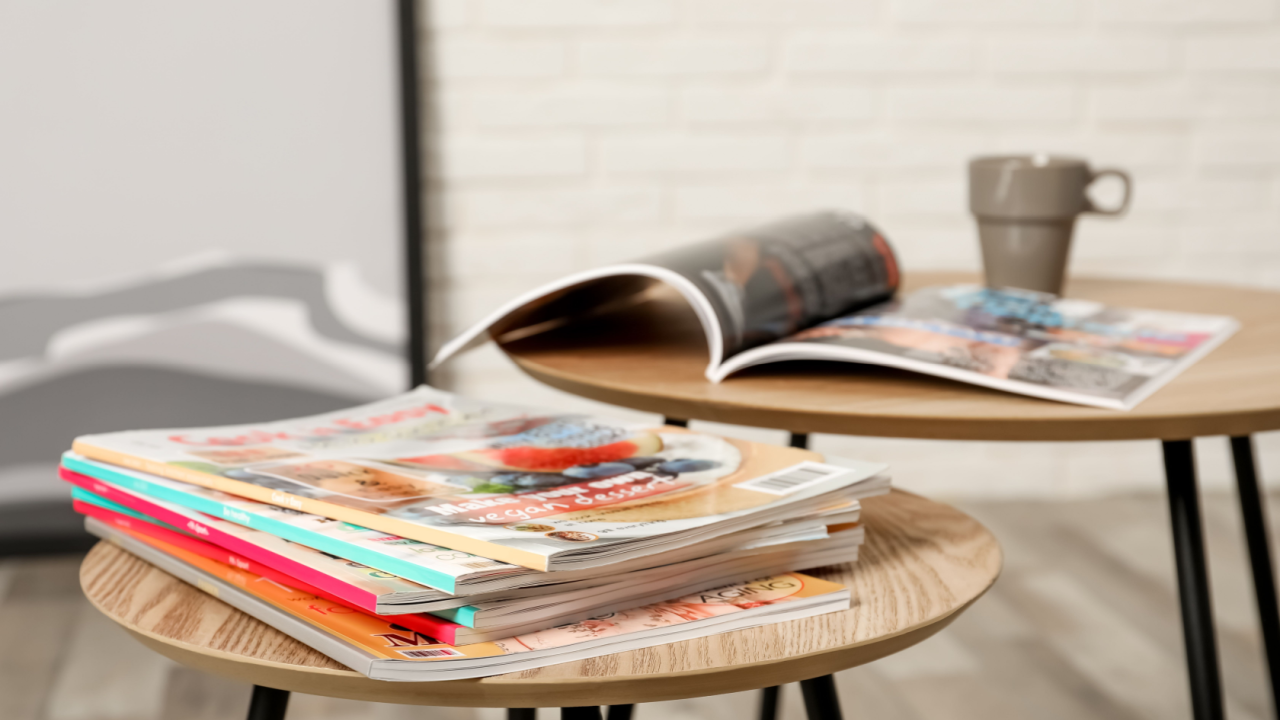
Stacks of magazines and newspapers build up quickly, often with the intention of reading or rereading them later. As time passes, they lose relevance and turn into clutter that collects dust and takes up space in your living area.
Letting go of older issues clears both physical and visual space. If there is an article or recipe you want to keep, a quick photo does the job without adding bulk. This small habit helps keep your home feeling lighter and more open.
5. Promotional T-Shirts

Free T-shirts from events or promotions tend to gather at the back of drawers. They are rarely the right fit or fabric, and most people do not choose to wear them regularly. Still, they stay because they feel like something you should keep.
Clearing them out makes everyday choices simpler. When your wardrobe contains only items you actually like and wear, getting dressed becomes easier. Donating these shirts also gives them a chance to be useful to someone else instead of sitting unused.
6. Sample Size Toiletries
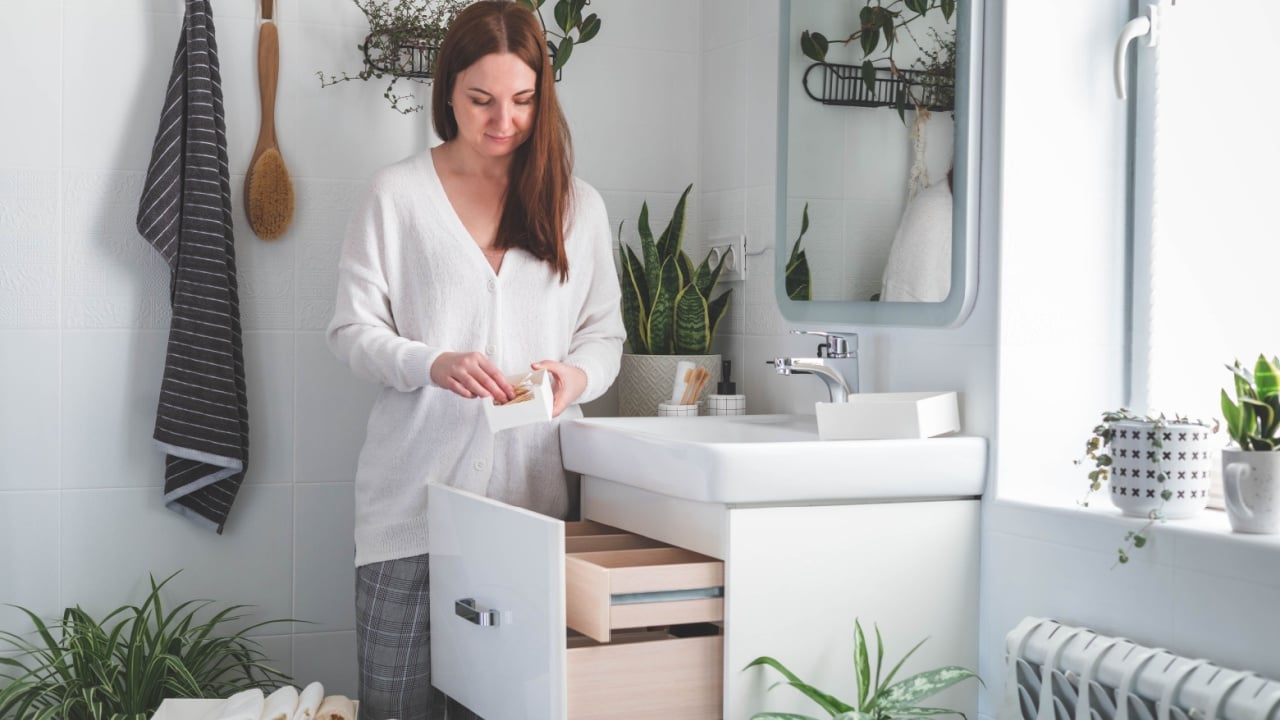
Hotel shampoos and tiny lotion bottles from beauty subscriptions accumulate quickly in bathroom drawers. We save them for future travel, but then forget they exist when we actually pack. These small bottles often leak or the contents separate with time.
Use them up this week or donate unopened ones to a local shelter. To stay organized for travel, invest in one set of high-quality refillable silicone bottles. This allows you to bring your preferred products and prevents the buildup of clutter.
7. Worn-Out Bed Pillows
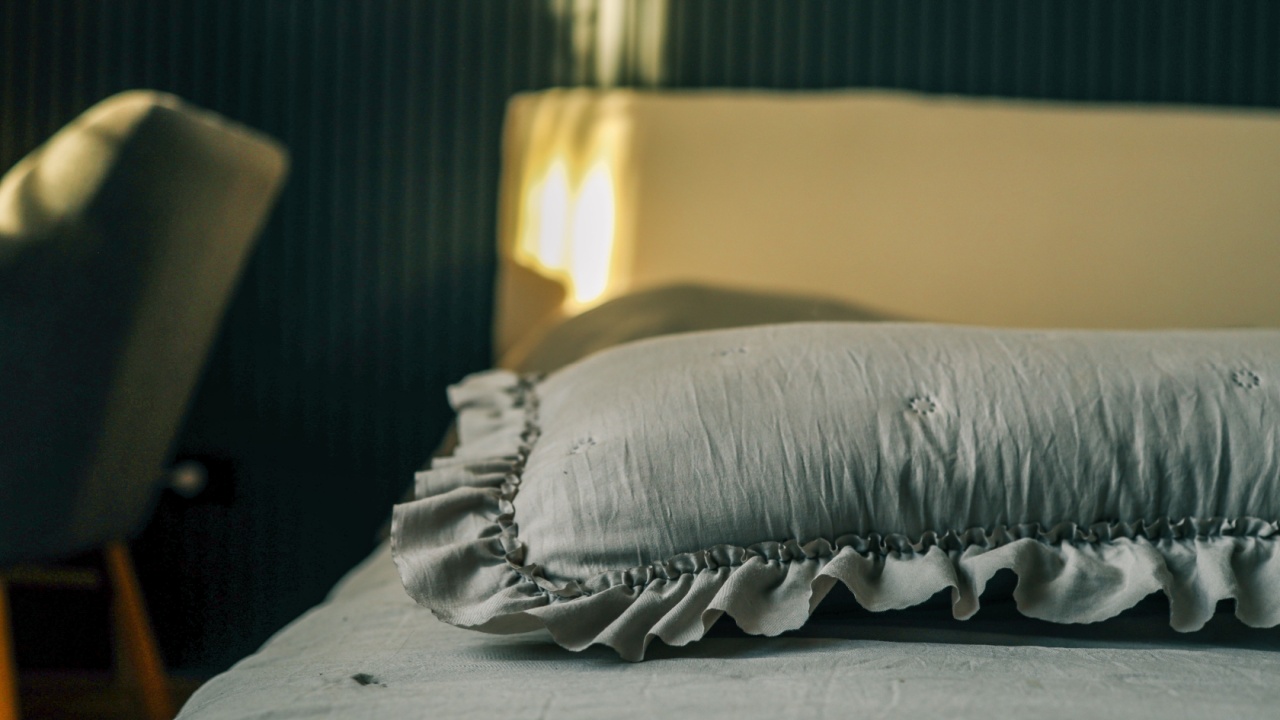
Pillows that have lost their loft or are stained with yellowing do not provide the support needed for a good night’s rest. You often keep them as spares for guests, but even guests deserve a comfortable place to sleep. Old pillows can also harbor dust mites and allergens.
Fold your pillow in half to see if it springs back into shape. If it stays flat, it is time for the trash. Replacing pillows every two years is a standard recommendation for hygiene and comfort.
8. Cardboard Boxes from Past Purchases
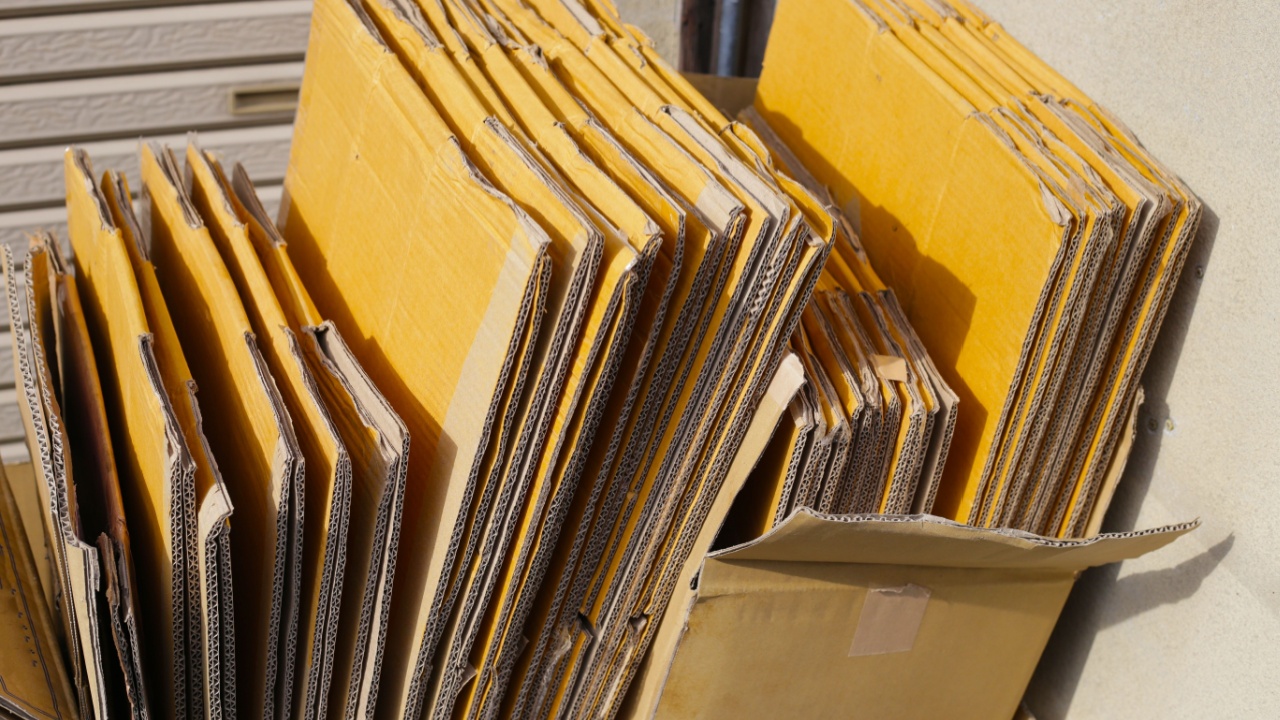
It is tempting to keep the box for a new television or blender in case you need to return it or move. However, these boxes are bulky and often end up as homes for pests in garages or attics. Most retailers do not require the original packaging for warranty claims after the initial return window.
Break down and recycle any box for an item you have owned for more than thirty days. If you do move in the future, buying fresh boxes is easier than storing an empty cardboard collection for years. This immediately opens up significant storage space.
9. Duplicate Kitchen Gadgets
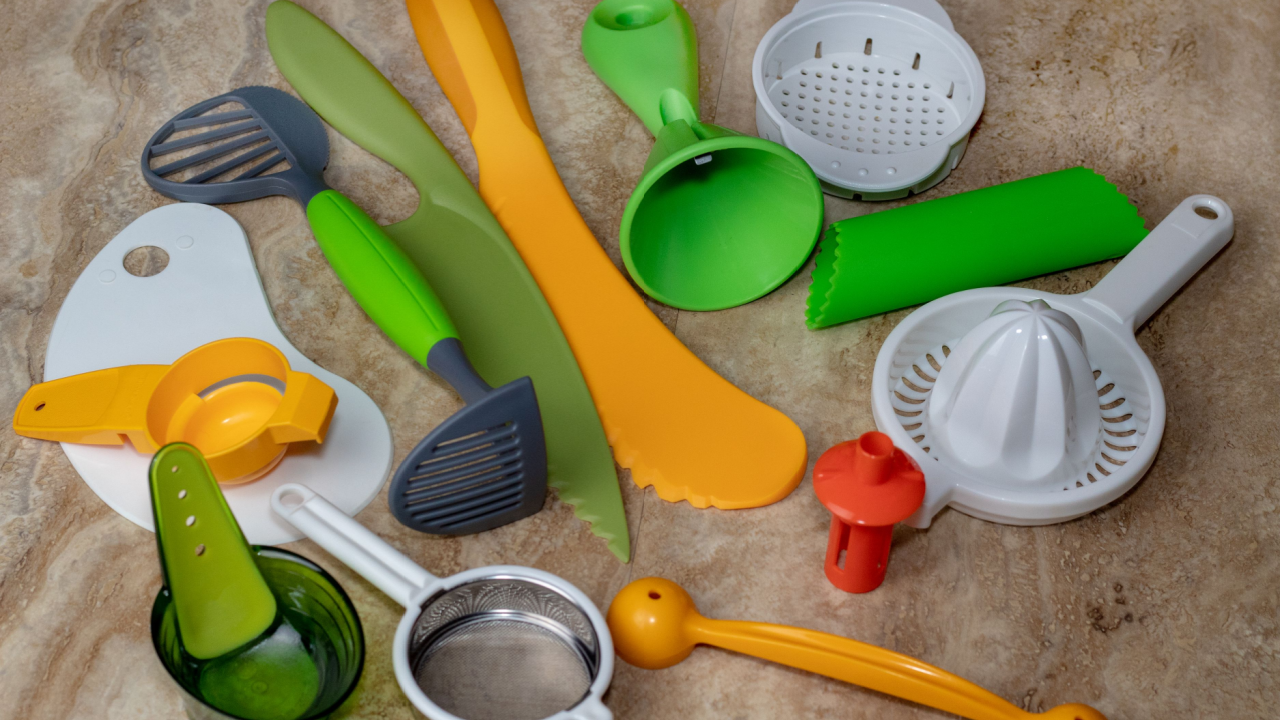
Extra kitchen tools tend to collect without much thought. You might keep an older version as a backup, even though you always reach for the same one. These duplicates crowd your drawers and slow you down while cooking.
Keeping only the best version of each tool makes your kitchen more efficient. It becomes easier to find what you need, and the space feels more organized. Letting go of extras noticeably simplifies daily routines.
10. Manuals for Basic Appliances
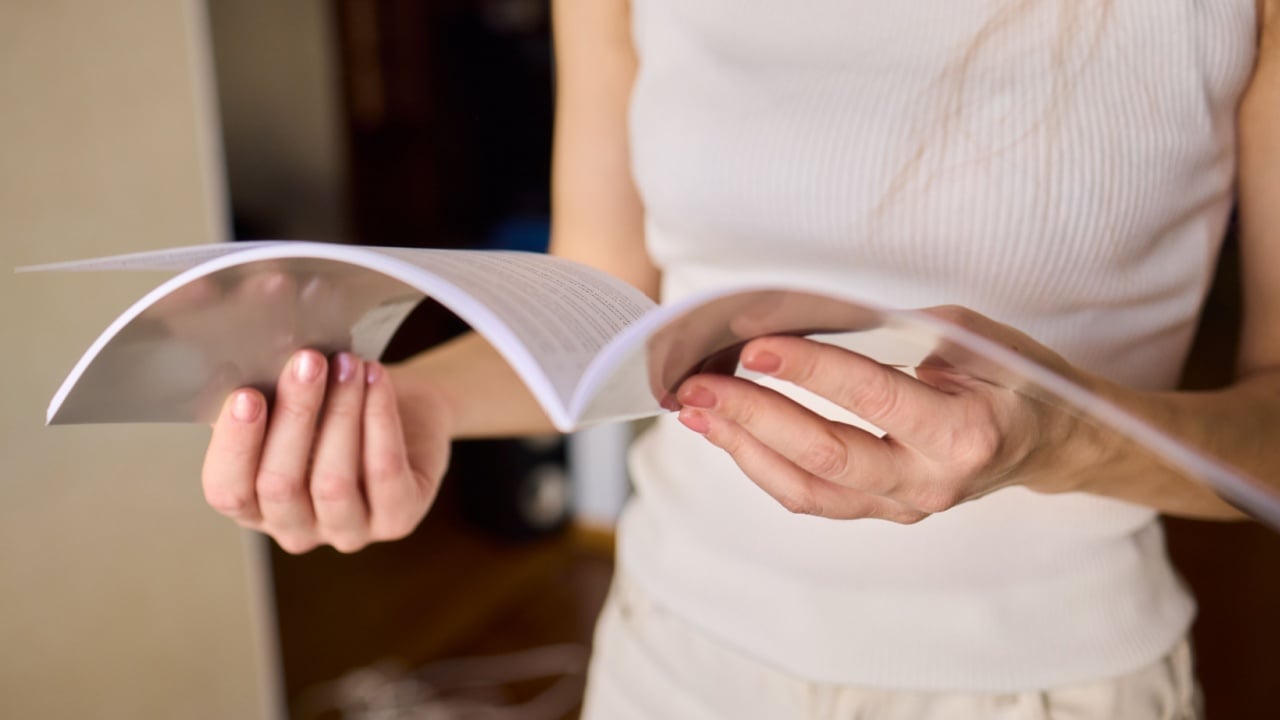
Paper manuals for toasters, microwaves, and coffee makers are outdated the moment they are printed. Most people never look at them, and the information is readily available online as a PDF. These booklets take up space in junk drawers or filing cabinets.
Toss the paper copies and find the digital versions on the manufacturer’s website. Save the PDFs in a dedicated cloud storage folder for easy access. This ensures the information is searchable and available whenever you need it.
11. Scraps of Wrapping Paper

Tiny leftovers of gift wrap that are too small to cover a standard box often sit in the back of the closet. You save them thinking they might work for a small jewelry box, but they usually just get wrinkled and torn. This creates a messy storage area for your holiday supplies.
Recycle any scrap smaller than a standard sheet of paper. Using plain brown craft paper for gifts is a great way to stay prepared without needing a variety of specific patterns. It is versatile for any occasion and takes up much less space.
12. Half-Finished Craft Projects
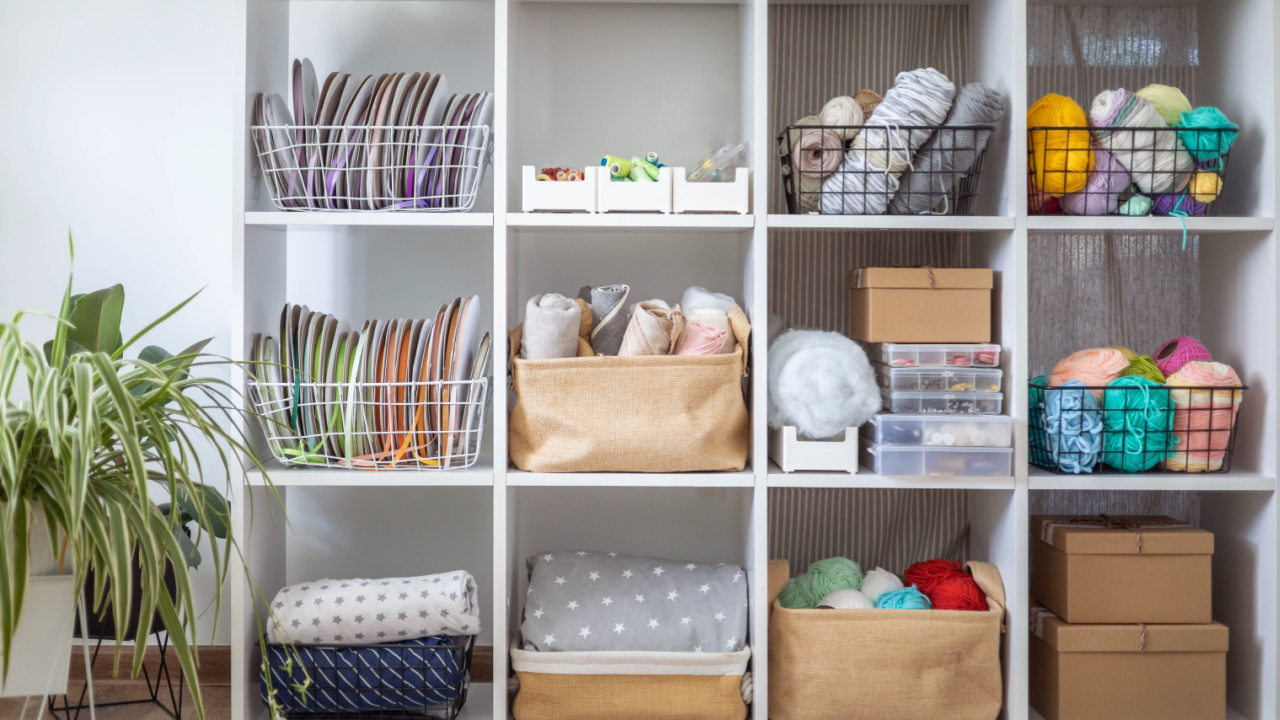
Supplies for a hobby you abandoned three years ago are just reminders of tasks you didn’t finish. Whether it is a half-knit sweater or a stack of scrapbooking paper, these items occupy physical and mental space. If you haven’t touched the project in six months, you are unlikely to return to it.
Be honest about your current interests and donate the supplies to someone who will use them. Clearing out the old projects makes room for new activities that actually excite you. This removes the guilt associated with the unfinished work.
13. Broken Umbrellas
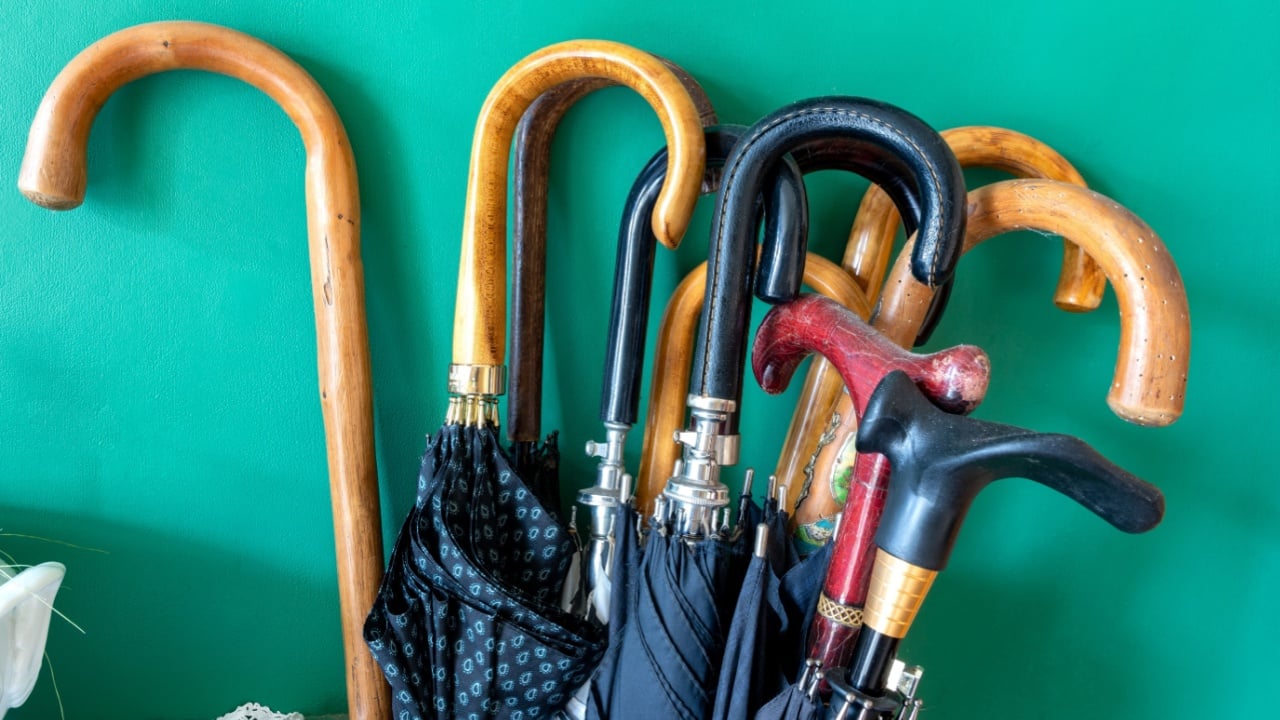
An umbrella with a bent spoke, or a finicky handle, is a liability during a storm. Even if you keep it as a spare, it often fails at the worst time.
Discard any umbrella that does not function perfectly. Keep one sturdy, high-quality umbrella in your car and one by the door. This ensures you are actually protected from the rain without the clutter of dysfunctional backups.
14. Greeting Cards Without Sentimental Value
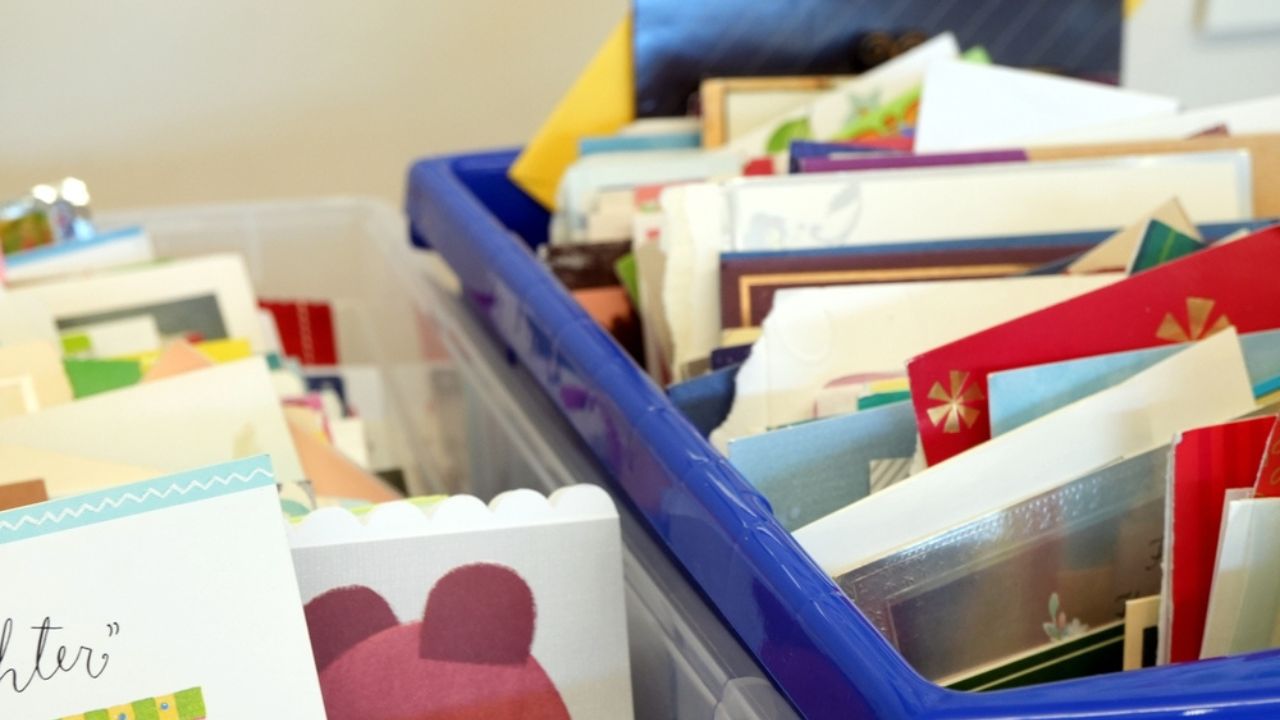
Greeting cards can pile up quickly, especially when they come from acquaintances or formal occasions. While some cards are worth keeping for the personal message, many are just generic well-wishes that add to paper clutter. Storing boxes of these cards serves no purpose.
Keep only the cards with heartfelt, handwritten notes from close loved ones. Recycle the rest immediately after reading them. This allows you to treasure the truly meaningful messages without being overwhelmed by paper.
15. Old Paint Cans

Leftover paint from a room you painted five years ago is likely dried out or separated beyond repair. Even if it is still liquid, the color on the walls has likely faded, meaning the old paint won’t match for touch-ups. These heavy cans take up floor space and can leak over time.
Check the consistency of the paint, and if it is unusable, dispose of it according to local hazardous waste guidelines. For future projects, keep a small jar of the color for reference or take a photo of the paint lid with the formula code. This provides the necessary information without the bulky can.
Reset the Space, Reset the Habit
Moving toward a streamlined home requires a shift in how you view your belongings. Stop acting as a curator for items that no longer serve a purpose. Your next step is to choose one category from this list and clear it out today. Dedicating ten minutes to purging these space wasters will create immediate momentum for a more organized life.
Read More: