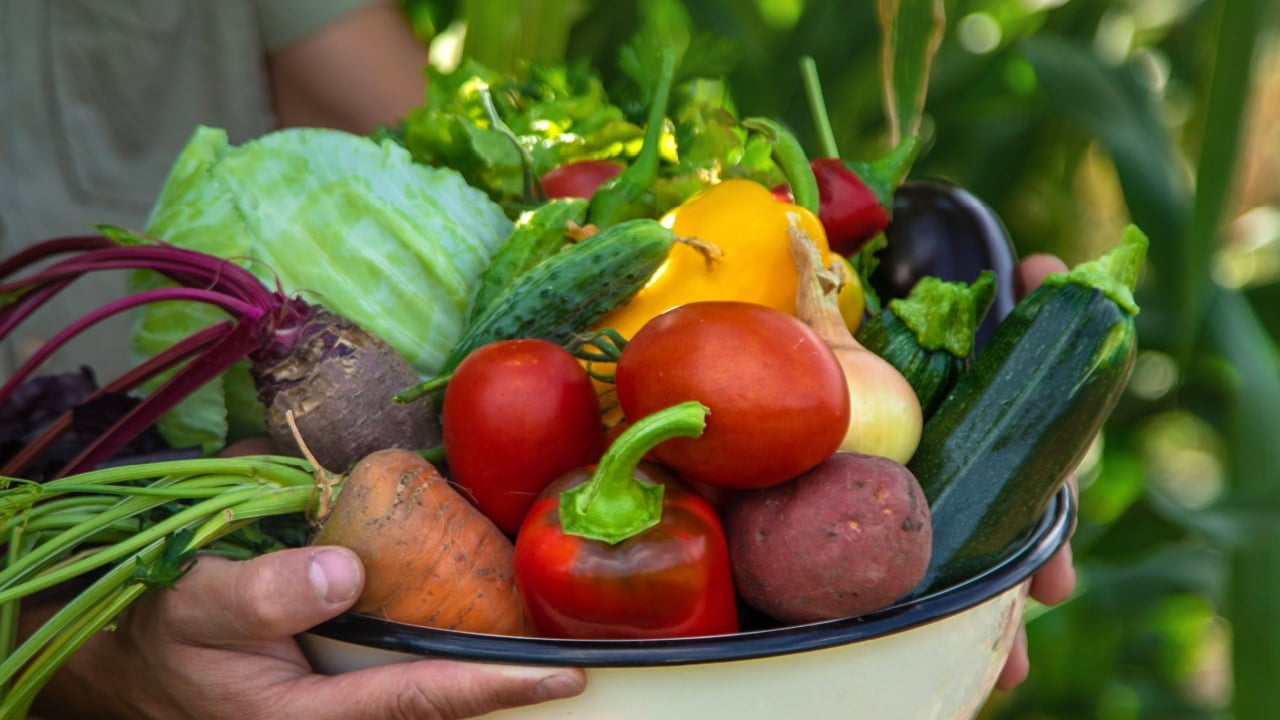
9 Vegetables and Herbs to Grow and Cut the Grocery Bill by $400
Your grocery bill didn’t double because you started eating better. It doubled because the produce you already buy, like fresh herbs, salad greens, tomatoes, and peppers, quietly became some of the most expensive items in the store.
The good news is that every vegetable on that list grows easily in a backyard raised bed, a container on a patio, or even a sunny windowsill. And the savings add up faster than most people expect.
According to data from Garden City Harvest, gardeners working plots as small as 15 by 15 feet save an average of $400 per year on groceries. A quarter of those gardeners trim $20 to $25 off their grocery bill every single week. Some report saving $40 per week or more.
So, get started gardening with one of these nine crops that deliver the biggest return, ranked from easiest-to-start.
1. Fresh Herbs
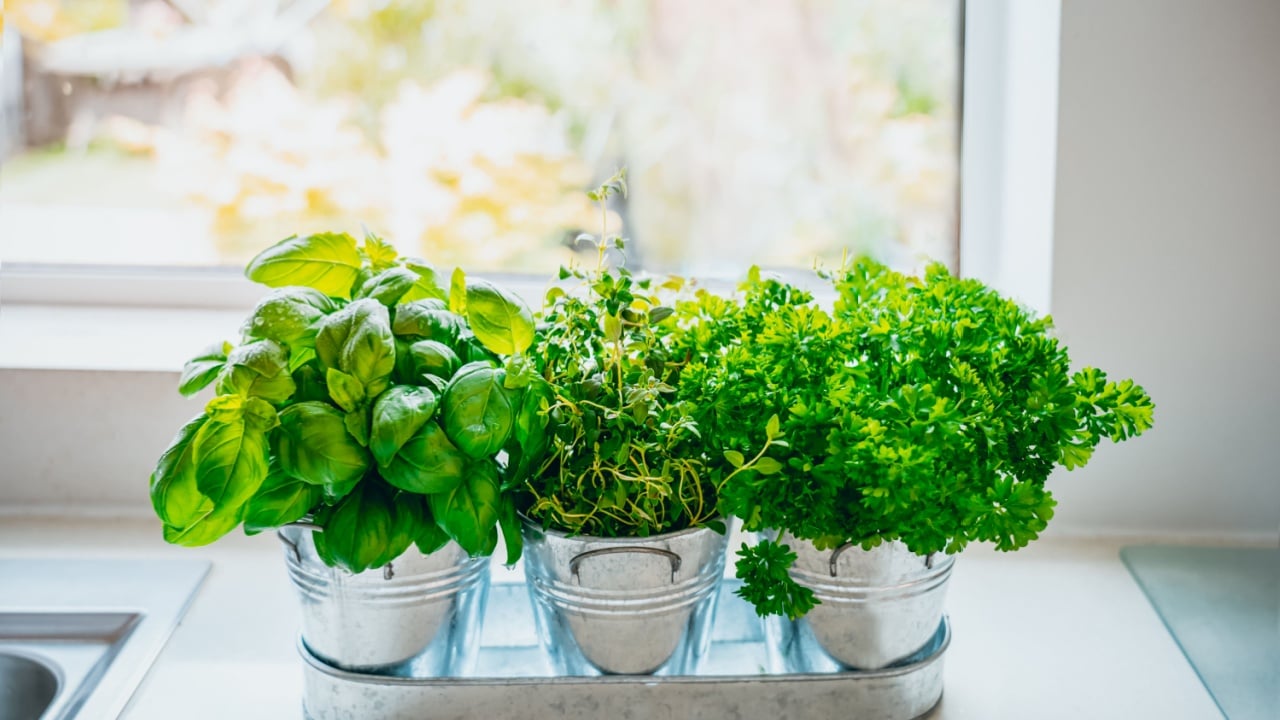
No other crop matches herbs for savings-to-space ratio. A small bunch of fresh basil at the grocery store typically costs $3 or more and wilts within days. A single basil plant costs $2 at a garden center, produces armfuls of leaves all summer, and takes up about as much room as a coffee cup.
Bonnie Plants notes that fresh herbs rank among the most expensive produce-section items per ounce, yet they are among the cheapest and simplest crops to grow at home. Perennial herbs like rosemary, thyme, chives, and oregano need planting only once and return every year, compounding your savings with zero additional investment.
The best first herbs to grow include basil, thyme, rosemary, chives, and parsley. Basil earns special mention because a few plants yield enough leaves to make batches of homemade pesto for the freezer, eliminating what can easily be $10 to $15 per month in store-bought jars.
2. Salad Greens and Leaf Lettuce

A seed packet of mixed salad greens costs a few dollars and contains hundreds of seeds, which is enough to replace pre-washed grocery store salad mixes from spring through fall. According to Bonnie Plants, a single row of ten leaf lettuce plants keeps a family of four in salad nearly every other night for the full growing season.
The trick is ‘cut-and-come-again’ harvesting: pick the outer leaves, leave the center, and the same plant keeps producing for weeks. Succession plant a short row every two weeks, and most households never buy bagged salad again during the growing season.
Salad greens are also one of the best crops for small-space gardeners. They grow happily in containers, window boxes, and vertical planters, with no backyard required.
3. Tomatoes (America’s Most Rewarding Home Garden Crop)
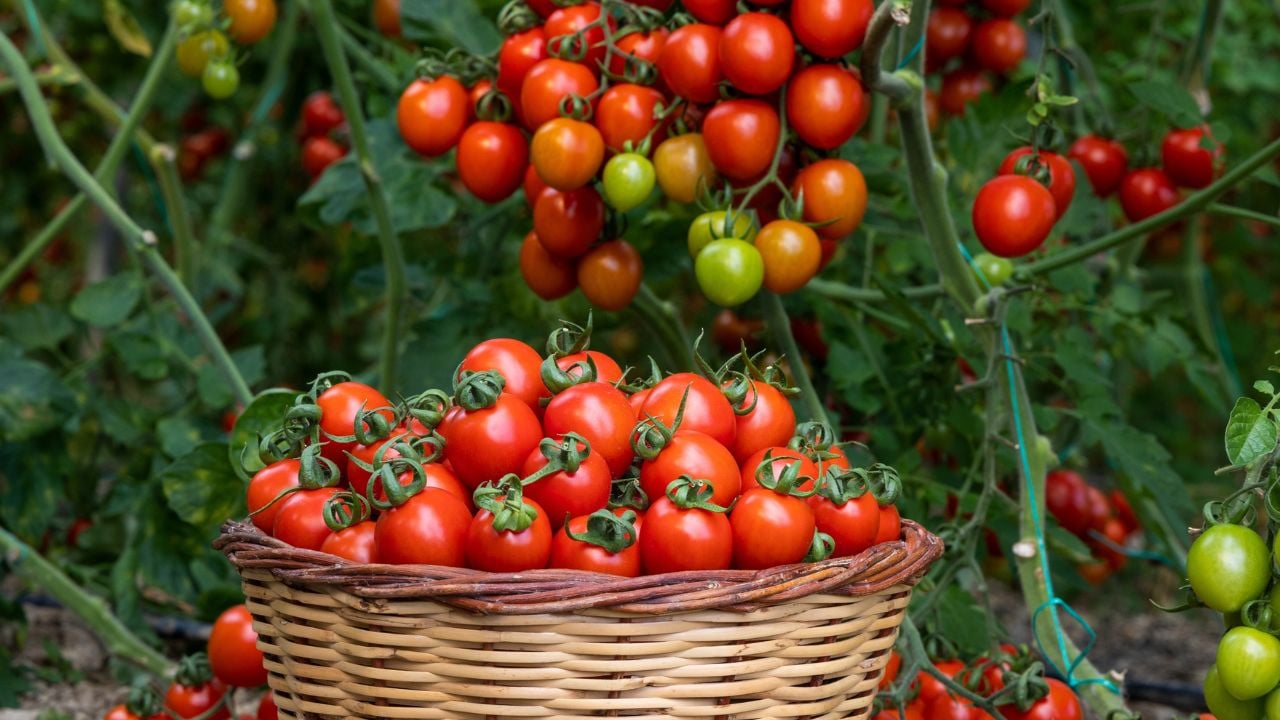
There’s a reason tomatoes are the most-grown home garden vegetable in the United States: the return on investment is exceptional. A single indeterminate vine yields 10 to 30 pounds of fruit per season. Heirloom varieties that retail for $3 to $4 per pound at grocery stores and farmers’ markets are no harder to grow than standard slicers.
Grape and cherry tomatoes are particular standouts for grocery savings. Bonnie Plants notes that a 1-pound box of organic grape tomatoes can run $3.69 or more at the store; the same plants produce prolifically from midsummer through frost with minimal care.
You can freeze or dehydrate surplus cherry tomatoes in late summer for off-season use in sauces and soups, turning peak-season abundance into year-round pantry savings.
4. Summer Squash and Zucchini
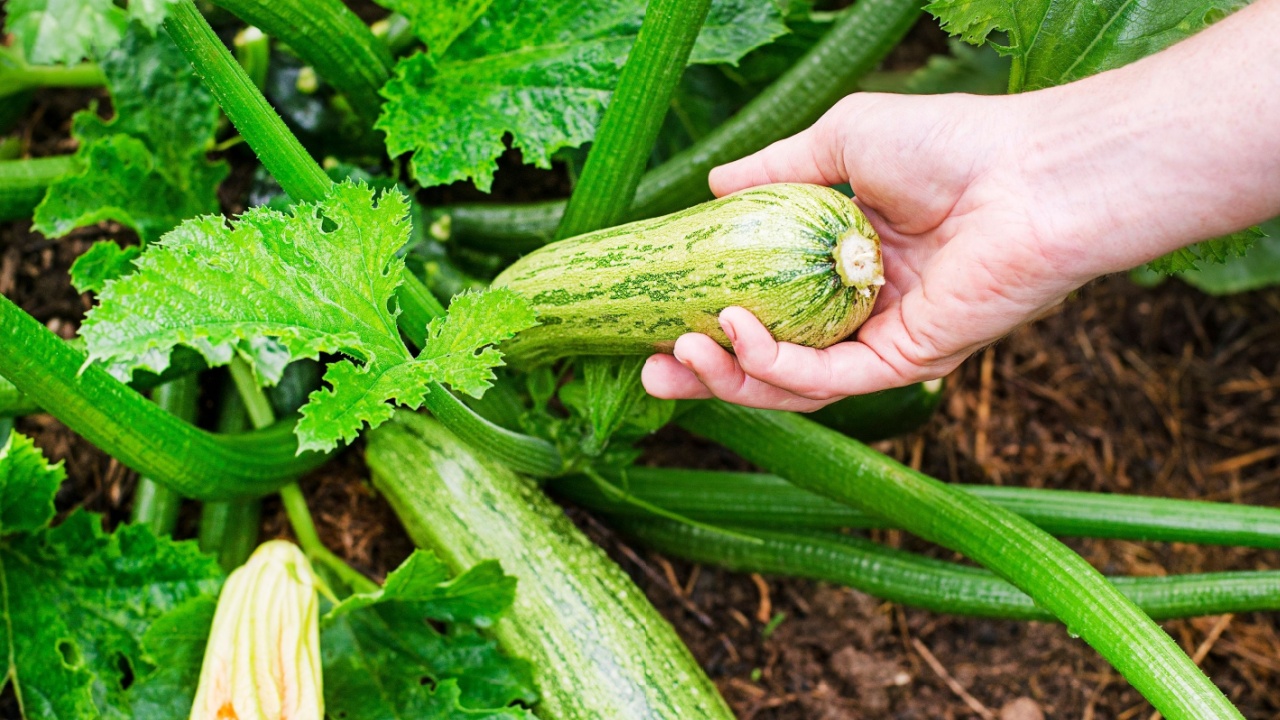
One zucchini plant is legendary for outproducing an entire household at peak season. That might sound like a problem, but it is actually the point. Summer squash and zucchini are expensive out of season and prolific enough in summer that a single plant can supply fresh produce for months.
Bonnie Plants recommends freezing or baking the surplus into quick breads that store well in the freezer, which is a practical way to convert July abundance into a food budget win that pays dividends in January.
Zucchini also grows well in large containers, making it accessible for gardeners without in-ground beds.
5. Specialty and Hot Peppers
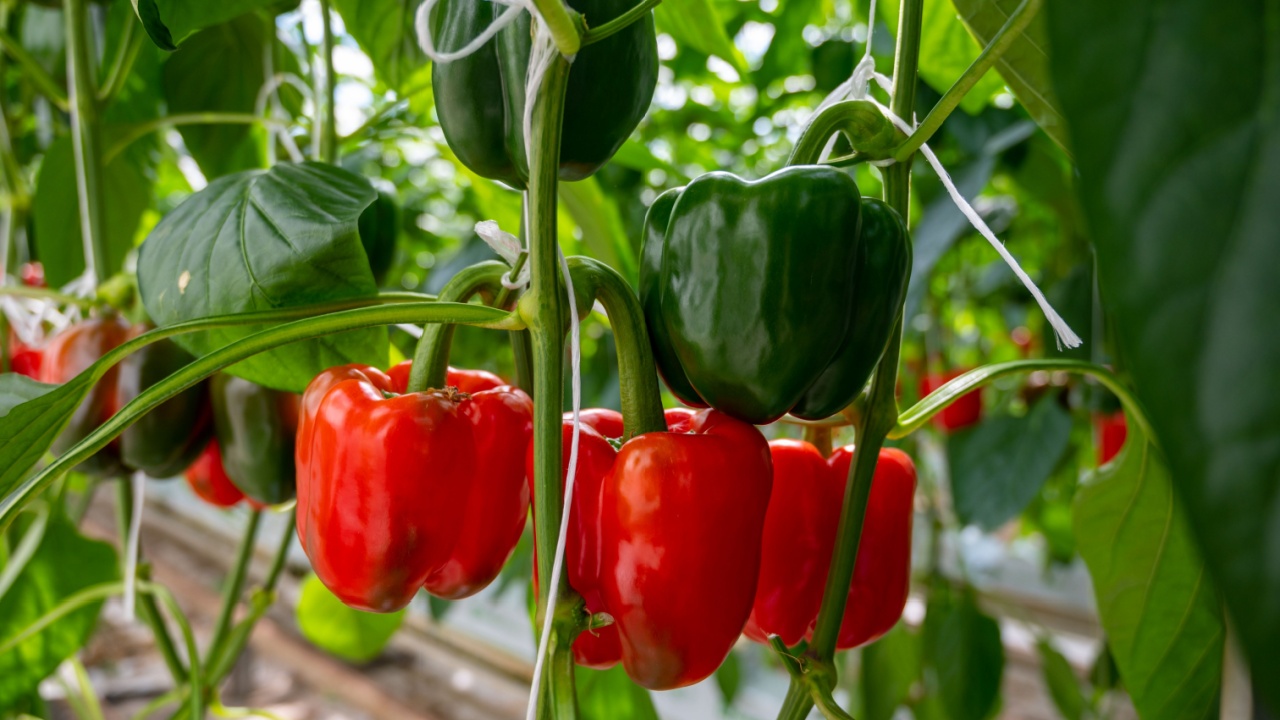
Red bell peppers, poblanos, jalapeños, and other specialty varieties command some of the highest prices in the produce section, especially organic. The Environmental Working Group‘s Dirty Dozen list consistently includes conventionally grown sweet peppers among the most heavily sprayed produce items, giving gardeners both a financial and a health reason to grow their own.
The yields can be remarkable. Bonnie Plants reports that a single poblano plant can yield 40 or more peppers in a warm-season climate. Peppers freeze well after chopping, can be dehydrated easily, and hot pepper varieties continue to produce indoors under grow lights when brought inside before the first frost.
According to 2025 retail price data published by UF/IFAS, drawn from USDA Agricultural Marketing Service figures, red peppers average $2.17 per pound at the grocery store; a figure that makes every pepper you grow yourself count.
6. Cucumbers

Grown vertically on a trellis or cage, a single cucumber plant produces 5 to 10 cucumbers per season. Bonnie Plants notes that two or three plants on an 18-inch cage can yield 15 to 30 cucumbers from a patch no larger than an end table.
For households that buy pickles regularly, growing cucumbers and making a basic refrigerator dill pickle eliminates that purchase entirely. The savings are modest per jar, but consistent across an entire season.
7. Spinach and Leafy Greens
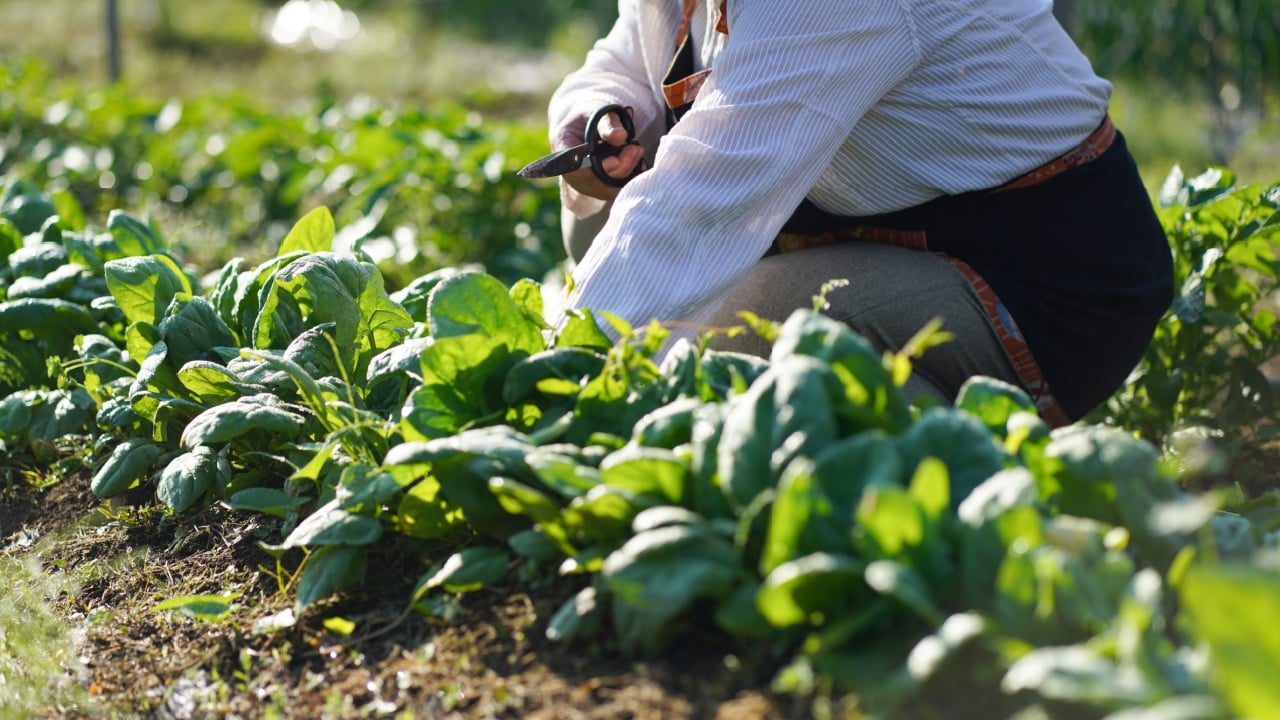
Spinach carries one of the highest retail prices of any common vegetable. According to 2025 data from the USDA Agricultural Marketing Service, published by UF/IFAS, spinach averages $6.44 per pound at grocery stores. That figure makes every pound you grow yourself a meaningful contribution to your food budget.
Spinach and other leafy greens like Swiss chard, kale, and arugula grow quickly in cool weather and can be started as early as six weeks before the last frost date in spring. They also grow well under a cold frame or hoop tunnel in late fall, extending the harvest window by months.
Iowa State University Extension recommends leafy greens as one of the top crops for beginning gardeners looking to save money: fast to grow, inexpensive to seed, and one of the most expensive categories at the store.
8. Blueberries and Cane Berries
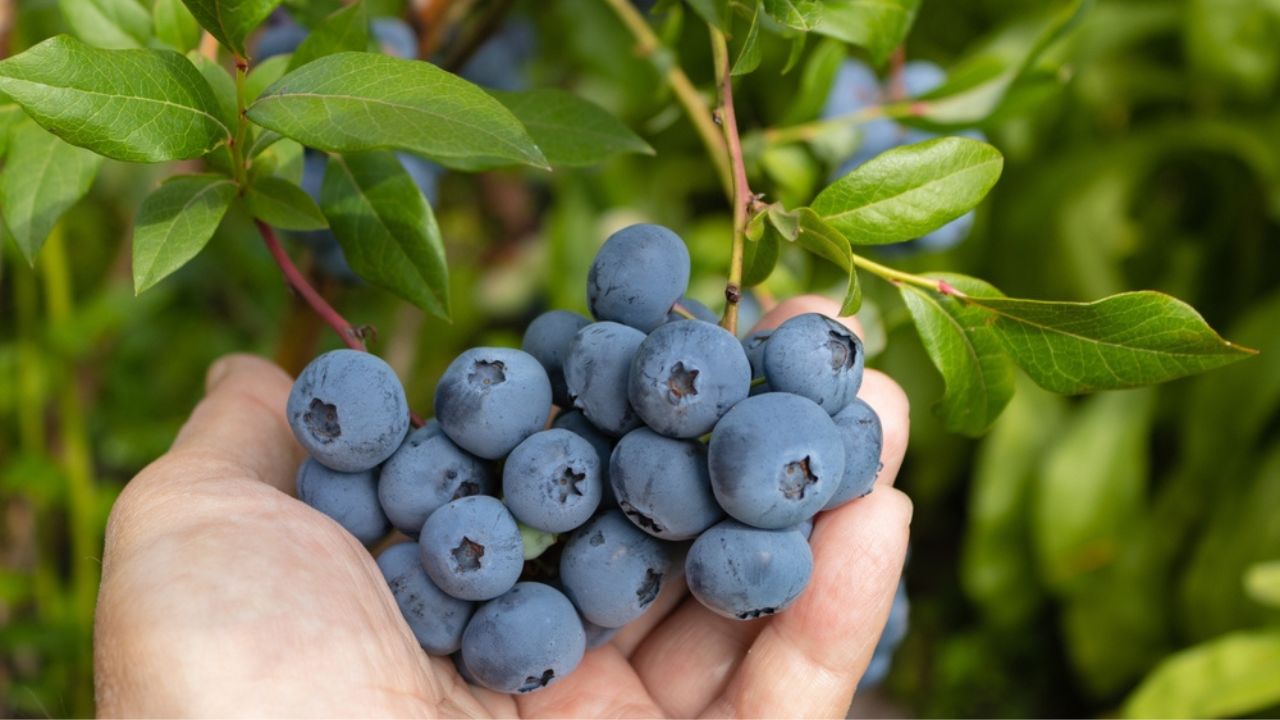
Berry bushes require an upfront investment and a year or two before they hit full production, but they pay for themselves many times over once established. A gardener at Meadow Hill Community Garden, documented by Garden City Harvest, reports saving up to $75 per week on her grocery bill from mid-July through mid-September thanks to abundant raspberry patches.
Blueberry bushes purchased once produce reliably for decades. Dwarf varieties grow in containers and landscape beds alike. Raspberries and thornless blackberries produce heavily on small footprints, and organic berries, which can run $4 to $6 or more for a small carton, represent one of the highest-markup categories in the produce aisle.
The best entry point to growing berries is to plant two or three blueberry bushes or a thornless blackberry in a corner of a yard or a large container. Minimal maintenance, maximum long-term return.
9. Garlic and Perennial Alliums
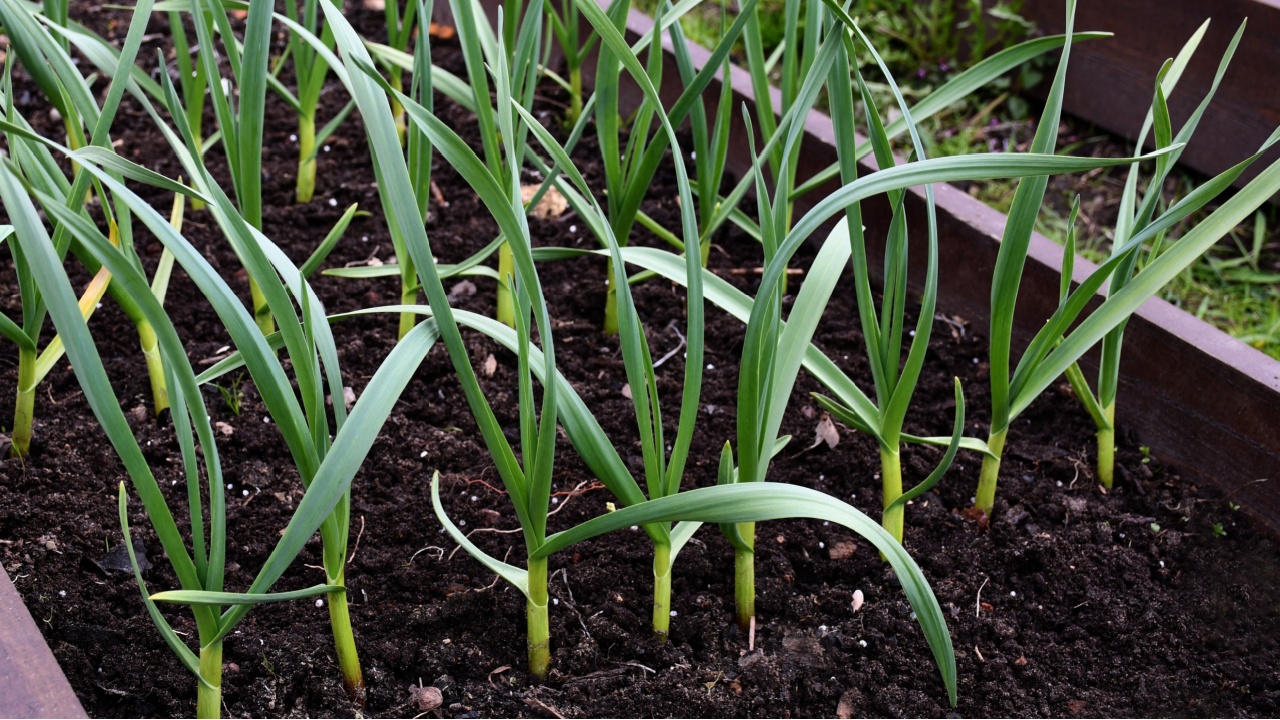
Garlic is one of the most underrated money-saving crops in the home garden. It is simple to grow, requires almost no maintenance once planted in the fall, and stores for months in a cool room after harvest. Organic garlic carries a significant retail premium, yet growing it yourself costs little more than the price of a seed bulb.
The compounding advantage: each clove planted produces a full bulb. Save the largest bulbs from your harvest to replant each fall, and after the first year, your seed cost is effectively zero. The same principle applies to multiplying chives, Egyptian walking onions, and other perennial alliums that return year after year without replanting.
Michigan State University Extension notes that perennial food crops like garlic, asparagus, and berries offer some of the strongest long-term returns in the home garden, precisely because the initial investment is made only once.
One Pot, One Packet, One Season
You don’t need all nine crops to make a dent in your grocery bill. Start with the top two or three on this list and let the savings build your confidence for the next season.
The families quietly spending less at the grocery store this year aren’t doing anything complicated. They’re growing what they already eat, in whatever space they have, and harvesting the return one meal at a time.
Read more:
Direct Sow These 9 Seeds in June Before the Window Closes for Good
June Is National Pollinator Month. Are You Accidentally Harming the Bees You Want to Help?