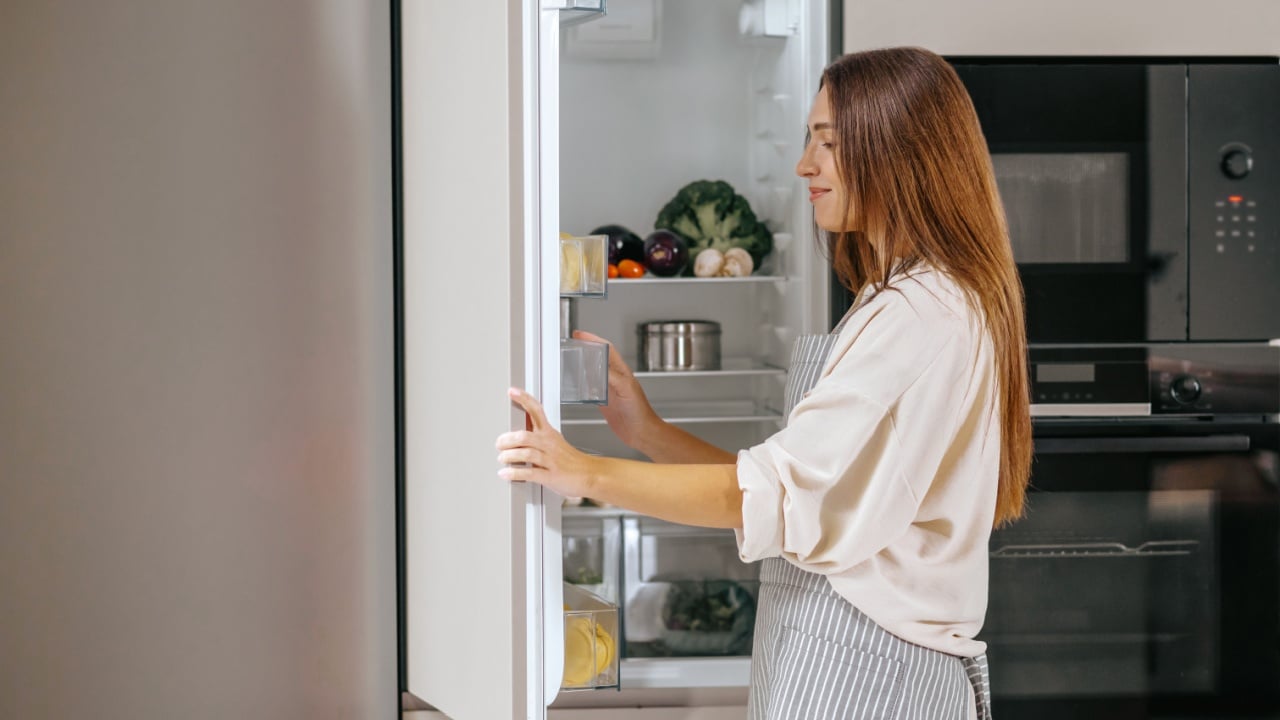
10 Expired Foods Hiding in Your Fridge to Toss Right Now
When was the last time you gave your refrigerator a thorough once-over? If you’re like most people, it’s probably been a while. Between busy schedules and daily meal prep, the fridge often becomes a cluttered catch-all for forgotten leftovers, expired condiments, and mystery containers that seem to multiply overnight.
An organized fridge helps you waste less food, save money, keep your meals fresher, and even prevent those unpleasant odors from taking over your kitchen.
Ready to reclaim your fridge space? Let’s dive into the ten things you should toss right now to create a cleaner, more functional refrigerator.
How We Got This Data
All recommendations in this article are based on publicly available food safety guidelines, cold storage charts, and consumer best practices from reputable sources, including government agencies, university extensions, and food science experts.
We reviewed current standards for refrigeration, spoilage indicators, and safe consumption timelines to ensure accuracy and relevance.
1. Expired Dairy Products

Start your fridge cleanout with dairy products like milk, yogurt, cheese, and butter. These items have relatively short shelf lives and can spoil quickly once opened. Expired dairy not only takes up valuable space but can also harbor harmful bacteria that could make you sick.
Check the expiration dates on all your dairy items and don’t hesitate to toss anything that’s past its prime. Even if the date seems close, give it a sniff test; sour or off-putting smells are clear indicators it’s time to say goodbye.
Quick Tips:
- Store dairy products on the middle or upper shelves where temperatures are most consistent
- Keep milk in its original container rather than the door, where the temperature fluctuates
- Write the opening date on yogurt containers to track freshness more accurately
- Consider buying smaller quantities if you frequently find expired dairy in your fridge
2. Wilted or Slimy Produce
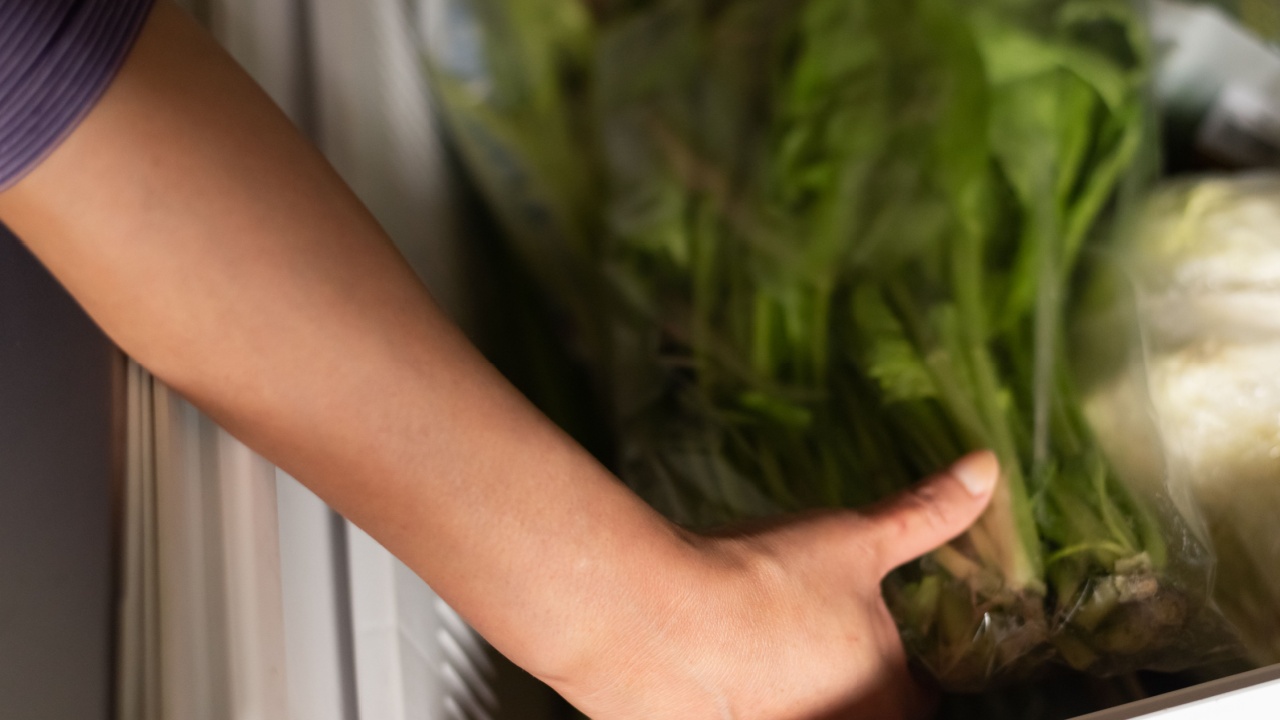
Those sad, wilted greens and slimy vegetables hiding in your crisper drawer? They need to go. Produce that’s past its prime won’t regain its freshness, and keeping it around only wastes space that could be used for fresh, nutritious fruits and vegetables. Spoiled produce can also speed up the decay of nearby fresh items by releasing ethylene gas.
Look for telltale signs, such as browning, mushiness, mold spots, or that distinctive slimy texture, which indicates that decomposition has begun. Don’t feel guilty about tossing these items. Consider it a lesson learned for future shopping trips.
Quick Tips:
- Line your crisper drawers with paper towels to absorb excess moisture and extend produce life
- Store ethylene-producing fruits (apples, bananas) separately from ethylene-sensitive vegetables (leafy greens, broccoli)
- Buy only what you can realistically consume within a week
- Consider meal prepping on weekends to use produce before it spoils
- Compost discarded produce when possible to reduce waste
3. Leftovers from Last Week (or Longer)
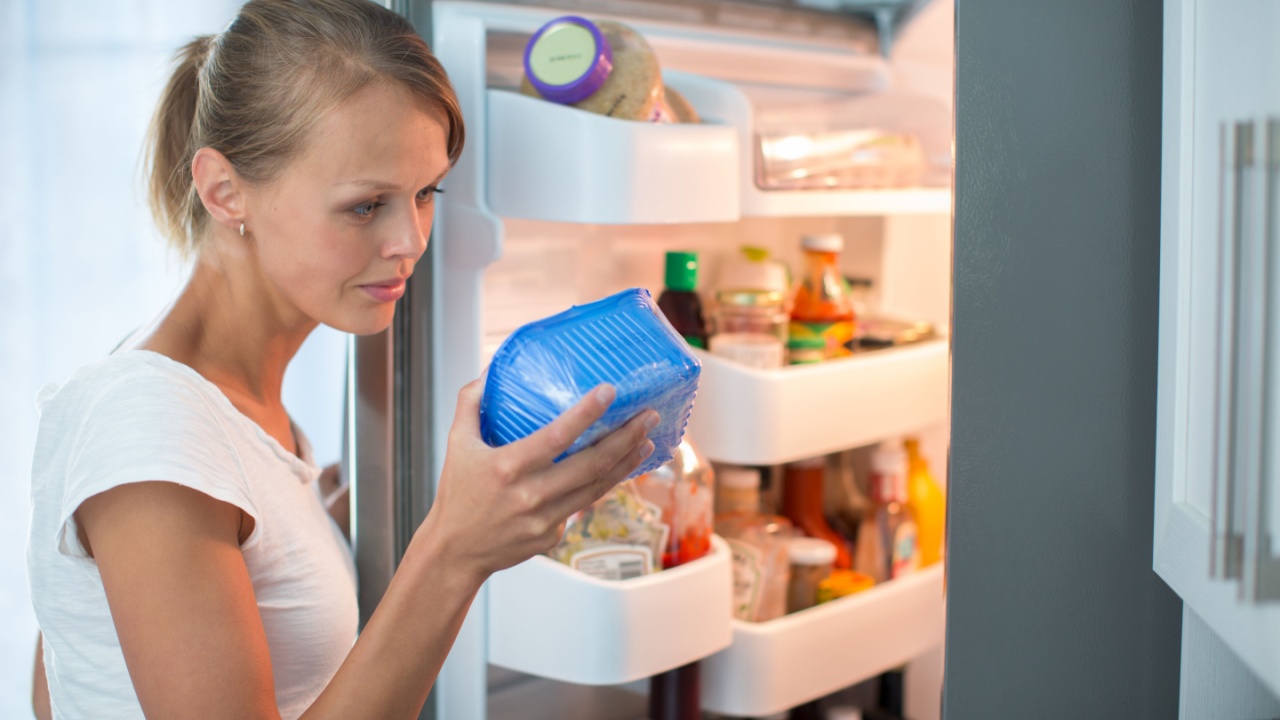
Be honest, when did you actually cook that casserole sitting in the back of your fridge? If you can’t remember or if it’s been more than three to four days, it’s time to let it go.
The USDA recommends consuming most leftovers within three to four days for safety reasons. Beyond that window, bacterial growth increases significantly, even when food is properly refrigerated.
Those ancient leftovers are prime candidates for creating unpleasant fridge odors, and they’re definitely not worth the risk of foodborne illness. Make it a weekly habit to check for old leftovers before they become science experiments.
Quick Tips:
- Use clear, labeled containers with dates so you can easily identify what needs eating first
- Implement a “first in, first out” system by placing newer leftovers behind older ones
- Dedicate one shelf specifically to leftovers so nothing gets lost in the back
- Set a weekly “leftover night” to use up stored meals before they expire
- Freeze leftovers you won’t eat within three days instead of risking spoilage
4. Condiments You Never Use
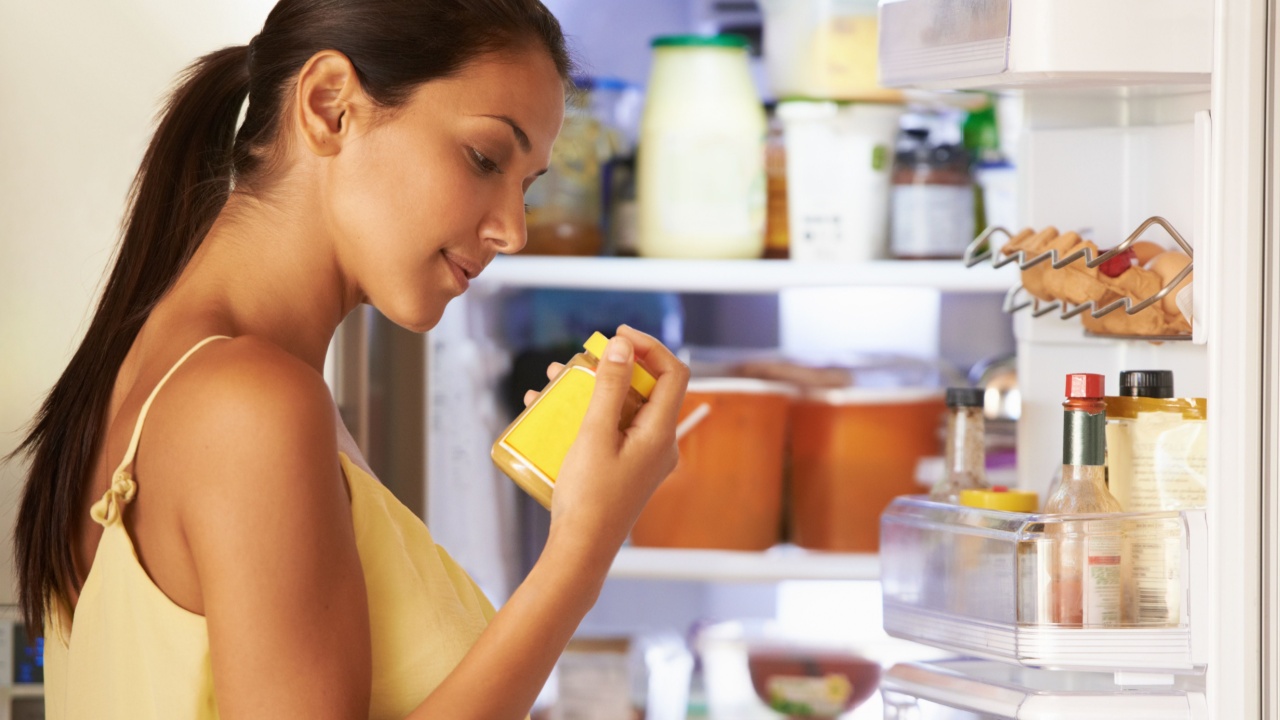
We’ve all been there! You bought that specialty hot sauce or artisanal mustard for one recipe, tried it once, and now it’s been collecting dust for months. These forgotten condiments occupy precious real estate and are unlikely to be used. Even worse, many condiments have been open for so long that they’ve separated, changed color, or developed off-flavors.
Ask yourself: Have I used this in the past six months? Do I even like it? If the answer is no to either question, it’s time to clear that shelf space for condiments you’ll actually use.
Quick Tips:
- Store regularly used condiments in clear, accessible bins for easy grabbing
- Write the opening date on condiment bottles to track how long they’ve been in use
- Review condiment expiration dates every few months
- Consider smaller bottle sizes for condiments you use infrequently
- Create a “use it or lose it” section in your fridge door for items nearing expiration
5. Foods You Didn’t Like
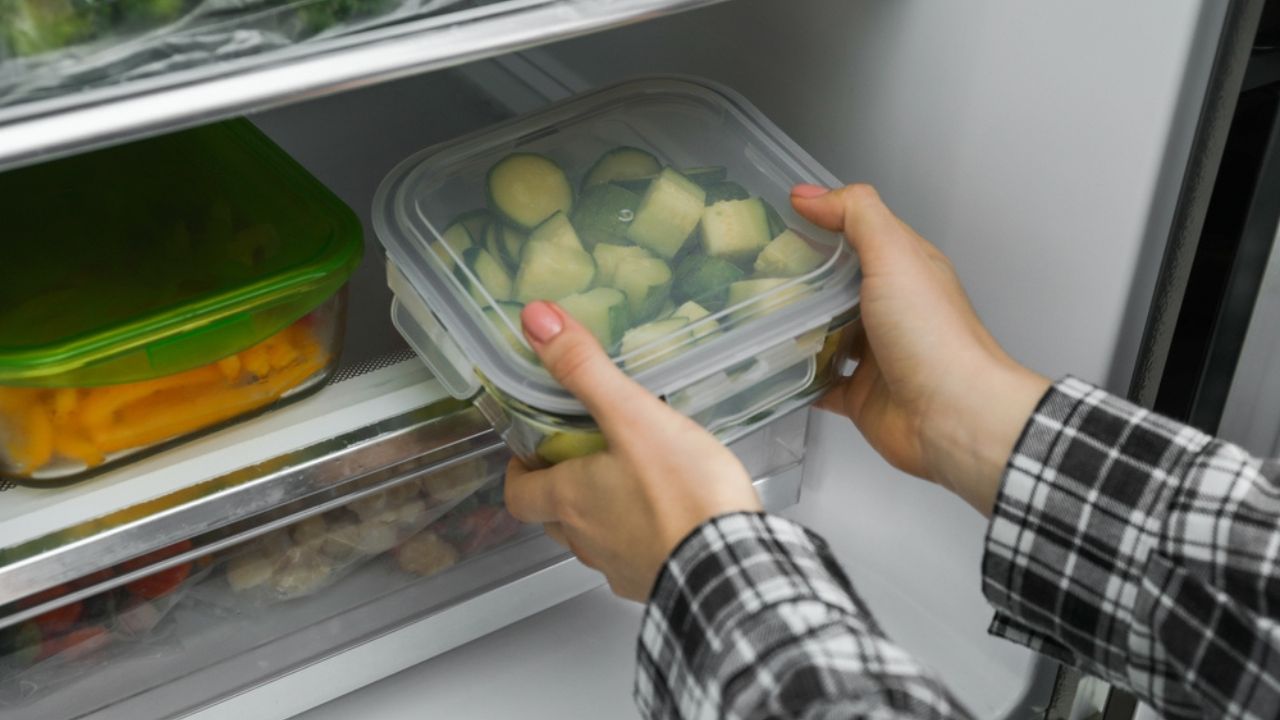
There’s no shame in admitting that a trendy superfood snack or health food product just didn’t hit the mark for your taste buds. Maybe you bought kombucha because it seemed healthy, or you tried a new brand of plant-based milk that just didn’t work for you.
Whatever the case, if you’re not going to eat it, don’t let it sit there taking up valuable space and making you feel guilty every time you open the fridge.
Food that goes uneaten is wasted, regardless of how long it sits in your refrigerator. Free yourself from the burden and make room for foods you’ll actually enjoy.
Quick Tips:
- Before tossing, consider if a friend or family member might enjoy it
- Buy single servings of new products to test them before committing to larger sizes
- Keep a running list of foods you didn’t like to avoid repeat purchases
- Don’t fall for marketing hype, buy foods you know you’ll actually consume
- Focus on foods that fit your actual eating habits, not aspirational ones
6. Mystery Containers
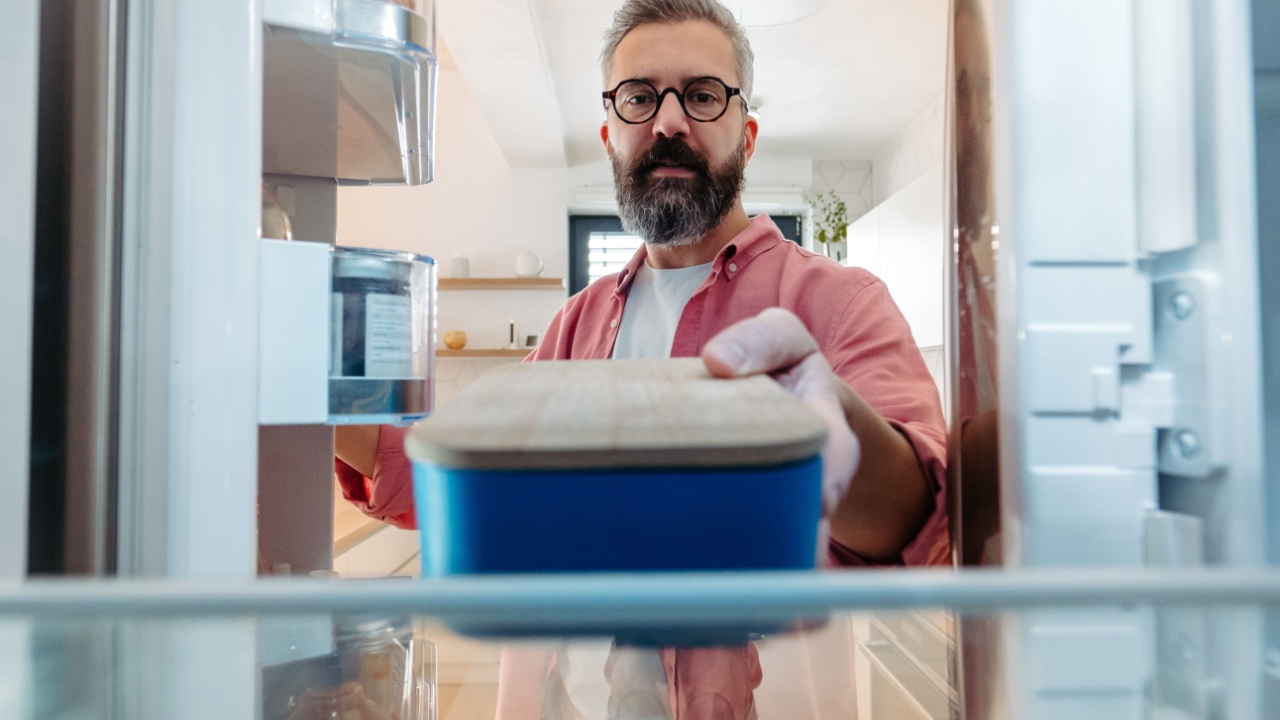
If you can’t identify what’s in a container, can’t remember when you put it there, or it’s so unrecognizable you’d need a forensic scientist to determine its origin, it absolutely needs to go.
Don’t even open it to investigate, just toss it. These mystery containers are not only taking up space but could potentially contaminate other foods if they’re leaking or growing particularly aggressive molds.
The risk simply isn’t worth it, and you should definitely avoid eating anything you can’t identify with confidence.
Quick Tips:
- Always use clear containers so you can see the contents without opening them
- Label everything with contents and date using masking tape and a marker
- Invest in a label maker for a more organized, professional look
- Take photos of leftovers before storing if you tend to forget what’s what
- Make it a habit to label as you store, not later when you might forget details
7. Broken or Ill-Fitting Storage Containers

That container with the cracked lid that never quite seals, the bin that’s just a fraction too large for your shelves, or the storage pieces with missing lids, they’re all working against your organization’s efforts.
Broken containers don’t keep food fresh, allowing air and moisture to compromise your leftovers. Awkwardly sized bins waste space and make it harder to find what you need.
Quality storage solutions designed specifically for refrigerators make a massive difference in keeping your fridge organized and functional. It’s worth investing in a matching set of modular containers that stack efficiently and actually seal properly.
Quick Tips:
- Choose square or rectangular containers over round ones for more efficient space usage
- Invest in stackable, modular containers explicitly designed for fridge organization
- Look for containers with airtight seals to keep food fresher longer
- Select clear containers so you can see contents at a glance
- Keep only containers with matching lids, recycle the orphans
8. Multiple Open Containers of the Same Item
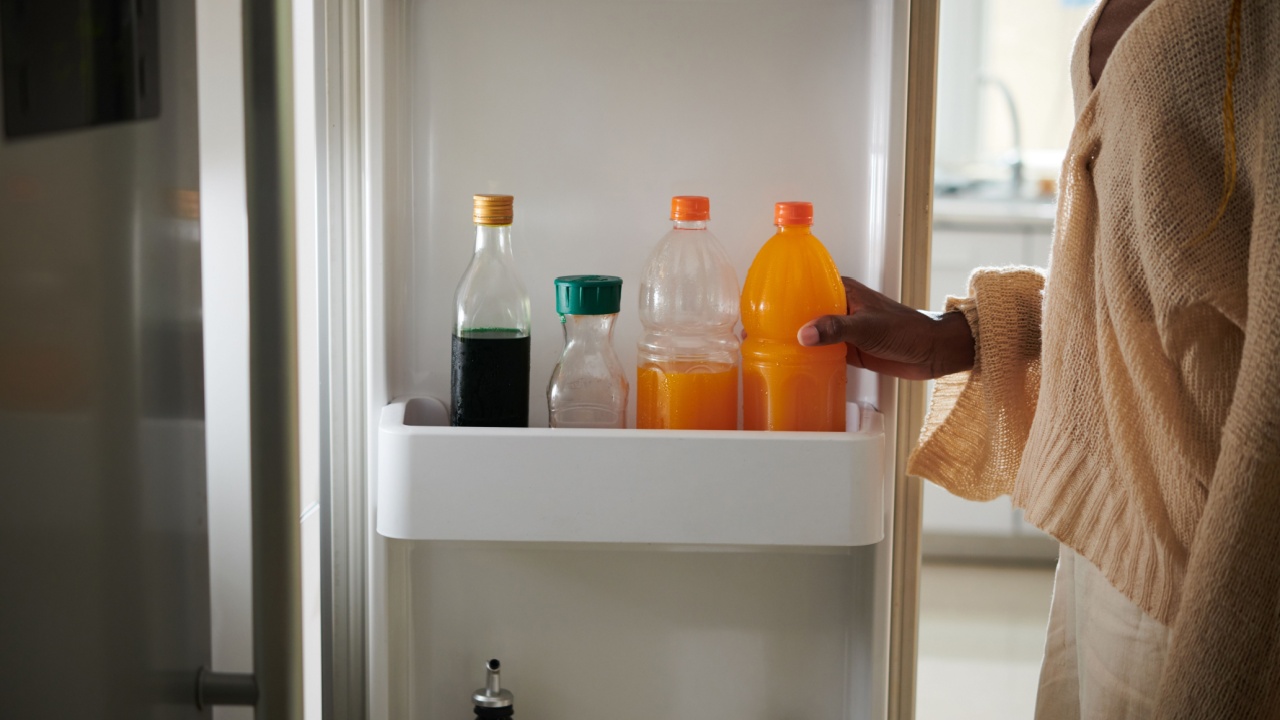
Three half-empty bottles of ranch dressing, two open jars of salsa, or multiple containers of the same type of leftovers; these duplicates are sneaky space thieves. While it’s easy to accidentally open a second bottle before finishing the first, these duplicates take up valuable real estate that could be used more efficiently.
Consolidate items when possible, checking expiration dates to ensure you’re combining products that will be consumed before they spoil. This simple step immediately frees up space and helps you better see what you actually have on hand.
Quick Tips:
- Before opening a new item, check if one is already open
- Place a “check first” sticky note on your fridge as a reminder
- Consolidate duplicates only if they have similar expiration dates
- Use a first-in, first-out rotation to finish older items first
- Keep an updated fridge inventory list on your phone to reference while shopping
Time for a Cleaner Fridge
Now that you’ve cleared this list, your fridge should look much better. To maintain this, set aside five minutes each week to check for expired items, consolidate duplicates, and clean up spills before they become stains.
For deeper maintenance, do a monthly clean by removing everything, wiping down shelves and drawers, and reevaluating your storage system. This routine will keep your fridge organized, reduce food waste, and simplify meal planning.