
11 Reasons People Are Ditching Their Dishwashers Altogether
The modern kitchen is a hub of technological marvels designed to make life easier. For decades, the automatic dishwasher has been a standard fixture, promising to save time and effort. Yet, a noticeable shift is occurring in some households across the country. More people are looking at this once-essential appliance and deciding to live without it, returning to the simple act of washing dishes by hand or seeking alternative solutions.
This trend is not just a passing fad but a reflection of changing priorities, economic realities, and a growing awareness of our environmental footprint. Homeowners are reevaluating what “convenience” truly means to them. For many, the benefits of a dishwasher no longer outweigh the costs, space requirements, and maintenance associated with the machine. This change in perspective is reshaping kitchen design and daily routines.
This article will detail eleven distinct reasons behind this movement away from dishwashers. From financial considerations to a desire for a more hands-on approach in the home, here are the factors driving people to clear their counters of this long-standing appliance.
1. Rising Energy Costs

Operating a dishwasher contributes to a household’s monthly electricity bill. Each cycle, especially those using high-heat drying options, consumes a significant amount of energy. With utility prices on the rise, many families are scrutinizing their energy usage and identifying areas where they can cut back.
Eliminating dishwasher use is a direct way to lower energy consumption and save money. For those looking to make a meaningful impact on their budget, unplugging the machine for good presents a clear and immediate financial benefit.
2. Handwashing Saves More Time
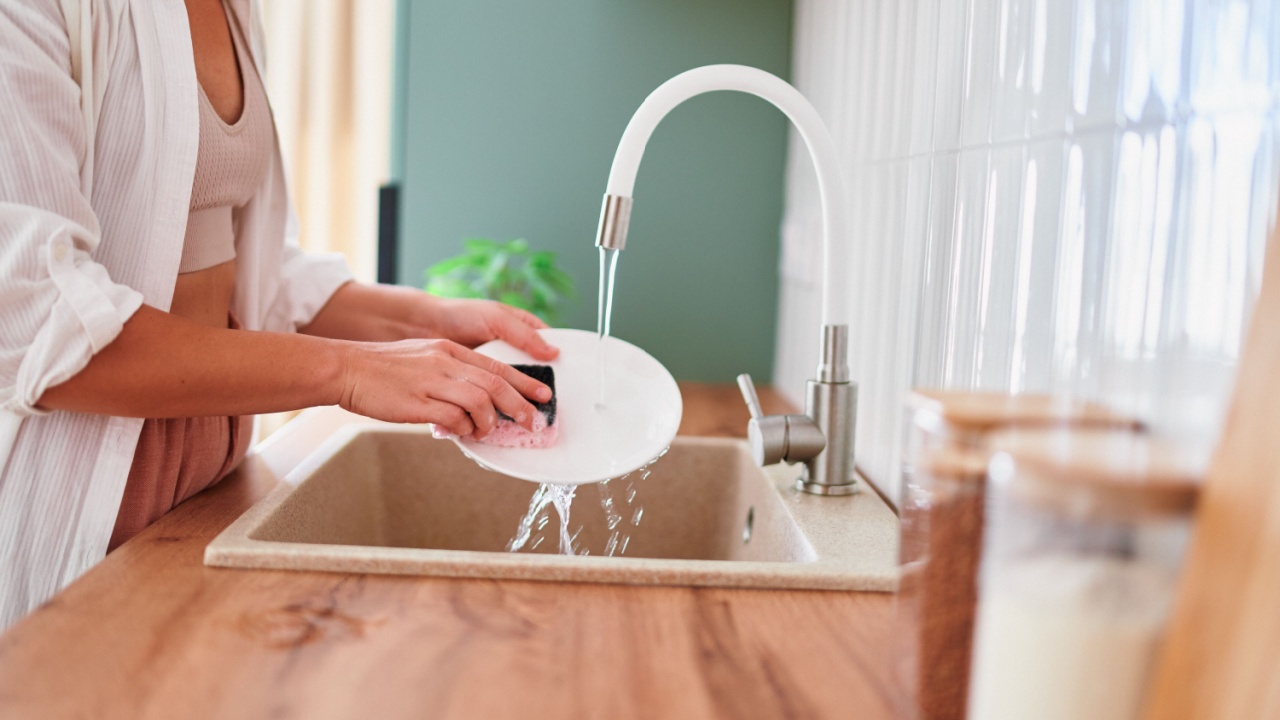
Many people are moving away from dishwashers because washing dishes by hand can actually take less time, especially for smaller households. According to Kitchen Aid, it can take just 15 seconds to handwash a dish, while automatic cycles often run for up to four hours. This makes handwashing the faster option when only a few dishes or pans need cleaning.
This time savings is most noticeable for families who cook simple meals or do not generate a large number of dirty dishes daily. Rather than waiting for a full load and an extended cycle, people finish the job in a single session at the sink. For many, this shift means dishes are cleaned and ready for use much sooner, streamlining daily routines.
3. Limited Kitchen Space

In many modern homes and apartments, kitchen square footage is at a premium. A standard dishwasher occupies considerable cabinet space that could otherwise be used for storing pots, pans, or food. For those living in smaller dwellings, every inch of storage is valuable.
Opting out of a dishwasher frees up a significant cabinet area, which can be repurposed for more practical storage solutions. This is particularly appealing for individuals embracing minimalist lifestyles or those simply trying to maximize the functionality of a compact kitchen. The trade-off between an automated appliance and much-needed storage space is becoming an easy decision for many.
4. The Upfront Cost of the Appliance

A new, reliable dishwasher represents a substantial financial investment. According to Consumer Affairs, prices can range from several hundred to about 3000 dollars, not including potential installation fees. For new homeowners, builders, or anyone on a tight budget, this expense can be difficult to justify.
Choosing to forgo a dishwasher from the start eliminates this large purchase entirely. The money saved can be allocated to other essential home items or improvements. This practical financial decision makes a lot of sense for people who prioritize budget management over automated convenience for every household chore.
5. Maintenance and Repair Hassles

Like any complex machine, dishwashers are prone to breaking down. Clogged filters, broken spray arms, and malfunctioning heating elements are common issues that require troubleshooting and repair. Dealing with these problems can be time-consuming and often expensive, requiring service calls from professional technicians.
By not having a dishwasher, homeowners eliminate a source of potential mechanical failure and its associated costs. The simplicity of a sink, faucet, and dish rack means there are no moving parts to break or complex systems to maintain. This reliability is a major draw for those who prefer a low-maintenance home environment.
6. Preference for Hand-Washed Cleanliness

Some people simply believe that washing dishes by hand gets them cleaner. They can scrub each item individually, paying special attention to stubborn food particles and ensuring every nook and cranny is spotless. This level of detailed attention can provide a sense of satisfaction and confidence in the cleanliness of their dishware.
This preference is often rooted in experience. Many have unloaded a dishwasher only to find food still stuck to a plate or a greasy film on glassware. Hand washing gives complete control over the outcome, removing any doubt that the dishes are perfectly clean and ready for their next use.
7. Issues with Certain Materials

Dishwashers can be harsh on certain types of kitchenware. The high heat and strong detergents can damage delicate glassware, warp wooden cutting boards, dull high-quality knives, and strip the seasoning from cast-iron pans. Many cooks and home chefs are unwilling to risk their best tools.
Washing these sensitive items by hand is the only way to preserve their condition and extend their lifespan. For those who have invested in fine cutlery, wooden utensils, or cast-iron cookware, deciding to wash all dishes by hand becomes a way to protect their valuable kitchen equipment from damage.
8. The Chore of Loading and Unloading
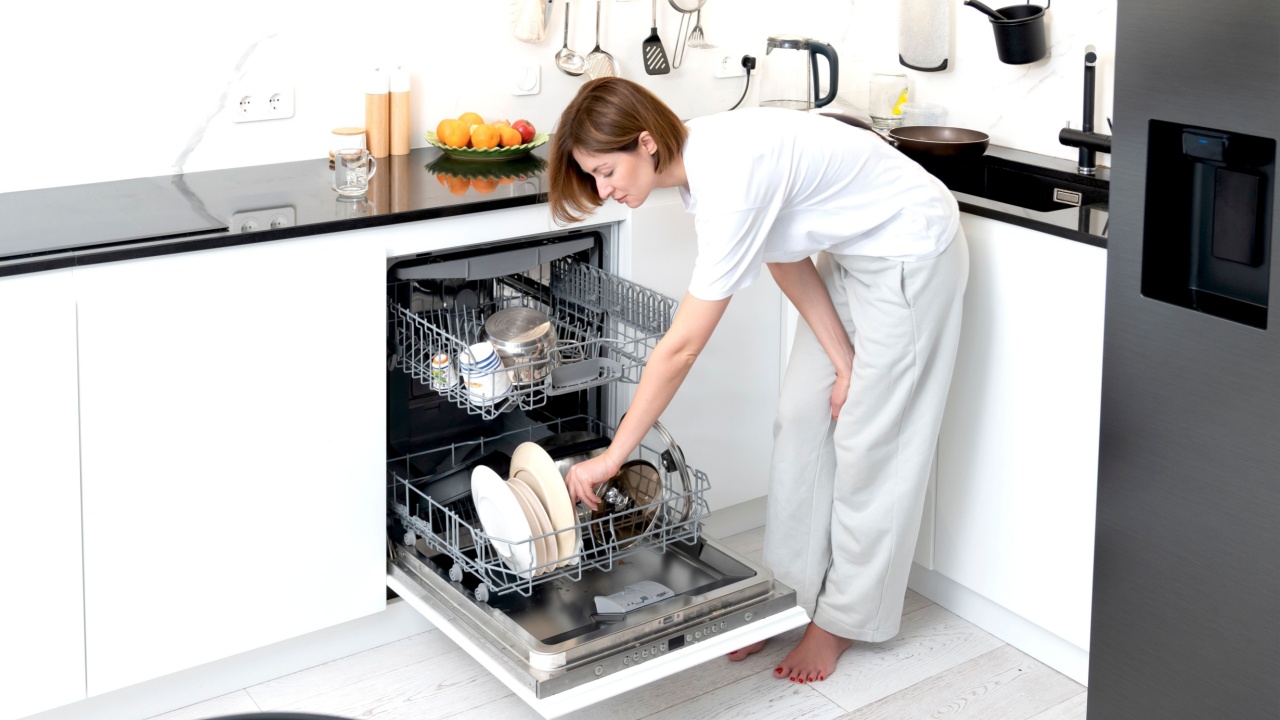
A dishwasher does not eliminate the work involved in cleaning up; it just changes the nature of the tasks. Dishes must be scraped and rinsed before being carefully loaded on the racks. After the cycle is complete, everything must be put away. For some, this multi-step process feels just as tedious as washing them by hand.
When washing by hand, the task is completed in one continuous session. Once the dishes are washed and dried, they can be put away immediately. This single-pass workflow can feel more efficient and less drawn-out than the start-and-stop process required by a machine.
9. Slower Pace of New Home Construction

The rate of new residential construction can influence appliance trends. When the housing market slows, builders may cut back on optional upgrades to keep costs down and make homes more affordable. A dishwasher, once considered standard, might be offered as an extra rather than included. Statistics show that a dishwasher is among the least-used appliances in American homes.
This shift in building practices means fewer new homes are automatically equipped with a dishwasher. As a result, new homeowners become accustomed to living without one and may not feel the need to install one later. This market dynamic contributes to a gradual decline in the appliance’s prevalence.
10. Mindful Living

For a growing number of people, washing dishes by hand is a form of mindful activity. Research indicates that repetitive motion, warm water, and focus on a simple task can be calming and meditative. It offers a quiet moment to decompress at the end of the day, away from screens and other distractions.
Embracing this simple chore is part of a larger movement toward a more deliberate and less automated life. It fosters a connection to the home and the daily routines that sustain it. Instead of viewing it as a burden to be automated, people are finding value and satisfaction in the simple act of caring for their household goods.
11. Rise of Food Delivery Services

The surge in food delivery apps like DoorDash and Uber Eats has dramatically reduced the volume of dirty dishes generated in households. With nearly 47% of Americans ordering takeout weekly, many meals now arrive in disposable containers, eliminating the need for a dishwasher altogether.
This shift matches modern on-the-go lifestyles, where fewer home-cooked meals mean dishes rarely pile up enough for a full load. Nevertheless, cooking at home often proves healthier, cheaper in the long term, and more nutritious with fresh ingredients under your control.
A Fresh Perspective on Convenience

The decision to live without a dishwasher is a personal one, influenced by a variety of practical, financial, and philosophical factors. From the tangible savings on energy bills to the simple satisfaction of a hands-on task, the reasons for this change are as diverse as the people making it. This shift suggests a broader reevaluation of what true convenience means in the modern home.
If you are considering making a change in your own kitchen, reflect on your daily routines, your budget, and what matters most to you. You might find that the space and simplicity gained by removing an appliance are more valuable than the automation it provides. This could be your opportunity to simplify your kitchen and perhaps discover a new appreciation for the quiet rhythm of daily chores.
Read More: