Up or Down? How to Load Silverware into the Dishwasher
Figuring out how to load silverware in the dishwasher shouldn’t spark a household feud, but the question really brings out the strong opinions. Some folks are “handles up” loyalists, others are firmly “handles down.” This ordinary kitchen decision can stir up more debate than who ate the last cookie.
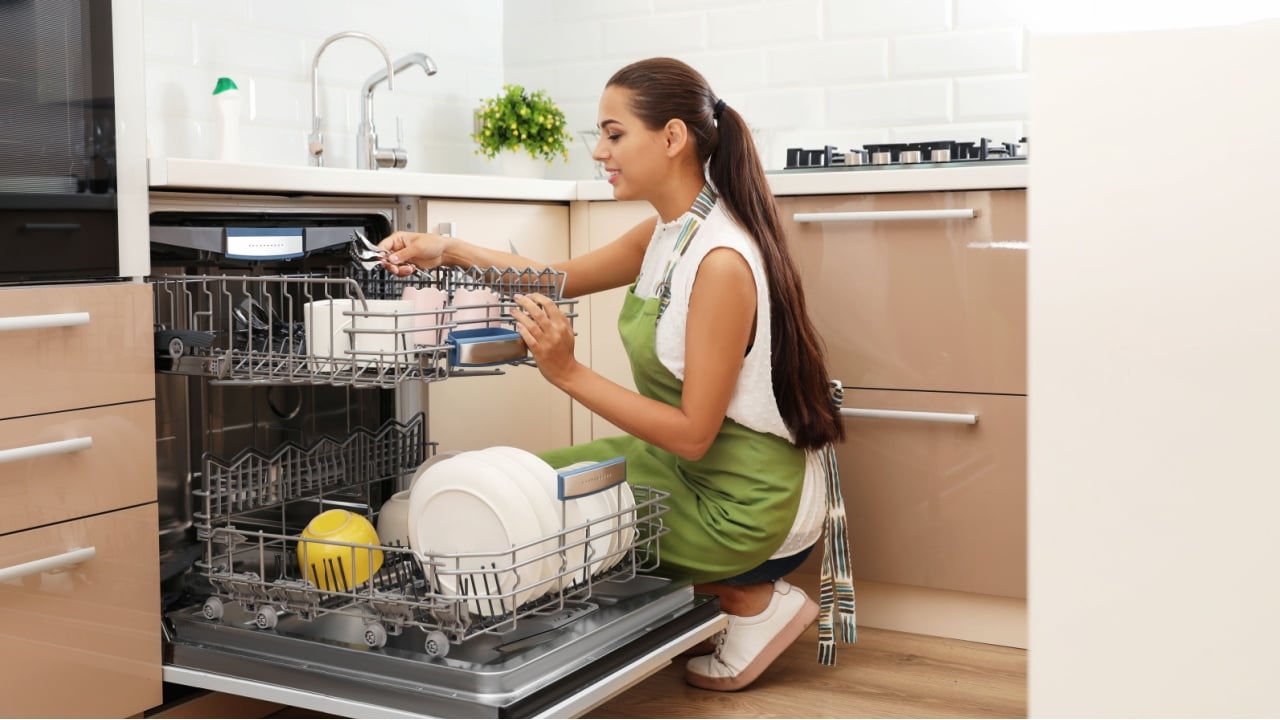
Here’s a clear guide to four essential tips for loading your silverware so it comes out clean and safe each time. White flag raised, kitchen squabbles end here.
1. Point Forks and Spoons with the Handle Down

Some routines stick because that’s just what everyone does, but putting forks and spoons in handle-down actually does a better job (according to a Consumer Reports expert). The part that touches your food is exposed fully to the water jets, making it easier to blast away stuck-on bits. It’s much harder for grime to hide when it’s facing the line of fire.
The second perk is that spoons especially won’t collect standing water if loaded this way, since water just rolls off during drying. Less puddling means fewer water spots once everything is clean. It might be a swap from what your family does, but it leaves your flatware noticeably cleaner.
2. Place Knives Handle-Up
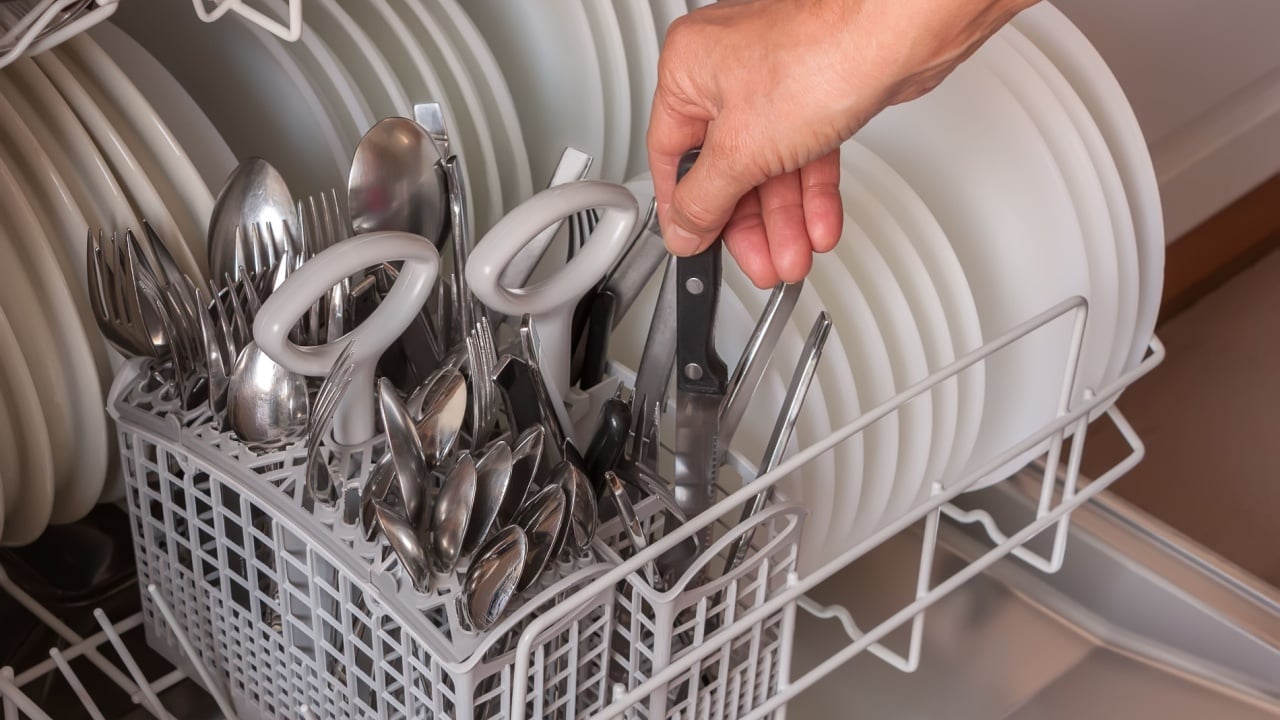
The kitchen can be a wild place, but there’s no reason anyone should walk away injured from emptying the dishwasher. Place knives with blades down and handles up to avoid coming in contact with sharp edges. When it’s time to unload, you grab the safe end—no nasty surprises lurking in the basket.
Aside from keeping your fingers intact, this method also helps knives stay sharp. The blade doesn’t scrape against plastic or other utensils as much, cutting down on nicks or dulling. If you’re the proud owner of good knives, this little habit can help them last longer—no hand-washing required every single time.
3. Avoid Nesting Utensils

Ever notice spoons and forks snuggling close in the basket, like they just can’t get enough of each other? That nesting creates trouble because when utensils overlap, water and detergent can’t reach all the surfaces. This means some bits of last night’s dinner might stay stubbornly stuck.
The best way around this is to mix it up as you load (and use the designated slots if you have them). Alternate types or directions for each utensil to keep them from touching. Giving each piece breathing room means the water jets can do their thing, and there’s no hiding place for bits of food.
4. Position Large Utensils Thoughtfully
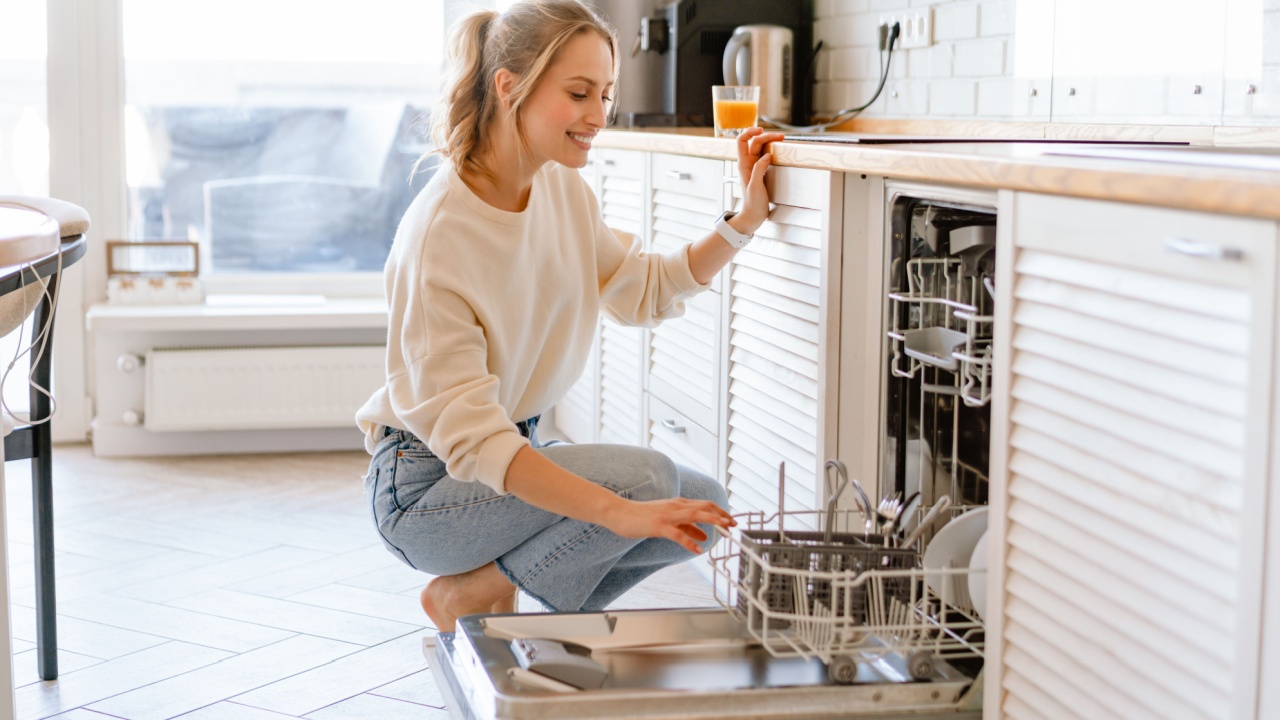
If you toss a giant serving spoon or spatula in the basket with everything else, it might block water from reaching smaller items. That can leave a whole stack of silverware less than sparkling after a full cycle. Tucking these big items where they won’t block the spray is the smarter move.
Try leaving bulky utensils flat on the top rack. This spot keeps them secure and fully exposed to the water jets, while making sure they’re not impeding the cleaning process elsewhere. Less crowding, fewer surprises when you open the door.
Smarter Dishwasher Habits
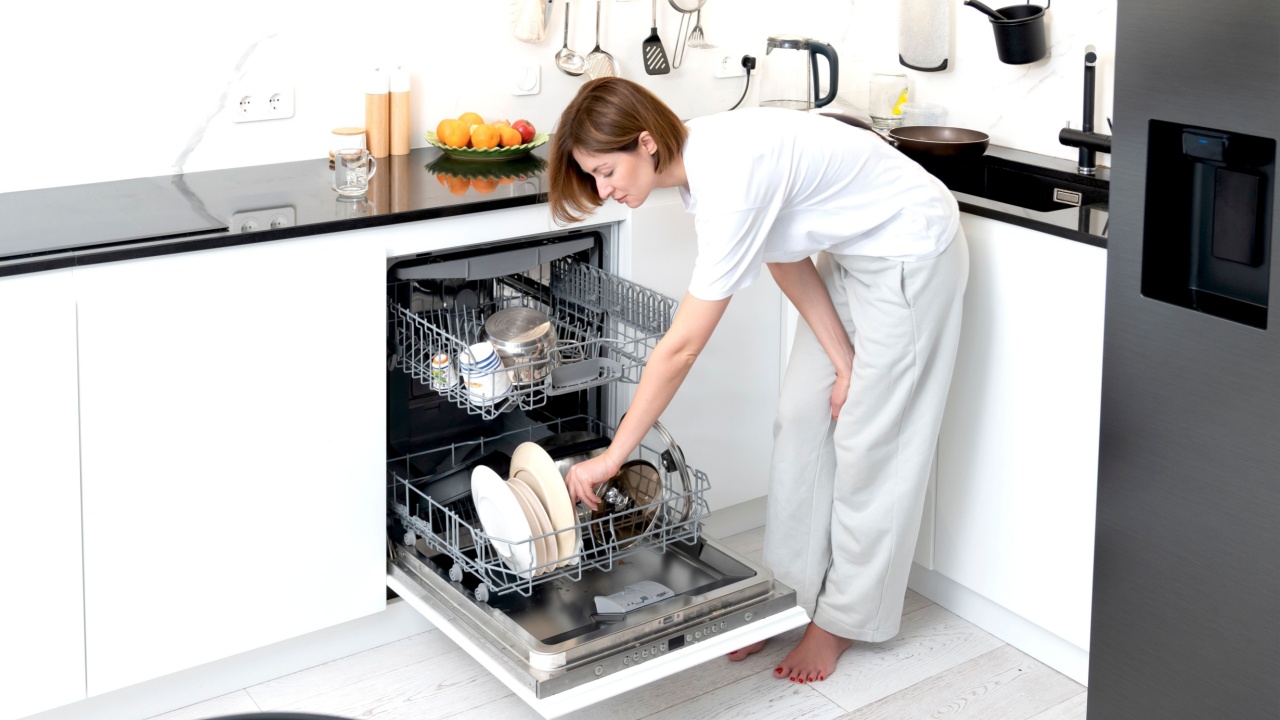
Sometimes you need to know what to never put in the dishwasher; other times, you make small changes to how you load it. Try pointing forks and spoons with the handle downward, keeping knives with the sharp end protected, and mixing utensils to help them get as clean as possible. Keep those bigger tools out of the way where they can actually get washed, too.
With these techniques, nobody’s stuck re-washing anything, and the chore even moves along a little faster. Give your dishwasher routine a quick tune-up and enjoy a less stressful kitchen cleanup.