
11 Overhyped Appliance Features That Just Drain Your Wallet
Have you ever stared at a refrigerator with a built-in tablet and wondered, “Do I really need this?” With refrigerators that have tablets, ovens that stream video, and washing machines that claim to have artificial intelligence, it’s easy to get caught up in the hype.
But a higher price doesn’t always mean better performance or a longer lifespan. Often, you’re just paying extra for bells and whistles that make your life more complicated, not simpler. (And more expensive to fix, I might add.)
This guide cuts through the marketing noise to reveal which trendy features are likely to break, get on your nerves, or just collect dust. That way, you can spend your money on what really matters: reliability and quality.
1. Remote Start Ovens
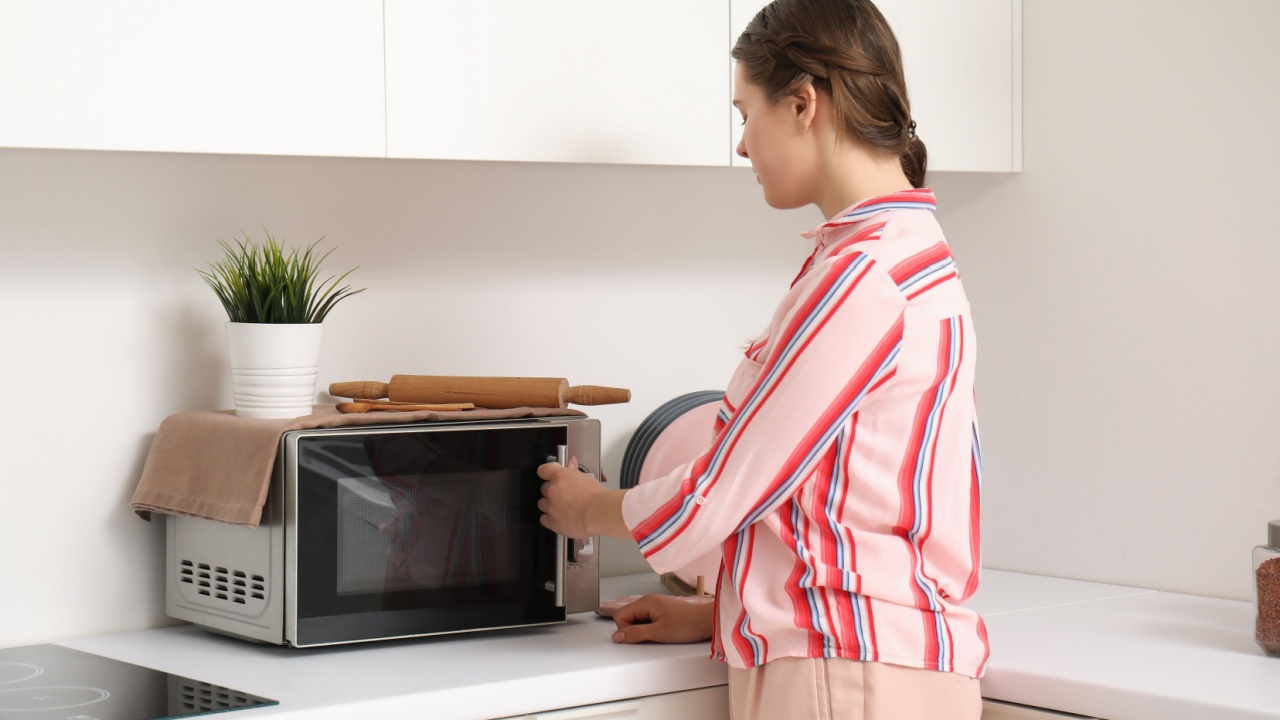
Preheating your oven remotely might sound convenient, but it’s not practical or safe. Ovens can heat to 350°F in about 15 minutes, plenty of time while you unload groceries or prep ingredients.
Leaving uncooked food inside all day invites bacteria, and turning on an oven when no one is home is a fire hazard. A safer option? Use a slow cooker or programmable pressure cooker for meals that are ready when you walk in the door.
2. Specialized Dishwasher Cycles

Most households rely on the “Auto” or “Normal” dishwasher setting, as it’s efficient and adjusts to soil levels automatically. Specialized cycles for delicate items often go unused since hand-washing remains safest for heirlooms.
Skip the settings. Clean your machine’s filter regularly to prevent buildup and odors. It’s the best way to keep your dishwasher running smoothly!
3. Integrated Bottle Washers (in the Dishwasher)
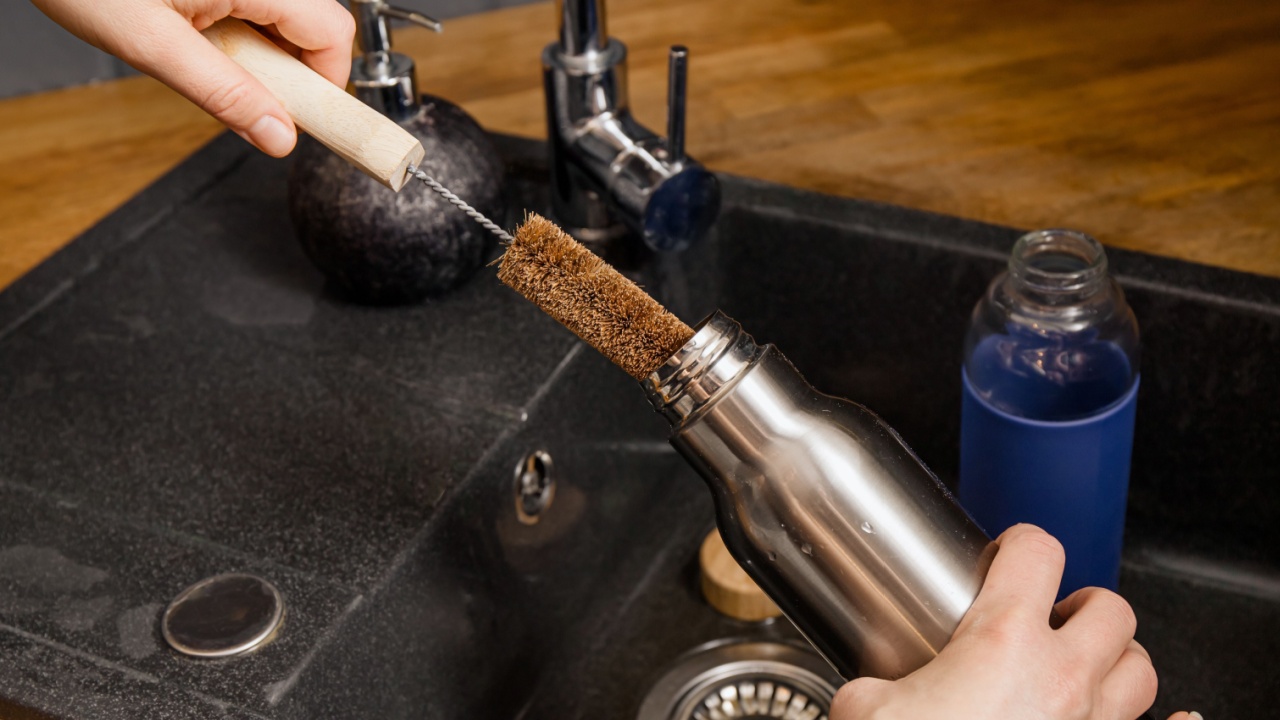
Special jets for cleaning water bottles in the dishwasher might seem useful, but they take up valuable rack space and can clog easily. Unless you’re washing a bottle in every load, that space is wasted. Most standard spray arms are strong enough to clean wide-mouth bottles anyway.
Save your money and buy a good bottle brush. If you use the dishwasher, place bottles securely on the top rack. Narrow-necked bottles will likely need a quick hand scrub regardless.
4. Excessive Laundry Presets
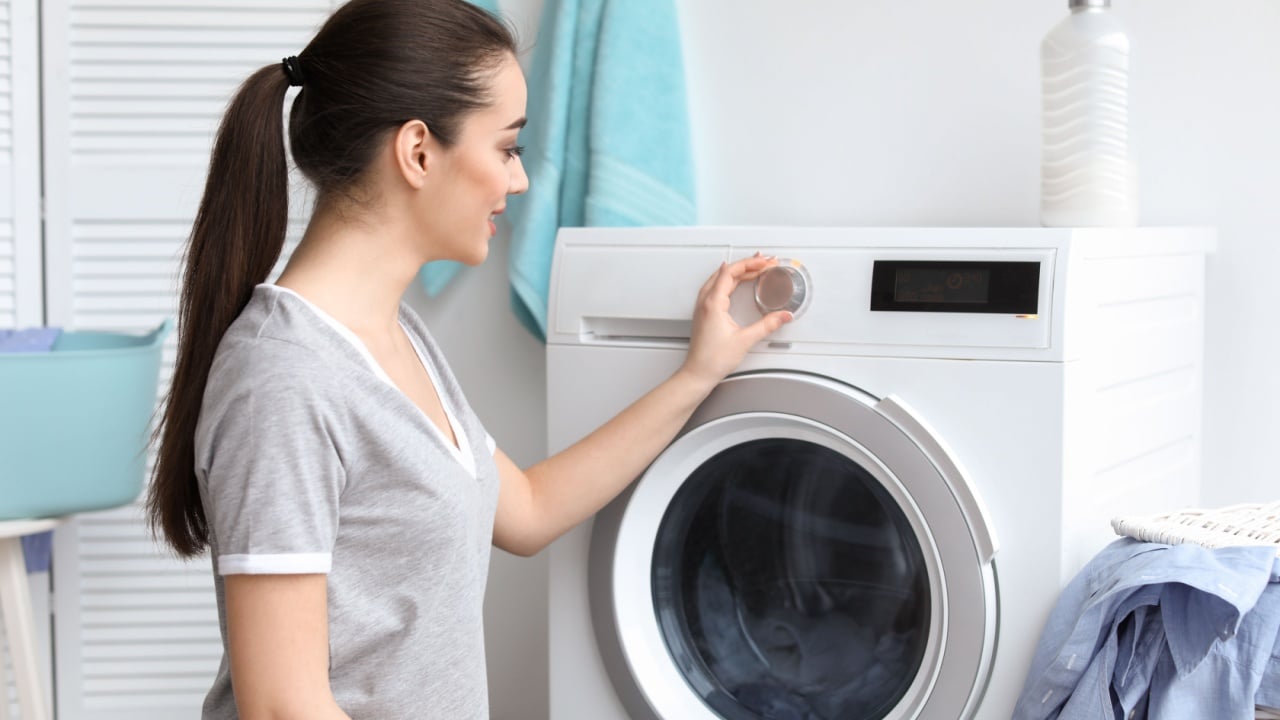
Modern washing machines often suffer from “cycle bloat,” with unnecessary settings like jeans, towels, or allergens. Most laundry needs can be handled by “Normal,” “Heavy Duty,” or “Delicate” cycles. Extra features add complexity and more chances for malfunction. Plus, cycles like “Hand Wash” or “Sanitize” rarely deliver as promised and can waste energy.
Learn to adjust temperature and spin speed manually. High spins cut drying time, while cold washes save energy and protect fabrics.
5. In-Oven Cameras
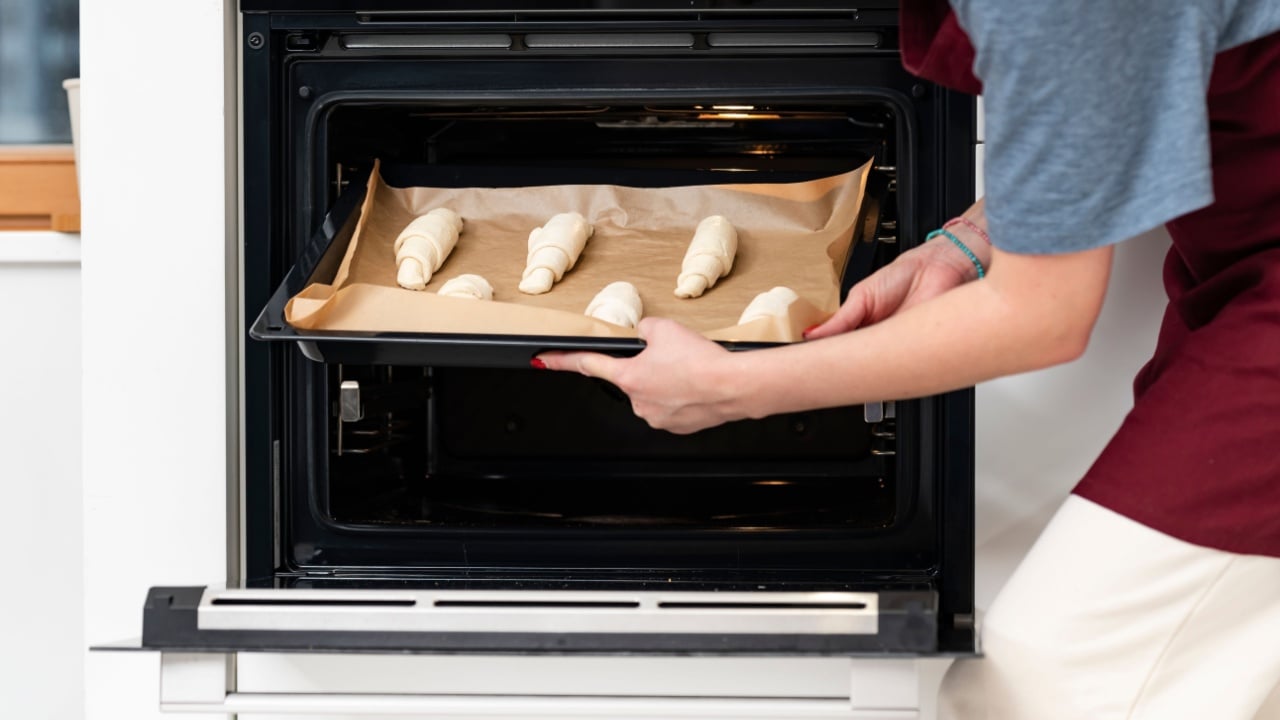
Manufacturers are now offering ovens with internal cameras so you can watch your turkey roast or baking bread from your smartphone. However, these cameras often get obscured by grease and steam, and AI food recognition features remain unreliable, frequently misidentifying foods or suggesting wrong cooking times.
Instead, just keep your oven door glass clean with a baking soda and water mix. Paired with the interior light, it gives you a crystal-clear view, for free!
6. Glass-Door Refrigerators

Glass-door refrigerators look sleek, but they’re not practical for most households. To make them work (or at least look nice), your fridge’s interior needs to be perfectly organized at all times. More importantly, glass is a poor insulator compared to standard solid doors, meaning your compressor has to work harder. This could shorten the appliance’s lifespan, and you lose valuable door storage space.
Stick with a standard stainless steel model. If you want to see what’s inside, use clear organization bins. They let you see your inventory at a glance without compromising insulation.
7. WiFi and Smart Connectivity
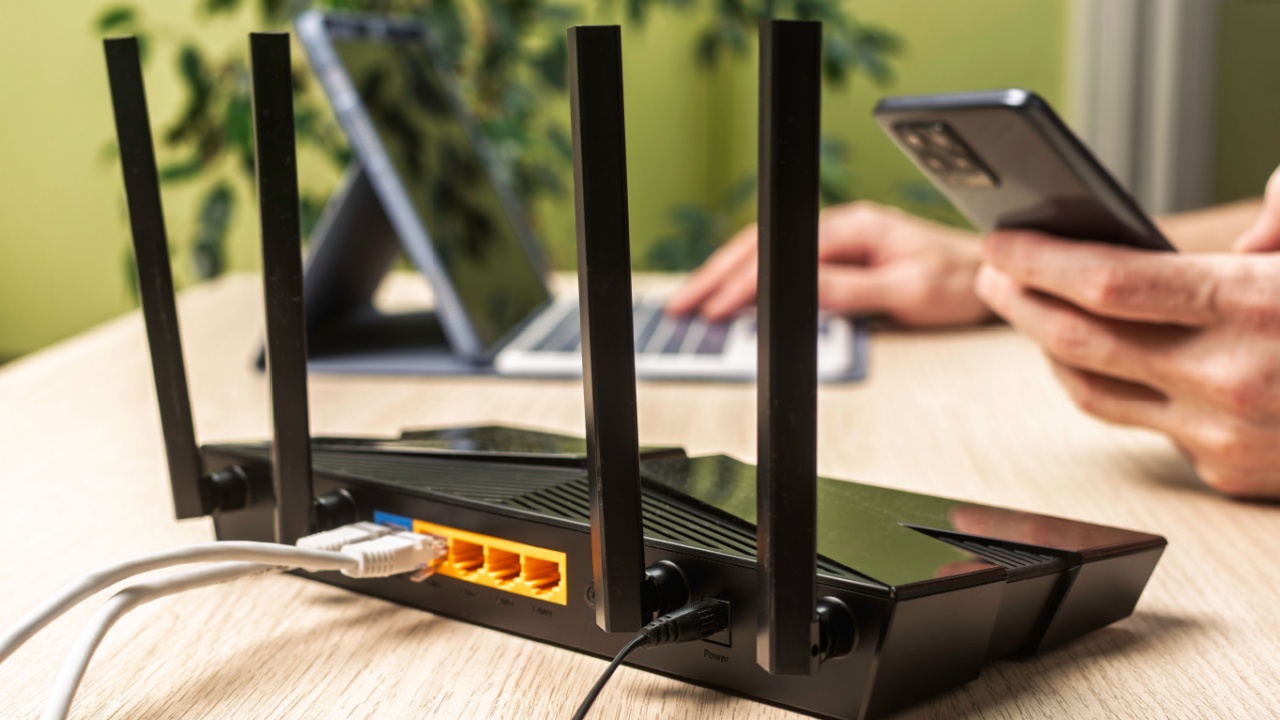
Connecting major appliances to the internet can create security risks and lead to planned obsolescence. A refrigerator doesn’t need firmware updates to keep your food cold.
Many smart features rely on apps that manufacturers may stop supporting, leaving expensive appliances partially useless. Additionally, these devices can become entry points for hackers into your home network.
If you own a smart appliance, keep it disconnected from WiFi unless you rely on a specific feature daily. This helps protect your data and ensures the appliance works as a reliable, mechanical tool.
8. Digital Touchscreens
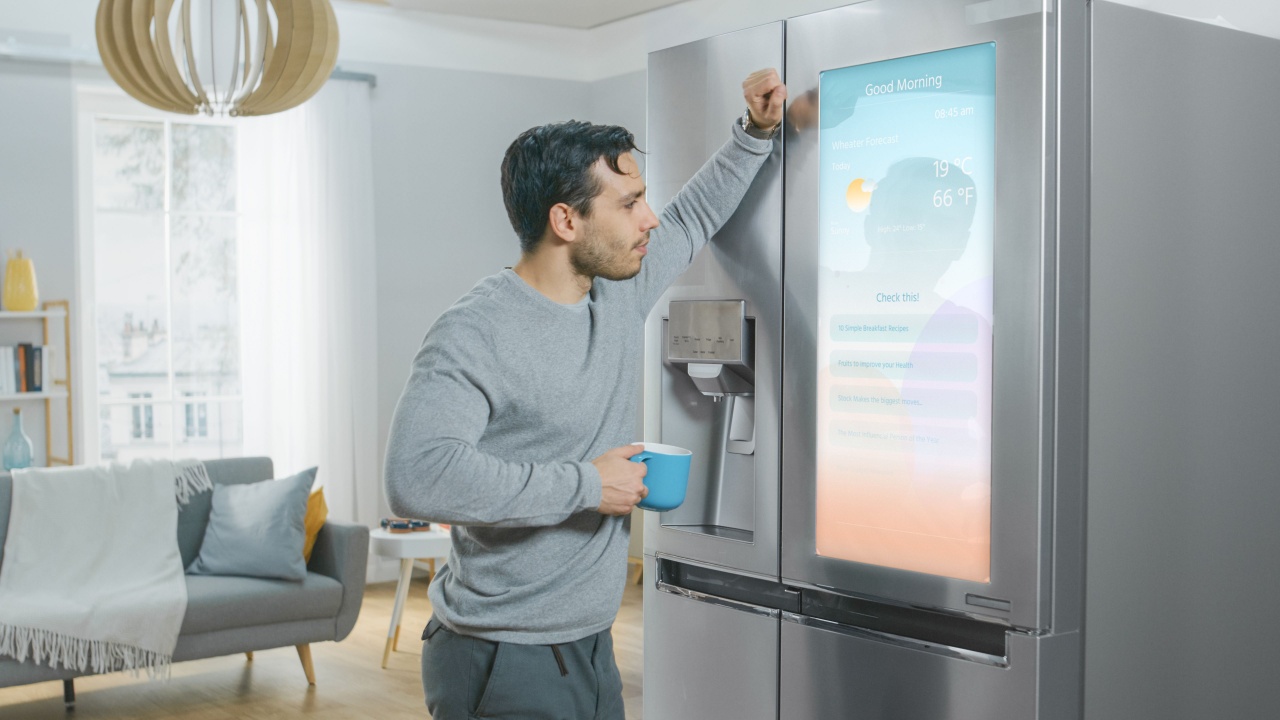
Touchscreens on appliances like ranges and fridges can be a weak point in messy, hot environments. Greasy fingers and steam don’t pair well with delicate electronics. While a broken knob is cheap to replace, fixing a digital control board can cost as much as a new machine. Plus, touchscreen interfaces quickly become outdated, making the appliance look old before its time.
Choose appliances with sturdy tactile controls, like metal knobs and physical buttons. They’re more durable, easier to use with messy hands, and built to last.
9. Dryer Moisture Sensors

Moisture sensors are meant to stop a dryer automatically, but they often don’t work well. They can be fooled by mixed-thickness loads, leaving some parts of clothes damp. The sensors can also stop the cycle too early if clothes don’t touch them constantly. Over time, residue from dryer sheets makes them even less accurate.
If your dryer shuts off early, clean the sensor bars inside the drum with a cotton ball dipped in rubbing alcohol. Alternatively, use the “Timed Dry” setting to guarantee your laundry comes out fully dried every time.
10. Door-in-Door Refrigerators
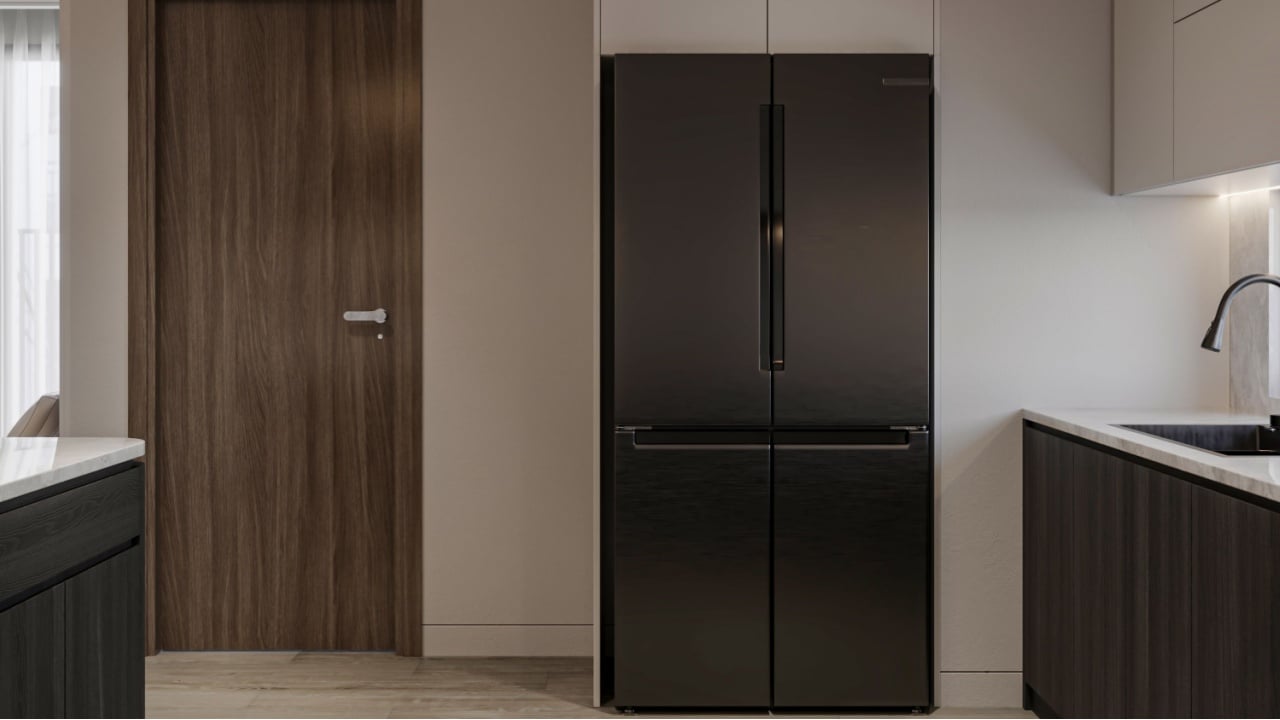
This feature creates a secret compartment in the outer door for frequently grabbed items like milk and juice. While it claims to reduce cold air loss, it adds significant bulk to the door and comes with a hefty price premium.
The intricate latching mechanisms are prone to breaking, and the temperature in these outer compartments can fluctuate more than in the main cavity, potentially causing milk to spoil faster.
Organize your standard fridge so frequently used items are front and center. A well-organized shelf is just as accessible as a secret door and costs significantly less.
11. Steam Cycles in Washers and Dryers

Marketing claims that steam cycles sanitize clothes and remove tough wrinkles. However, most washing machines don’t get hot enough to properly sanitize. For wrinkles, throwing a damp cloth in the dryer for ten minutes does the same thing. This feature also adds complexity to the machine and is another part that could leak.
For wrinkle-free clothes, take them out of the dryer as soon as the cycle finishes. To sanitize your laundry, use the hot water setting or a laundry sanitizer. These options are more effective than the steam cycle.
Skip the Hype, Invest in a Better Home
Building a functional home requires separating genuine innovation from marketing hype. The most reliable appliances are often the ones with the fewest buttons, as simplicity tends to equal longevity. Skip these overpriced features, and you can redirect your budget toward higher-quality builds, better energy efficiency ratings, or professional installation.