Why Your Yard is a Bunny Paradise
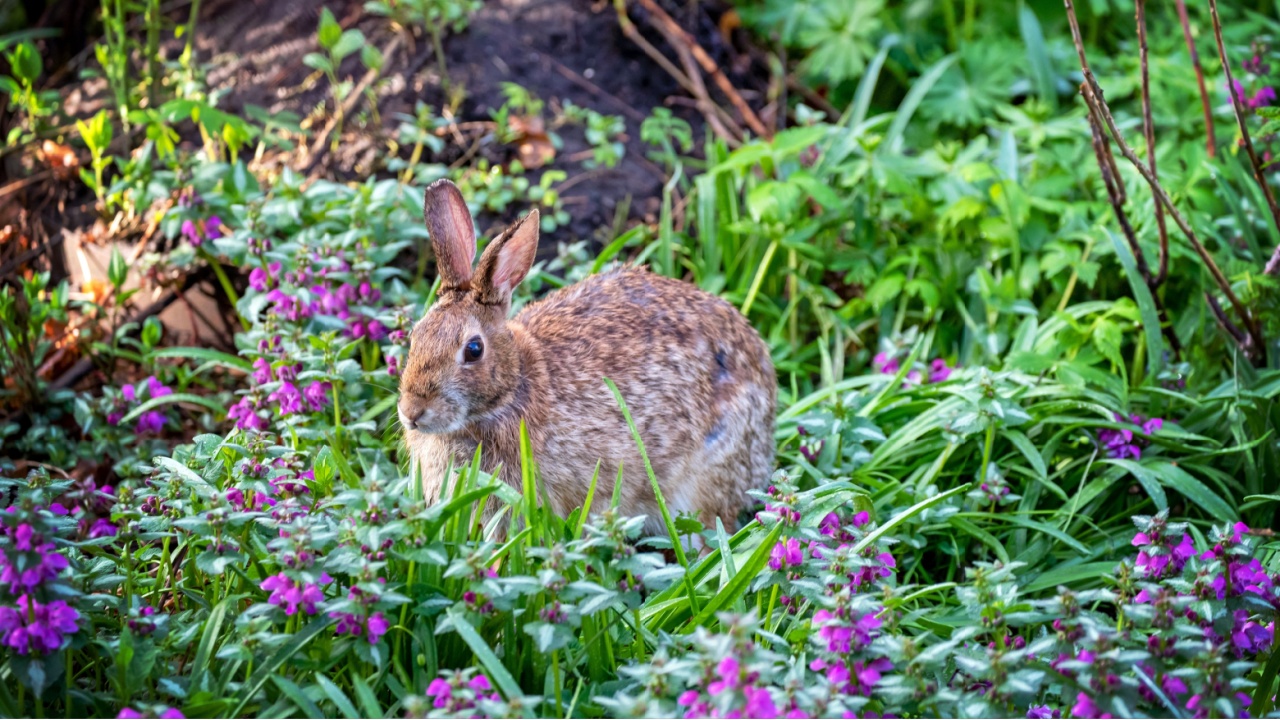
You step outside one morning, coffee in hand, and spot a small rabbit tucked beside your garden bed. A few weeks later, there are two. While rabbits can be a beautiful sight, they can also be quite destructive.
Then a tiny nest appears under the shrubs. Suddenly, your patch of green doubles as a rabbit daycare.
Rabbits don’t pick yards at random. They choose spots that meet their basic needs, and a well-kept yard often checks every box without you realizing it. The trouble is that what feels welcoming to you also feels welcoming to them.
Here are the reasons rabbits are coming back season after season.
1. Easy Meals Pull Them In
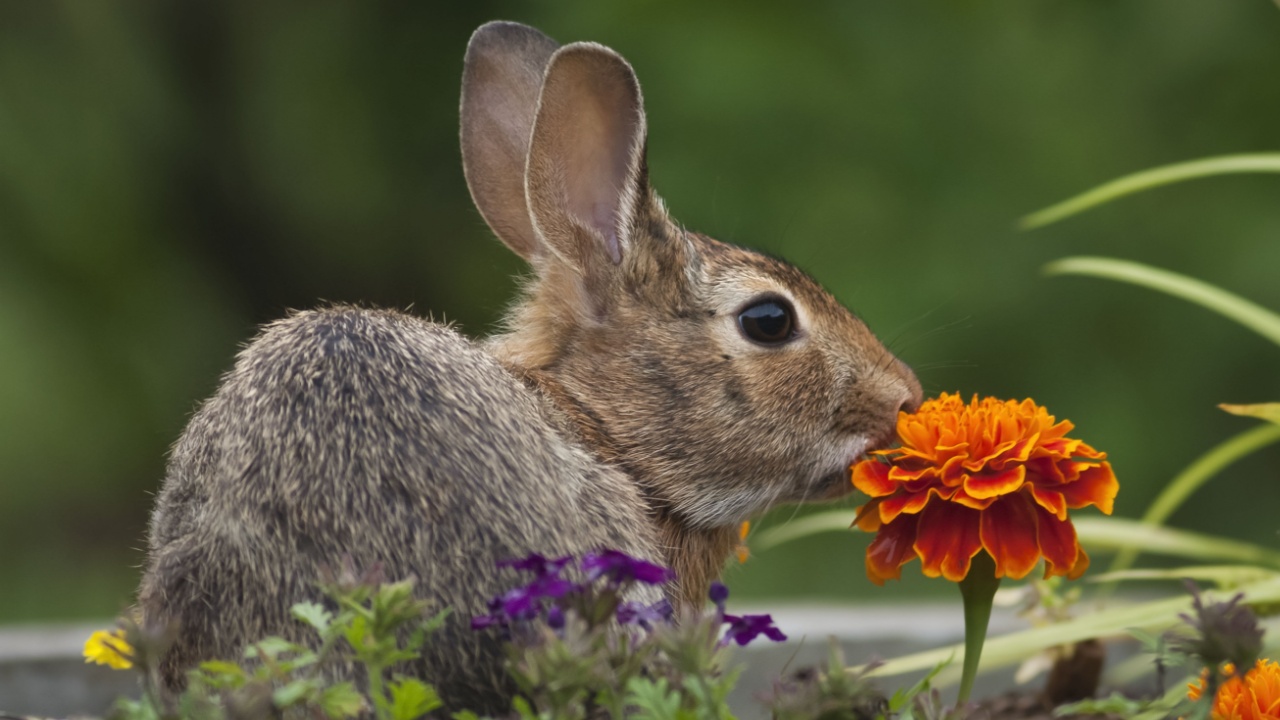
Vegetable gardens, tender flowers, clover, and young shoots all give them low-effort food close to safe ground. Fallen fruit from trees and seeds knocked from birdfeeders add even more to the menu.
Rabbits eat constantly, and a yard full of fresh greens is hard to pass up. When food sits within easy reach, rabbits treat your yard as a daily stop.
Take a slow walk around your property and notice where free food collects. Spilled birdseed under a feeder, dropped apples near a tree, and unfenced lettuce rows are common draws you might overlook.
Once you spot these sources, you can move feeders, gather fallen fruit, and fence off the plants rabbits favor most. Small changes to the food supply often shift their interest elsewhere.
2. Shelter That Feels Safe

A rabbit needs more than food to settle down. It wants a spot where it can rest and raise young without much exposure. Tall grass, dense shrubs, low branches, and quiet corners give rabbits the cover they crave.
The more sheltered your yard feels at ground level, the more inviting it becomes for a doe looking to nest.
Look closely at the edges of your property, where overgrowth tends to build up. Thick borders against fences, beds full of low ground cover, and shaded gaps beneath decks all offer the protection rabbits seek.
Regular trimming and clearing reduce these soft landing spots without harming your landscaping. A yard with fewer hidden pockets reads as far less appealing.
3. Plenty of Places to Hide from Predators
Rabbits live with constant threats from hawks, foxes, dogs, and cats. To feel secure, they need quick escape routes and spots to vanish into at a moment’s notice.
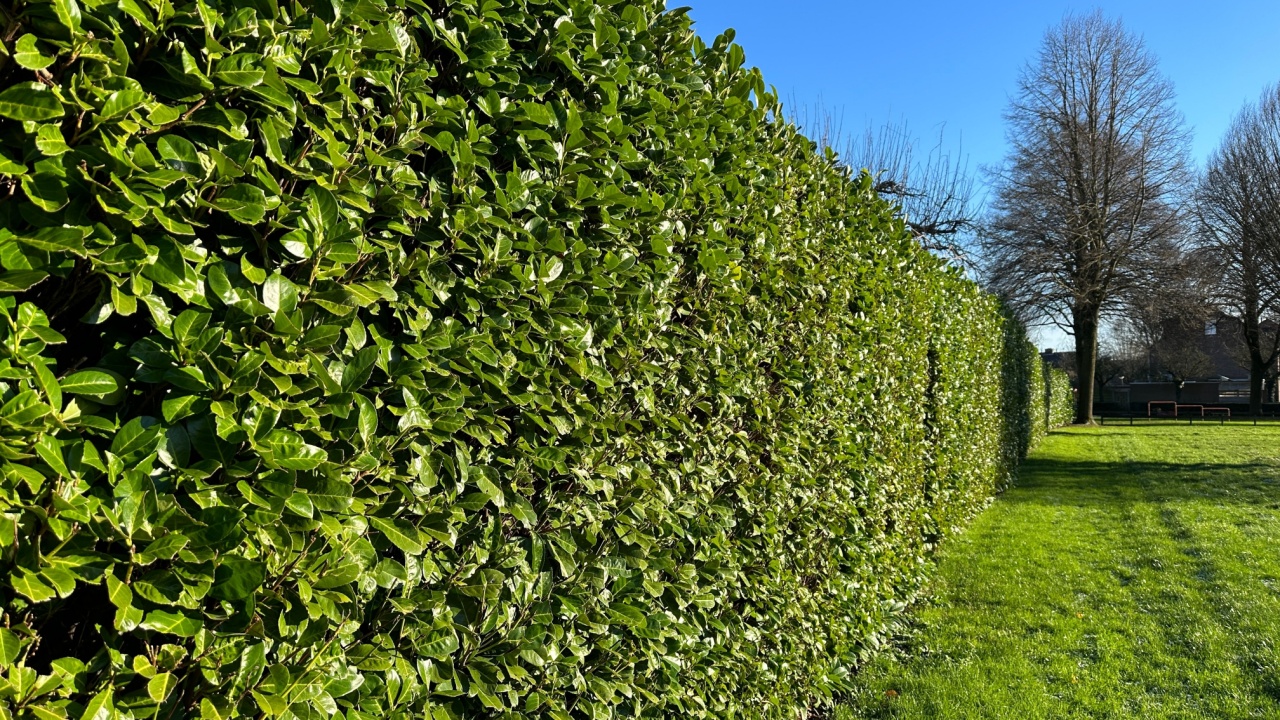
Brush piles, stacked firewood, dense hedges, and leftover yard debris all double as instant cover. These features tell a rabbit it can graze in the open and still dart to safety fast.
Pay attention to anything that creates a maze of hiding places near the open lawn. A woodpile left from winter or a heap of branches in a corner can act as a safe base for an entire family.
When you clear these structures or move them away from feeding areas, rabbits lose their sense of security. Without reliable cover, many will search for a safer location.
4. Quiet Corners Make Comfortable Nests
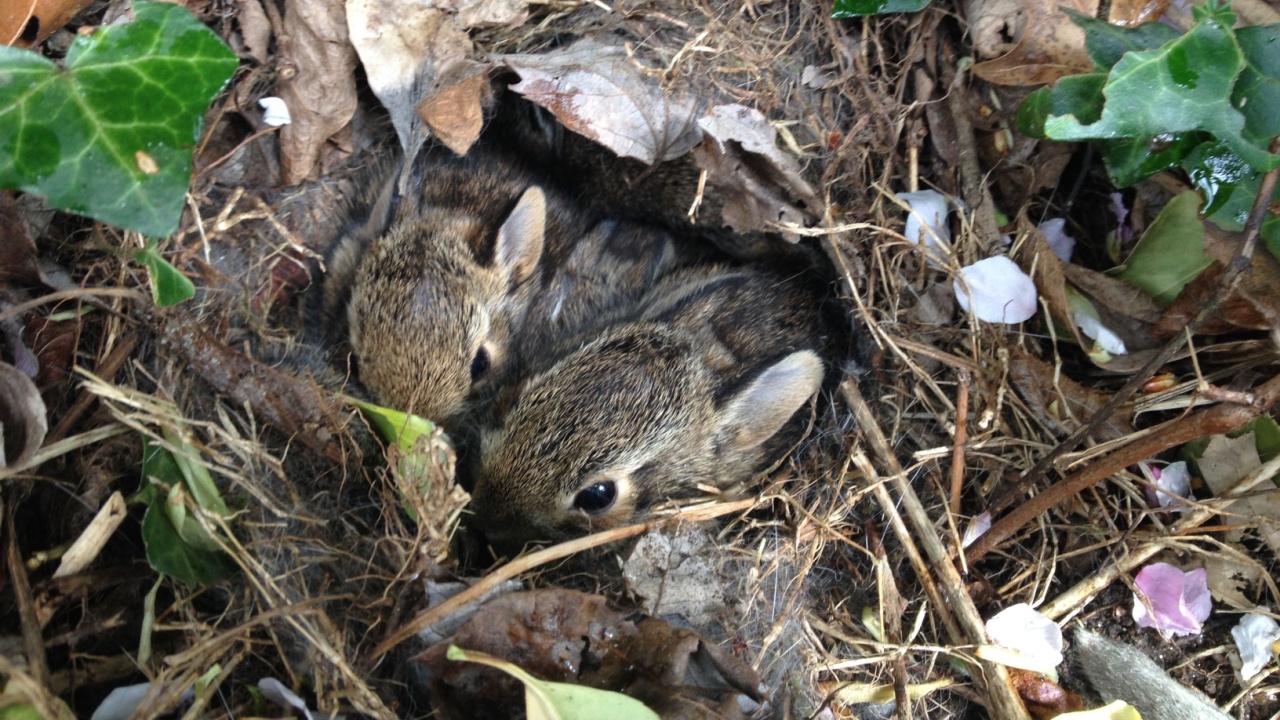
When a doe builds a nest in your yard, it means she trusts the spot to keep her young safe. Rabbits favor calm, low-traffic areas with soft soil and steady cover overhead.
A shallow dip lined with grass and fur often sits right under a bush or beside a foundation. The presence of a nest is a strong sign your yard meets a rabbit’s standards for raising a litter.
If you find a nest, resist the urge to disturb it, since the mother returns only a couple of times a day to feed. Instead, note the location and adjust the surrounding area once the young have left, usually within three weeks.
You can then reduce cover and discourage future use of that corner. Knowing how rabbits choose nest sites helps you stay one move ahead.
5. Fast Reproduction Multiplies the Problem

One or two rabbits can turn into a crowd quite fast. A single female produces several litters in a breeding season, often around five young per litter.
Those young mature quickly and begin breeding within months. What starts as a single visitor can grow into a steady population tied to your yard.
This rapid growth makes early action worthwhile, since a small group is far simpler to manage than a large one. Watch for repeat sightings in the same area, fresh nests, and signs of chewing on low plants.
Acting while numbers stay low keeps the situation under control. Ignore it, and your yard may host more rabbits each season.
The Takeaway for Your Yard

Rabbits choose your property because it meets their needs better than the spots around it. Once you understand what they look for, you gain the power to shape your yard into a place that no longer fits the bill.
The point is awareness first, then small, steady adjustments that change how your yard reads to a passing rabbit.
Walk your property with fresh eyes and mark the three features that draw rabbits most. Trim one overgrown corner, clear one debris pile, and secure one food source. These focused moves shift the balance and give you back control of your outdoor space.
Read More:
17 Plants That Help Keep Nibbling Rabbits Out of Your Garden