Online Gardener Shares How Everyone’s Cutting Lettuce All Wrong
Lettuce is one of the easiest crops to grow in a backyard garden. Most gardeners spend weeks nurturing it from seed, only to harvest it once and pull the whole plant. That single mistake cuts a potentially long harvest short.
The issue is that many home growers learned to harvest lettuce from a quick online search or word of mouth, and the common advice stops at “cut the leaves.” It rarely explains which leaves to cut, where to cut, or how to protect the plant’s ability to keep producing.
A gardener behind the popular Facebook page TheFrenchieGardener shared a simple harvesting method that changes all of that. It preserves the crown, removes only the outer leaves, and keeps the lettuce growing for weeks.
This article breaks down that method and explains why it works so well.
The Part of the Plant That Matters Most
The crown of a lettuce plant is the dense, upright center from which new leaves emerge. It sits low, close to the soil, and holds the plant’s growth energy.
Most gardeners ignore it entirely during harvest, but protecting it is what makes continuous growth possible.
When the entire plant gets pulled or the crown gets cut through, there is nothing left to regenerate. The plant is done.
Leaving the crown intact and healthy means the plant treats each outer-leaf harvest the same way it treats natural leaf loss, growing replacements within days.
How to Harvest Outer Leaves Correctly
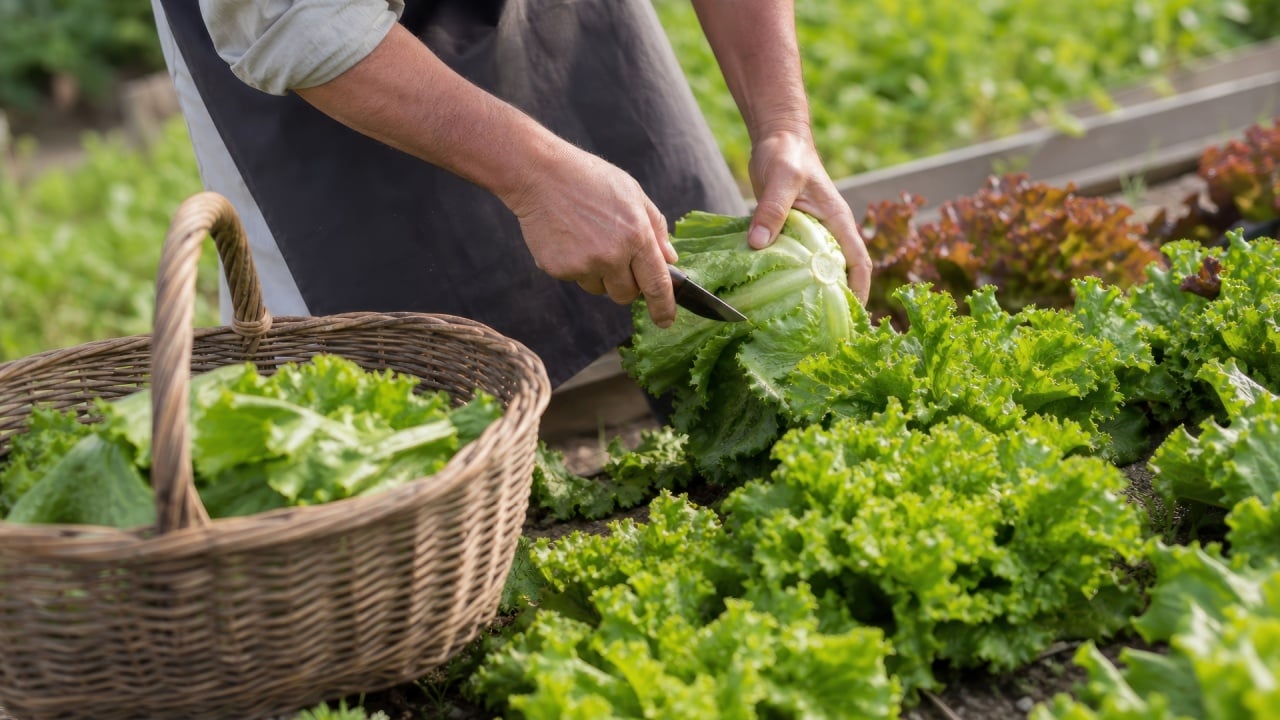
The right move is to use a clean pair of pruning shears and cut the outer leaves low, just below where they attach near the base of the crown. These are the oldest, most mature leaves on the plant, and they are ready to eat.
The inner leaves, which are smaller and tightly packed around the crown, stay untouched.
Cutting low and clean matters more than most gardeners realize. A rough tear or a cut too high can leave a ragged stub that invites rot or disease.
A clean, low cut heals faster and keeps the plant in good condition for the next harvest round.
How Often Can Outer Leaves Be Harvested
Once the outer leaves are removed, the inner leaves begin to spread outward and mature. Depending on temperature and sunlight, a new round of harvestable outer leaves can appear within one to two weeks.
A single plant can go through this cycle multiple times across the growing season.
The practical result is that instead of getting one large harvest from a plant and replanting, a gardener can get steady, smaller harvests from the same plants for weeks.
A garden row that once produced one meal’s worth of salad can stretch into a consistent supply without any additional planting.
Signs That the Plant Is Past Its Prime
It is possible to grow lettuce all year round. However, even with the best harvesting technique, lettuce will eventually bolt. This is when the plant shifts its energy from leaf production to flowering and seed production.
The center stem grows tall, and the leaves take on a bitter taste. At that point, harvesting outer leaves is no longer worthwhile.
Bolting is triggered by heat and long days, so it happens most often in late spring and summer. Gardeners who spot the stem elongating should harvest whatever usable leaves remain and compost the plant.
Starting fresh with a new seedling in cooler conditions will give far better results than trying to extend a plant that has already crossed that threshold.
A Smarter Salad Garden
The shift from pulling to trimming turns lettuce into a renewable crop rather than a one-shot meal. Gardeners who adopt it spend less on seeds and waste far less food across a season.
The method also pairs well with succession planting, where new seeds go in every couple of weeks for an unbroken supply. A small raised bed or even a few pots can produce salads for months with the right cuts.